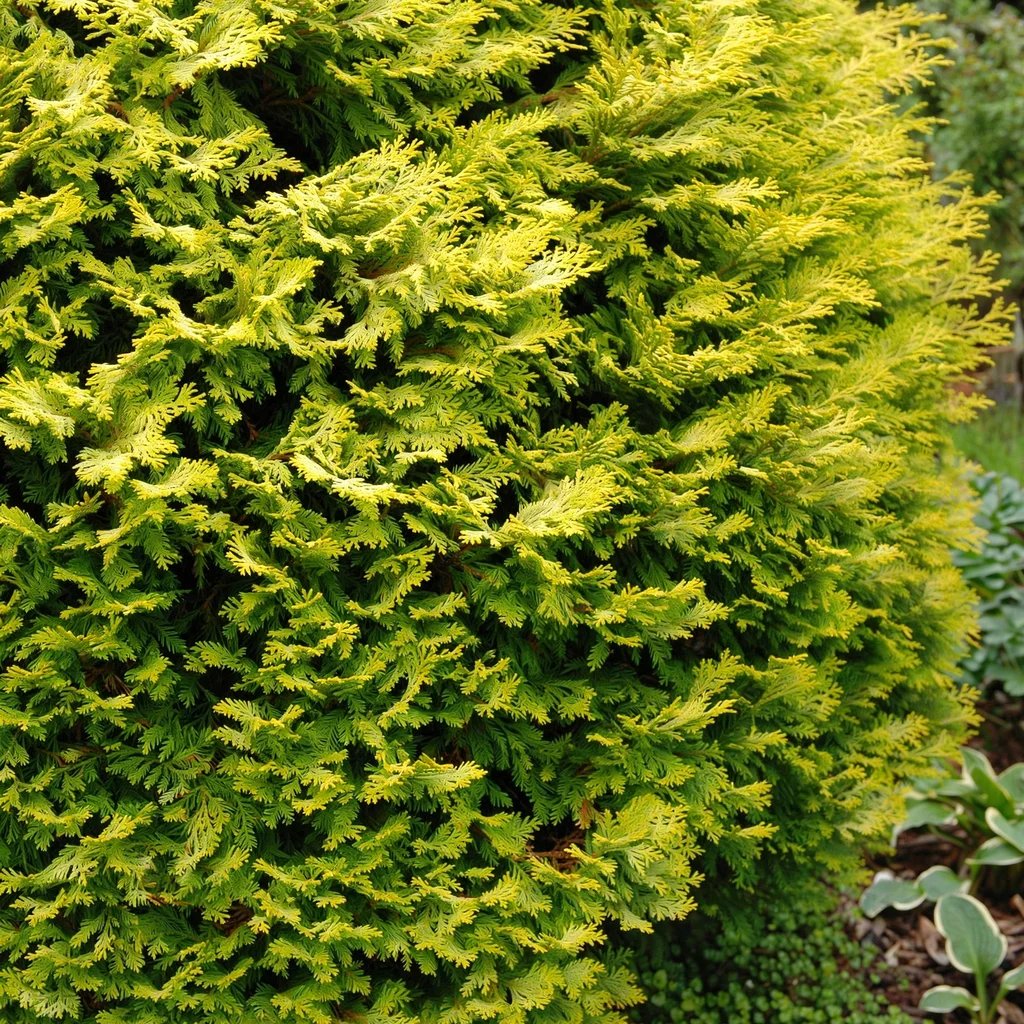
Species
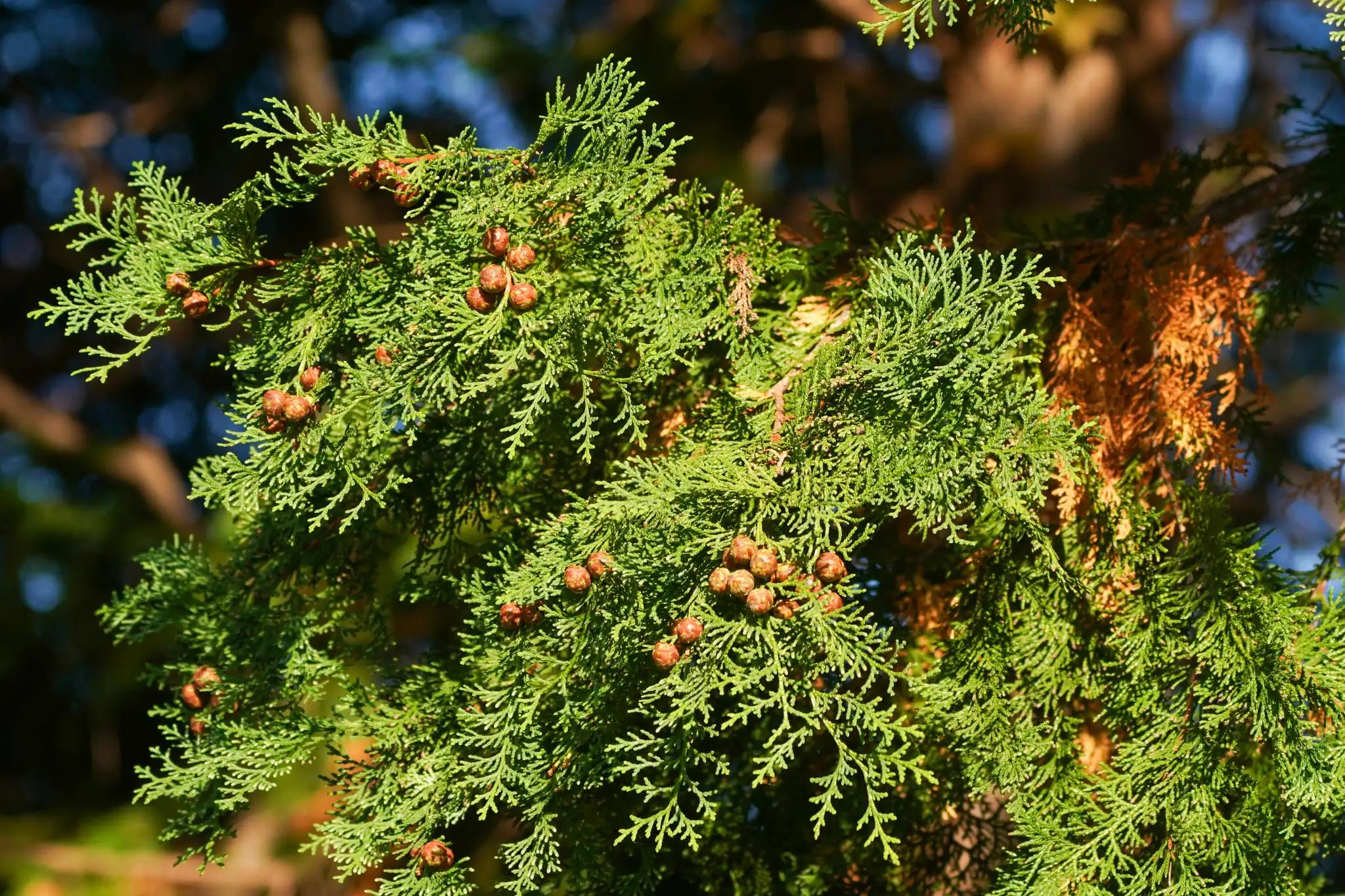
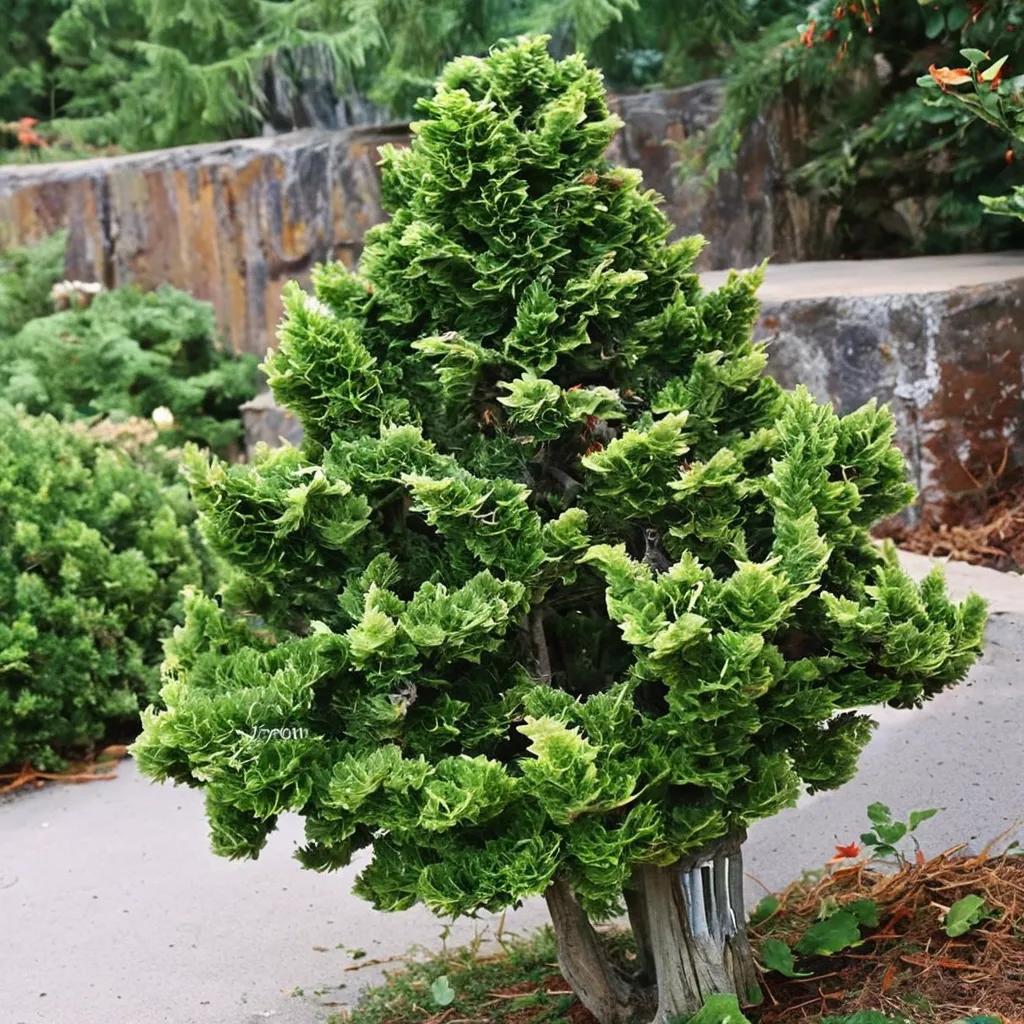
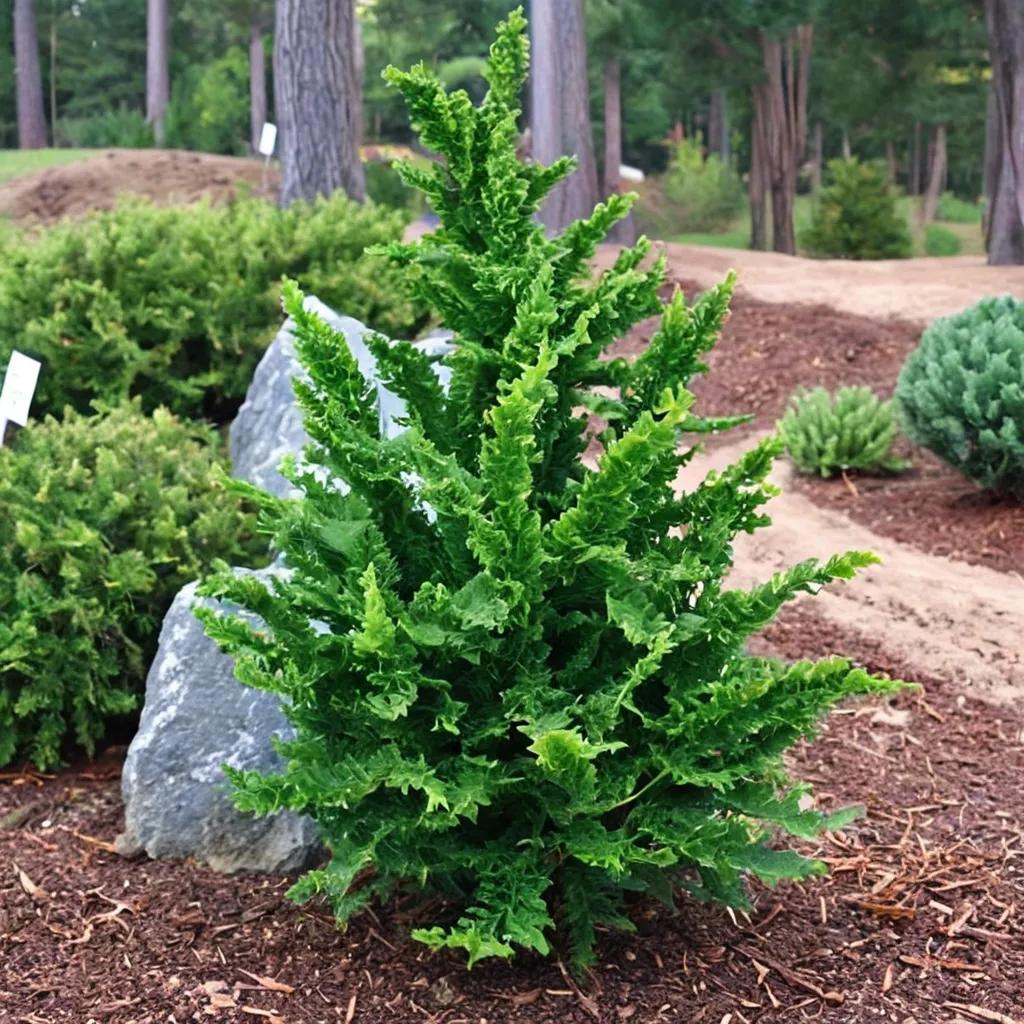
35 other cultivars
- ‘Nana Gracilis’Nana Gracilis Dwarf Hinoki Cypress
- ‘Kosteri’Kosteri Hinoki Cypress
- ‘Filicoides’Fernspray Hinoki Cypress
- ‘Little Markey’'Little Markey' Hinoki Cypress
- ‘Fernspray Gold’Fernspray Gold Hinoki Cypress
- ‘Tsatsumi Gold’Tsatsumi Gold Hinoki Cypress
- ‘Bess’'Bess' Hinoki Cypress
- ‘Tetragona Aurea’Golden Hinoki Cypress 'Tetragona Aurea'
- ‘Nana Lutea’Nana Lutea Japanese False Cypress
- ‘Nana Aurea’Nana Aurea Dwarf Golden Hinoki Cypress
- ‘Torulosa Nana’Dwarf Twisted Hinoki Cypress
- ‘Confucius’Confucius Hinoki Cypress
- ‘Juniperoides’Hinoki Cypress Juniperoides
- ‘Gold Drop’Gold Drop Hinoki Cypress
- ‘Verdon’Hinoki Cypress Verdon
- ‘Tonia’Tonia Japanese False Cypress
- ‘Splitrock’Hinoki Cypress Splitrock
- ‘Pygmaea Aurescens’Pygmaea Aurescens Dwarf Golden Hinoki Cypress
- ‘Breviramea’Hinoki Cypress Breviramea
- ‘Pygmaea’Pygmaea Dwarf Hinoki Cypress
- ‘Gracilis’Slender Hinoki Cypress
- ‘Chimaani-hiba’Chimanihiba Hinoki Cypress
- ‘Gracilis Compacta’Compact Hinoki False Cypress
- ‘Conschlecht’Night Light Hinoki Cypress
- ‘Southern Lace’Southern Lace Hinoki Cypress
- ‘Wells Special’Wells Special Hinoki Cypress
- ‘Tempelhof’Tempelhof Hinoki Cypress
- ‘Verdoni’Verdon Hinoki Cypress
- ‘Compacta’Compact Hinoki Cypress
- ‘Ivan's Column’Ivan's Column Hinoki Cypress
- ‘Crippsii’Golden Hinoki False Cypress
- ‘Lynn's Golden’Lynn's Golden Hinoki Cypress
- ‘Little Anne’Little Anne Hinoki Cypress
- ‘Golden Fernspray’Golden Fernspray Hinoki Cypress
- ‘Densa’Densa Hinoki Cypress










The Story
Plant Bio
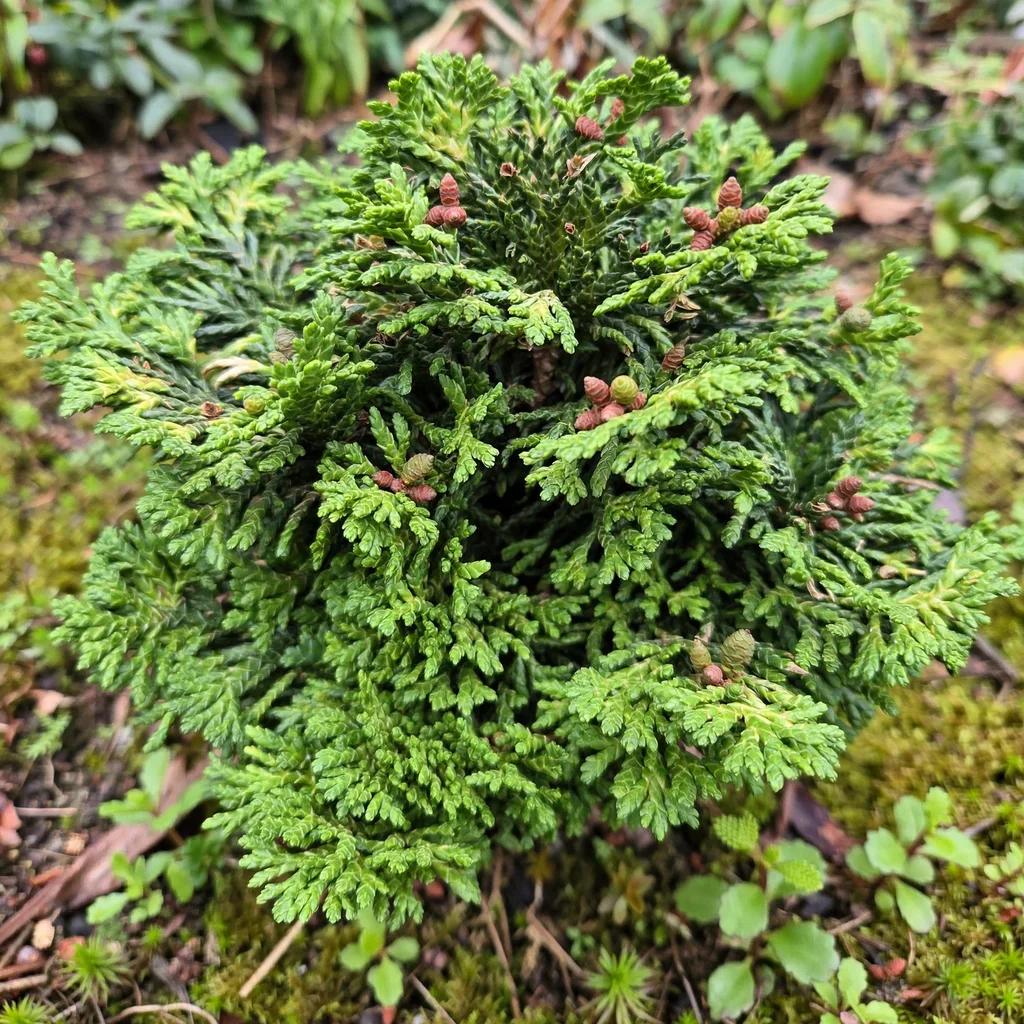
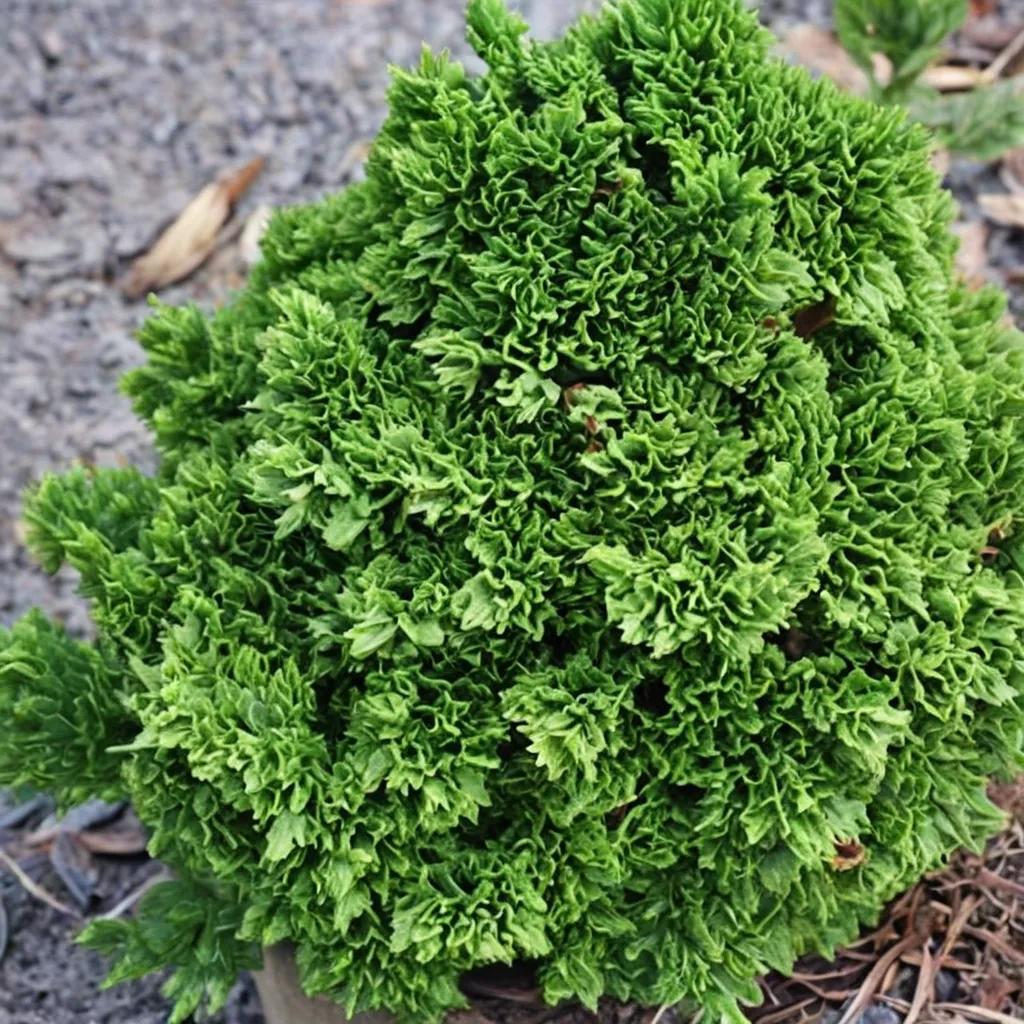
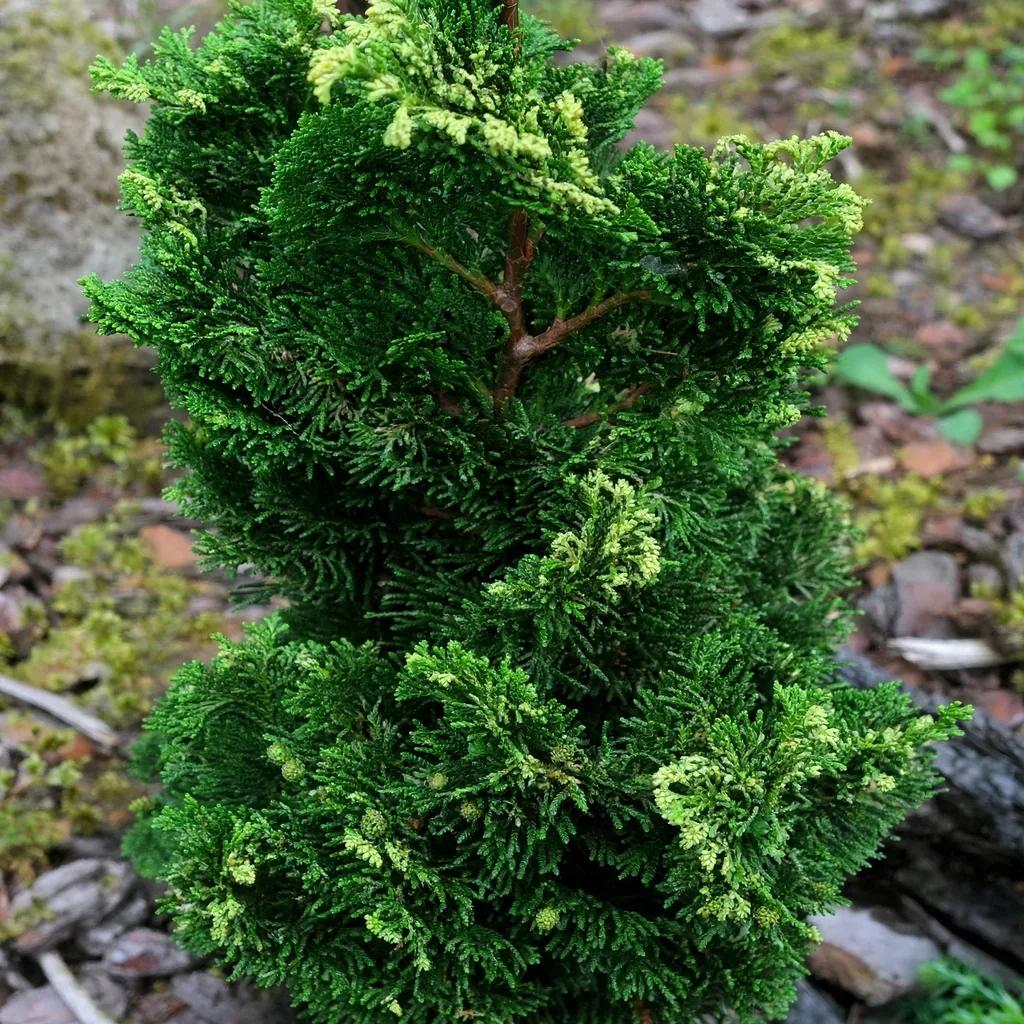
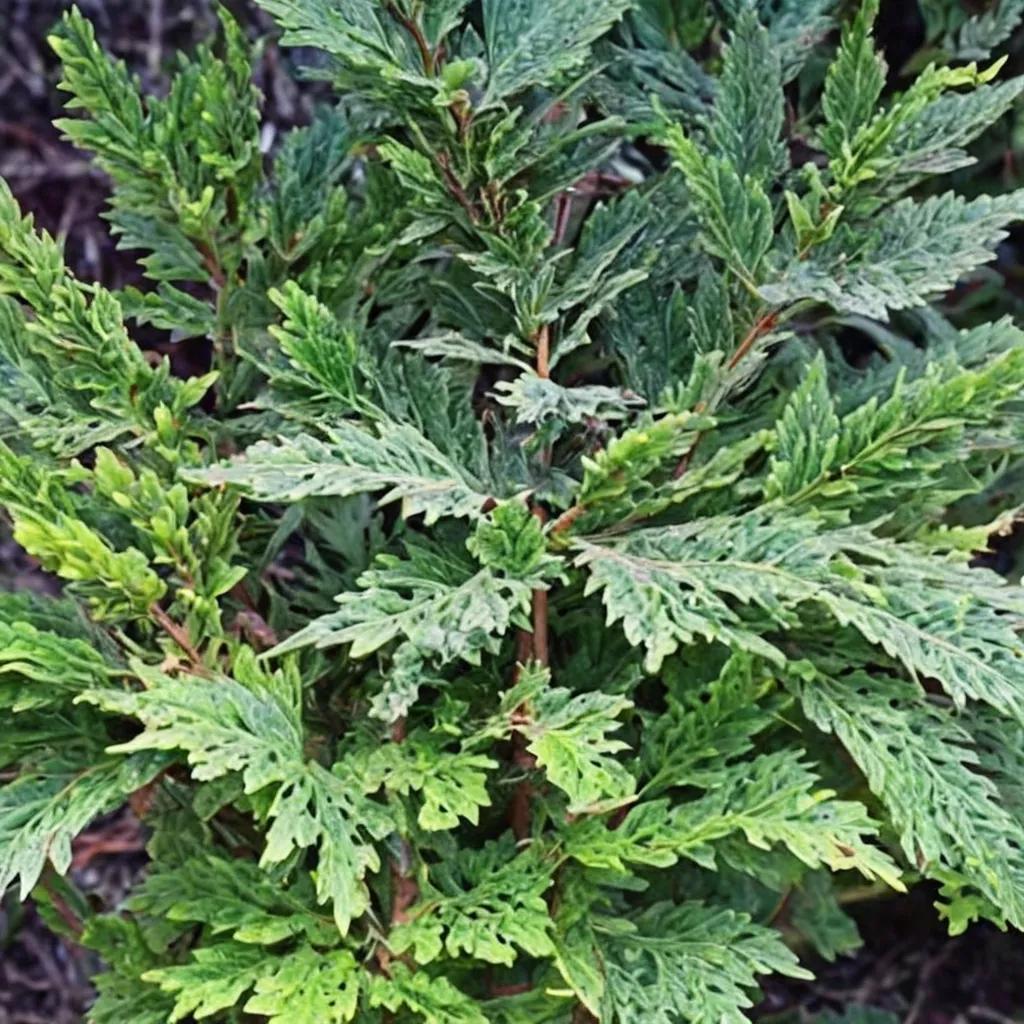
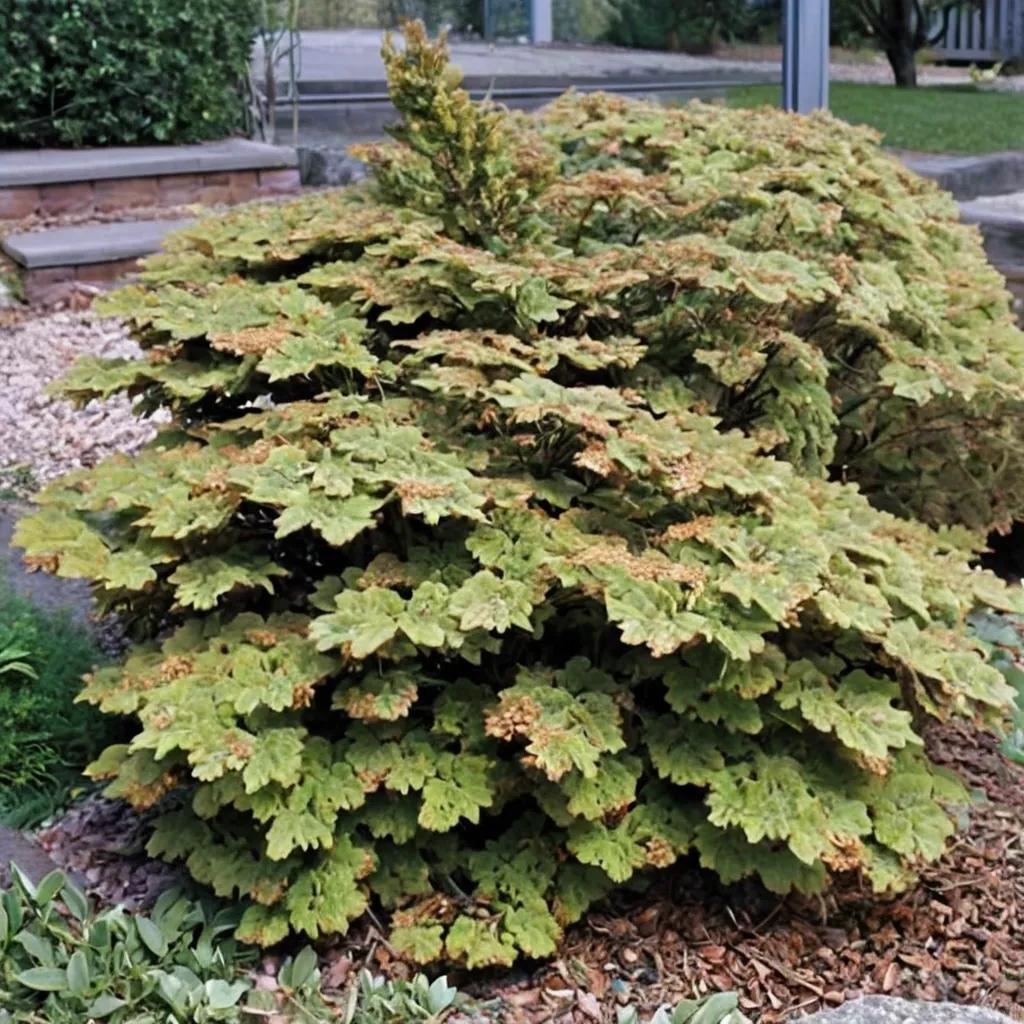
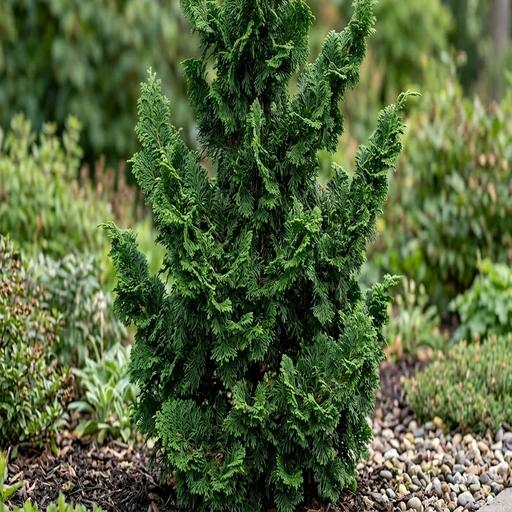
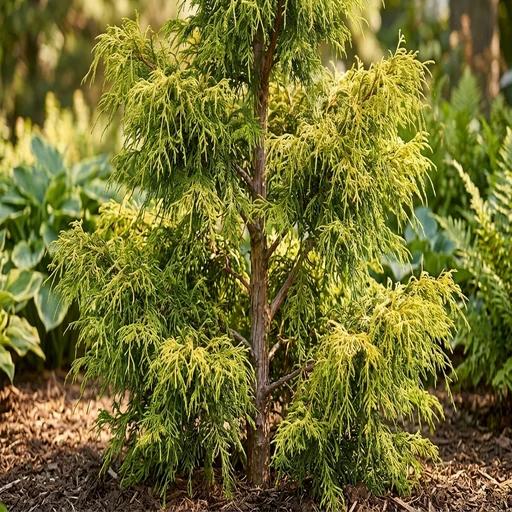
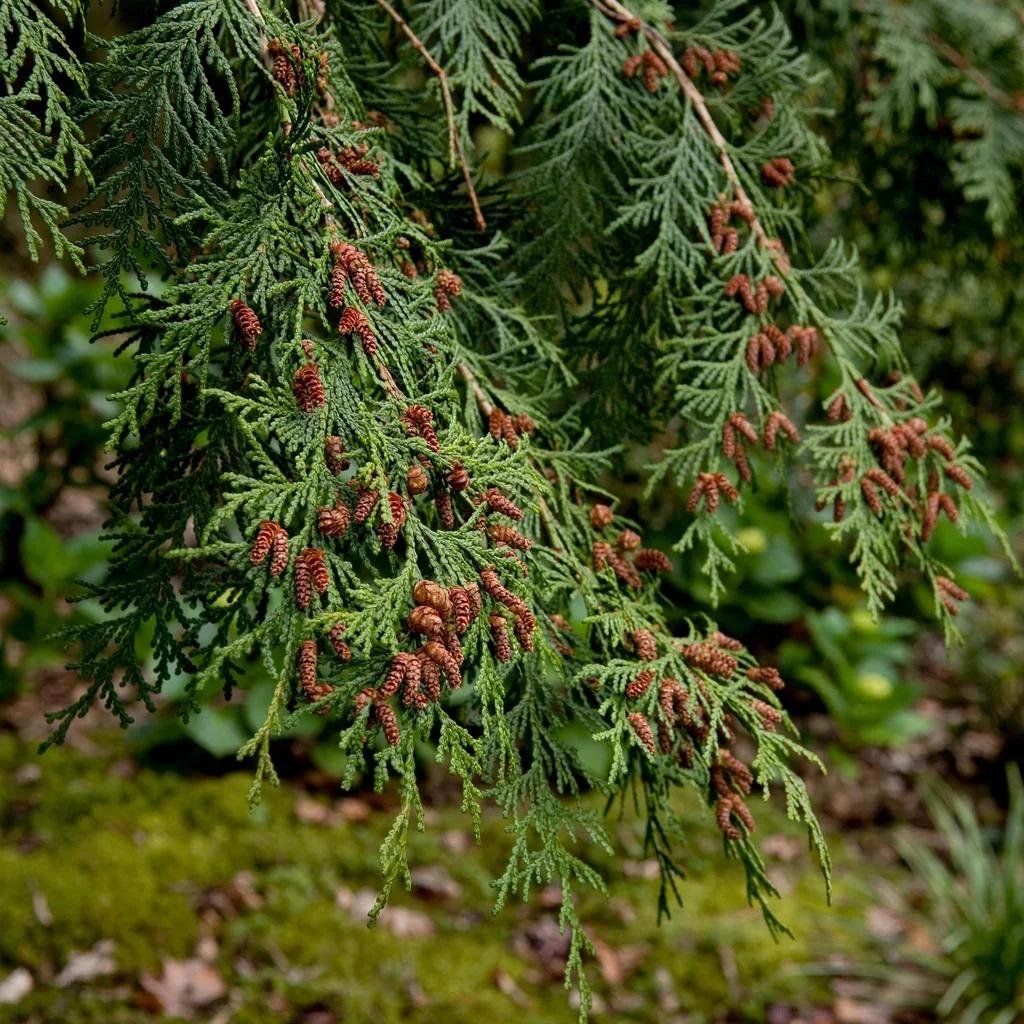
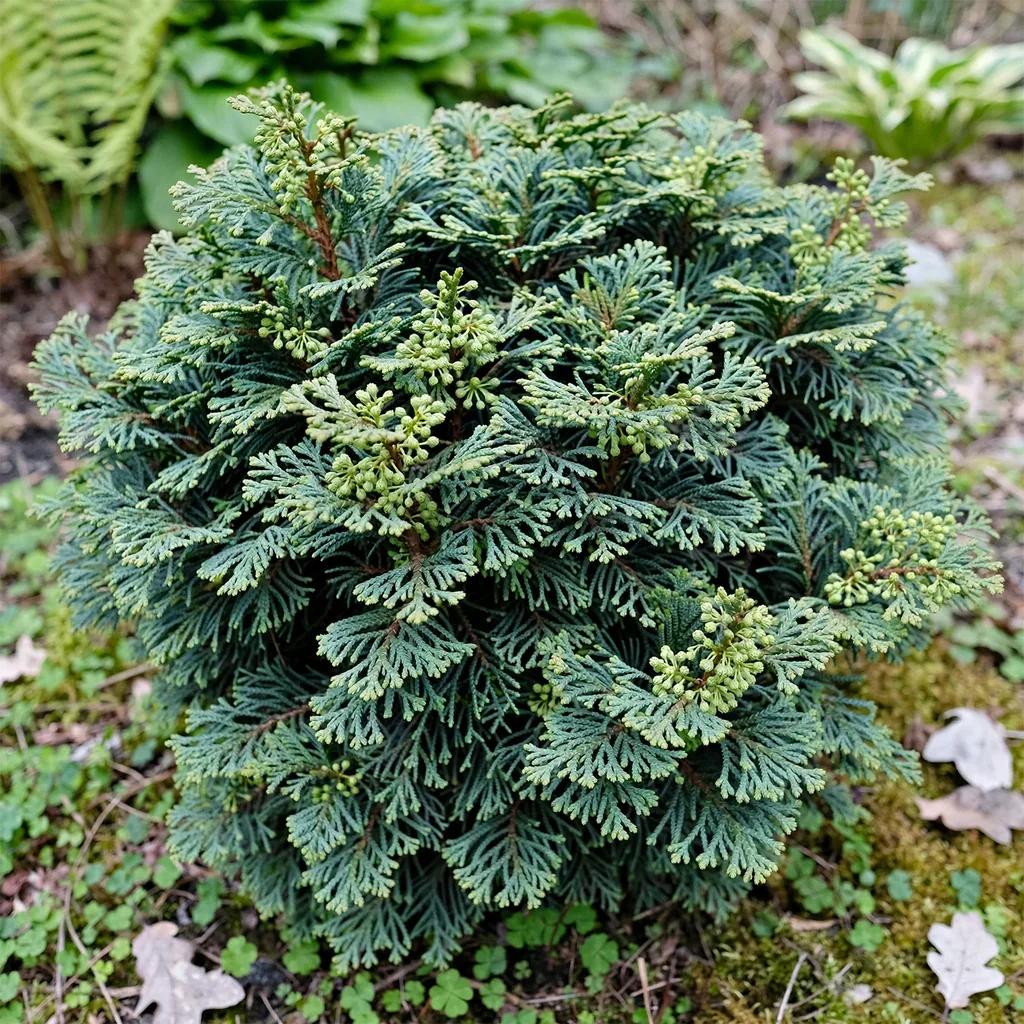
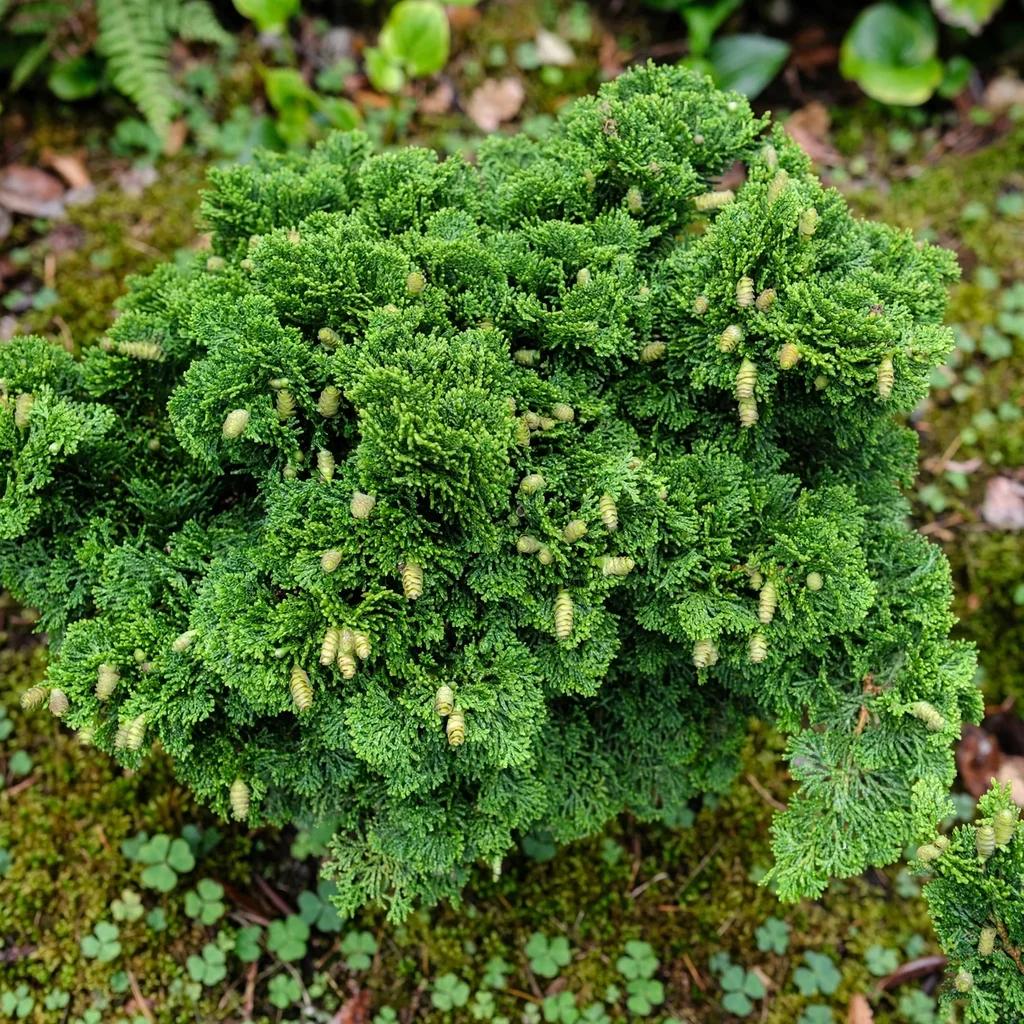
Chamaecyparis obtusa, commonly known as Hinoki cypress, is an evergreen conifer native to Japan that features dense, flattened sprays of scale-like foliage. The species naturally forms a slow-growing tree or shrub with reddish-brown fibrous bark and tiny, non-showy cones.
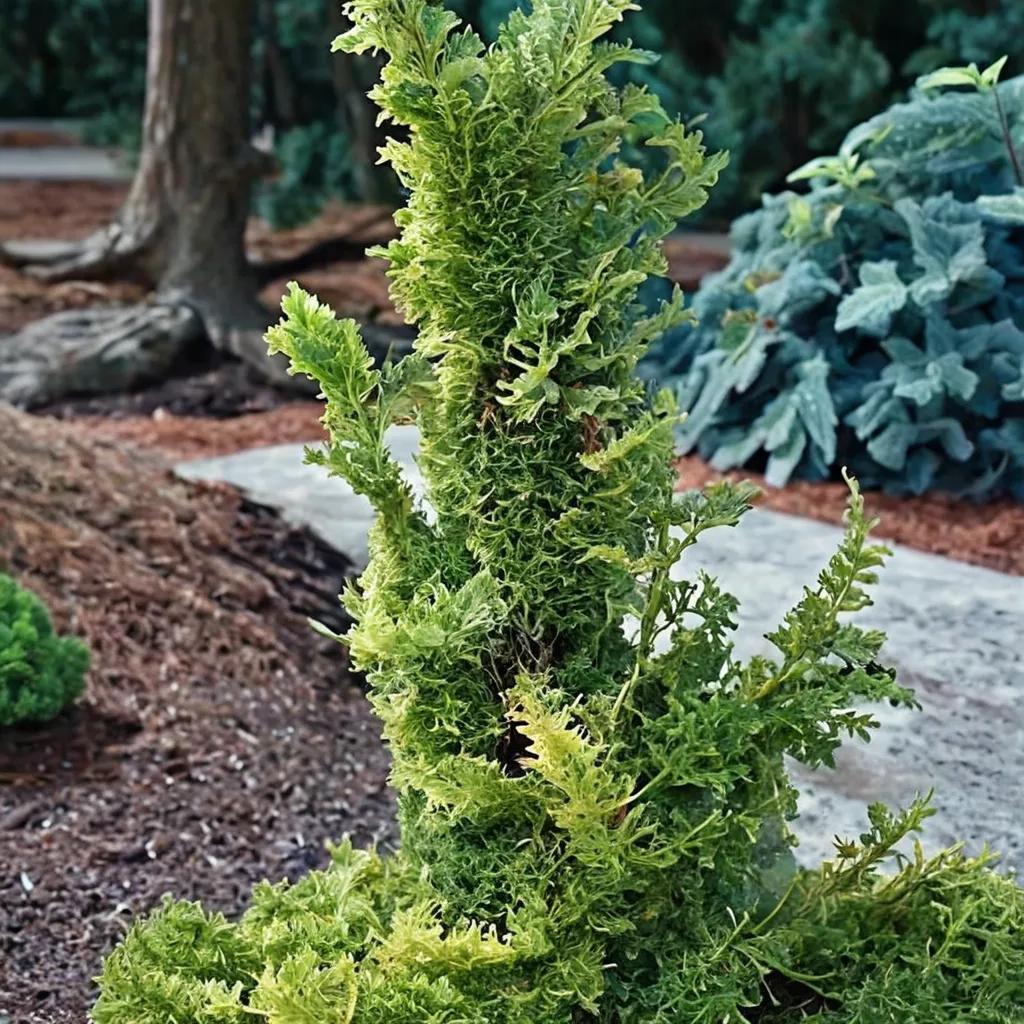
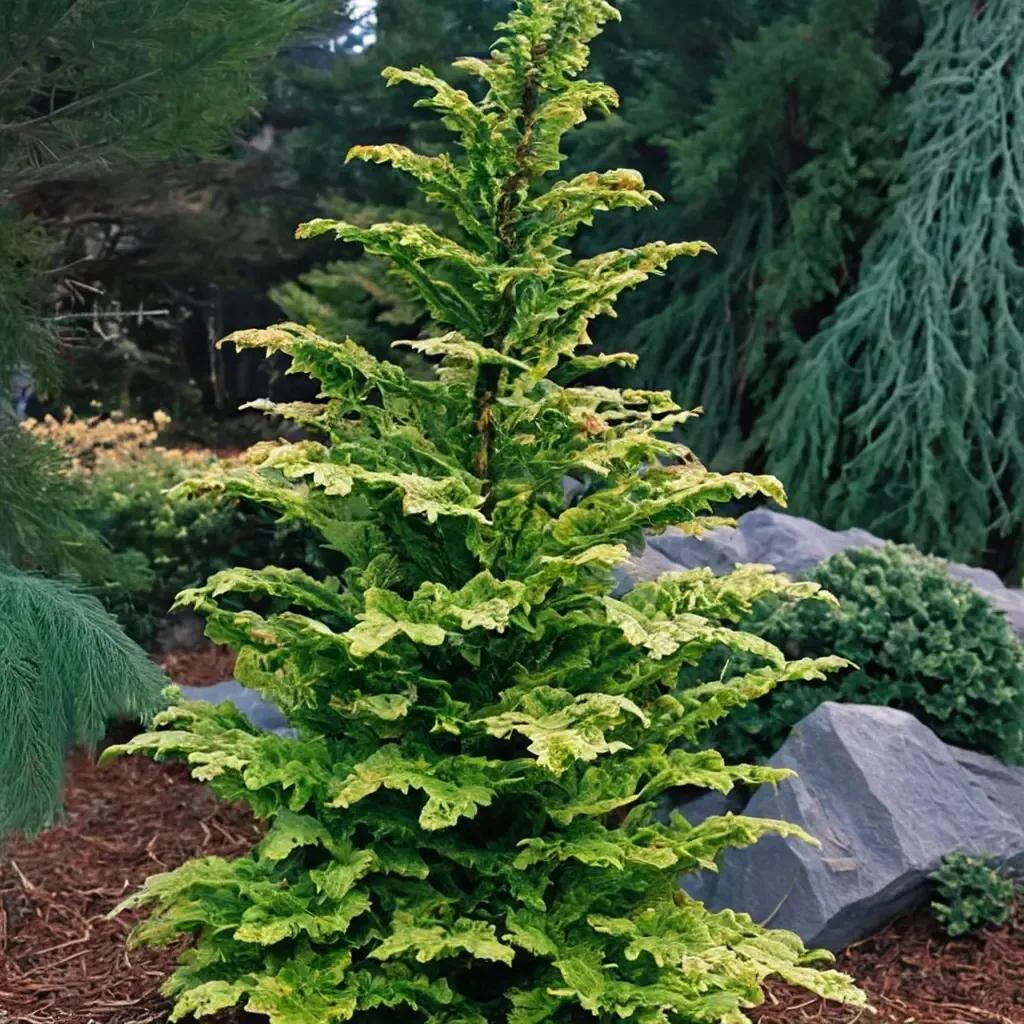
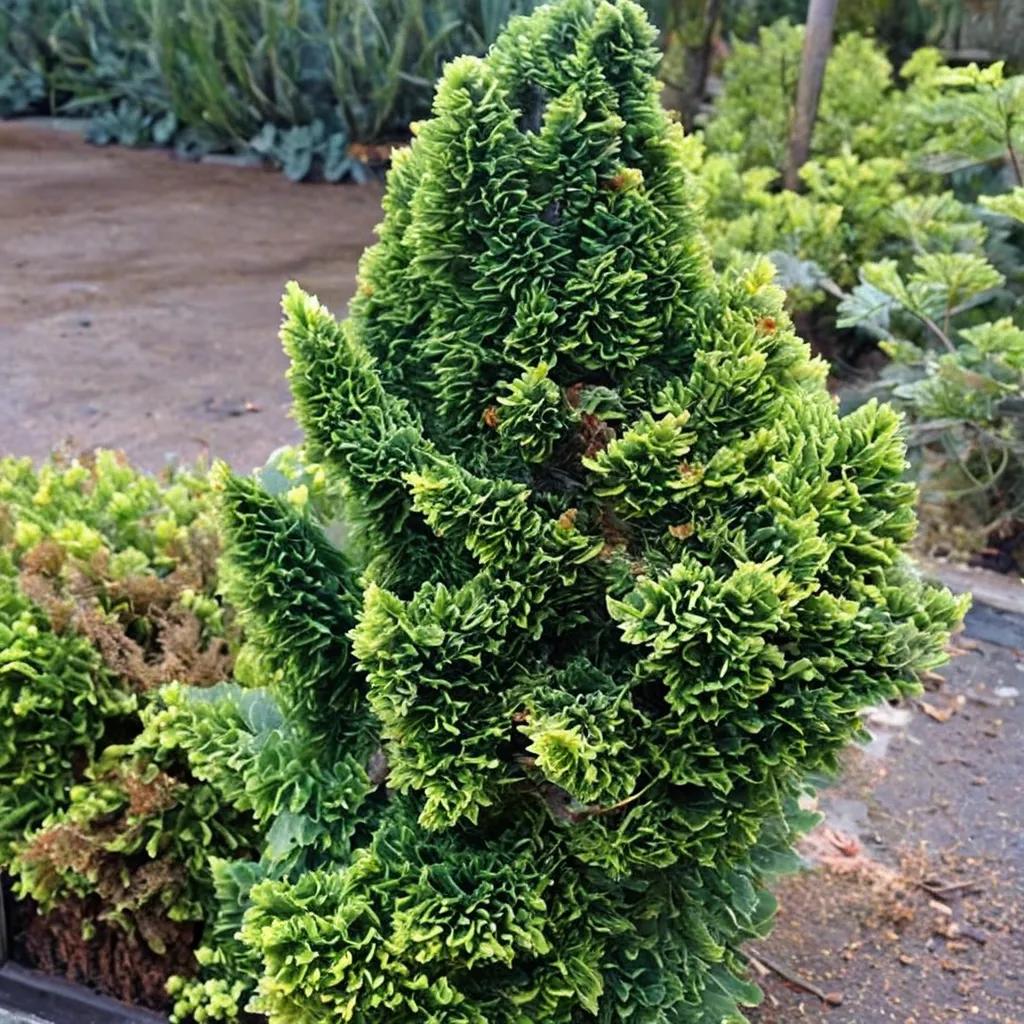
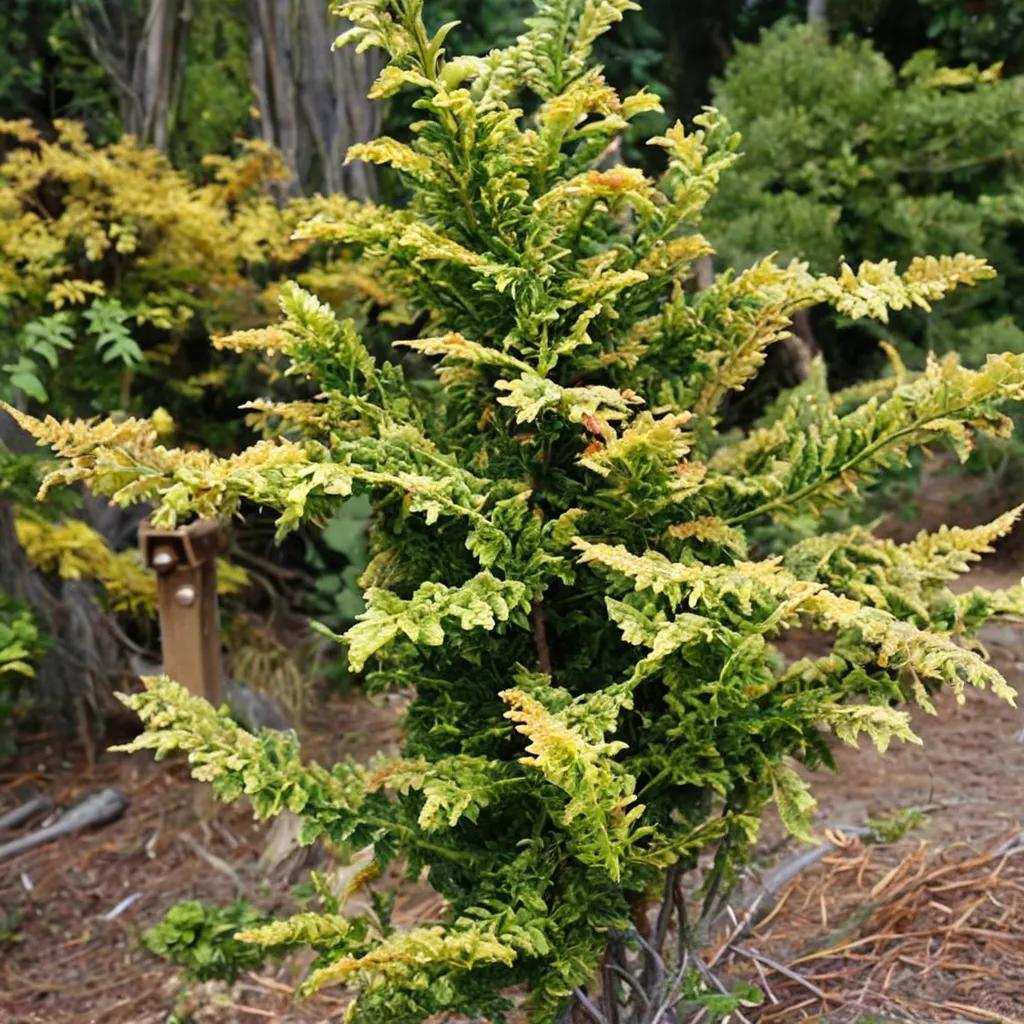
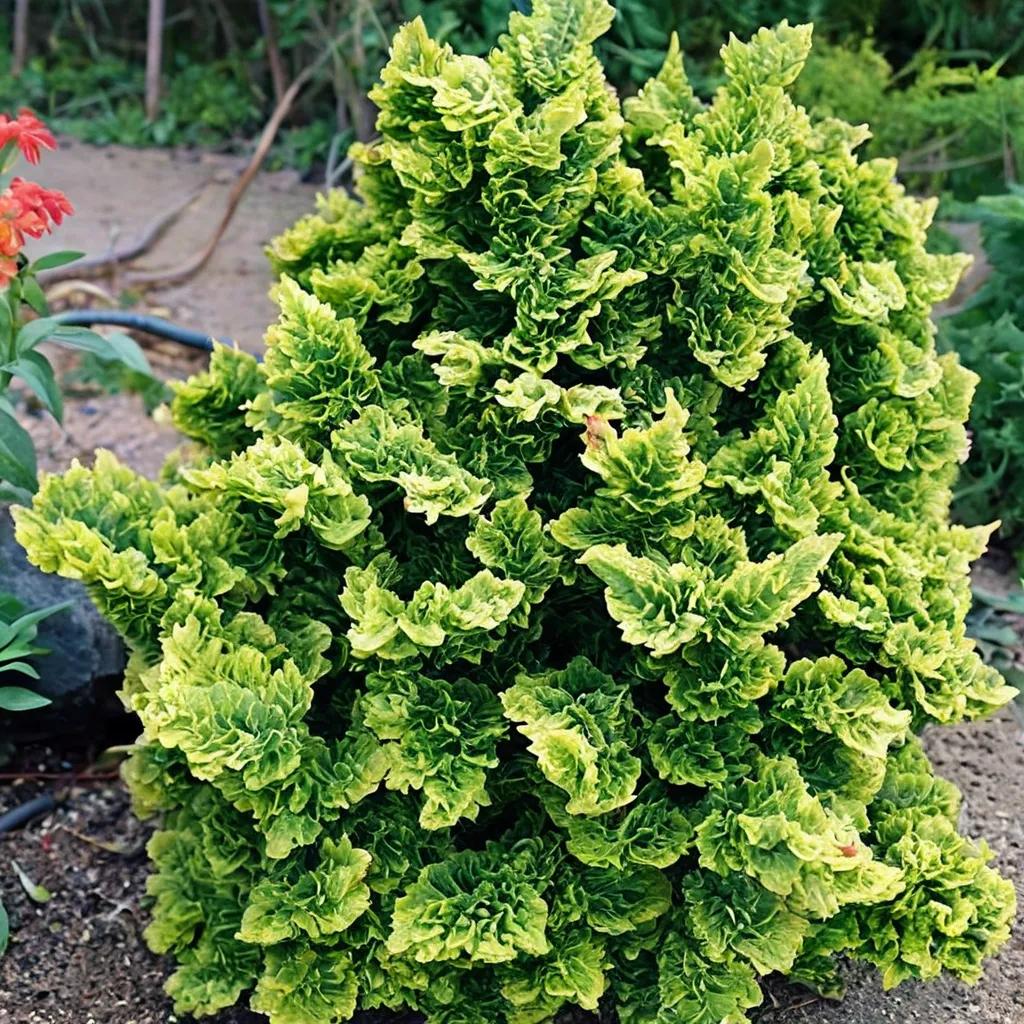
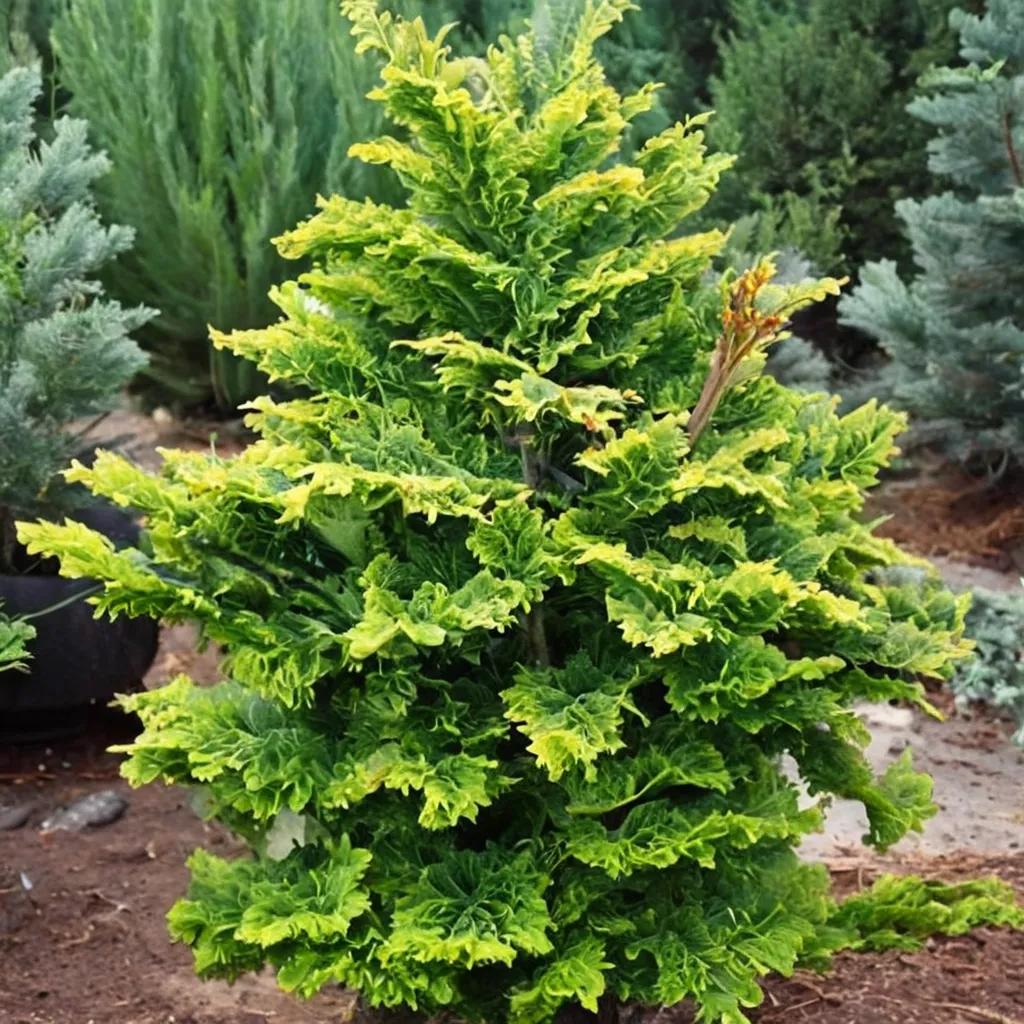
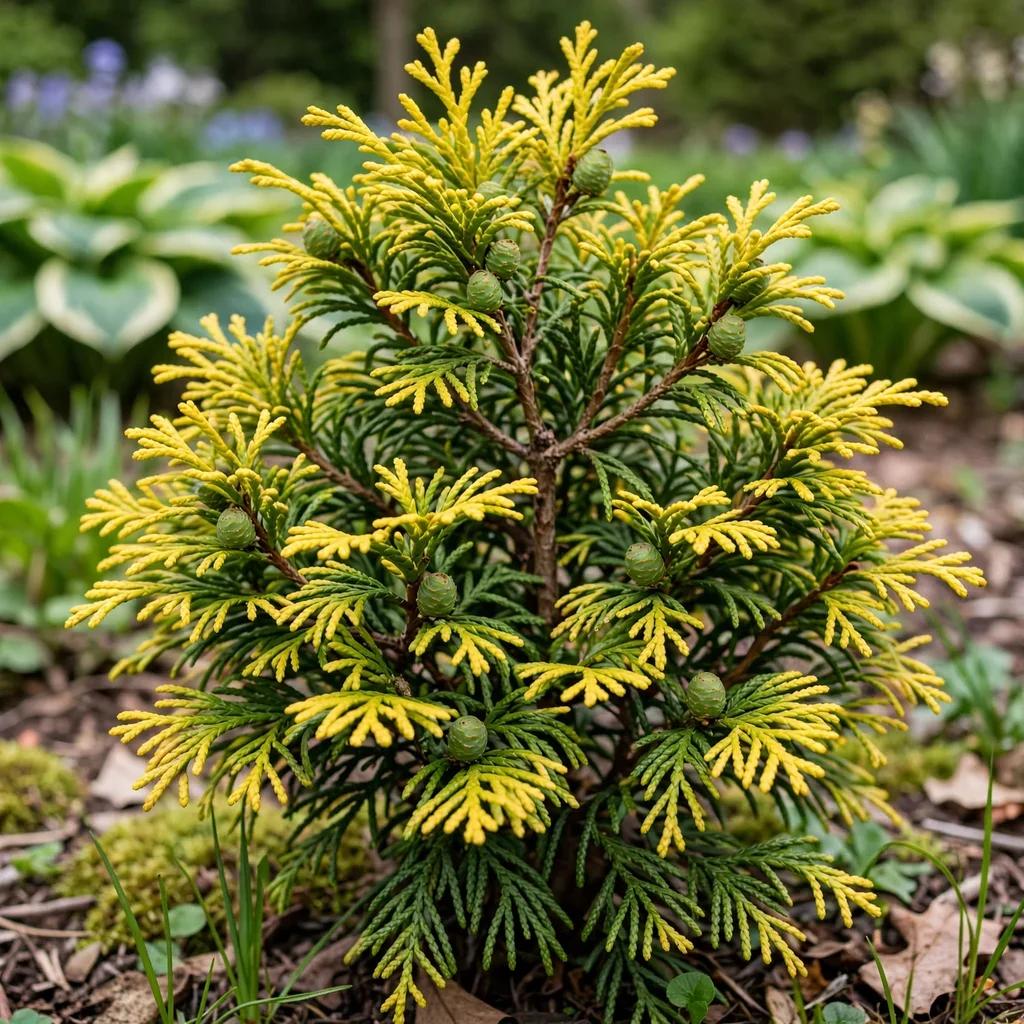
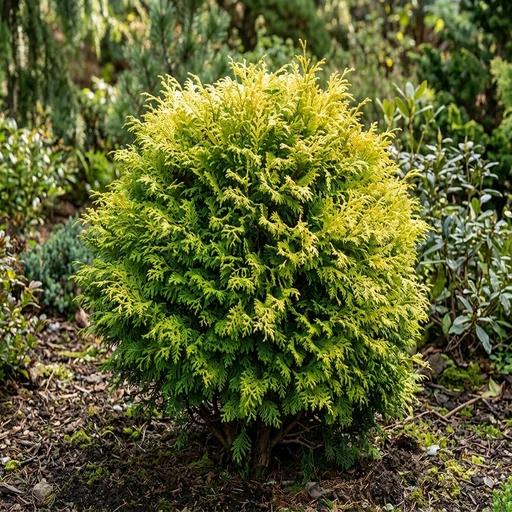
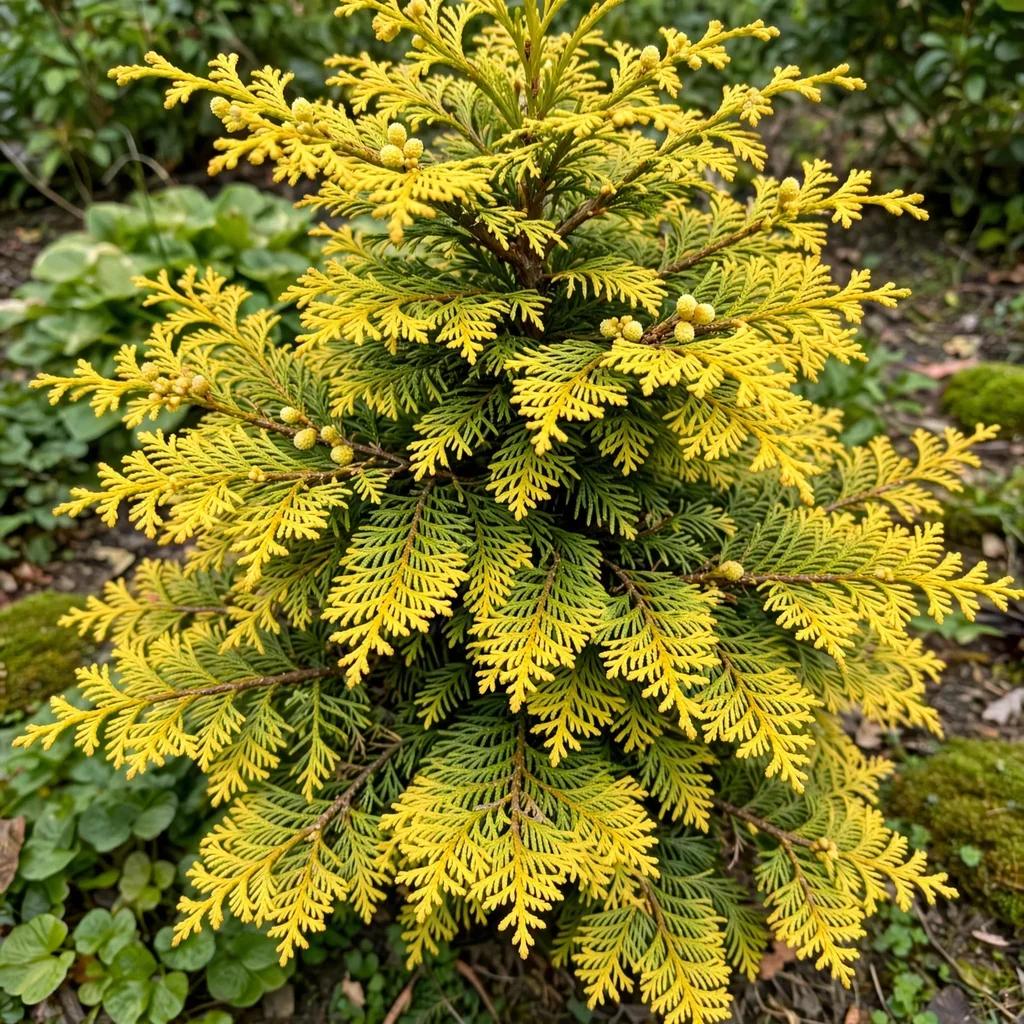
‘Elmwood Gold’ forms a dense, flattened globe-shaped shrub reaching roughly six feet in height and width after ten years. Its spring growth opens in brilliant golden-yellow sprays that maintain bright yellow highlights over dark green interior foliage year-round.
Uses & Benefits:
Essentials
At a Glance
Plant Type
Shrub
Height
72"
Width
72"
Light
Full Sun, Partial Sun
Zones
5, 6, 7, 8
Water
Moderate
Humidity
Moderate
Lifespan
Long-lived
Native To
Japan
Toxicity
Non-toxic ( foliage oils may cause mild skin irritation)
Bloom period
Spring
In flower about 3 months of the year
Planting
How to Grow
- Select a planting site in full sun to partial shade with rich, organically dynamic soil.
- Ensure the location offers consistent moisture and exceptional drainage, avoiding areas subject to standing water.
- Dig a hole twice as wide as the root ball and set the root collar flush with the surrounding soil level.
- Apply a two-inch layer of organic mulch over the root zone, keeping it slightly back from the main stem.
Pro Tip
Never cut back into old, leafless interior wood, as Hinoki cypress lacks dormant buds on bare stems and cannot regenerate foliage from hard cuts.
Keep It Thriving
Care Guide
Do
- Provide regular deep watering during extended dry periods to maintain soil moisture.
- Protect foliage from harsh, drying winter winds in northern climate zones.
- Apply an annual top-dressing of organic compost or balanced conifer fertilizer in early spring.
Don't
- Do not shear hard into bare wood or attempt to geometric-hedge the shrub into dead interior foliage.
- Do not plant in heavy, poorly drained clay soils where water stagnates after rain.
- Do not allow the plant to dry out completely during its first two established growing seasons.
Seasonal Care Calendar
| Task | Jan | Feb | Mar | Apr | May | Jun | Jul | Aug | Sep | Oct | Nov | Dec |
|---|---|---|---|---|---|---|---|---|---|---|---|---|
| Fertilize | ||||||||||||
| Mulch | ||||||||||||
| Pest Check | ||||||||||||
| Prune |
Watch Out For
Pests & Diseases
Common Pests
Common Diseases
In the Garden
Landscape Uses & Companions
Landscape Uses
Companion Plants
Multiply
Propagation Methods
Good to Know
Common Questions
Elmwood Gold Hinoki Cypress questions
What zones can Elmwood Gold Hinoki Cypress grow in?
Elmwood Gold Hinoki Cypress is hardy in USDA Zones 5–8: in that range it survives winter in the ground. Colder than Zone 5, grow it in a container you can move to shelter for the winter. Warmer than Zone 8, winter isn't the problem: it prefers colder winters, and summer heat can shorten its life.
Is Elmwood Gold Hinoki Cypress deer resistant?
Not reliably. Deer may browse Elmwood Gold Hinoki Cypress, especially tender spring growth — plan on repellents or fencing where pressure is high.
When does Elmwood Gold Hinoki Cypress bloom?
Elmwood Gold Hinoki Cypress typically blooms in spring. Exact timing shifts a week or two with your zone — Sow's bloom calendar maps it to your garden.
Does Elmwood Gold Hinoki Cypress need full sun?
Elmwood Gold Hinoki Cypress does best in full sun to part shade. In hot climates, afternoon shade keeps blooms fresher longer.
More Chamaecyparis to compare
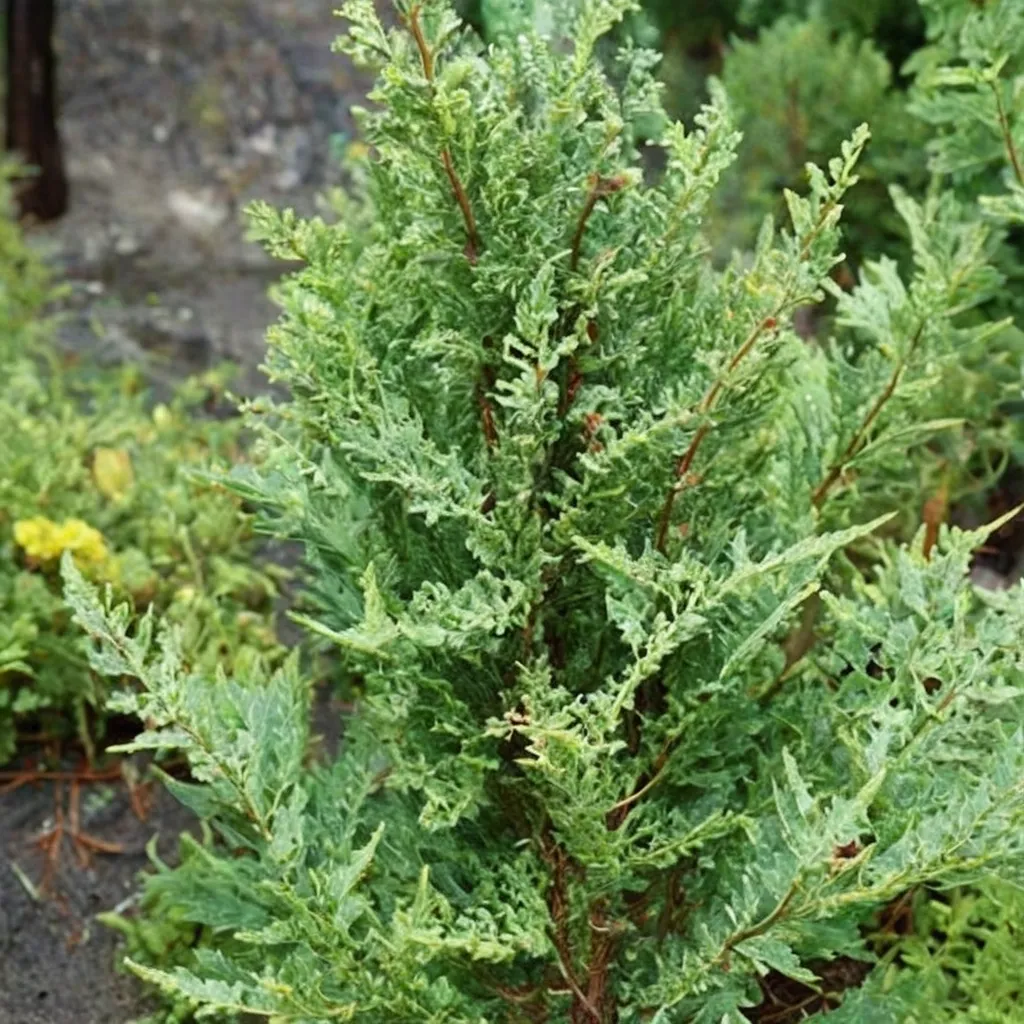
Meth Dwarf Atlantic White Cedar
Chamaecyparis thyoides 'Meth Dwarf'
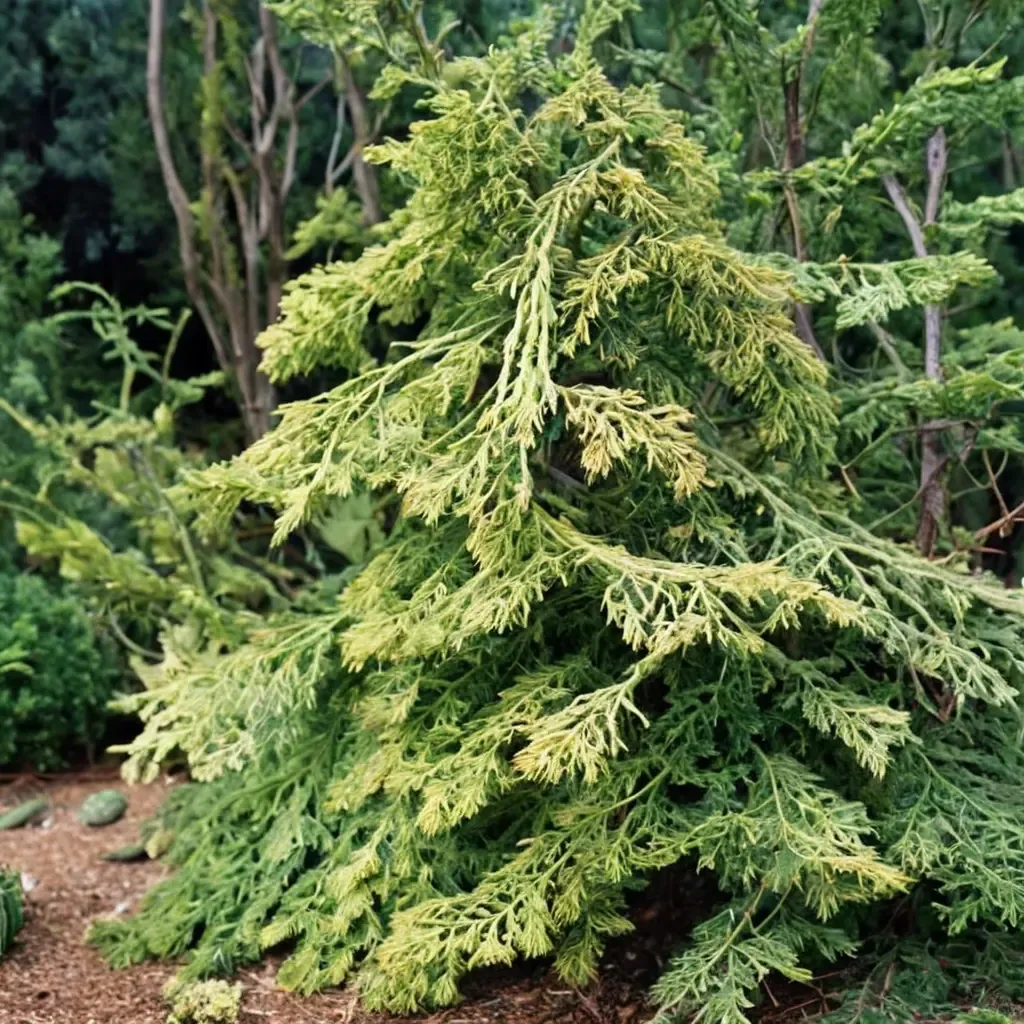
Golden Threadleaf False Cypress
Chamaecyparis pisifera 'Filifera Aurea'
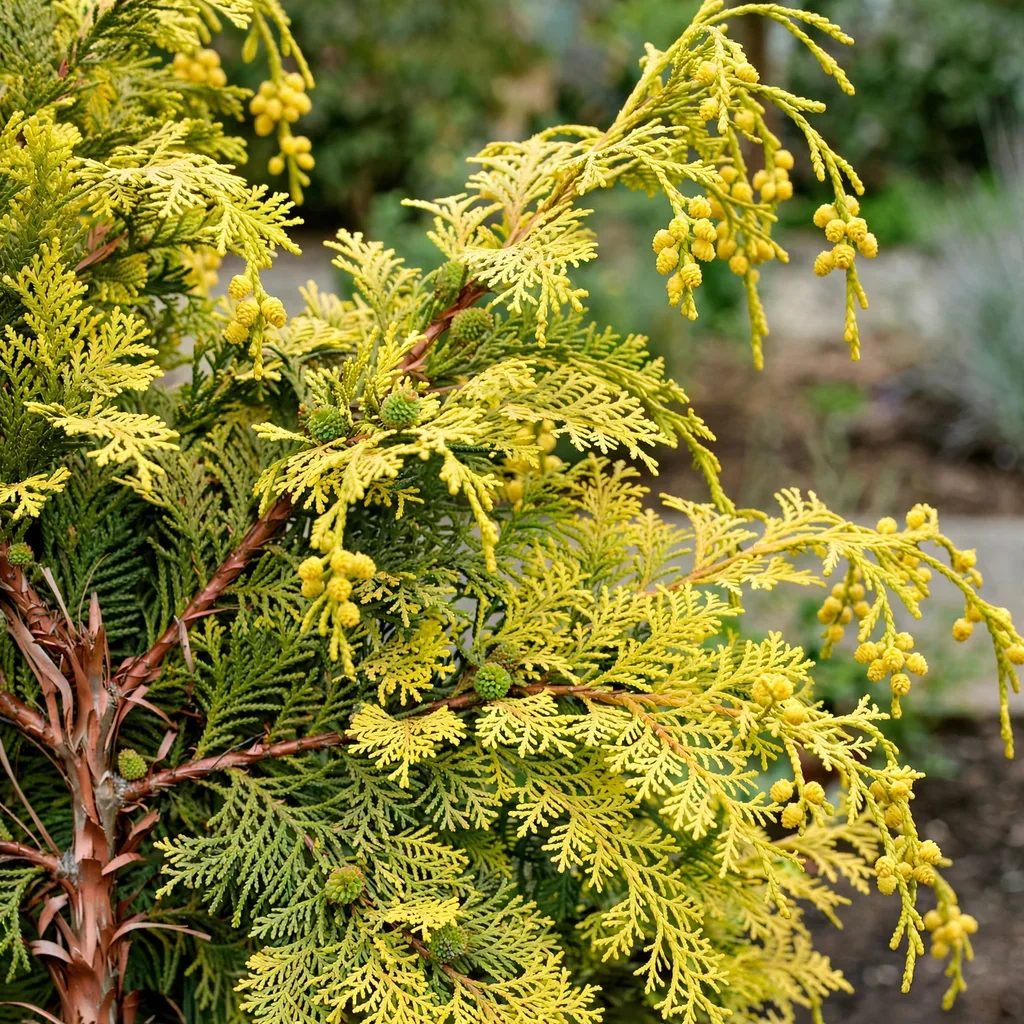
Webb Gold Atlantic White Cedar
Chamaecyparis thyoides 'Webb Gold'
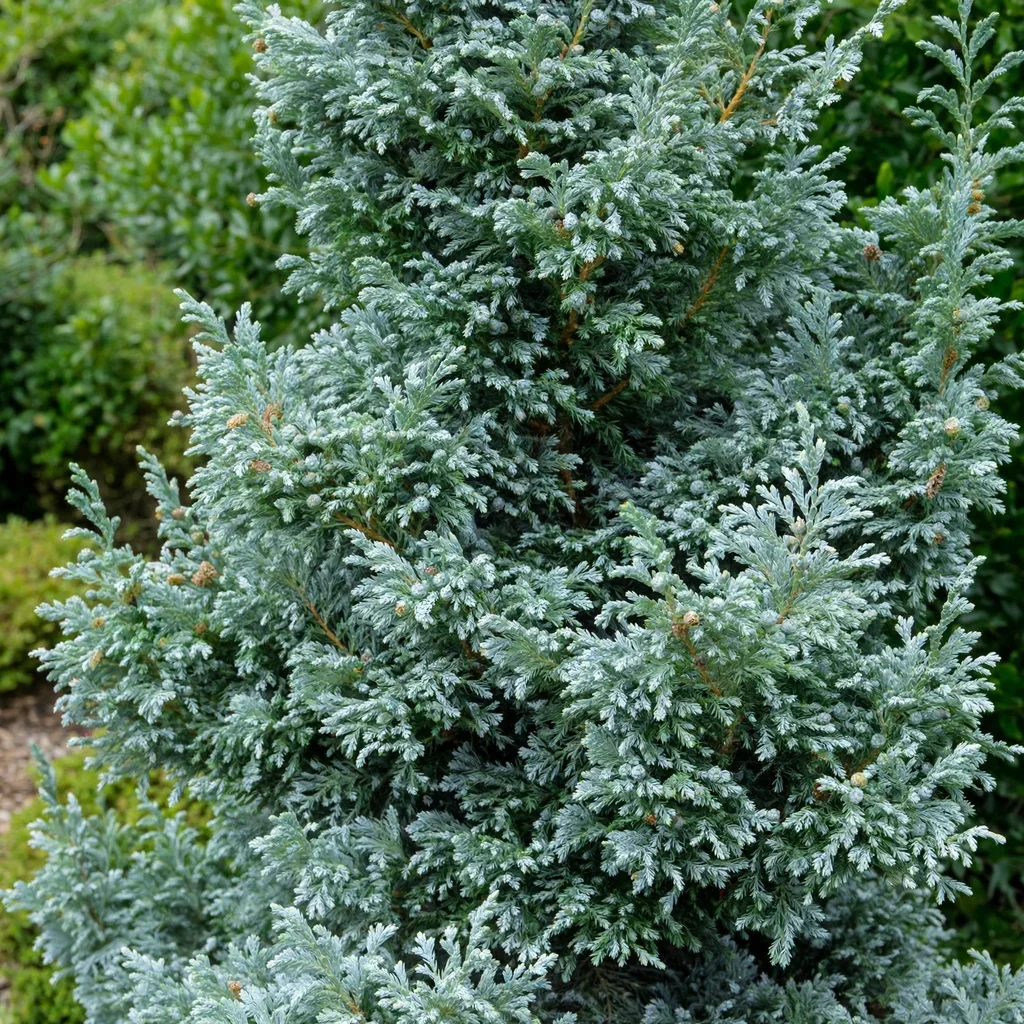
Blue Nootka Cypress
Chamaecyparis nootkatensis 'Glauca'
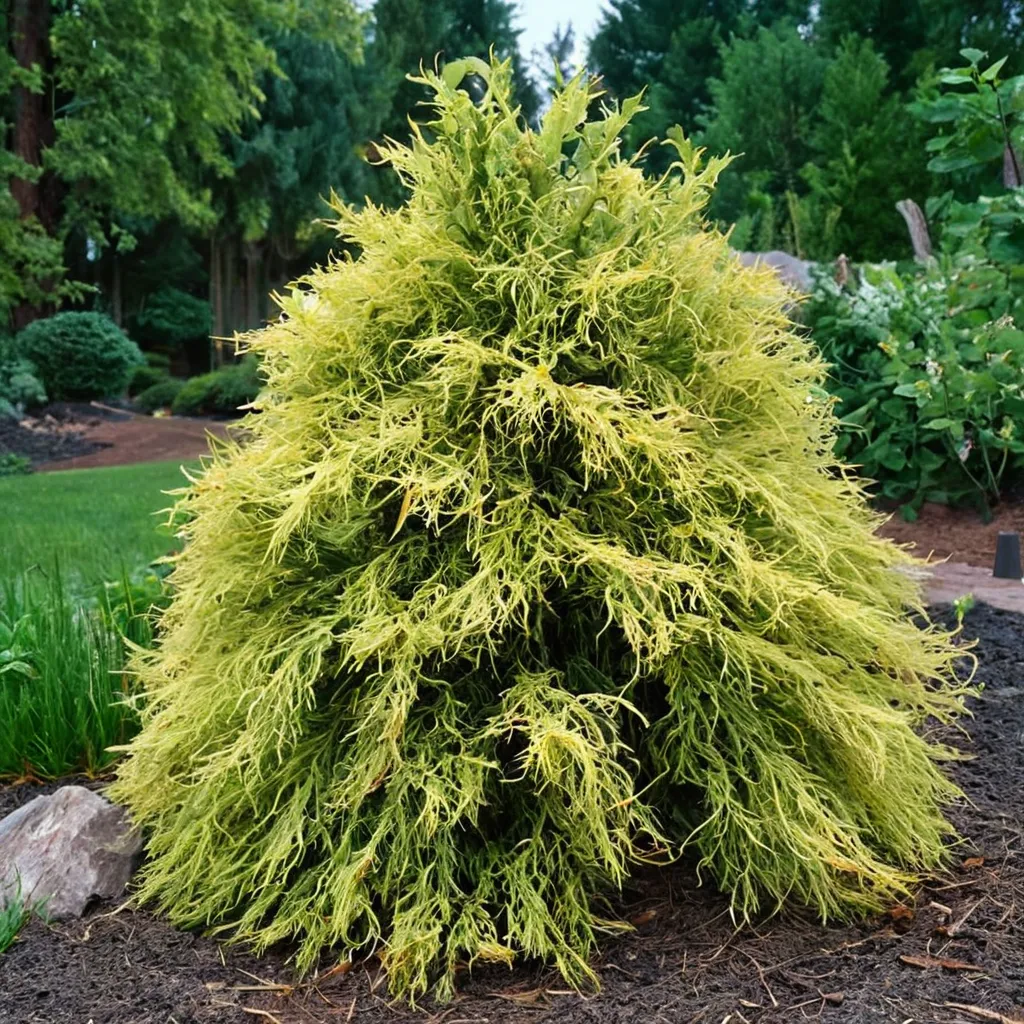
Gold Mop Cypress
Chamaecyparis pisifera 'Gold Mop'
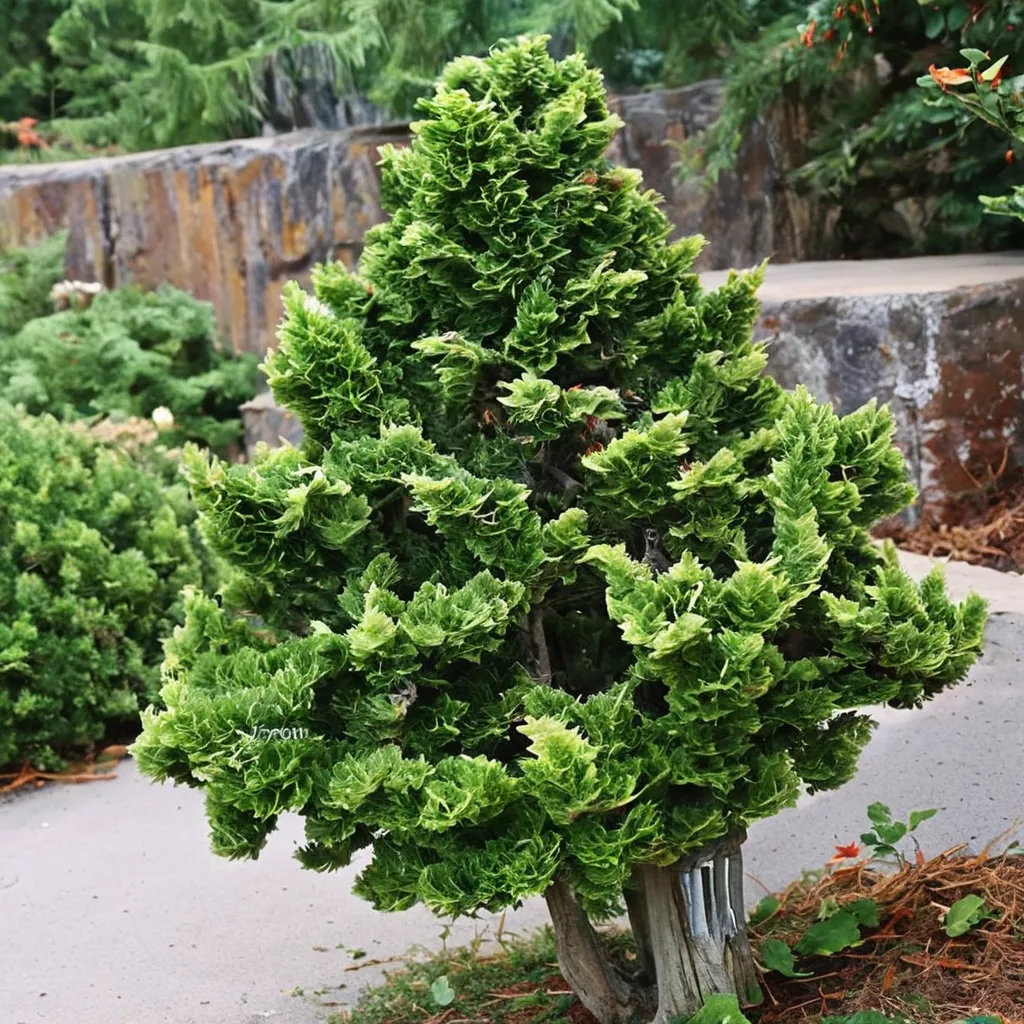
Nana Gracilis Dwarf Hinoki Cypress
Chamaecyparis obtusa 'Nana Gracilis'
Keep exploring
Explore the genus
Hardy in your zone?
Grow Elmwood Gold Hinoki Cypress with confidence
See it in a design of your actual yard, get zone-matched care reminders, and track it season by season in your garden journal.