The Story
Plant Bio
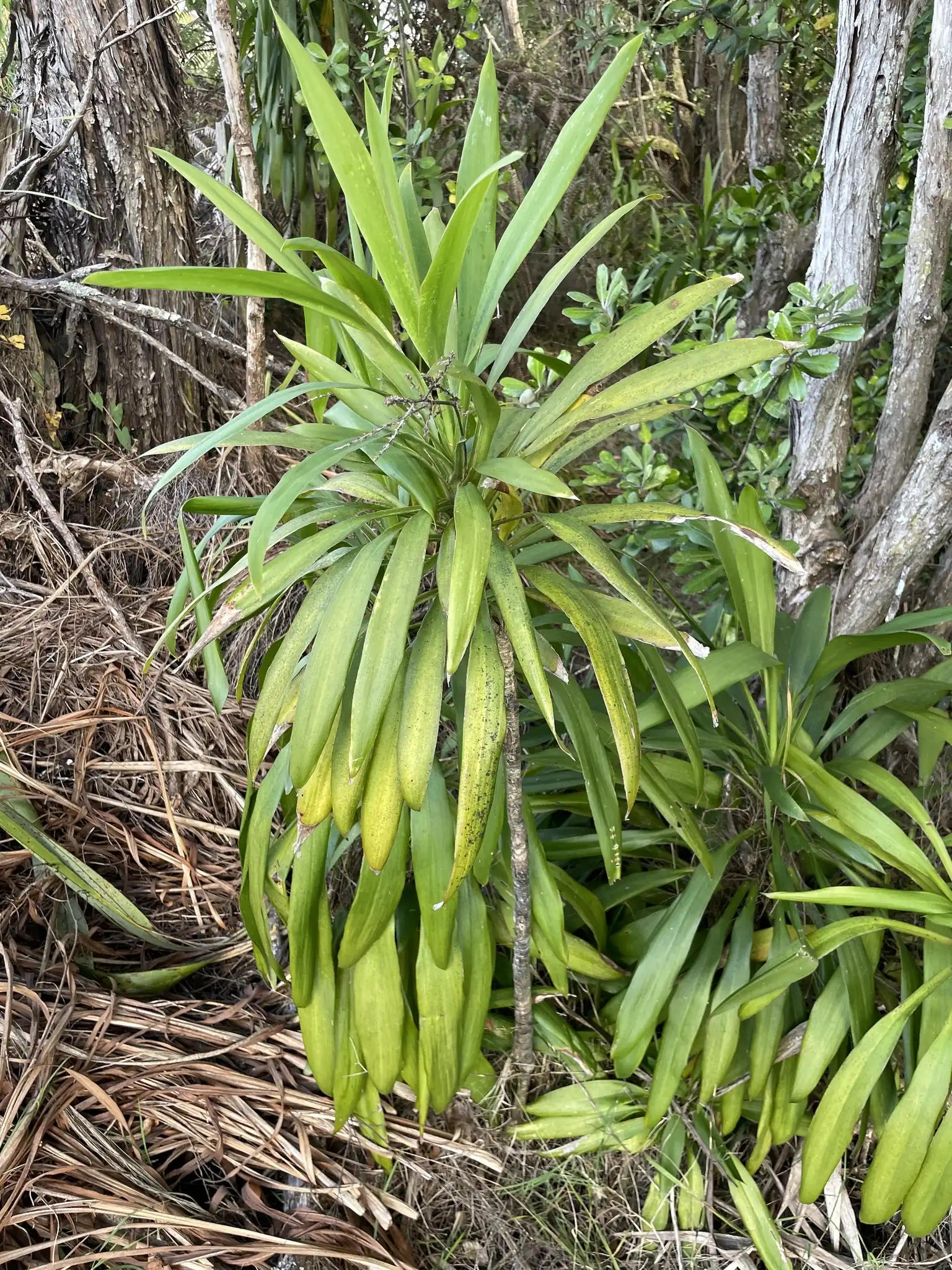
Cordyline rubra is an evergreen, upright woody shrub featuring slender stems topped by rosettes of narrow, dark green foliage that flushes reddish-pink on new growth. In summer, established plants produce branched terminal panicles of small pale lilac flowers followed by bright red berries.
This species is distinguished from other palm lilies by its leaf stalks, which are distinctly flat or slightly channelled in cross-section rather than stemless or rounded. It develops an architectural canopy while maintaining a narrow footprint, suited to shady understory spaces or indoor containers.
Uses & Benefits:
Essentials
At a Glance
Plant Type
Shrub
Height
118"
Width
48"
Light
Partial Sun, Shade
Zones
9, 10
Water
Moderate
Humidity
High
Lifespan
Perennial
Native To
Eastern Australia
Toxicity
Low toxicity if ingested
Bloom period
Summer
In flower about 3 months of the year
Planting
How to Grow
- Place in a sheltered location receiving indirect light or partial to deep shade.
- Plant in a well-draining potting mixture rich in organic matter to avoid water retention.
- Water thoroughly when the top inch of soil dries out, reducing frequency during cool winter months.
- Apply a balanced slow-release fertilizer once in early spring to fuel new leaf flushes.
Pro Tip
Never cut away the main upright trunk expecting herbaceous shoots from soil level; remove only dead or yellowing lower leaves individually at the base of the rosette to maintain structural height.
Keep It Thriving
Care Guide
Do
- Provide bright indirect light or shade from direct sun.
- Use light, fast-draining soil with organic leaf compost.
- Allow the top soil layer to dry before watering again.
Don't
- Do not allow roots to sit in saturated soil or waterlogged saucers.
- Do not prune off the main woody trunk frame.
- Do not expose plants to freezing temperatures outdoor in cold zones.
Seasonal Care Calendar
| Task | Jan | Feb | Mar | Apr | May | Jun | Jul | Aug | Sep | Oct | Nov | Dec |
|---|---|---|---|---|---|---|---|---|---|---|---|---|
| Fertilize | ||||||||||||
| Pest Check | ||||||||||||
| Prune | ||||||||||||
| Winter Prep |
Watch Out For
Pests & Diseases
Common Pests
Common Diseases
In the Garden
Landscape Uses & Companions
Landscape Uses
Companion Plants
Multiply
Propagation Methods
Good to Know
Common Questions
Red Palm Lily questions
What zones can Red Palm Lily grow in?
Red Palm Lily is hardy in USDA Zones 9–10: in that range it survives winter in the ground. Colder than Zone 9, grow it in a container you can move to shelter for the winter.
Is Red Palm Lily deer resistant?
Not reliably. Deer may browse Red Palm Lily, especially tender spring growth — plan on repellents or fencing where pressure is high.
When does Red Palm Lily bloom?
Red Palm Lily typically blooms in summer. Exact timing shifts a week or two with your zone — Sow's bloom calendar maps it to your garden.
Does Red Palm Lily need full sun?
Red Palm Lily does best in part shade.
Is Red Palm Lily drought tolerant?
Yes — once established (usually after the first full season), Red Palm Lily handles dry spells with minimal watering. Water deeply its first year to build the root system that makes that possible.
More Cordyline to compare
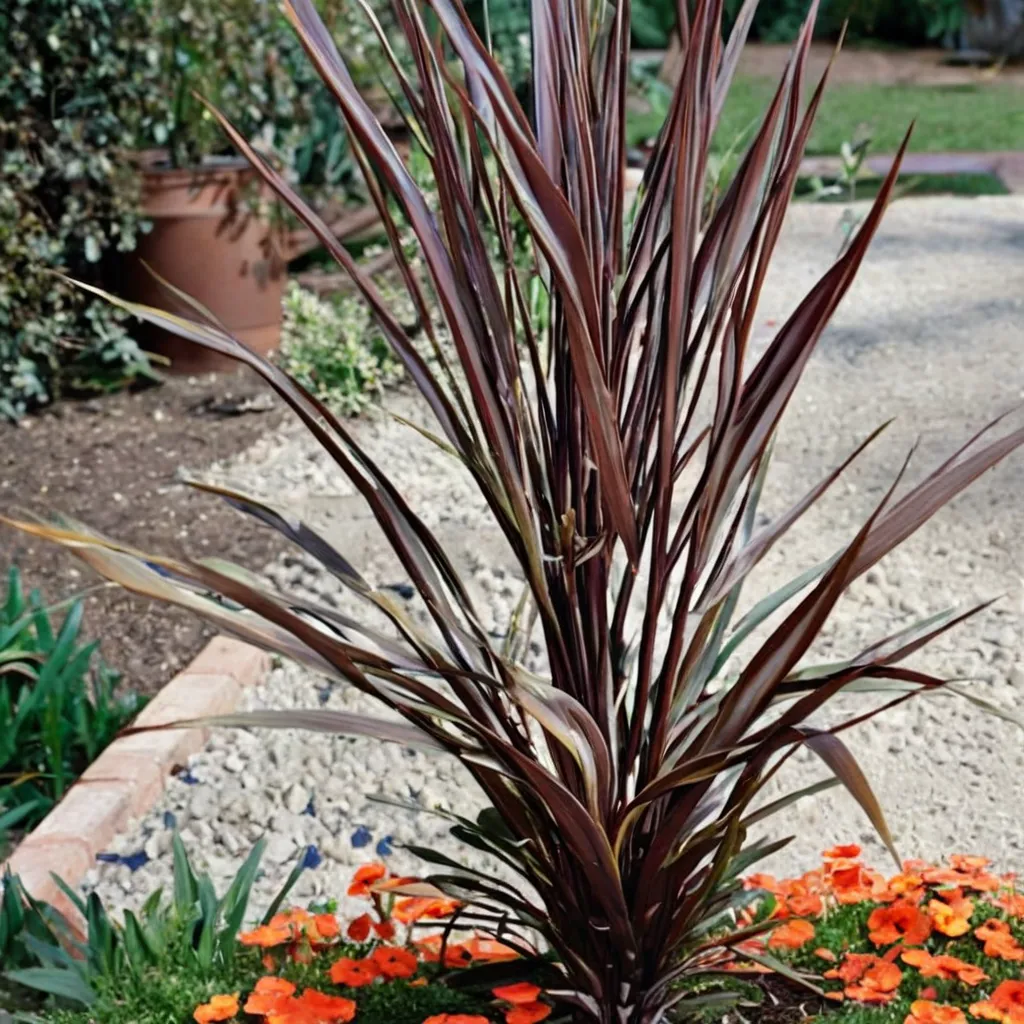
Red Sensation Cordyline
Cordyline australis 'Red Sensation'
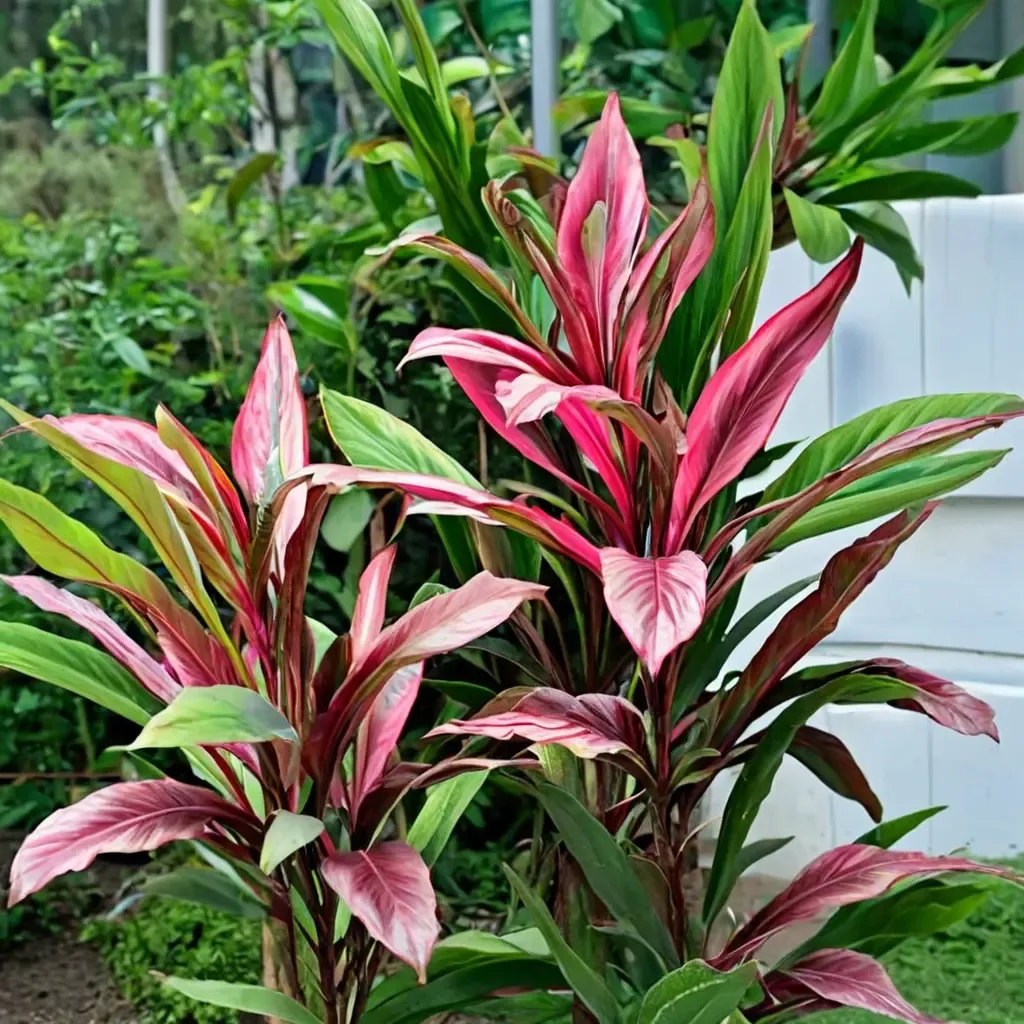
Can Can Cordyline
Cordyline fruticosa 'Can Can'
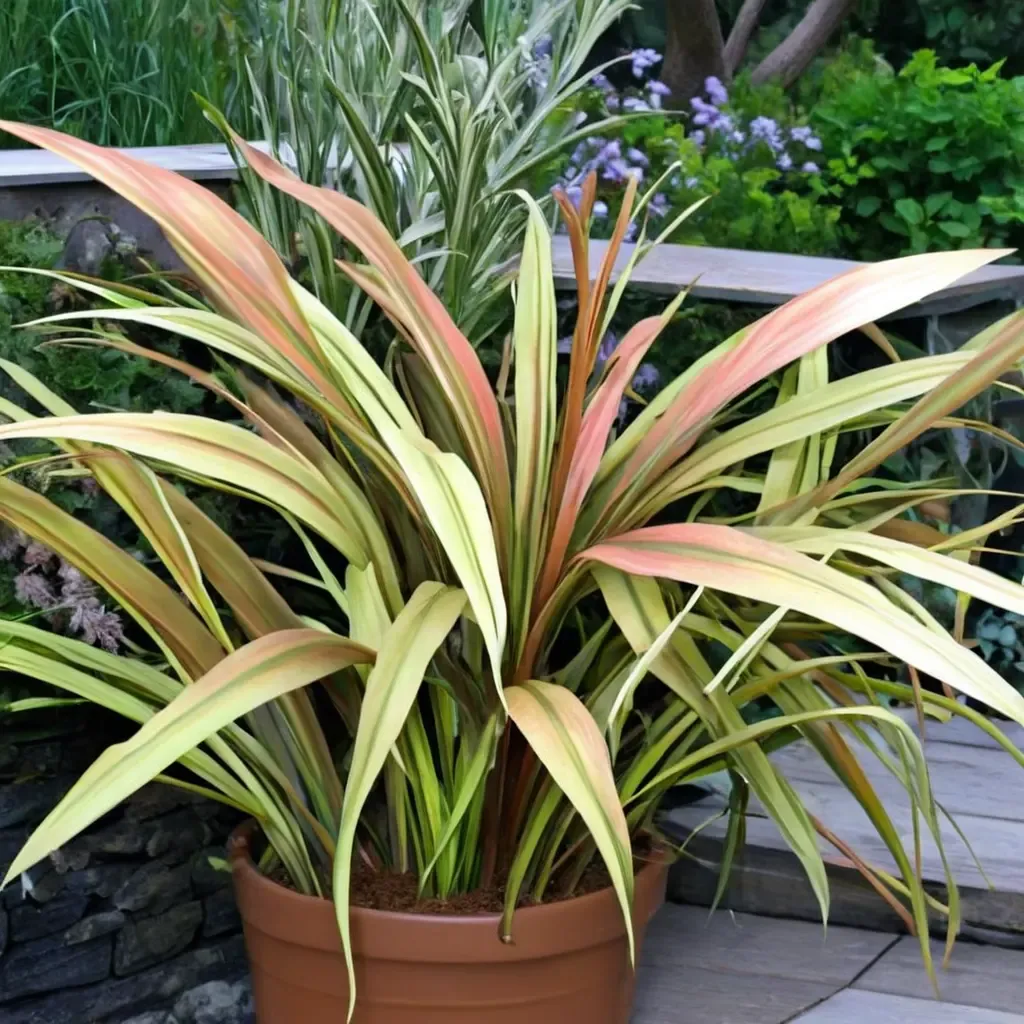
Cha Cha Ti Plant Cordyline Cha Cha
Cordyline fruticosa 'Cha Cha'
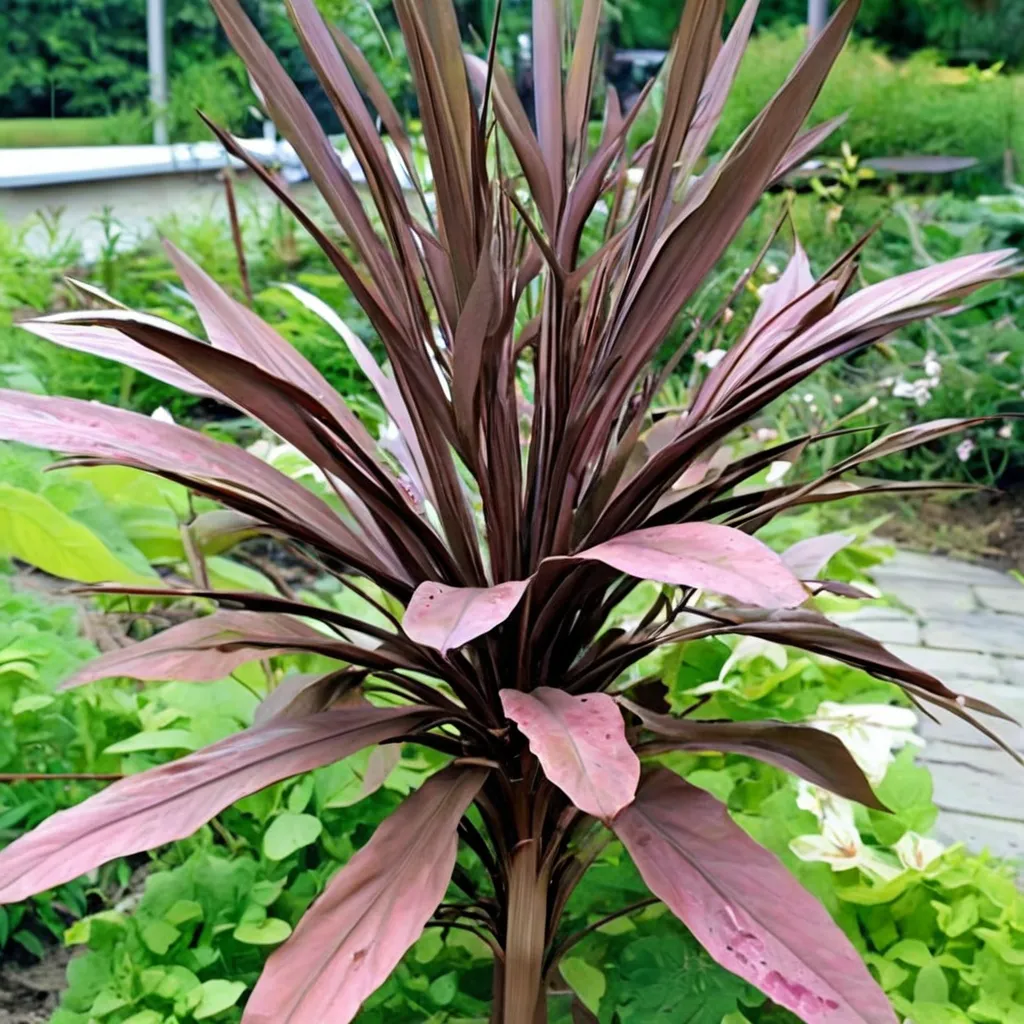
Purple Tower Cordyline
Cordyline australis 'Purple Tower'
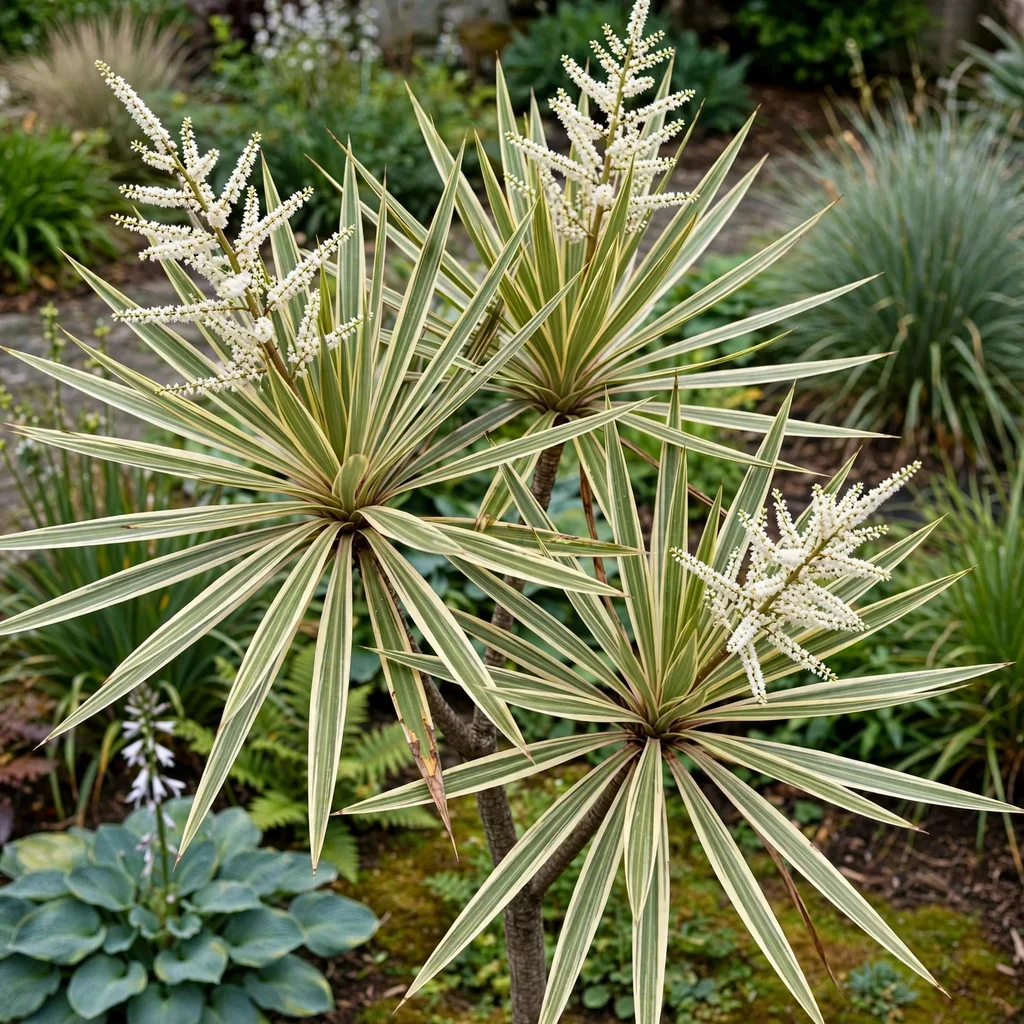
Alberti Cabbage Tree
Cordyline australis 'Alberti'
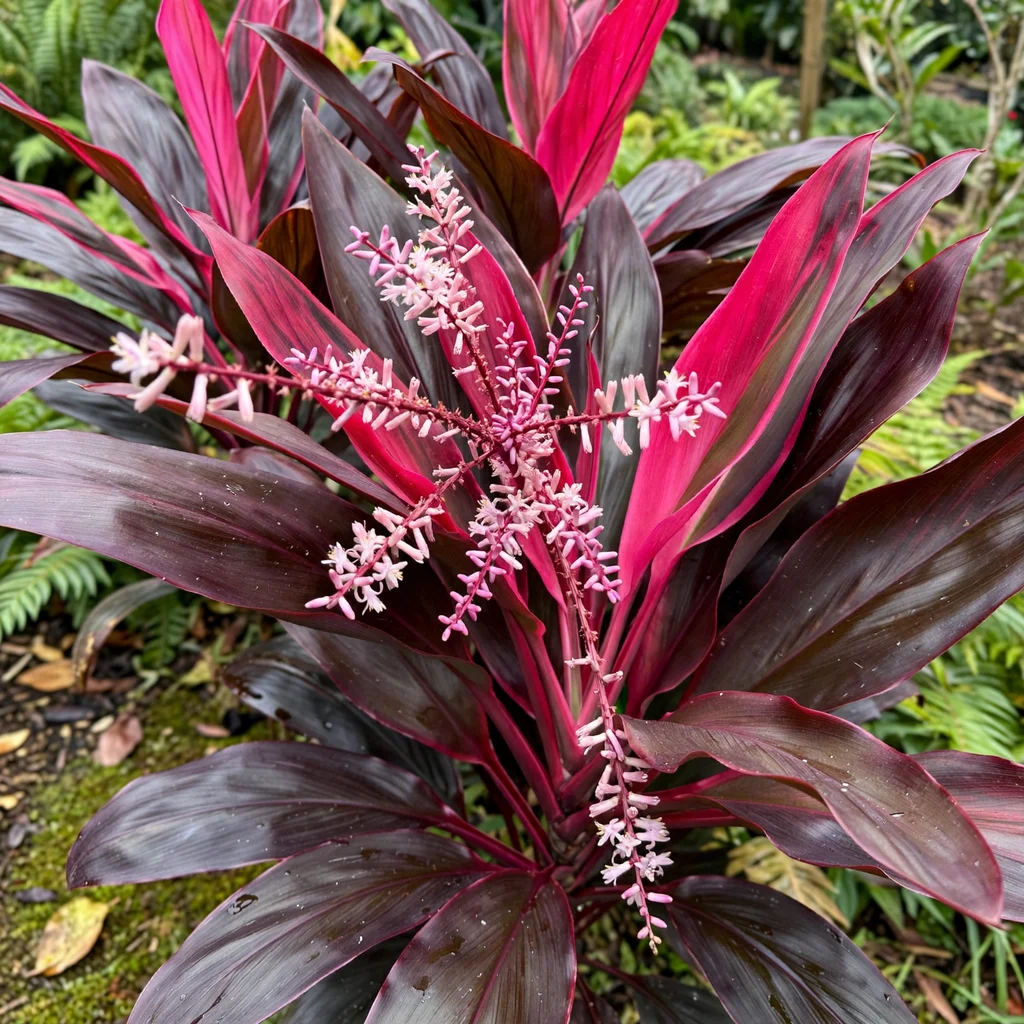
Ti Plant 'Rubra'
Cordyline fruticosa 'Rubra'
Keep exploring
Explore the genus
Hardy in your zone?
Grow Red Palm Lily with confidence
See it in a design of your actual yard, get zone-matched care reminders, and track it season by season in your garden journal.