
The Story
Plant Bio
Phlomis aurea is an evergreen subshrub with a woody base and upright bushy stems forming a pyramidal mound. The leaves are thick, long-petioled and densely woolly, and the tubular two-lipped flowers are carried in stacked whorls along the upper stems.
New growth emerges glowing gold before settling to gray-green to blue-green, giving the mound a two-tone effect in spring. In cultivation it reaches 3 feet tall and wide with large creamy-yellow helmet-shaped flowers in tiered whorls from late spring into summer.
Uses & Benefits:
Essentials
At a Glance
Plant Type
Shrub
Height
36"
Width
40"
Light
Full Sun, Partial Sun
Zones
7, 8, 9, 10
Water
Low
Humidity
Low
Lifespan
Woody evergreen shrub
Native To
Southern Sinai, Egypt
Toxicity
Unknown - no specific toxicity reported
Bloom period
Late spring – Early fall
In flower about 5 months of the year
Planting
How to Grow
- Plant in full sun in gritty sandy loam that drains instantly
- Set the crown level with the soil surface and backfill with lean, unamended soil
- Water in once to settle, then water sparingly until established
- Top with gravel to keep the crown dry and withhold summer water once rooted
Pro Tip
Give it lean, gritty soil that drains instantly and keep summer water off it; most losses are root rot in heavy or irrigated soil, not cold.
Keep It Thriving
Care Guide
Do
- Plant in full sun with sharp drainage and dry summer air
- Deadhead spent whorls after flowering
- Cut back last year's flower stalks in late winter before new growth
Don't
- Do not overwater in summer or plant where sprinklers hit the crown
- Do not plant in compacted clay where water sits
- Do not overfeed or enrich with rich compost
Seasonal Care Calendar
| Task | Jan | Feb | Mar | Apr | May | Jun | Jul | Aug | Sep | Oct | Nov | Dec |
|---|---|---|---|---|---|---|---|---|---|---|---|---|
| Deadhead | ||||||||||||
| Mulch | ||||||||||||
| Pest Check | ||||||||||||
| Plant | ||||||||||||
| Spring Cleanup |
Watch Out For
Pests & Diseases
Common Pests
Common Diseases
In the Garden
Landscape Uses & Companions
Landscape Uses
Companion Plants
Multiply
Propagation Methods
Good to Know
Common Questions
Sinai Jerusalem Sage questions
What zones can Sinai Jerusalem Sage grow in?
Sinai Jerusalem Sage is hardy in USDA Zones 7–10: in that range it survives winter in the ground. Colder than Zone 7, grow it in a container you can move to shelter for the winter.
Is Sinai Jerusalem Sage deer resistant?
Yes — Sinai Jerusalem Sage is rated deer-resistant. Deer typically pass it over, though extreme hunger can override any plant's defenses.
When does Sinai Jerusalem Sage bloom?
Sinai Jerusalem Sage typically blooms from late spring to early fall. Exact timing shifts a week or two with your zone — Sow's bloom calendar maps it to your garden.
Does Sinai Jerusalem Sage need full sun?
Sinai Jerusalem Sage does best in full sun to part shade. In hot climates, afternoon shade keeps blooms fresher longer.
Is Sinai Jerusalem Sage drought tolerant?
Yes — once established (usually after the first full season), Sinai Jerusalem Sage handles dry spells with minimal watering. Water deeply its first year to build the root system that makes that possible.
More Phlomis to compare
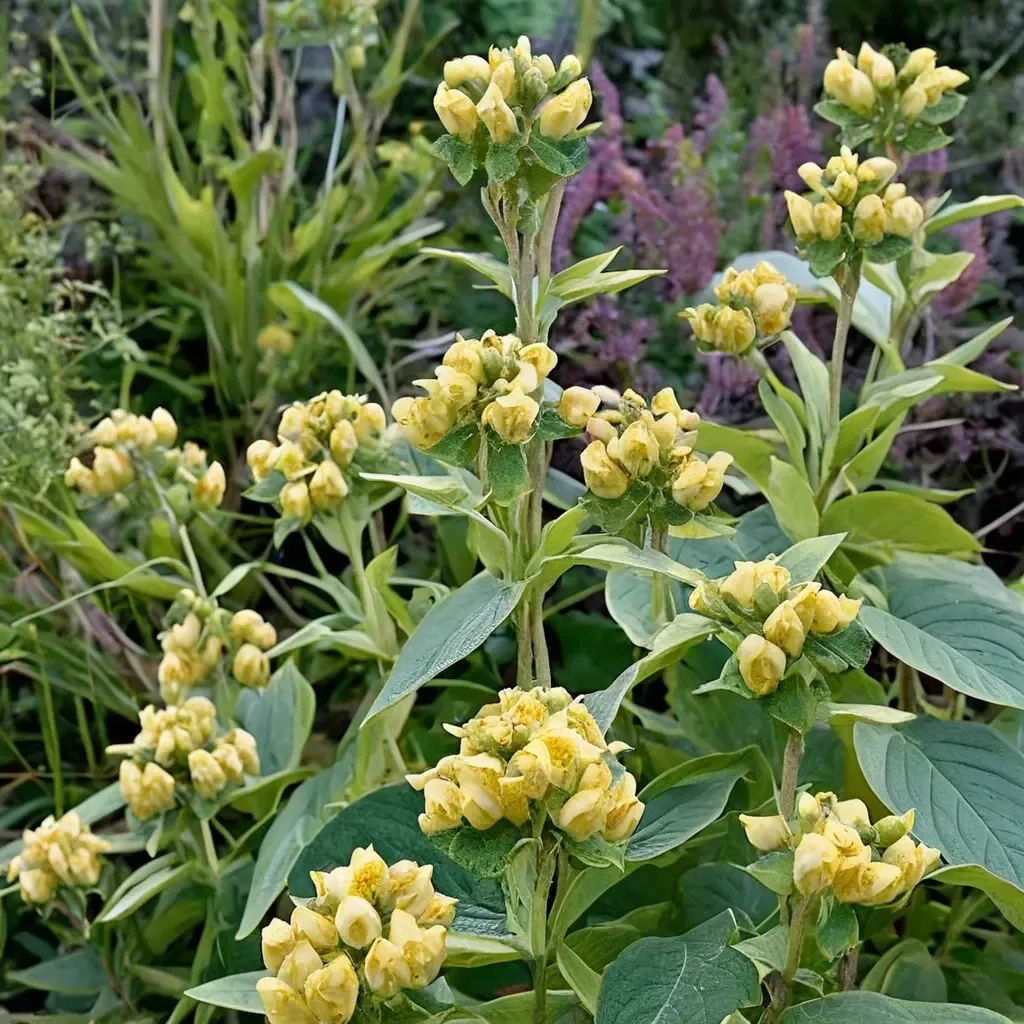
Turkish sage
Phlomis russeliana
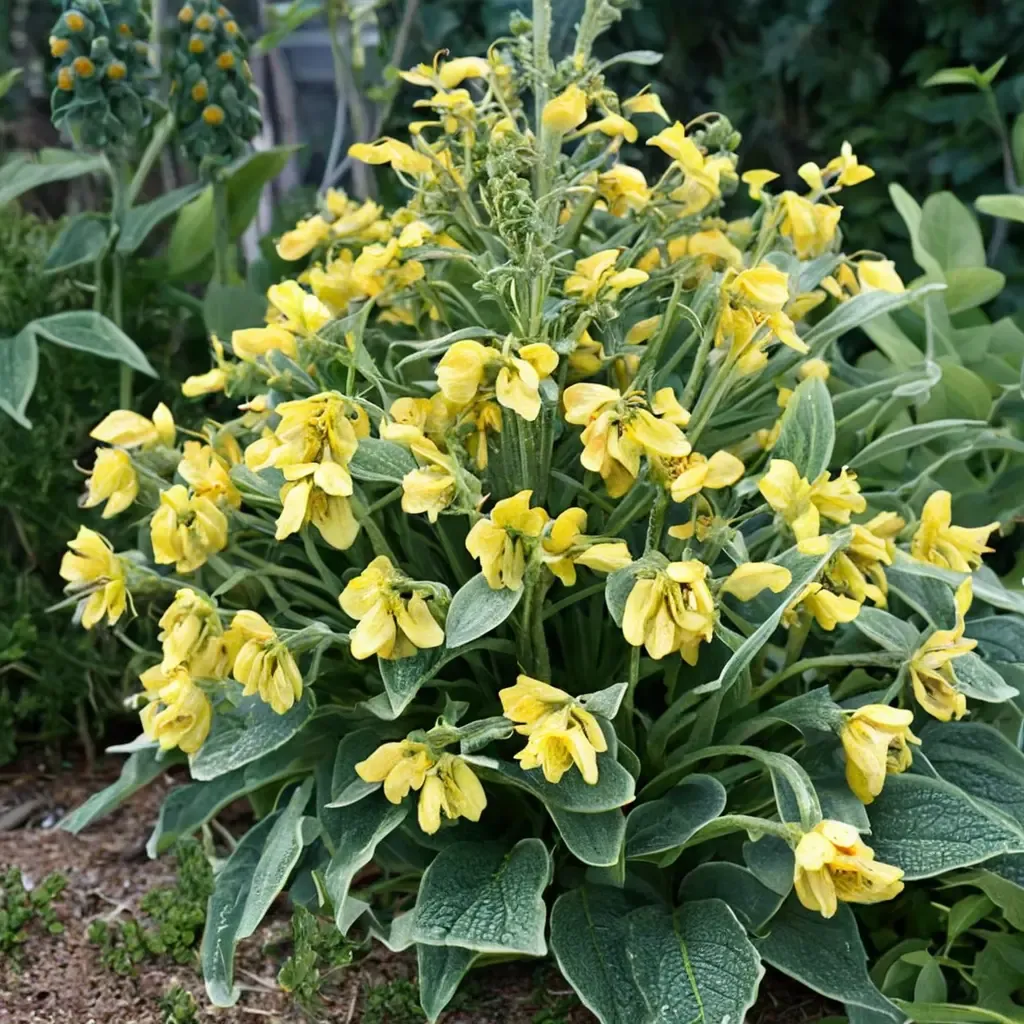
Jerusalem sage
Phlomis fruticosa
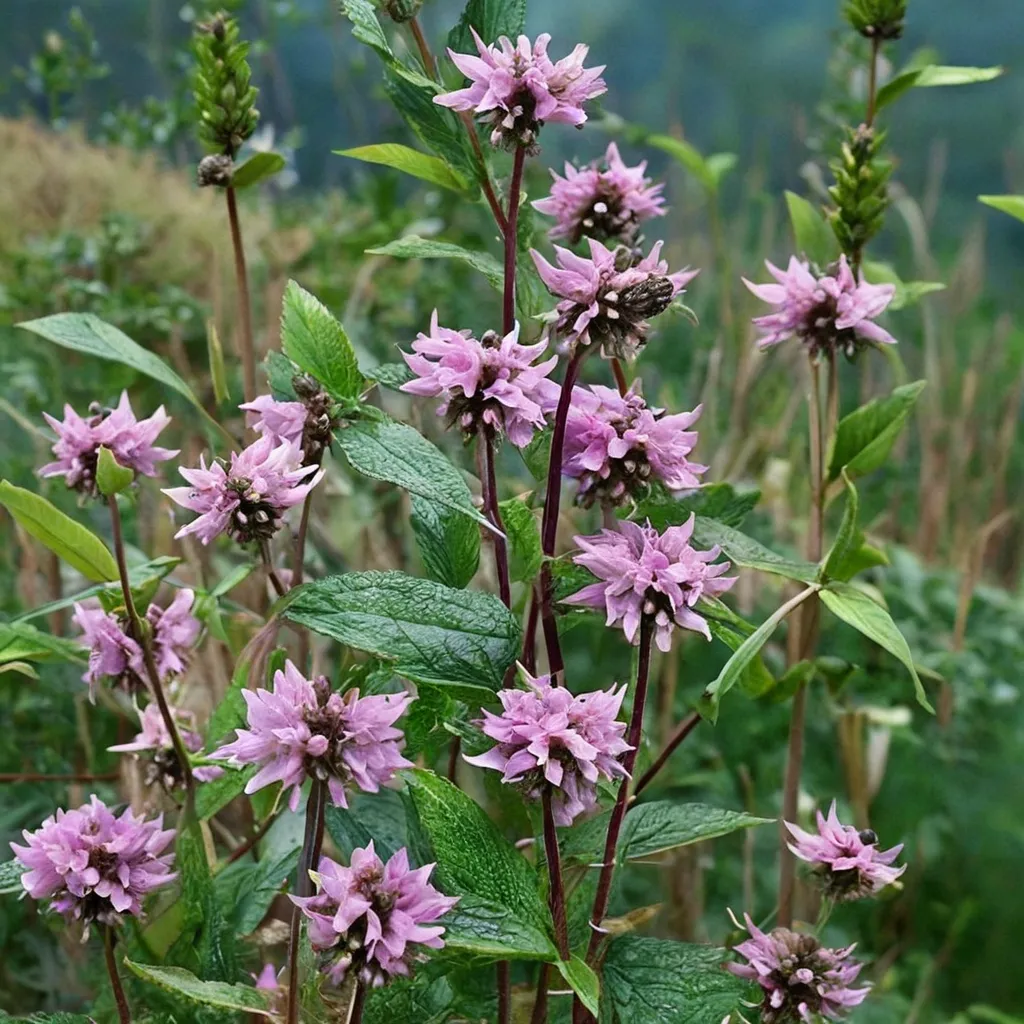
Tuberous Jerusalem Sage
Phlomis tuberosa
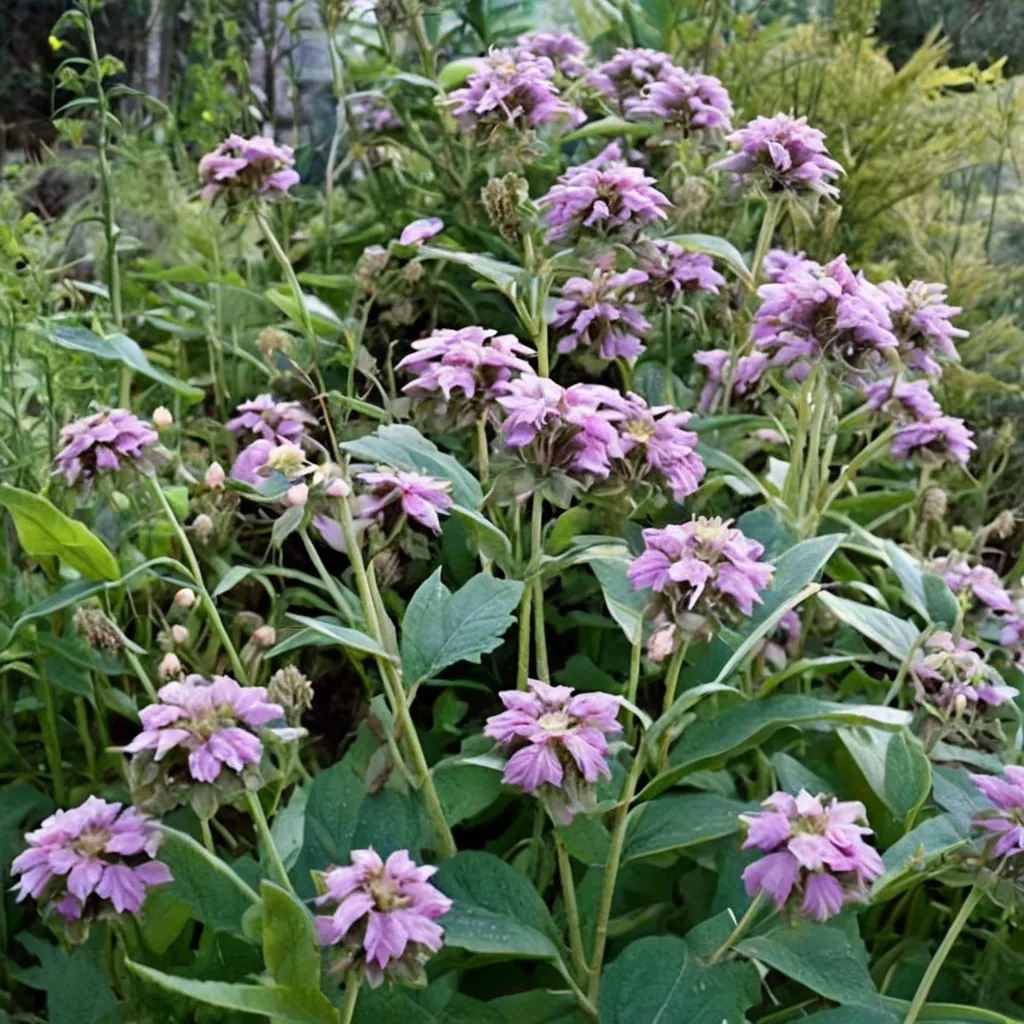
Cashmere Phlomis
Phlomis cashmeriana
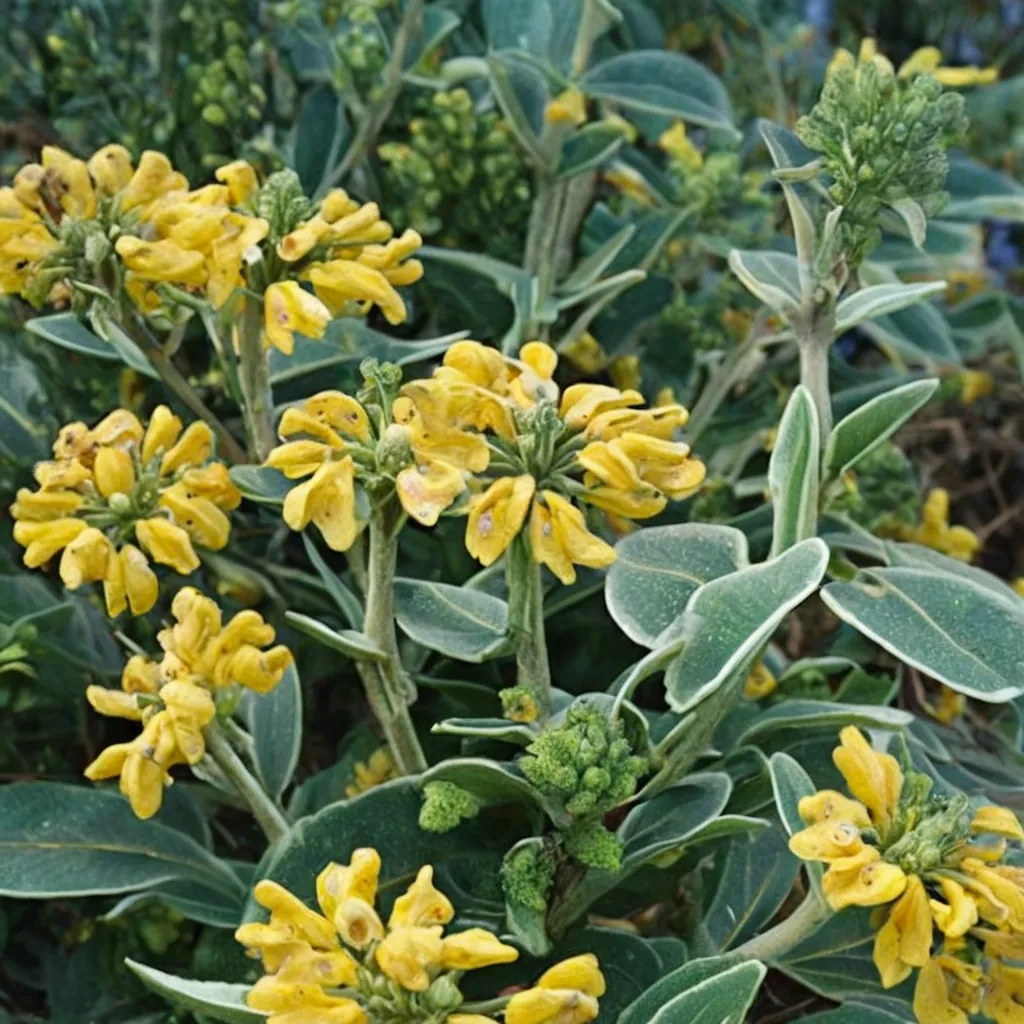
Jerusalem Sage Miss Grace
Phlomis fruticosa 'Miss Grace'
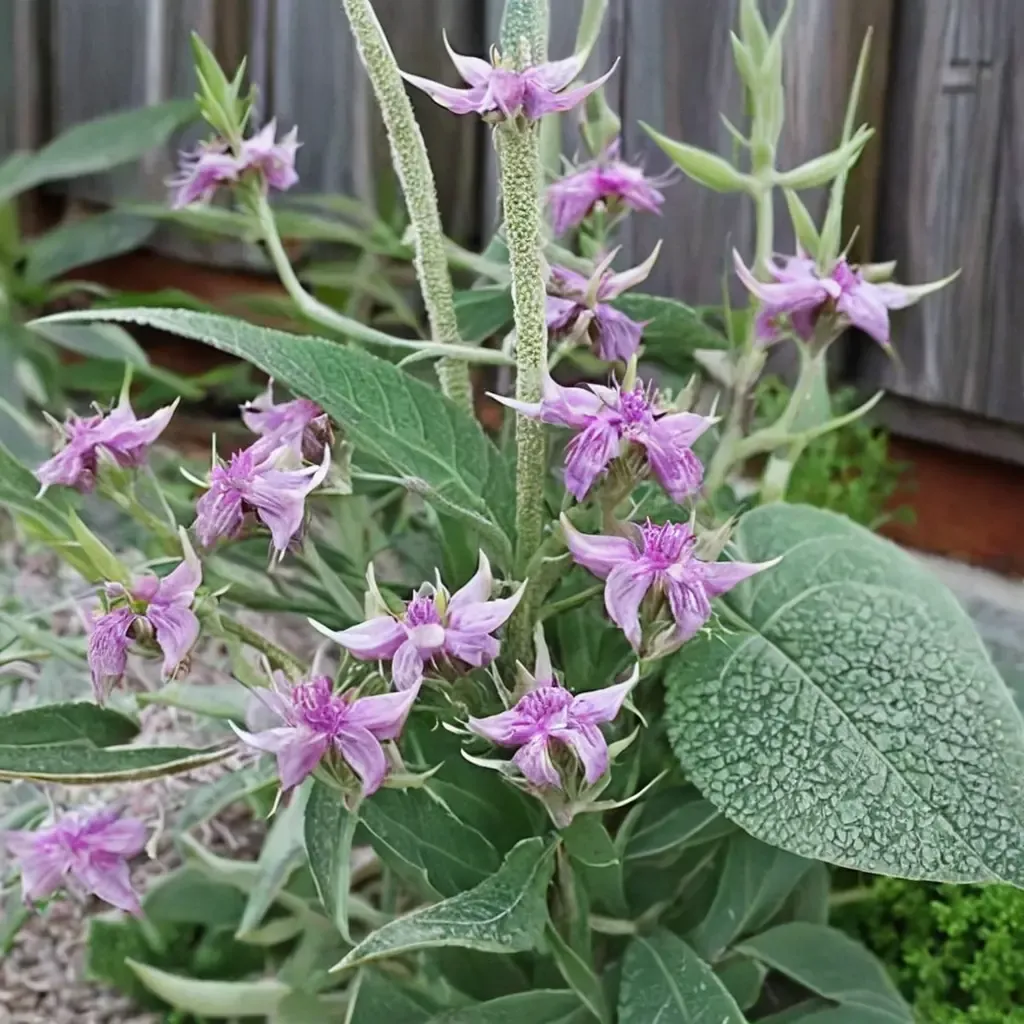
Purple Phlomis
Phlomis purpurea
Keep exploring
Explore the genus
Hardy in your zone?
Grow Sinai Jerusalem Sage with confidence
See it in a design of your actual yard, get zone-matched care reminders, and track it season by season in your garden journal.