The Story
Plant Bio
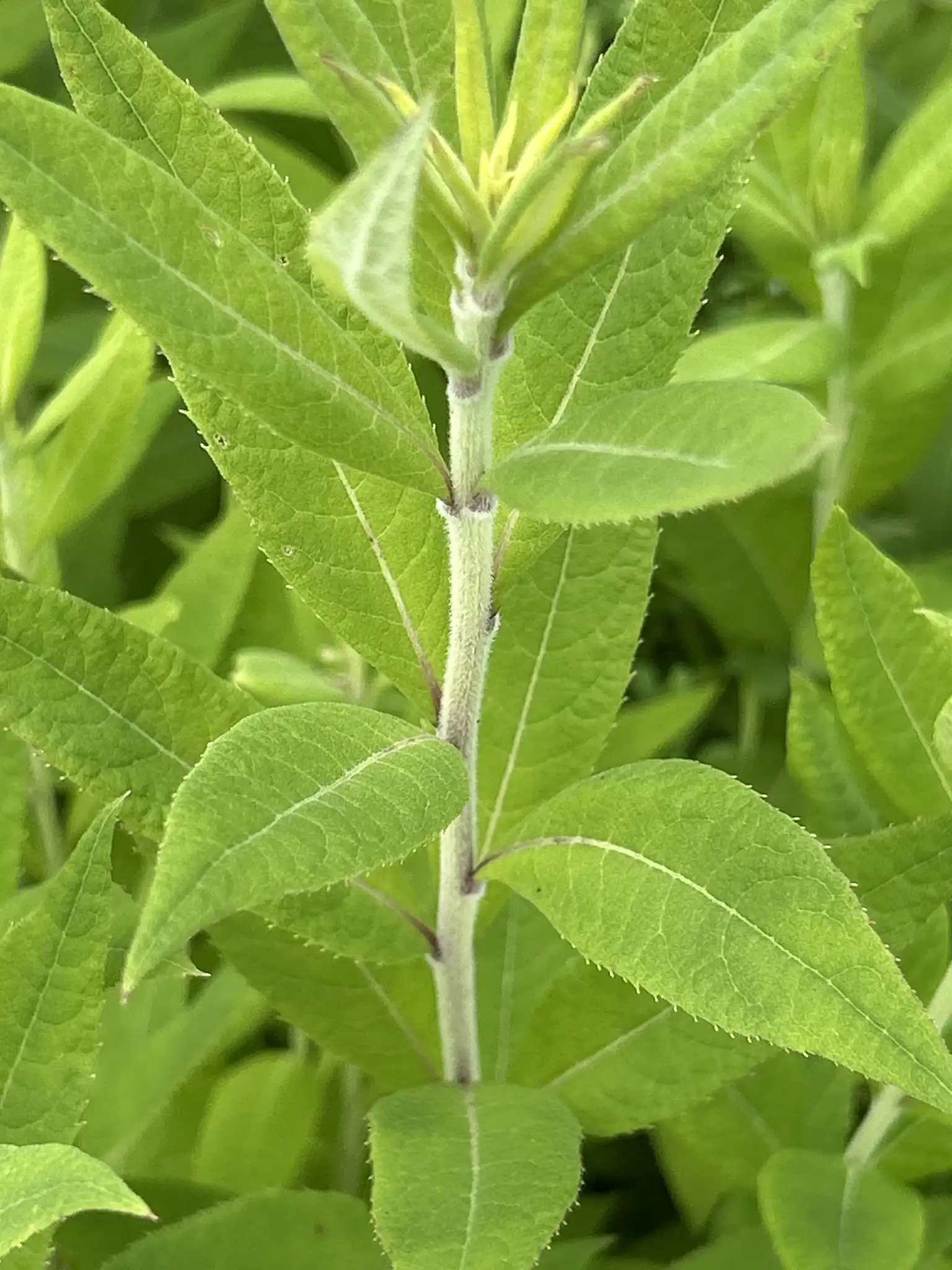
Vernonia missurica is an upright herbaceous perennial native to wet prairies, low meadows, and damp woodlands across the central United States and southern Ontario. The plant forms sturdy, downy stems clad in narrow, lance-shaped leaves with dense white or grayish hairs on their undersides.
In late summer, stems top out in broad, flat-topped clusters of vivid magenta-purple rayless flower heads containing up to 60 disk florets. Bitter chemical compounds render the foliage completely unpalatable to deer and rabbits, making it an ideal choice for low-maintenance pollinator gardens.
Uses & Benefits:
Essentials
At a Glance
Plant Type
Perennial
Height
71"
Width
47"
Light
Full Sun
Zones
4, 5, 6, 7, 8, 9
Water
Medium to Wet
Humidity
High
Lifespan
Perennial
Native To
Central North America
Toxicity
Non-toxic
Bloom period
Late summer – Early fall
In flower about 2 months of the year
Marketplace
Where to Buy
Shipping costs Year-round shipping Free shipping
Planting
How to Grow
- Plant in full sun in average to wet soil, spacing plants 24 to 36 inches apart.
- Water regularly through the first season until root systems establish.
- Prune stems back by half in late May if shorter, bushier plants are desired.
- Leave spent stems standing through winter to serve as nesting sites for stem-nesting native bees.
- Cut dead stems back to 6 to 12 inches above ground level in early spring before new growth appears.
Pro Tip
Cut stems back by half in late spring to encourage branching, maintain a stockier height, and eliminate the need for staking in rich soils.
Keep It Thriving
Care Guide
Do
- Do plant in full sun to maintain thick, upright stems.
- Do prune back by half in late spring to control final plant height.
- Do retain old stem bases in late winter to support native stem-nesting bees.
Don't
- Don't apply heavy fertilizer, which causes excessive stem elongation and flopping.
- Don't plant in deep shade where growth stalls and flowering is minimal.
- Don't allow young container plantings to dry out completely before roots take hold.
Seasonal Care Calendar
| Task | Jan | Feb | Mar | Apr | May | Jun | Jul | Aug | Sep | Oct | Nov | Dec |
|---|---|---|---|---|---|---|---|---|---|---|---|---|
| Divide | ||||||||||||
| Pest Check | ||||||||||||
| Prune | ||||||||||||
| Spring Cleanup |
Watch Out For
Pests & Diseases
Common Pests
Common Diseases
In the Garden
Landscape Uses & Companions
Landscape Uses
Multiply
Propagation Methods
Good to Know
Common Questions
Missouri Ironweed questions
What zones can Missouri Ironweed grow in?
Missouri Ironweed is hardy in USDA Zones 4–9: in that range it survives winter in the ground. Warmer than Zone 9, winter isn't the problem: it prefers colder winters, and summer heat can shorten its life.
Is Missouri Ironweed deer resistant?
Yes — Missouri Ironweed is rated deer-resistant. Deer typically pass it over, though extreme hunger can override any plant's defenses.
When does Missouri Ironweed bloom?
Missouri Ironweed typically blooms from late summer to early fall. Exact timing shifts a week or two with your zone — Sow's bloom calendar maps it to your garden.
Does Missouri Ironweed need full sun?
Missouri Ironweed does best in full sun (6+ hours).
Is Missouri Ironweed drought tolerant?
Yes — once established (usually after the first full season), Missouri Ironweed handles dry spells with minimal watering. Water deeply its first year to build the root system that makes that possible.
More Vernonia to compare
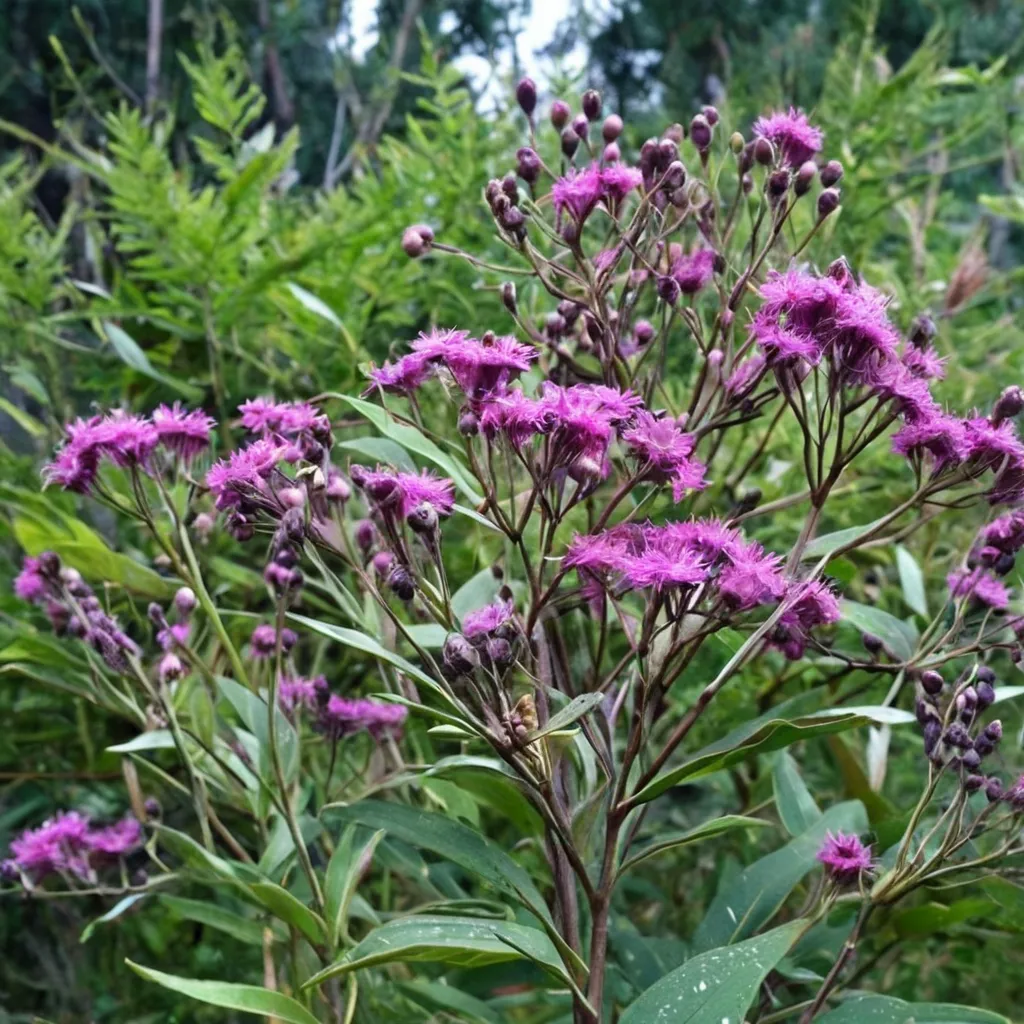
Tall Ironweed
Vernonia altissima
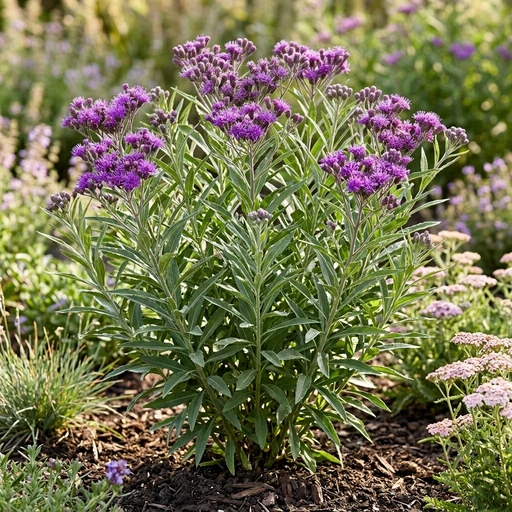
Summers Swan Song Ironweed
Vernonia x hybrida 'Summer'S Swan Song'
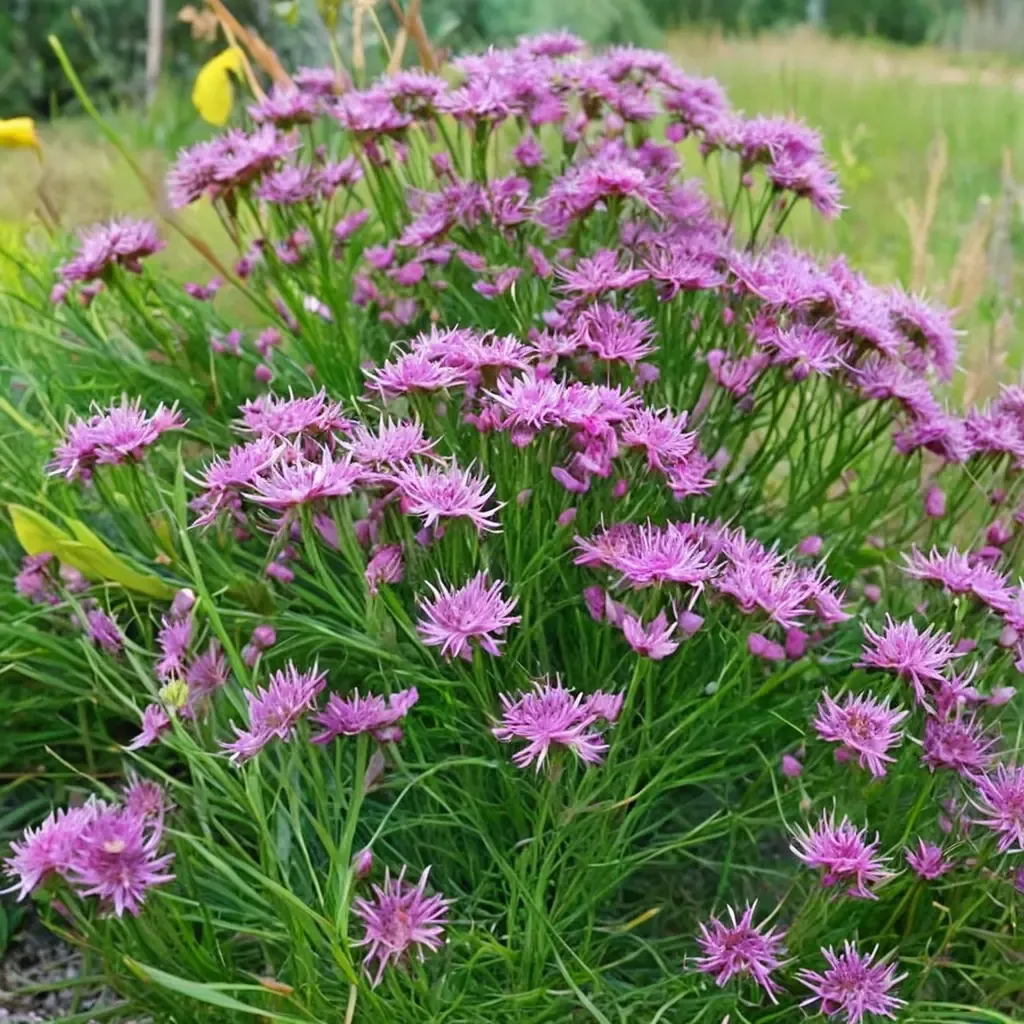
Iron Butterfly Ironweed
Vernonia lettermannii 'Iron Butterfly'
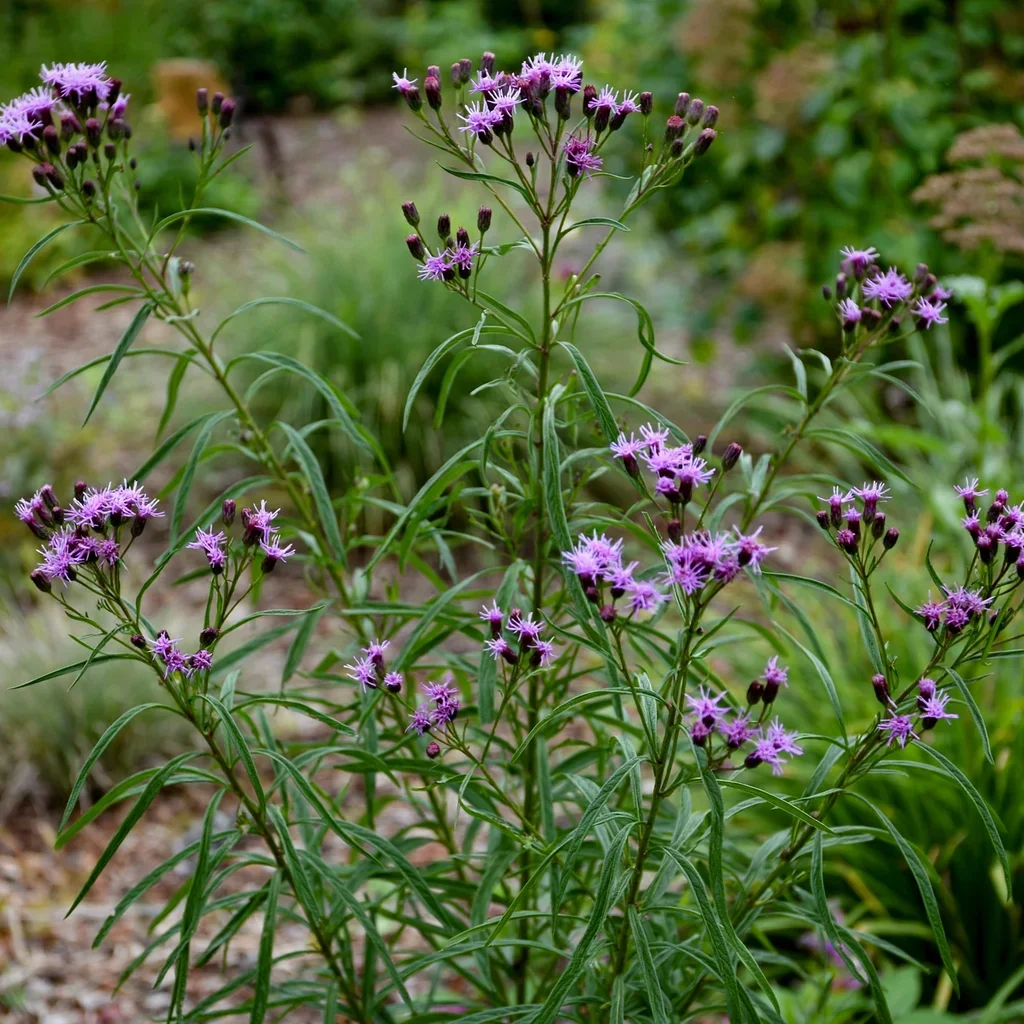
Southern Cross Ironweed
Vernonia arkansana 'Southern Cross'
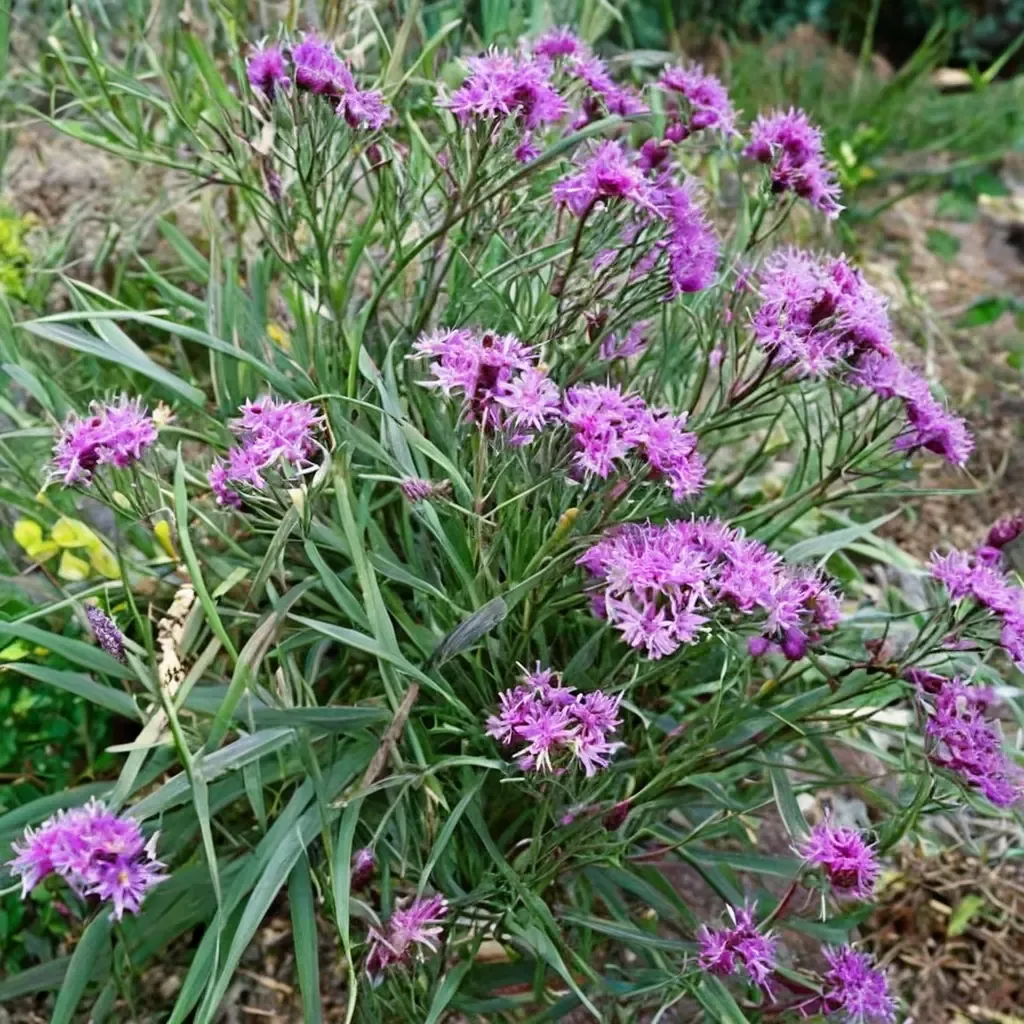
Plum Peachy Ironweed
Vernonia angustifolia 'Plum Peachy'
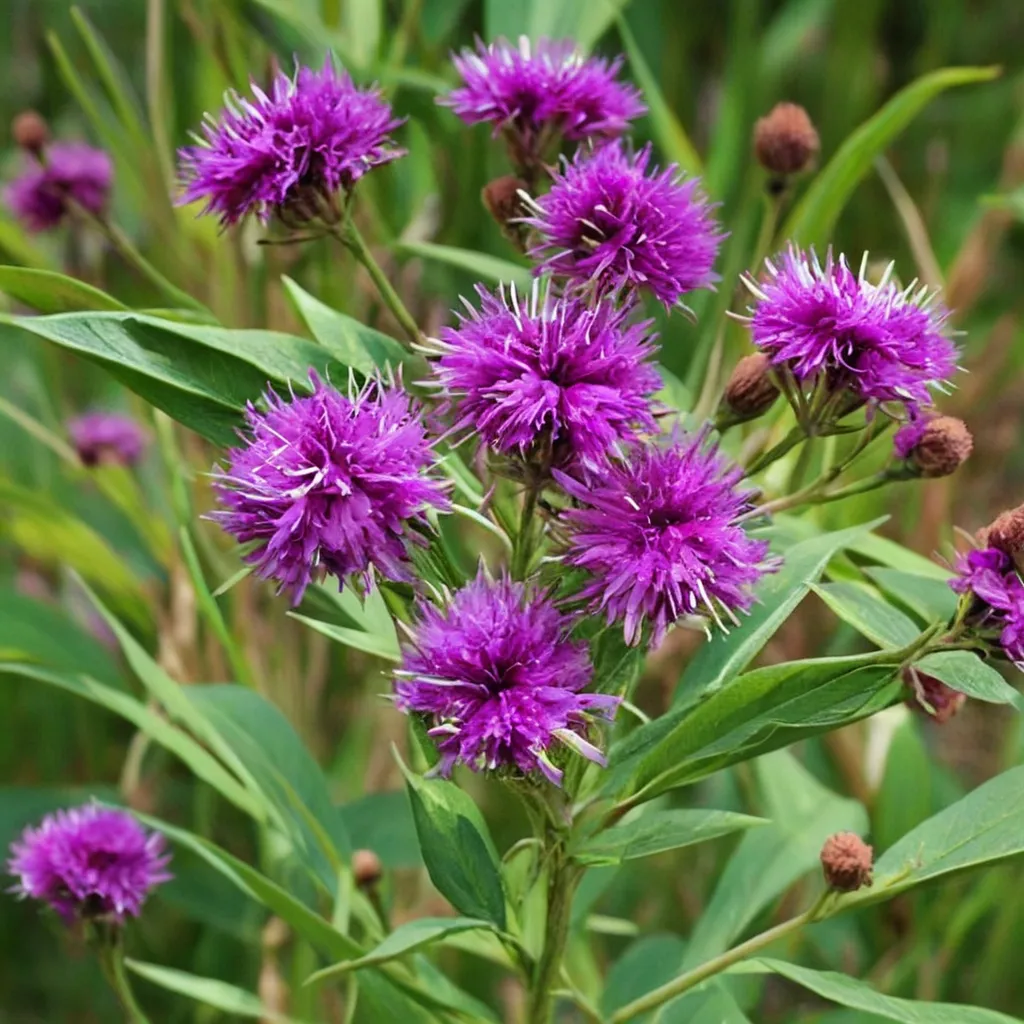
Arkansas Ironweed
Vernonia arkansana
Keep exploring
Explore the genus
Grow Missouri Ironweed with confidence
See it in a design of your actual yard, get zone-matched care reminders, and track it season by season in your garden journal.