The Story
Plant Bio
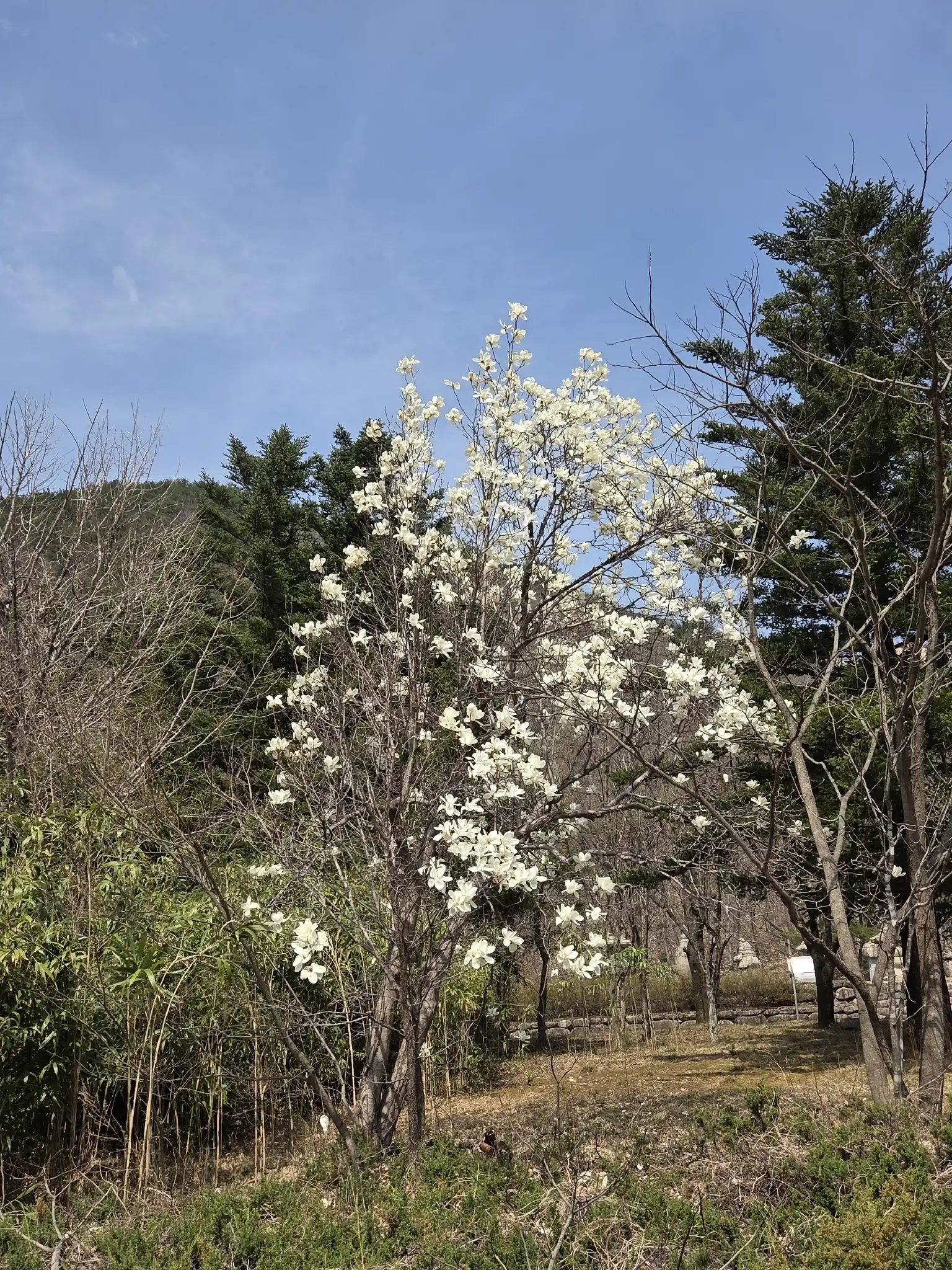
Magnolia denudata is a deciduous small tree from eastern and southern China, forming a rounded spreading crown to thirty to forty feet with obovate dark green leaves to six inches long. It blooms before the leaves emerge, carrying solitary upright goblet flowers from sheltered buds in late winter to early spring.
What sets it apart is the flower itself, with nine to twelve thick creamy-white tepals flushed pink at the base, four to six inches across with a lemon scent. It sets cone-like fruits that split to show red seeds in late summer and fall, and it is the species parent behind Magnolia x soulangeana.
Uses & Benefits:
Essentials
At a Glance
Plant Type
Tree
Height
420"
Width
420"
Light
Full Sun, Partial Sun
Zones
5, 6, 7, 8, 9
Water
Medium
Humidity
Unknown
Lifespan
Long-lived tree
Native To
Eastern and southern China
Toxicity
Non-toxic to people, cats and dogs
Bloom period
Early spring – Spring
In flower about 3 months of the year
Planting
How to Grow
- Plant in spring in full sun to part shade with shelter from winter wind and low frost pockets.
- Dig twice as wide as the root ball and set at the same depth in moist, organically rich, well-drained loam.
- Mulch two to three inches deep, keeping mulch off the trunk, and water to keep soil evenly moist.
- Prune only immediately after flowering to remove crossing or damaged wood.
Pro Tip
Plant it sheltered from winter wind and leave it alone; prune only immediately after flowering and expect six to seven years from planting to first bloom.
Keep It Thriving
Care Guide
Do
- Plant in shelter from winter wind in evenly moist, well-drained soil.
- Mulch to conserve moisture and keep roots cool.
- Water through dry spells; do not let soil swing between wet and dry.
Don't
- Do not hard-prune every year or prune in fall and winter.
- Do not plant in soggy ground, dry sand, or polluted street sites.
- Do not expect quick bloom; do not over-fertilize young trees.
Seasonal Care Calendar
| Task | Jan | Feb | Mar | Apr | May | Jun | Jul | Aug | Sep | Oct | Nov | Dec |
|---|---|---|---|---|---|---|---|---|---|---|---|---|
| Mulch | ||||||||||||
| Pest Check | ||||||||||||
| Plant | ||||||||||||
| Prune | ||||||||||||
| Winter Prep |
Watch Out For
Pests & Diseases
Common Pests
Common Diseases
In the Garden
Landscape Uses & Companions
Landscape Uses
Companion Plants
Multiply
Propagation Methods
Good to Know
Common Questions
Yulan Magnolia questions
What zones can Yulan Magnolia grow in?
Yulan Magnolia is hardy in USDA Zones 5–9: in that range it survives winter in the ground. Colder than Zone 5, winters are too cold for it to survive outdoors. Warmer than Zone 9, winter isn't the problem: it prefers colder winters, and summer heat can shorten its life.
When does Yulan Magnolia bloom?
Yulan Magnolia typically blooms in spring. Exact timing shifts a week or two with your zone — Sow's bloom calendar maps it to your garden.
Does Yulan Magnolia need full sun?
Yulan Magnolia does best in full sun to part shade. In hot climates, afternoon shade keeps blooms fresher longer.
More Magnolia to compare
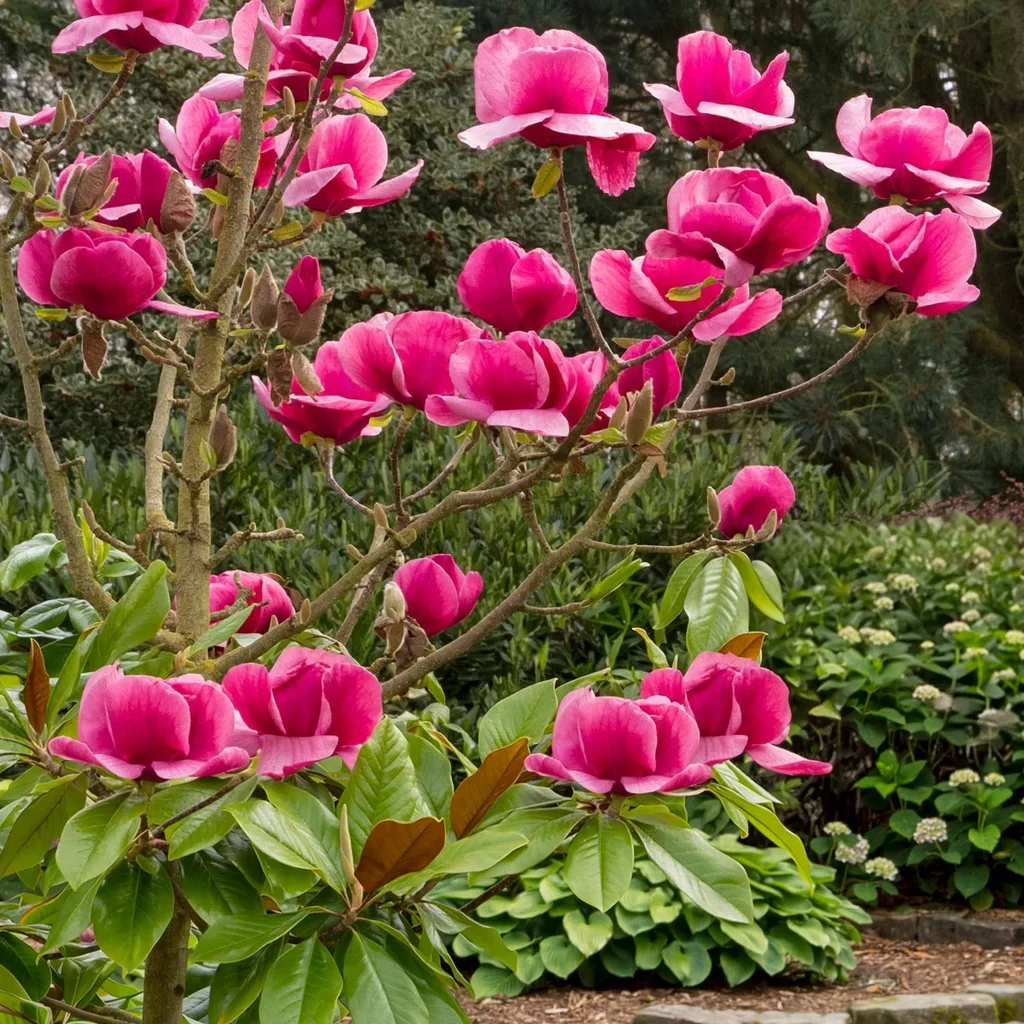
Felix Magnolia
Magnolia x hybrida 'Felix Jury'
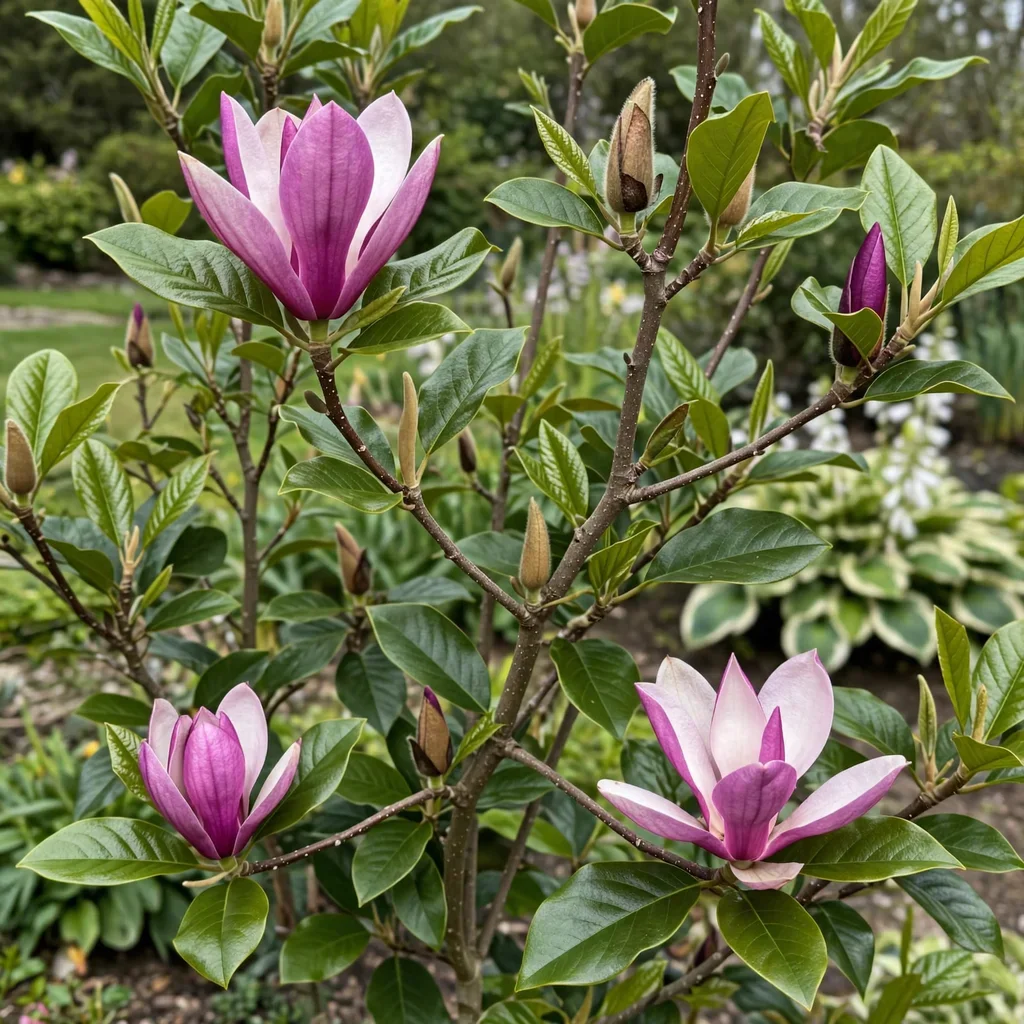
Saucer Magnolia Ann
Magnolia x soulangeana 'Ann'
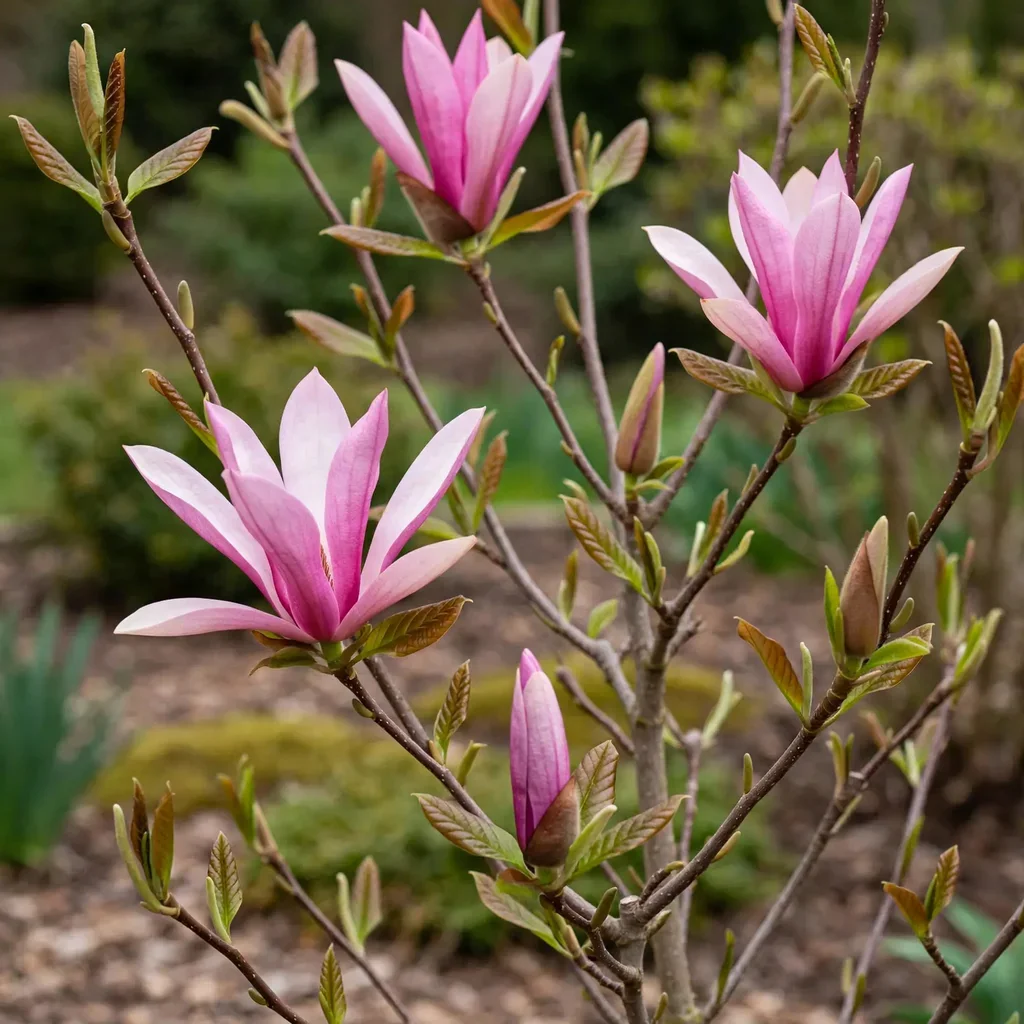
Daybreak Loebner Magnolia
Magnolia stellata 'Daybreak'
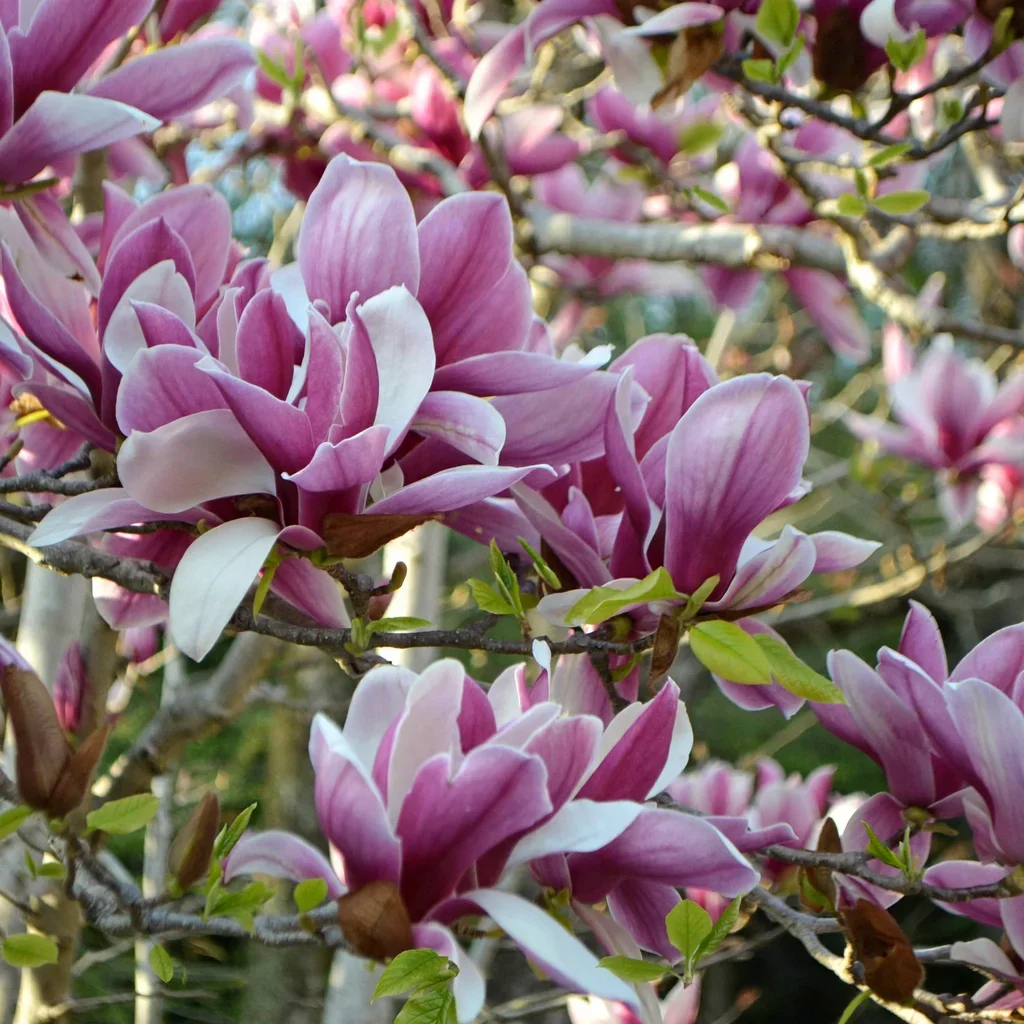
Coppertallica Saucer Magnolia
Magnolia x soulangeana 'Coppertallica'
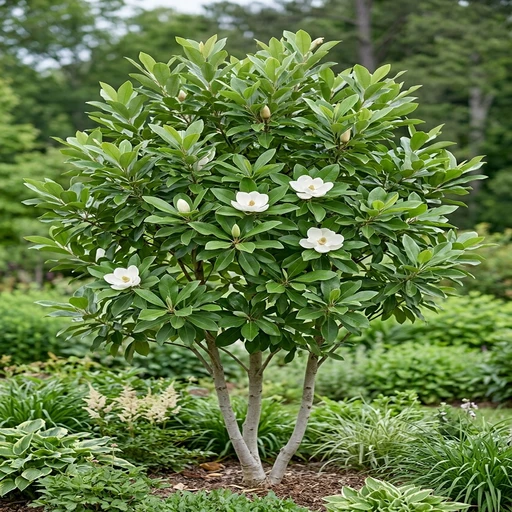
Sweetbay Magnolia
Magnolia virginiana
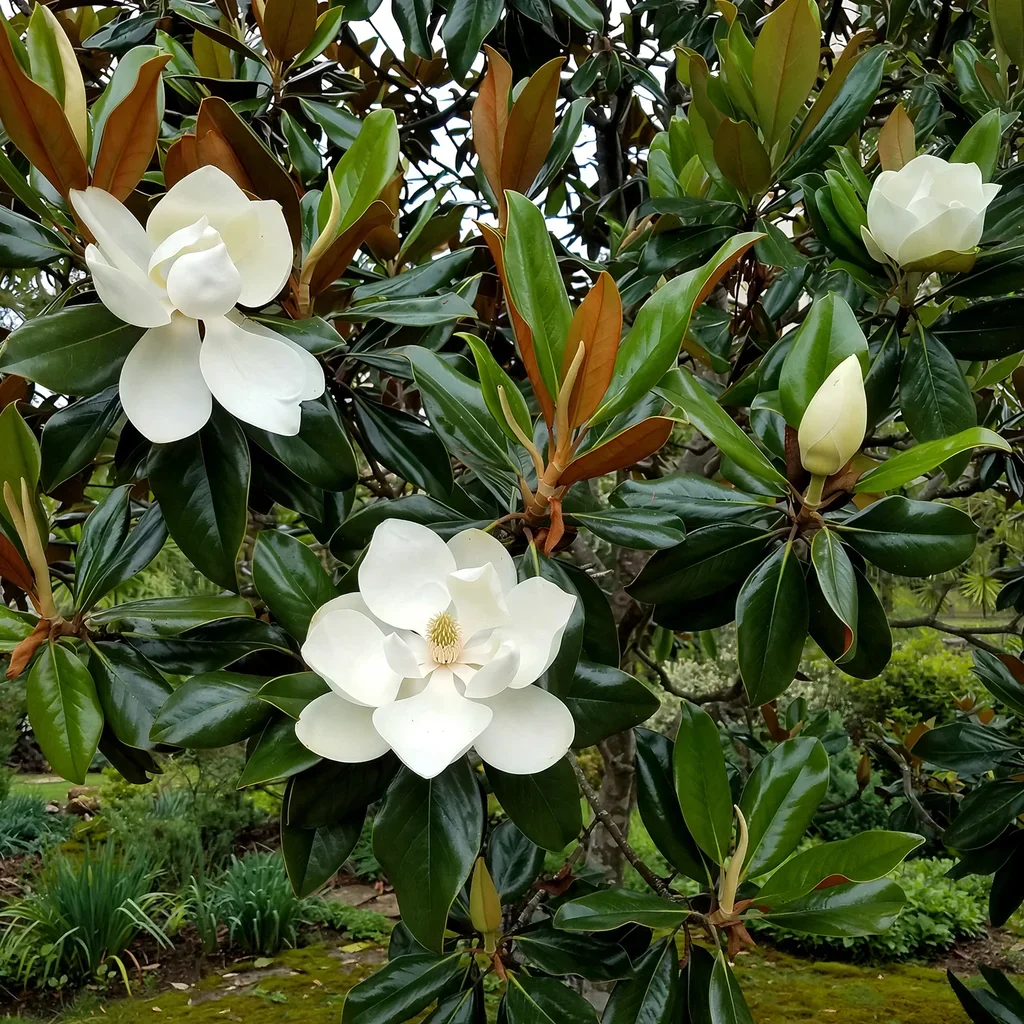
Southern Magnolia
Magnolia grandiflora
Keep exploring
Explore the genus
Hardy in your zone?
Grow Yulan Magnolia with confidence
See it in a design of your actual yard, get zone-matched care reminders, and track it season by season in your garden journal.