The Story
Plant Bio
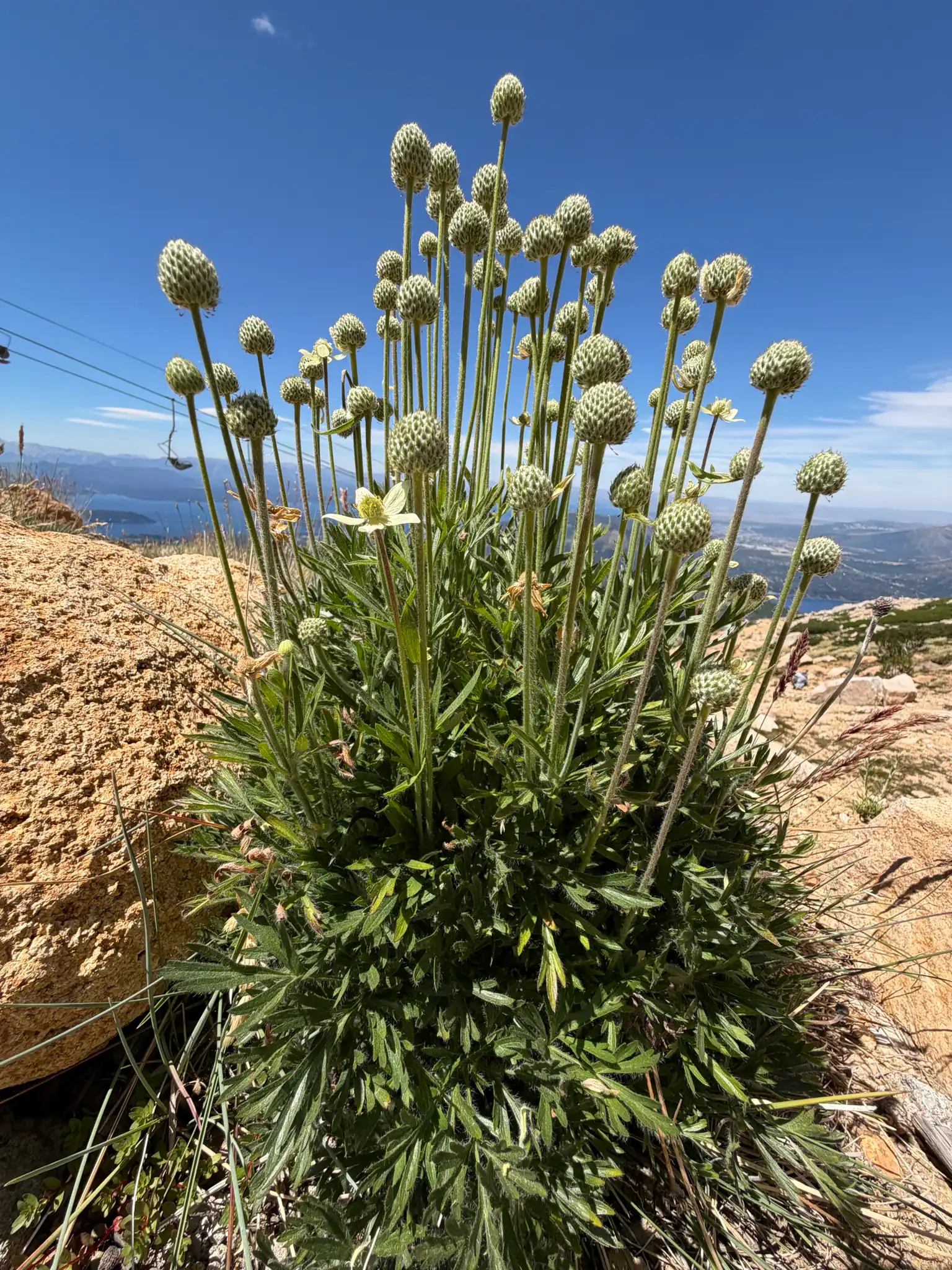
Anemone multifida, commonly called cut-leaf anemone, is a compact, clump-forming herbaceous perennial native across northern and western North America and southern South America. It forms an erect rosette of deeply dissected, silky-hairy leaves topped by slender stems carrying single or clustered flowers with five to ten petal-like sepals surrounding yellow stamens.
Unlike many fibrous-rooted buttercups, this species grows from a stout branching rhizome that anchors into scree and gravelly soils. The sepals range from creamy-white to deep reddish-purple, followed by dense woolly seed heads that persist after flowering.
Uses & Benefits:
Essentials
At a Glance
Plant Type
Perennial
Height
20"
Width
15"
Light
Full Sun, Partial Sun
Zones
4, 5, 6, 7, 8, 9
Water
Low to Moderate
Humidity
Low
Lifespan
Perennial
Native To
North America, South America
Toxicity
Toxic if ingested; fresh sap irritates skin
Bloom period
Late spring – Mid summer
In flower about 3 months of the year
Planting
How to Grow
- Choose a site in full sun or light afternoon shade with sharply draining, gritty soil.
- Set plants into lean, unamended soil so the crown sits level with the surrounding grade.
- Water thoroughly at planting to settle roots, maintaining light moisture until established.
- Top-dress the root zone with coarse mineral grit or gravel to prevent water accumulating near the crown.
Pro Tip
Plant in coarse, gritty soil with sharp drainage, as excess moisture during cold winter dormancy rots the underground crown.
Keep It Thriving
Care Guide
Do
- Provide sharp, gravelly soil drainage to protect crowns during winter months.
- Mulch around the base with crushed stone or granite grit rather than organic bark.
- Cut spent flower stems to the base after blooming to maintain a neat rosette.
Don't
- Do not plant in heavy clay or poorly drained soils where winter wet accumulates.
- Do not over-fertilize, as excess nitrogen causes soft growth and weak stems.
- Do not handle fresh foliage without gloves, as contact with sap causes skin irritation.
Seasonal Care Calendar
| Task | Jan | Feb | Mar | Apr | May | Jun | Jul | Aug | Sep | Oct | Nov | Dec |
|---|---|---|---|---|---|---|---|---|---|---|---|---|
| Deadhead | ||||||||||||
| Fertilize | ||||||||||||
| Spring Cleanup | ||||||||||||
| Winter Prep |
Watch Out For
Pests & Diseases
Common Pests
Common Diseases
In the Garden
Landscape Uses & Companions
Landscape Uses
Multiply
Propagation Methods
Good to Know
Common Questions
Cut-Leaf Anemone questions
What zones can Cut-Leaf Anemone grow in?
Cut-Leaf Anemone is hardy in USDA Zones 4–9: in that range it survives winter in the ground. Warmer than Zone 9, winter isn't the problem: it prefers colder winters, and summer heat can shorten its life.
Is Cut-Leaf Anemone deer resistant?
Yes — Cut-Leaf Anemone is rated deer-resistant. Deer typically pass it over, though extreme hunger can override any plant's defenses.
When does Cut-Leaf Anemone bloom?
Cut-Leaf Anemone typically blooms from late spring to mid-summer. Exact timing shifts a week or two with your zone — Sow's bloom calendar maps it to your garden.
Does Cut-Leaf Anemone need full sun?
Cut-Leaf Anemone does best in full sun to part shade. In hot climates, afternoon shade keeps blooms fresher longer.
More Anemone to compare
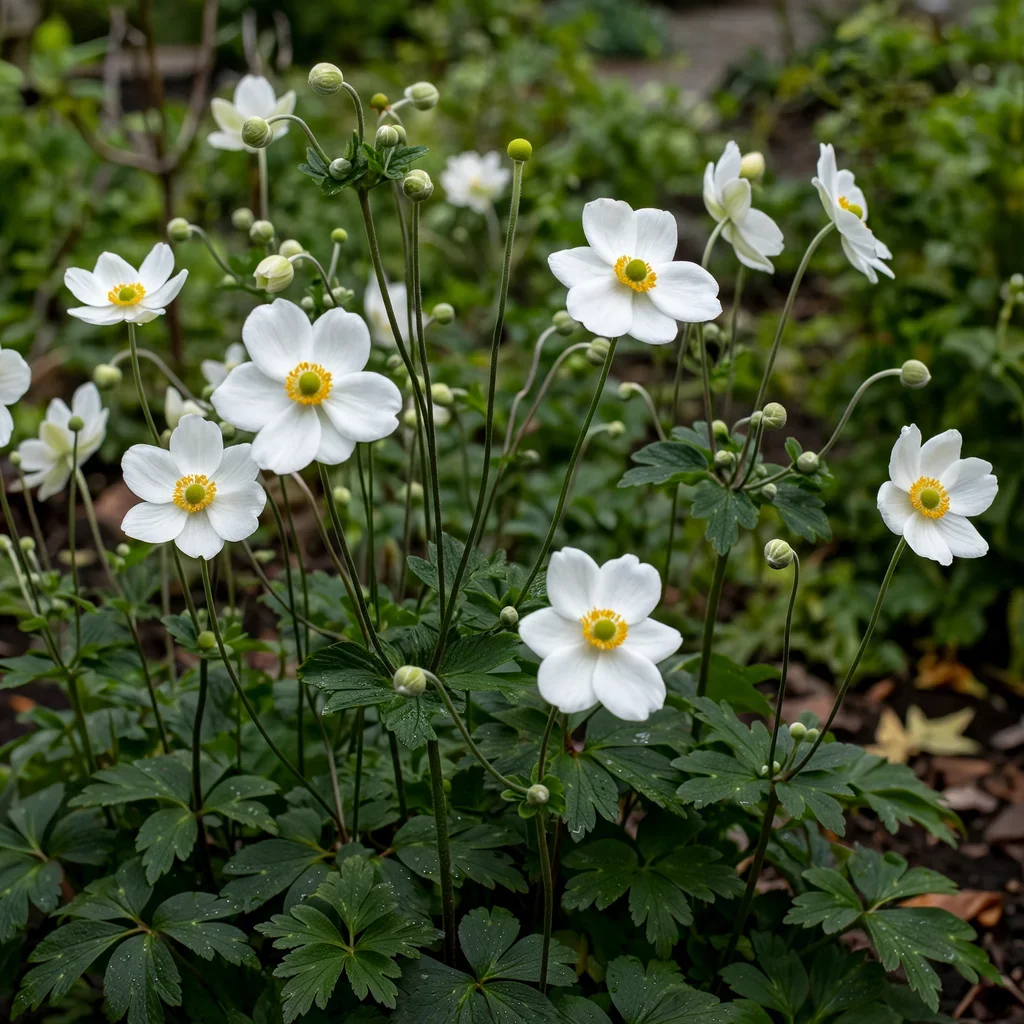
Honorine Jobert Anemone
Anemone x hybrida 'Honorine Jobert'
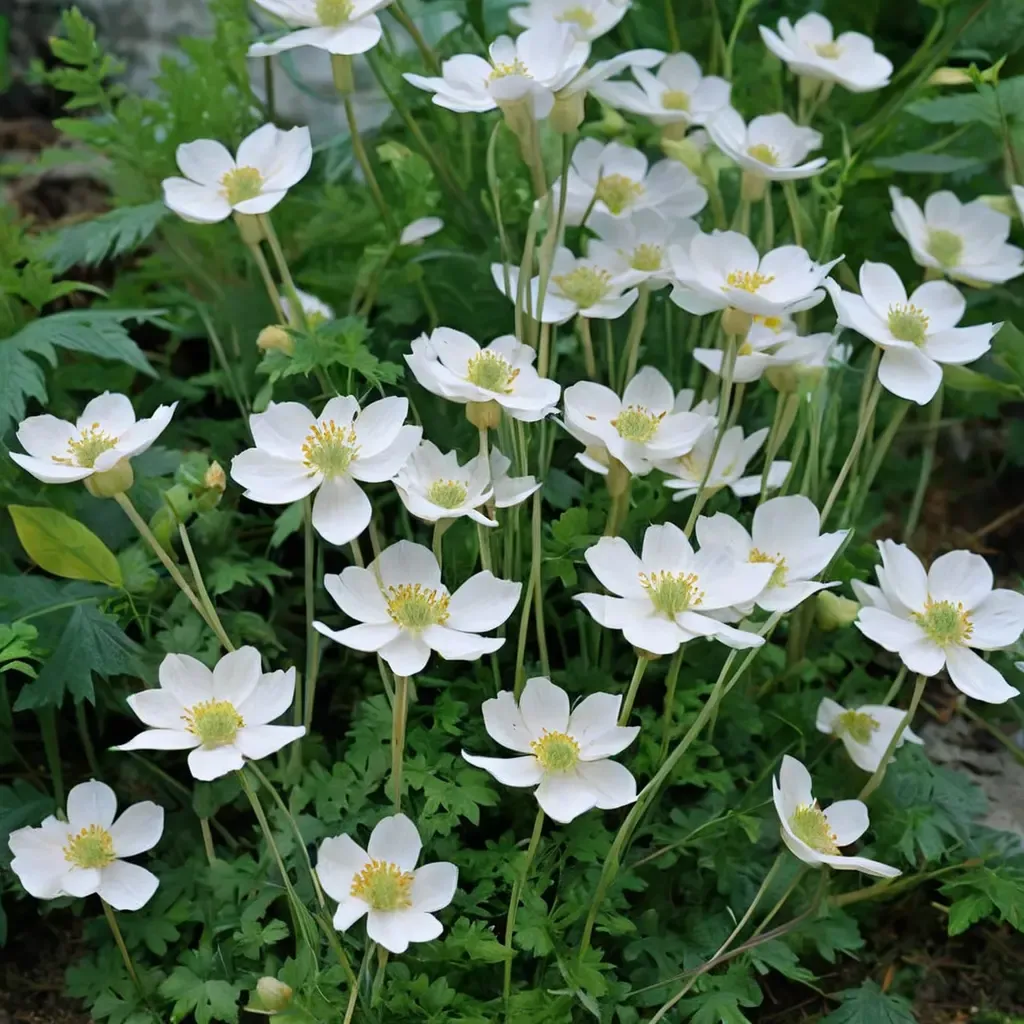
Snowdrop Anemone
Anemone sylvestris
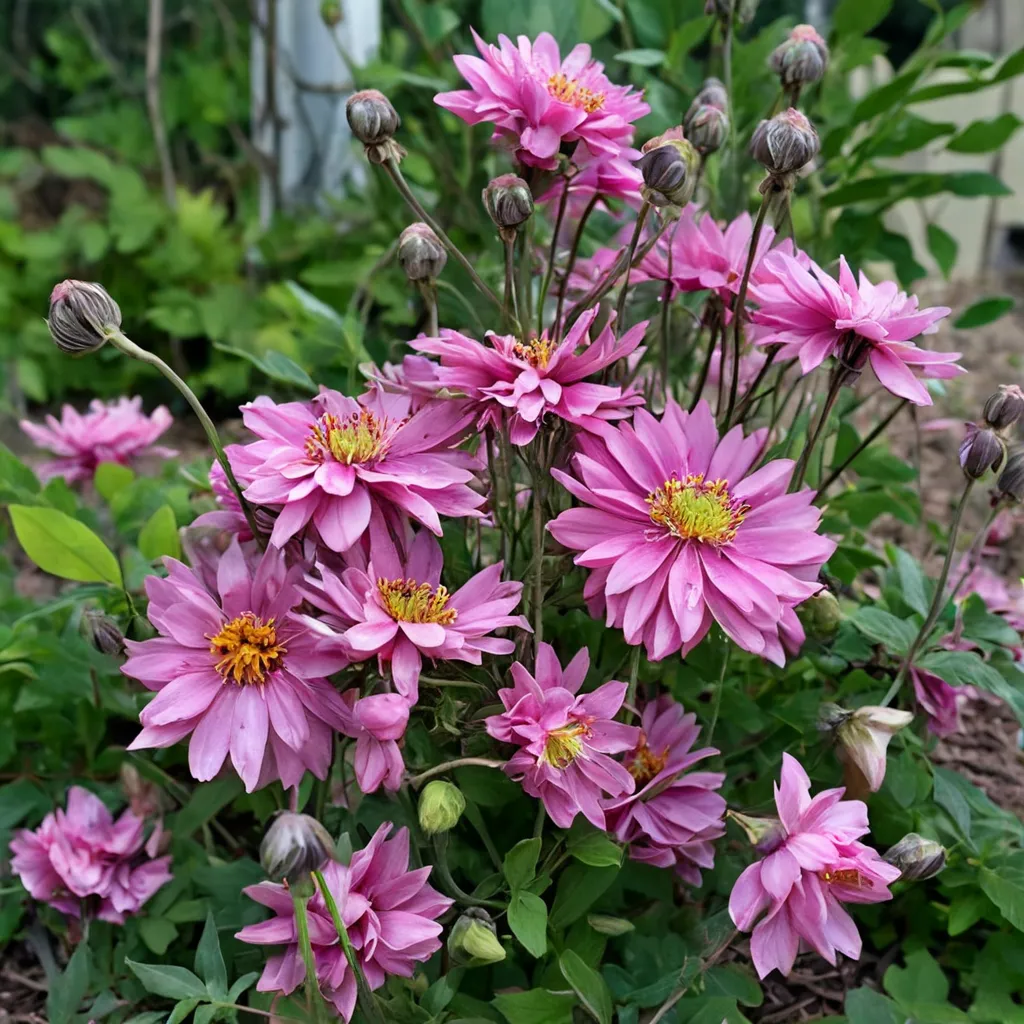
Japanese Anemone Sweetly
Anemone x hybrida 'Sweetly'
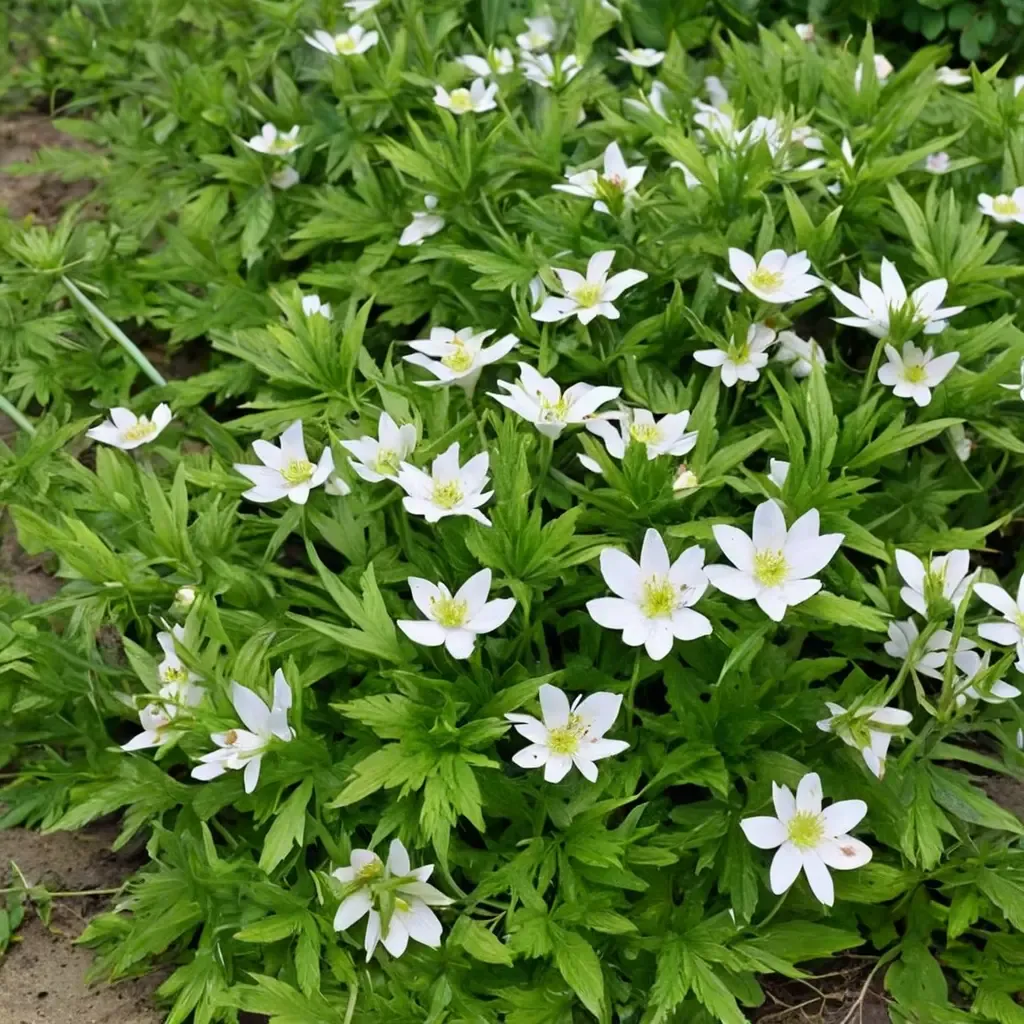
Canada Anemone
Anemone canadensis
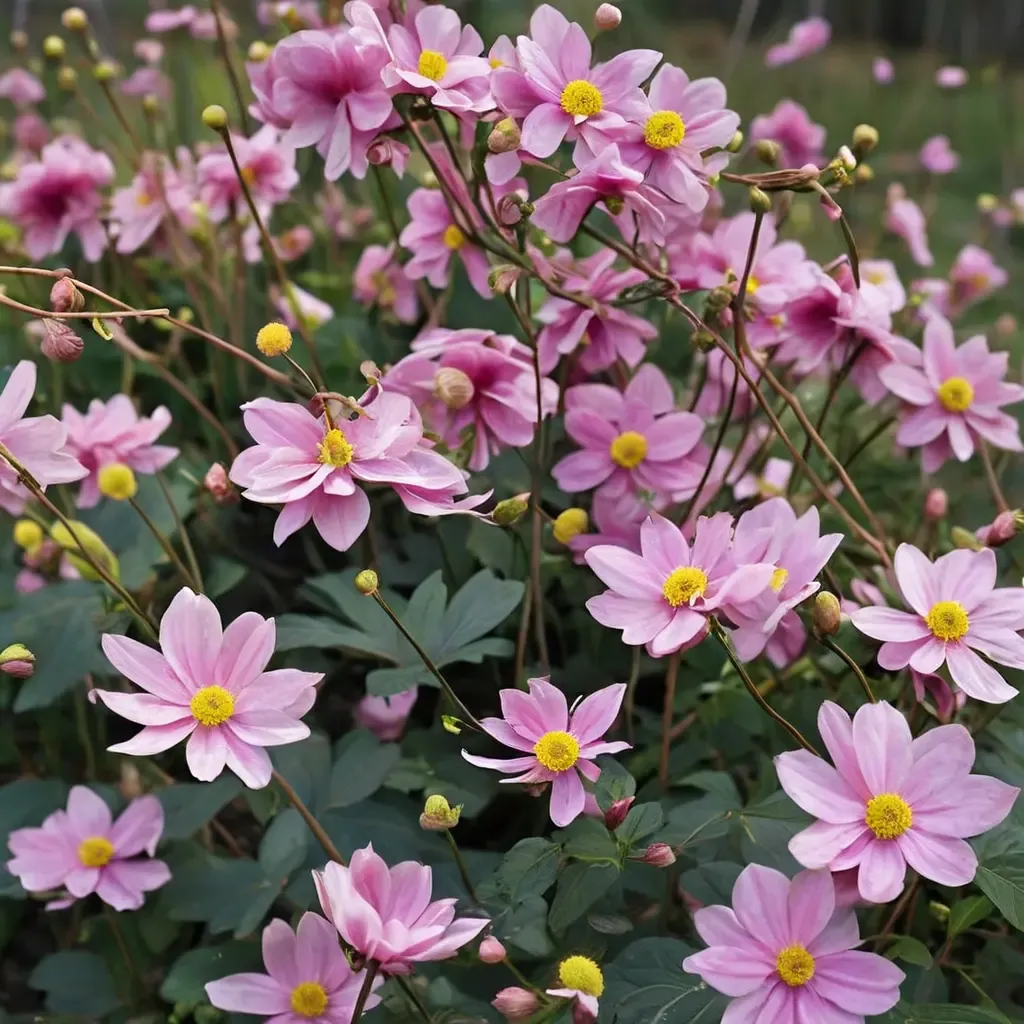
Anemone Serenade
Anemone x hybrida 'Serenade'
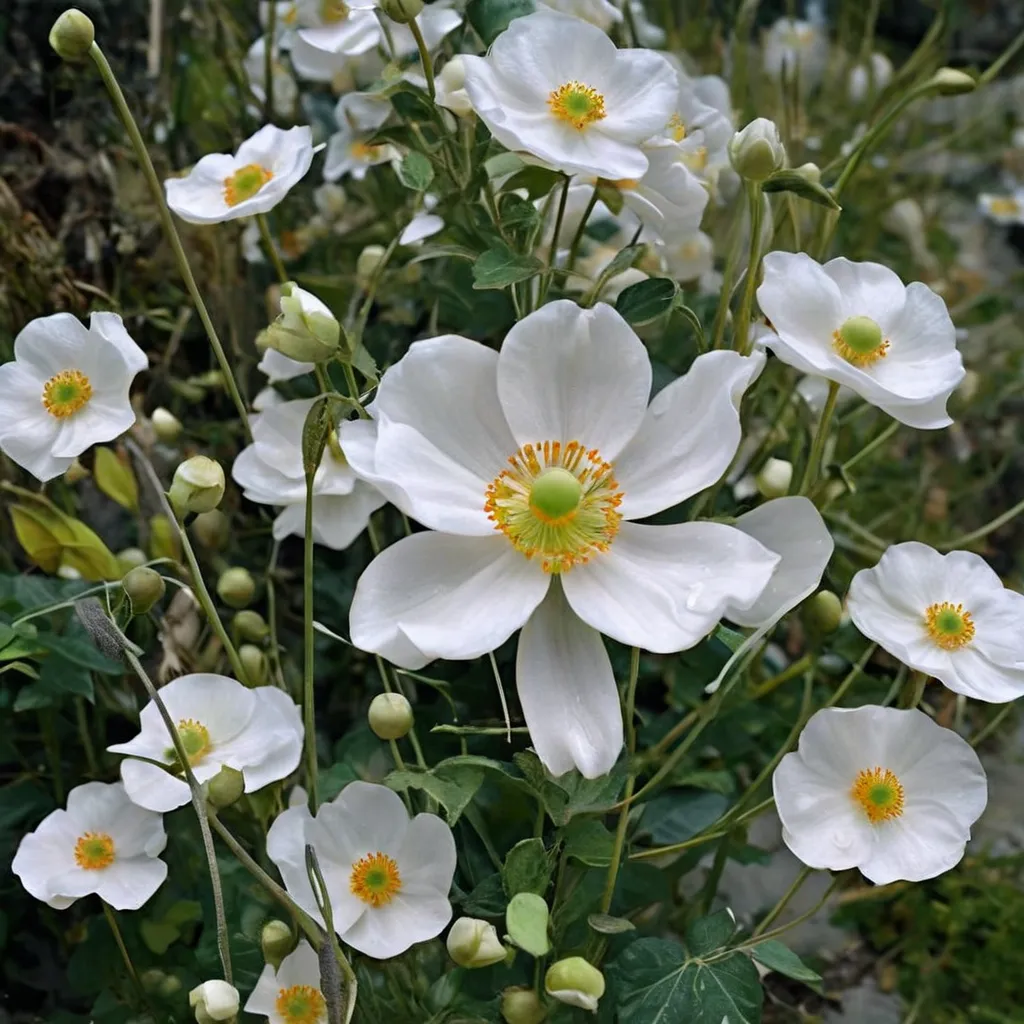
Japanese Anemone 'Andrea Atkinson'
Anemone x hybrida 'Andrea Atkinson'
Keep exploring
Grow Cut-Leaf Anemone with confidence
See it in a design of your actual yard, get zone-matched care reminders, and track it season by season in your garden journal.