The Story
Plant Bio
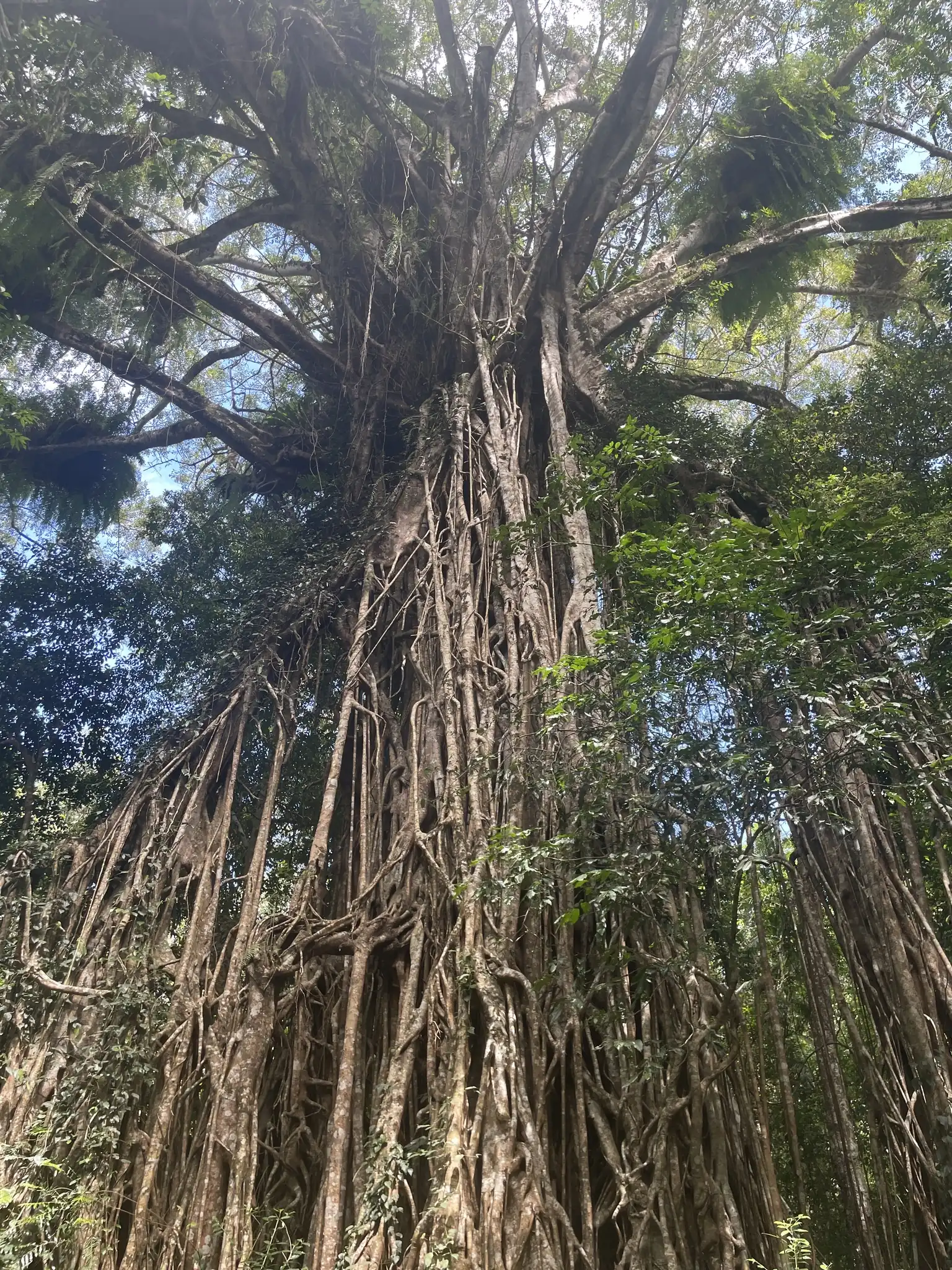
Ficus virens is a massive spreading tree native to tropical and subtropical Asia and Oceania, often starting life as a hemi-epiphytic strangler with long aerial roots. Its papery leaves drop briefly in spring before flushing with bright pink-to-bronze new foliage that quickly turns green.
Unlike evergreen figs, this species exhibits a brief spring deciduous habit that exposes its thick branching structure before a dramatic flush of colored leaves. Over time it develops heavy buttress roots and a fluted, fused trunk that broadens dramatically with age.
Uses & Benefits:
Essentials
At a Glance
Plant Type
Tree
Height
1181"
Width
1181"
Light
Full Sun, Partial Sun
Zones
10
Water
Moderate
Humidity
High
Lifespan
Perennial
Native To
Asia and Oceania
Toxicity
Sap is skin irritant; mild GI upset if ingested
Bloom period
Spring – Summer
In flower about 6 months of the year
Planting
How to Grow
- Select a planting site in full sun to partial shade with well-drained soil.
- Dig a hole twice as wide as the root ball and equal in depth.
- Position the root ball so the flare rests flush with the surrounding soil level.
- Backfill with native soil, firm gently, and water deeply to settle air pockets.
- Apply a light layer of mulch around the base, keeping it clear of the trunk.
Pro Tip
Position this tree far from foundations, underground pipes, and driveways, as its aggressive aerial and surface root systems can heave concrete and compromise infrastructure.
Keep It Thriving
Care Guide
Do
- Water young trees regularly until they establish deep root systems.
- Provide well-drained soil to prevent root crown rot.
- Wear gloves when pruning to avoid contact with milky latex sap.
Don't
- Do not plant near underground plumbing, footings, or paved paths.
- Do not cut heavily into thick, leafless old wood, as regrowing shoots can be unpredictable.
- Do not allow containerized specimens to stand in waterlogged saucers.
Seasonal Care Calendar
| Task | Jan | Feb | Mar | Apr | May | Jun | Jul | Aug | Sep | Oct | Nov | Dec |
|---|---|---|---|---|---|---|---|---|---|---|---|---|
| Fertilize | ||||||||||||
| Pest Check | ||||||||||||
| Prune | ||||||||||||
| Winter Prep |
Watch Out For
Pests & Diseases
Common Pests
Common Diseases
In the Garden
Landscape Uses & Companions
Landscape Uses
Multiply
Propagation Methods
Good to Know
Common Questions
White Fig questions
What zones can White Fig grow in?
White Fig is hardy in USDA Zone 10: in that range it survives winter in the ground. Colder than Zone 10, winters are too cold for it to survive outdoors.
When does White Fig bloom?
White Fig typically blooms from spring to summer. Exact timing shifts a week or two with your zone — Sow's bloom calendar maps it to your garden.
Does White Fig need full sun?
White Fig does best in full sun to part shade. In hot climates, afternoon shade keeps blooms fresher longer.
Is White Fig drought tolerant?
Yes — once established (usually after the first full season), White Fig handles dry spells with minimal watering. Water deeply its first year to build the root system that makes that possible.
More Ficus to compare
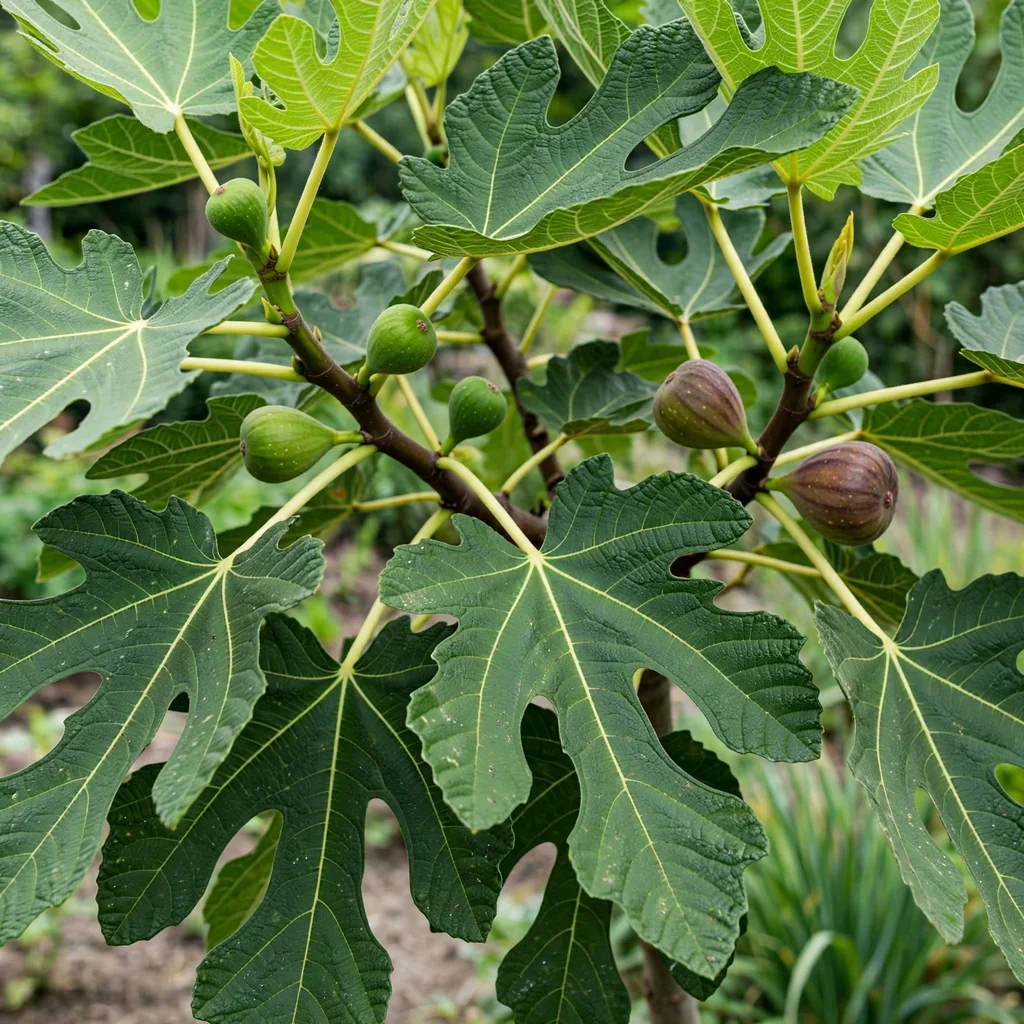
Fig Tree Brown Turkey
Ficus carica 'Brown Turkey'
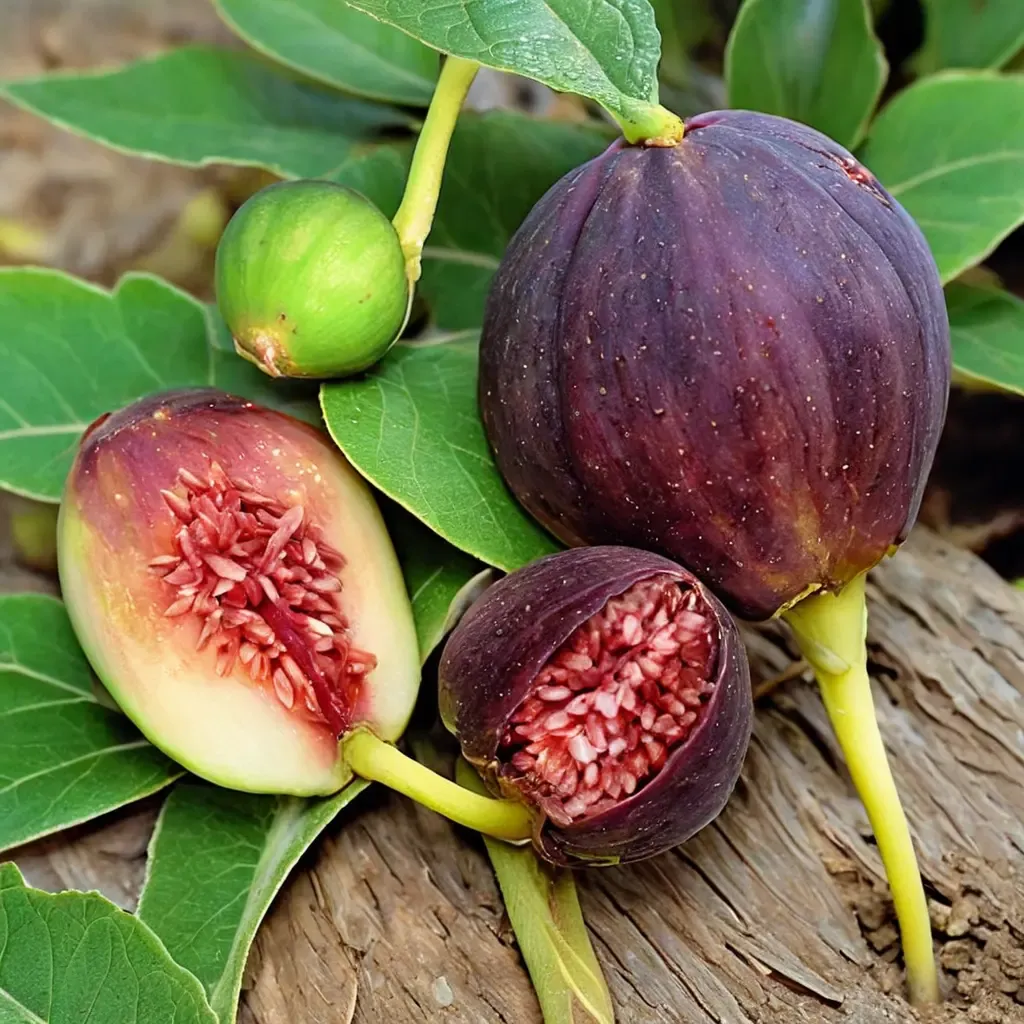
Improved Brown Turkey Fig
Ficus carica 'Improved Brown Turkey'
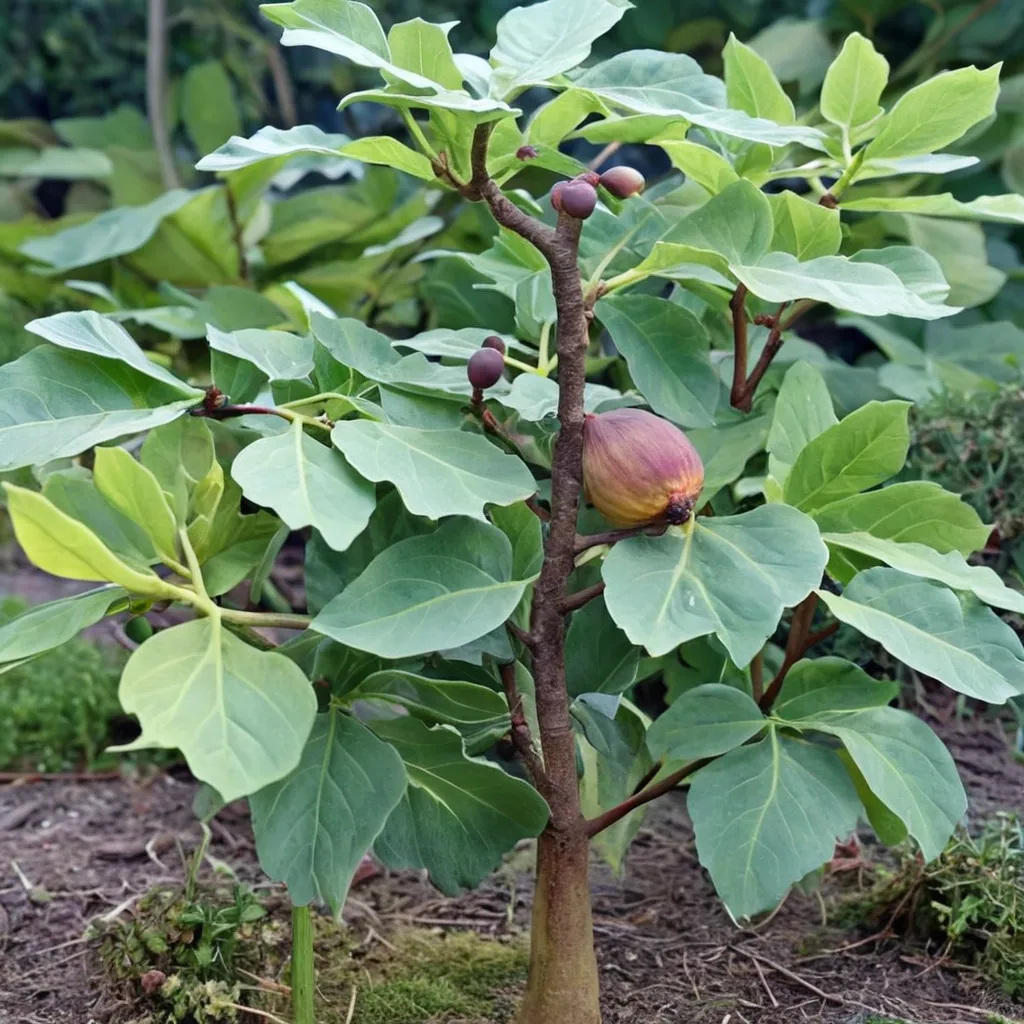
Chicago Hardy Fig
Ficus carica 'Chicago Hardy'
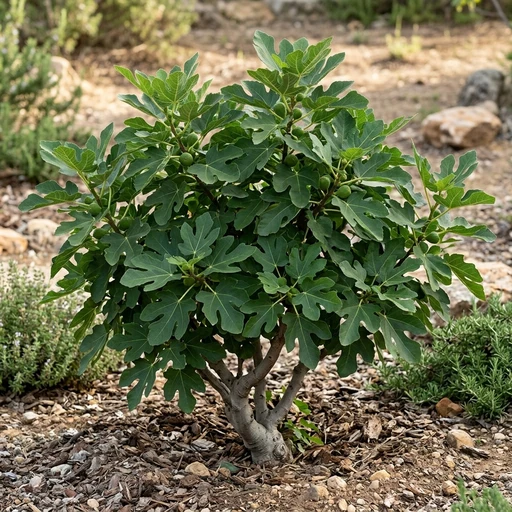
Little Miss Figgy Dwarf Fig
Ficus carica 'Little Miss Figgy'
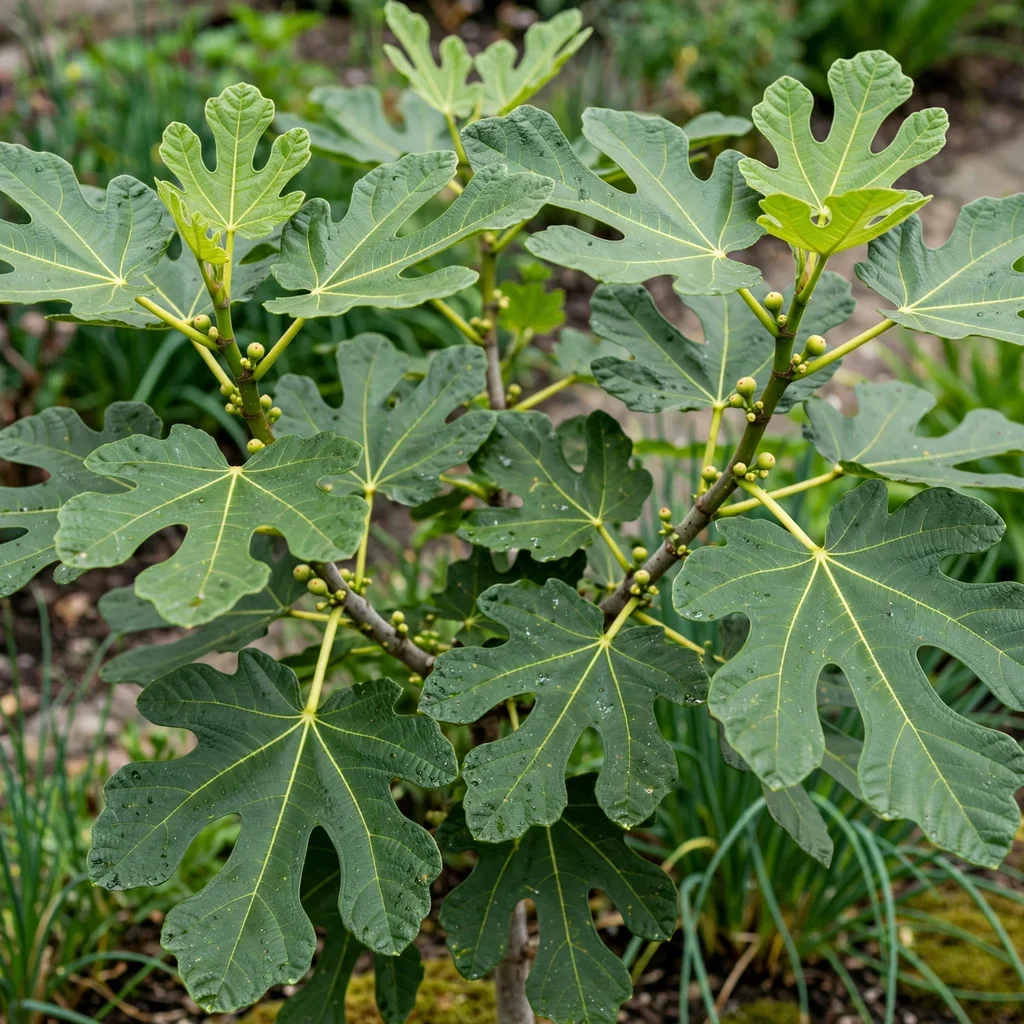
Champagne Fig
Ficus carica 'Champagne'
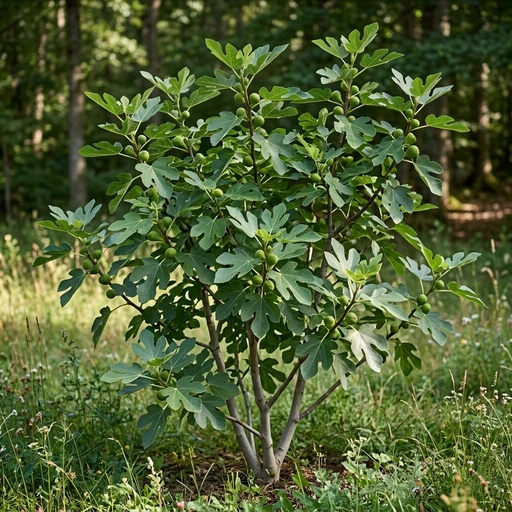
Celeste Fig
Ficus carica 'Celeste'
Keep exploring
Explore the genus
Hardy in your zone?
Grow White Fig with confidence
See it in a design of your actual yard, get zone-matched care reminders, and track it season by season in your garden journal.