The Story
Plant Bio
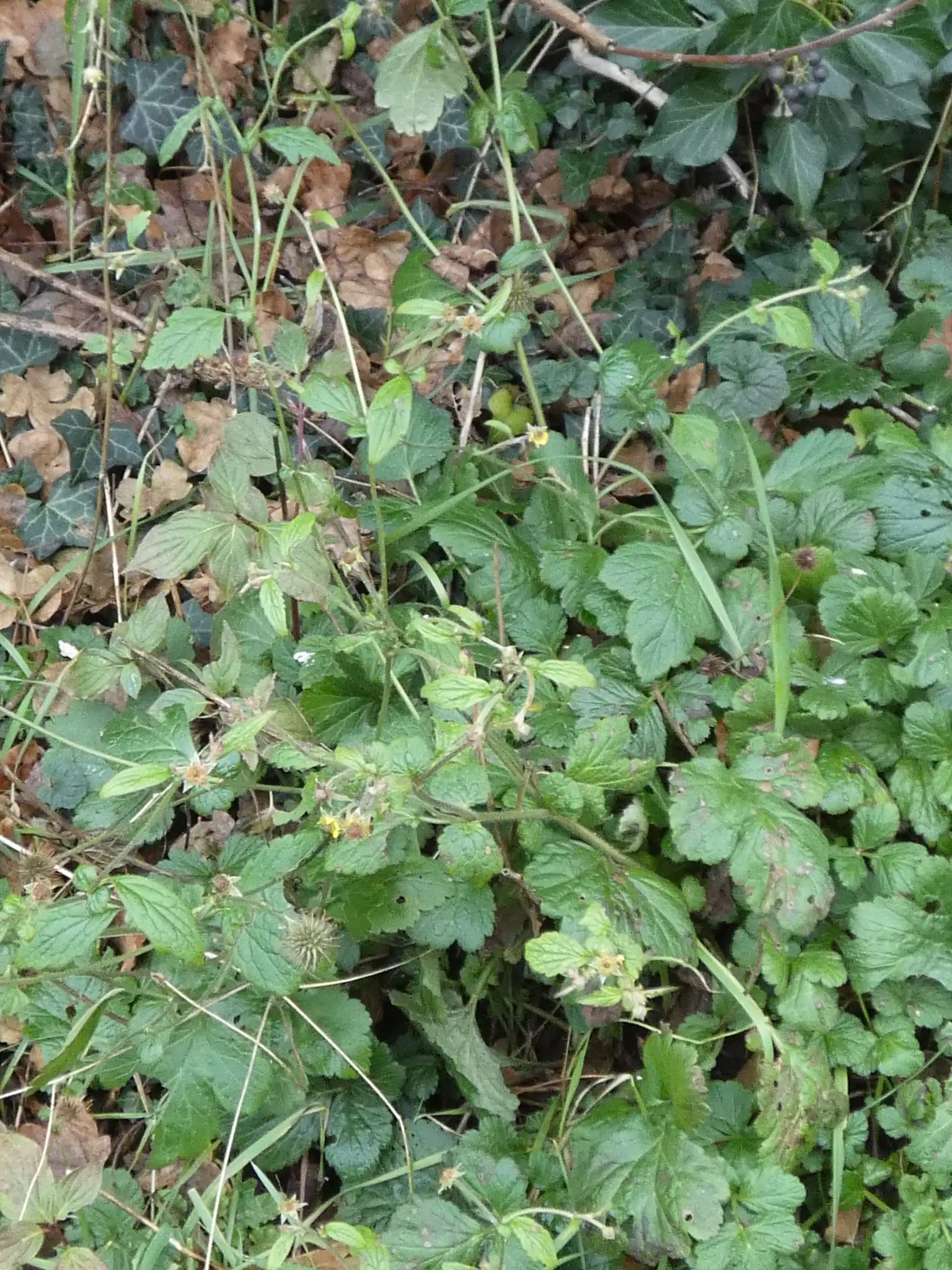
Geum urbanum, commonly known as wood avens, is an upright, clump-forming herbaceous perennial native to Europe, temperate Asia, and northern Africa that reaches one to two feet in height. It forms a basal rosette of pinnate foliage and produces thin, wiry stems bearing small, five-petaled yellow blooms from late spring through mid-summer.
The species is characterized by green trifoliate stem leaves with leafy stipules and rhizomatous roots that release a distinct clove aroma when crushed. After flowering, the blooms develop into spherical seed heads with hooked awns designed to attach to animal fur.
Uses & Benefits:
Essentials
At a Glance
Plant Type
Perennial
Height
24"
Width
20"
Light
Partial Sun, Shade
Zones
5, 6, 7, 8
Water
Moderate
Humidity
High
Lifespan
Perennial
Native To
Eurasia, Northern Africa
Toxicity
Non-toxic
Bloom period
Spring – Summer
In flower about 6 months of the year
Planting
How to Grow
- Select a site with partial to full shade and moist, well-draining soil.
- Space plants 12 to 18 inches apart, placing the root crown level with the surrounding soil line.
- Water thoroughly after planting and maintain consistent soil moisture during the first growing season.
- Apply a thin layer of leaf mold or organic compost around the base every spring to preserve moisture.
Pro Tip
Cut spent flower stems cleanly back to the basal crown in late summer to suppress seed dispersal and stimulate fresh leaf growth.
Keep It Thriving
Care Guide
Do
- Plant in dappled shade or woodland conditions with reliable moisture.
- Divide dense basal rosettes every three to four years during spring or fall.
- Shear back old stems cleanly to the base in early spring before fresh growth starts.
Don't
- Do not prune into the woody crown tissue at the base of the plant.
- Do not allow the soil to dry out completely during extended hot summer spells.
- Avoid planting in waterlogged locations where water sits stagnant.
Seasonal Care Calendar
| Task | Jan | Feb | Mar | Apr | May | Jun | Jul | Aug | Sep | Oct | Nov | Dec |
|---|---|---|---|---|---|---|---|---|---|---|---|---|
| Divide | ||||||||||||
| Fertilize | ||||||||||||
| Prune | ||||||||||||
| Spring Cleanup |
Watch Out For
Pests & Diseases
Common Pests
Common Diseases
In the Garden
Landscape Uses & Companions
Landscape Uses
Multiply
Propagation Methods
Good to Know
Common Questions
Wood Avens questions
What zones can Wood Avens grow in?
Wood Avens is hardy in USDA Zones 5–8: in that range it survives winter in the ground. Colder than Zone 5, grow it in a container you can move to shelter for the winter, or as an annual. Warmer than Zone 8, winter isn't the problem: it prefers colder winters, and summer heat can shorten its life.
Is Wood Avens deer resistant?
Not reliably. Deer may browse Wood Avens, especially tender spring growth — plan on repellents or fencing where pressure is high.
When does Wood Avens bloom?
Wood Avens typically blooms from spring to summer. Exact timing shifts a week or two with your zone — Sow's bloom calendar maps it to your garden.
Does Wood Avens need full sun?
Wood Avens does best in part shade.
More Geum to compare
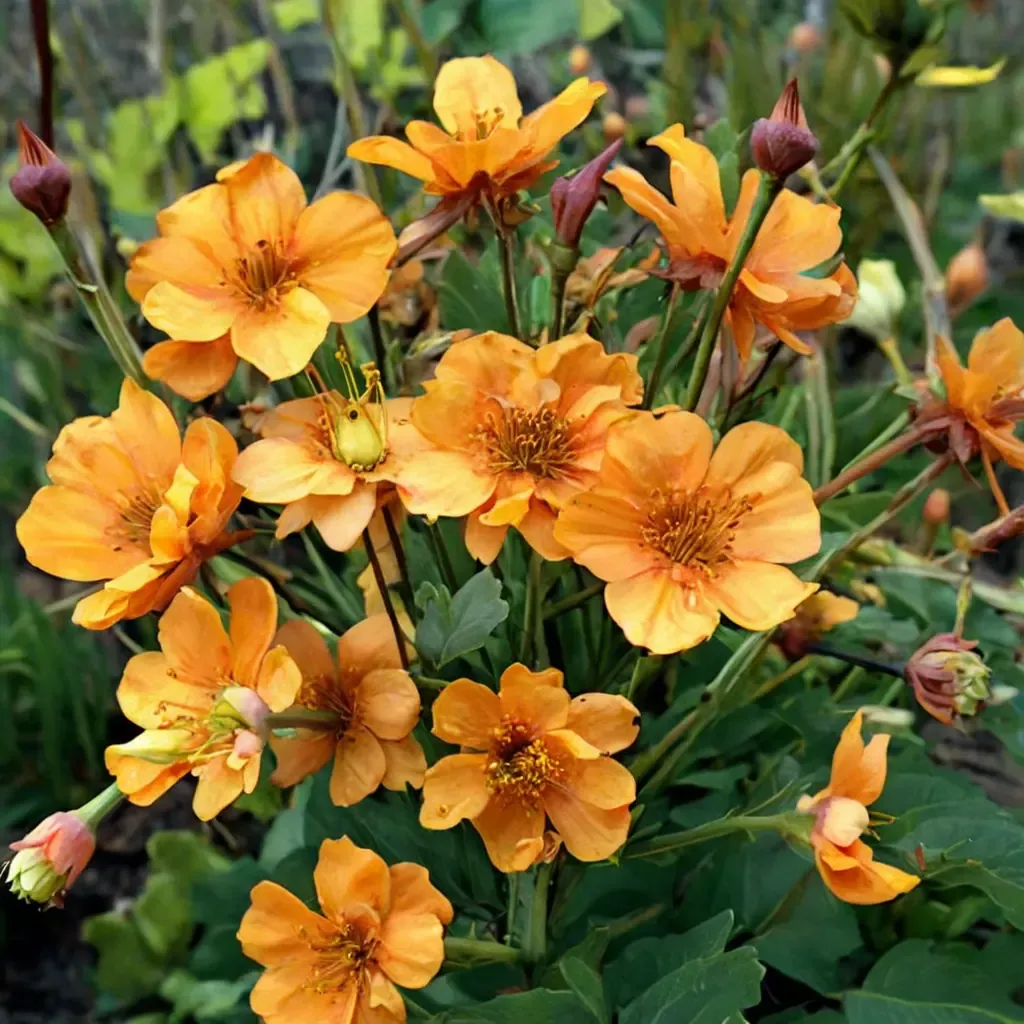
Fireball Avens
Geum rivale 'Fireball'
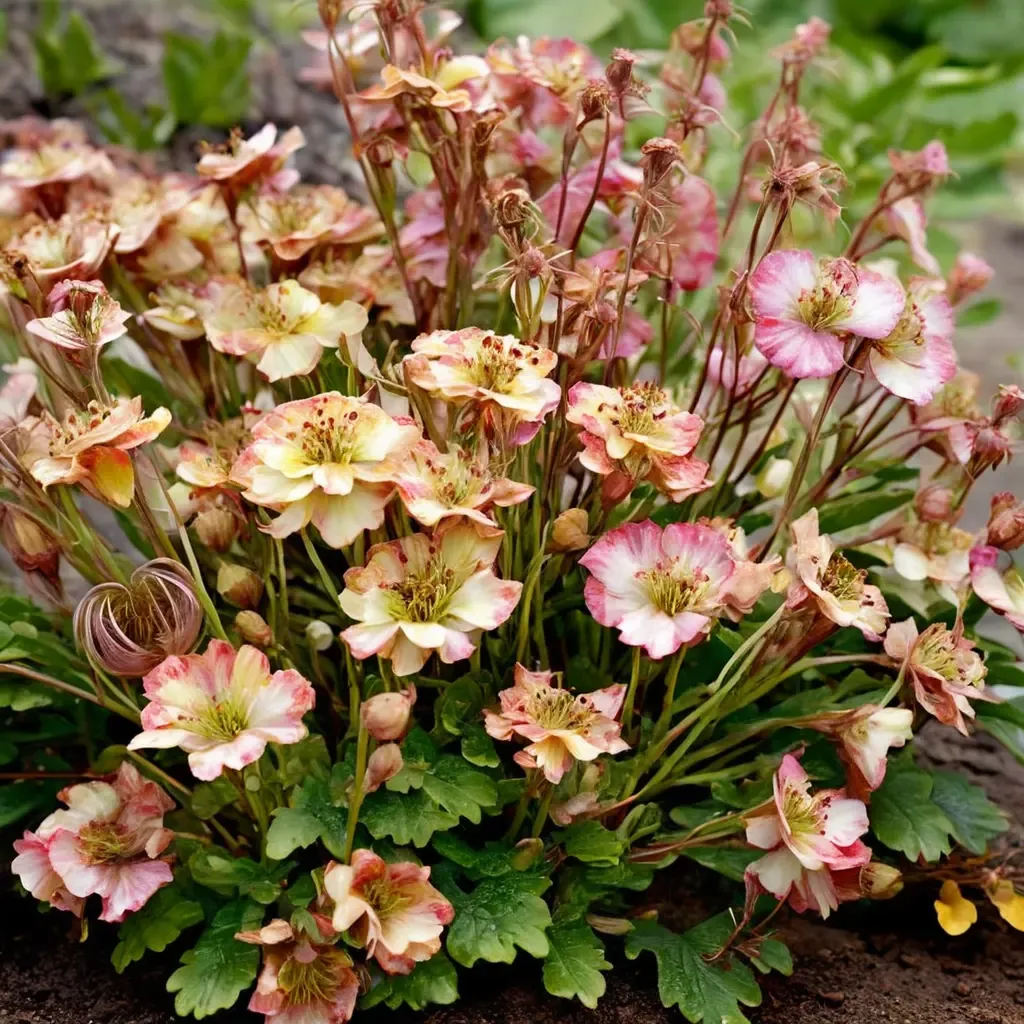
Pretticoats Peach Avens
Geum coccineum 'Pretticoats Peach'
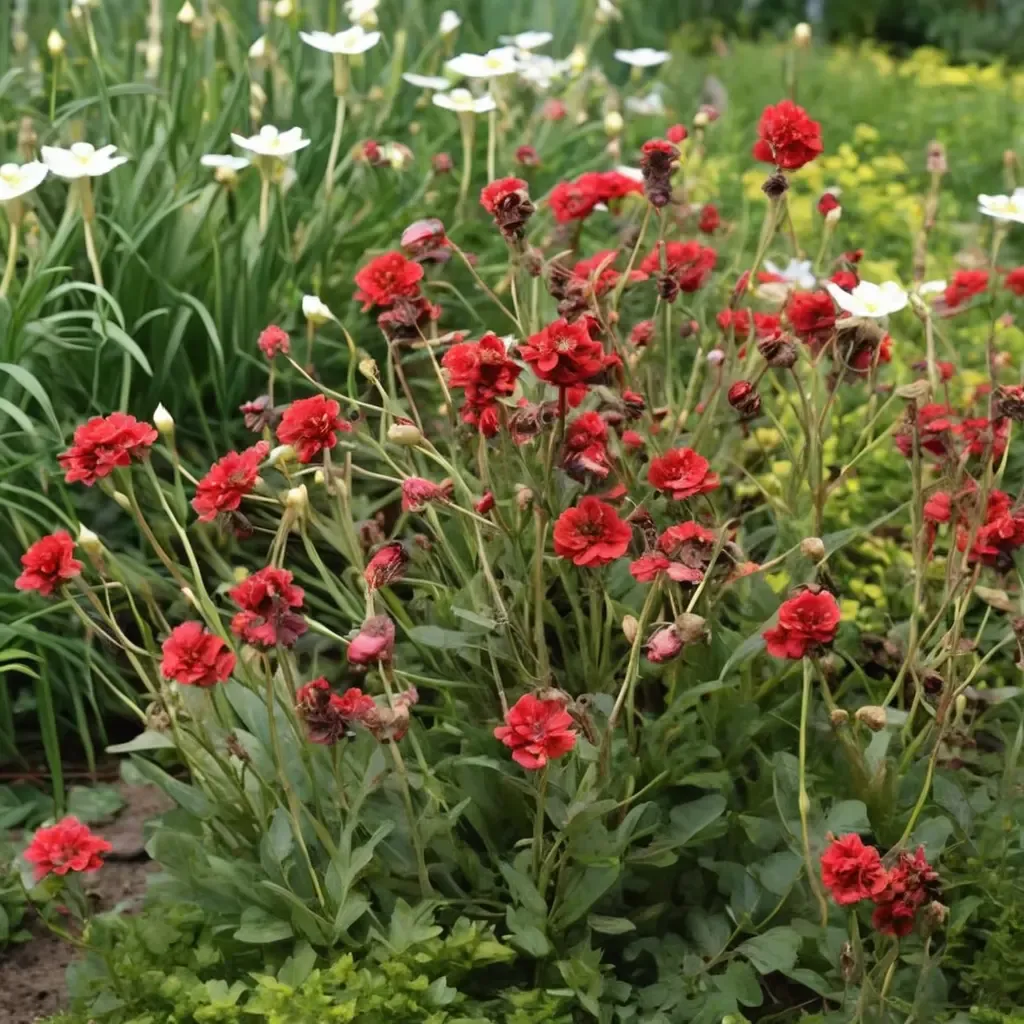
Blazing Sunset Geum
Geum quellyon 'Blazing Sunset'
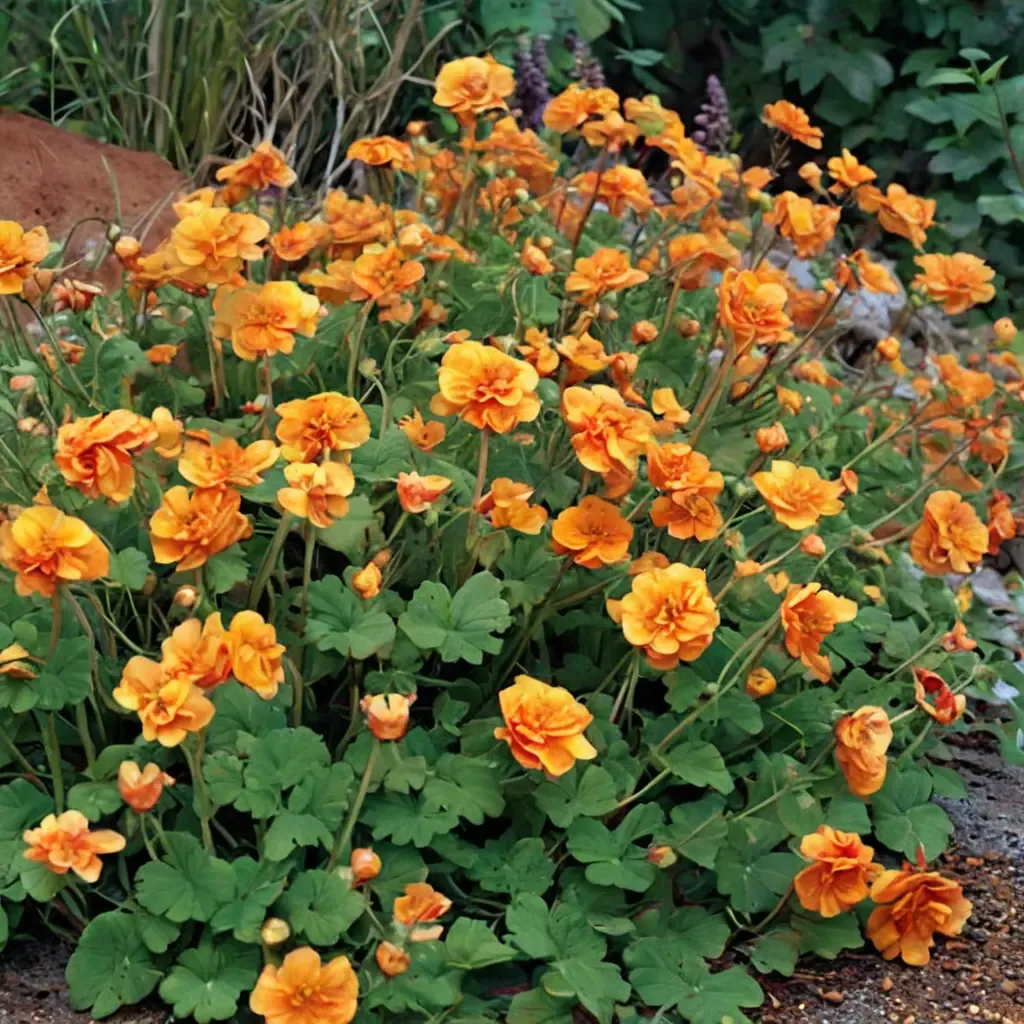
Fire Storm Avens
Geum x hybrida 'Fire Storm'
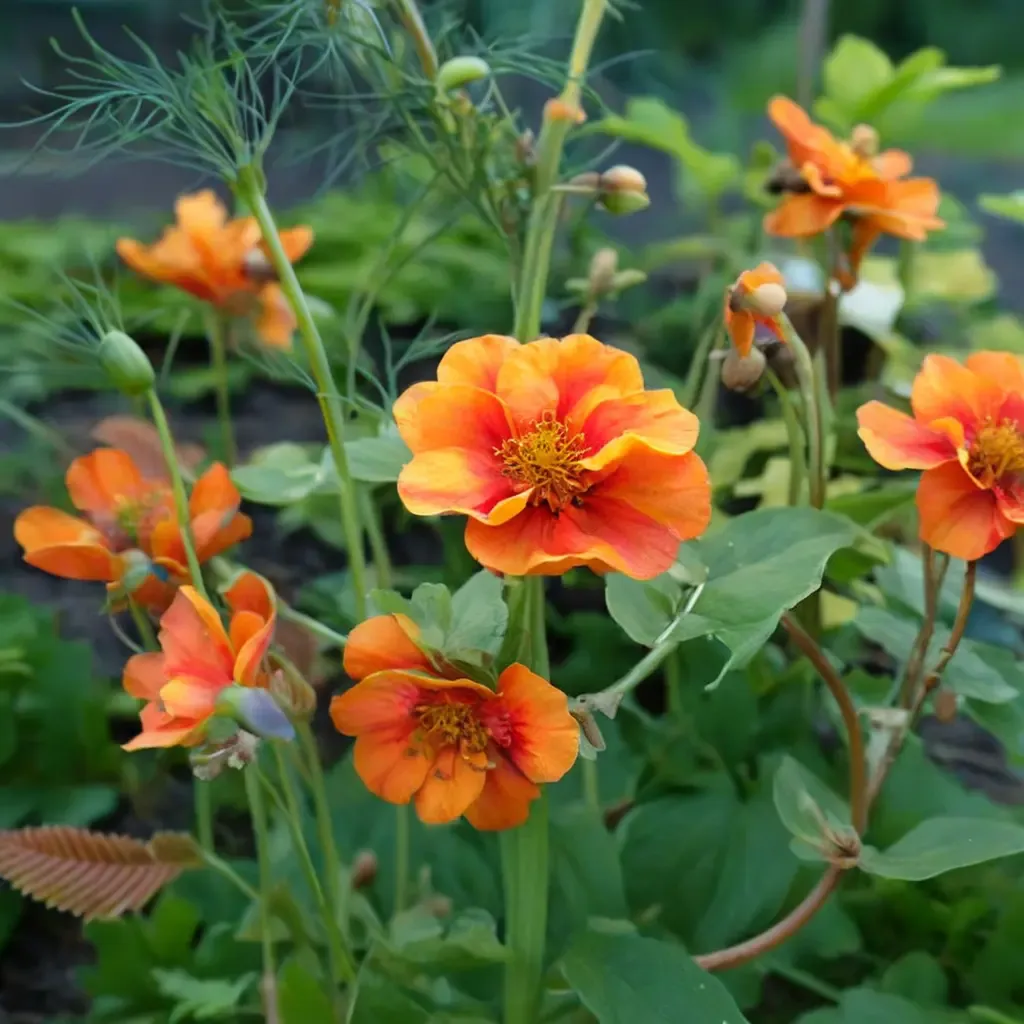
Prinses Juliana Geum
Geum x hybrida 'Prinses Juliana'
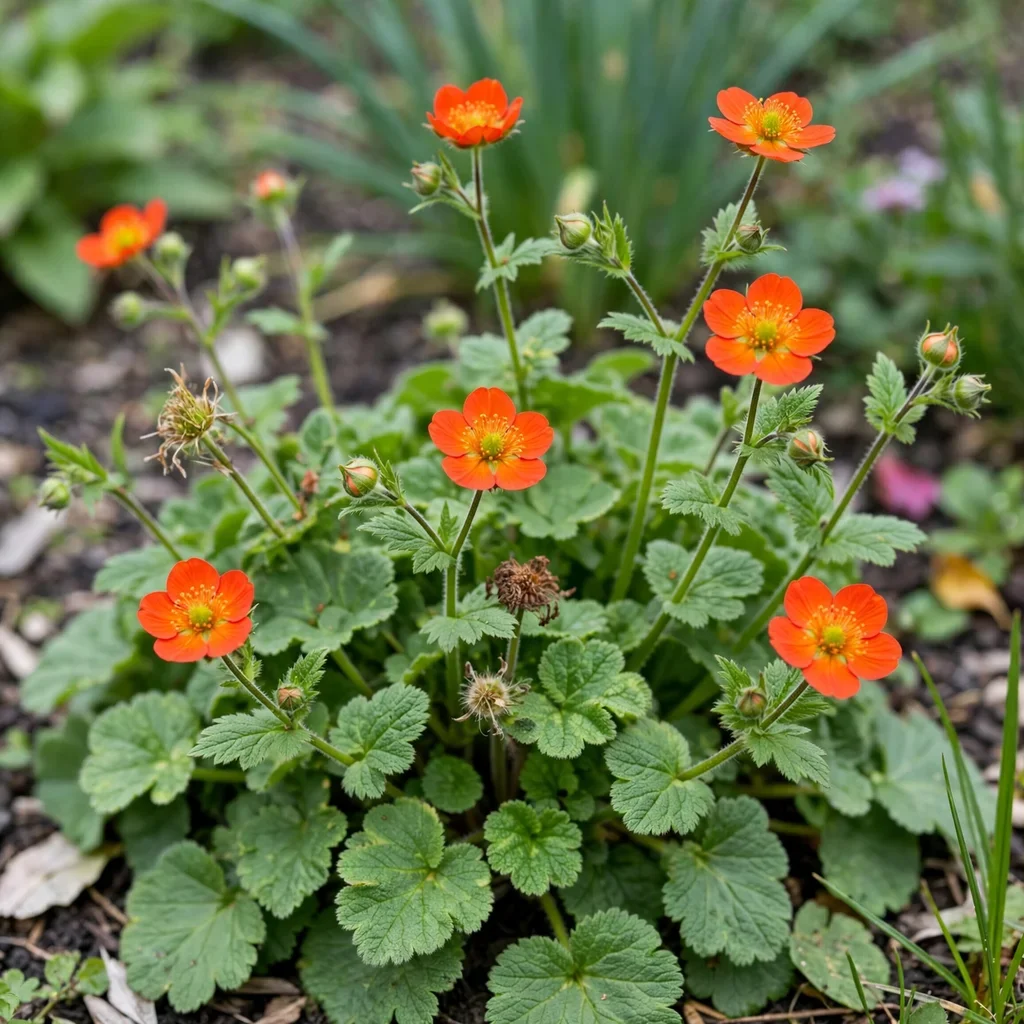
Koi Avens
Geum coccineum 'Koi'
Keep exploring
Explore the genus
Hardy in your zone?
Grow Wood Avens with confidence
See it in a design of your actual yard, get zone-matched care reminders, and track it season by season in your garden journal.