The Story
Plant Bio
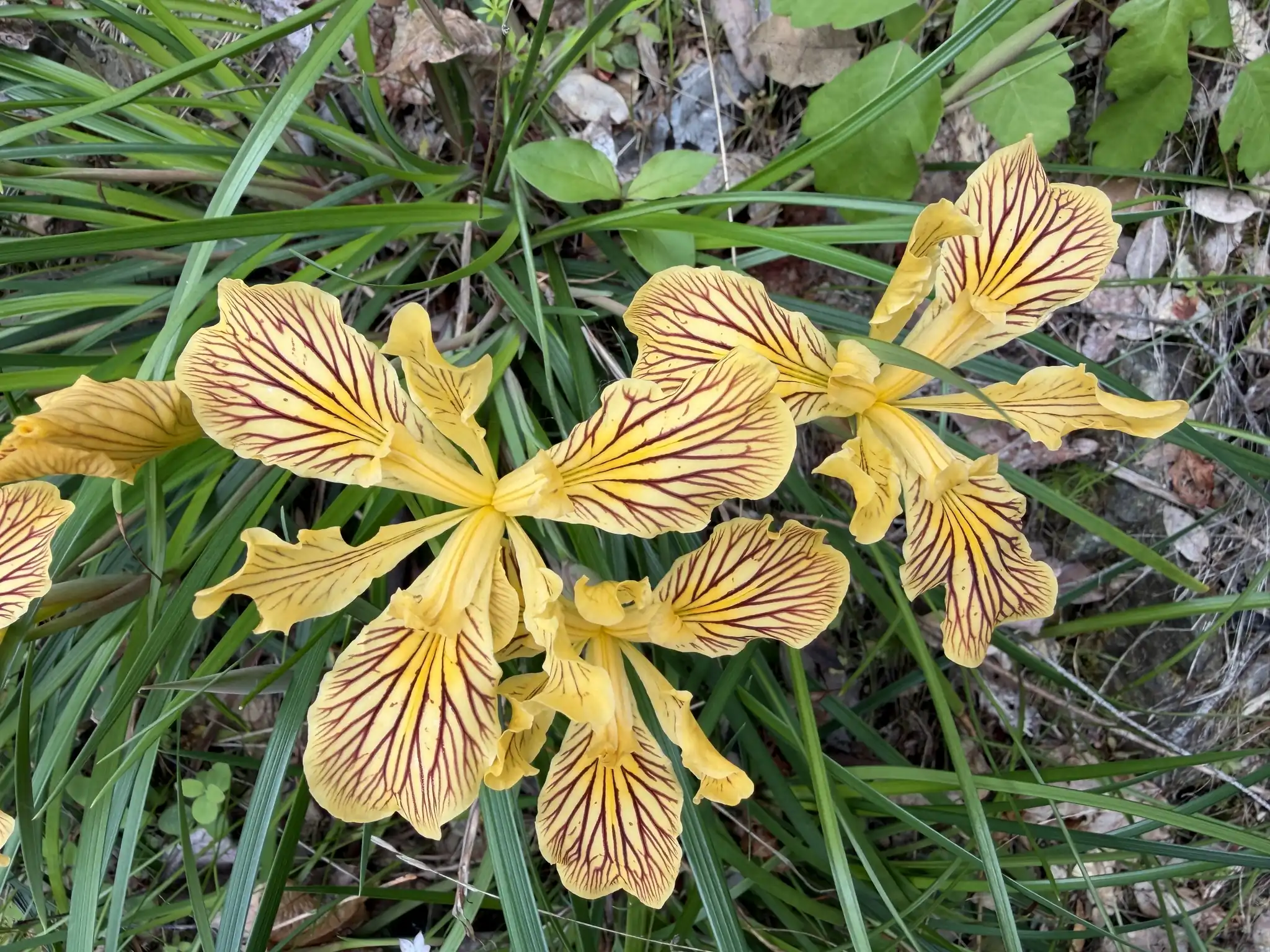
Iris innominata, a beardless Pacific Coast iris, is a rhizomatous evergreen perennial that forms low compact tufts 6 to 12 inches tall from freely branching rhizomes. The basal fans are abundant narrow leaves to 14 inches long and under a quarter inch wide, dark shining green on one face and lighter on the other with pink to deep purple bases, and slender 8 to 10 inch stems each carry a single iris flower in spring.
This species is variable in color, with falls from cream and buff through yellow and gold to orange, lavender-blue and maroon, all veined reddish-brown. It is a woodland-opening plant from serpentine slopes and fir-pine forest at 1000 to 6500 feet in southern Oregon and Del Norte County California, built for cool wet winters and warm dry summers with sharp drainage.
Uses & Benefits:
Essentials
At a Glance
Plant Type
Perennial
Height
12"
Width
14"
Light
Full Sun, Partial Sun
Zones
6, 7, 8, 9, 10
Water
Medium
Humidity
Low
Lifespan
Perennial
Native To
Southern Oregon, Northern California
Toxicity
Toxic if ingested
Bloom period
Late spring – Early summer
In flower about 2 months of the year
Planting
How to Grow
- Plant in fall into well-drained neutral to slightly acidic soil in full sun to light shade.
- Set the rhizome at the surface with roots spread below and fans upright, never buried.
- Water evenly through fall to spring to establish, then reduce to little or no summer water.
- Keep the crown open to air with leaf litter rather than heavy mulch piled against fans.
- Divide only to increase stock, lifting in early fall and replanting divisions shallow at once.
Pro Tip
Set rhizomes at the soil surface and keep the crown winter-wet and summer-dry, since burial or summer irrigation rots them.
Keep It Thriving
Care Guide
Do
- Plant rhizomes shallow at the surface in sharply drained soil
- Water evenly in cool months and keep dry in summer once established
- Give full sun to light shade with good air flow
Don't
- Do not bury rhizomes or mulch over the crown
- Do not irrigate through warm summer dormancy
- Do not raise seed near other Pacific Coast irises if you want true color
Seasonal Care Calendar
| Task | Jan | Feb | Mar | Apr | May | Jun | Jul | Aug | Sep | Oct | Nov | Dec |
|---|---|---|---|---|---|---|---|---|---|---|---|---|
| Deadhead | ||||||||||||
| Divide | ||||||||||||
| Pest Check | ||||||||||||
| Plant | ||||||||||||
| Spring Cleanup |
Watch Out For
Pests & Diseases
Common Pests
Common Diseases
In the Garden
Landscape Uses & Companions
Landscape Uses
Multiply
Propagation Methods
Good to Know
Common Questions
Del Norte County Iris questions
What zones can Del Norte County Iris grow in?
Del Norte County Iris is hardy in USDA Zones 6–10: in that range it survives winter in the ground. Colder than Zone 6, grow it in a container you can move to shelter for the winter, or as an annual.
Is Del Norte County Iris deer resistant?
Yes — Del Norte County Iris is rated deer-resistant. Deer typically pass it over, though extreme hunger can override any plant's defenses.
When does Del Norte County Iris bloom?
Del Norte County Iris typically blooms from late spring to early summer. Exact timing shifts a week or two with your zone — Sow's bloom calendar maps it to your garden.
Does Del Norte County Iris need full sun?
Del Norte County Iris does best in full sun to part shade. In hot climates, afternoon shade keeps blooms fresher longer.
Is Del Norte County Iris drought tolerant?
Yes — once established (usually after the first full season), Del Norte County Iris handles dry spells with minimal watering. Water deeply its first year to build the root system that makes that possible.
More Iris to compare
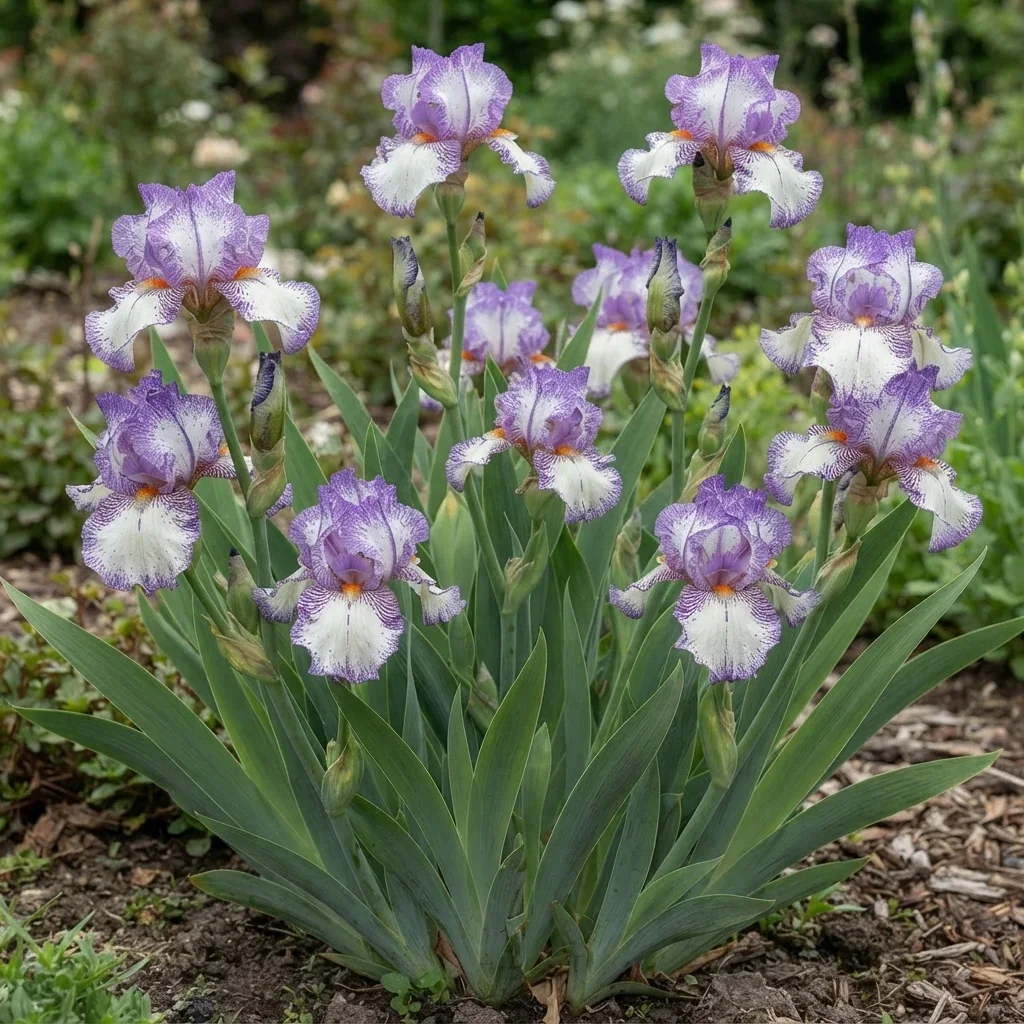
German Iris Bearded Iris
Iris x germanica 'Mix'
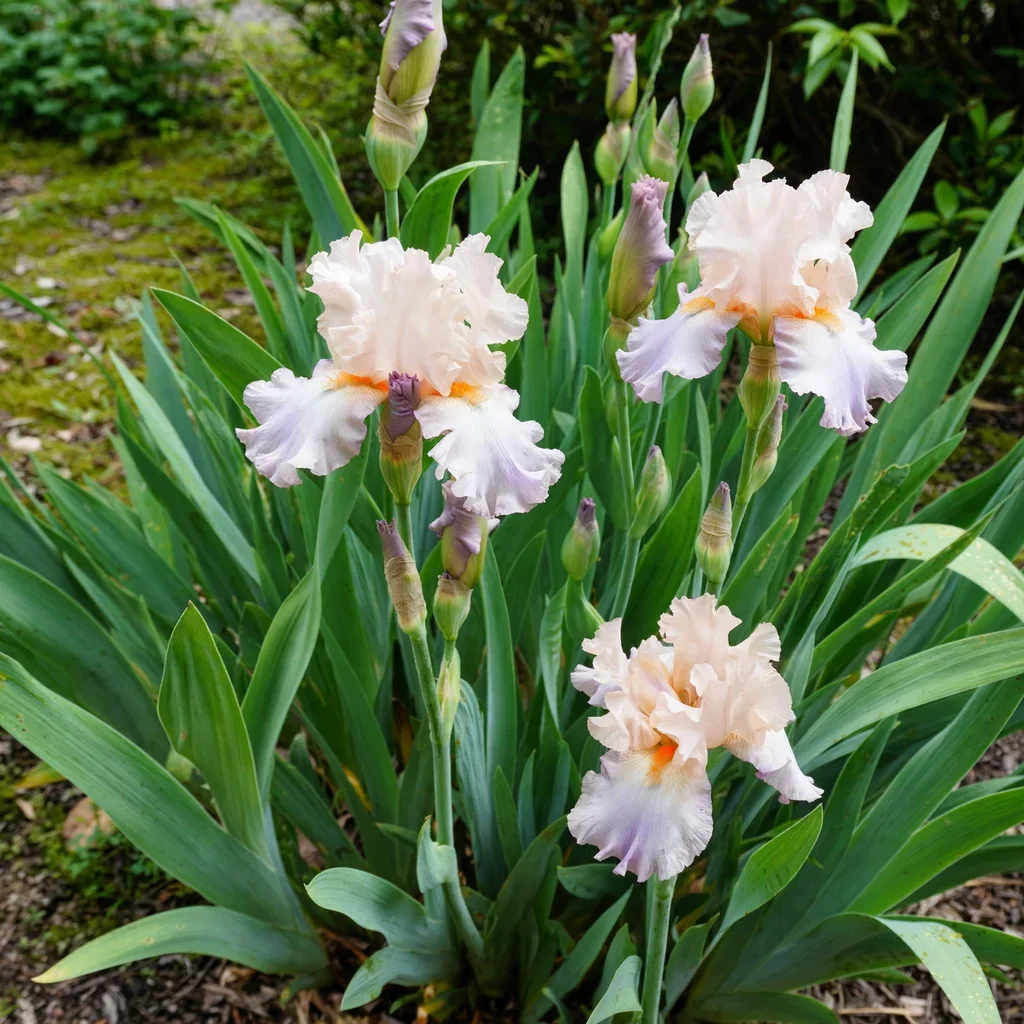
Celebration Song Iris
Iris tenuissima 'Celebration Song'
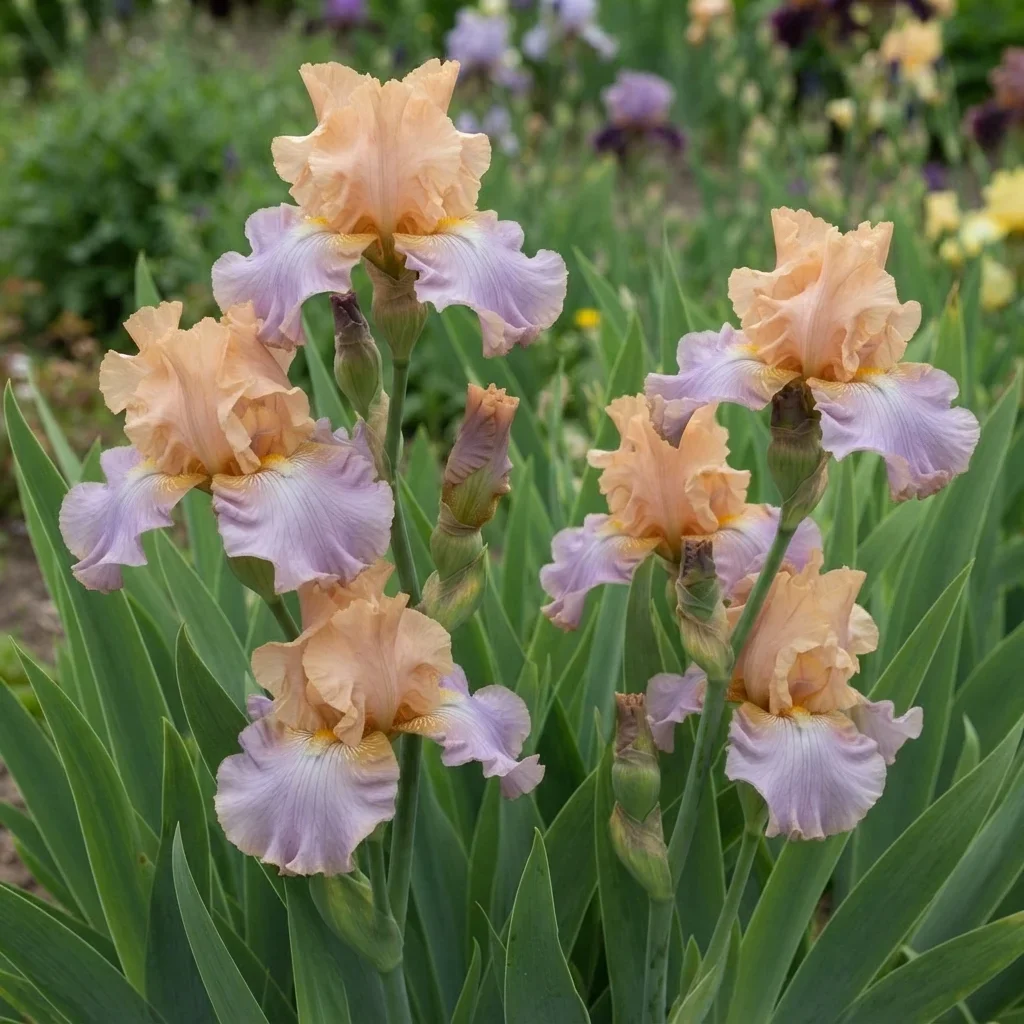
Poem of Ecstasy German Iris
Iris x germanica 'Poem Of Ecstasy'
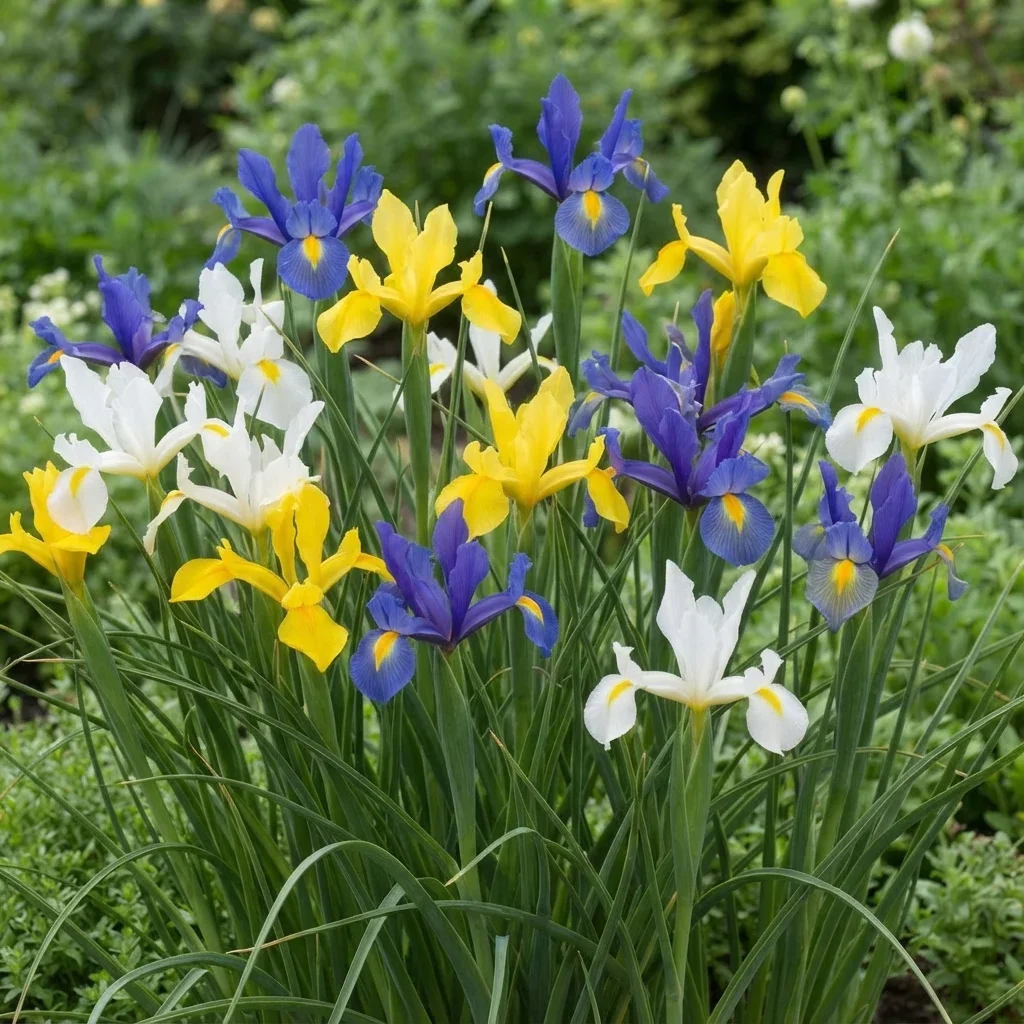
Dutch Iris Mix
Iris x hollandica 'Mix'
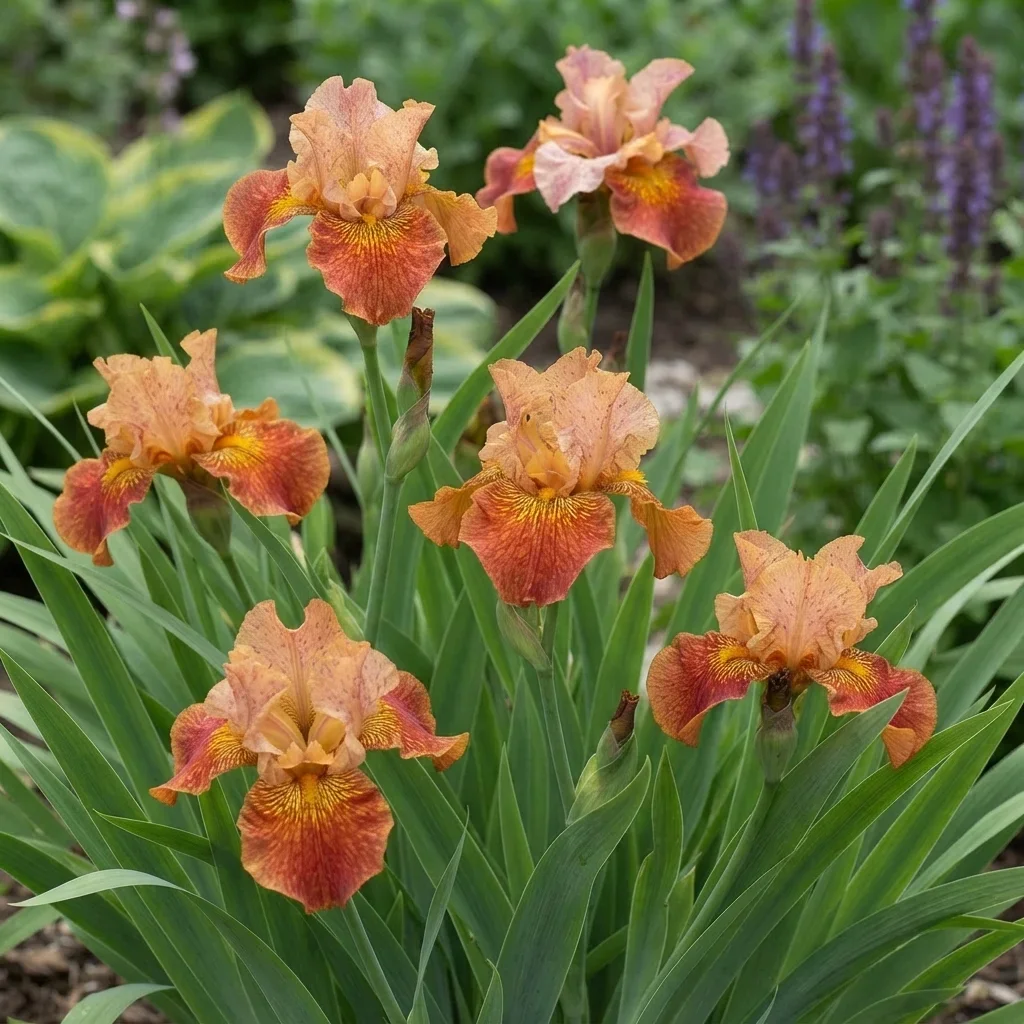
Siberian Iris 'Paprikash'
Iris x hybrida 'Paprikash'
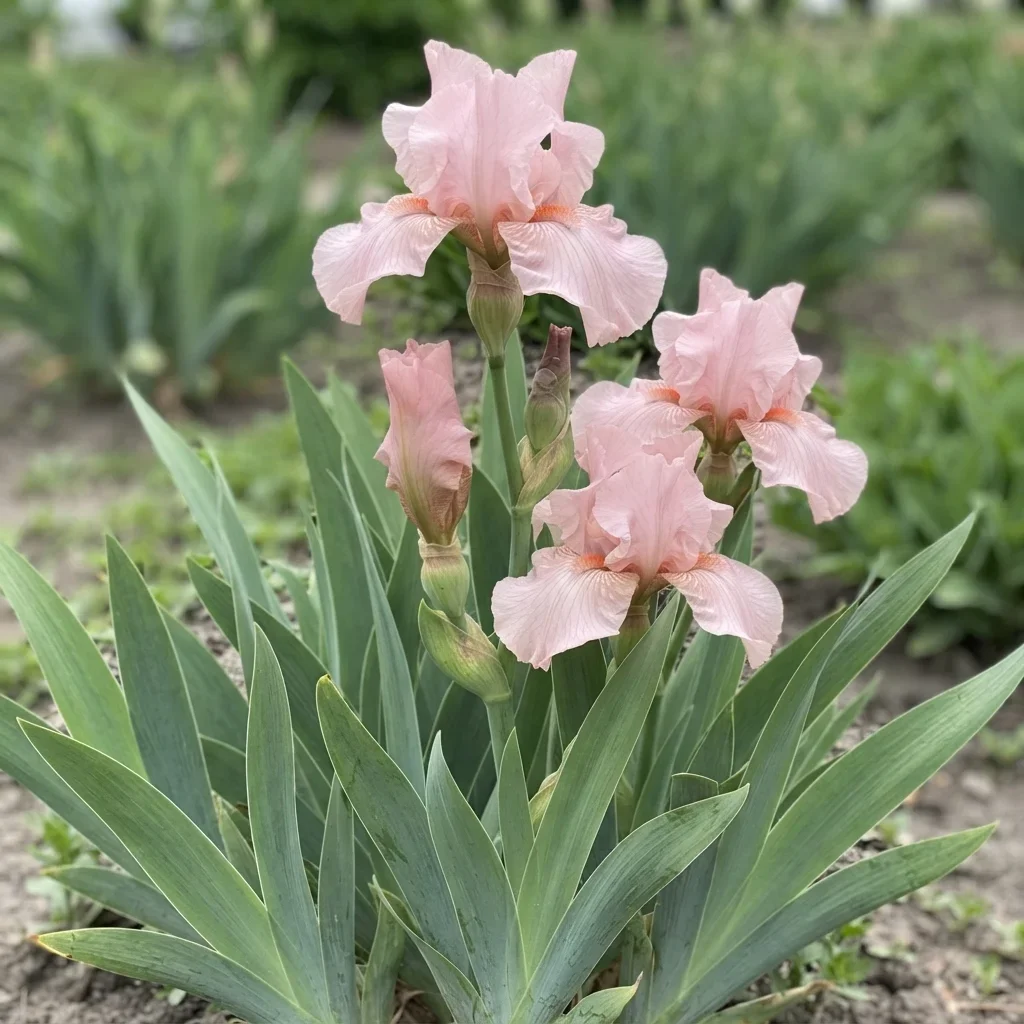
Baboon Bottom Bearded Iris
Iris x germanica 'Baboon Bottom Bearded'
Keep exploring
Explore the genus
Guides
Hardy in your zone?
Grow Del Norte County Iris with confidence
See it in a design of your actual yard, get zone-matched care reminders, and track it season by season in your garden journal.