The Story
Plant Bio
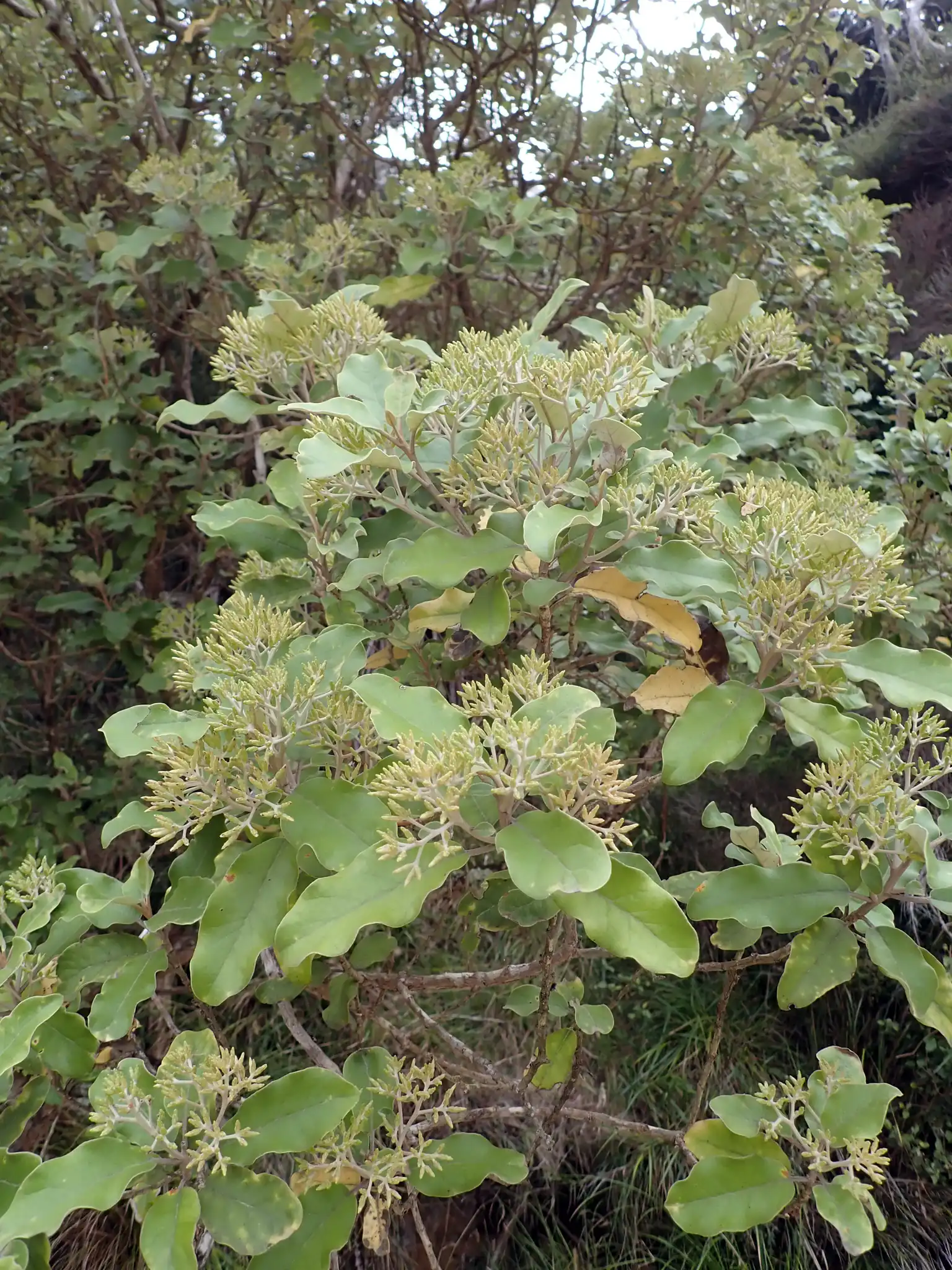
Olearia albida, commonly known as tanguru or white tree daisy, is an upright evergreen shrub or small tree native to coastal headlands of New Zealand's northern North Island. It features leathery, wavy-edged green leaves with dense white felted undersides and bears large, airy clusters of small white daisy-like flower heads from summer into fall.
The species takes its epithet albida from the bright white tomentum covering the underside of its foliage, which creates a shimmering effect in wind. Its exceptional resistance to salt spray and drying winds makes it a rugged structural plant for maritime exposed sites.
Uses & Benefits:
Essentials
At a Glance
Plant Type
Shrub
Height
236"
Width
157"
Light
Full Sun, Partial Sun
Zones
9, 10
Water
Low
Humidity
Moderate
Lifespan
Perennial
Native To
New Zealand (North Island)
Toxicity
Non-toxic
Bloom period
Summer – Fall
In flower about 6 months of the year
Planting
How to Grow
- Select a full sun to partially shaded planting site with well-drained, porous soil.
- Dig a hole twice as wide as the root ball and set the plant at the same depth it grew in its container.
- Water thoroughly at planting, then allow soil to dry out between waterings once established.
- Apply a thin layer of organic mulch around the base, keeping it clear of the main trunk.
Pro Tip
Trim lightly after flowering to maintain density, avoiding cuts into old bare wood which fails to produce new growth.
Keep It Thriving
Care Guide
Do
- Plant in free-draining soil to prevent root rot.
- Trim annually after flowering to maintain a dense shape.
- Provide full sun for optimal flowering and canopy density.
Don't
- Do not cut back hard into old, leafless interior wood.
- Do not over-water or allow roots to sit in waterlogged soil.
- Do not apply heavy chemical fertilizers.
Seasonal Care Calendar
| Task | Jan | Feb | Mar | Apr | May | Jun | Jul | Aug | Sep | Oct | Nov | Dec |
|---|---|---|---|---|---|---|---|---|---|---|---|---|
| Fertilize | ||||||||||||
| Pest Check | ||||||||||||
| Propagate | ||||||||||||
| Prune |
Watch Out For
Pests & Diseases
Common Pests
Common Diseases
In the Garden
Landscape Uses & Companions
Landscape Uses
Multiply
Propagation Methods
Good to Know
Common Questions
Tanguru questions
What zones can Tanguru grow in?
Tanguru is hardy in USDA Zones 9–10: in that range it survives winter in the ground. Colder than Zone 9, grow it in a container you can move to shelter for the winter.
Is Tanguru deer resistant?
Yes — Tanguru is rated deer-resistant. Deer typically pass it over, though extreme hunger can override any plant's defenses.
When does Tanguru bloom?
Tanguru typically blooms from summer to fall. Exact timing shifts a week or two with your zone — Sow's bloom calendar maps it to your garden.
Does Tanguru need full sun?
Tanguru does best in full sun to part shade. In hot climates, afternoon shade keeps blooms fresher longer.
Is Tanguru drought tolerant?
Yes — once established (usually after the first full season), Tanguru handles dry spells with minimal watering. Water deeply its first year to build the root system that makes that possible.
More Olearia to compare
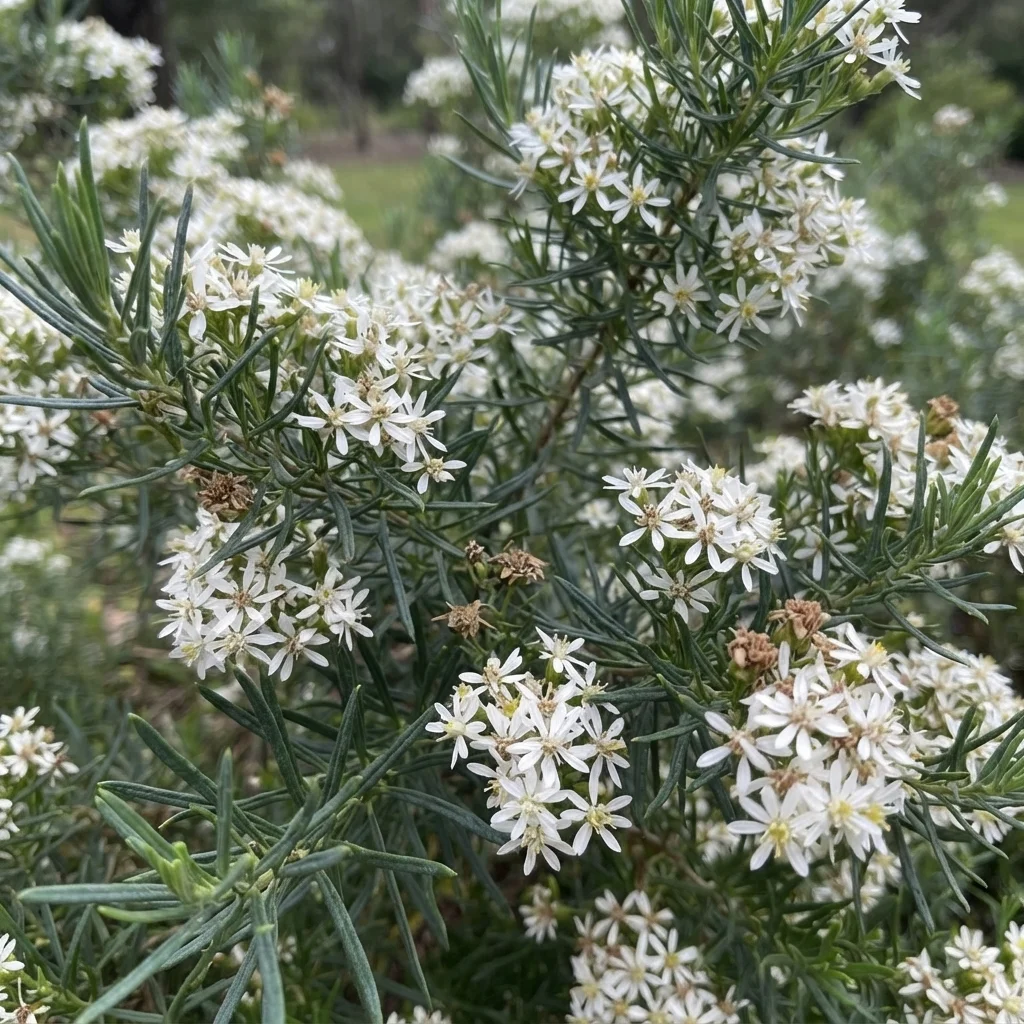
Sticky Daisy-bush
Olearia glutinosa
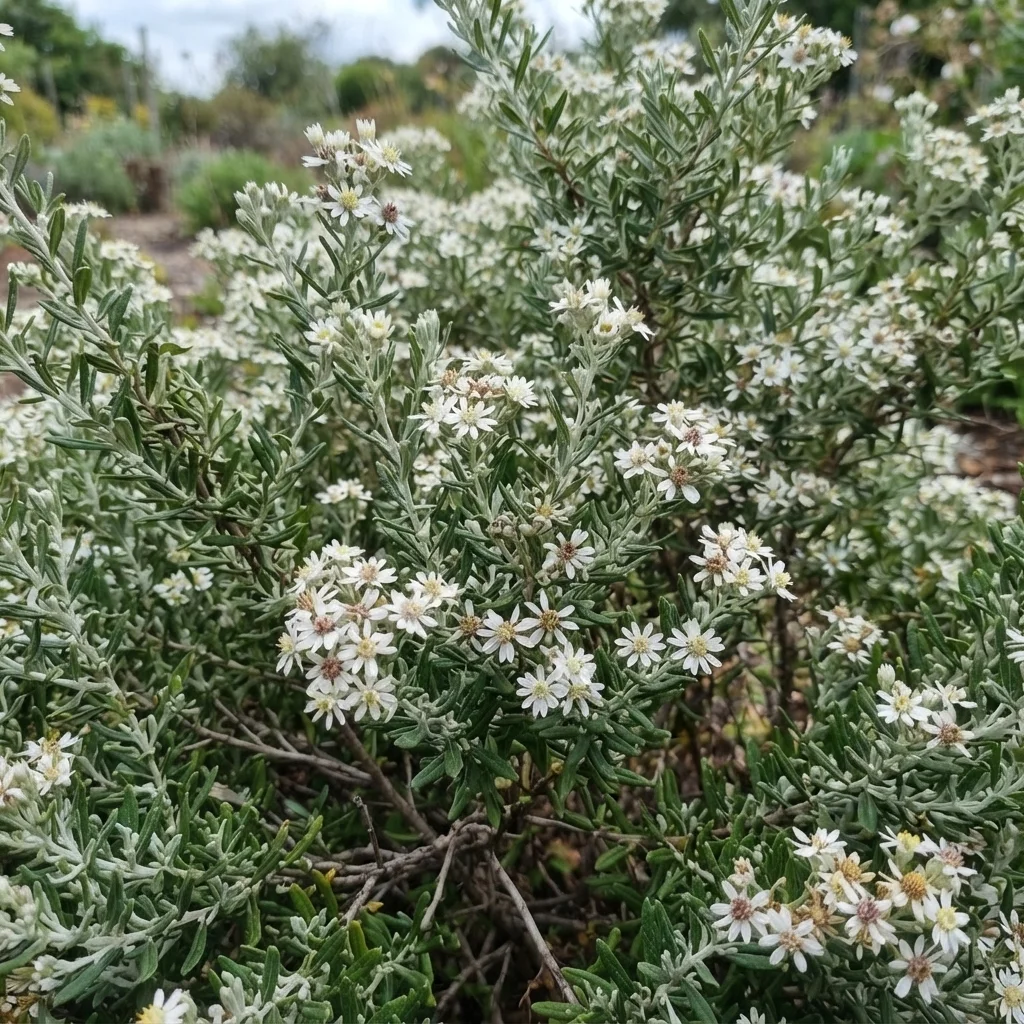
Twiggy Daisy-Bush
Olearia ramulosa
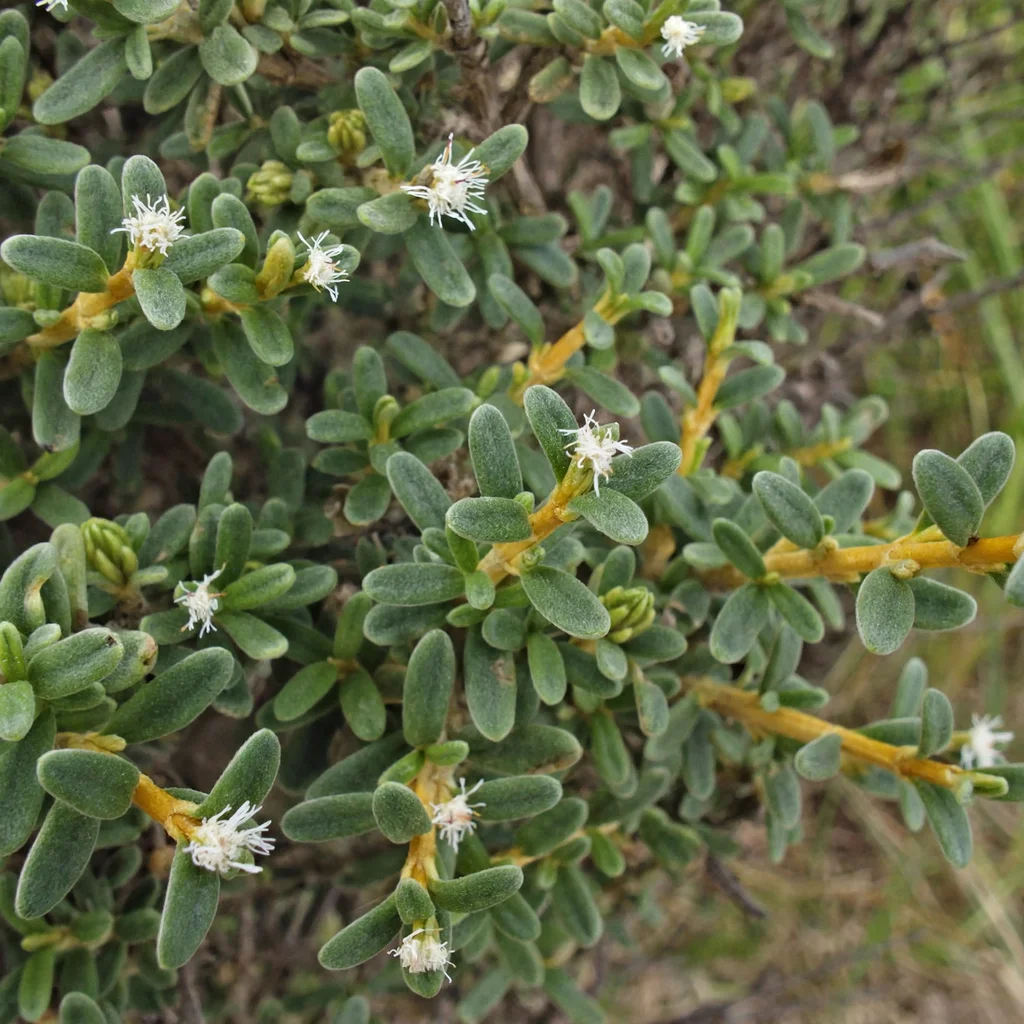
Coastal Daisy-Bush
Olearia solandri
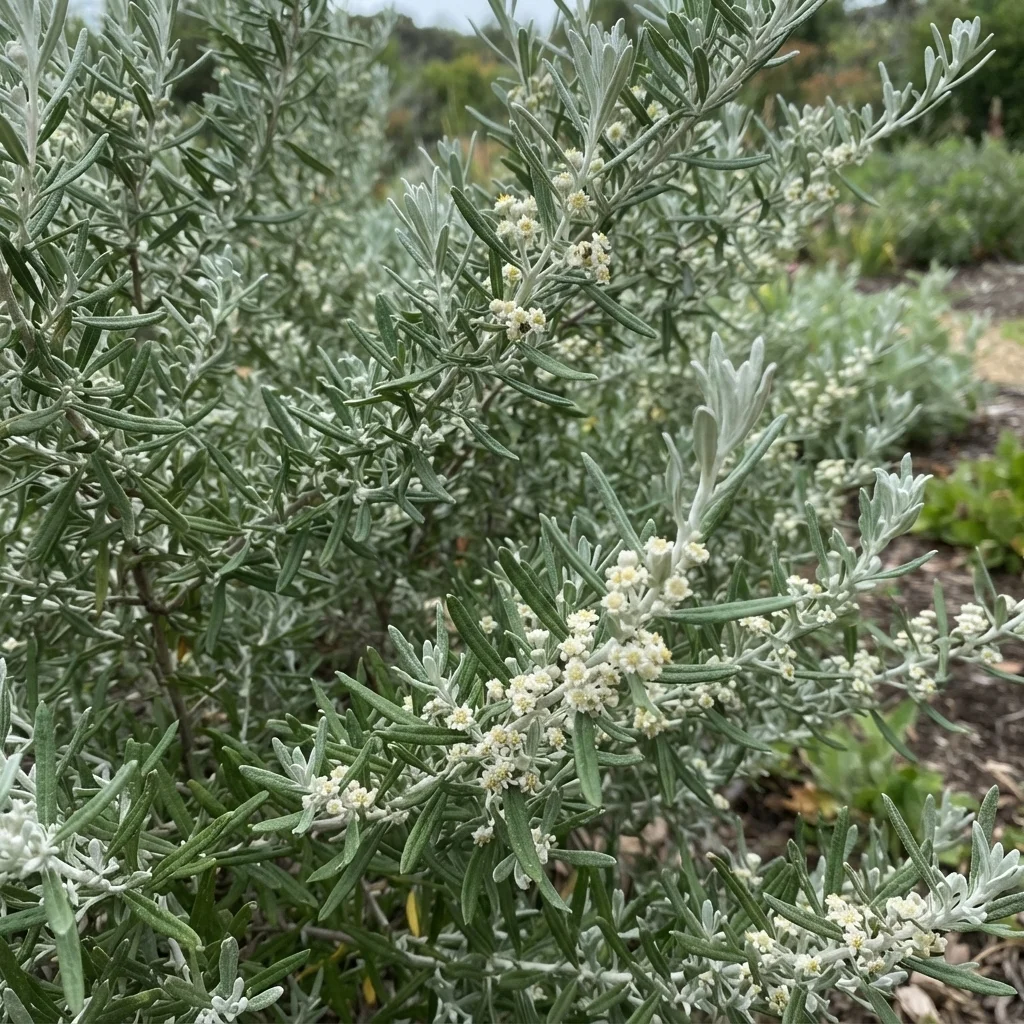
Coast Daisy-bush
Olearia axillaris
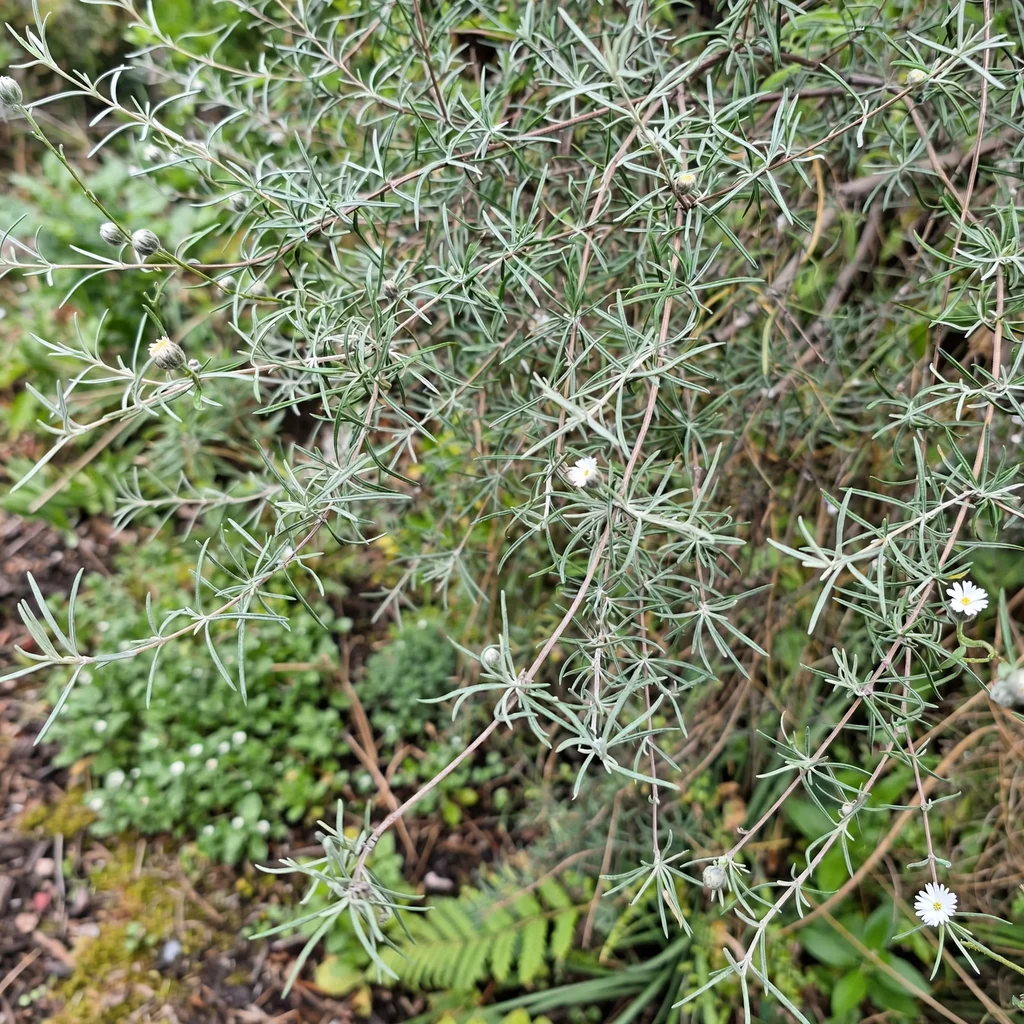
Twiggy Tree Daisy
Olearia lineata
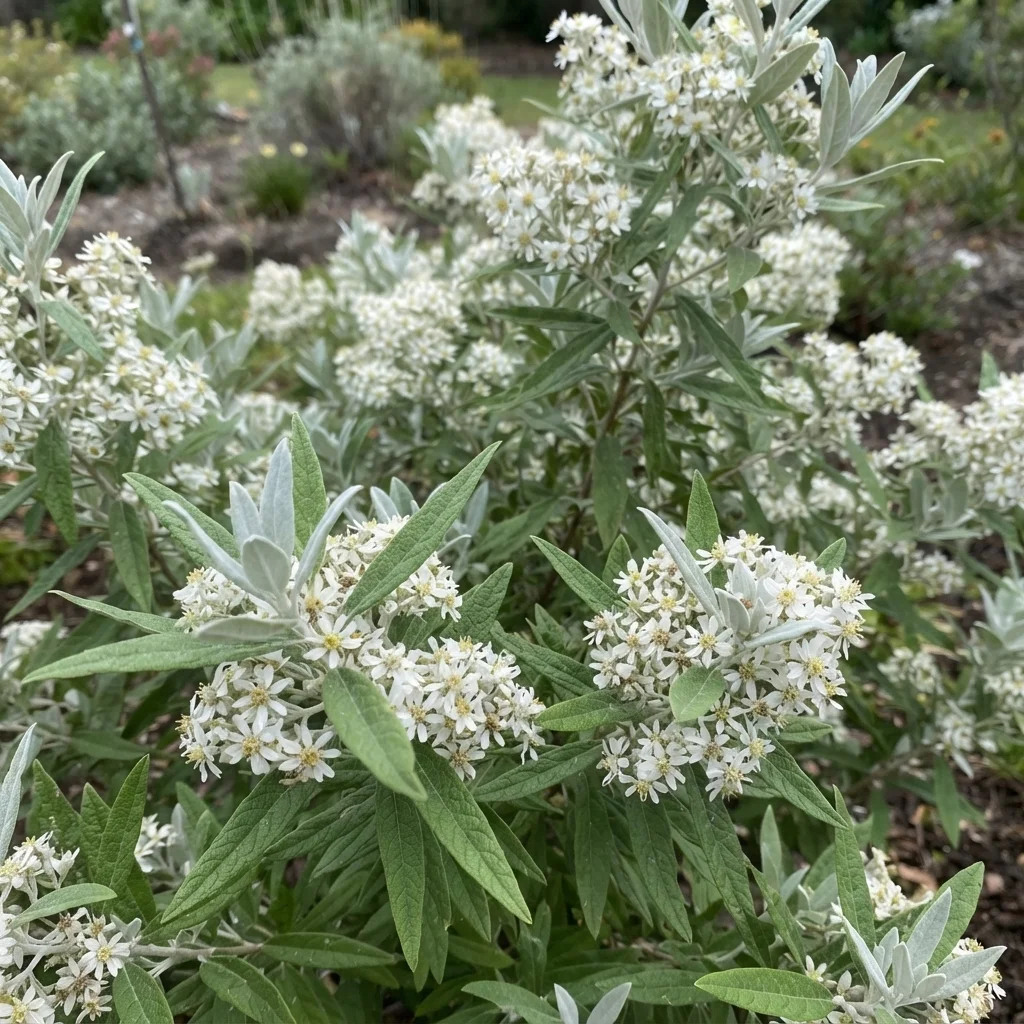
Snowy Daisy-Bush
Olearia lirata
Keep exploring
Explore the genus
Hardy in your zone?
Grow Tanguru with confidence
See it in a design of your actual yard, get zone-matched care reminders, and track it season by season in your garden journal.