The Story
Plant Bio
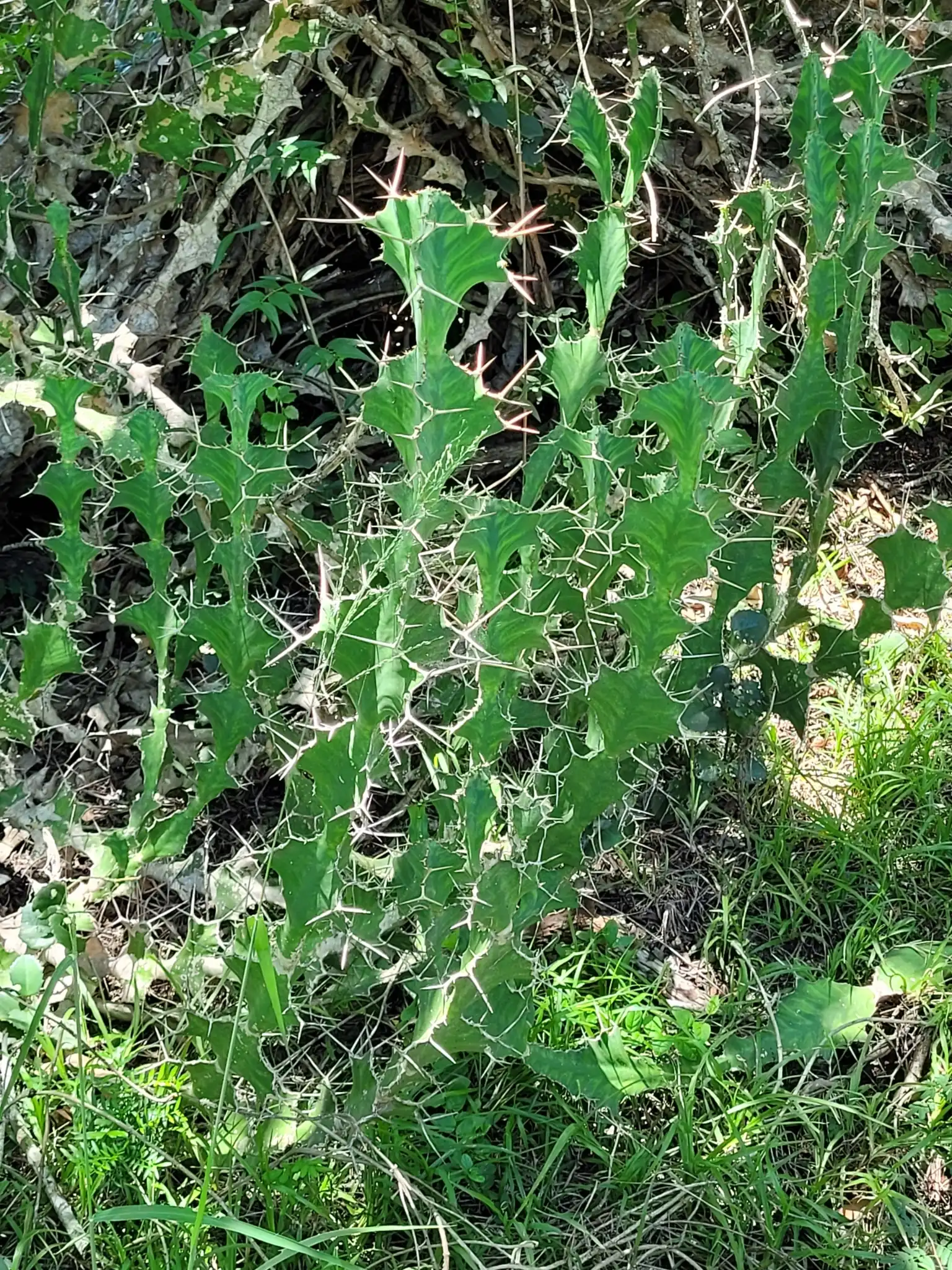
Euphorbia grandicornis is a multistemmed columnar succulent shrub from hot, dry bushveld in southeastern Africa, reaching six to ten feet tall and wide where hardy. The thick green stems carry out photosynthesis; the true leaves are reduced to minute scales that drop soon after forming.
The stems are three- to four-winged and constricted at intervals into a zigzag, edged with paired gray-brown spines one to three inches long fused at the base like horns. In spring to summer the stem tips bear clusters of three tiny cup-like yellow cyathia, followed by purple three-lobed capsules that split open when ripe.
Uses & Benefits:
Essentials
At a Glance
Plant Type
Cactus Succulent
Height
79"
Width
79"
Light
Full Sun
Zones
9, 10
Water
Low
Humidity
Low
Lifespan
Perennial
Native To
Eswatini, KwaZulu-Natal, Mozambique
Toxicity
Toxic
Bloom period
Spring – Summer
In flower about 6 months of the year
Planting
How to Grow
- Pot in a heavy container with drainage holes using gritty, fast-draining cactus mix.
- Set in full sun with shelter from strong wind that knocks the spined stems together.
- Water deeply, then allow the mix to dry fully before watering again; keep almost dry in winter.
- Feed lightly once in spring with diluted cactus fertilizer only if growth is pale.
- Move indoors before first frost to a bright, frost-free spot and withhold water.
Pro Tip
Site it out of strong wind so the horns do not scar neighboring stems, and let the soil dry fully between waterings — wet soil kills it faster than drought.
Keep It Thriving
Care Guide
Do
- Do grow in full sun in sharply drained soil or cactus mix.
- Do allow the soil to dry between waterings.
- Do wear gloves and eye protection when handling.
- Do shelter from strong wind.
Don't
- Do not overwater or leave in standing water.
- Do not plant in heavy clay or poorly drained ground.
- Do not cut into stems without containing the milky sap.
- Do not leave outdoors through frost.
Seasonal Care Calendar
| Task | Jan | Feb | Mar | Apr | May | Jun | Jul | Aug | Sep | Oct | Nov | Dec |
|---|---|---|---|---|---|---|---|---|---|---|---|---|
| Fertilize | ||||||||||||
| Pest Check | ||||||||||||
| Plant | ||||||||||||
| Propagate | ||||||||||||
| Winter Prep |
Watch Out For
Pests & Diseases
Common Pests
Common Diseases
In the Garden
Landscape Uses & Companions
Landscape Uses
Companion Plants
Multiply
Propagation Methods
Good to Know
Common Questions
Cow's Horn Euphorbia questions
What zones can Cow's Horn Euphorbia grow in?
Cow's Horn Euphorbia is hardy in USDA Zones 9–10: in that range it survives winter in the ground. Colder than Zone 9, grow it in a container you can move to shelter for the winter, or as an annual.
When does Cow's Horn Euphorbia bloom?
Cow's Horn Euphorbia typically blooms from spring to summer. Exact timing shifts a week or two with your zone — Sow's bloom calendar maps it to your garden.
Does Cow's Horn Euphorbia need full sun?
Cow's Horn Euphorbia does best in full sun (6+ hours).
Is Cow's Horn Euphorbia drought tolerant?
Yes — once established (usually after the first full season), Cow's Horn Euphorbia handles dry spells with minimal watering. Water deeply its first year to build the root system that makes that possible.
More Euphorbia to compare
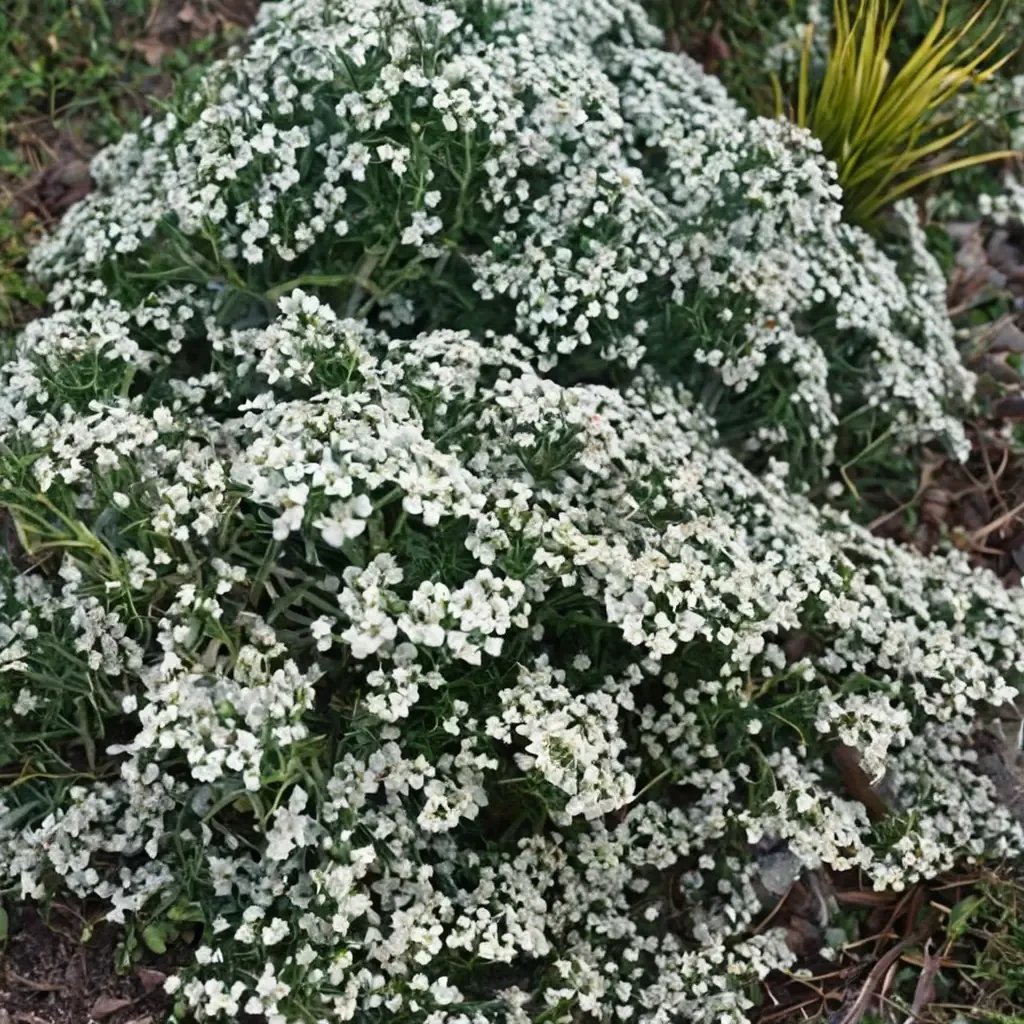
Carolina Snow Flowering Spurge
Euphorbia corollata 'Carolina Snow'
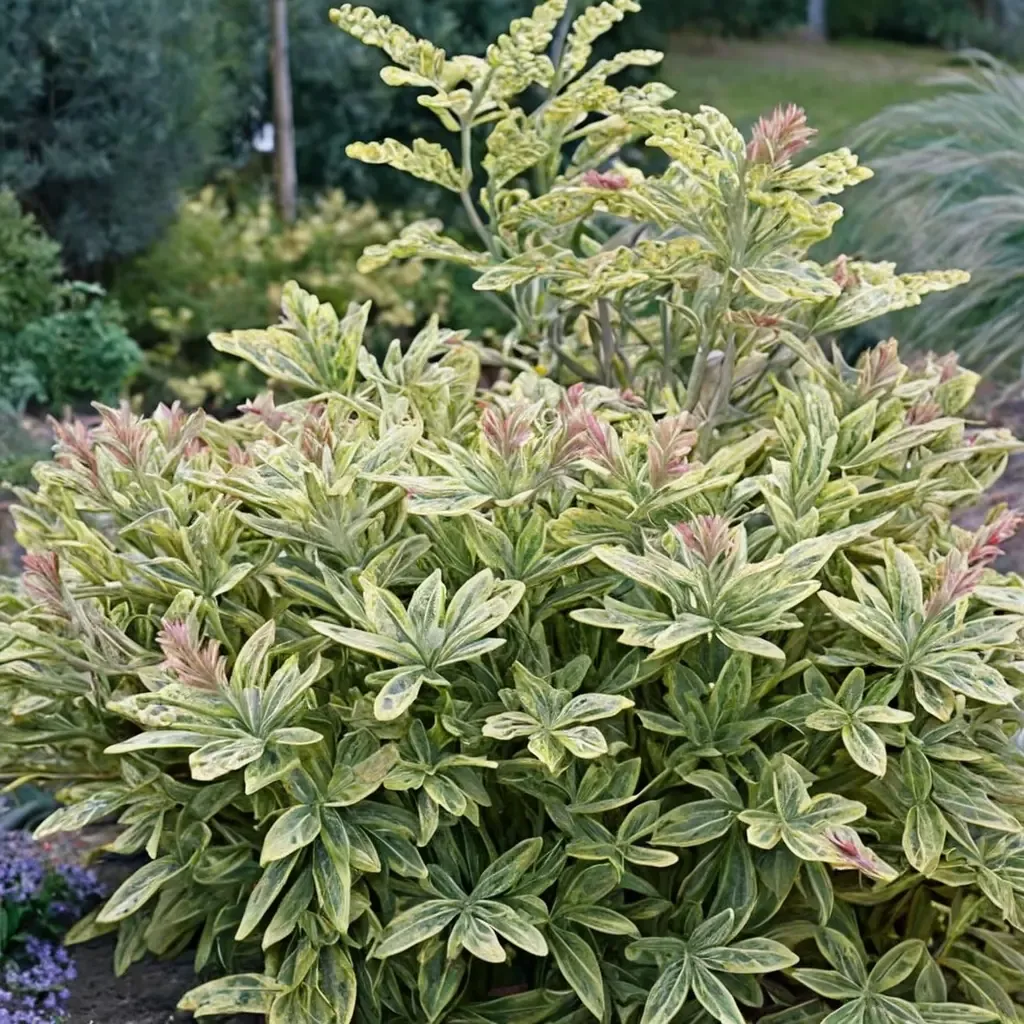
Ascot Rainbow Spurge
Euphorbia x hybrida 'Ascot Rainbow'
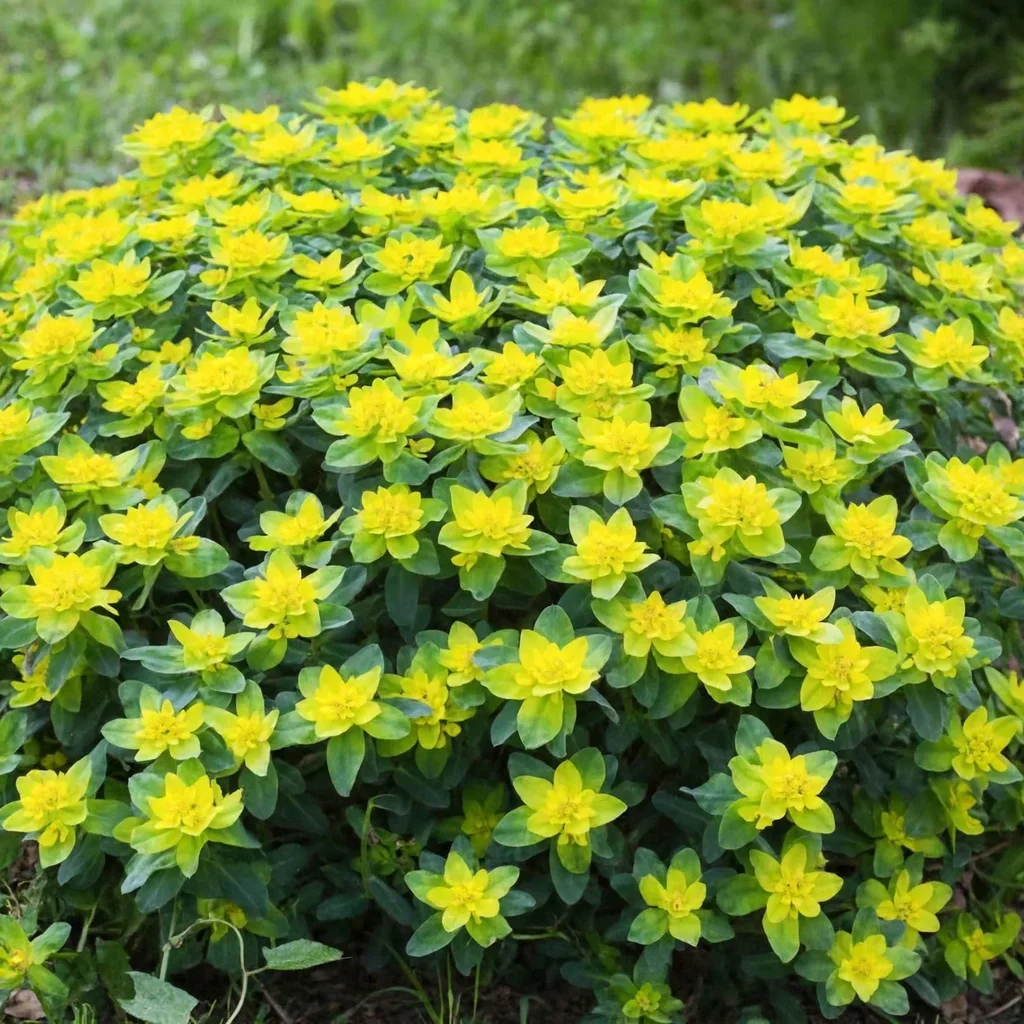
Mediterranean Spurge
Euphorbia polychroma
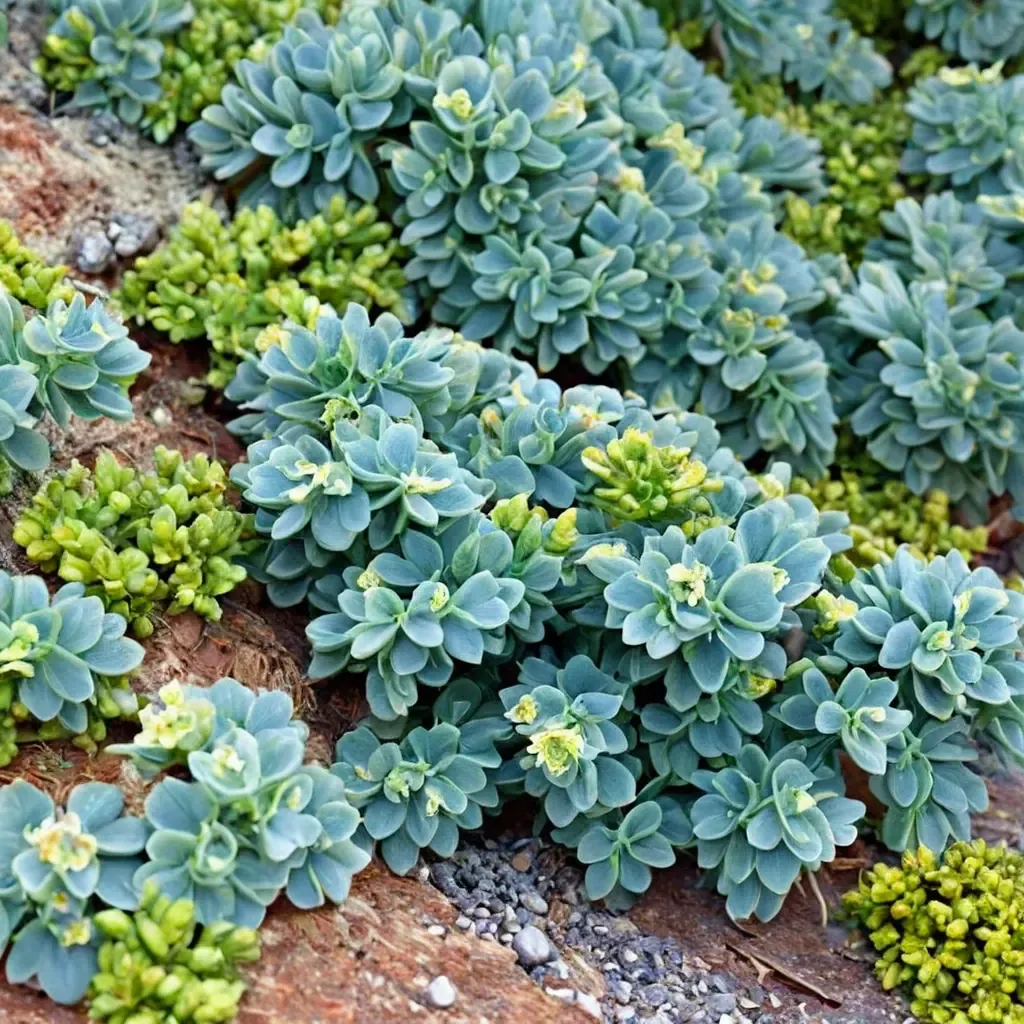
Myrtle Spurge
Euphorbia myrsinites
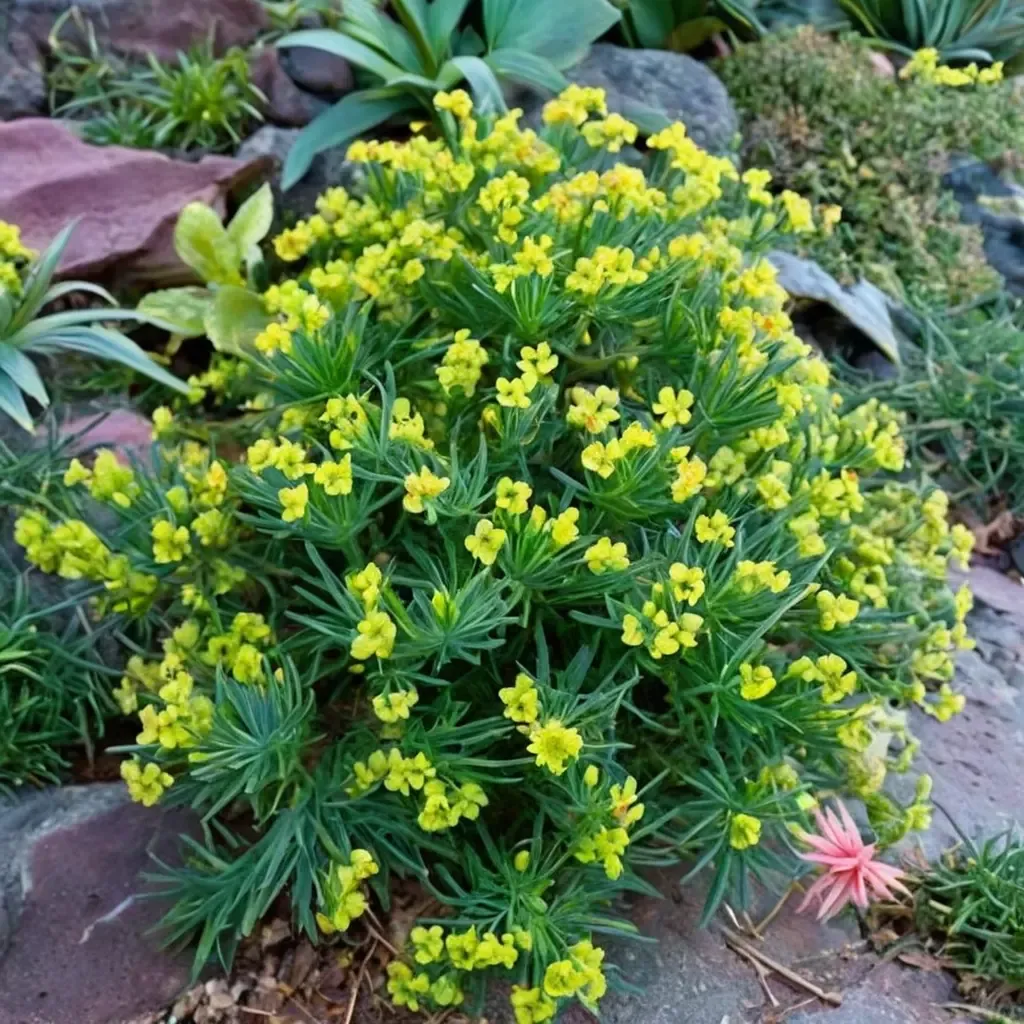
Ruby Spurge
Euphorbia cyparissias 'Fens Ruby'
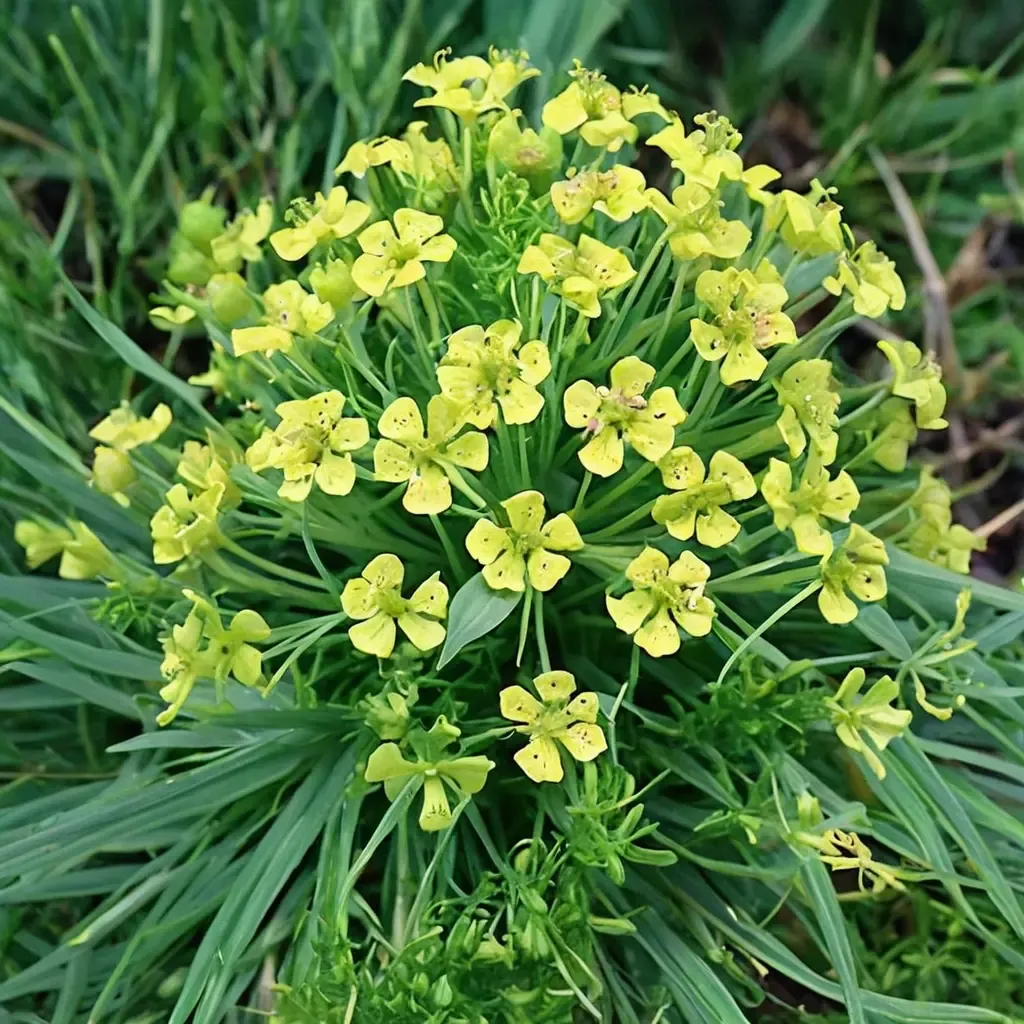
Cypress Spurge
Euphorbia cyparissias
Keep exploring
Explore the genus
Hardy in your zone?
Grow Cow's Horn Euphorbia with confidence
See it in a design of your actual yard, get zone-matched care reminders, and track it season by season in your garden journal.