The Story
Plant Bio
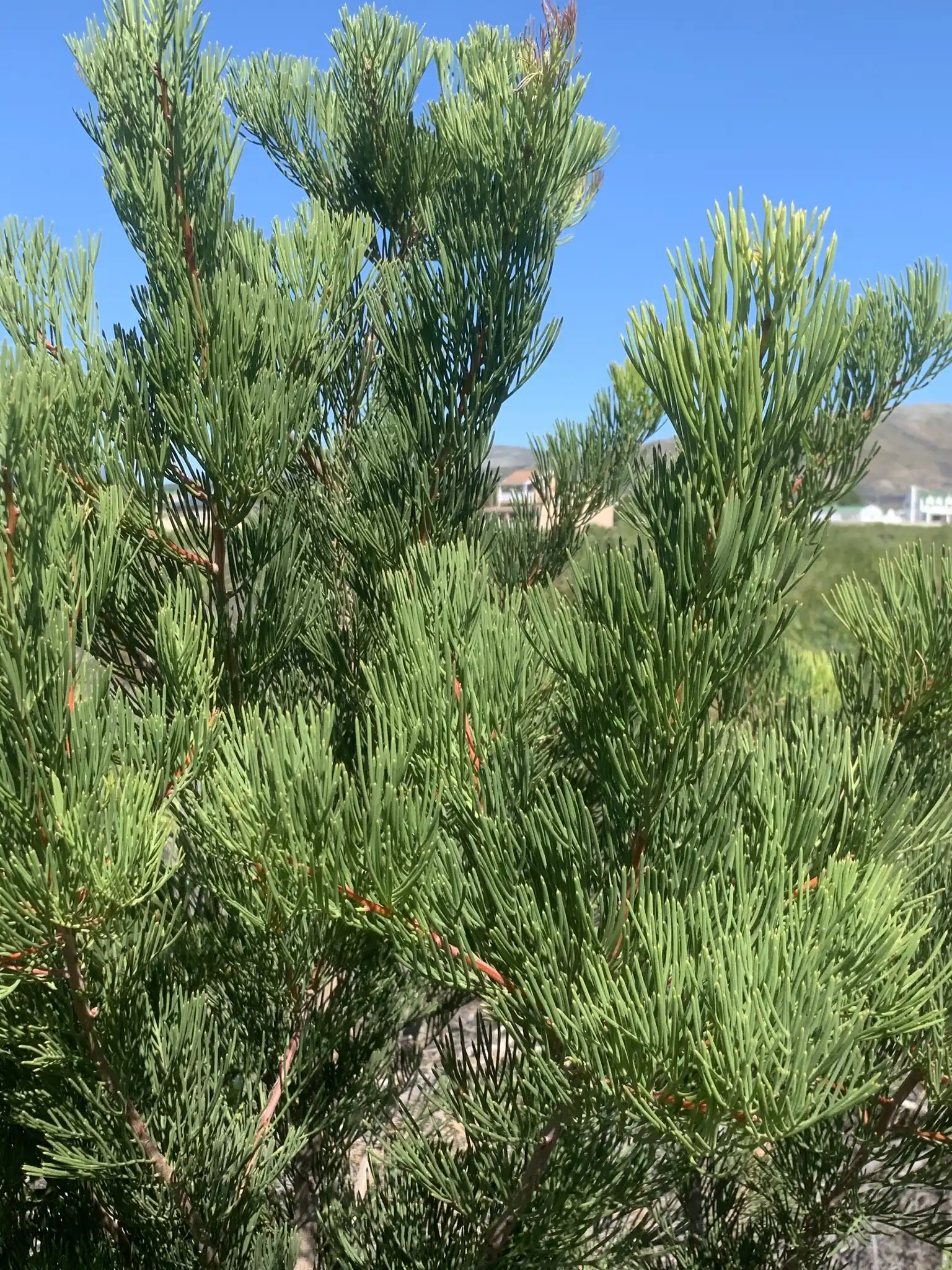
Hakea drupacea is an erect evergreen shrub native to coastal southwestern Western Australia, growing up to twenty feet tall with a dense, conifer-like habit. The dark green or grey-green leaves are deeply divided into stiff, needle-like segments ending in sharp tips that form an impenetrable barrier.
In fall and winter, short clusters of sweetly honey-scented creamy-white to pale yellow flowers bloom along the outer leaf axils. The sharp foliage provides physical protection against browsing herbivores and acts as an effective security hedge.
Uses & Benefits:
Essentials
At a Glance
Plant Type
Shrub
Height
236"
Width
157"
Light
Full Sun, Partial Sun
Zones
9, 10
Water
Low
Humidity
Moderate to Low
Lifespan
Perennial
Native To
Western Australia
Toxicity
Non-toxic (puncture hazard)
Bloom period
Fall – Winter
In flower about 6 months of the year
Planting
How to Grow
- Select a full sun location with light, sandy, or gravelly soil that provides rapid drainage.
- Dig a hole twice as wide as the root ball and plant the specimen level with the surrounding soil without adding soil amendments.
- Water thoroughly at planting, then irrigate sparingly until the root system establishes over its first season.
- Avoid phosphorus-rich fertilizers completely, using only low-phosphorus native formulations if soil is severely nutrient-depleted.
Pro Tip
Never apply general garden fertilizers or prune back into bare woody stems; high phosphorus causes fatal toxicity, and leafless wood lacks dormant buds to regrow.
Keep It Thriving
Care Guide
Do
- Plant in coarse, sharply draining soil.
- Expose to full sun for maximum density and bloom.
- Use low-phosphorus fertilizers formulated for Proteaceae if feeding.
Don't
- Do not over-water once established.
- Do not cut hard into old leafless wood.
- Do not plant in heavy, poorly draining clay.
Seasonal Care Calendar
| Task | Jan | Feb | Mar | Apr | May | Jun | Jul | Aug | Sep | Oct | Nov | Dec |
|---|---|---|---|---|---|---|---|---|---|---|---|---|
| Fertilize | ||||||||||||
| Pest Check | ||||||||||||
| Plant | ||||||||||||
| Prune |
Watch Out For
Pests & Diseases
Common Pests
Common Diseases
In the Garden
Landscape Uses & Companions
Landscape Uses
Companion Plants
Multiply
Propagation Methods
Good to Know
Common Questions
Sweet Hakea questions
What zones can Sweet Hakea grow in?
Sweet Hakea is hardy in USDA Zones 9–10: in that range it survives winter in the ground. Colder than Zone 9, grow it in a container you can move to shelter for the winter.
Is Sweet Hakea deer resistant?
Yes — Sweet Hakea is rated deer-resistant. Deer typically pass it over, though extreme hunger can override any plant's defenses.
When does Sweet Hakea bloom?
Sweet Hakea typically blooms from fall to winter. Exact timing shifts a week or two with your zone — Sow's bloom calendar maps it to your garden.
Does Sweet Hakea need full sun?
Sweet Hakea does best in full sun to part shade. In hot climates, afternoon shade keeps blooms fresher longer.
Is Sweet Hakea drought tolerant?
Yes — once established (usually after the first full season), Sweet Hakea handles dry spells with minimal watering. Water deeply its first year to build the root system that makes that possible.
More Hakea to compare
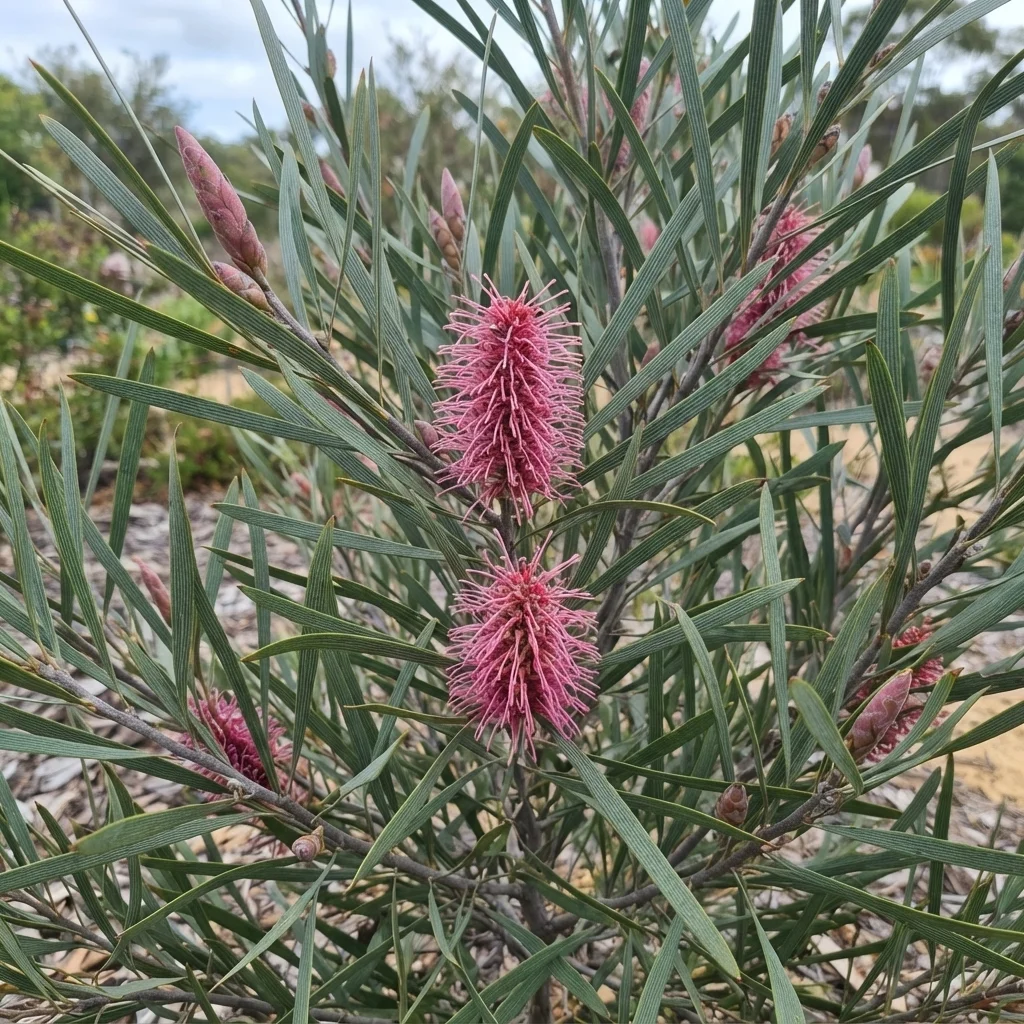
Grass-Leaf Hakea
Hakea francisiana
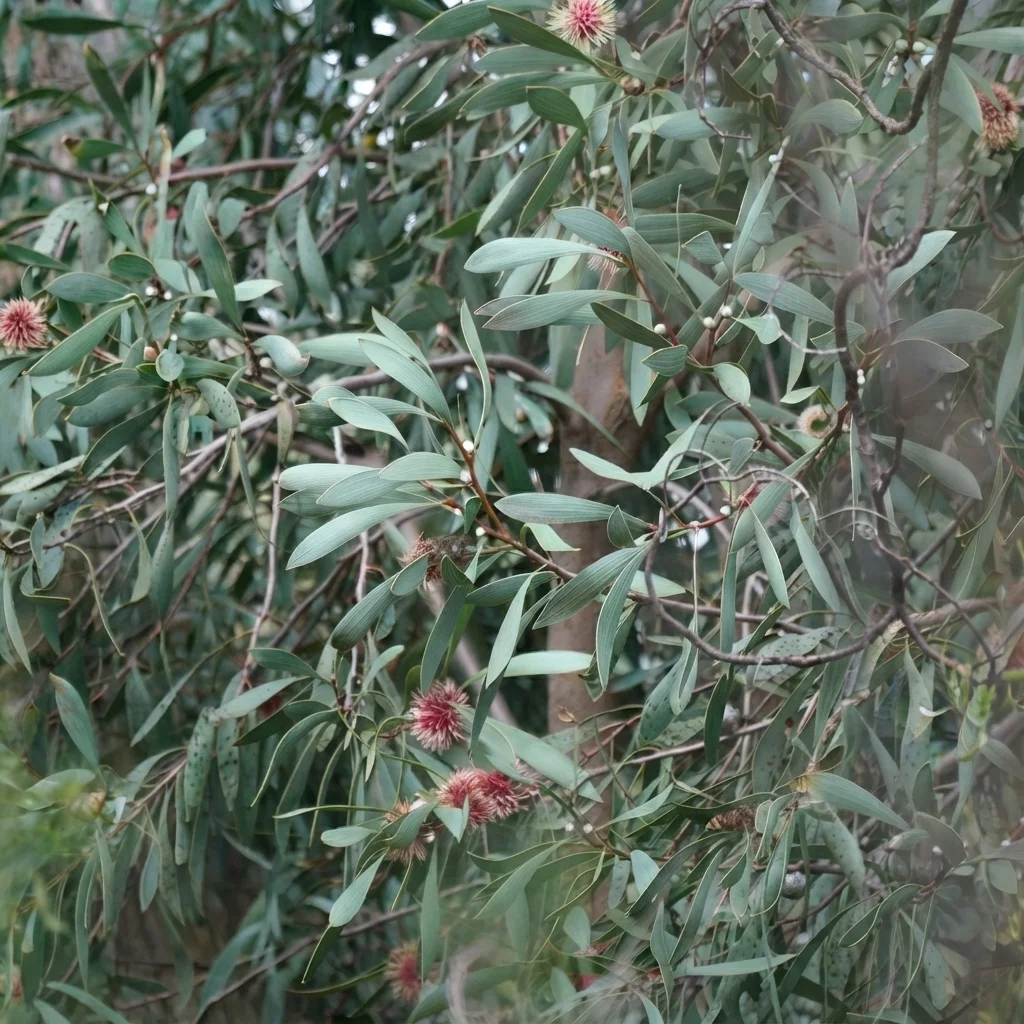
Pincushion Hakea
Hakea laurina
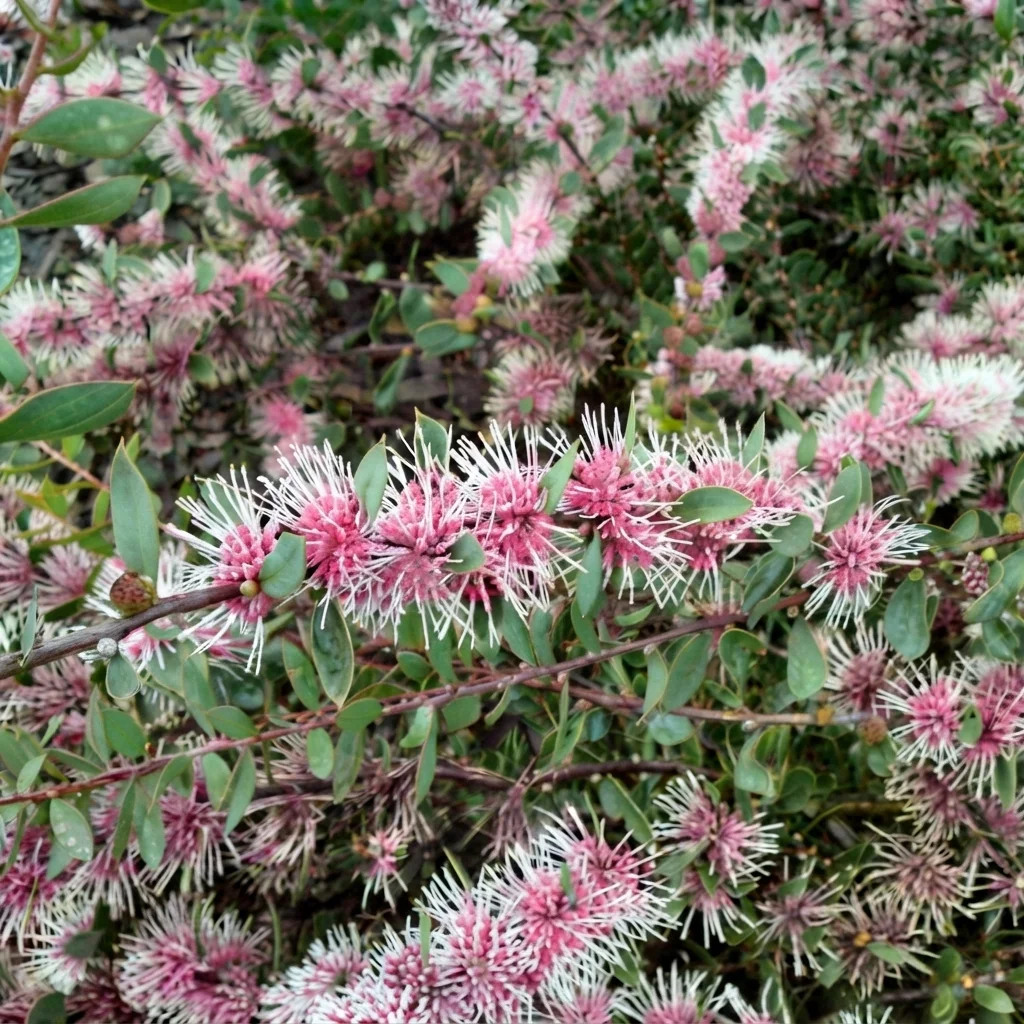
Burrendong Beauty
Hakea x hybrida 'Burrendong Beauty'
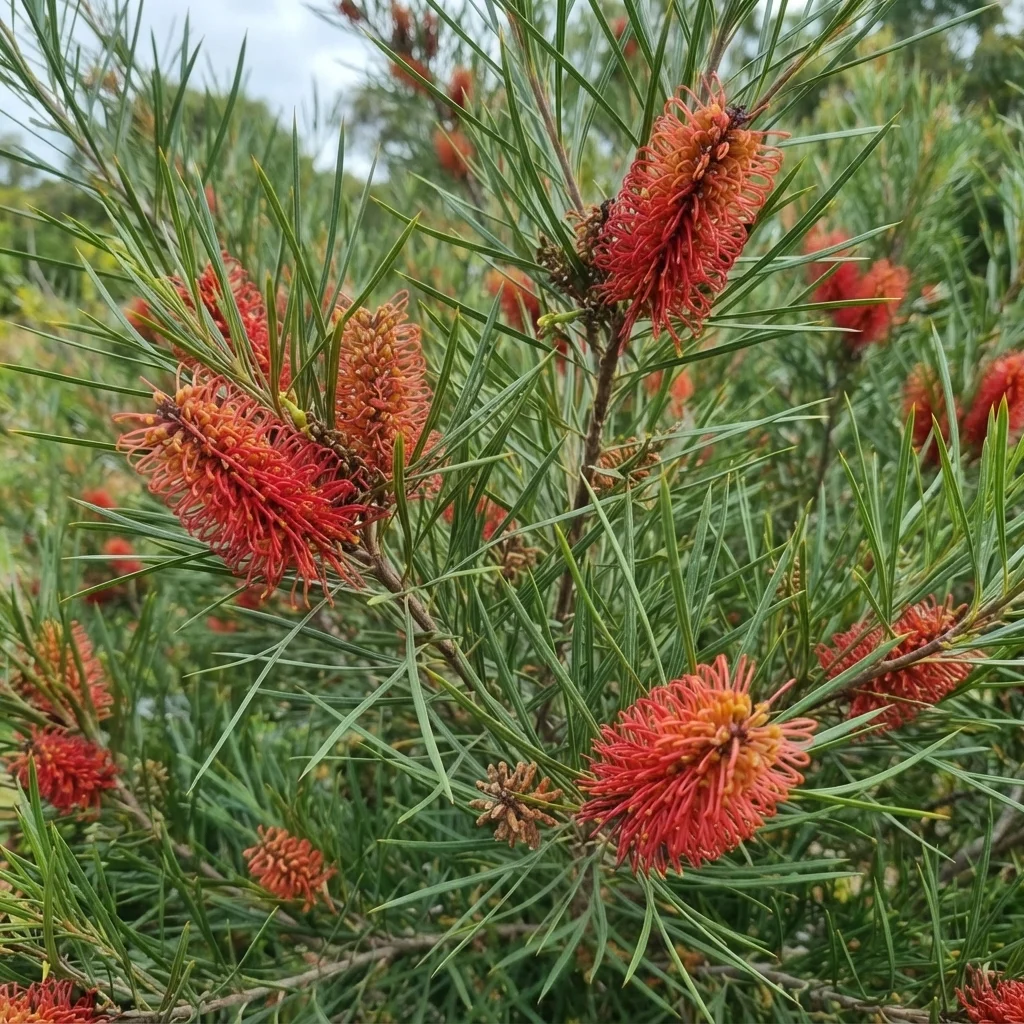
Red Pokers
Hakea bucculenta
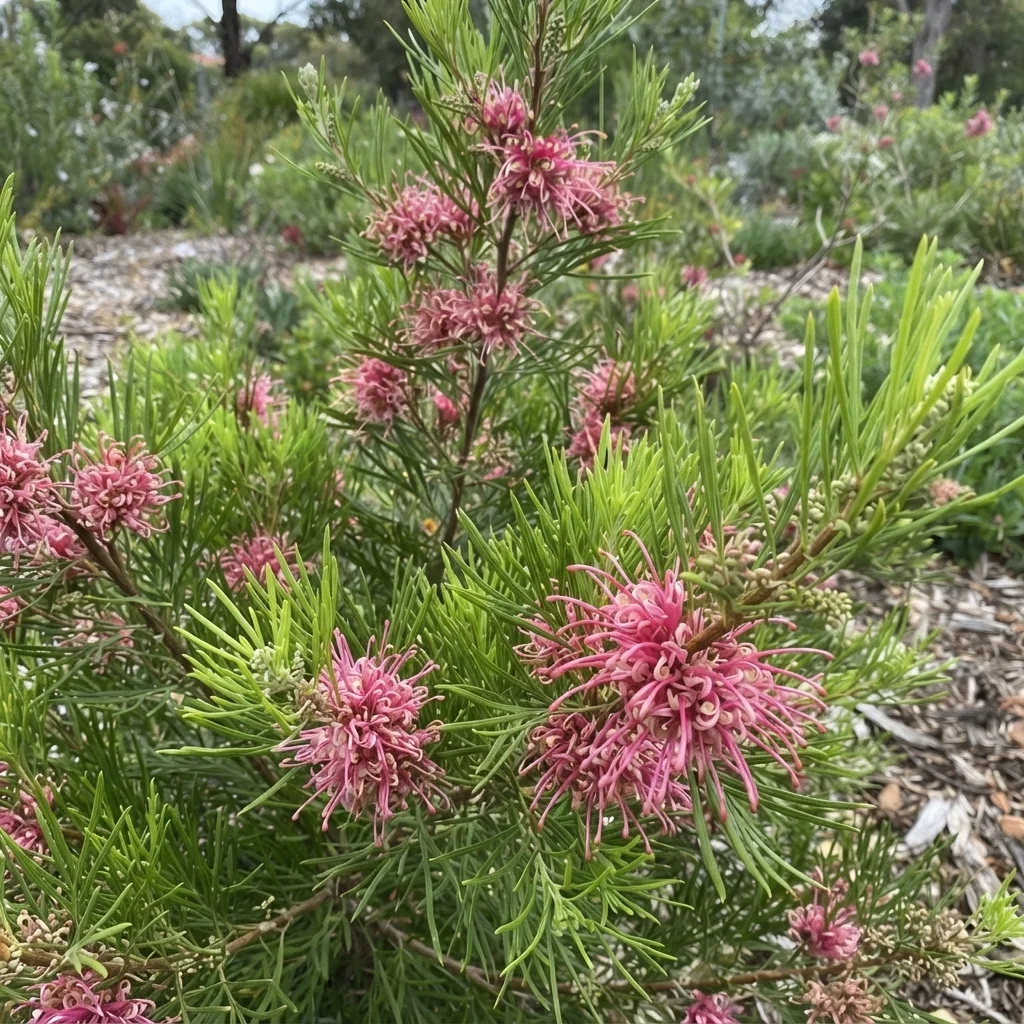
Baker's Hakea
Hakea bakeriana
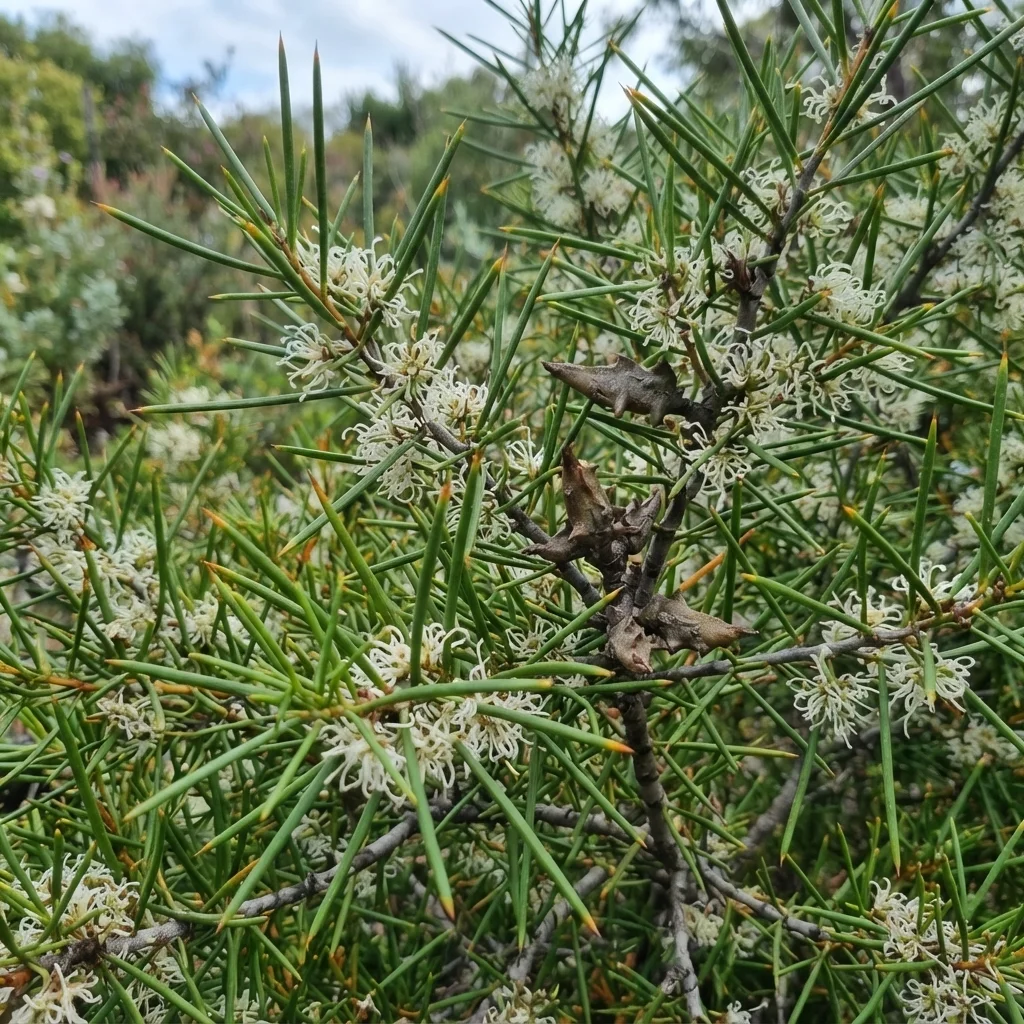
Dagger Hakea
Hakea teretifolia
Keep exploring
Explore the genus
Hardy in your zone?
Grow Sweet Hakea with confidence
See it in a design of your actual yard, get zone-matched care reminders, and track it season by season in your garden journal.