The Story
Plant Bio
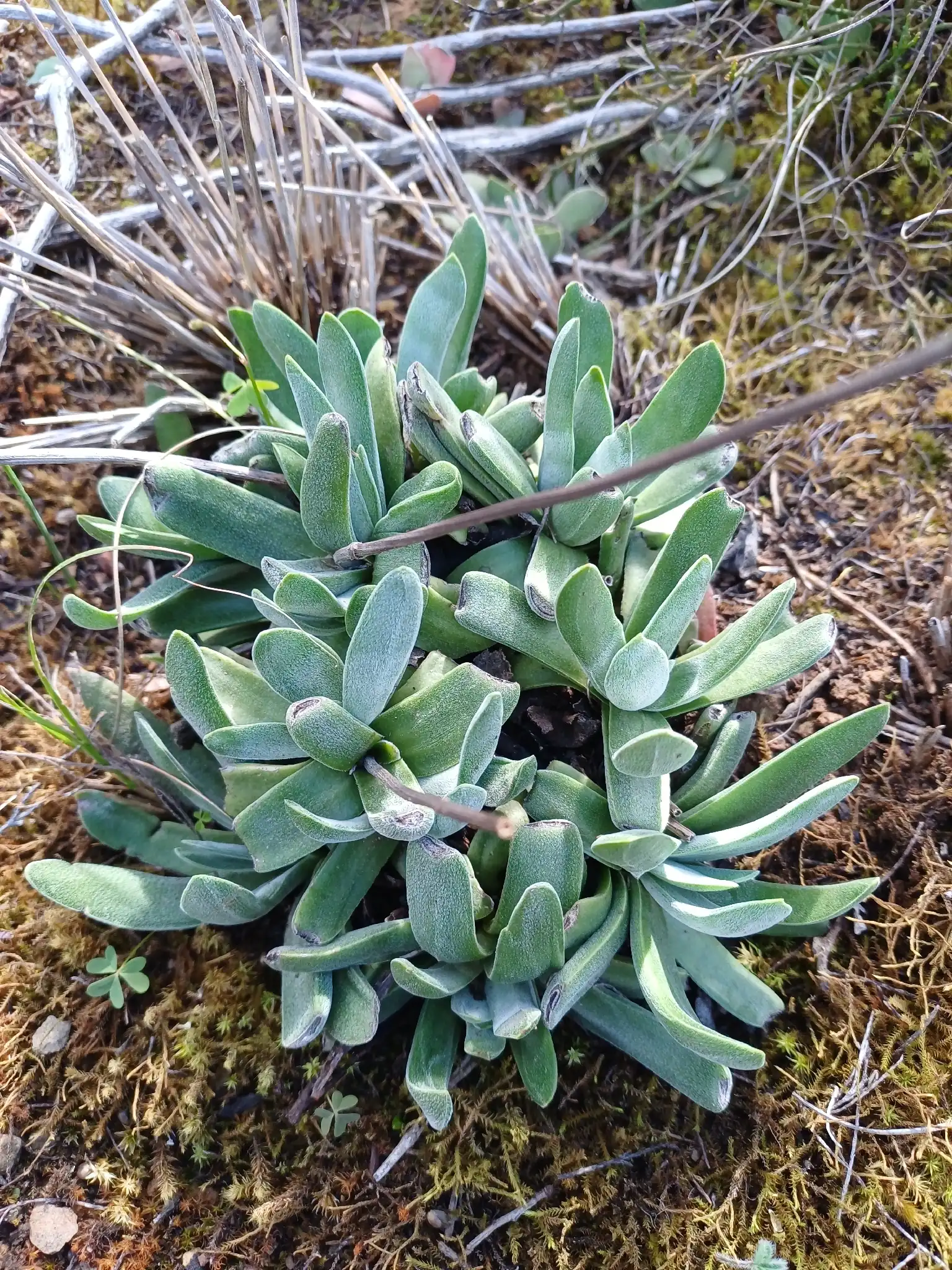
Crassula nudicaulis is a tufted perennial succulent from South Africa to Lesotho, forming loose rosettes of thick oblong-elliptic leaves 2 to 3 inches long. The leaves store water and shift from green to red-maroon in full sun, often with fine hairs along the margins.
This species produces small star-shaped white flowers in an elongated cluster atop a tall, nearly leafless stalk that gives the plant its bare-stemmed name. The vegetative mat stays 4 to 10 inches high and 8 to 12 inches wide, while the flower stalk extends to 12 inches in spring to summer.
Uses & Benefits:
Essentials
At a Glance
Plant Type
Cactus Succulent
Height
10"
Width
12"
Light
Full Sun, Partial Sun
Zones
9, 10
Water
Low
Humidity
Low, intolerant of humidity
Lifespan
Perennial
Native To
South Africa to Lesotho
Toxicity
Mildly toxic to dogs, cats
Bloom period
Spring – Summer
In flower about 6 months of the year
Planting
How to Grow
- Plant in a porous cactus mix amended with sand or perlite in a pot with drainage or a raised rock pocket.
- Give 6 to 8 hours of full sun to part shade; stronger sun deepens the red color.
- Water deeply, let drain completely, then wait until dry; water about once a week in growth and far less in winter.
- Keep above 20F; move pots indoors before first frost where winters fall below Zone 9a.
- Top-dress with grit, not organic mulch, to keep the crown dry.
Pro Tip
Water thoroughly only when the mix is completely dry, then let it drain; sitting wet rots the crown faster than drought ever will.
Keep It Thriving
Care Guide
Do
- Give 6 to 8 hours of sun for compact growth and red color
- Use a gritty fast-draining mix and a pot with drainage holes
- Water only when the soil is fully dry, then drain completely
Don't
- Do not overwater or let the pot sit in saucer water
- Do not cut into old leafless wood; remove only the spent flower stalk
- Do not feed heavily; skip fertilizer or feed rarely in growth
Seasonal Care Calendar
| Task | Jan | Feb | Mar | Apr | May | Jun | Jul | Aug | Sep | Oct | Nov | Dec |
|---|---|---|---|---|---|---|---|---|---|---|---|---|
| Deadhead | ||||||||||||
| Pest Check | ||||||||||||
| Plant | ||||||||||||
| Propagate | ||||||||||||
| Winter Prep |
Watch Out For
Pests & Diseases
Common Pests
Common Diseases
In the Garden
Landscape Uses & Companions
Landscape Uses
Companion Plants
Multiply
Propagation Methods
Good to Know
Common Questions
Devil's Horns questions
What zones can Devil's Horns grow in?
Devil's Horns is hardy in USDA Zones 9–10: in that range it survives winter in the ground. Colder than Zone 9, grow it in a container you can move to shelter for the winter, or as an annual.
When does Devil's Horns bloom?
Devil's Horns typically blooms from spring to summer. Exact timing shifts a week or two with your zone — Sow's bloom calendar maps it to your garden.
Does Devil's Horns need full sun?
Devil's Horns does best in full sun to part shade. In hot climates, afternoon shade keeps blooms fresher longer.
Is Devil's Horns drought tolerant?
Yes — once established (usually after the first full season), Devil's Horns handles dry spells with minimal watering. Water deeply its first year to build the root system that makes that possible.
More Crassula to compare
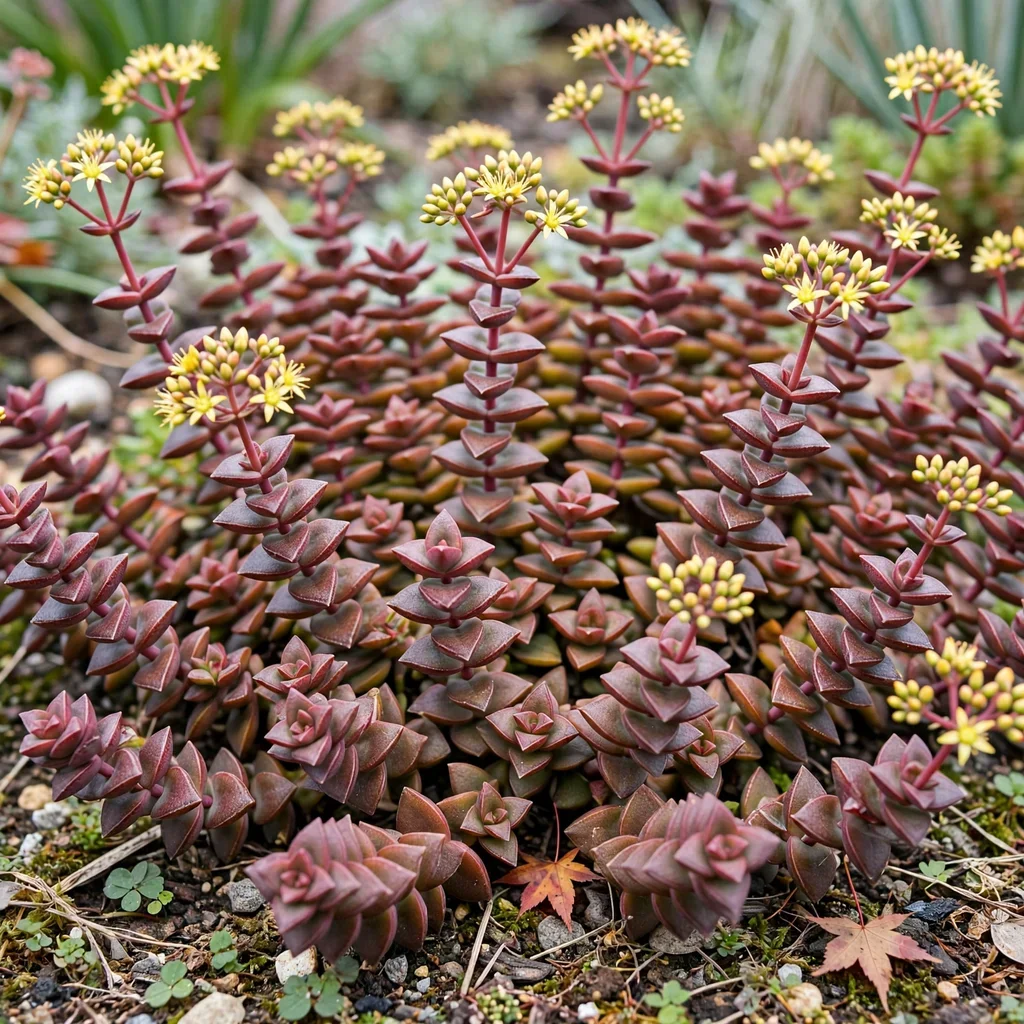
Small Red Carpet String of Buttons
Crassula perforata 'Small Red Carpet'
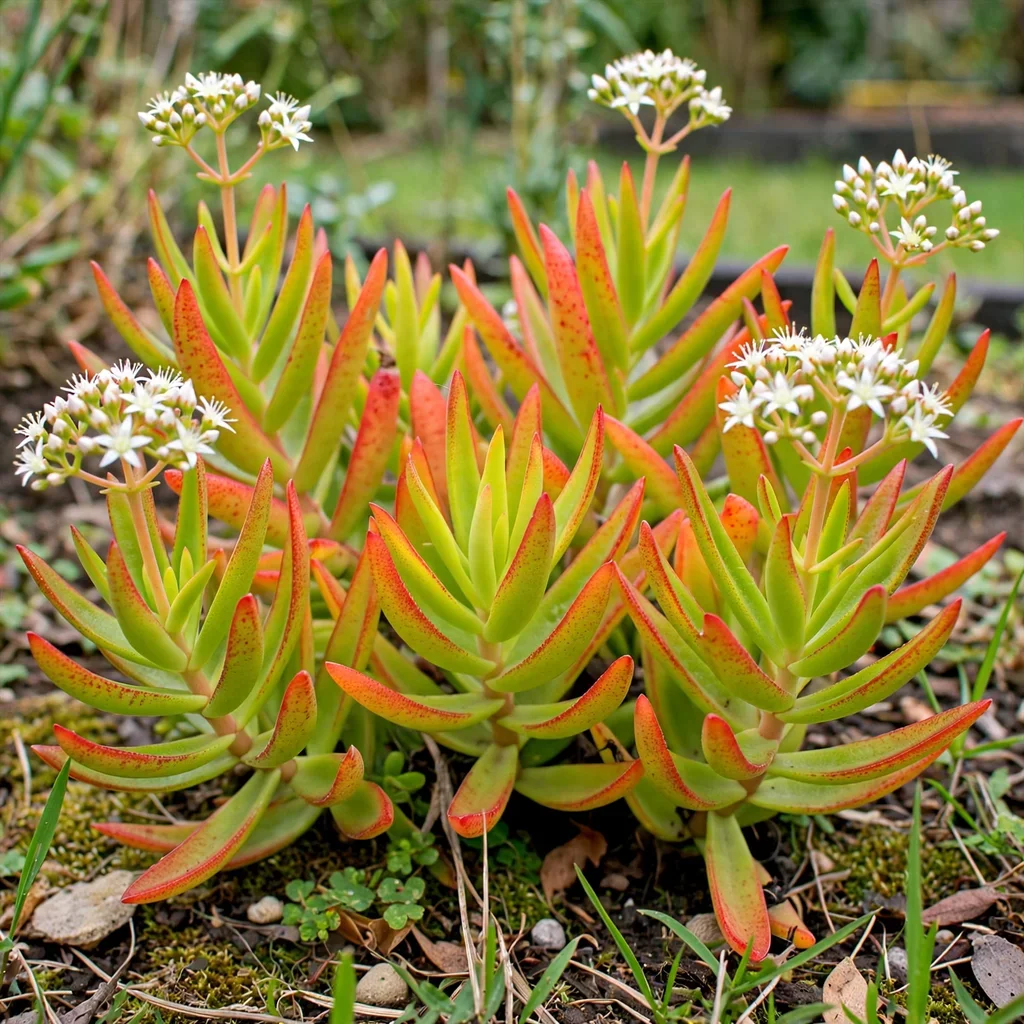
Campfire Crassula
Crassula erosula 'Campfire'
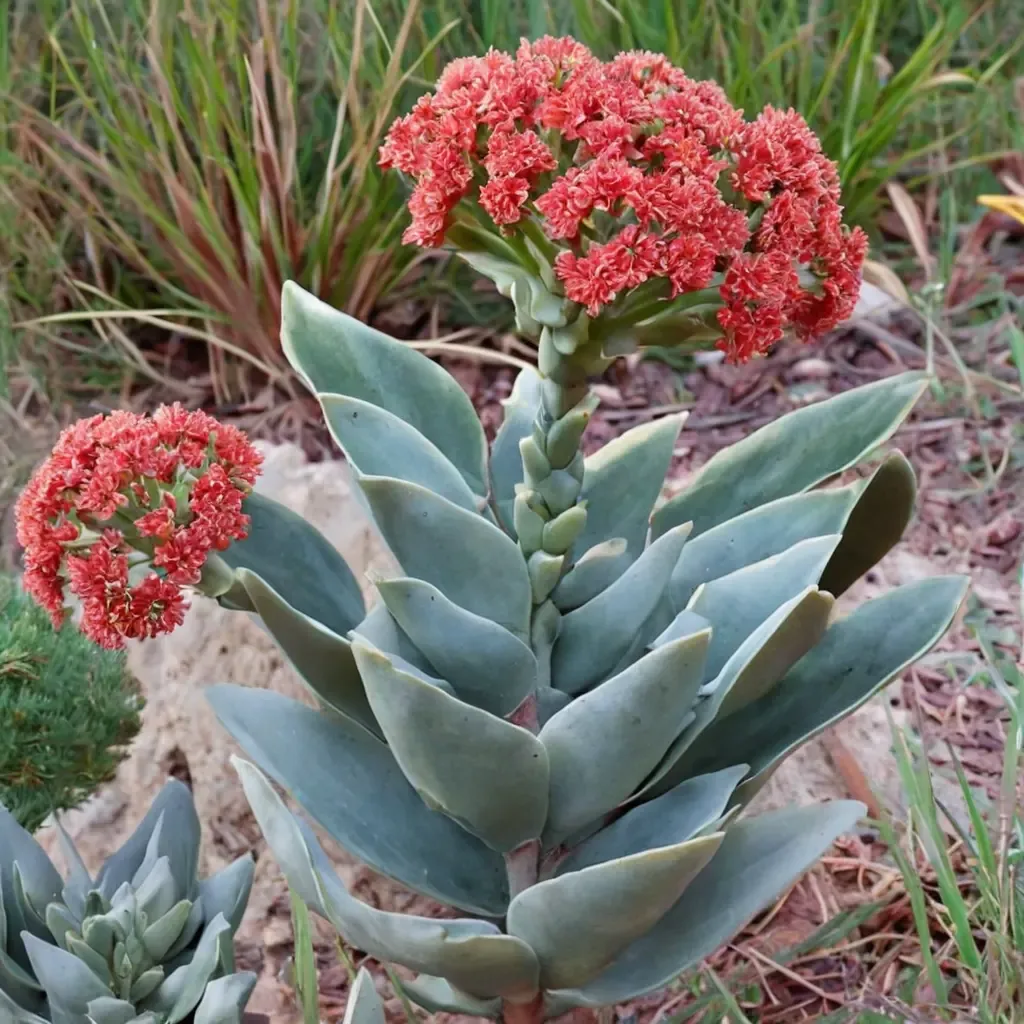
Propeller Plant
Crassula falcata
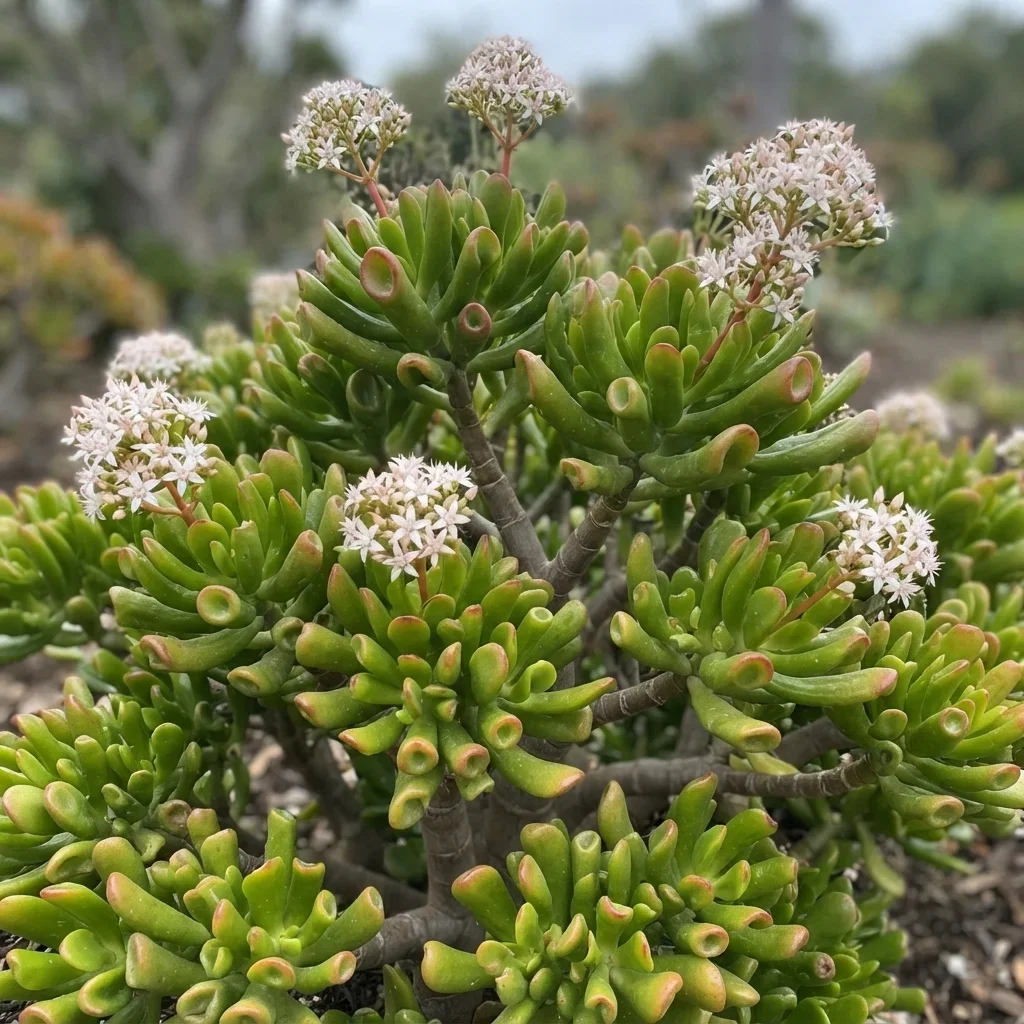
Hobbit Jade Plant
Crassula ovata 'Hobbit'
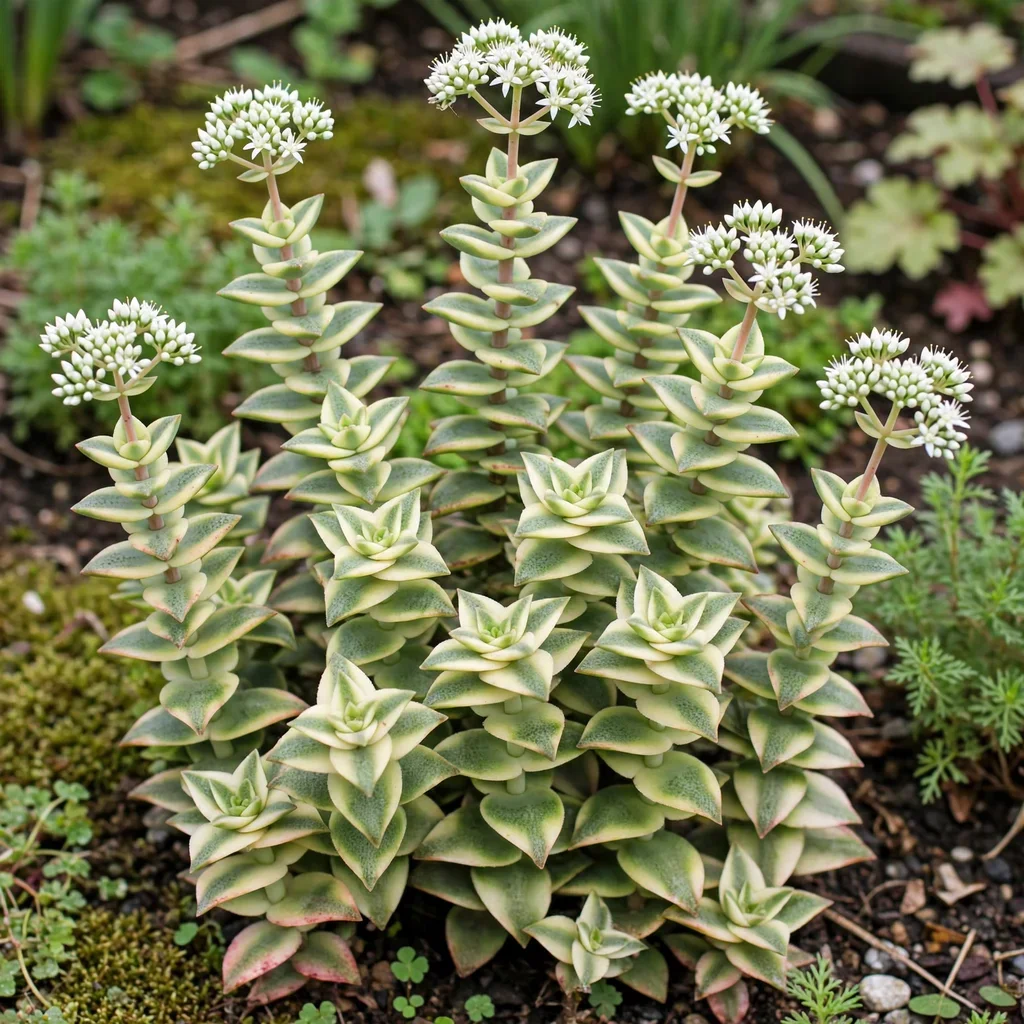
Variegated Red Pagoda
Crassula capitella 'Variegata'
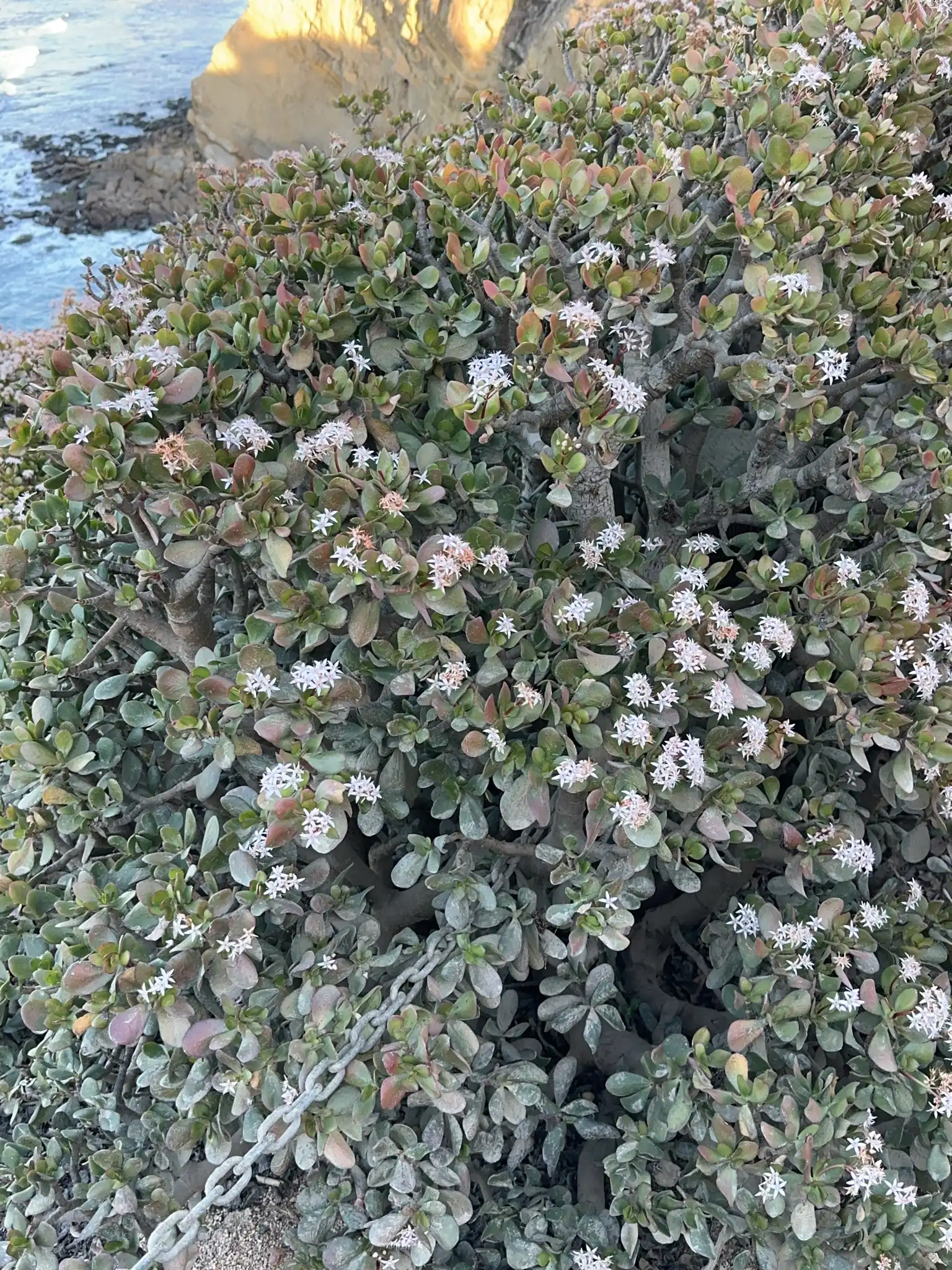
Jade Plant
Crassula ovata
Keep exploring
Explore the genus
Hardy in your zone?
Grow Devil's Horns with confidence
See it in a design of your actual yard, get zone-matched care reminders, and track it season by season in your garden journal.