The Story
Plant Bio
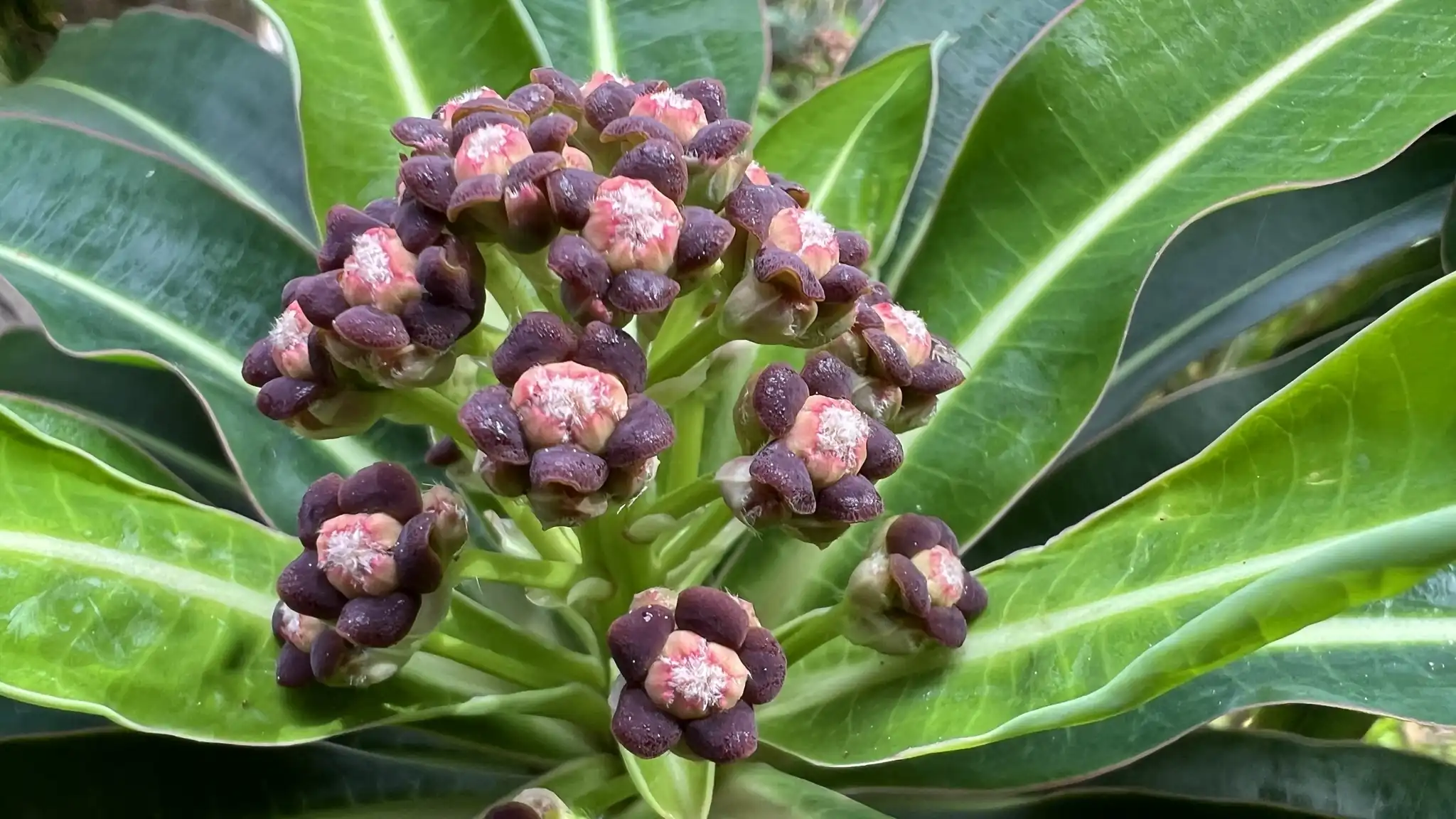
Euphorbia mellifera, the honey spurge, is a bushy domed evergreen shrub from Madeira and the Canary Islands that reaches four to six feet tall and wider across in gardens, with long lance-shaped waxy leaves veined white down the centre. Its flowers are reduced to small yellow-green cups ringed by bronze-brown bracts, borne in dense rounded clusters about three inches across at the stem tips.
What sets it apart is the strong honey scent released by the spring inflorescences, which produce abundant nectar that draws bees, butterflies and hoverflies. Unlike many spurges it forms a multi-stemmed woody mound rather than a single crown, and it self-sows freely where winters stay mild.
Uses & Benefits:
Essentials
At a Glance
Plant Type
Shrub
Height
72"
Width
84"
Light
Full Sun, Partial Sun
Zones
9, 10
Water
Moderate, drought tolerant once established
Humidity
Tolerates dry air, dislikes cold wet winters
Lifespan
Long-lived evergreen shrub
Native To
Madeira and Canary Islands laurel forest
Toxicity
Toxic - milky latex irritates skin and eyes, harmful if ingested
Bloom period
Spring – Early summer
In flower about 4 months of the year
Planting
How to Grow
- Choose a sheltered spot in full sun with at least six hours of direct light, out of cold winter wind.
- Dig into sandy or loamy soil with excellent drainage; set the crown level with the grade and do not bury the stems.
- Water deeply after planting, then let the top two inches dry before watering again to keep roots aerated.
- Feed lightly in spring with balanced fertilizer or compost mulch; avoid heavy nitrogen and waterlogged clay.
- Tip spent flower clusters to the base after bloom and remove dead wood in spring, wearing gloves and eye protection against the latex.
Pro Tip
Plant it high in sharply drained soil and water deeply but infrequently; saturated winter soil rots the crown faster than frost burns the leaves.
Keep It Thriving
Care Guide
Do
- Plant in full sun with shelter from cold wind
- Provide sharply drained sandy or loamy soil neutral to slightly alkaline
- Check leaf undersides weekly in warm weather for aphids and mites
- Mulch lightly in spring to hold moisture without wetting the crown
Don't
- Do not overwater or leave the crown in winter-wet clay
- Do not handle cut stems without gloves and eye protection
- Do not plant where children or pets chew foliage
- Do not shear annually; limit pruning to shaping after flowering
Seasonal Care Calendar
| Task | Jan | Feb | Mar | Apr | May | Jun | Jul | Aug | Sep | Oct | Nov | Dec |
|---|---|---|---|---|---|---|---|---|---|---|---|---|
| Fertilize | ||||||||||||
| Mulch | ||||||||||||
| Pest Check | ||||||||||||
| Plant | ||||||||||||
| Prune |
Watch Out For
Pests & Diseases
Common Pests
Common Diseases
In the Garden
Landscape Uses & Companions
Landscape Uses
Multiply
Propagation Methods
Good to Know
Common Questions
Honey Spurge questions
What zones can Honey Spurge grow in?
Honey Spurge is hardy in USDA Zones 9–10: in that range it survives winter in the ground. Colder than Zone 9, grow it in a container you can move to shelter for the winter.
When does Honey Spurge bloom?
Honey Spurge typically blooms from early spring to early summer. Exact timing shifts a week or two with your zone — Sow's bloom calendar maps it to your garden.
Does Honey Spurge need full sun?
Honey Spurge does best in full sun to part shade. In hot climates, afternoon shade keeps blooms fresher longer.
Is Honey Spurge drought tolerant?
Yes — once established (usually after the first full season), Honey Spurge handles dry spells with minimal watering. Water deeply its first year to build the root system that makes that possible.
More Euphorbia to compare
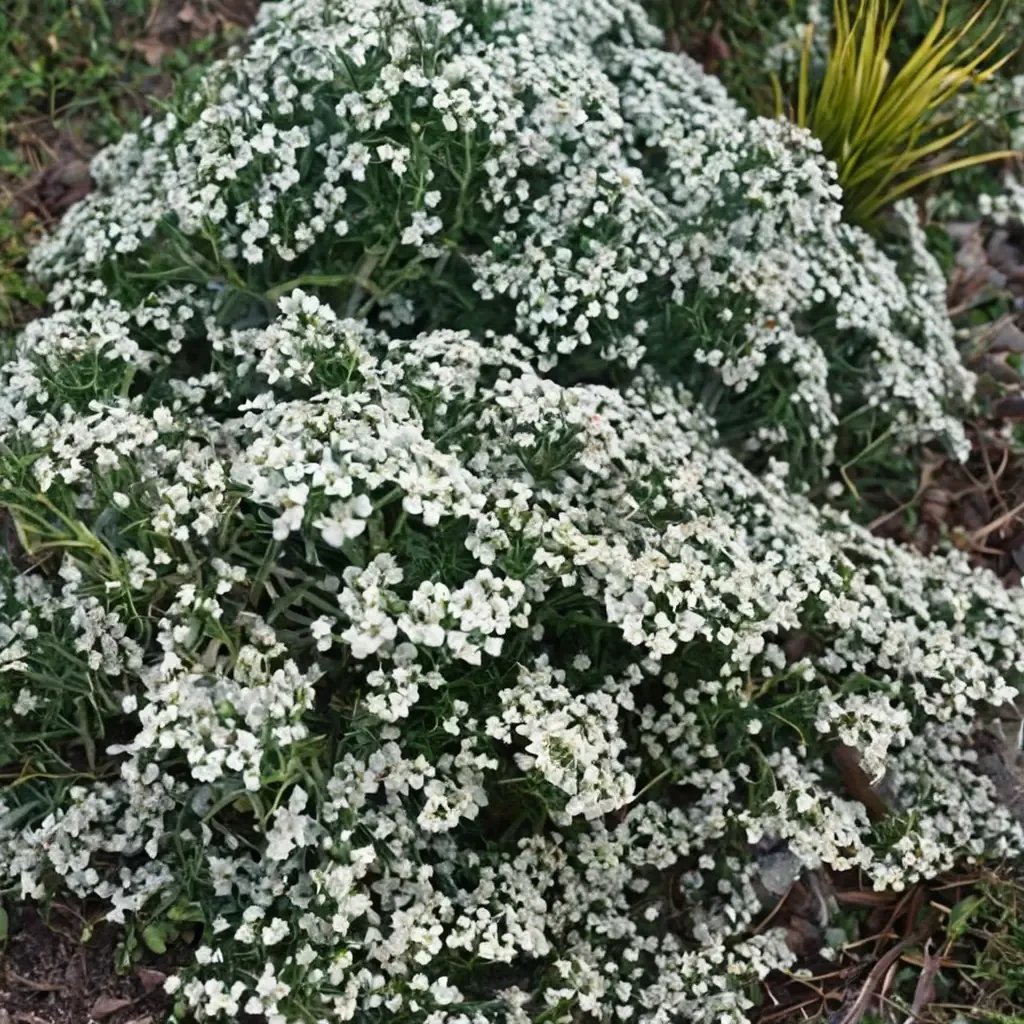
Carolina Snow Flowering Spurge
Euphorbia corollata 'Carolina Snow'
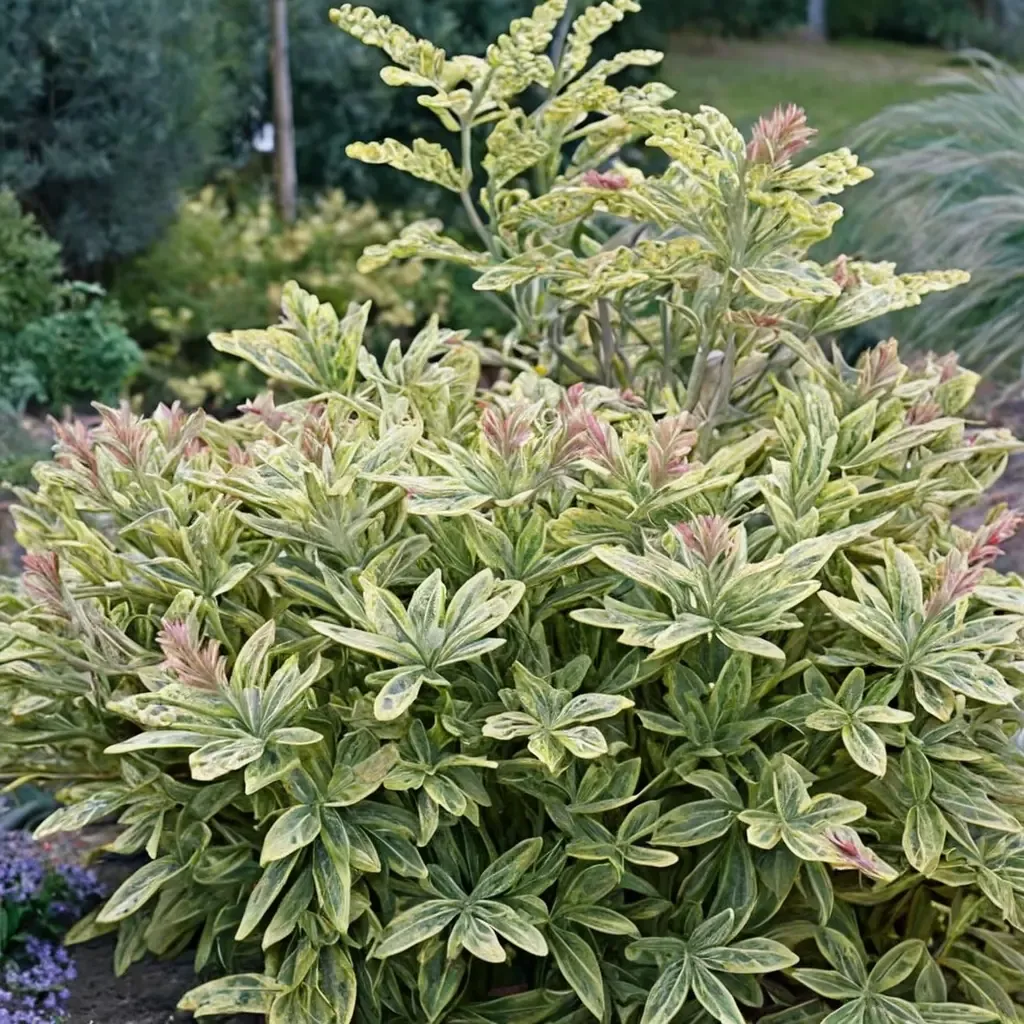
Ascot Rainbow Spurge
Euphorbia x hybrida 'Ascot Rainbow'
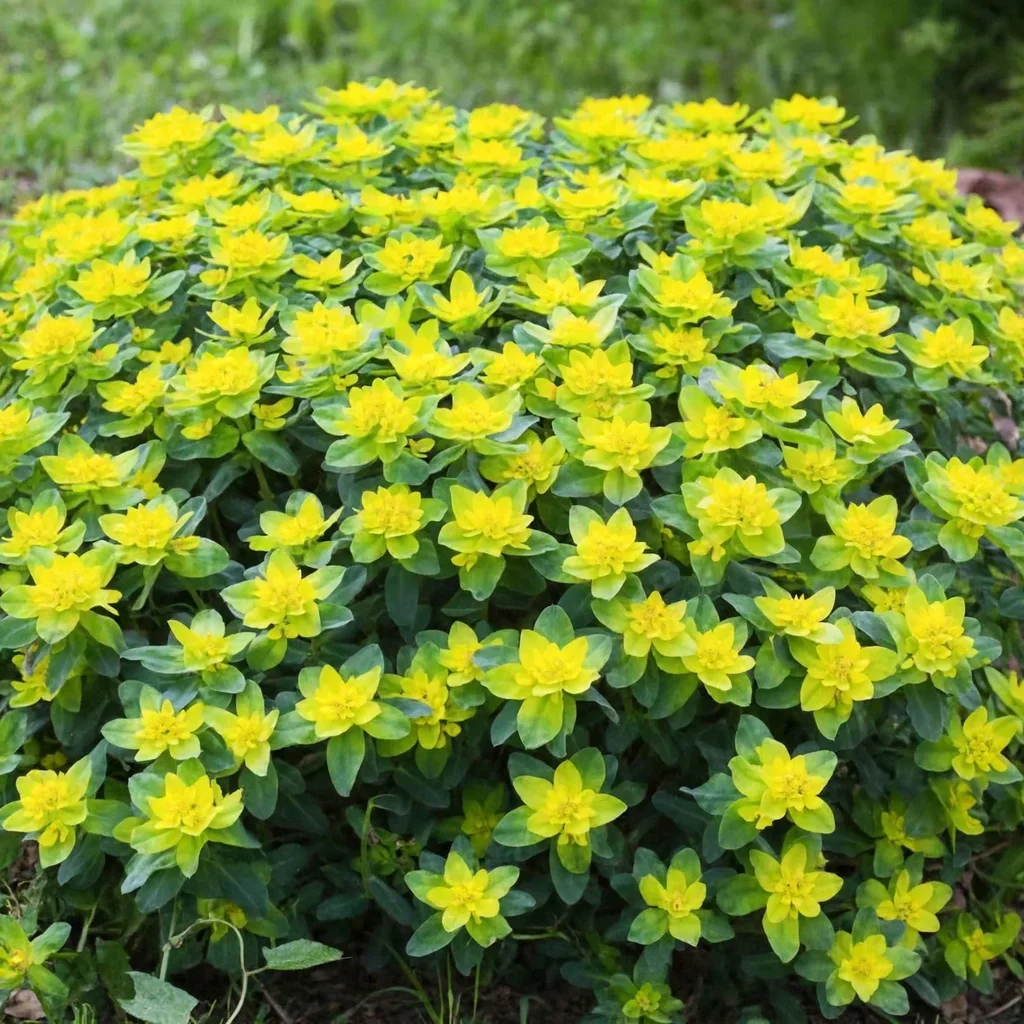
Mediterranean Spurge
Euphorbia polychroma
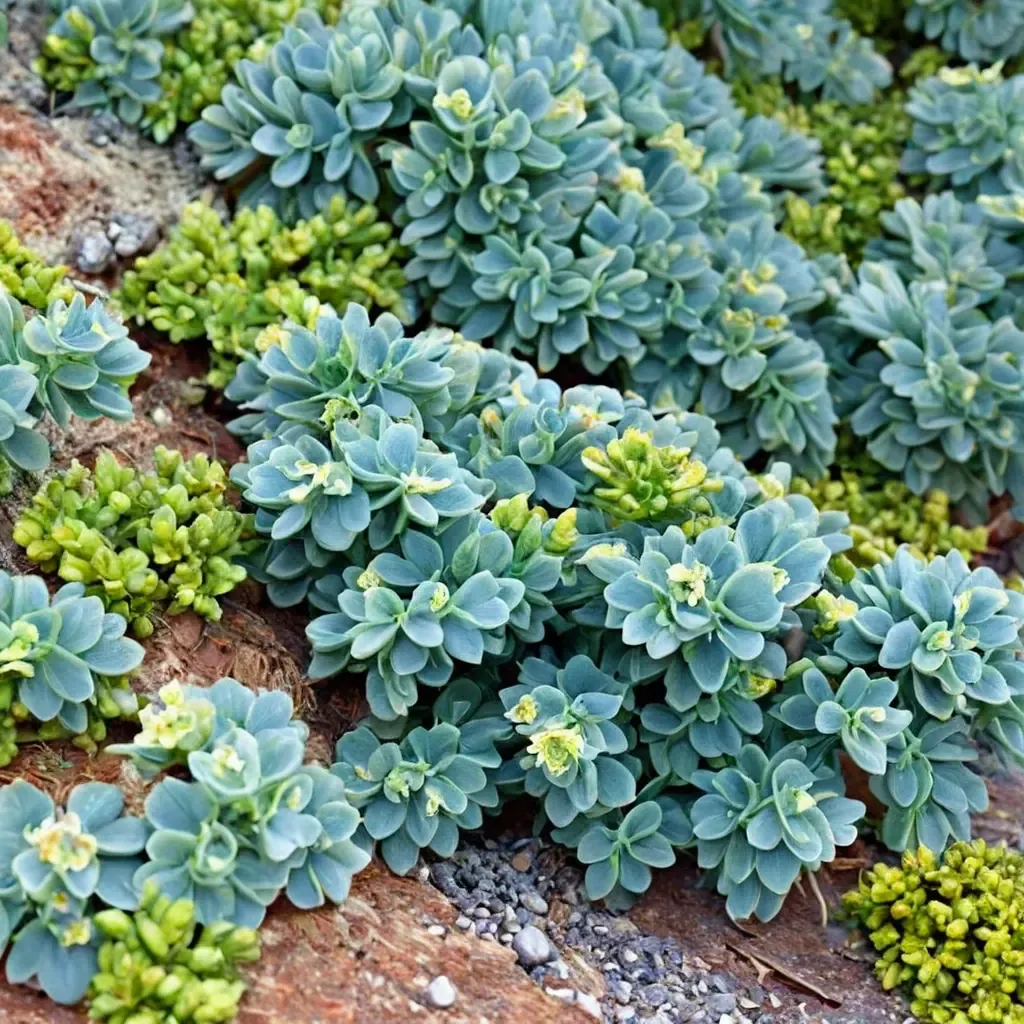
Myrtle Spurge
Euphorbia myrsinites
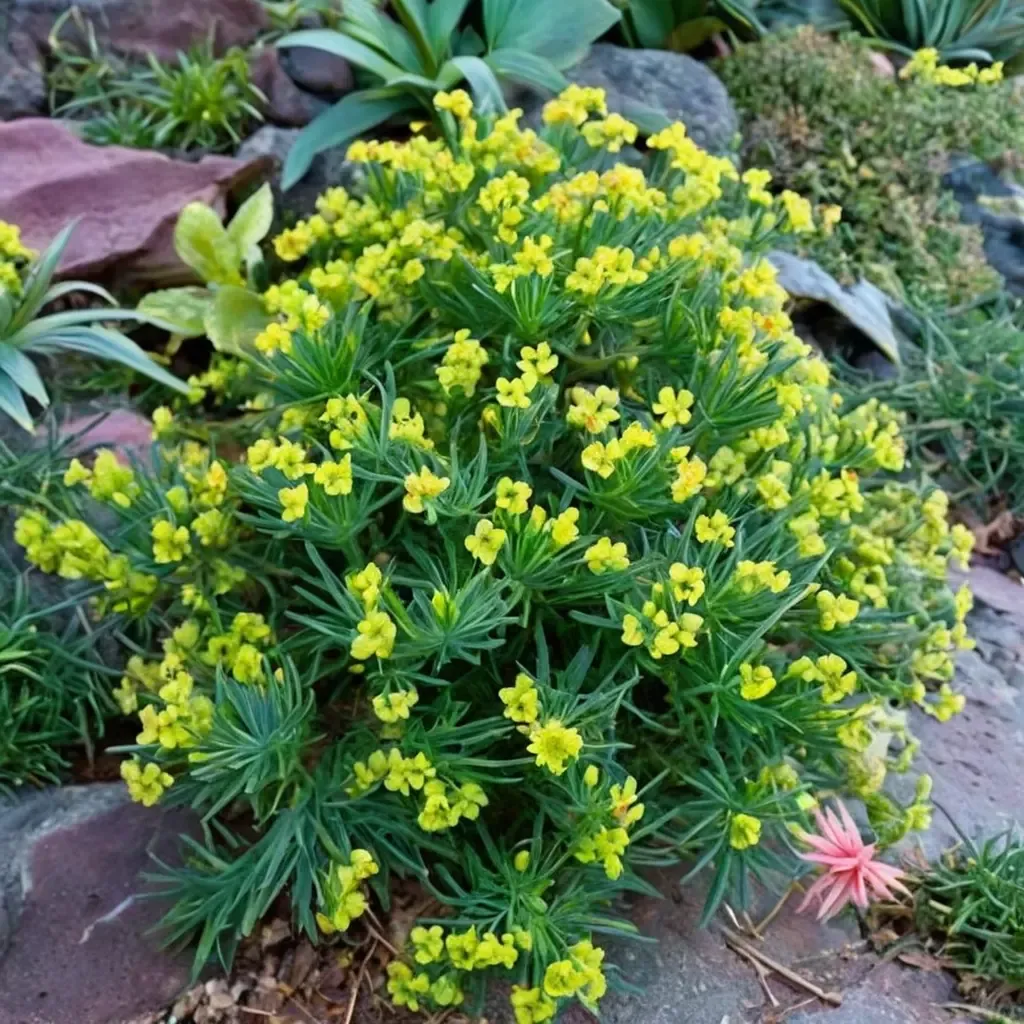
Ruby Spurge
Euphorbia cyparissias 'Fens Ruby'
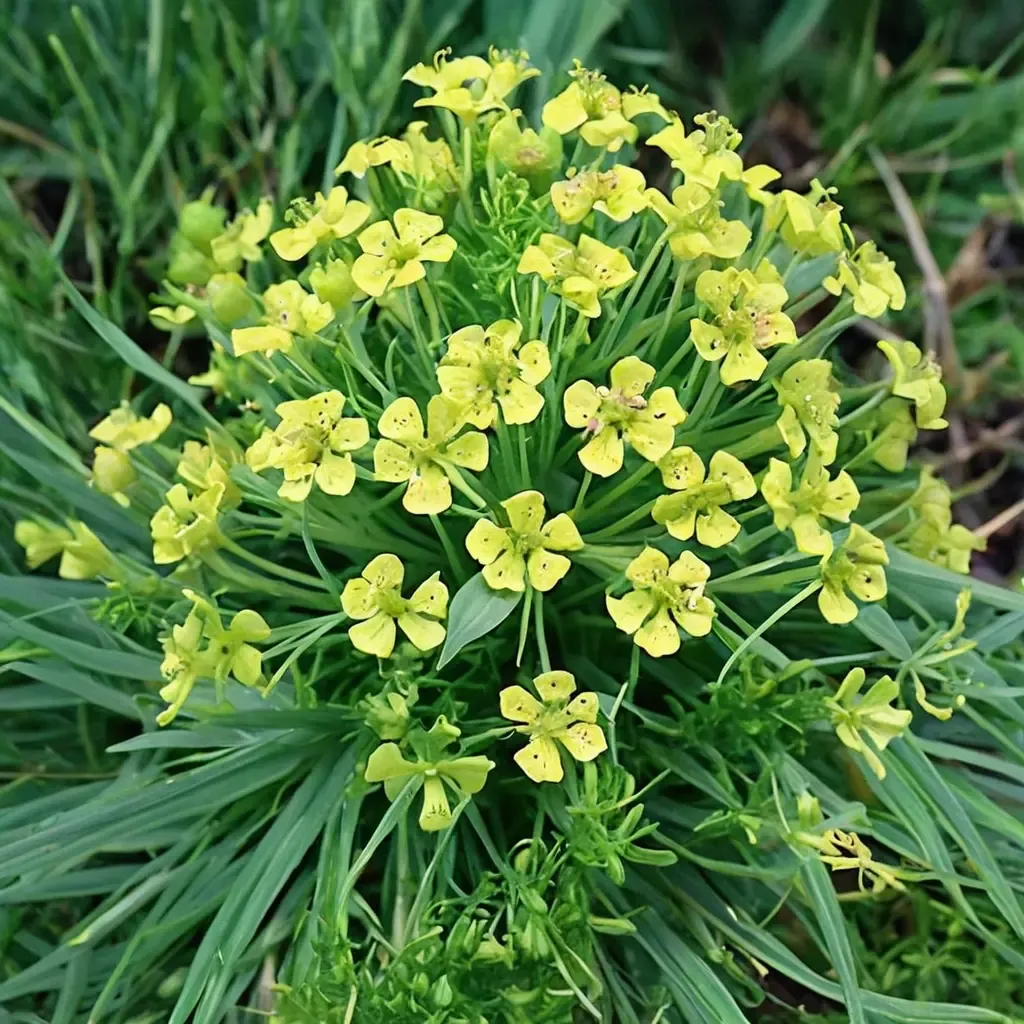
Cypress Spurge
Euphorbia cyparissias
Keep exploring
Explore the genus
Hardy in your zone?
Grow Honey Spurge with confidence
See it in a design of your actual yard, get zone-matched care reminders, and track it season by season in your garden journal.