The Story
Plant Bio
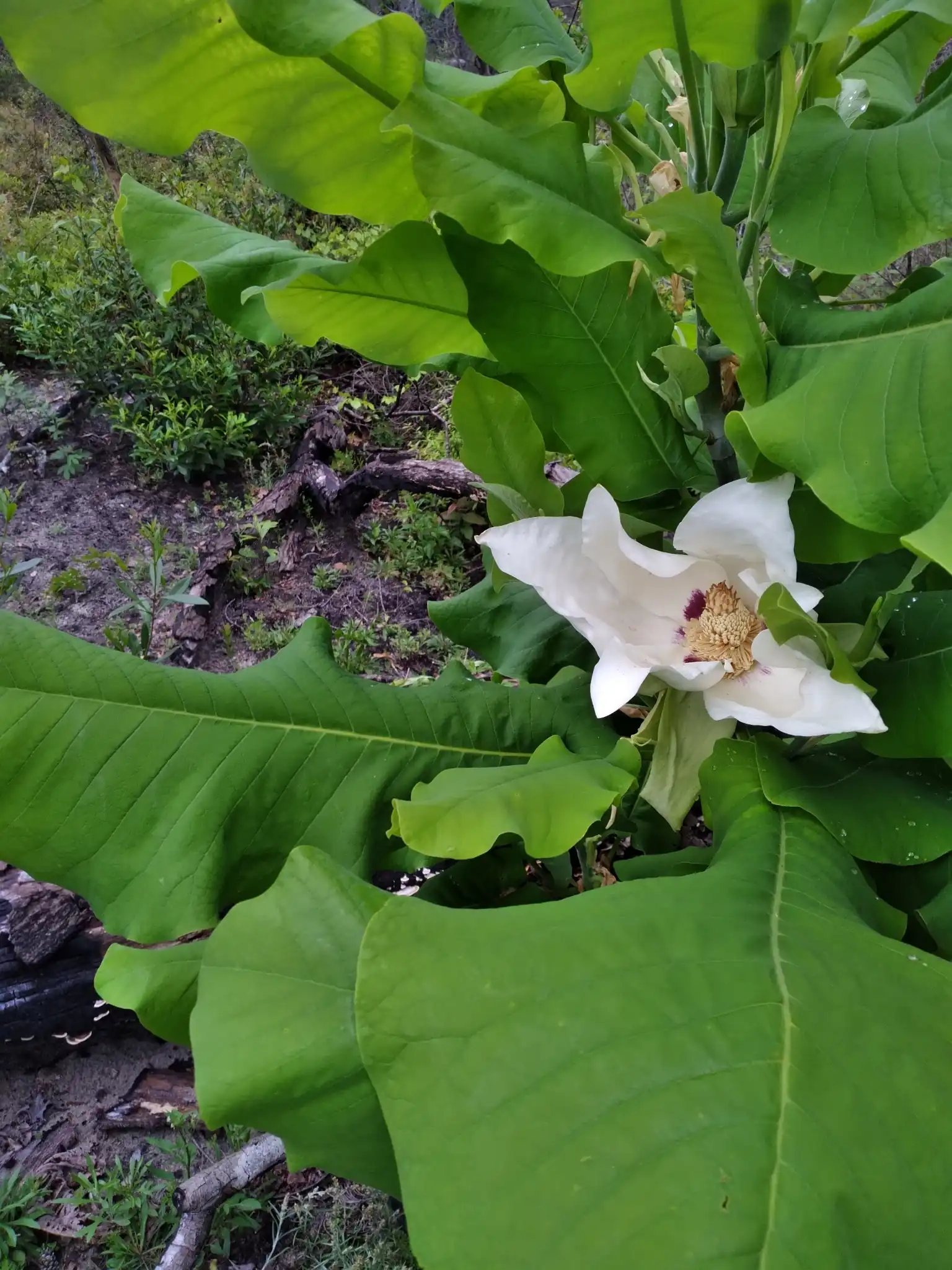
Magnolia ashei is a deciduous small tree or large shrub from the ravines and hammocks of the Florida panhandle, reaching 10 to 15 feet tall with a broad low-branched crown. It carries deciduous leaves up to 2 feet long, glossy dark green above, that give it a tropical look in summer and drop in fall.
Unlike bigleaf magnolia, it flowers at 3 to 4 years old, bearing solitary cup-shaped blooms 6 to 15 inches across, creamy white with a purple blotch at the base of the inner tepals and a citrus scent. The flowers hold 170 to 350 stamens and open in spring to early summer on weak wood that breaks easily in wind.
Uses & Benefits:
Essentials
At a Glance
Plant Type
Tree
Height
180"
Width
120"
Light
Full Sun, Partial Sun
Zones
6, 7, 8, 9
Water
Medium to wet
Humidity
Unknown
Lifespan
Long-lived woody tree
Native To
Florida Panhandle, USA
Toxicity
Unknown - no authoritative toxicity report
Bloom period
Spring – Early summer
In flower about 4 months of the year
Planting
How to Grow
- Plant in spring in a wind-sheltered spot in full sun to part shade with rich moist well-drained acidic soil.
- Dig the hole twice the pot width, set the crown level, backfill with native soil mixed with composted pine bark, and water deeply.
- Mulch 2 to 3 inches with pine straw, keeping mulch off the trunk, to hold moisture.
- Water steadily through the first two summers and never let the soil dry out.
- Prune only after flowering to remove broken limbs; leave healthy structure alone.
Pro Tip
Give it a ravine pocket: sheltered part shade, rich moist acidic loam, and no wind; the two-foot leaves shred and the weak limbs snap when it is over-exposed, and it needs no regular pruning.
Keep It Thriving
Care Guide
Do
- Do plant in shelter from wind to protect leaves and weak branches.
- Do keep soil consistently moist with mulch.
- Do keep soil acidic with pine-based mulch.
Don't
- Do not plant in an exposed windy lawn or hot dry site.
- Do not shear or shape-prune the crown.
- Do not leave fallen spotted leaves on the ground over winter.
Seasonal Care Calendar
| Task | Jan | Feb | Mar | Apr | May | Jun | Jul | Aug | Sep | Oct | Nov | Dec |
|---|---|---|---|---|---|---|---|---|---|---|---|---|
| Mulch | ||||||||||||
| Pest Check | ||||||||||||
| Plant | ||||||||||||
| Prune |
Watch Out For
Pests & Diseases
Common Pests
Common Diseases
In the Garden
Landscape Uses & Companions
Landscape Uses
Multiply
Propagation Methods
Good to Know
Common Questions
Ashe Magnolia questions
What zones can Ashe Magnolia grow in?
Ashe Magnolia is hardy in USDA Zones 6–9: in that range it survives winter in the ground. Colder than Zone 6, winters are too cold for it to survive outdoors. Warmer than Zone 9, winter isn't the problem: it prefers colder winters, and summer heat can shorten its life.
Is Ashe Magnolia deer resistant?
Yes — Ashe Magnolia is rated deer-resistant. Deer typically pass it over, though extreme hunger can override any plant's defenses.
When does Ashe Magnolia bloom?
Ashe Magnolia typically blooms from early spring to early summer. Exact timing shifts a week or two with your zone — Sow's bloom calendar maps it to your garden.
Does Ashe Magnolia need full sun?
Ashe Magnolia does best in full sun to part shade. In hot climates, afternoon shade keeps blooms fresher longer.
More Magnolia to compare
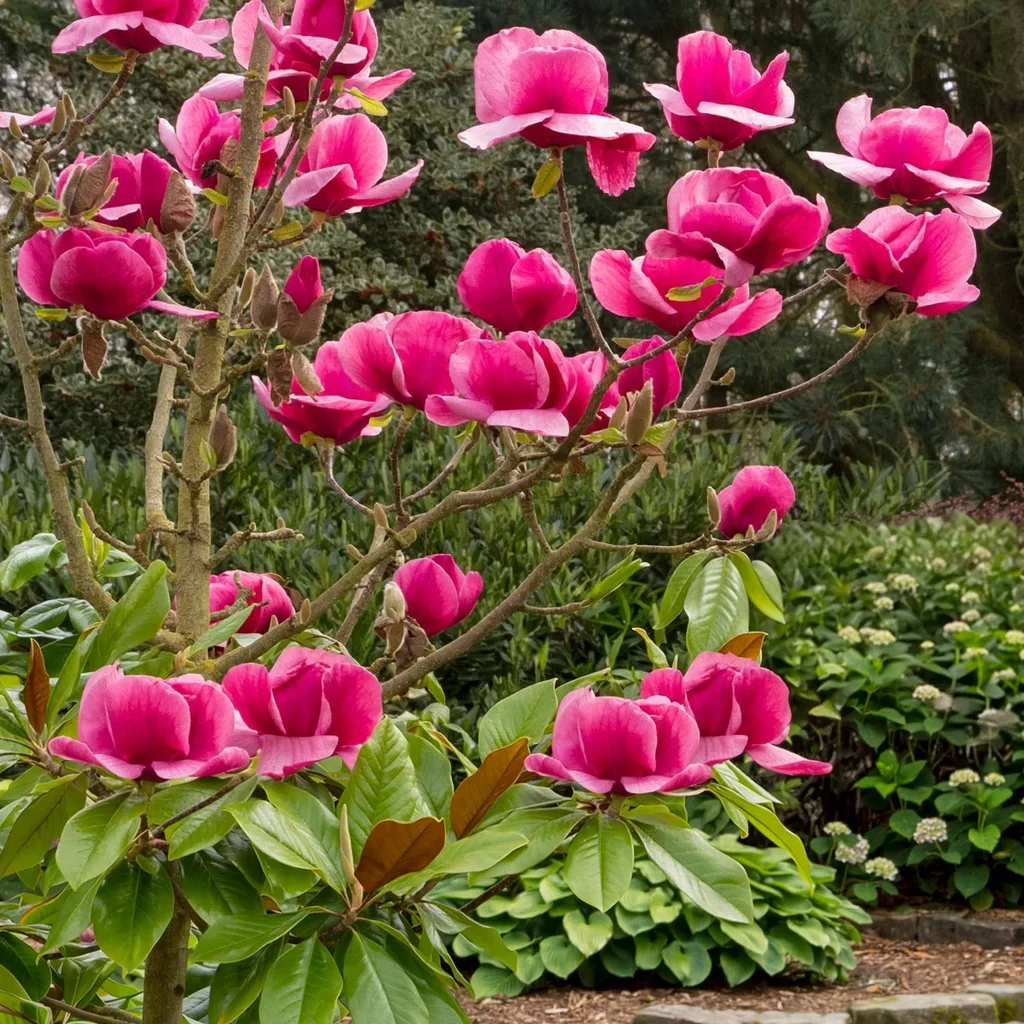
Felix Magnolia
Magnolia x hybrida 'Felix Jury'
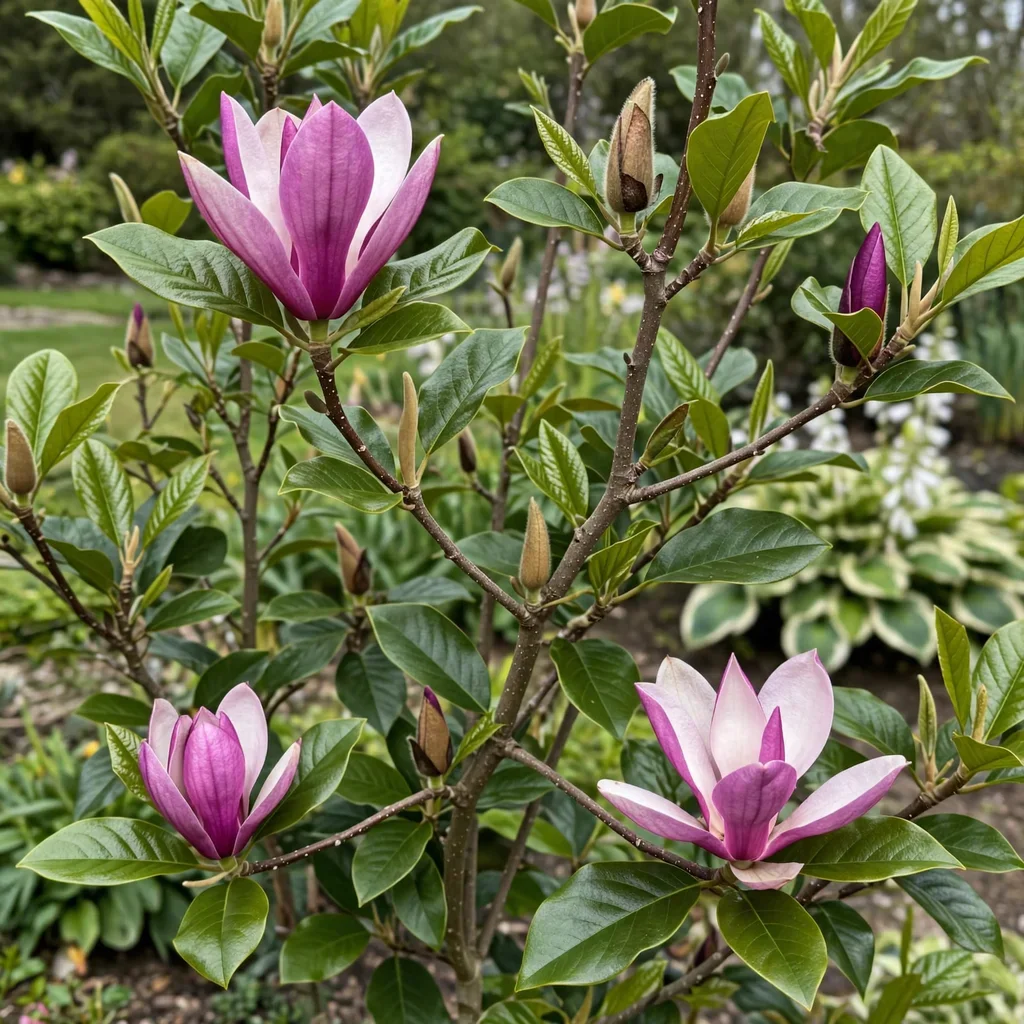
Saucer Magnolia Ann
Magnolia x soulangeana 'Ann'
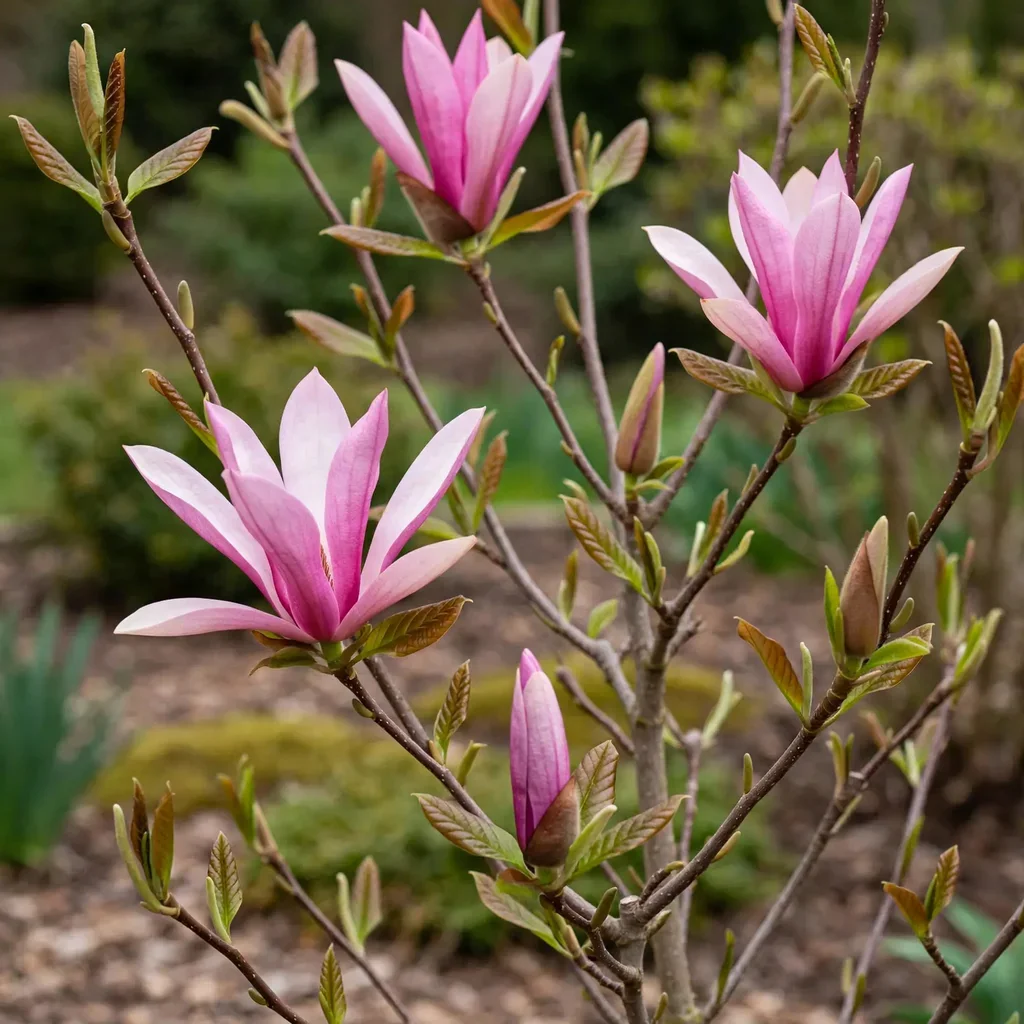
Daybreak Loebner Magnolia
Magnolia stellata 'Daybreak'
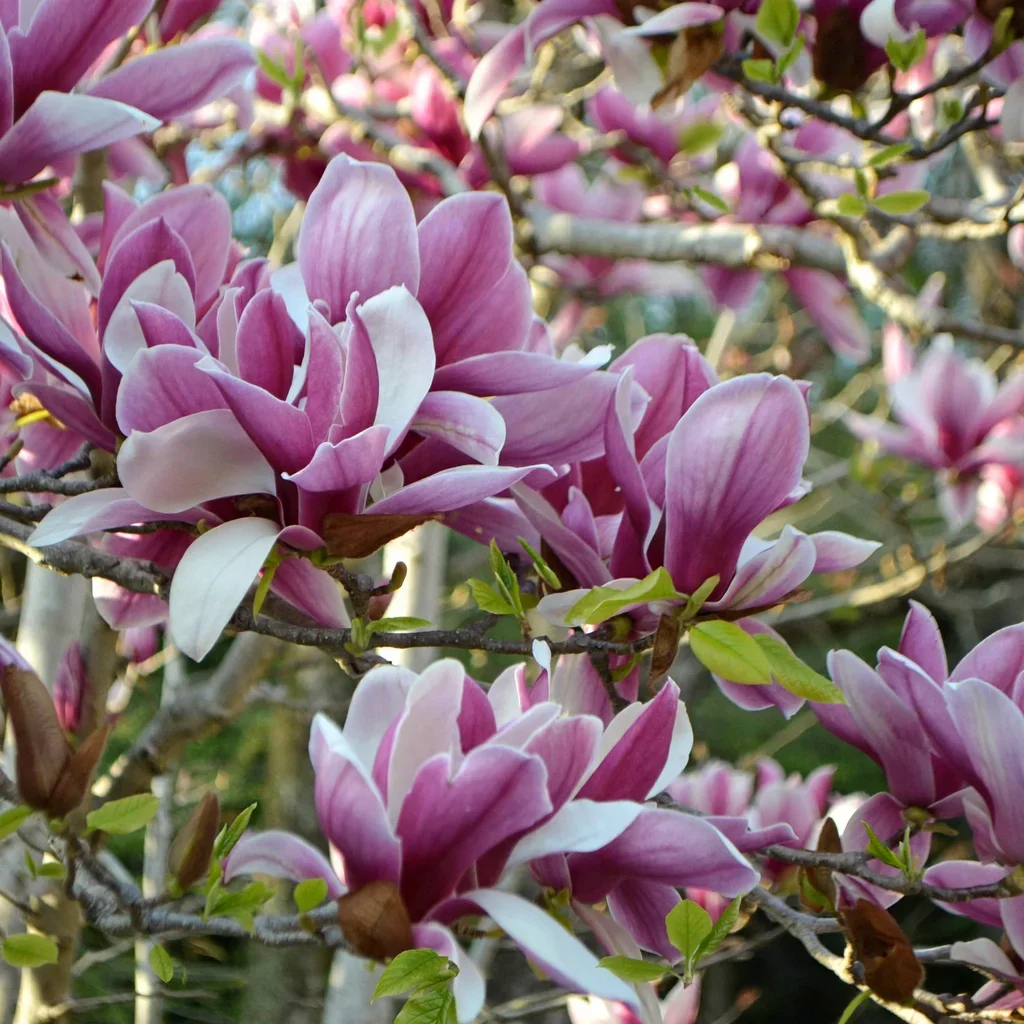
Coppertallica Saucer Magnolia
Magnolia x soulangeana 'Coppertallica'
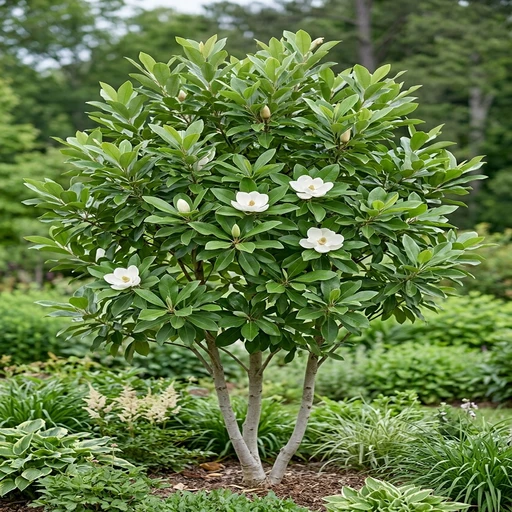
Sweetbay Magnolia
Magnolia virginiana
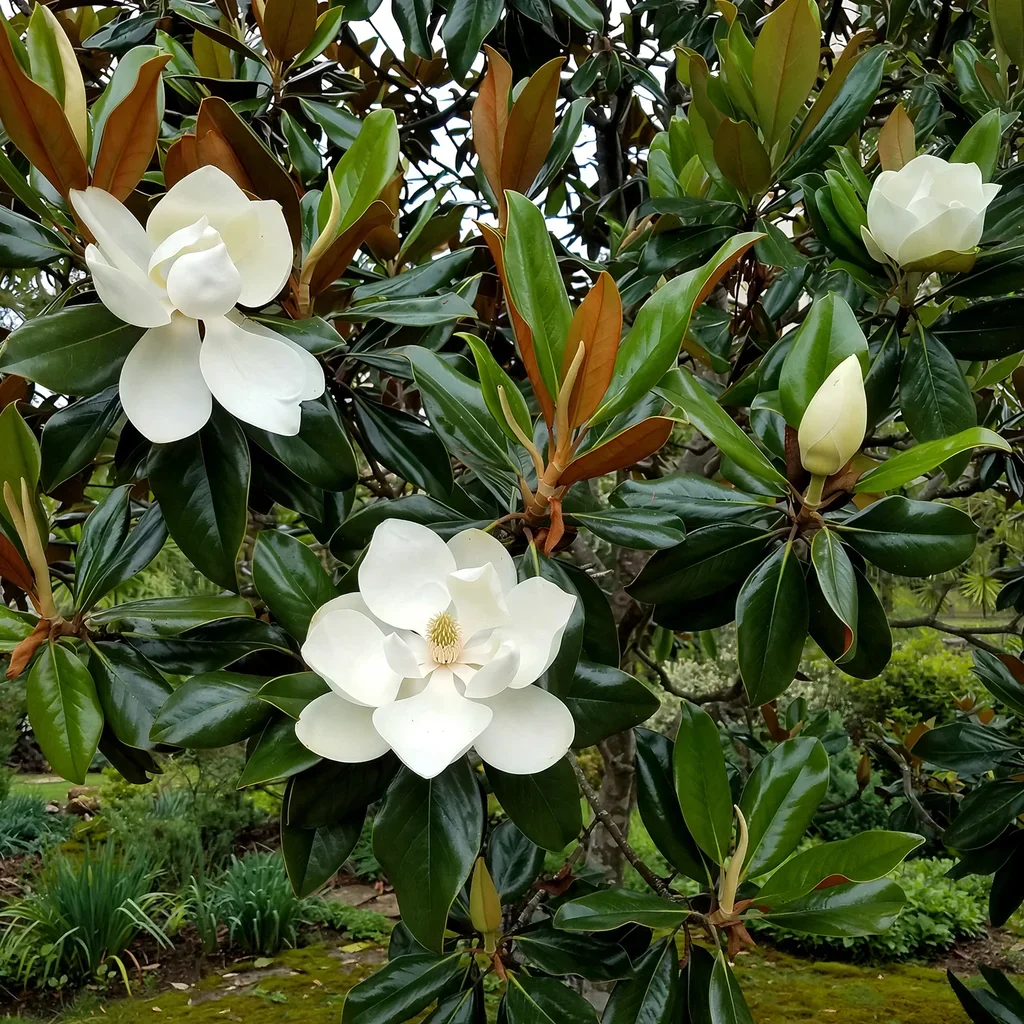
Southern Magnolia
Magnolia grandiflora
Keep exploring
Explore the genus
Hardy in your zone?
Grow Ashe Magnolia with confidence
See it in a design of your actual yard, get zone-matched care reminders, and track it season by season in your garden journal.