The Story
Plant Bio
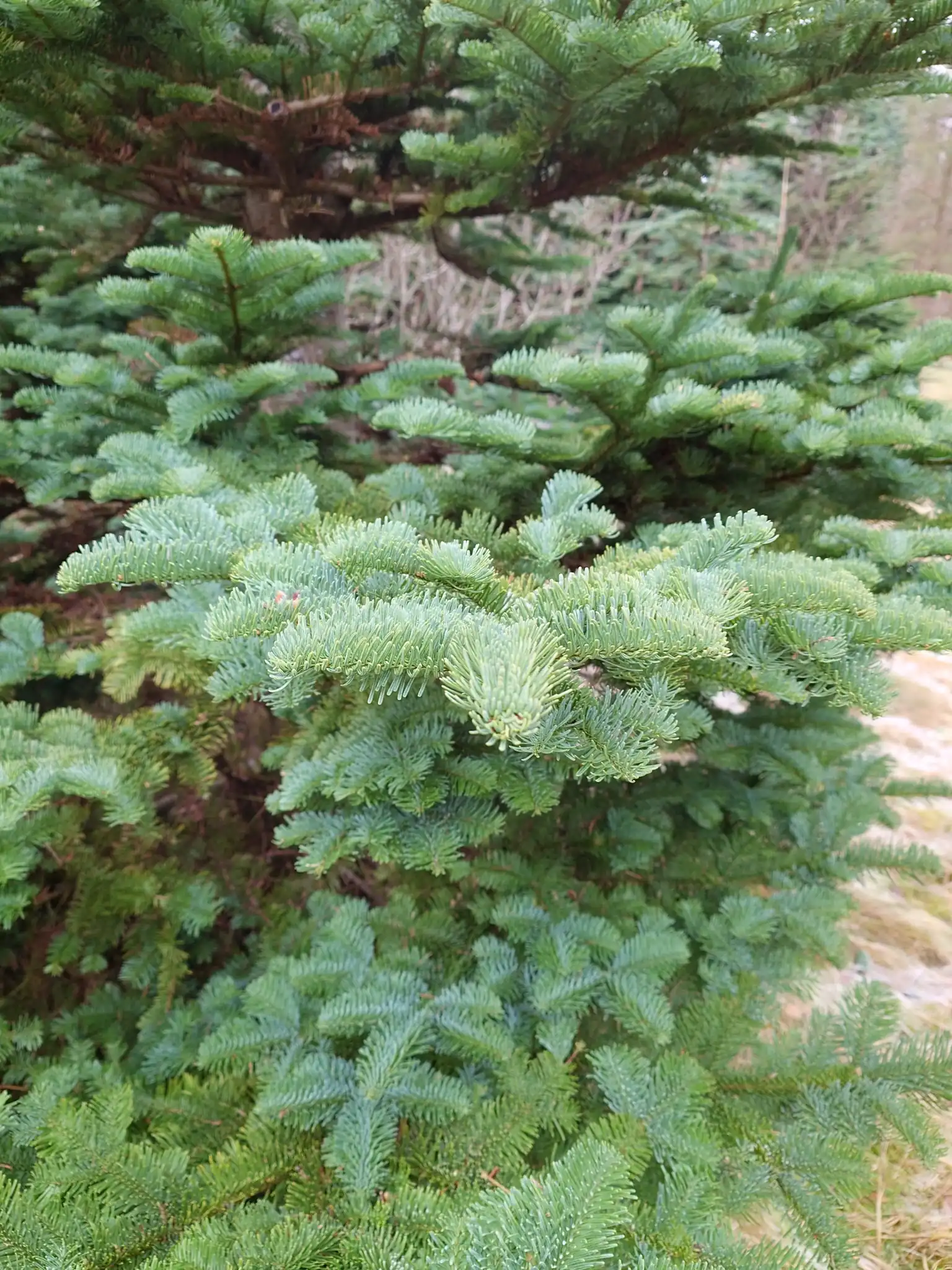
Abies procera is a large evergreen conifer native to the Pacific Northwest, forming a strictly symmetrical, narrow-pyramidal crown with upcurved glaucous blue-green needles. New spring growth emerges in soft light green before maturing to deep blue-green, accompanied by large upright seed cones on upper branches.
Distinguished by four-angled needles that curve upward to reveal glaucous undersides, this species features erect seed cones with yellow-green reflexed bracts. Its persistent, layered branching pattern creates a dense, architectural silhouette in cool, humid landscapes.
Uses & Benefits:
Essentials
At a Glance
Plant Type
Tree
Height
787"
Width
197"
Light
Full Sun, Partial Sun
Zones
5, 6, 7
Water
Moderate
Humidity
High
Lifespan
Perennial
Native To
North America
Toxicity
Non-toxic
Bloom period
Spring
In flower about 3 months of the year
Planting
How to Grow
- Select a planting site in full sun to light shade with deep, acidic to neutral, sharply draining soil.
- Dig a planting hole twice the width of the root ball and set the plant so the root crown sits level with the surrounding soil.
- Backfill with native soil enriched with organic matter, firming gently around the root system to remove air pockets.
- Water thoroughly after planting and maintain consistent soil moisture, applying mulch around the base while keeping it clear of the trunk.
Pro Tip
Never prune into old, leafless wood, as bare conifer branches lack dormant buds and will fail to regenerate new foliage.
Keep It Thriving
Care Guide
Do
- Plant in sharply draining acidic or neutral loamy soil.
- Maintain consistent soil moisture through deep watering during dry spells.
- Apply organic mulch over the root zone to retain moisture and cool the soil.
Don't
- Do not prune back into bare, old wood that lacks needles.
- Do not plant in heavy, compacted clay or poorly drained waterlogged sites.
- Do not grow in hot, humid lowland regions with warm summer nights.
Seasonal Care Calendar
| Task | Jan | Feb | Mar | Apr | May | Jun | Jul | Aug | Sep | Oct | Nov | Dec |
|---|---|---|---|---|---|---|---|---|---|---|---|---|
| Fertilize | ||||||||||||
| Mulch | ||||||||||||
| Pest Check | ||||||||||||
| Prune |
Watch Out For
Pests & Diseases
Common Pests
Common Diseases
In the Garden
Landscape Uses & Companions
Landscape Uses
Companion Plants
Multiply
Propagation Methods
Good to Know
Common Questions
Noble Fir questions
What zones can Noble Fir grow in?
Noble Fir is hardy in USDA Zones 5–7. Inside that range it survives winter in the ground; outside it, grow it as an annual or a container plant you protect.
Is Noble Fir deer resistant?
Not reliably. Deer may browse Noble Fir, especially tender spring growth — plan on repellents or fencing where pressure is high.
When does Noble Fir bloom?
Noble Fir typically blooms in spring through spring. Exact timing shifts a week or two with your zone — Sow's bloom calendar maps it to your garden.
Does Noble Fir need full sun?
Noble Fir does best in full sun to part shade. In hot climates, afternoon shade keeps blooms fresher longer.
More Abies to compare
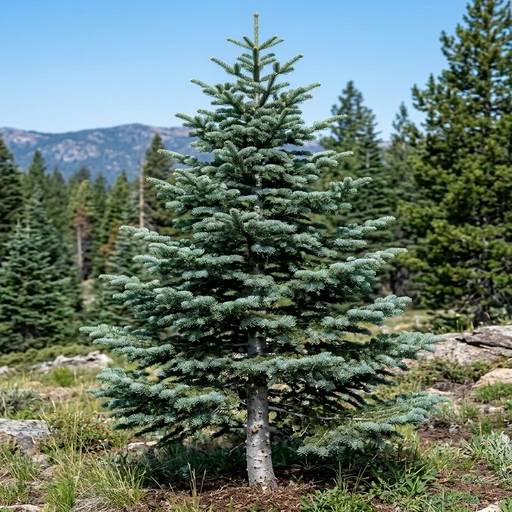
White Fir
Abies concolor
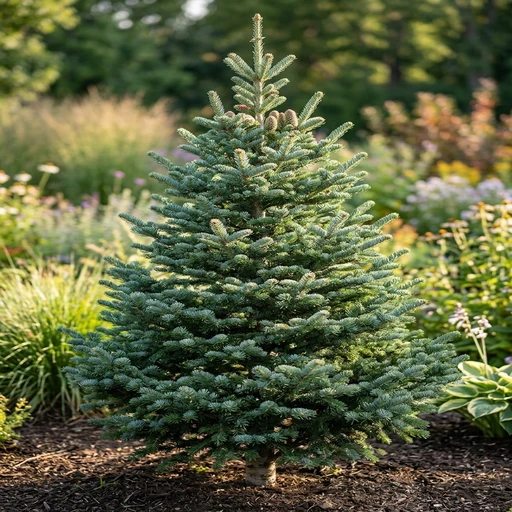
Fraser Fir
Abies fraseri
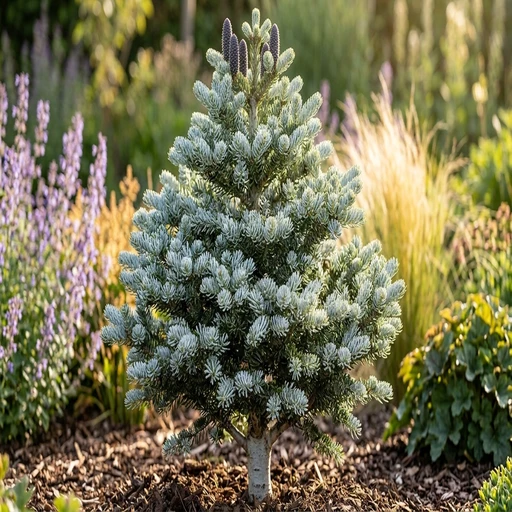
Horstmann's Silberlocke Korean Fir
Abies koreana 'Horstmann Silberlocke'
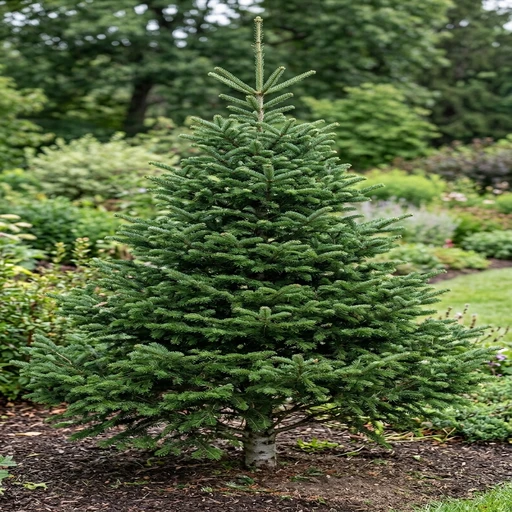
Balsam Fir
Abies balsamea
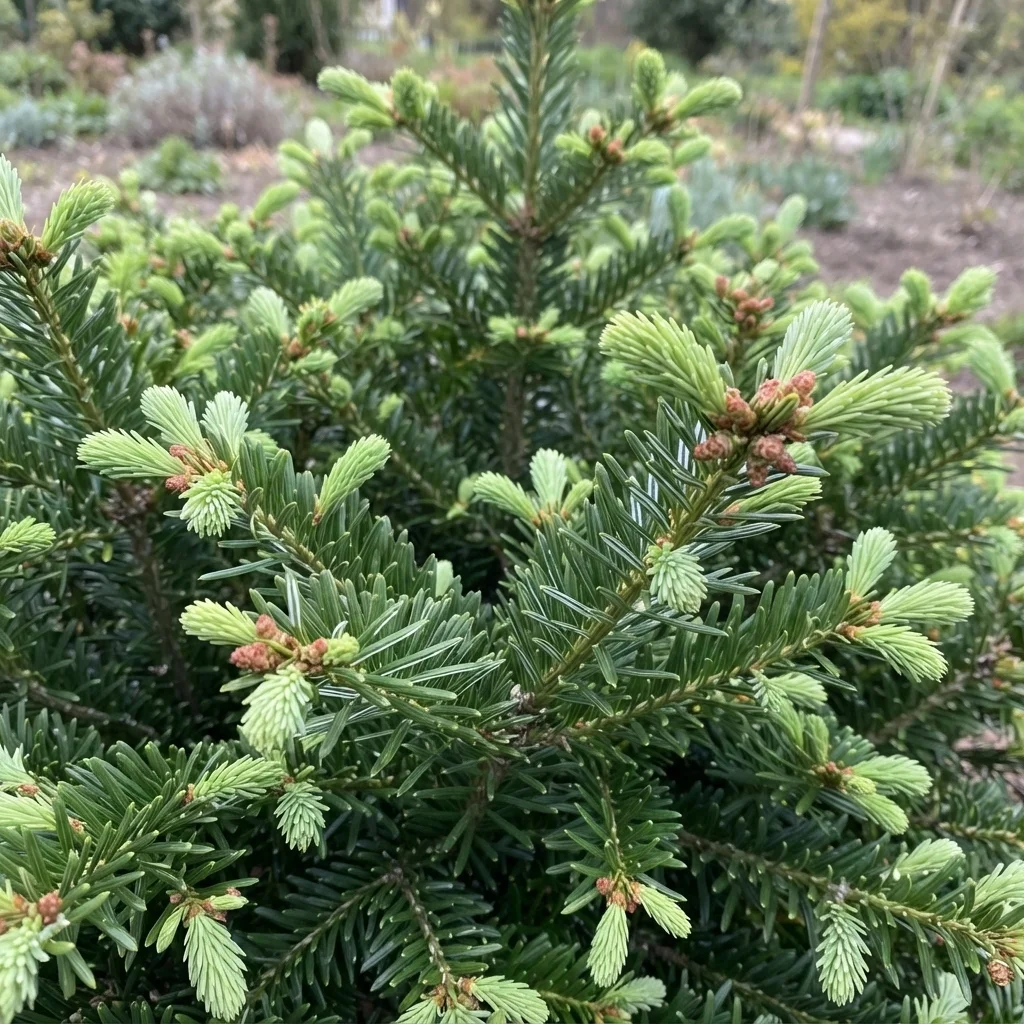
Nordmann Fir
Abies nordmanniana
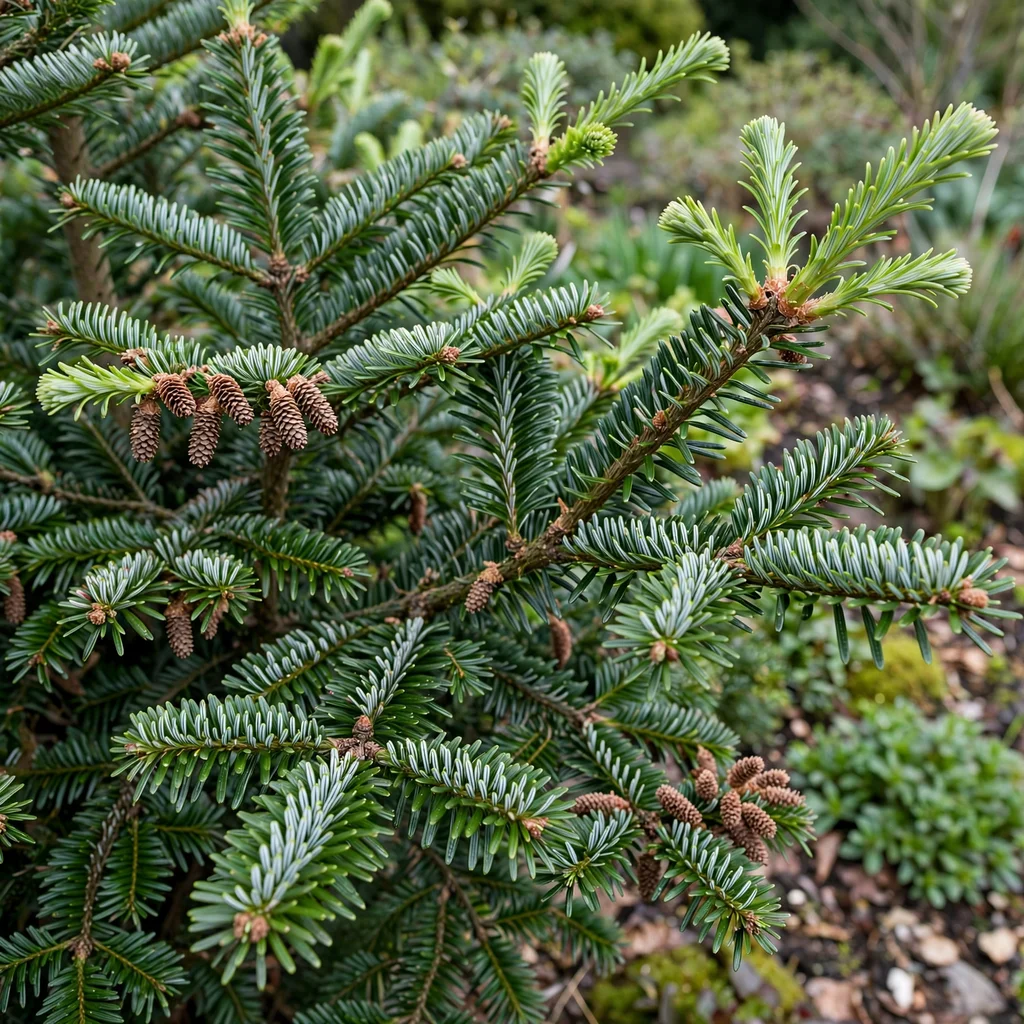
European Silver Fir
Abies alba
Keep exploring
Explore the genus
Hardy in your zone?
Grow Noble Fir with confidence
See it in a design of your actual yard, get zone-matched care reminders, and track it season by season in your garden journal.