The Story
Plant Bio
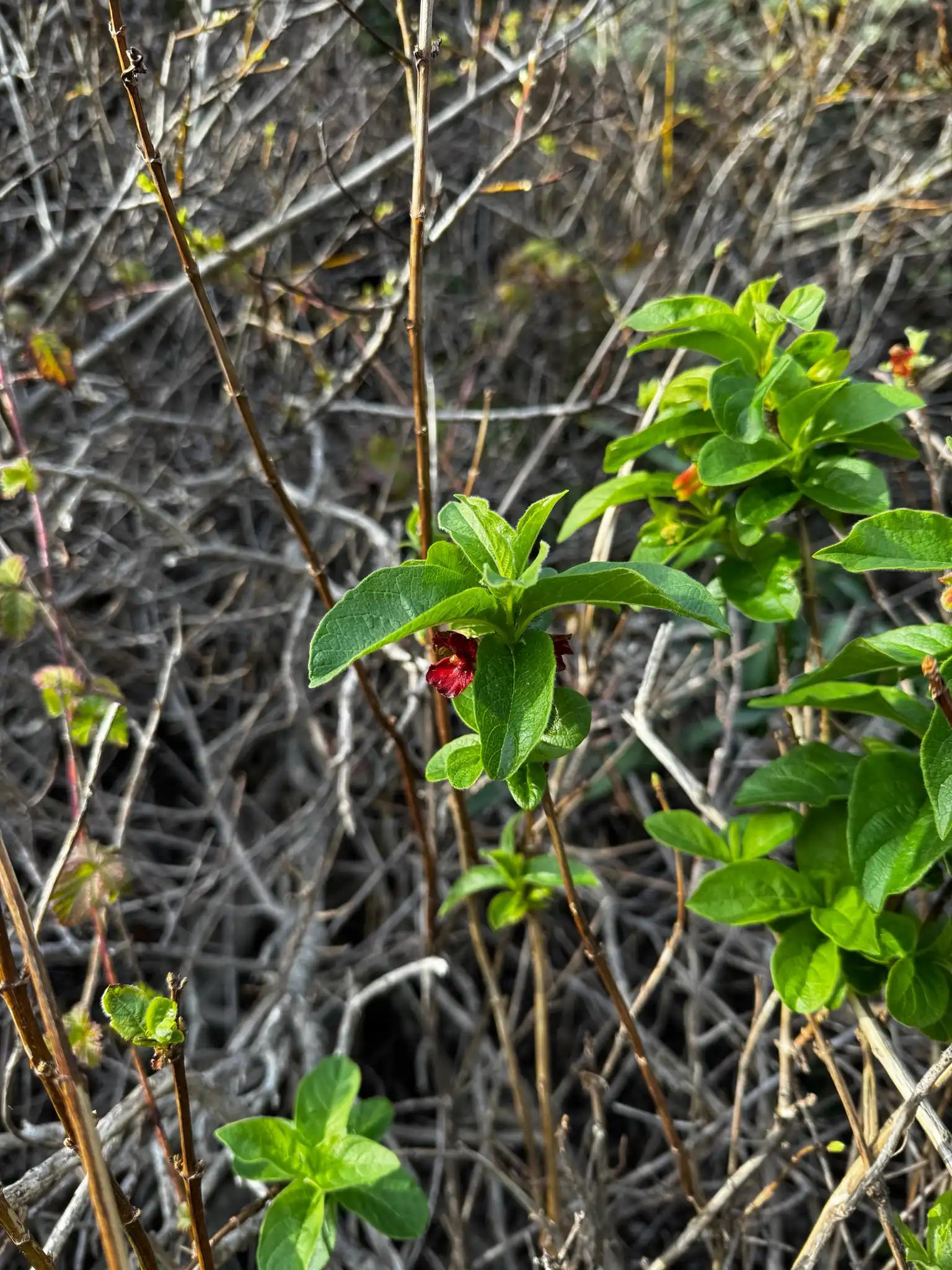
Lonicera involucrata, commonly known as twinberry honeysuckle, is an upright deciduous shrub native across western North America, forming an arching multi-stemmed structure up to ten feet tall. Early summer brings paired yellow tubular flowers held in leaf axils, followed by shiny twin black berries nestled inside broad leafy bracts.
The primary ornamental spectacle occurs as the fruit ripens, when the surrounding floral bracts enlarge and turn a striking deep magenta-red. The tubular yellow blooms produce rich nectar that draws hummingbirds and native pollinators throughout early and mid-summer.
Uses & Benefits:
Essentials
At a Glance
Plant Type
Shrub
Height
118"
Width
71"
Light
Full Sun, Partial Sun
Zones
4, 5, 6, 7, 8
Water
Moist, well-drained
Humidity
Moderate
Lifespan
Perennial
Native To
North America
Toxicity
Mildly toxic if ingested
Bloom period
Early summer – Mid summer
In flower about 2 months of the year
Planting
How to Grow
- Select a planting site in full sun to partial shade with humus-rich, moisture-retentive soil.
- Amend heavy or fast-draining soils with organic compost to balance moisture retention and drainage.
- Space plants 5 to 6 feet apart to accommodate their natural arching growth habit.
- Water thoroughly during establishment and maintain consistent soil moisture throughout the summer heat.
Pro Tip
Avoid shearing stems into formal shapes or cutting back into old bare wood, which resprouts poorly and eliminates the flowering nodes.
Keep It Thriving
Care Guide
Do
- Keep soil consistently moist, especially during summer dry spells.
- Apply organic mulch around the root zone to conserve soil moisture.
- Prune lightly in late winter to remove dead or weak growth.
Don't
- Do not allow the soil to dry out completely during summer.
- Do not shear into formal hedges, which ruins the natural arching form and strips bloom nodes.
- Do not plant in waterlogged areas where drainage is stagnant.
Seasonal Care Calendar
| Task | Jan | Feb | Mar | Apr | May | Jun | Jul | Aug | Sep | Oct | Nov | Dec |
|---|---|---|---|---|---|---|---|---|---|---|---|---|
| Fertilize | ||||||||||||
| Mulch | ||||||||||||
| Pest Check | ||||||||||||
| Prune |
Watch Out For
Pests & Diseases
Common Pests
Common Diseases
In the Garden
Landscape Uses & Companions
Landscape Uses
Multiply
Propagation Methods
Good to Know
Common Questions
Twinberry Honeysuckle questions
What zones can Twinberry Honeysuckle grow in?
Twinberry Honeysuckle is hardy in USDA Zones 4–8: in that range it survives winter in the ground. Warmer than Zone 8, winter isn't the problem: it prefers colder winters, and summer heat can shorten its life.
Is Twinberry Honeysuckle deer resistant?
Not reliably. Deer may browse Twinberry Honeysuckle, especially tender spring growth — plan on repellents or fencing where pressure is high.
When does Twinberry Honeysuckle bloom?
Twinberry Honeysuckle typically blooms in early to mid-summer. Exact timing shifts a week or two with your zone — Sow's bloom calendar maps it to your garden.
Does Twinberry Honeysuckle need full sun?
Twinberry Honeysuckle does best in full sun to part shade. In hot climates, afternoon shade keeps blooms fresher longer.
More Lonicera to compare
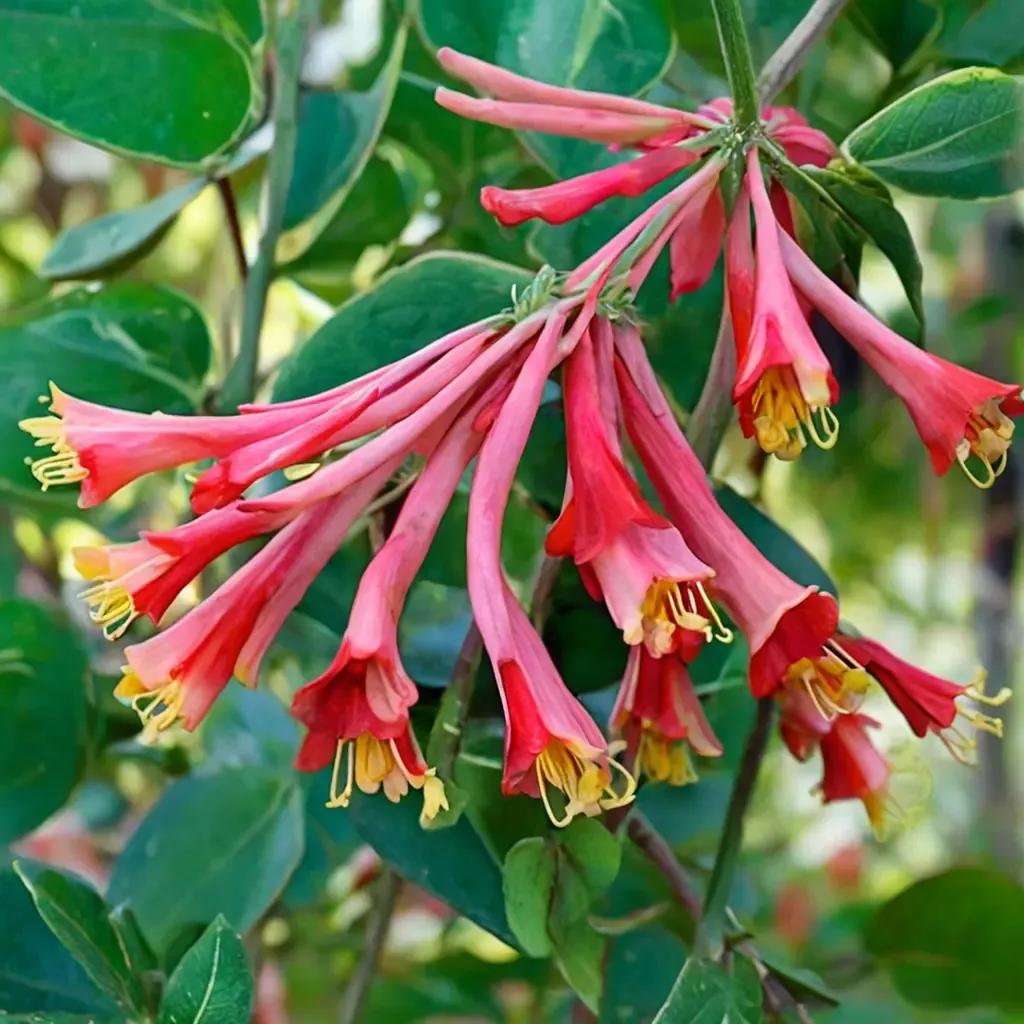
Coral Honeysuckle
Lonicera sempervirens 'Coral Honeysuckle'
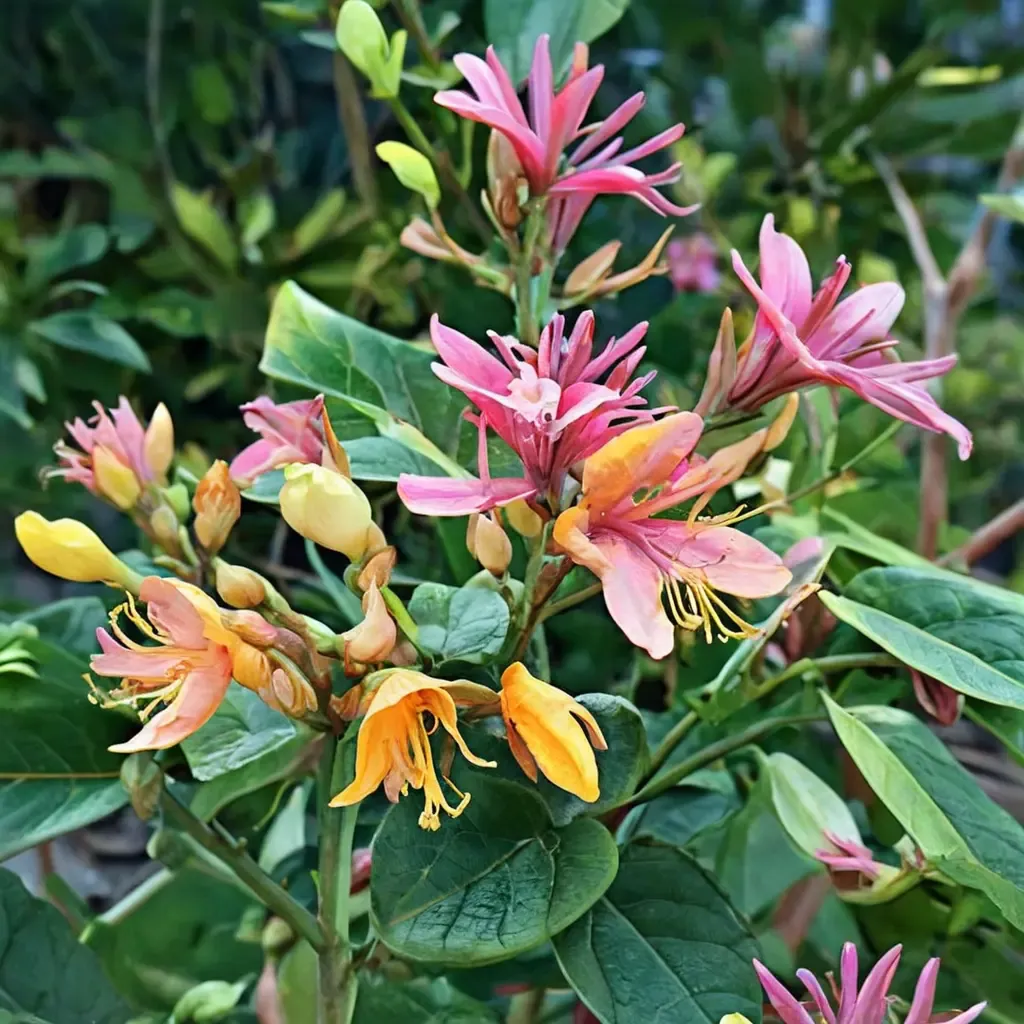
Goldflame Honeysuckle
Lonicera x heckrottii 'Goldflame'
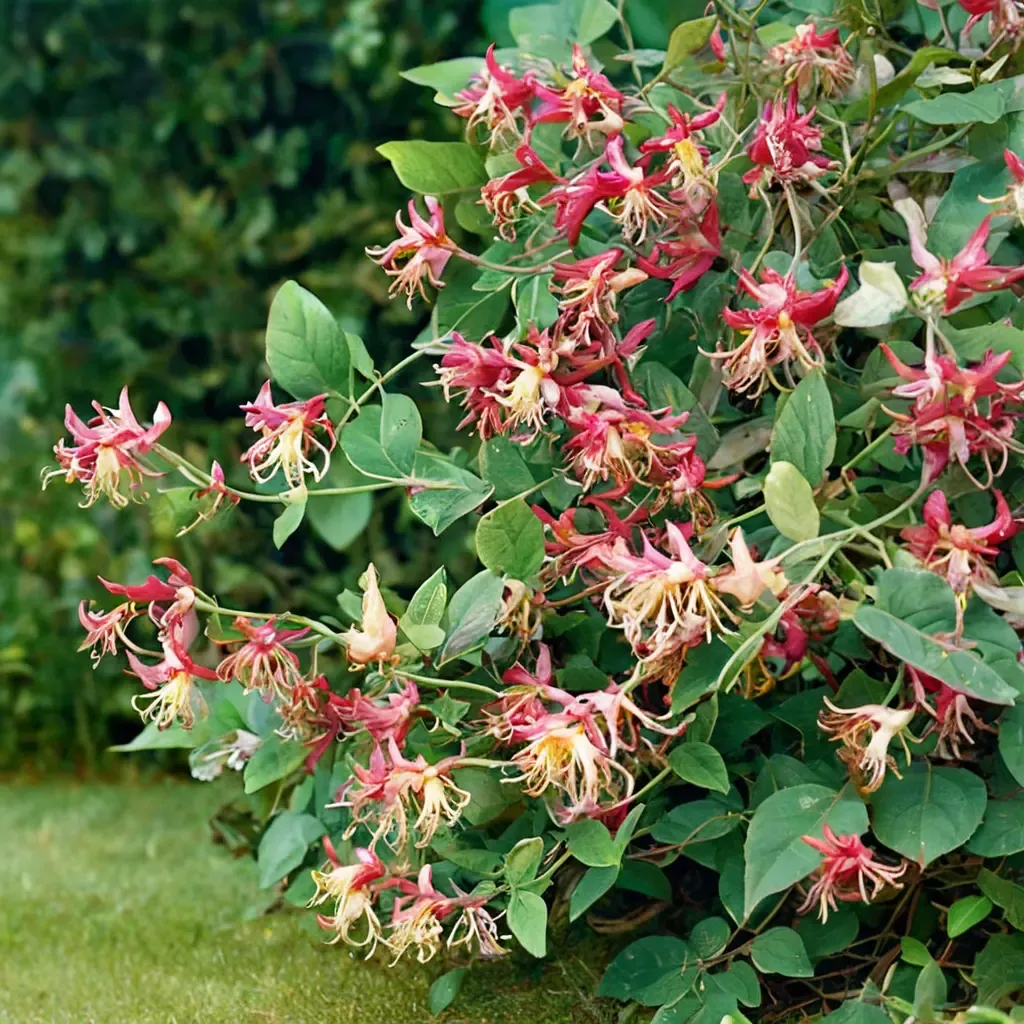
Late Dutch Honeysuckle
Lonicera serotina
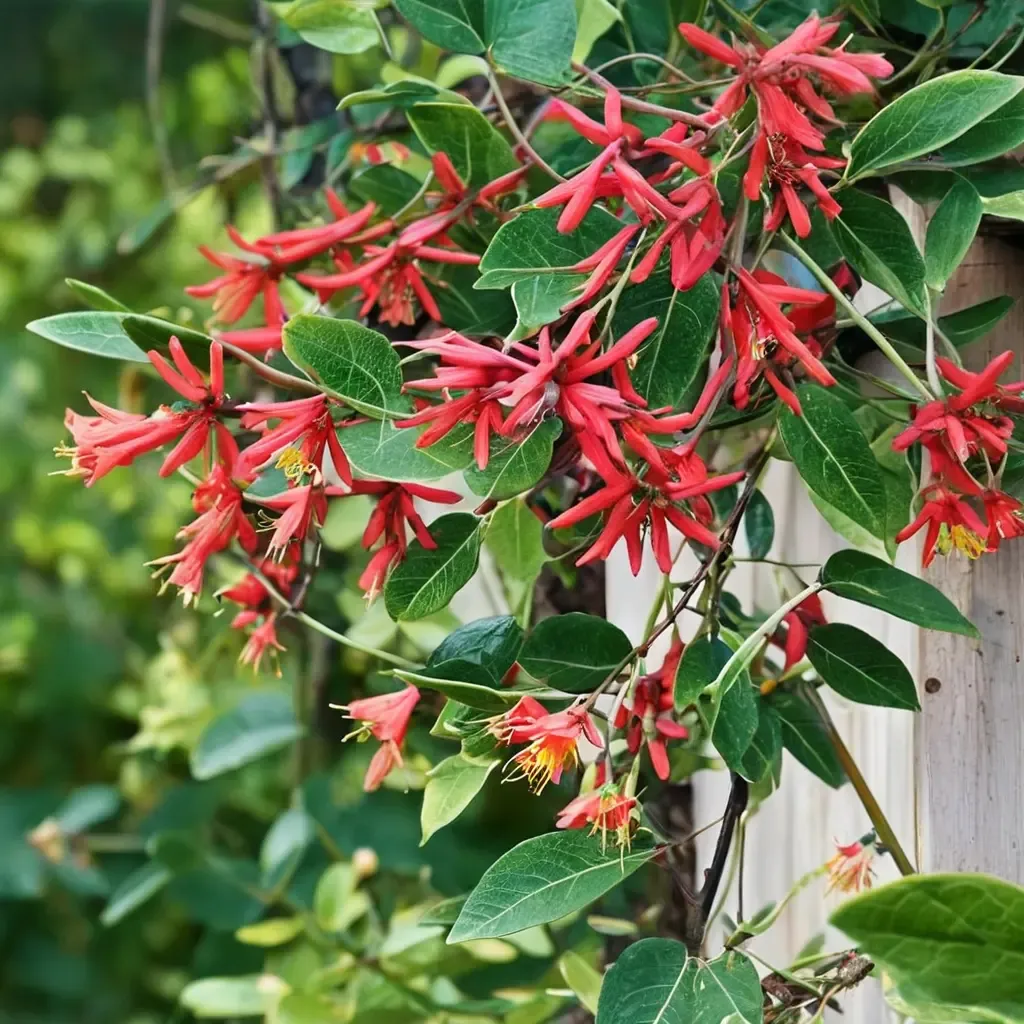
Major Wheeler honeysuckle
Lonicera sempervirens 'Major Wheeler'
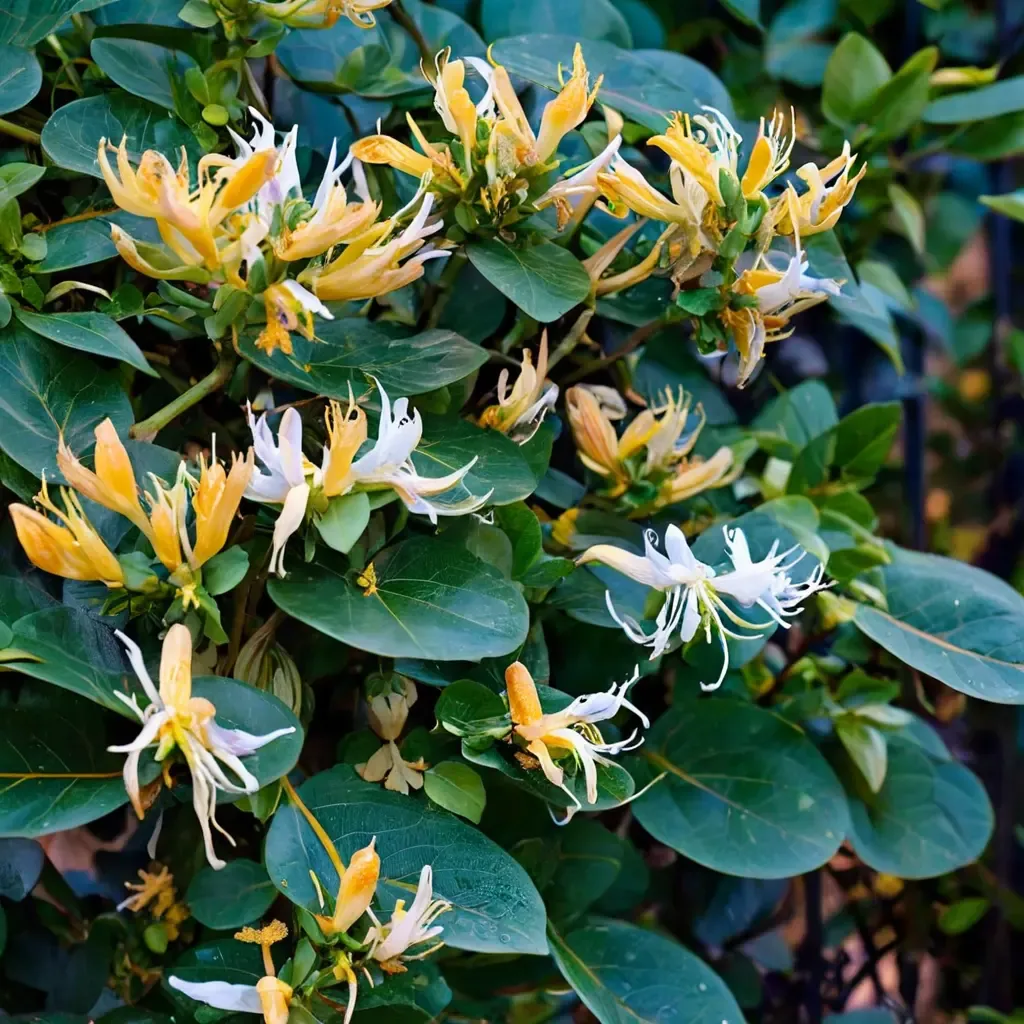
Japanese Honeysuckle
Lonicera japonica
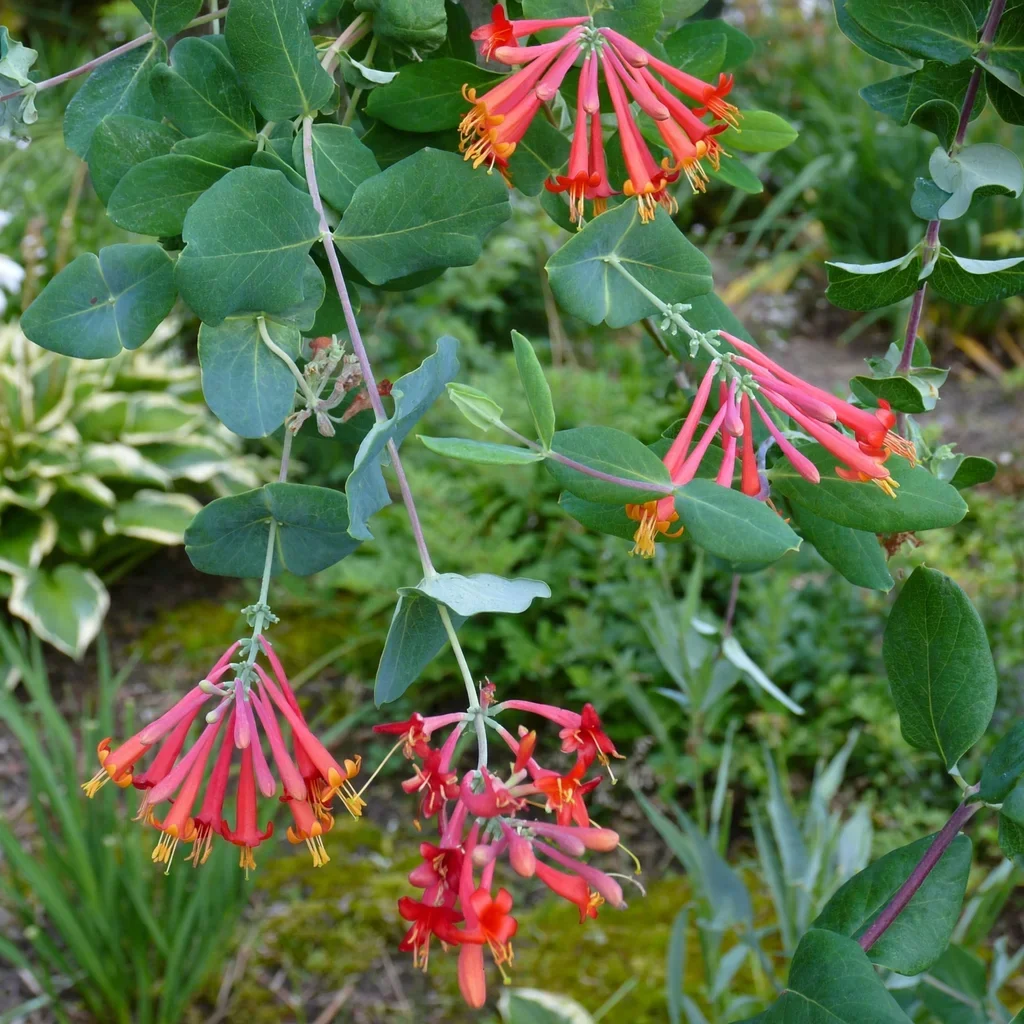
Trumpet Honeysuckle
Lonicera sempervirens
Keep exploring
Explore the genus
Hardy in your zone?
Grow Twinberry Honeysuckle with confidence
See it in a design of your actual yard, get zone-matched care reminders, and track it season by season in your garden journal.