The Story
Plant Bio
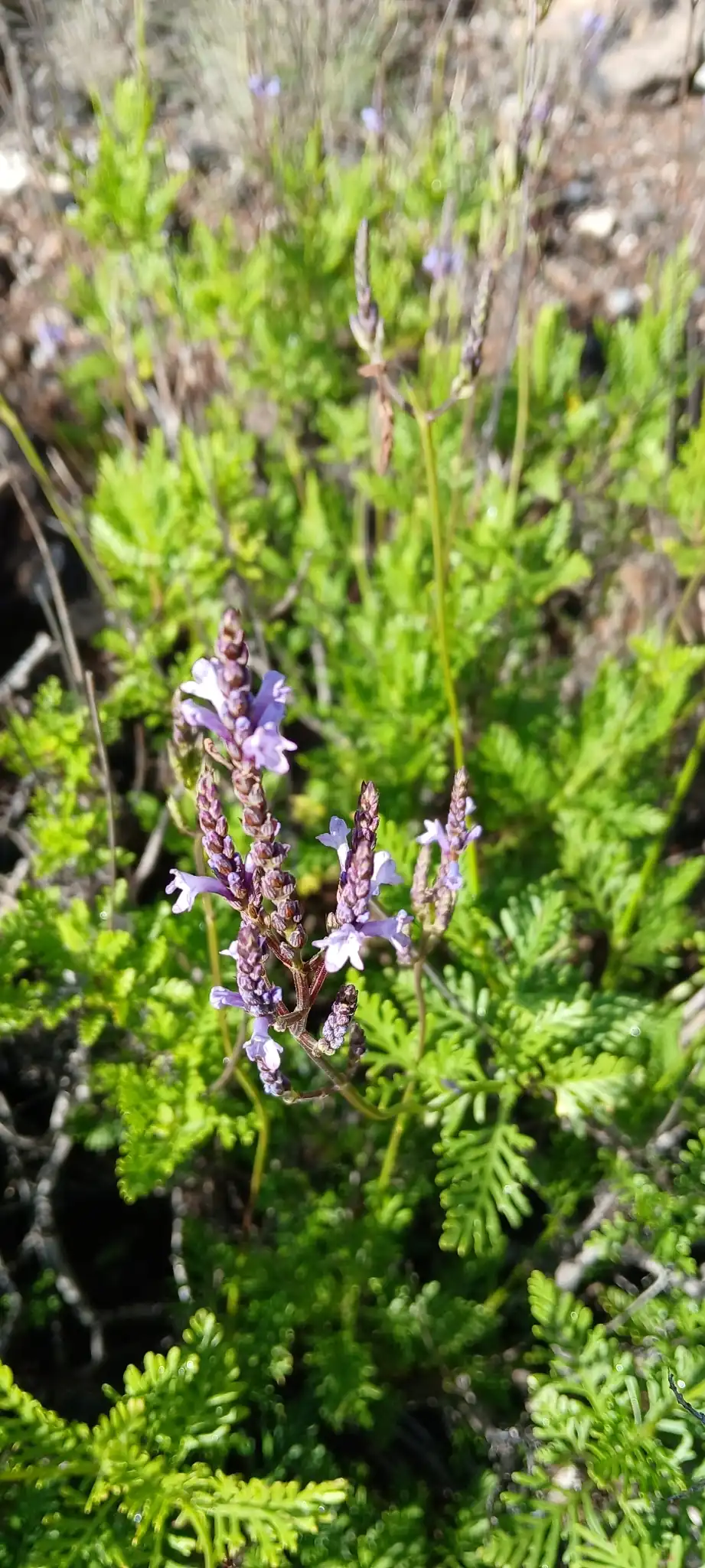
Lavandula canariensis is a half-hardy evergreen subshrub from the Canary Islands, forming a bushy mound two to three feet high and wide with woody-based stems. The foliage is finely divided and fern-like, grey-green and lightly hairy, and the small fragrant flowers are carried in narrow spikes on slender bare stalks above the leaves.
Unlike common lavender it never forms narrow entire leaves; the foliage stays deeply cut and lacy through the season and the branching flower stalks remain leafless. Buds open dark purple to blue to dark lavender-blue, and plants bloom from spring to fall where frost does not interrupt them.
Uses & Benefits:
Essentials
At a Glance
Plant Type
Shrub
Height
30"
Width
30"
Light
Full Sun
Zones
9, 10
Water
Low
Humidity
Low
Lifespan
Perennial
Native To
Canary Islands
Toxicity
Non-toxic
Bloom period
Spring – Fall
In flower about 9 months of the year
Planting
How to Grow
- Plant in full sun in a sheltered south-facing spot after frost danger passes, in very well-drained sandy or loamy soil.
- Water deeply then let dry; keep on the dry side and never leave standing water around the crown.
- Deadhead faded spikes and trim lightly by about one-third after flowering, cutting green stems only.
- Overwinter pots indoors or in a cold greenhouse where winters drop below 25F.
Pro Tip
Grow it lean, dry and sunny; rich wet soil and cutting back into old brown wood kill it faster than cold ever will.
Keep It Thriving
Care Guide
Do
- Grow in full sun with sharp drainage amended with sand or grit.
- Water deeply but infrequently and let soil dry between waterings.
- Deadhead and spring-trim to keep plants dense.
Don't
- Do not overwater or plant in clay that stays wet.
- Do not cut back into old brown leafless wood.
- Do not enrich with rich moisture-holding soil.
Seasonal Care Calendar
| Task | Jan | Feb | Mar | Apr | May | Jun | Jul | Aug | Sep | Oct | Nov | Dec |
|---|---|---|---|---|---|---|---|---|---|---|---|---|
| Deadhead | ||||||||||||
| Pest Check | ||||||||||||
| Plant | ||||||||||||
| Prune | ||||||||||||
| Winter Prep |
Watch Out For
Pests & Diseases
Common Pests
Common Diseases
In the Garden
Landscape Uses & Companions
Landscape Uses
Companion Plants
Multiply
Propagation Methods
Good to Know
Common Questions
Canary Island Lavender questions
What zones can Canary Island Lavender grow in?
Canary Island Lavender is hardy in USDA Zones 9–10: in that range it survives winter in the ground. Colder than Zone 9, grow it in a container you can move to shelter for the winter.
When does Canary Island Lavender bloom?
Canary Island Lavender typically blooms from spring to fall. Exact timing shifts a week or two with your zone — Sow's bloom calendar maps it to your garden.
Does Canary Island Lavender need full sun?
Canary Island Lavender does best in full sun (6+ hours).
Is Canary Island Lavender drought tolerant?
Yes — once established (usually after the first full season), Canary Island Lavender handles dry spells with minimal watering. Water deeply its first year to build the root system that makes that possible.
More Lavandula to compare
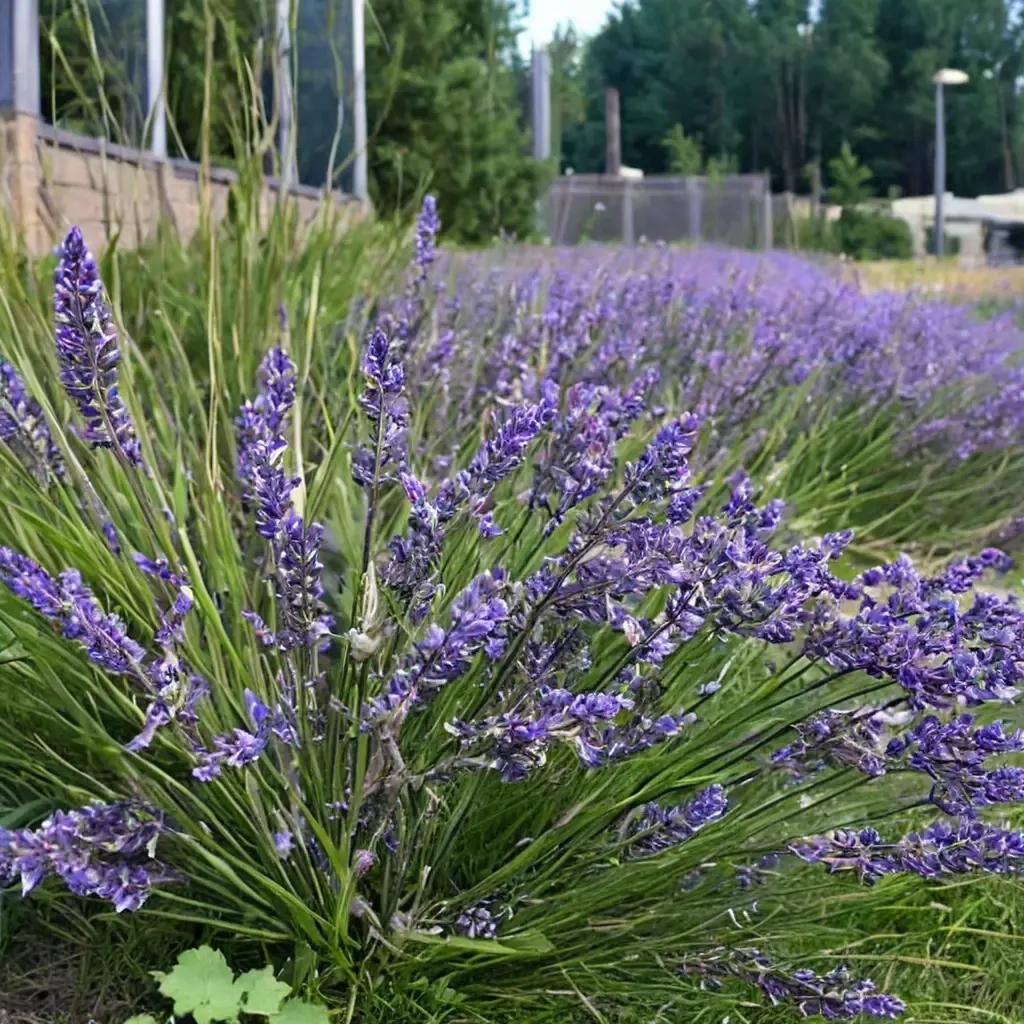
Phenomenal Lavender
Lavandula x intermedia 'Phenomenal'
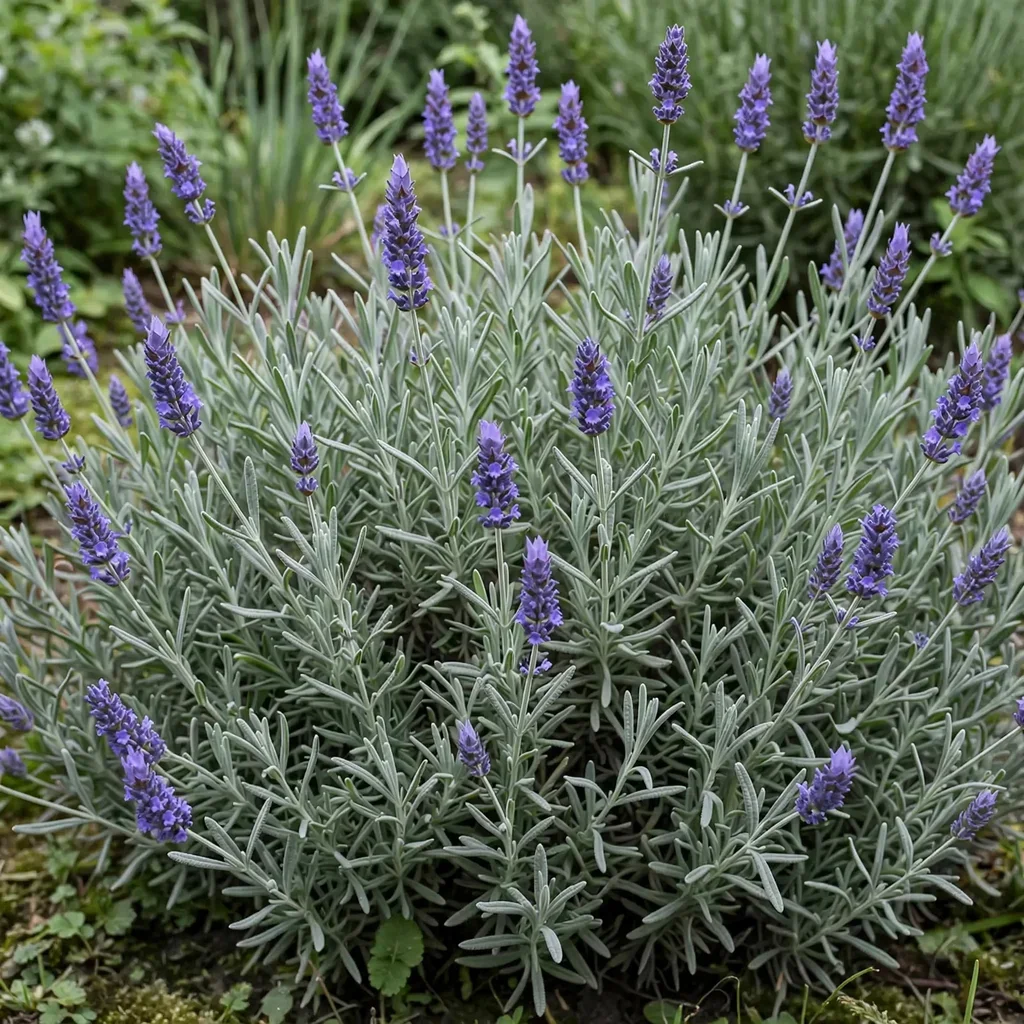
Munstead Lavender
Lavandula angustifolia 'Munstead'
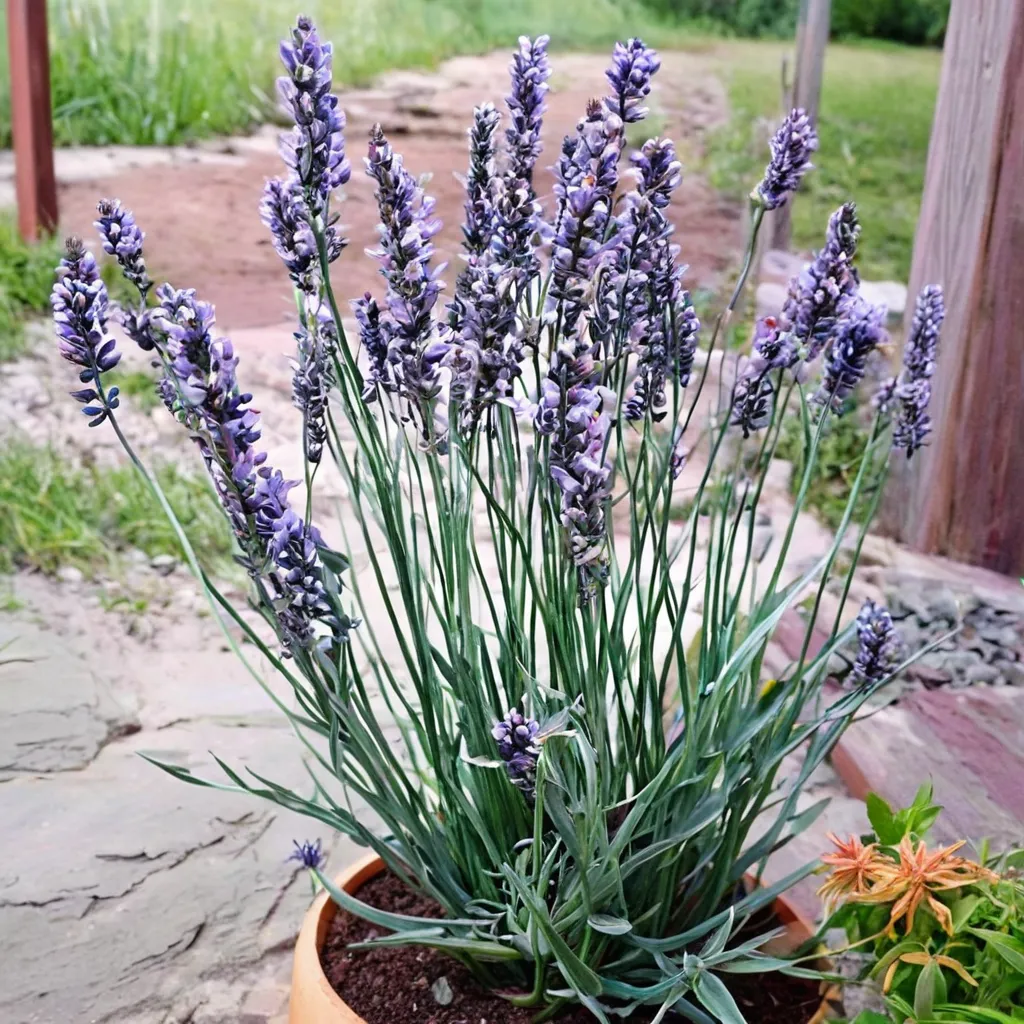
Lavender Sensational
Lavandula angustifolia 'Sensational'
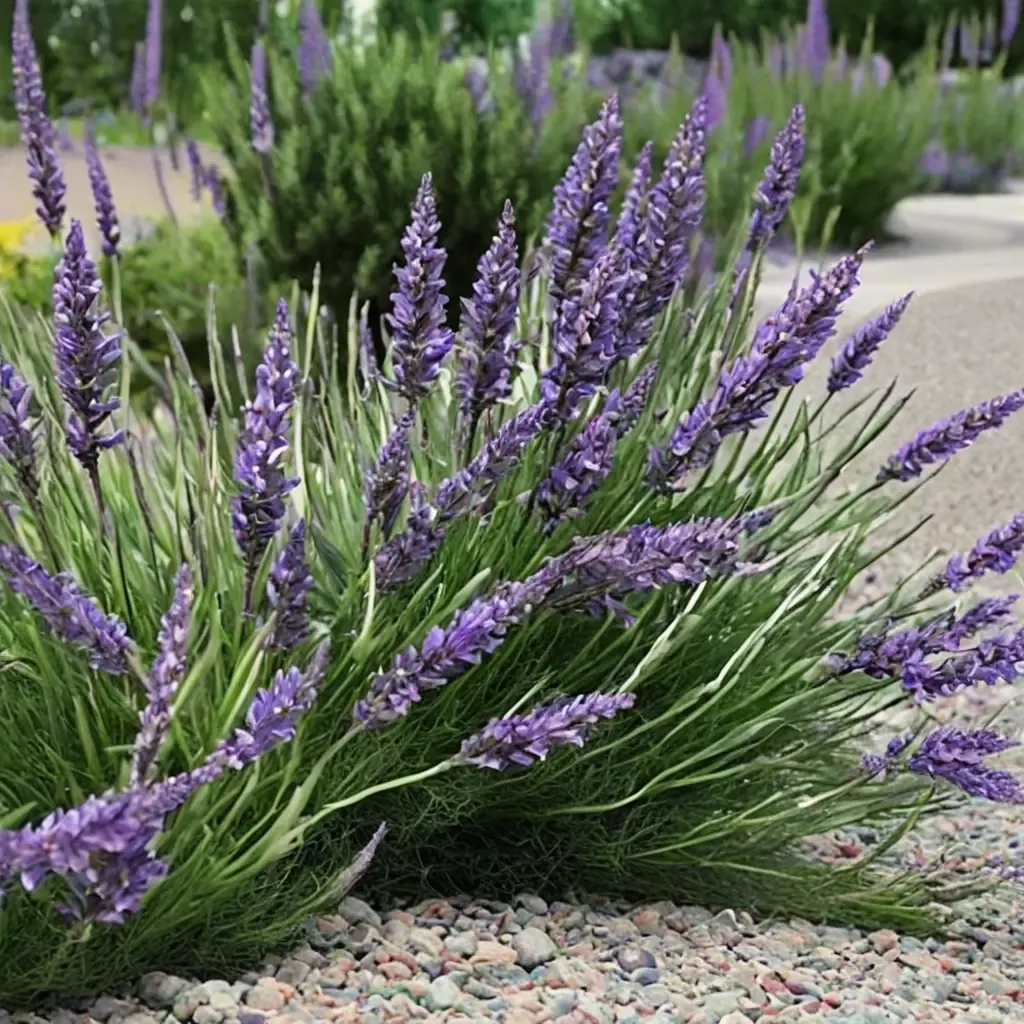
Grosso Lavender
Lavandula x hybrida 'Grosso'
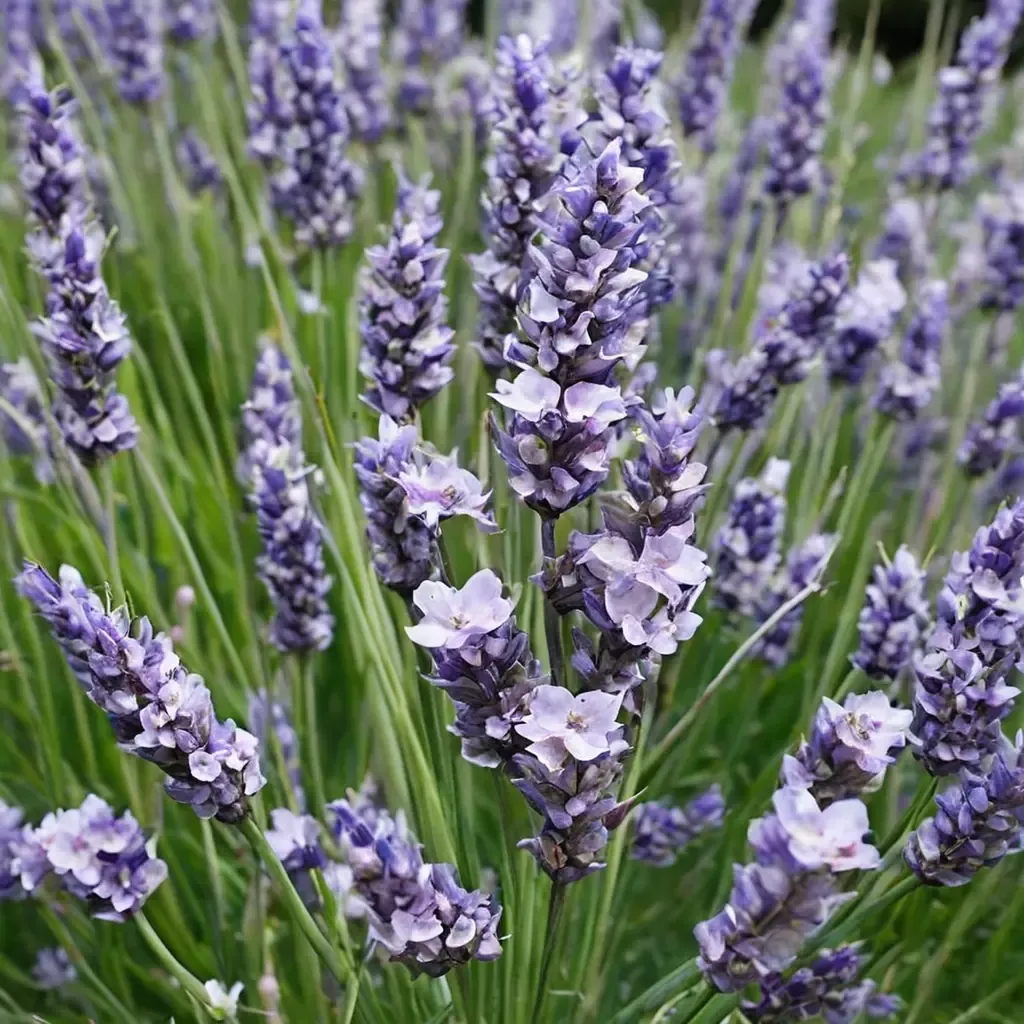
Melissa Lilac Lavender
Lavandula angustifolia 'Melissa Lilac'
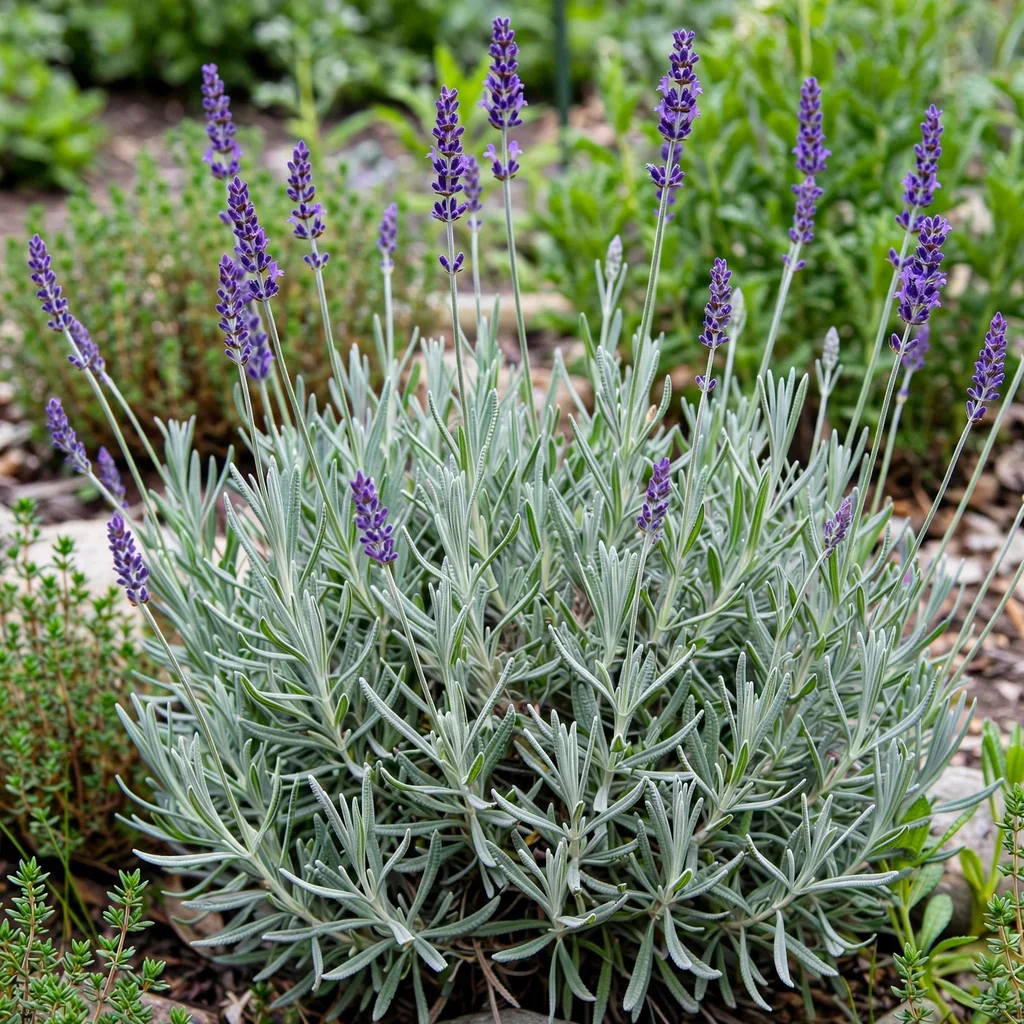
English Lavender
Lavandula angustifolia
Keep exploring
Guides
Hardy in your zone?
Grow Canary Island Lavender with confidence
See it in a design of your actual yard, get zone-matched care reminders, and track it season by season in your garden journal.