The Story
Plant Bio
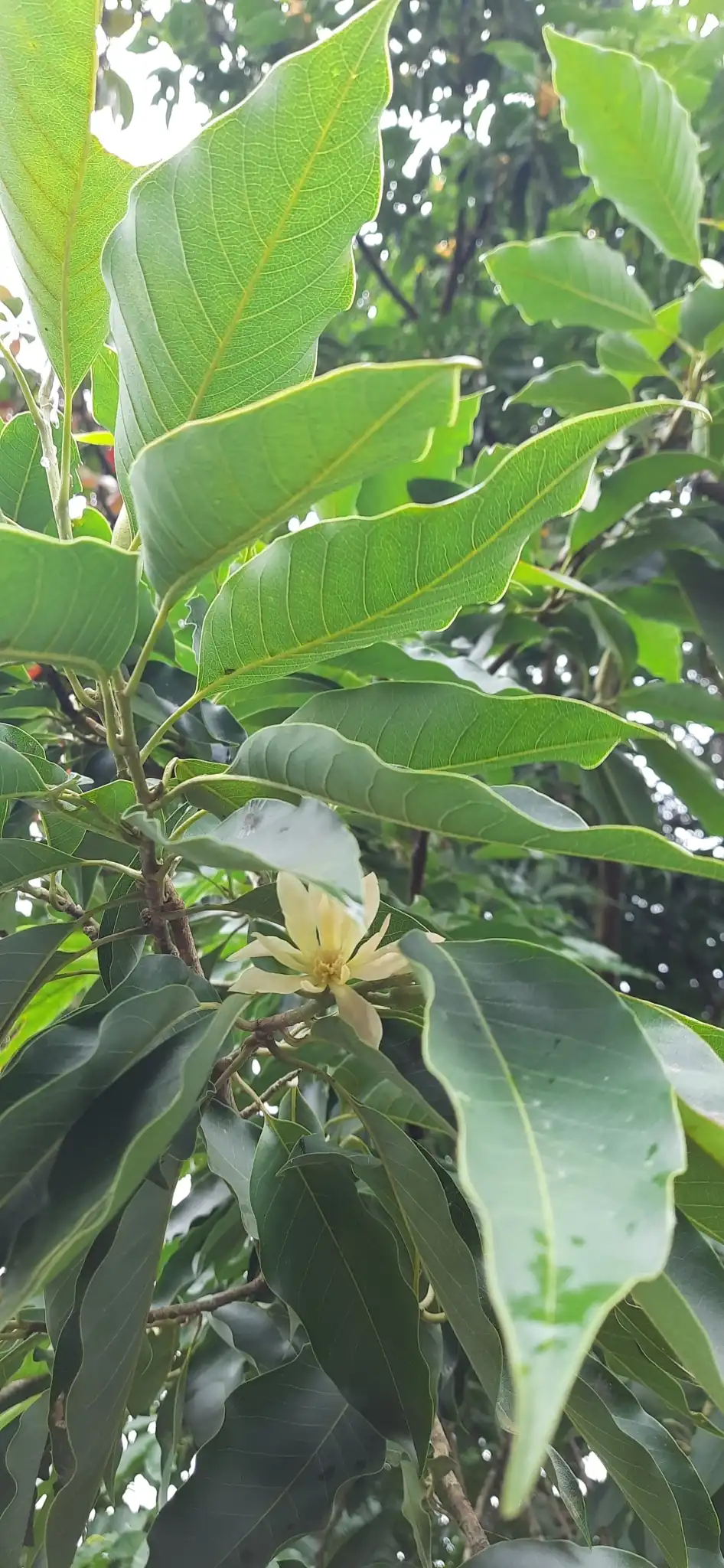
Magnolia × alba is a fast-growing evergreen tree of the Michelia group, reaching ten to twenty feet in gardens with a narrow upright crown and glabrous young branches. The alternate oblong-lanceolate leaves are glossy lime-green to dark green, six to eight inches long, with pale lime-green new growth.
This hybrid is grown for solitary axillary white flowers of ten narrow tepals, two to three inches across, with a sweet fruity jasmine scent that intensifies in the evening. Plants seldom set fruit and are propagated by grafting or air-layering, flowering when only two to three feet tall.
Uses & Benefits:
Essentials
At a Glance
Plant Type
Tree
Height
240"
Width
180"
Light
Full Sun, Partial Sun
Zones
9, 10
Water
Medium
Humidity
High
Lifespan
Long-lived tree
Native To
Java, Indonesia hybrid origin, cultivated SE Asia
Toxicity
Unknown
Bloom period
Spring – Fall
In flower about 9 months of the year
Planting
How to Grow
- Plant after last frost in full sun to partial shade in moist, well-drained loam.
- Set at nursery depth, backfill, water deeply, then mulch 2-3 inches keeping mulch off the trunk.
- Water regularly through summer to keep soil evenly moist; do not let the root zone stay saturated.
- Prune lightly to remove dead or crossing wood and shape; do not strip the canopy.
Pro Tip
Mulch to keep the shallow surface roots cool and water regularly through summer; waterlogging invites root disease.
Keep It Thriving
Care Guide
Do
- Do mulch to keep shallow surface roots cool.
- Do water regularly in hot weather.
- Do grow in a large container with bright light where winters freeze.
Don't
- Do not plant in exposed frost pockets or where winter falls below zone 9.
- Do not over-prune or cut hard into bare interior wood.
- Do not waterlog the soil or leave containers standing in water.
Seasonal Care Calendar
| Task | Jan | Feb | Mar | Apr | May | Jun | Jul | Aug | Sep | Oct | Nov | Dec |
|---|---|---|---|---|---|---|---|---|---|---|---|---|
| Mulch | ||||||||||||
| Pest Check | ||||||||||||
| Plant | ||||||||||||
| Prune | ||||||||||||
| Winter Prep |
Watch Out For
Pests & Diseases
Common Pests
Common Diseases
In the Garden
Landscape Uses & Companions
Landscape Uses
Multiply
Propagation Methods
Good to Know
Common Questions
White Champaca questions
What zones can White Champaca grow in?
White Champaca is hardy in USDA Zones 9–10: in that range it survives winter in the ground. Colder than Zone 9, winters are too cold for it to survive outdoors.
When does White Champaca bloom?
White Champaca typically blooms from spring to fall. Exact timing shifts a week or two with your zone — Sow's bloom calendar maps it to your garden.
Does White Champaca need full sun?
White Champaca does best in full sun to part shade. In hot climates, afternoon shade keeps blooms fresher longer.
More Magnolia to compare
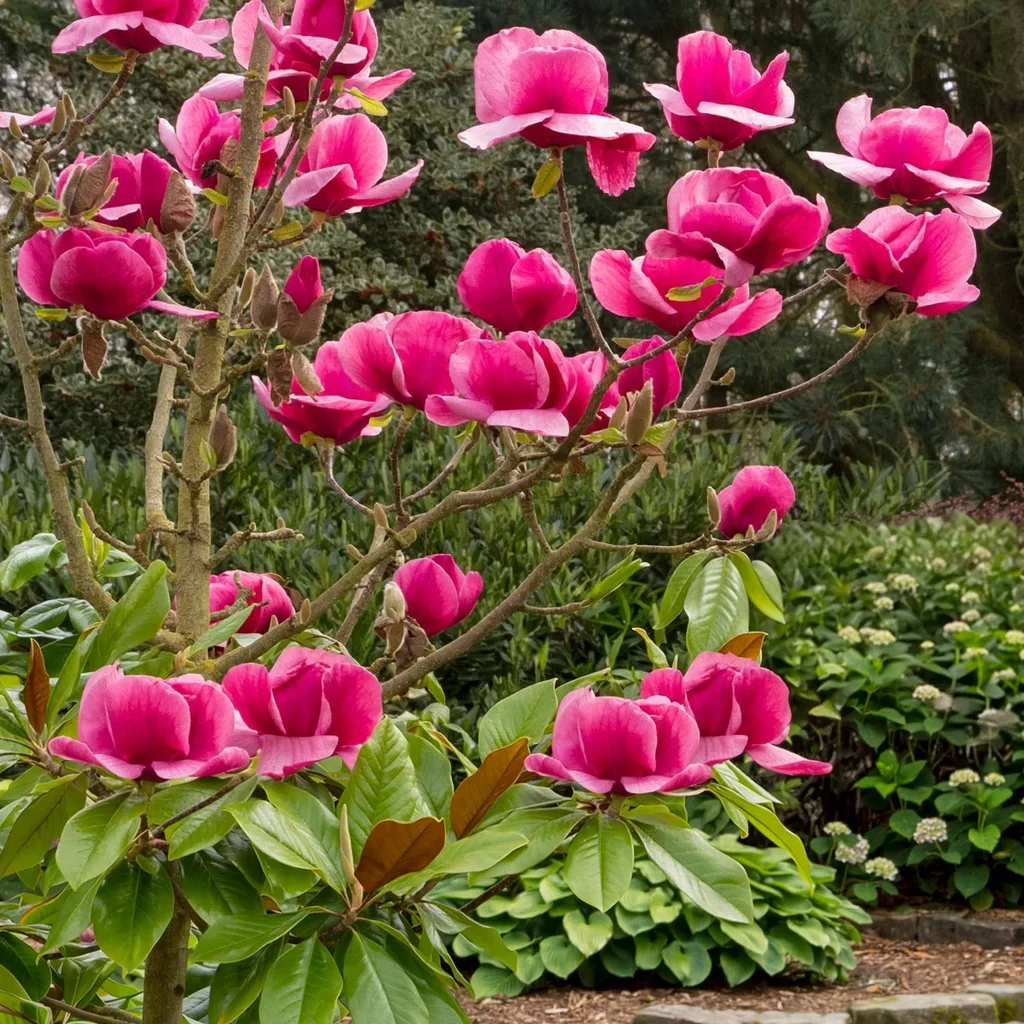
Felix Magnolia
Magnolia x hybrida 'Felix Jury'
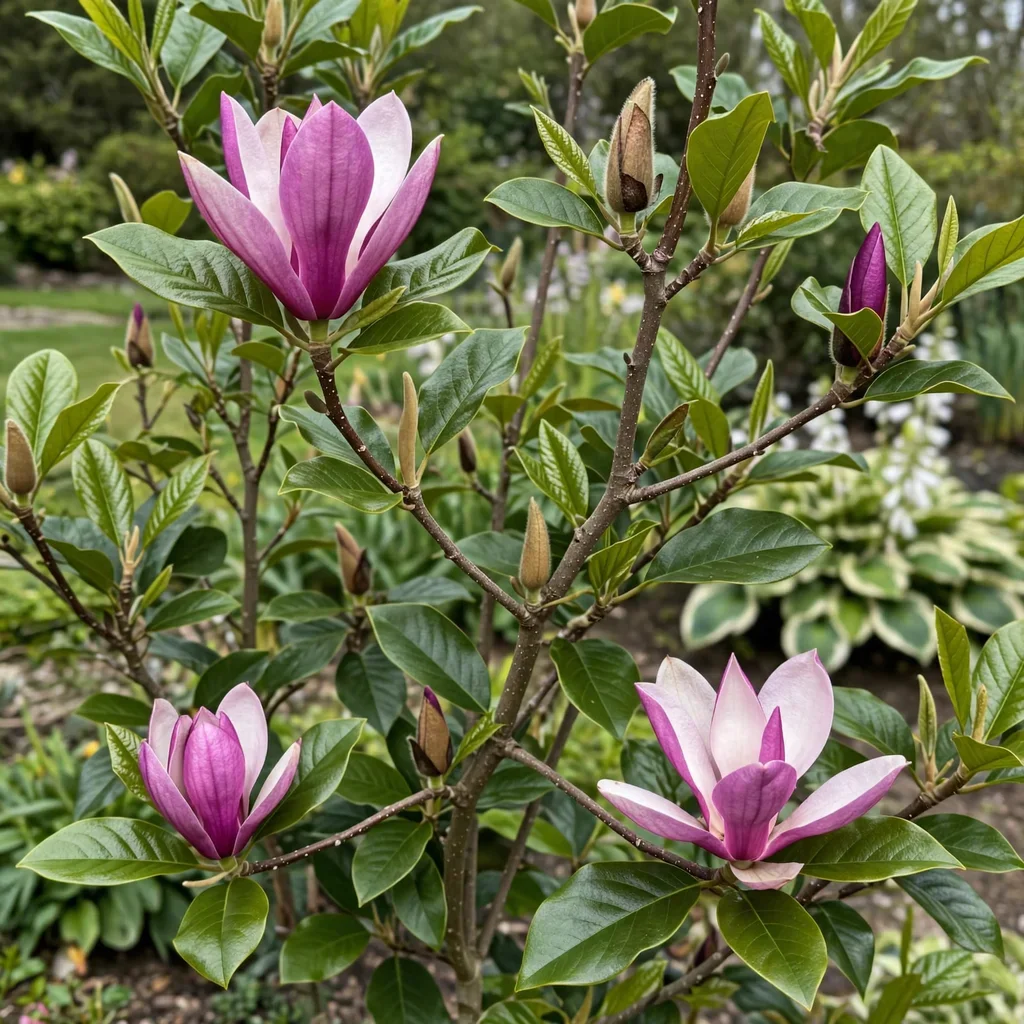
Saucer Magnolia Ann
Magnolia x soulangeana 'Ann'
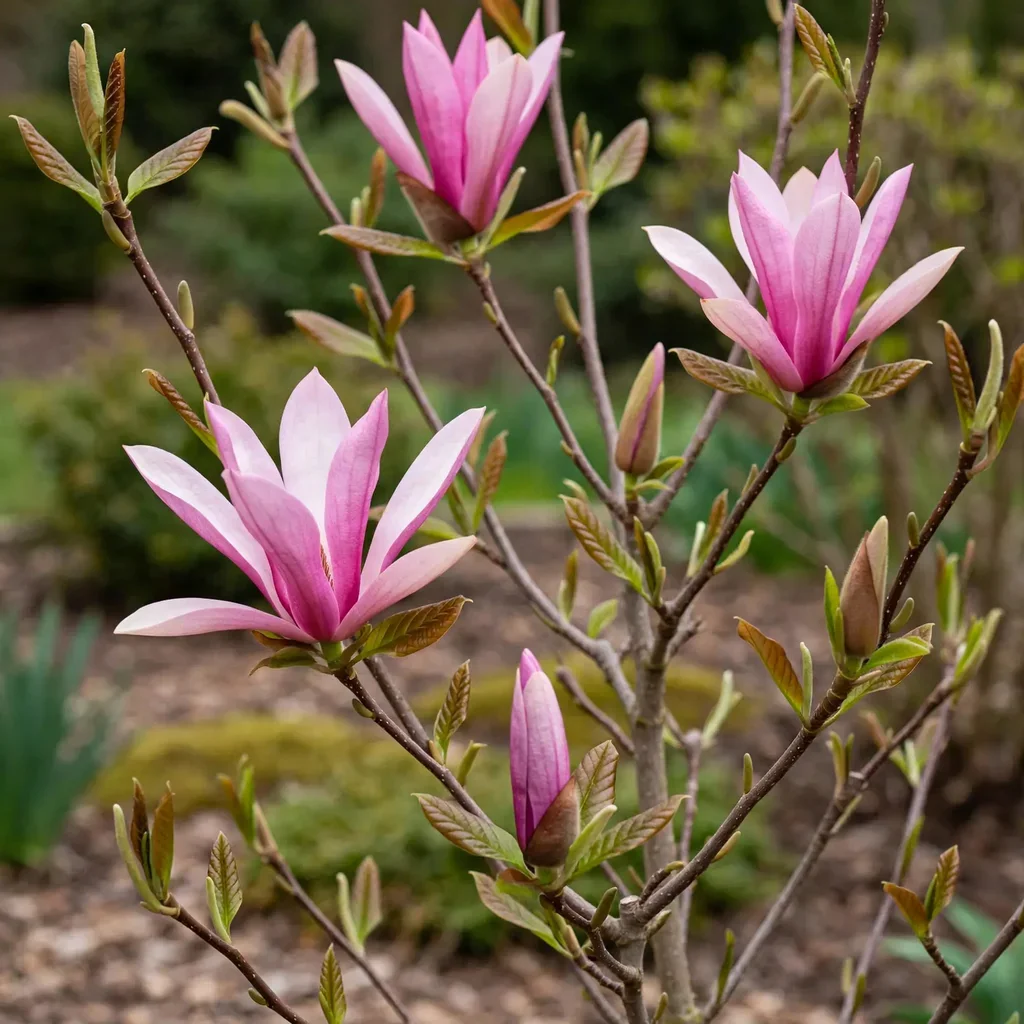
Daybreak Loebner Magnolia
Magnolia stellata 'Daybreak'
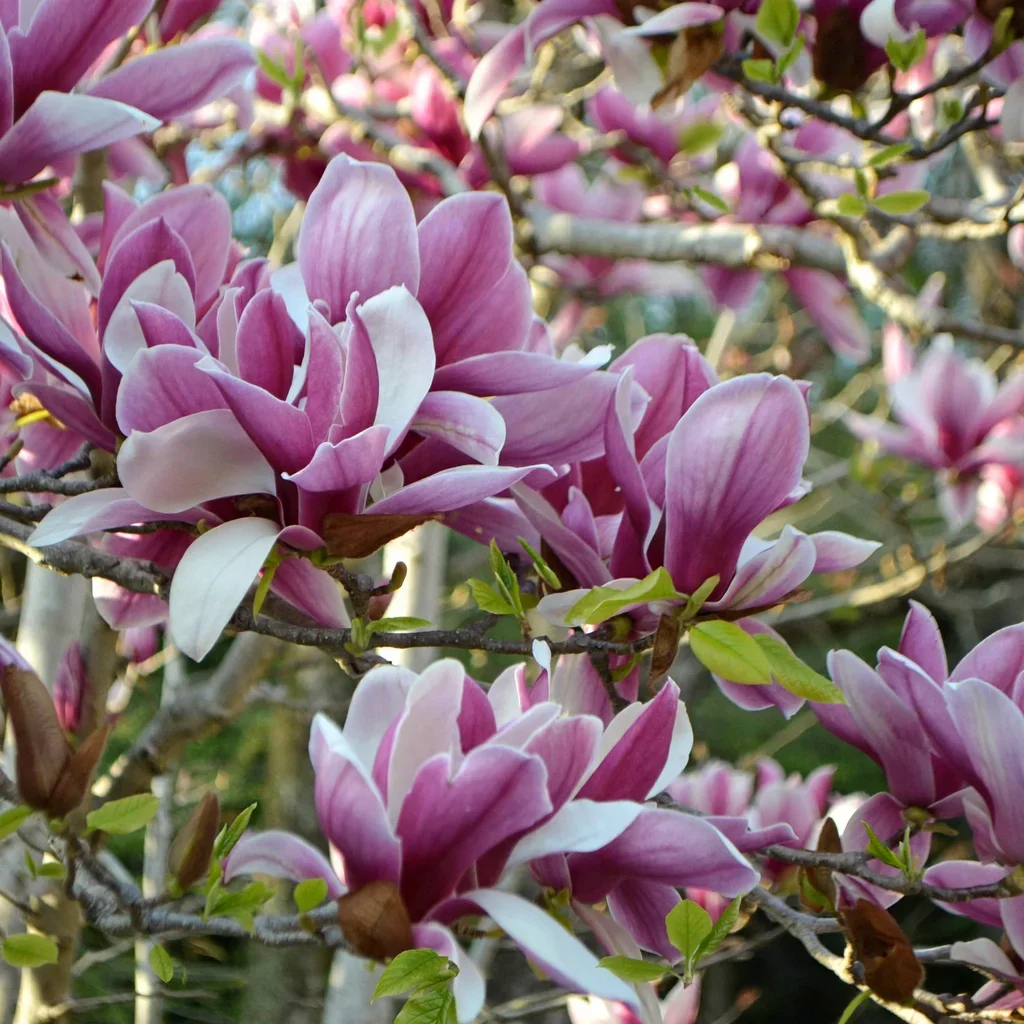
Coppertallica Saucer Magnolia
Magnolia x soulangeana 'Coppertallica'
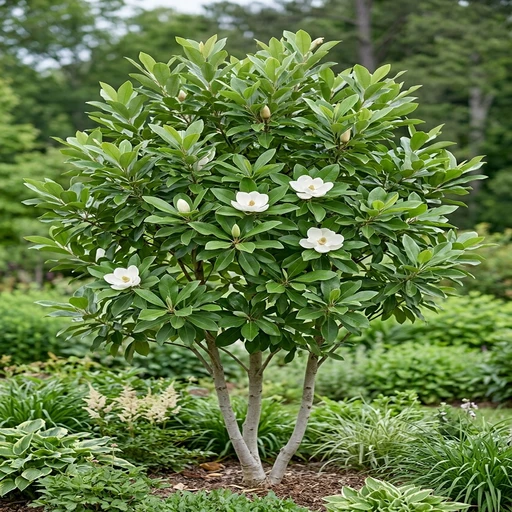
Sweetbay Magnolia
Magnolia virginiana
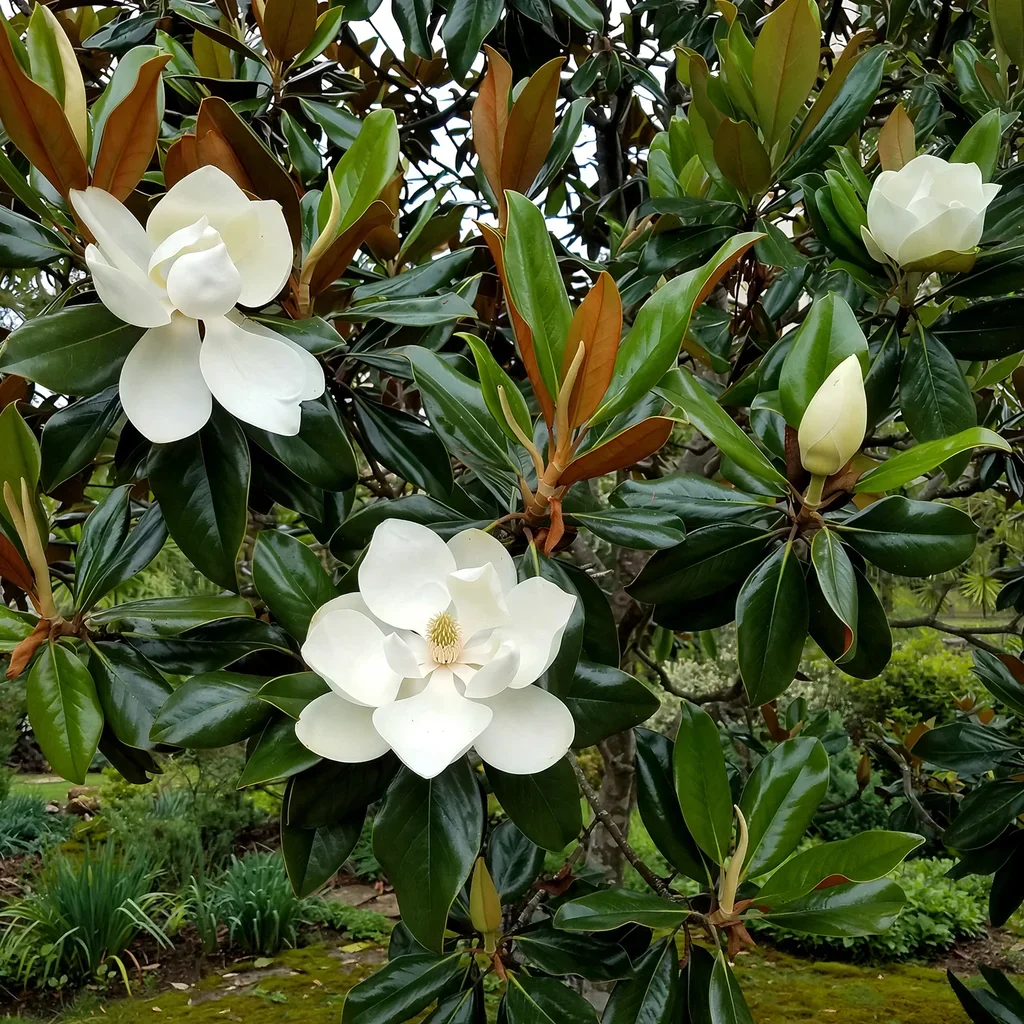
Southern Magnolia
Magnolia grandiflora
Keep exploring
Explore the genus
Hardy in your zone?
Grow White Champaca with confidence
See it in a design of your actual yard, get zone-matched care reminders, and track it season by season in your garden journal.