The Story
Plant Bio
Quercus geminata, the sand live oak, is a small evergreen oak of the southeastern coastal plain with a dense wind-firm crown and dark brown-black scaly bark. It grows in deep sand in dunes, scrub and pine uplands, reaching about 50 feet in gardens and holding thick leathery leaves year-round.
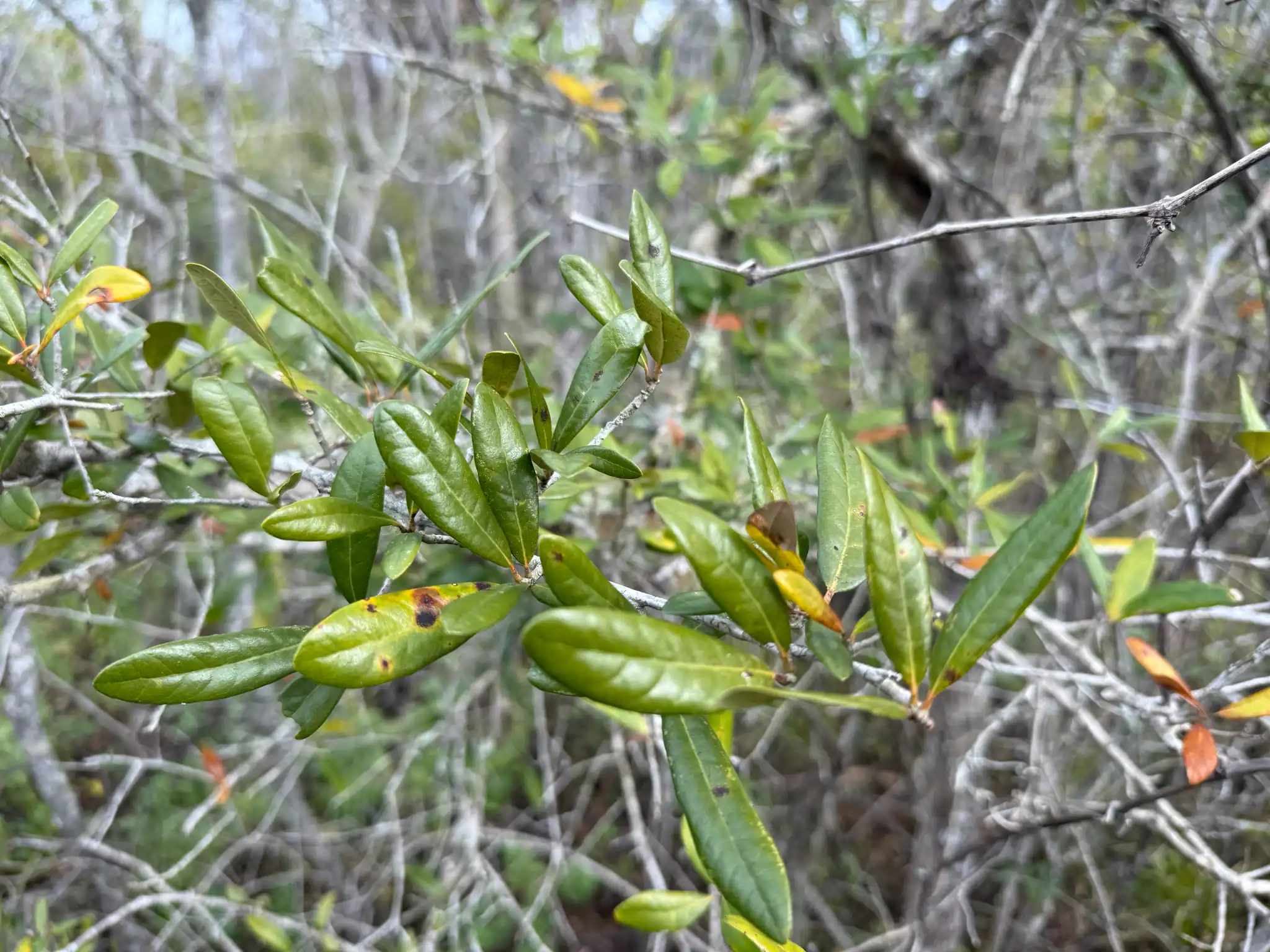
Leaves are elliptic, 1.5 to 2.5 inches long, glossy dark green above and whitish gray beneath with dense fused hairs, with entire margins rolled under and veins deeply impressed. Young twigs stay pubescent and spring flowers open two to three weeks later than Quercus virginiana, on a smaller tree that is sometimes shrubby and rhizomatous.
Uses & Benefits:
Essentials
At a Glance
Plant Type
Tree
Height
600"
Width
600"
Light
Full Sun, Partial Sun
Water
Low
Humidity
Unknown
Lifespan
Long-lived tree
Native To
Southeastern USA coastal plain
Toxicity
Highly allergenic pollen; tannin stains concrete
Bloom period
Spring
In flower about 3 months of the year
Planting
How to Grow
- Plant in fall into deep, well-drained sand in partial shade to full sun.
- Set the root flare level with the soil and water to settle the backfill.
- Mulch with 2 to 3 inches of pine straw or bark, kept back from the trunk.
- Water during the first dry season, then reduce irrigation once roots anchor.
Pro Tip
Inspect the mature parent form before buying and choose a single-trunked treelike plant for shade, as seedling stock varies from rhizomatous shrubs to upright trees.
Keep It Thriving
Care Guide
Do
- Give deep sand with sharp drainage and full sun to partial shade.
- Train a single leader when young if a shade-tree form is wanted.
- Leave fallen acorns for wildlife or rake them from paths.
Don't
- Do not plant over concrete patios where tannin from leaves and acorns stains.
- Do not expect cuttings to work for increase; raise plants from fresh acorns.
- Do not hold plants in wet or heavily irrigated soil.
Seasonal Care Calendar
| Task | Jan | Feb | Mar | Apr | May | Jun | Jul | Aug | Sep | Oct | Nov | Dec |
|---|---|---|---|---|---|---|---|---|---|---|---|---|
| Mulch | ||||||||||||
| Pest Check | ||||||||||||
| Plant | ||||||||||||
| Propagate | ||||||||||||
| Prune |
Watch Out For
Pests & Diseases
Common Pests
Common Diseases
In the Garden
Landscape Uses & Companions
Landscape Uses
Companion Plants
Multiply
Propagation Methods
Good to Know
Common Questions
Sand Live Oak questions
When does Sand Live Oak bloom?
Sand Live Oak typically blooms in spring. Exact timing shifts a week or two with your zone — Sow's bloom calendar maps it to your garden.
Does Sand Live Oak need full sun?
Sand Live Oak does best in full sun to part shade. In hot climates, afternoon shade keeps blooms fresher longer.
Is Sand Live Oak drought tolerant?
Yes — once established (usually after the first full season), Sand Live Oak handles dry spells with minimal watering. Water deeply its first year to build the root system that makes that possible.
More Quercus to compare
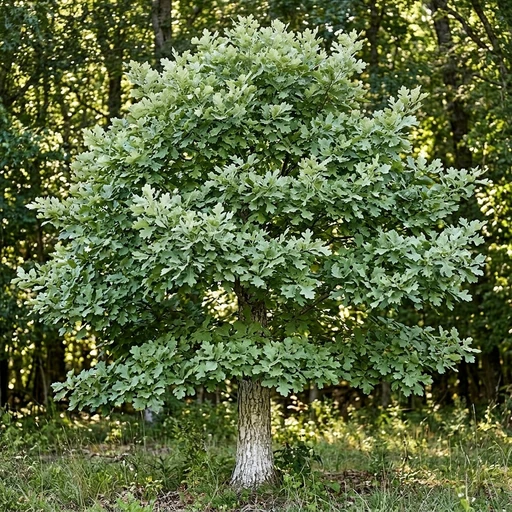
White Oak
Quercus alba
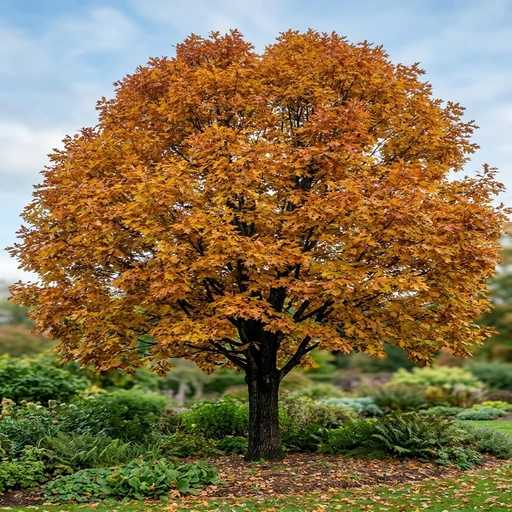
Black Oak
Quercus velutina
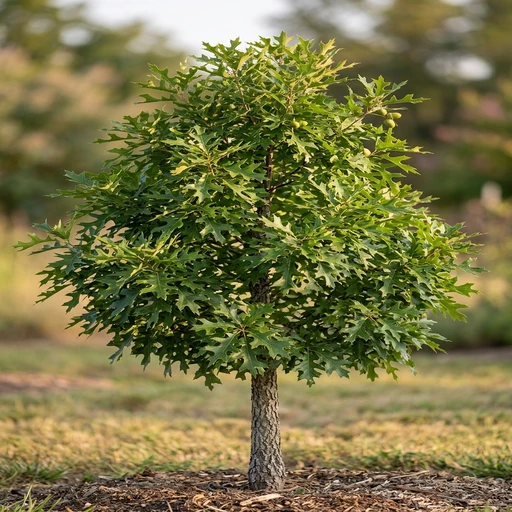
Nuttall Oak
Quercus texana
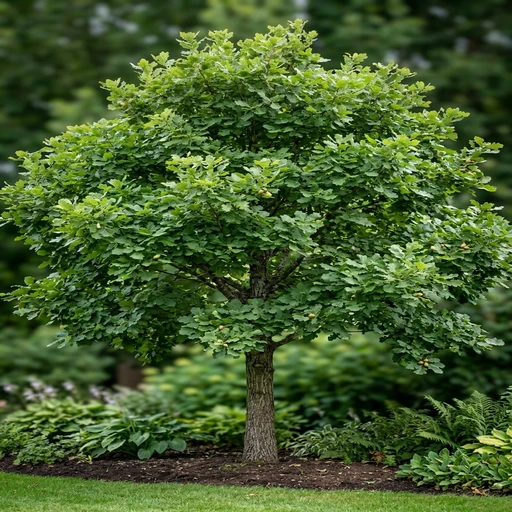
English Oak
Quercus robur
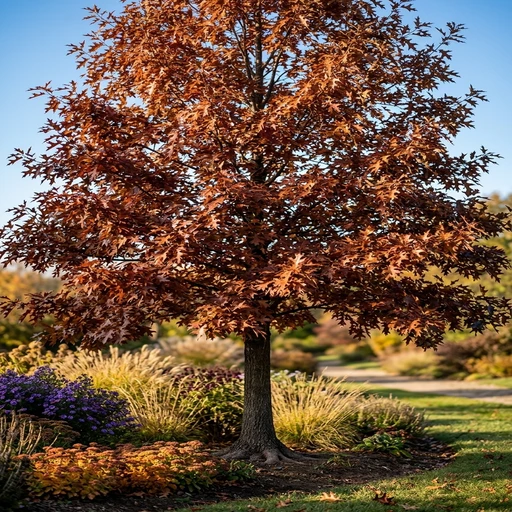
Pin Oak
Quercus palustris
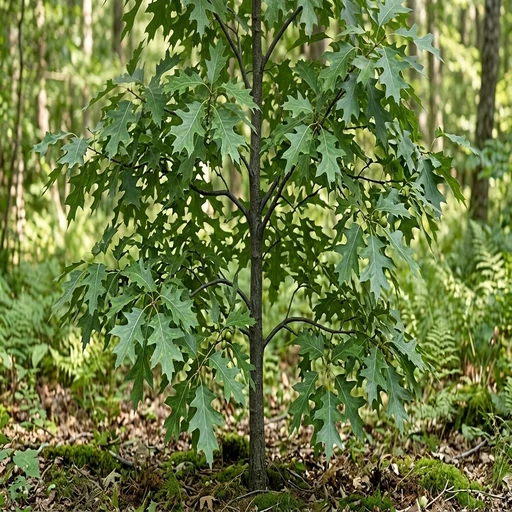
Scarlet Oak
Quercus coccinea
Keep exploring
Explore the genus
Grow Sand Live Oak with confidence
See it in a design of your actual yard, get zone-matched care reminders, and track it season by season in your garden journal.