The Story
Plant Bio
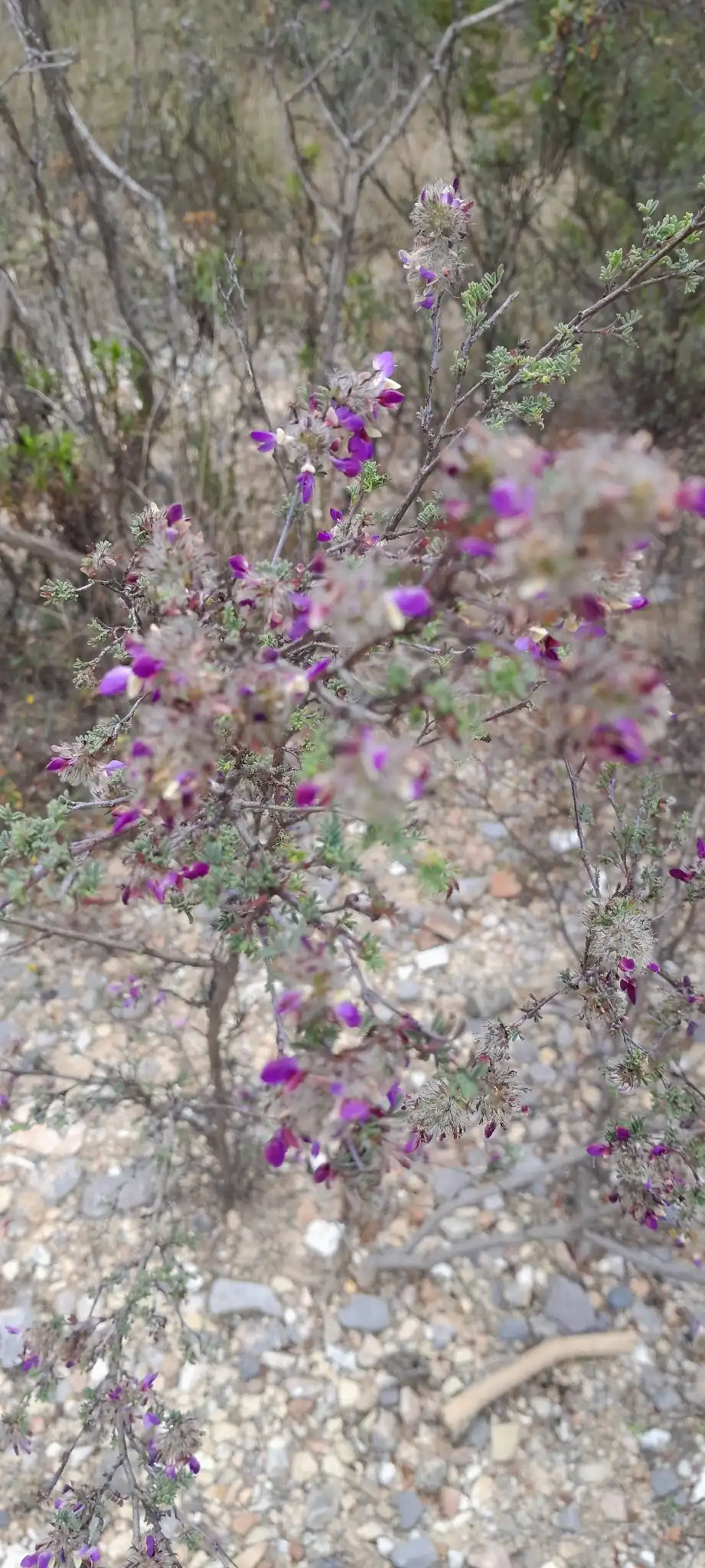
Dalea greggii is a prostrate subshrub from the Chihuahuan Desert that roots where its trailing stems touch soil to form a low silvery mat. The leaves are finely compound and densely hairy blue-green, and the short dense racemes of tiny violet pea flowers sit at the stem tips from spring onward.
It stays under a foot tall while spreading six to eight feet wide, functioning as a true groundcover rather than an upright prairie-clover. Stems root readily to knit the mat together, and established plants hold their gray-blue color through reflected heat and very low water once drainage is sharp.
Uses & Benefits:
Essentials
At a Glance
Plant Type
Groundcover
Height
12"
Width
84"
Light
Full Sun, Partial Sun
Zones
8, 9, 10
Water
Low
Humidity
Low, needs dry air
Lifespan
Long-lived perennial subshrub
Native To
Southeastern Texas, New Mexico, Arizona and Mexico
Toxicity
Non-toxic to humans and pets
Bloom period
Spring – Fall
In flower about 9 months of the year
Planting
How to Grow
- Plant in full sun on a slope, mound, or raised bed in very sharply drained, lean soil.
- Water deeply after planting, then taper to twice a month or less in dry summer and monthly in winter.
- Let trailing stems contact bare soil so they root and knit into a continuous mat.
- Prune back to main stems in late winter before new growth to keep the mat dense.
- Keep mulch and leaf litter pulled back from the crown to prevent rot.
Pro Tip
Give it lean, sharply drained soil and water deeply but infrequently; soggy winter soil kills the crown faster than drought.
Keep It Thriving
Care Guide
Do
- Plant high for drainage on gravel, sand, or limestone soils
- Water deeply then let soil dry completely between waterings
- Prune yearly to main stems to renew dense silver growth
Don't
- Do not overwater or plant in heavy soil that stays wet in winter
- Do not fertilize heavily; lean soil with low organic matter is best
- Do not shear soft autumn growth that will be freeze-prone
Seasonal Care Calendar
| Task | Jan | Feb | Mar | Apr | May | Jun | Jul | Aug | Sep | Oct | Nov | Dec |
|---|---|---|---|---|---|---|---|---|---|---|---|---|
| Pest Check | ||||||||||||
| Plant | ||||||||||||
| Propagate | ||||||||||||
| Prune | ||||||||||||
| Winter Prep |
Watch Out For
Pests & Diseases
Common Pests
Common Diseases
In the Garden
Landscape Uses & Companions
Landscape Uses
Companion Plants
Multiply
Propagation Methods
Good to Know
Common Questions
Trailing Indigo Bush questions
What zones can Trailing Indigo Bush grow in?
Trailing Indigo Bush is hardy in USDA Zones 8–10: in that range it survives winter in the ground. Colder than Zone 8, grow it in a container you can move to shelter for the winter, or as an annual.
Is Trailing Indigo Bush deer resistant?
Not reliably. Deer may browse Trailing Indigo Bush, especially tender spring growth — plan on repellents or fencing where pressure is high.
When does Trailing Indigo Bush bloom?
Trailing Indigo Bush typically blooms from spring to fall. Exact timing shifts a week or two with your zone — Sow's bloom calendar maps it to your garden.
Does Trailing Indigo Bush need full sun?
Trailing Indigo Bush does best in full sun to part shade. In hot climates, afternoon shade keeps blooms fresher longer.
Is Trailing Indigo Bush drought tolerant?
Yes — once established (usually after the first full season), Trailing Indigo Bush handles dry spells with minimal watering. Water deeply its first year to build the root system that makes that possible.
More Dalea to compare
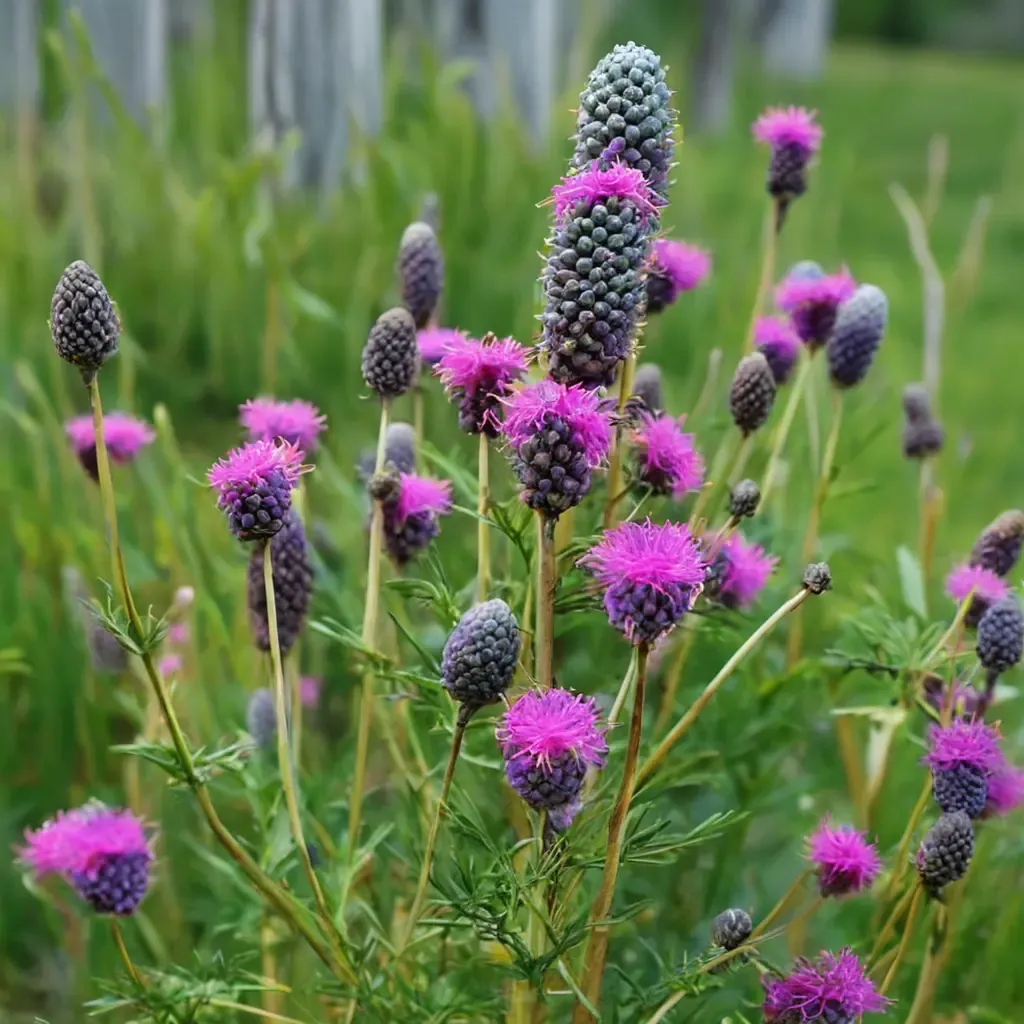
Purple Prairie Clover
Dalea purpurea
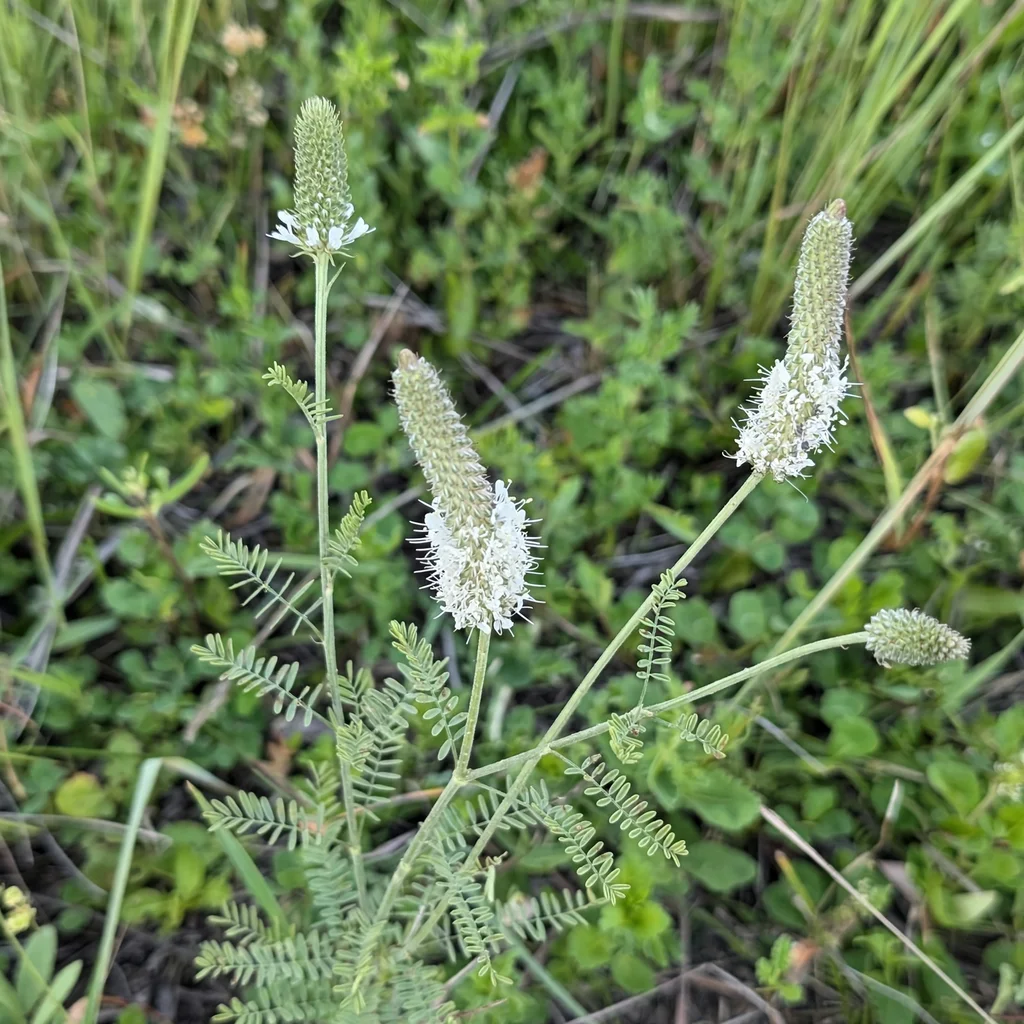
White Prairie Clover
Dalea candida
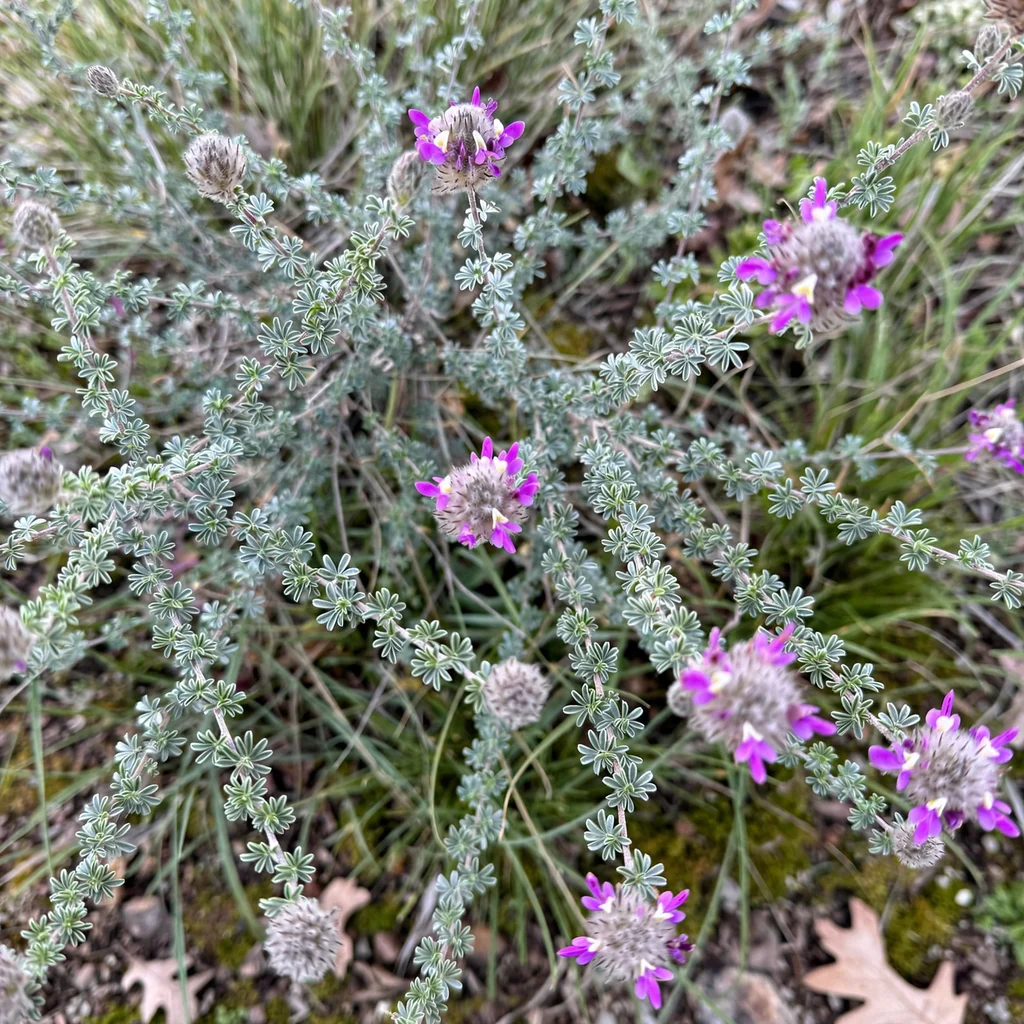
Santa Catalina Prairie Clover
Dalea pulchra
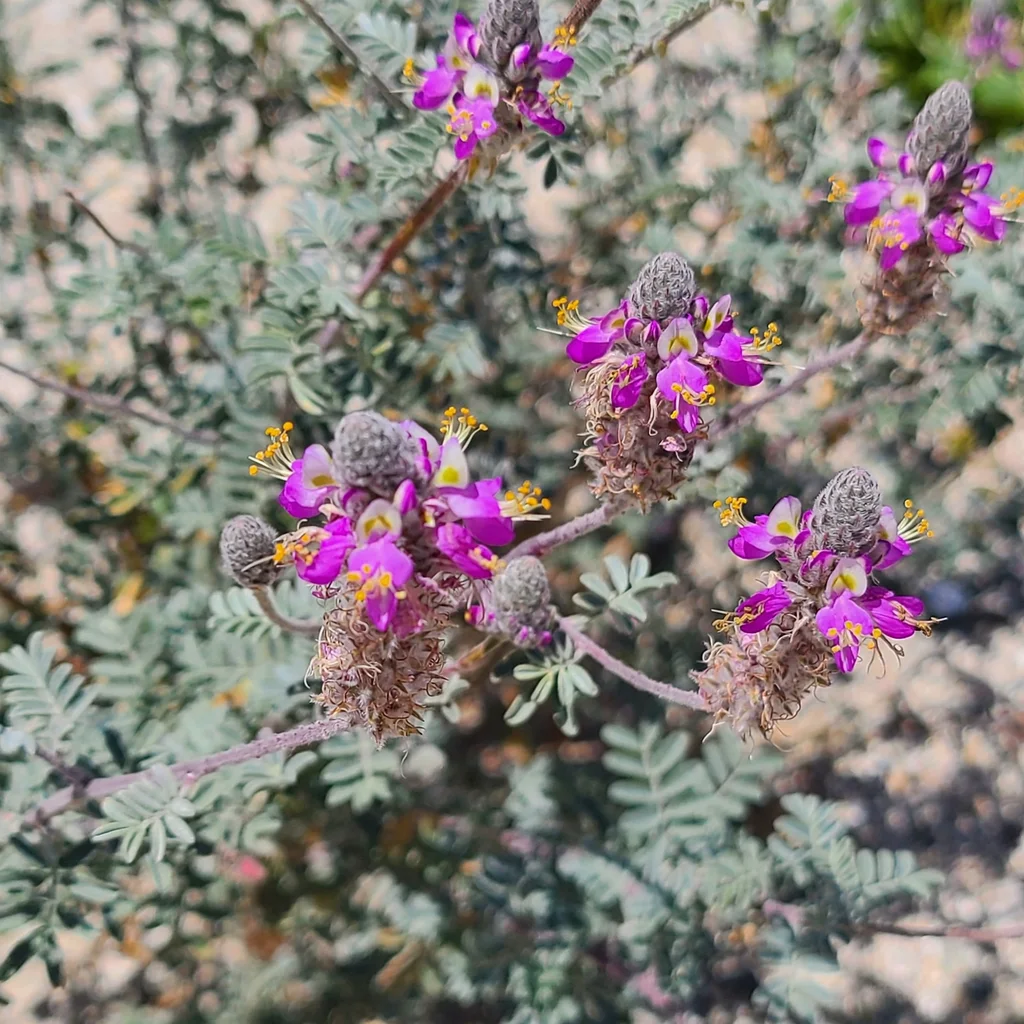
Silver Bush Dalea
Dalea bicolor
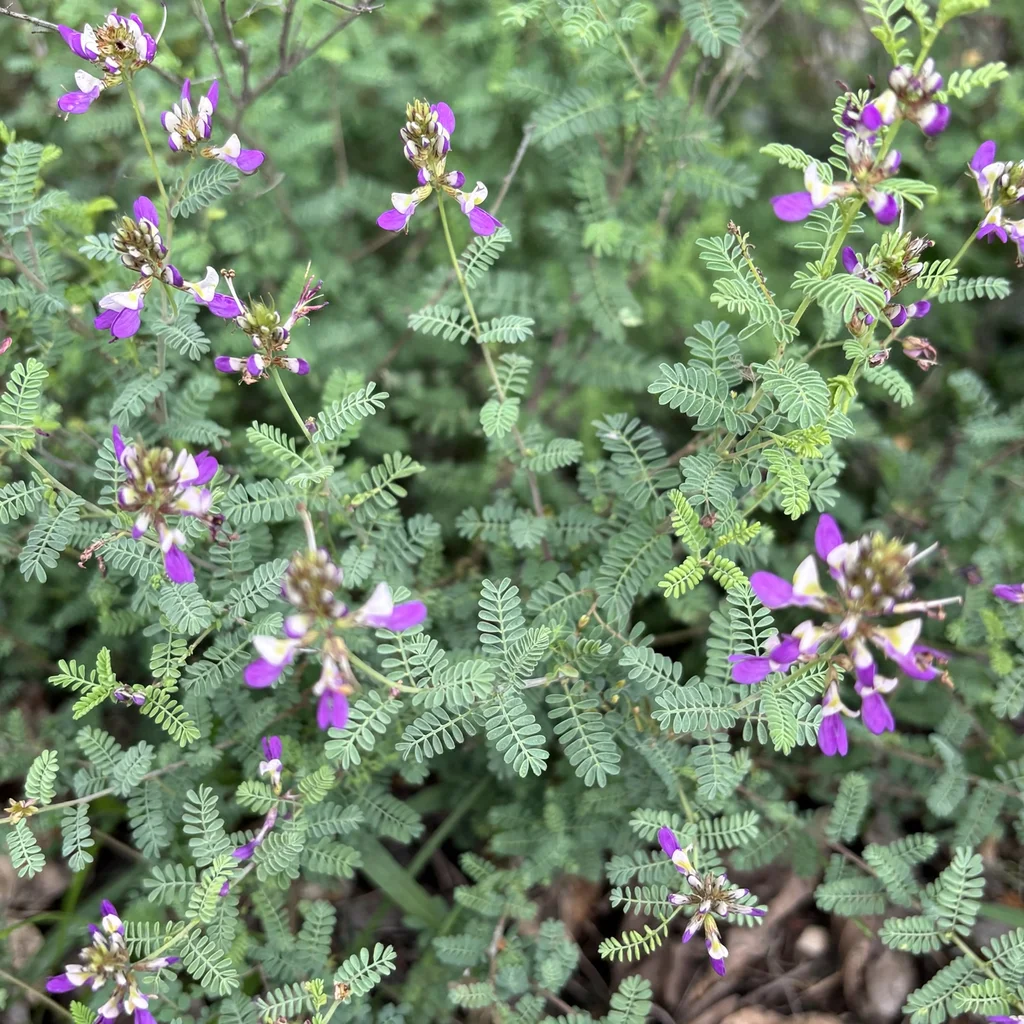
Black Dalea
Dalea frutescens
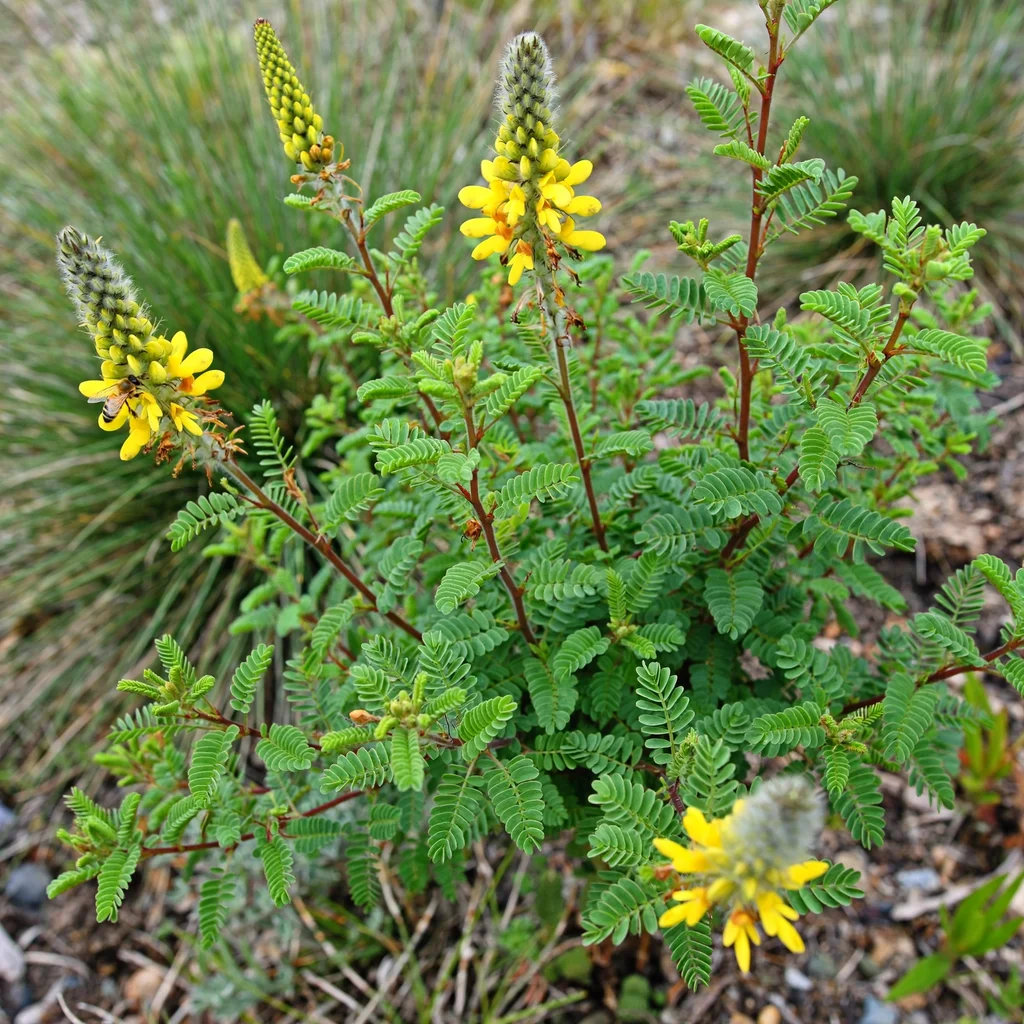
Golden Dalea
Dalea lutea
Keep exploring
Explore the genus
Hardy in your zone?
Grow Trailing Indigo Bush with confidence
See it in a design of your actual yard, get zone-matched care reminders, and track it season by season in your garden journal.