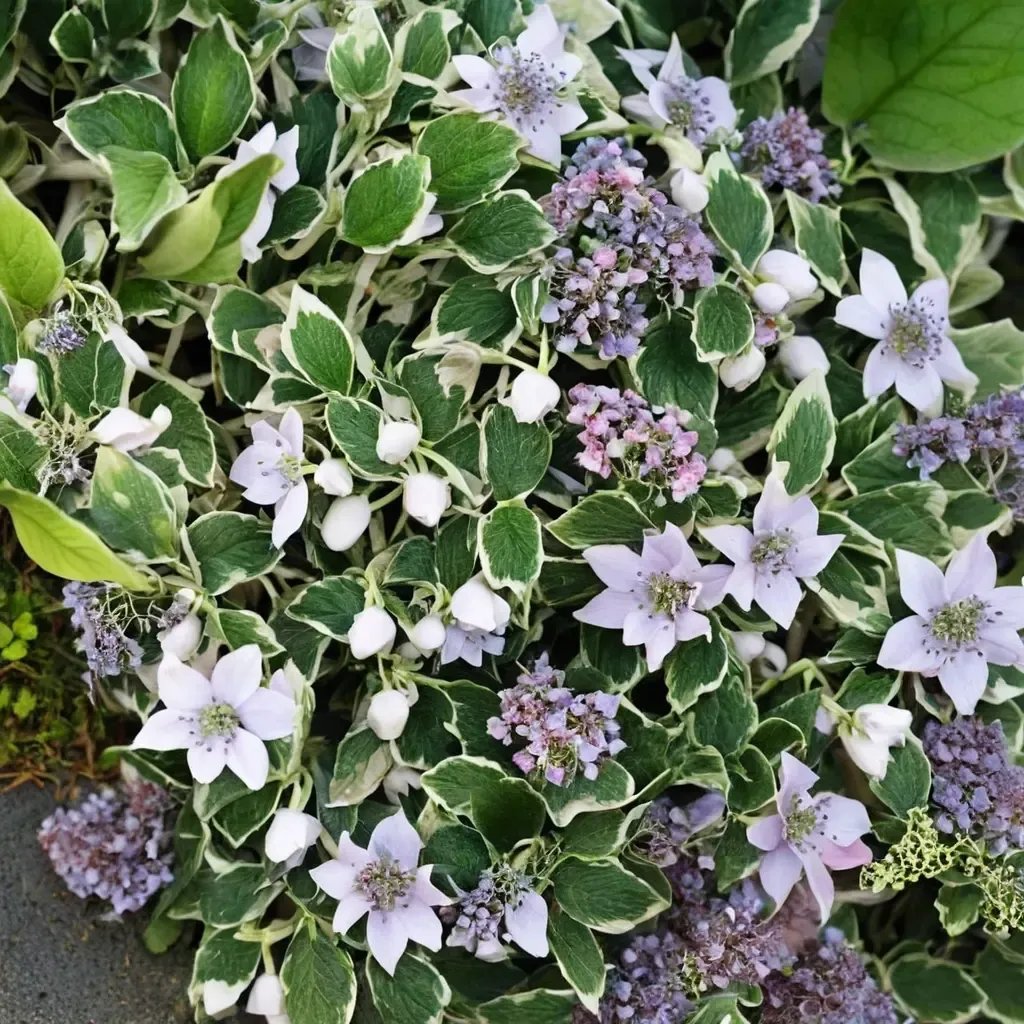
Species
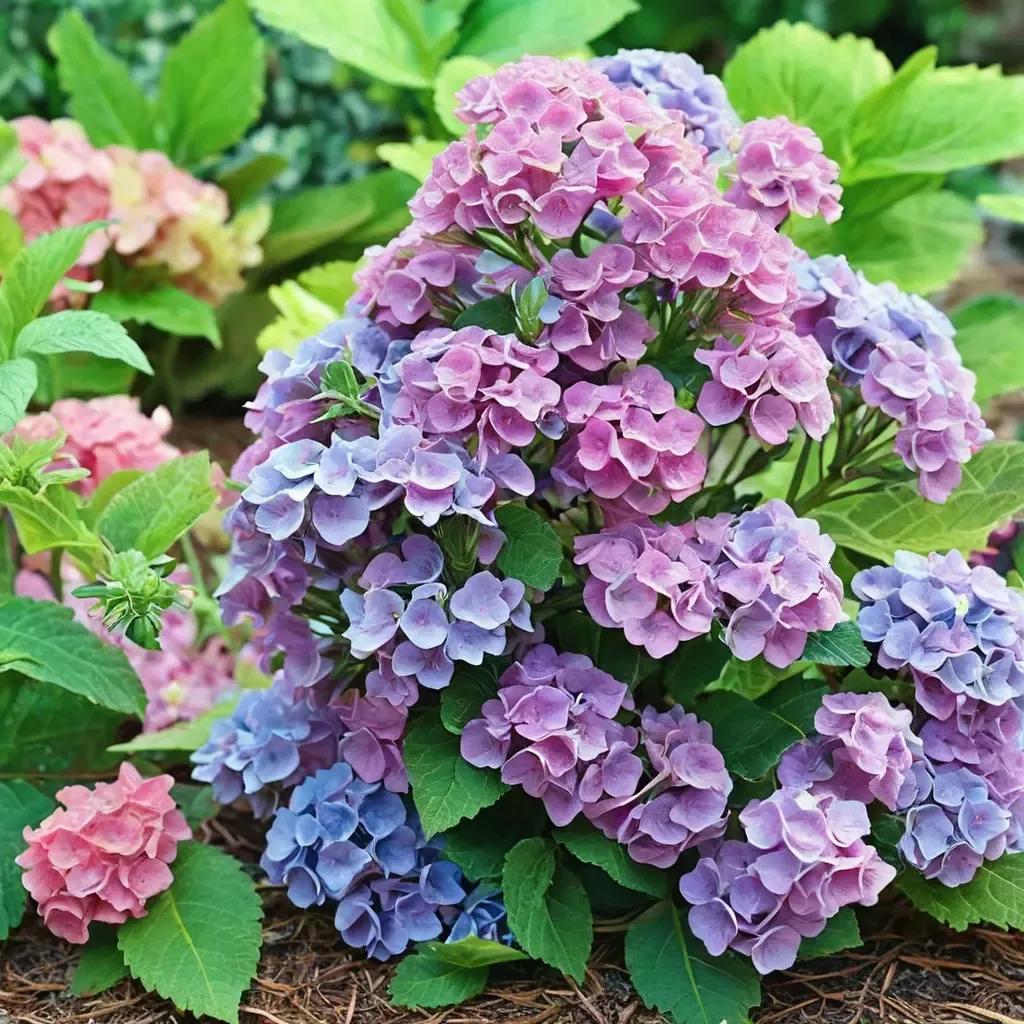 Hydrangea macrophyllaBigleaf Hydrangea
60 other cultivars
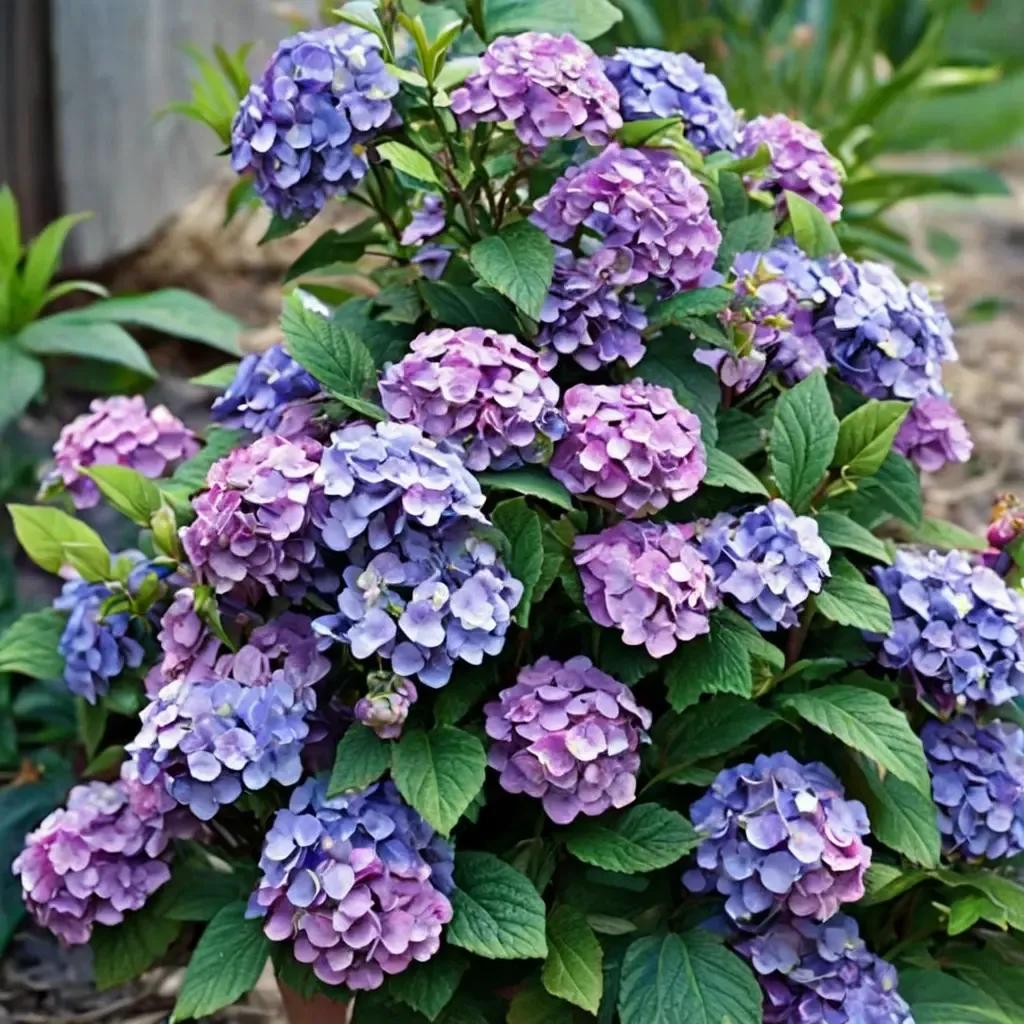 ‘Bloomstruck’Bloomstruck Hydrangea
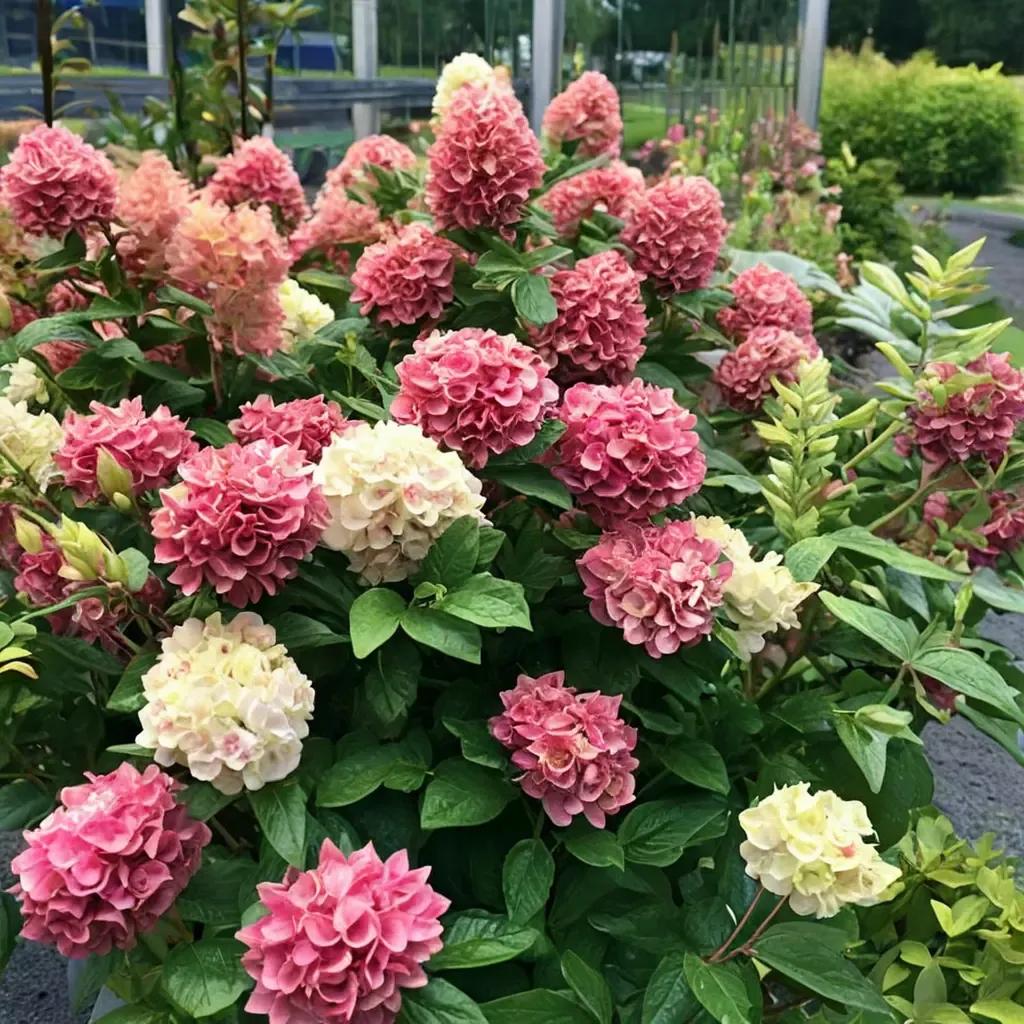 ‘Little Lime Punch’Little Lime Punch Hydrangea
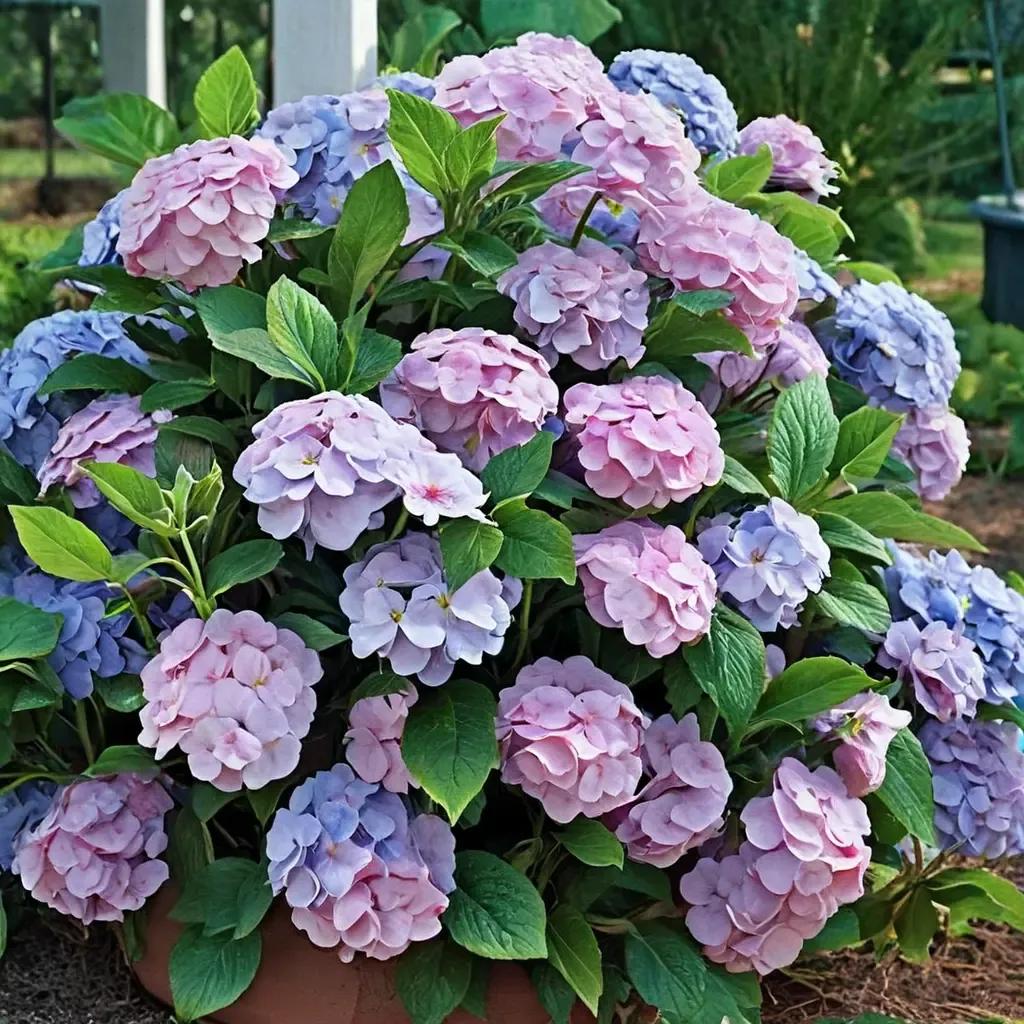 ‘All Summer Beauty’All Summer Beauty Hydrangea
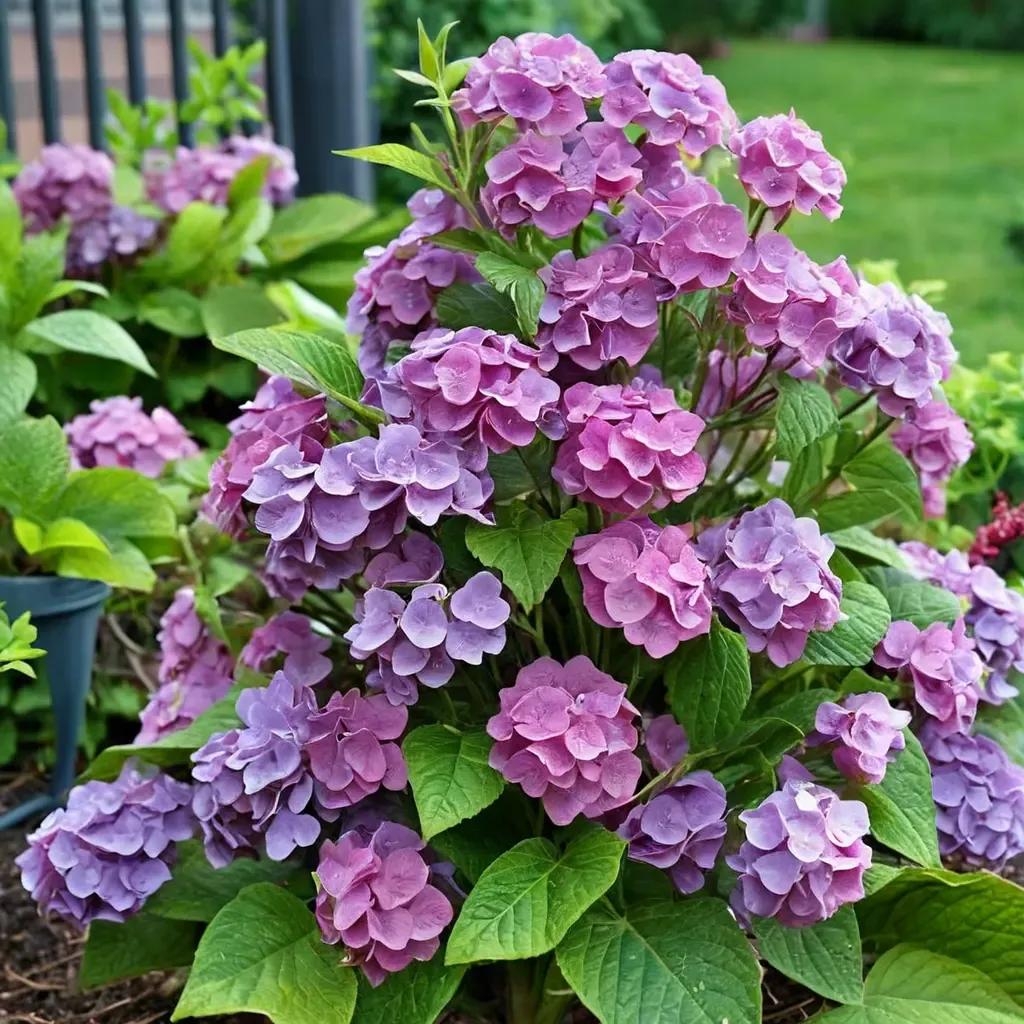 ‘Reblooming’Reblooming Hydrangea
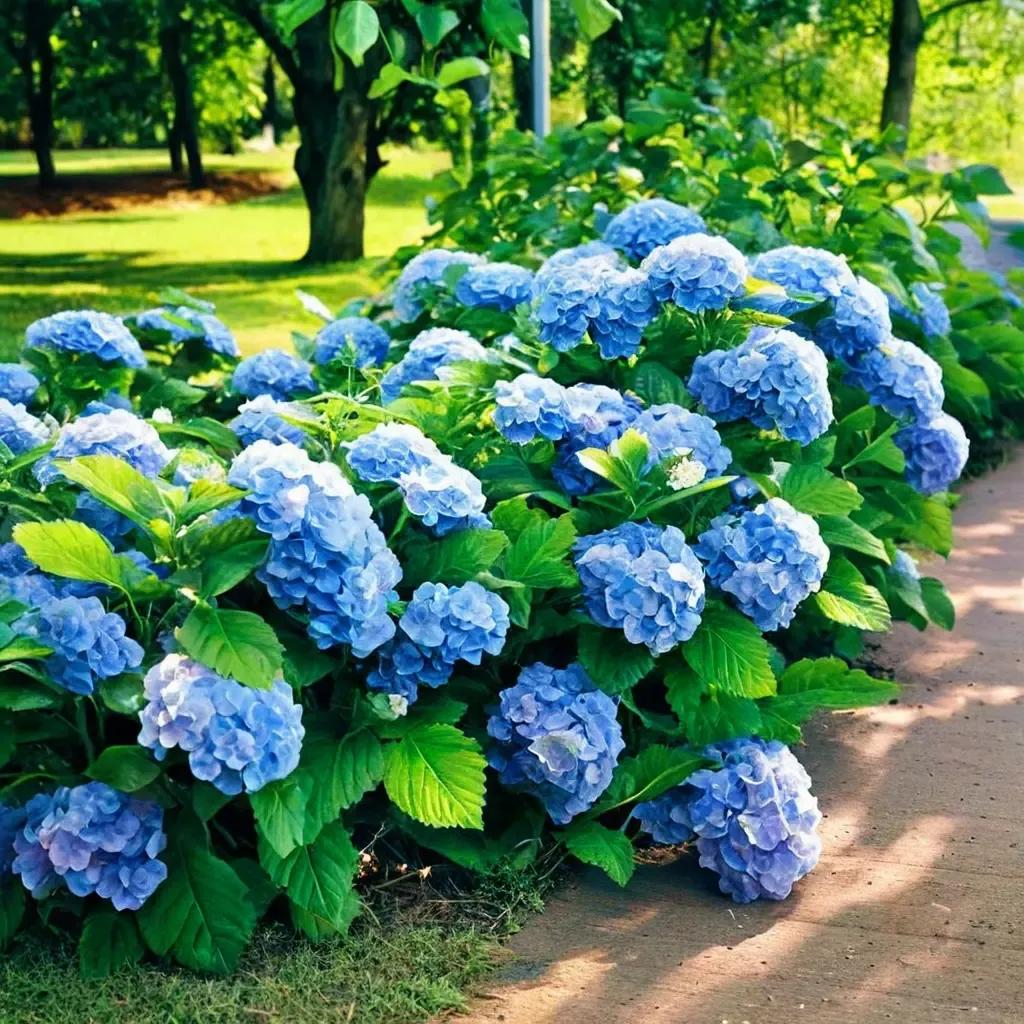 ‘Nikko Blue’Nikko Blue Hydrangea
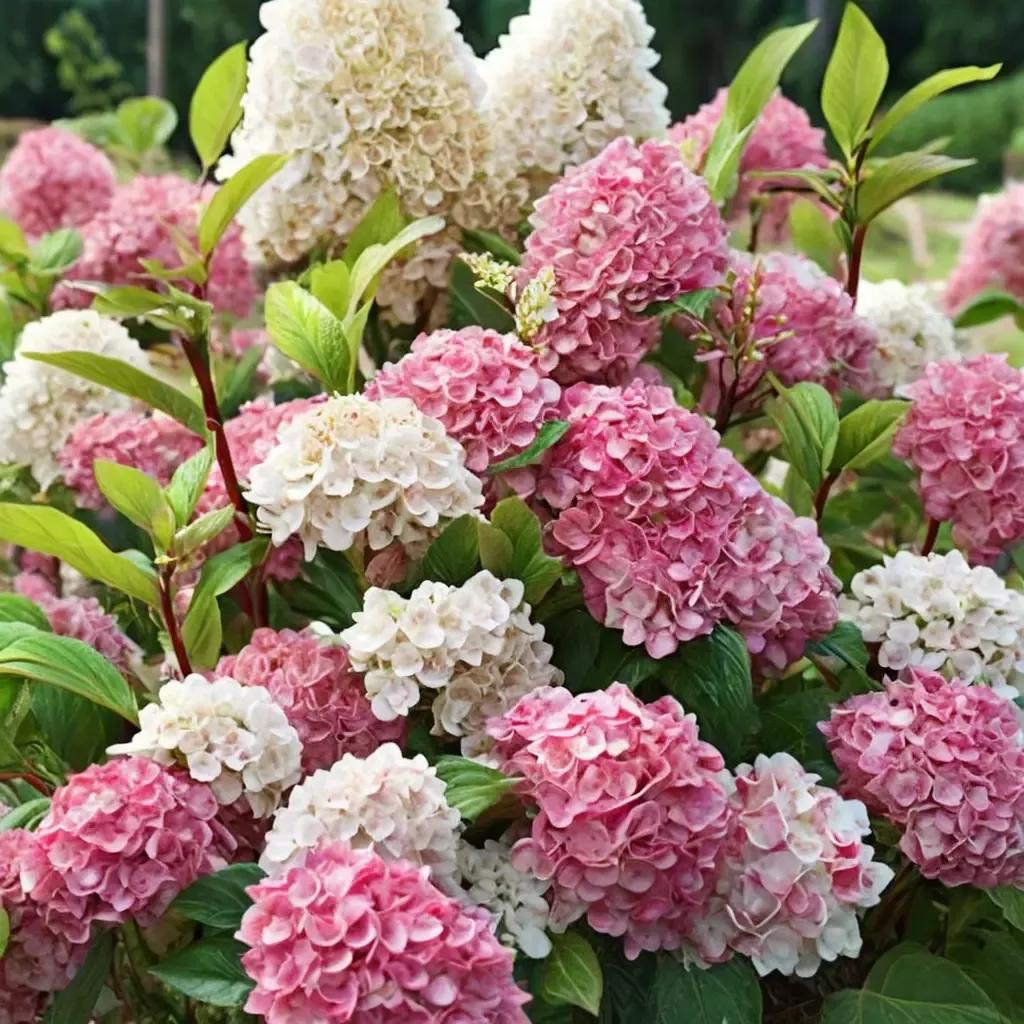 ‘First Editions Vanilla Strawberry’Vanilla Strawberry Hydrangea
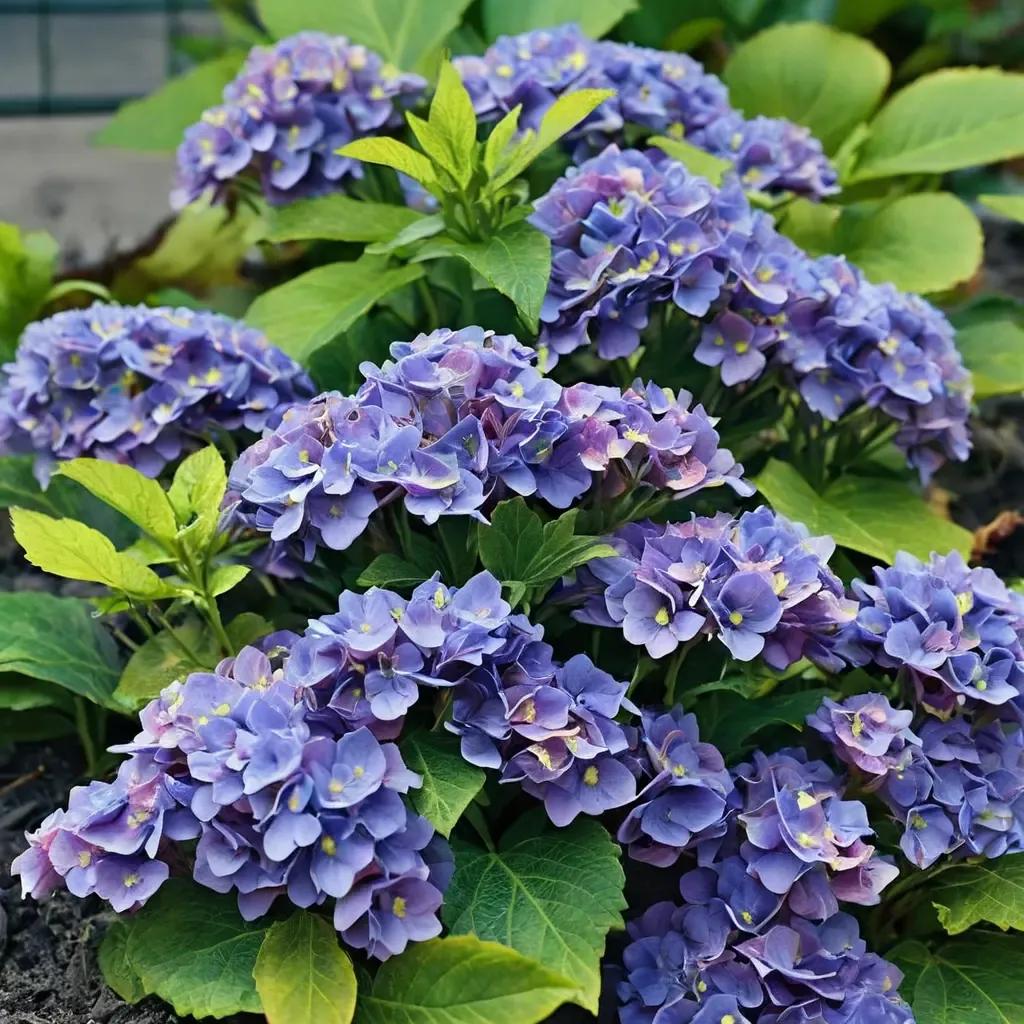 ‘Let's Dance Rhythmic Blue’Let's Dance Rhythmic Blue Hydrangea
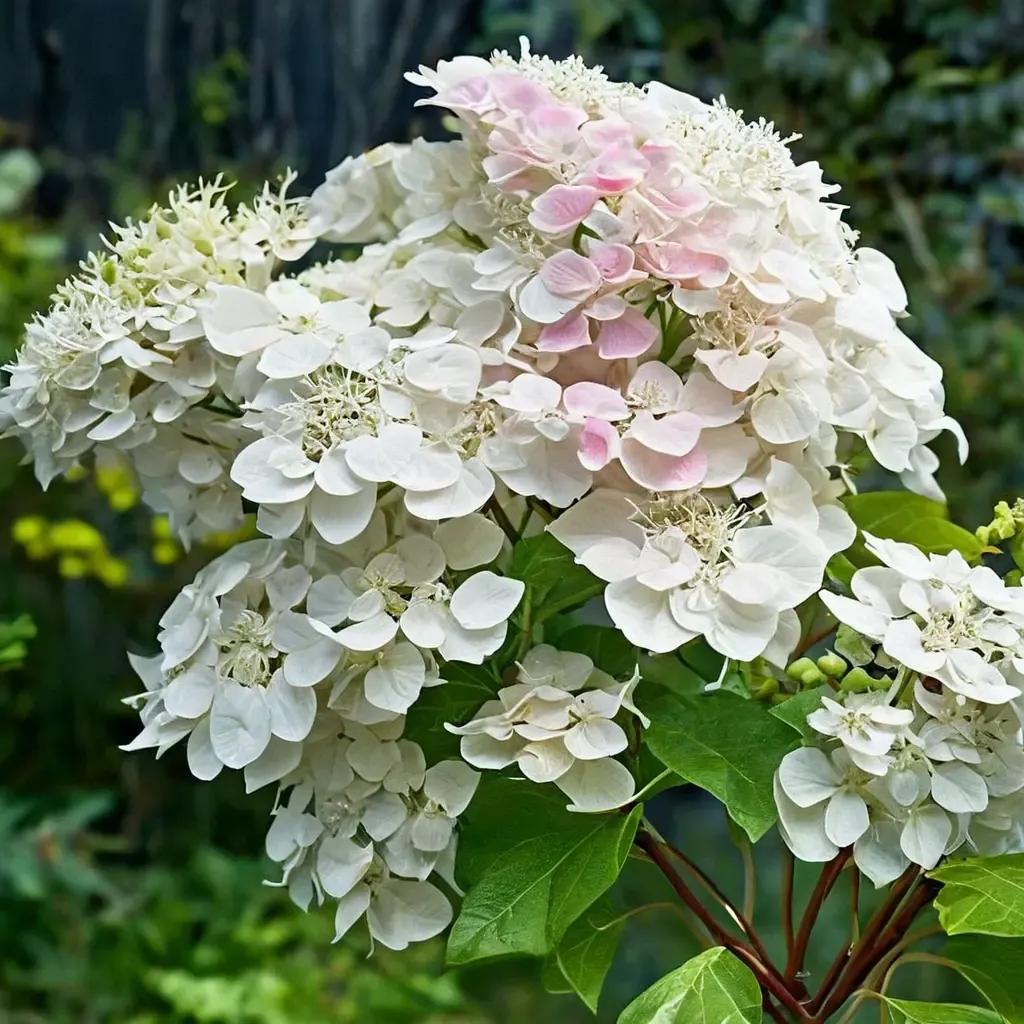 ‘Phantom’Phantom Hydrangea
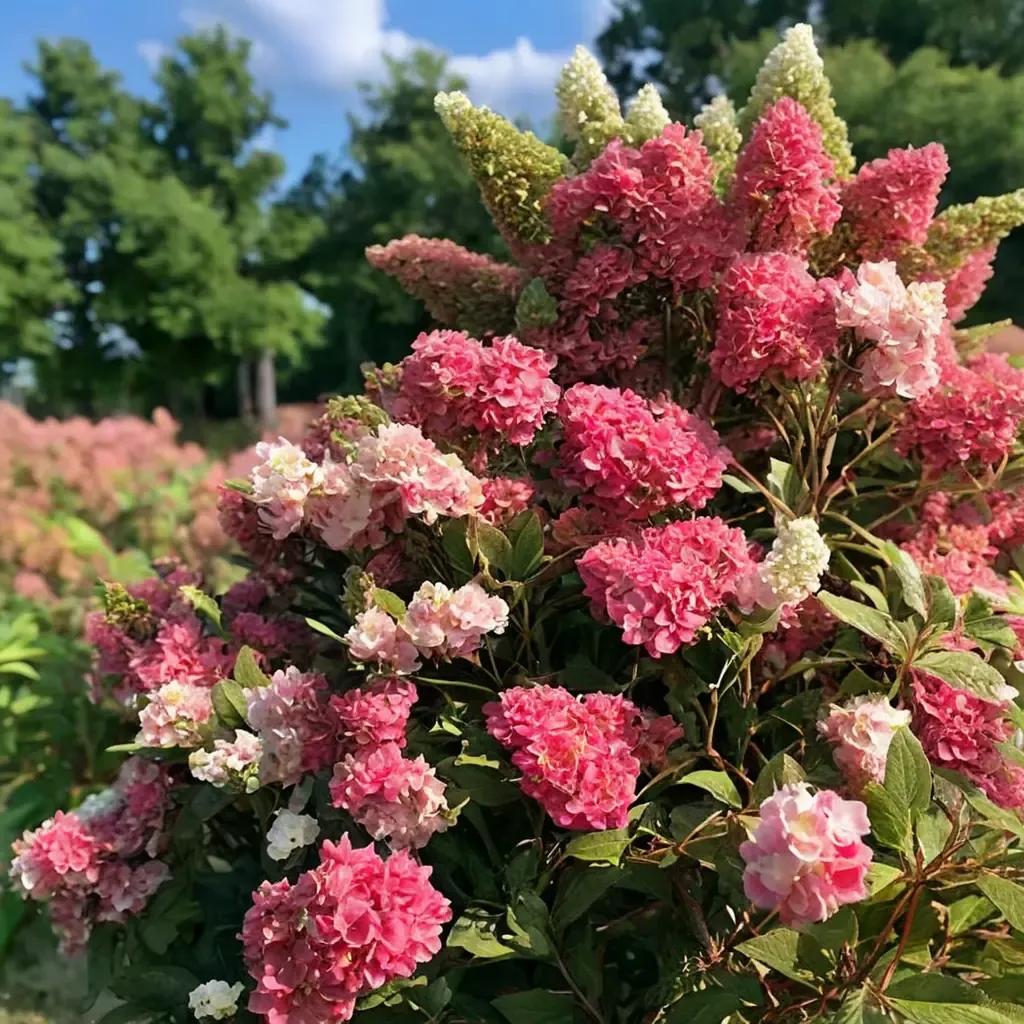 ‘Berry White’Berry White Hydrangea
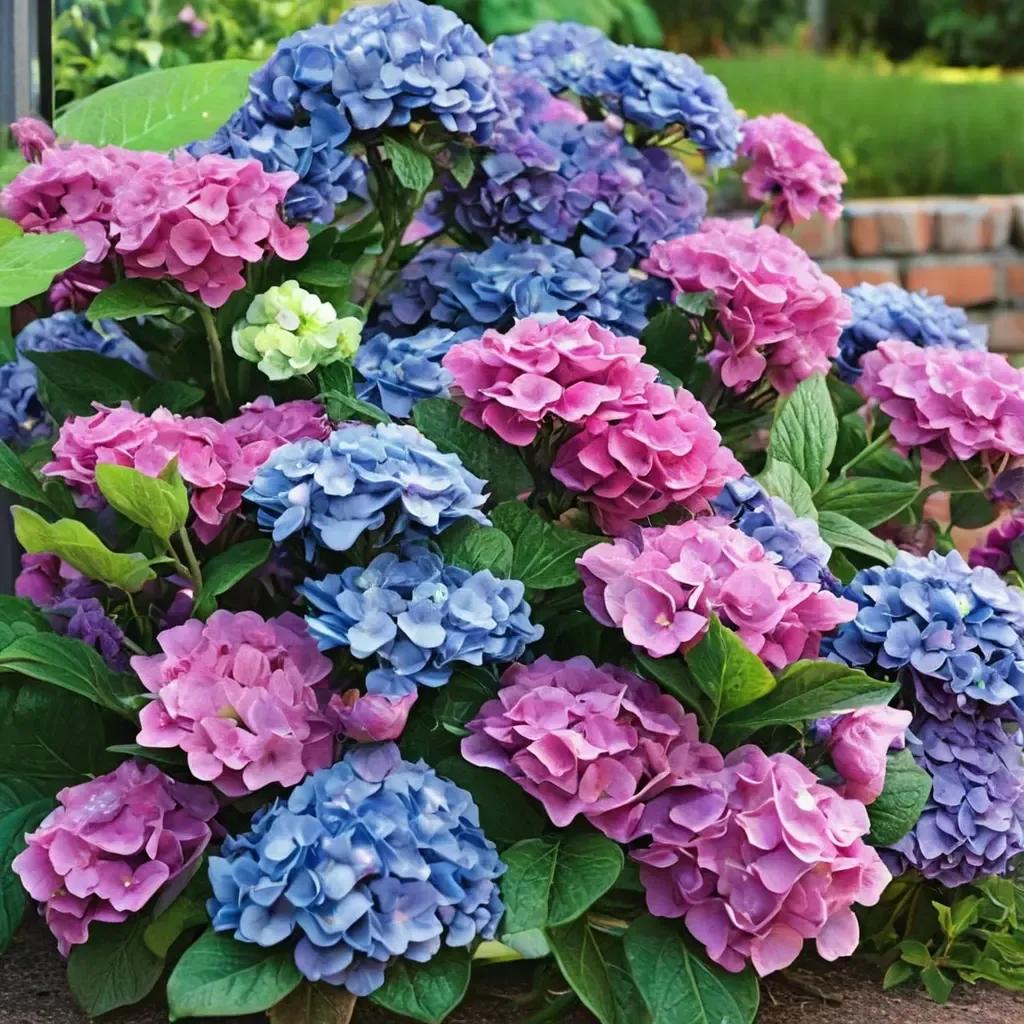 ‘LA Dreamin’LA Dreamin' Hydrangea
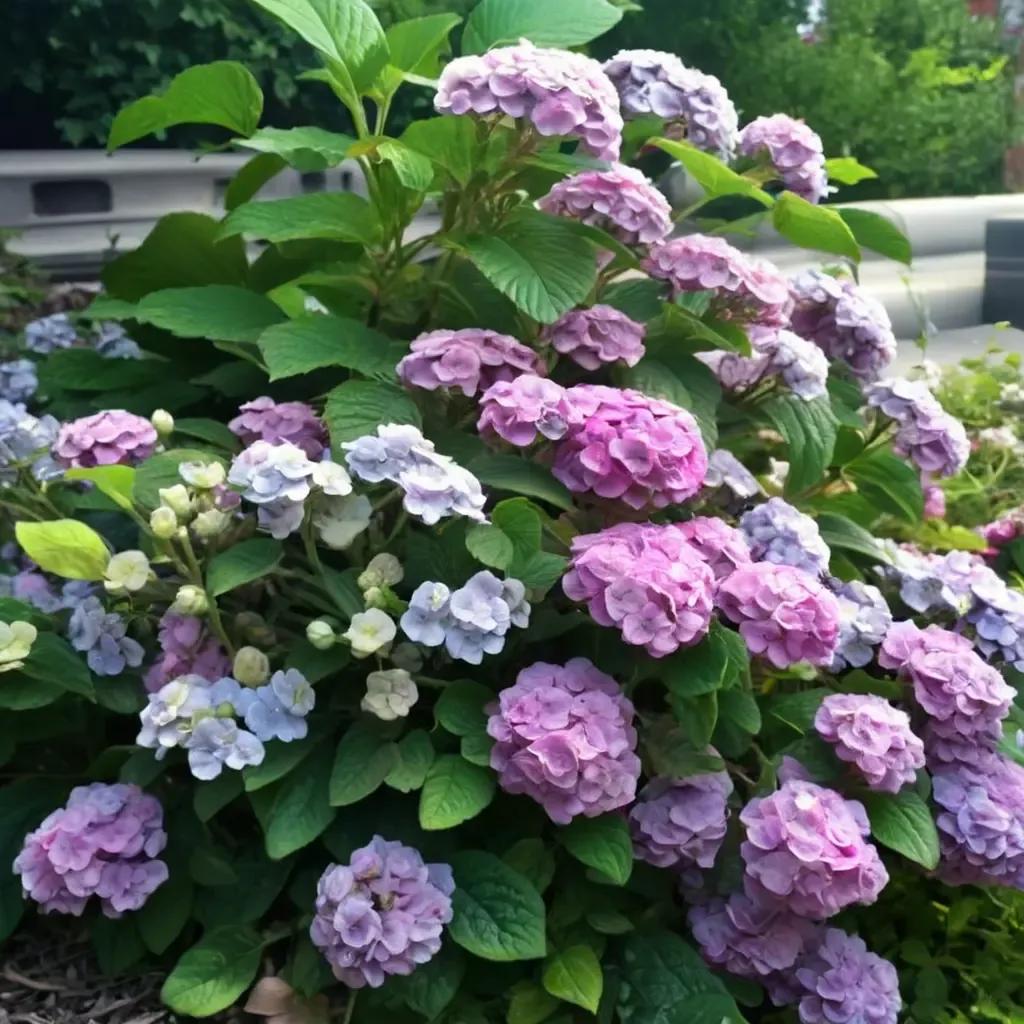 ‘Penny Mac’Penny Mac Hydrangea
 ‘Felicity’Felicity Hydrangea
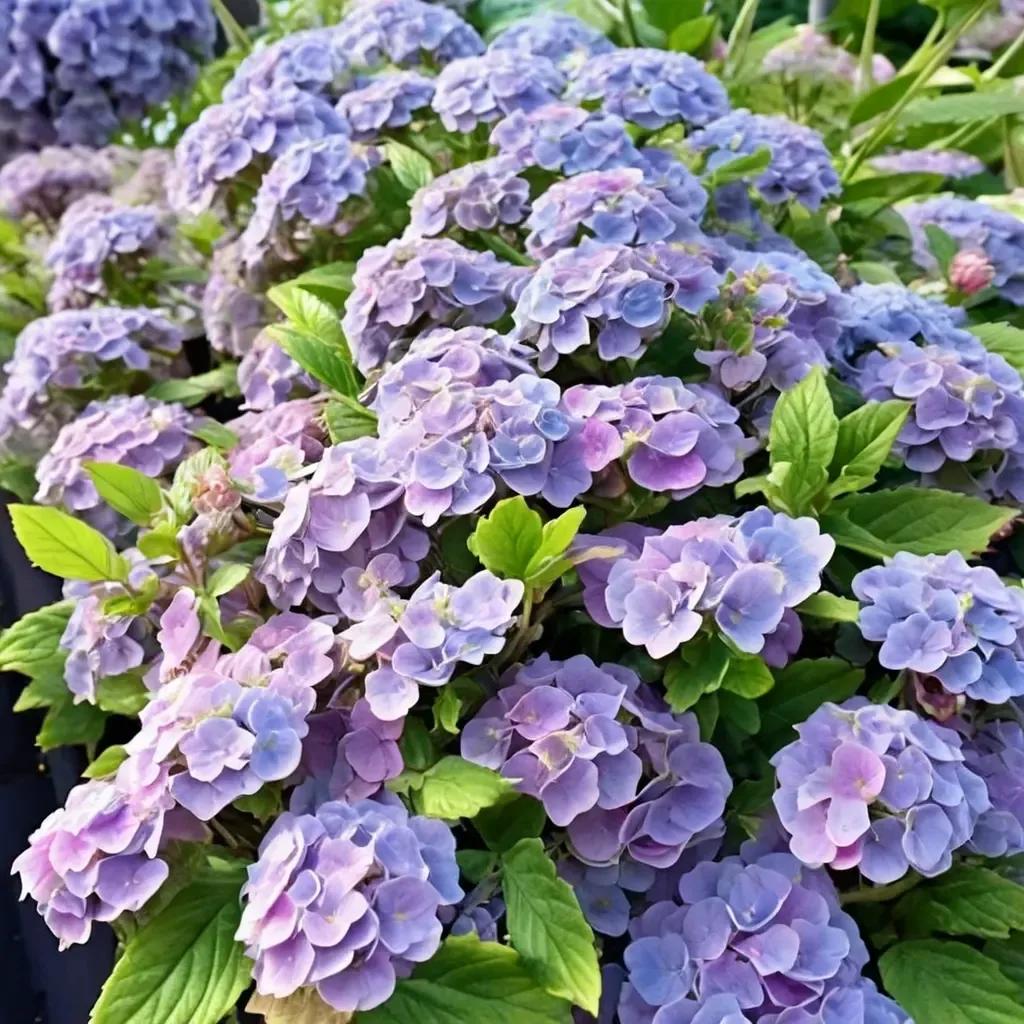 ‘Early Sensation’Early Sensation Hydrangea
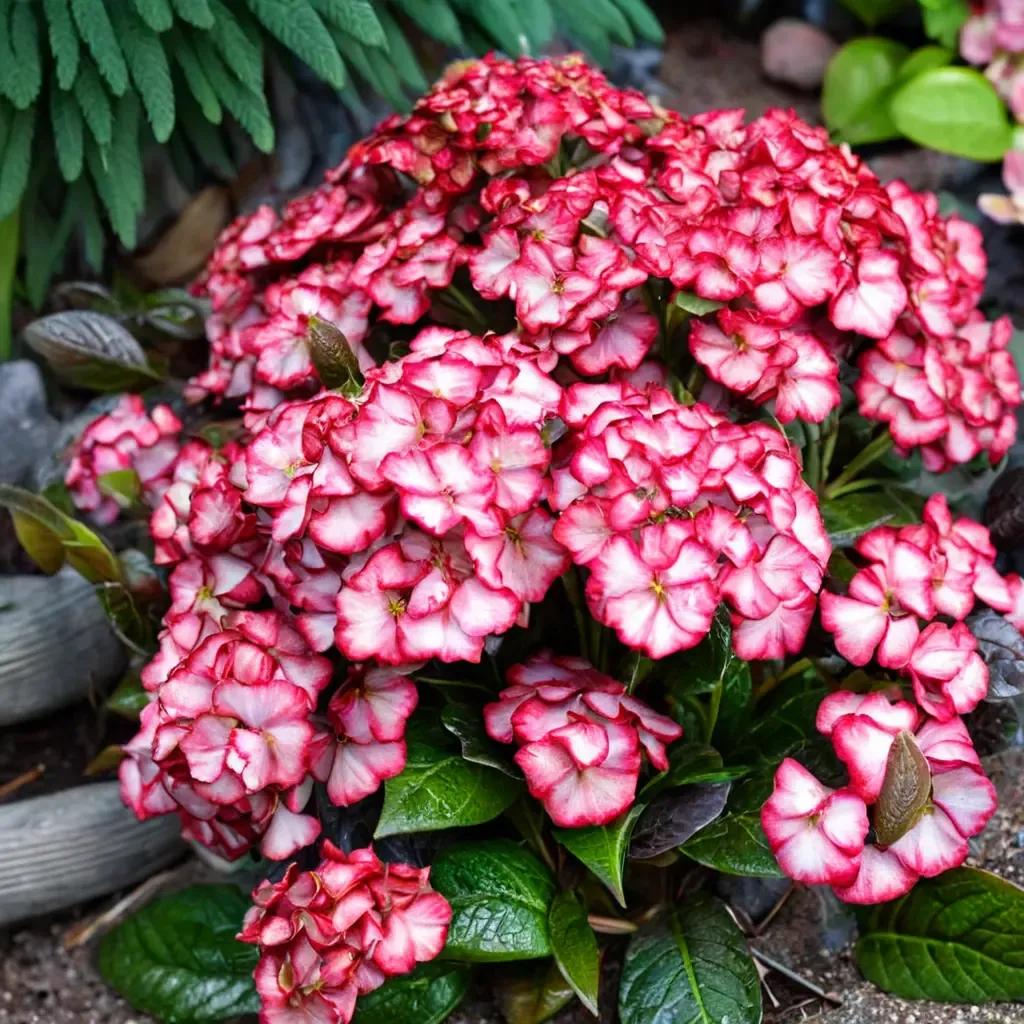 ‘Kimono’Kimono Hydrangea
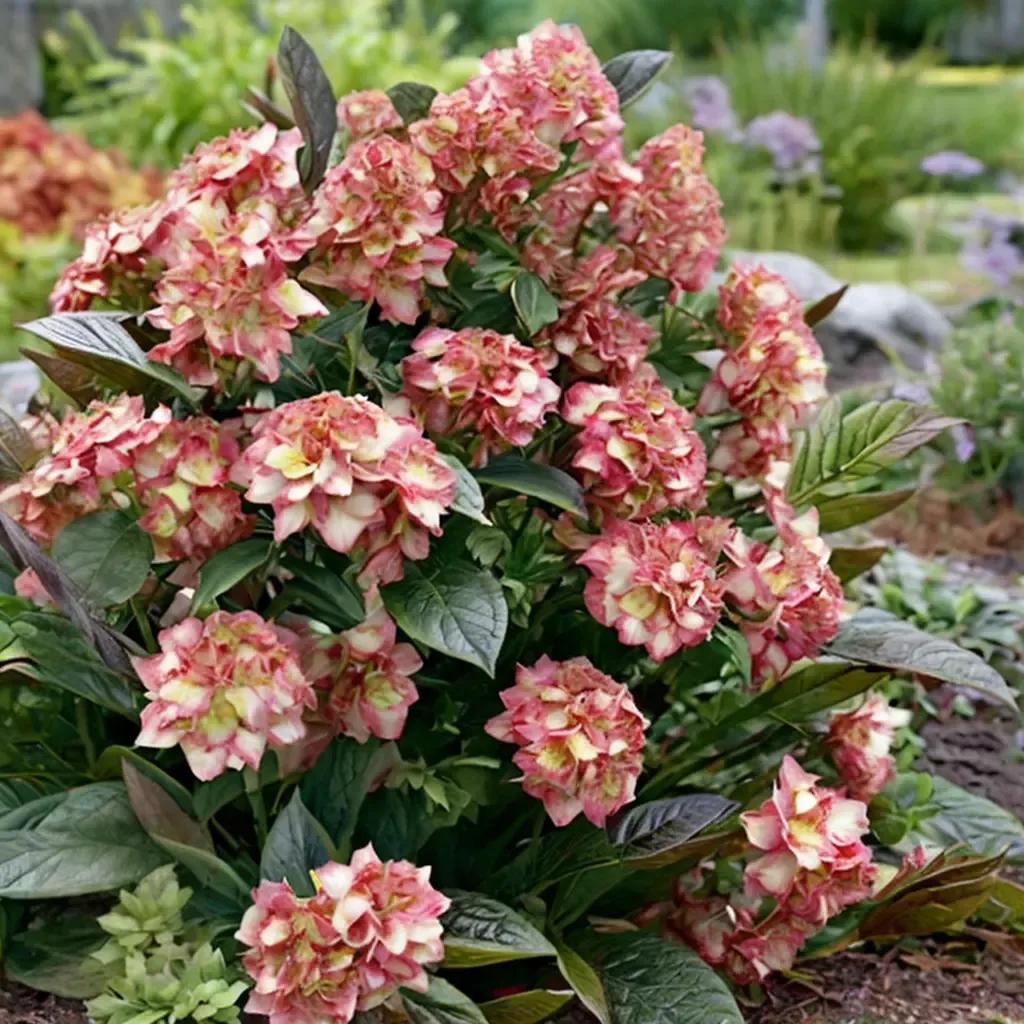 ‘Fire Light’Fire Light Hydrangea
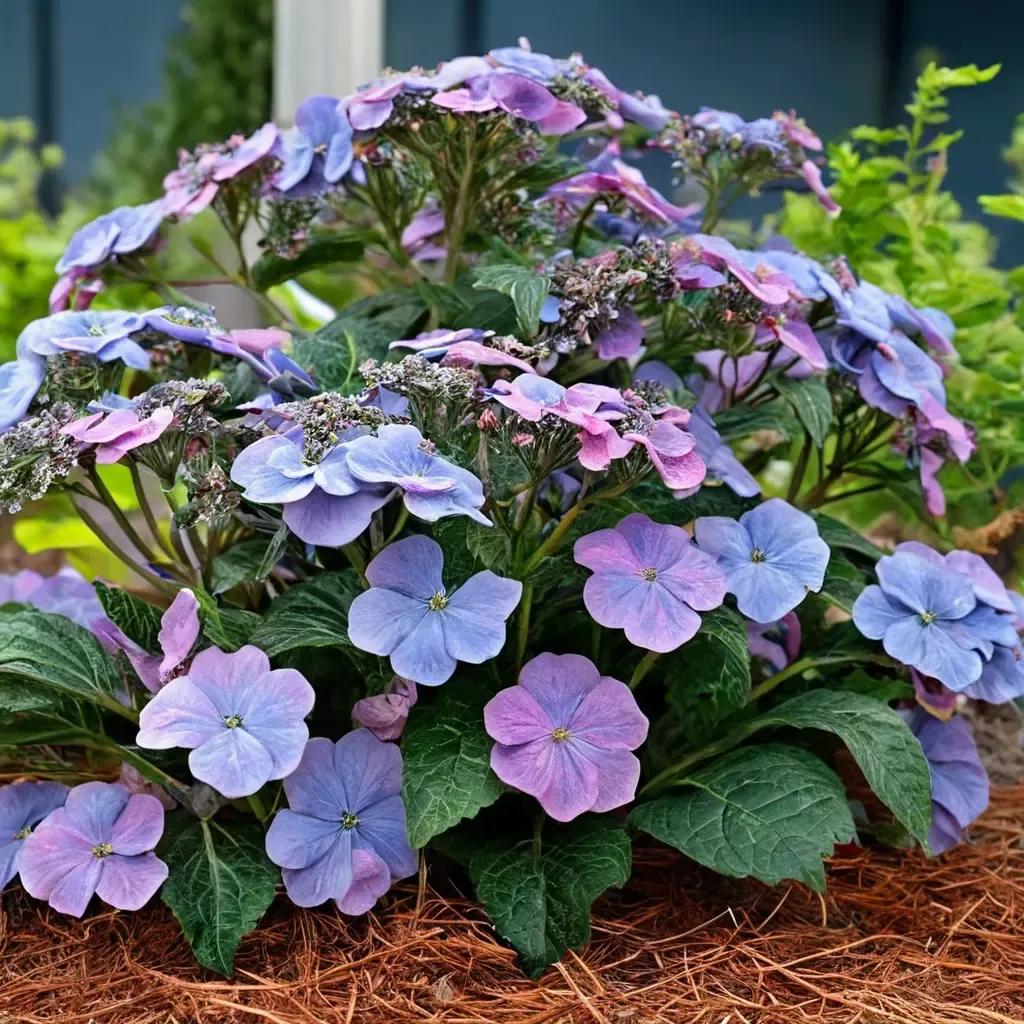 ‘Endless Summer Pop Star’Endless Summer Pop Star Hydrangea
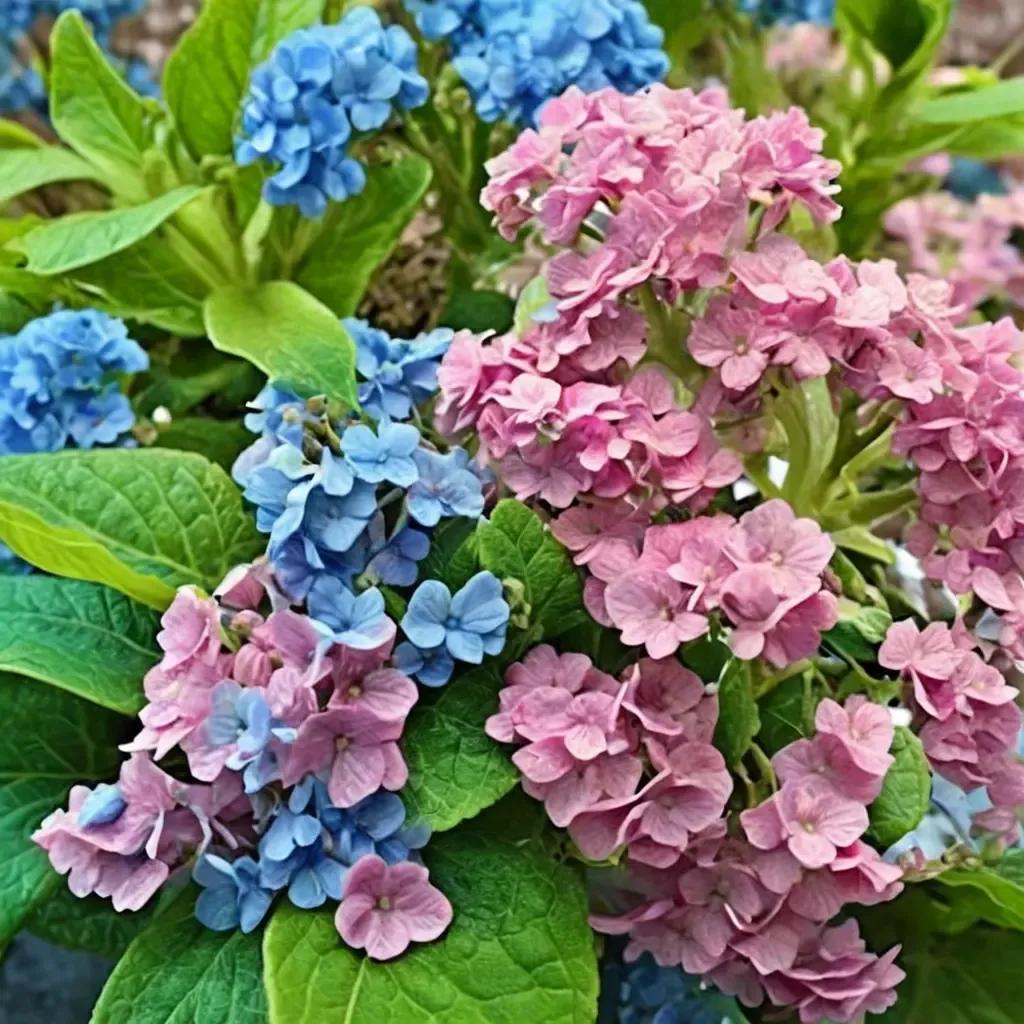 ‘Confetti’Confetti Hydrangea
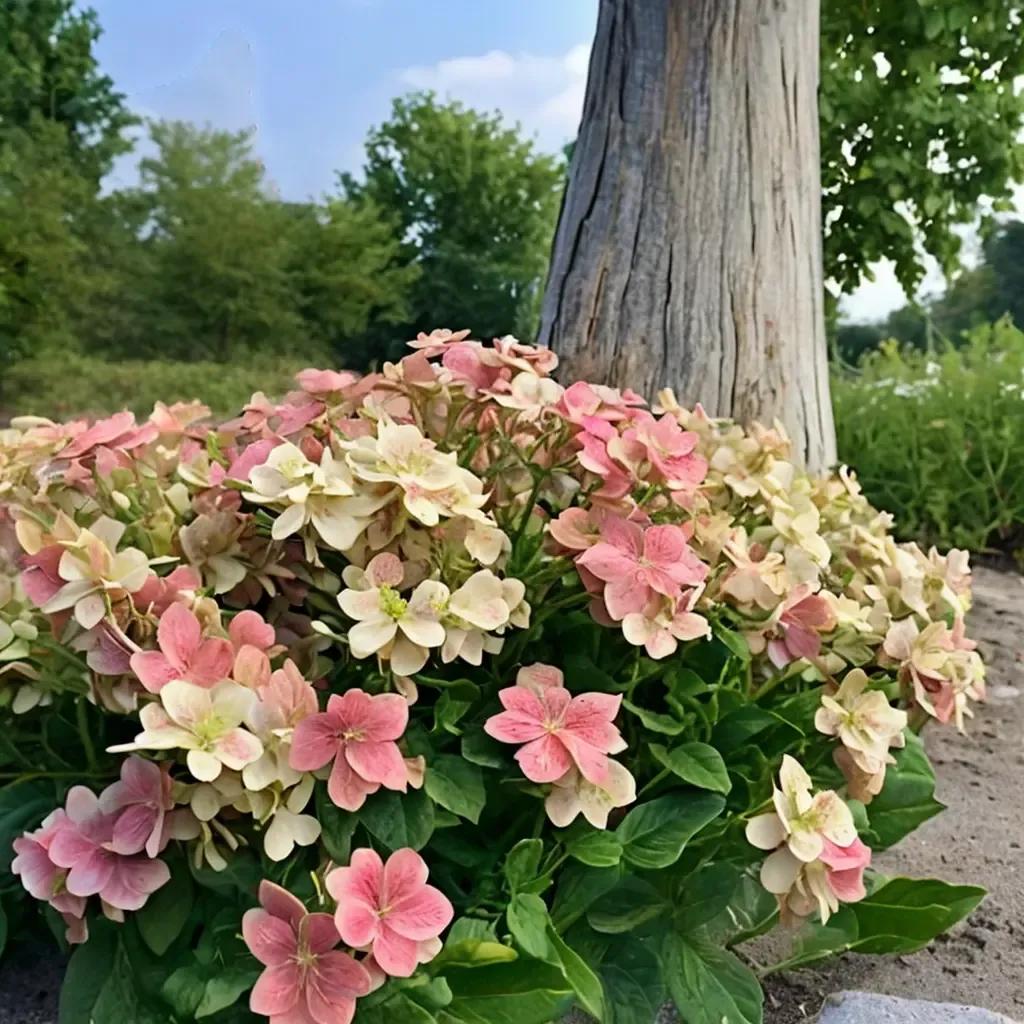 ‘Magical Candle’Magical Candle Hydrangea
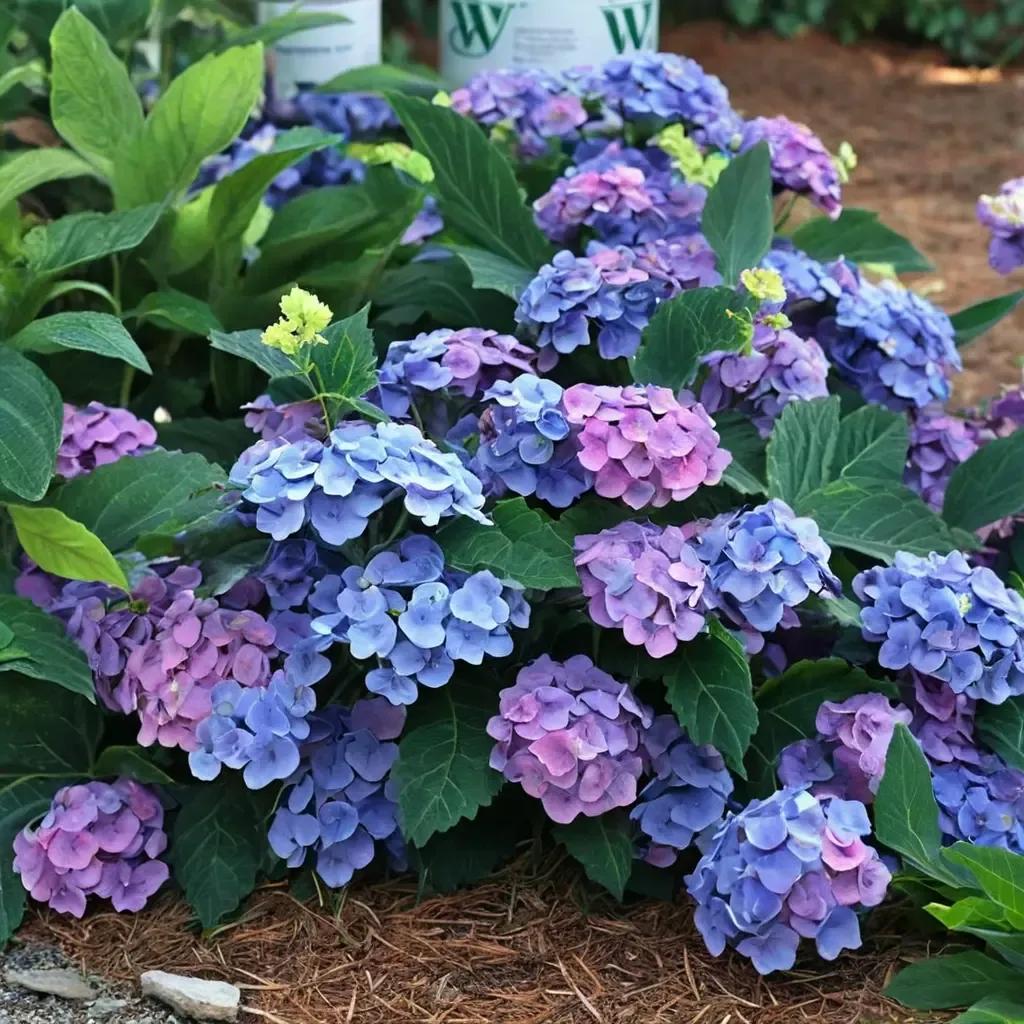 ‘Let's Dance Blue Jangles’Let's Dance Blue Jangles Hydrangea
 ‘Princess Diana’Princess Diana Hydrangea
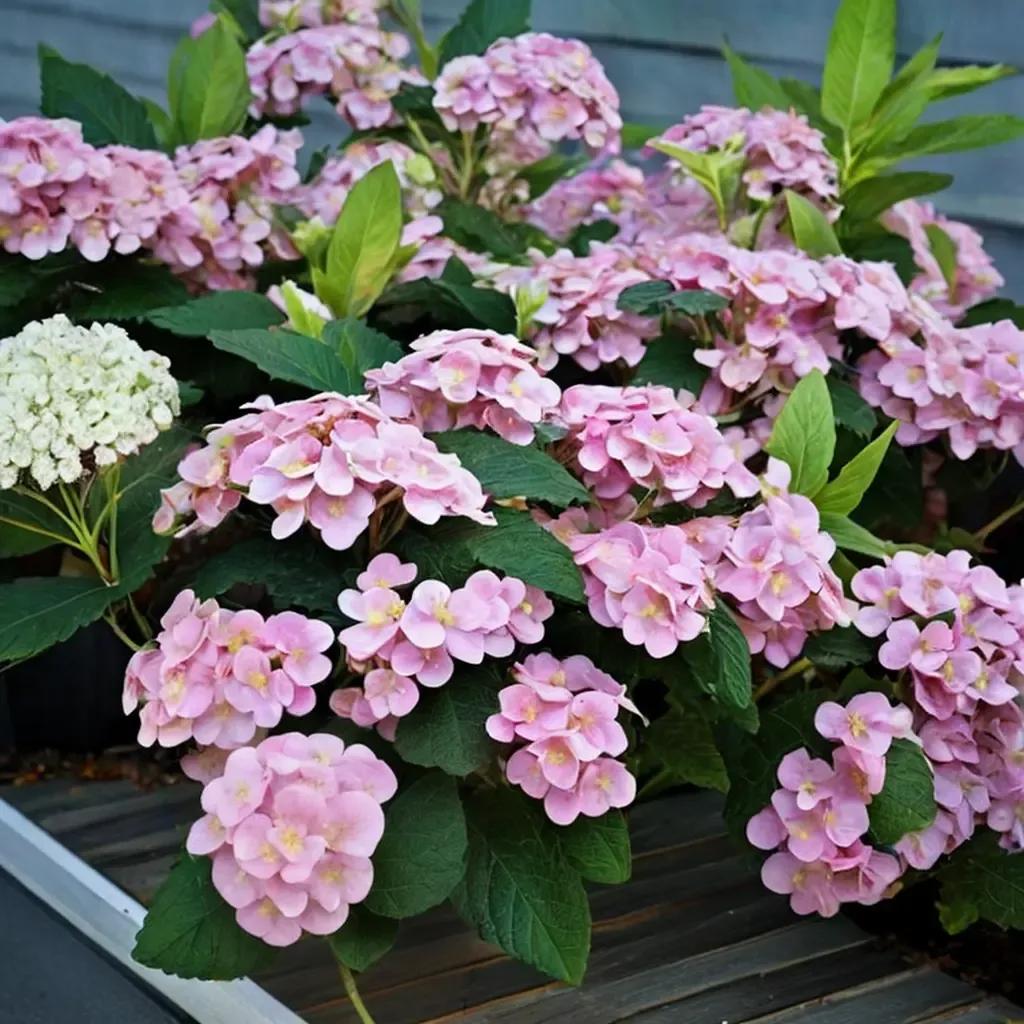 ‘Love’Love Hydrangea
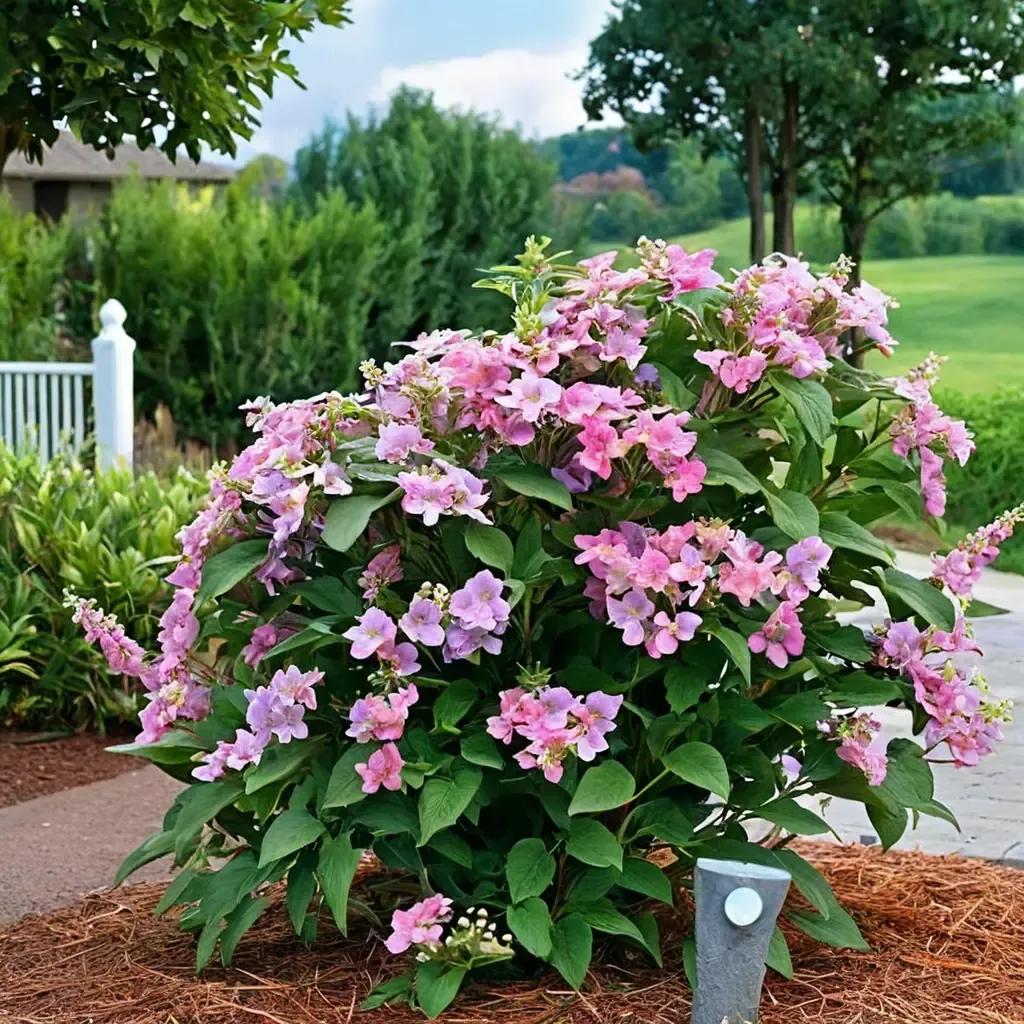 ‘Candelabra’Candelabra Hydrangea
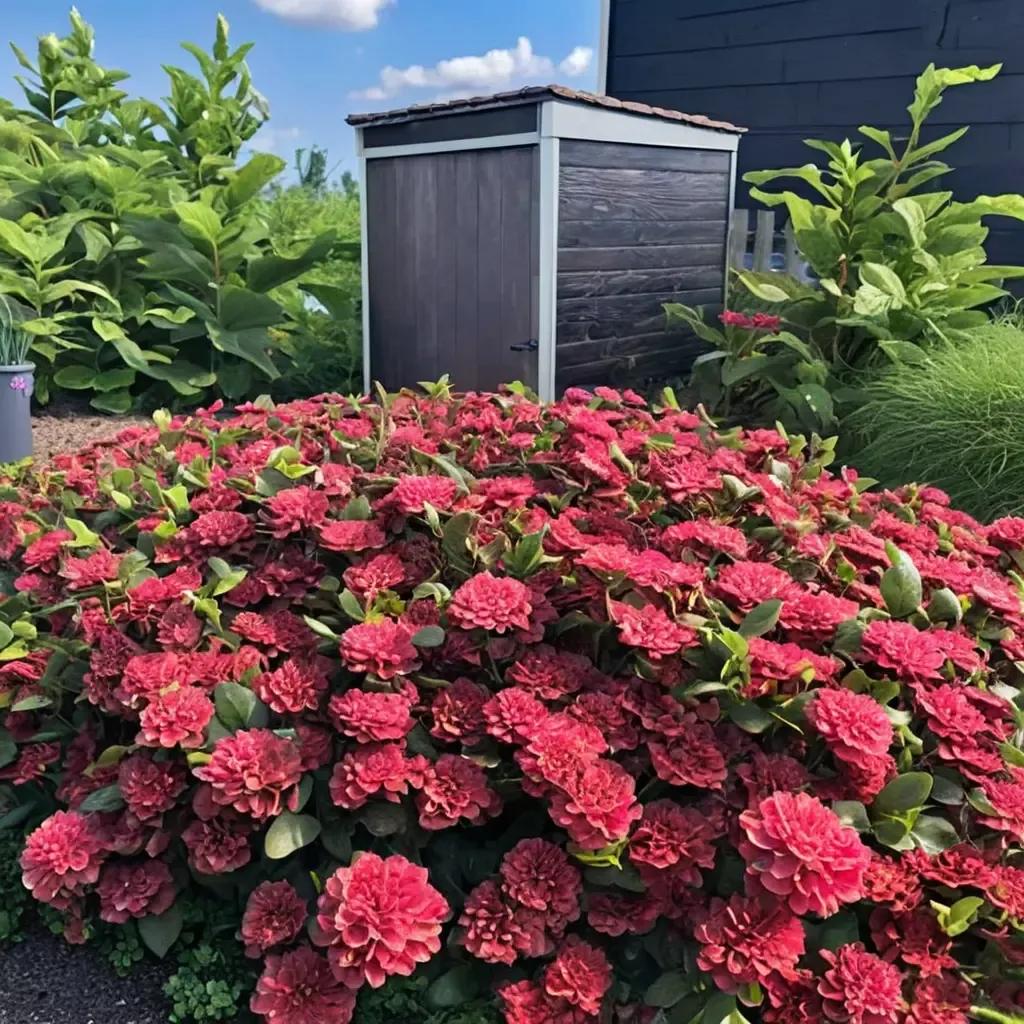 ‘Everlasting Crimson’Everlasting Crimson Hydrangea
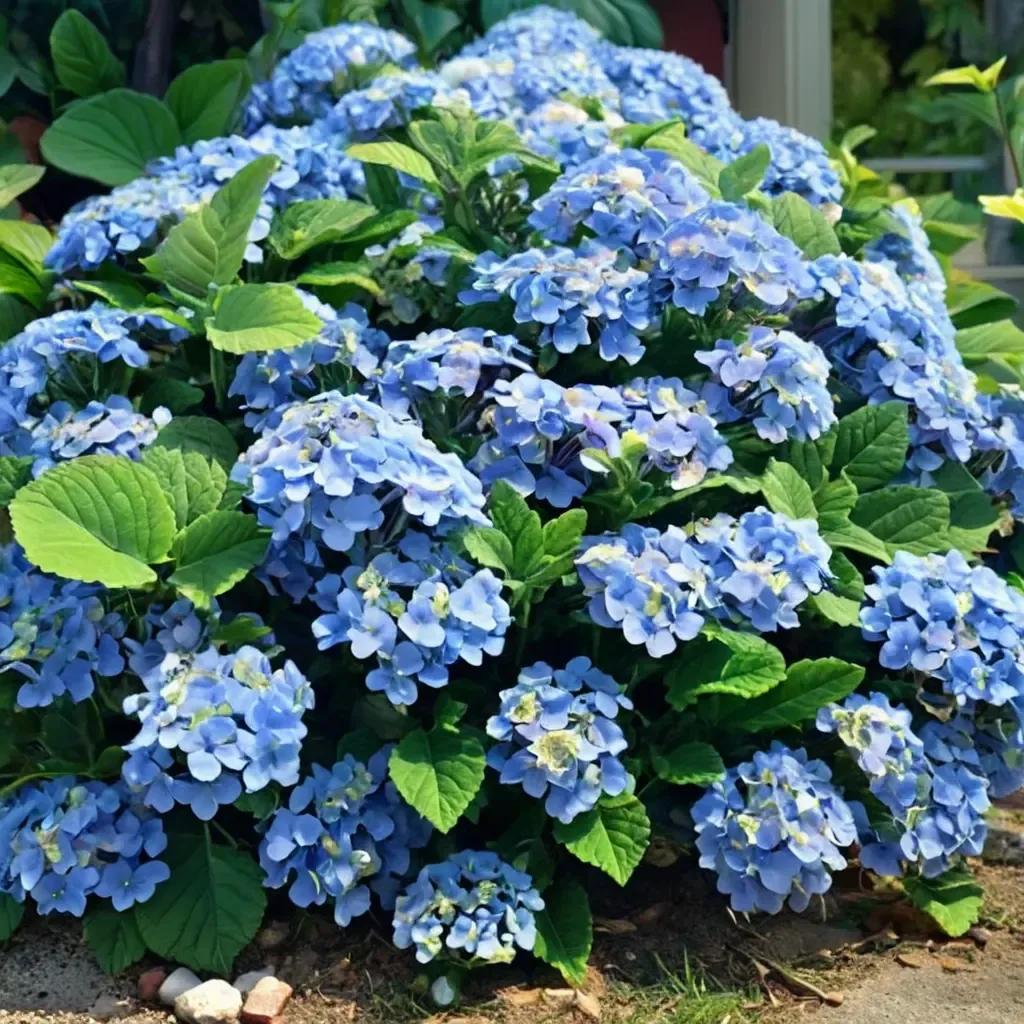 ‘Azure Skies’Azure Skies Hydrangea
 ‘Cherry-Go-Round’Cherry Go Round Hydrangea
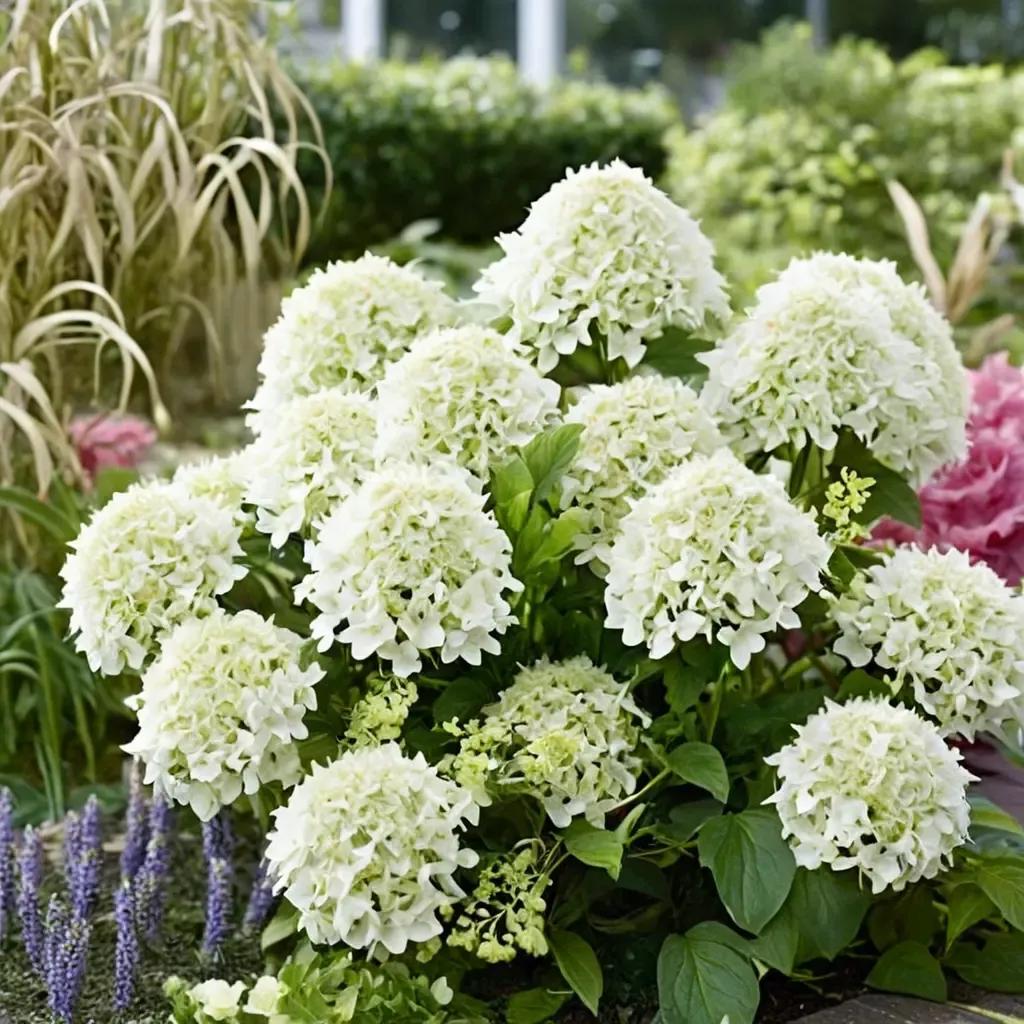 ‘Little Spooky’Little Spooky Hydrangea
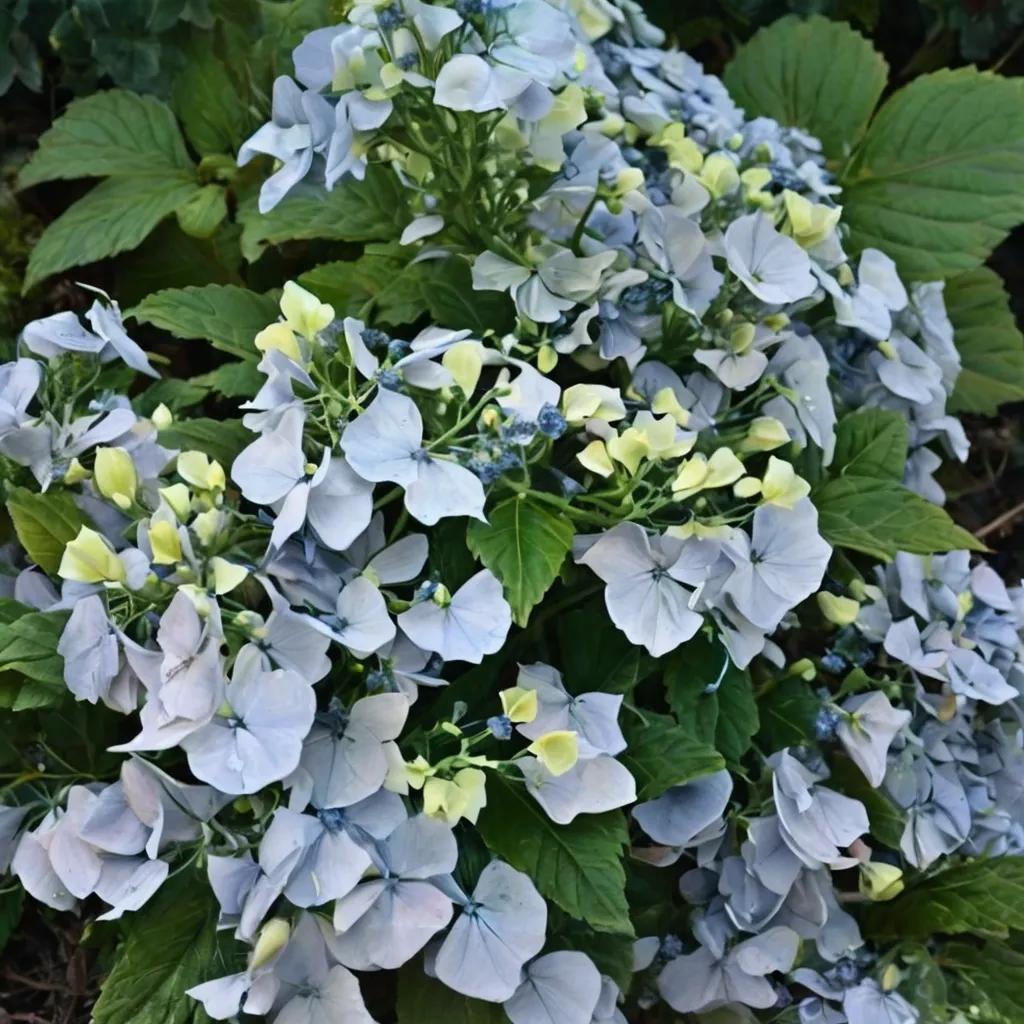 ‘Beaute Vendomoise’Lacecap Hydrangea
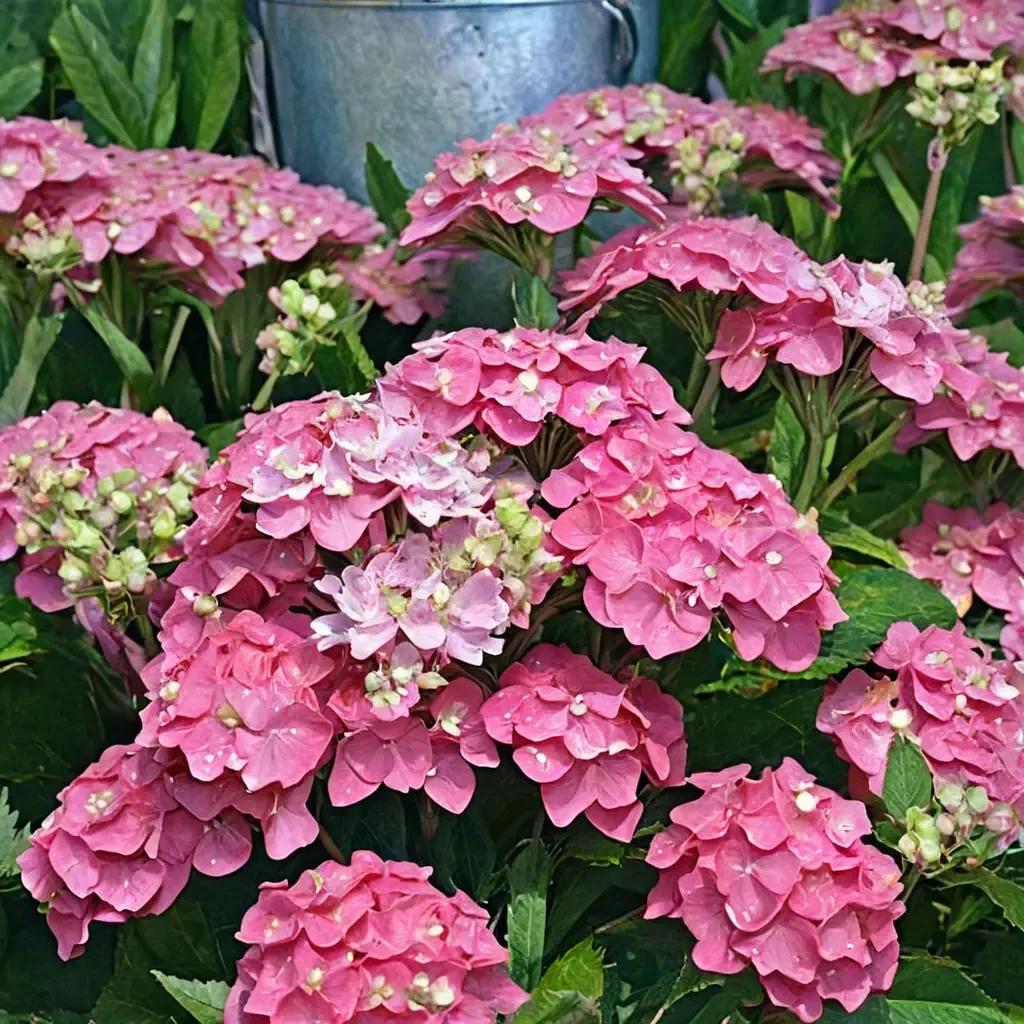 ‘Forever Pink’Forever Pink Hydrangea
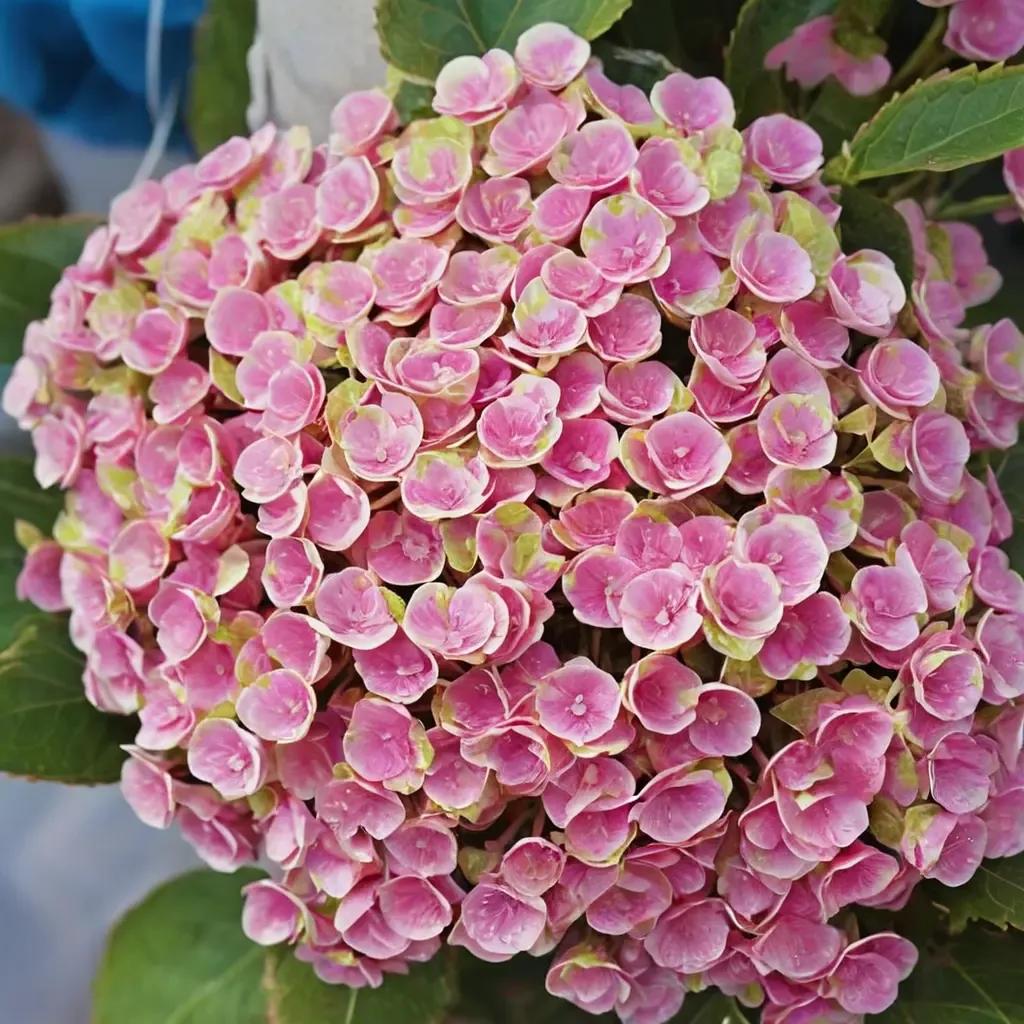 ‘Magical Amazone’Magical Amazone Hydrangea
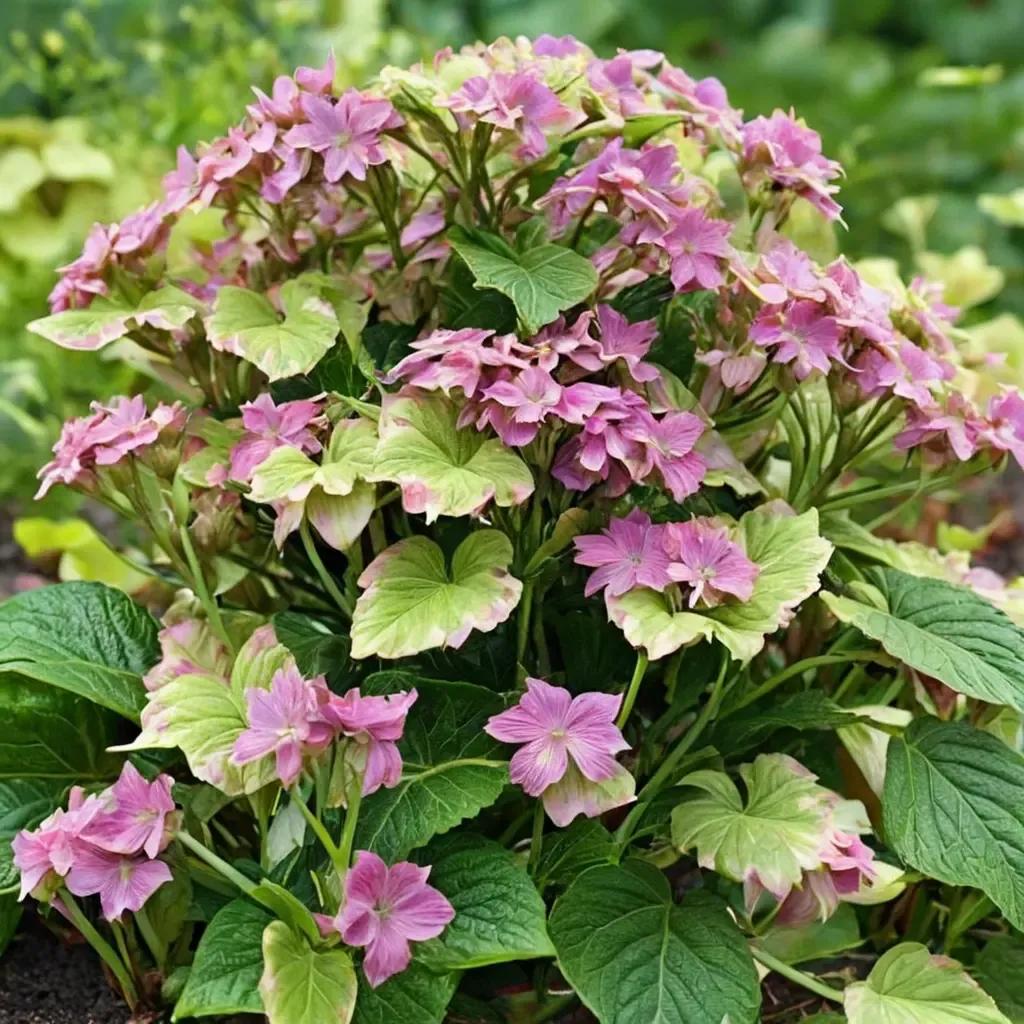 ‘Fantasia’Fantasia Hydrangea
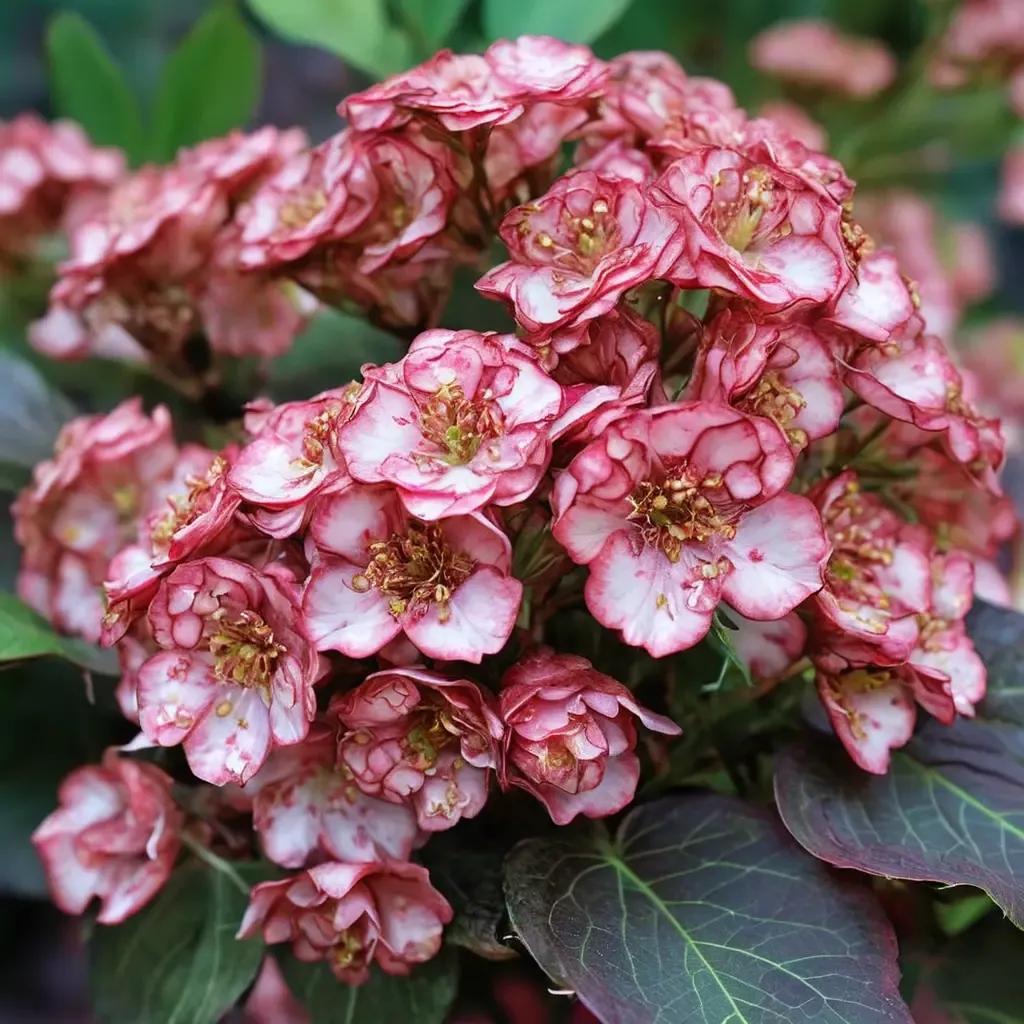 ‘Miss Saori’Miss Saori Hydrangea
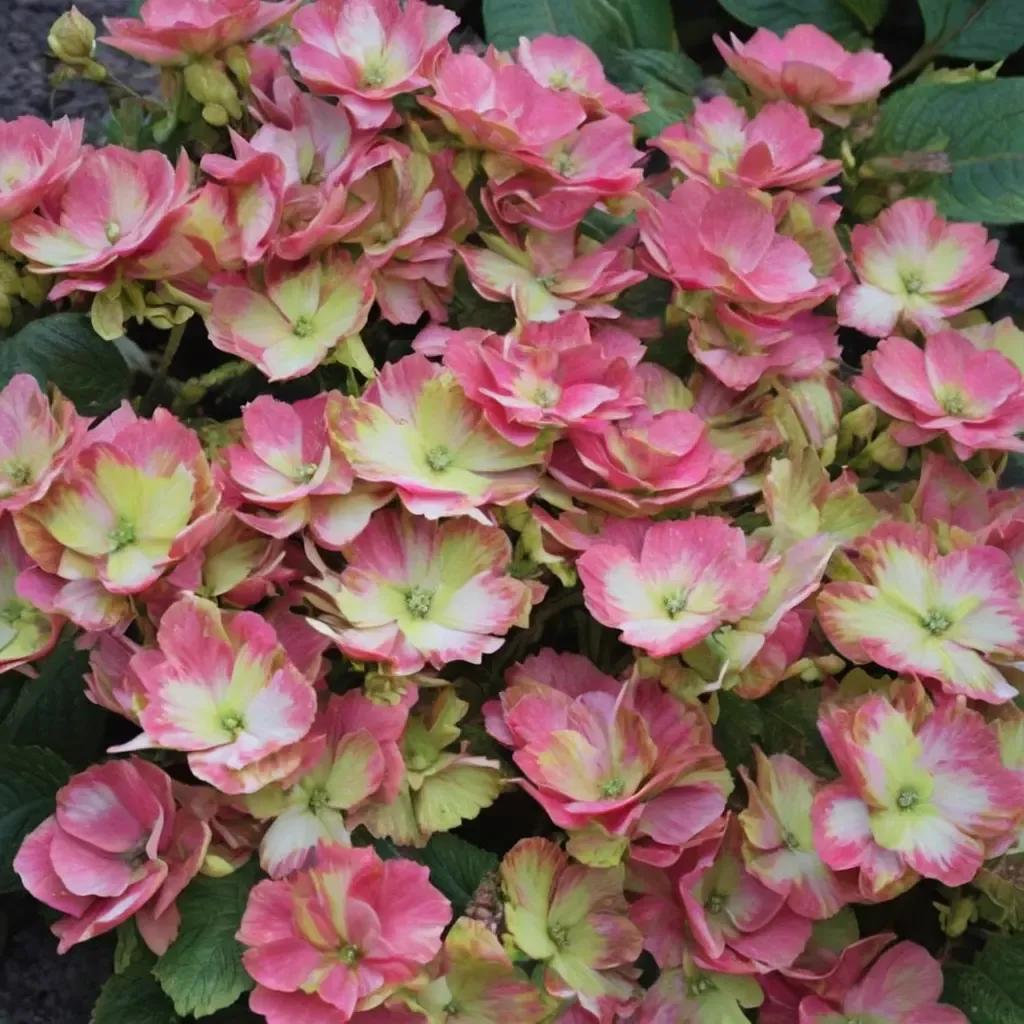 ‘Magical Elegance’Magical Elegance Hydrangea
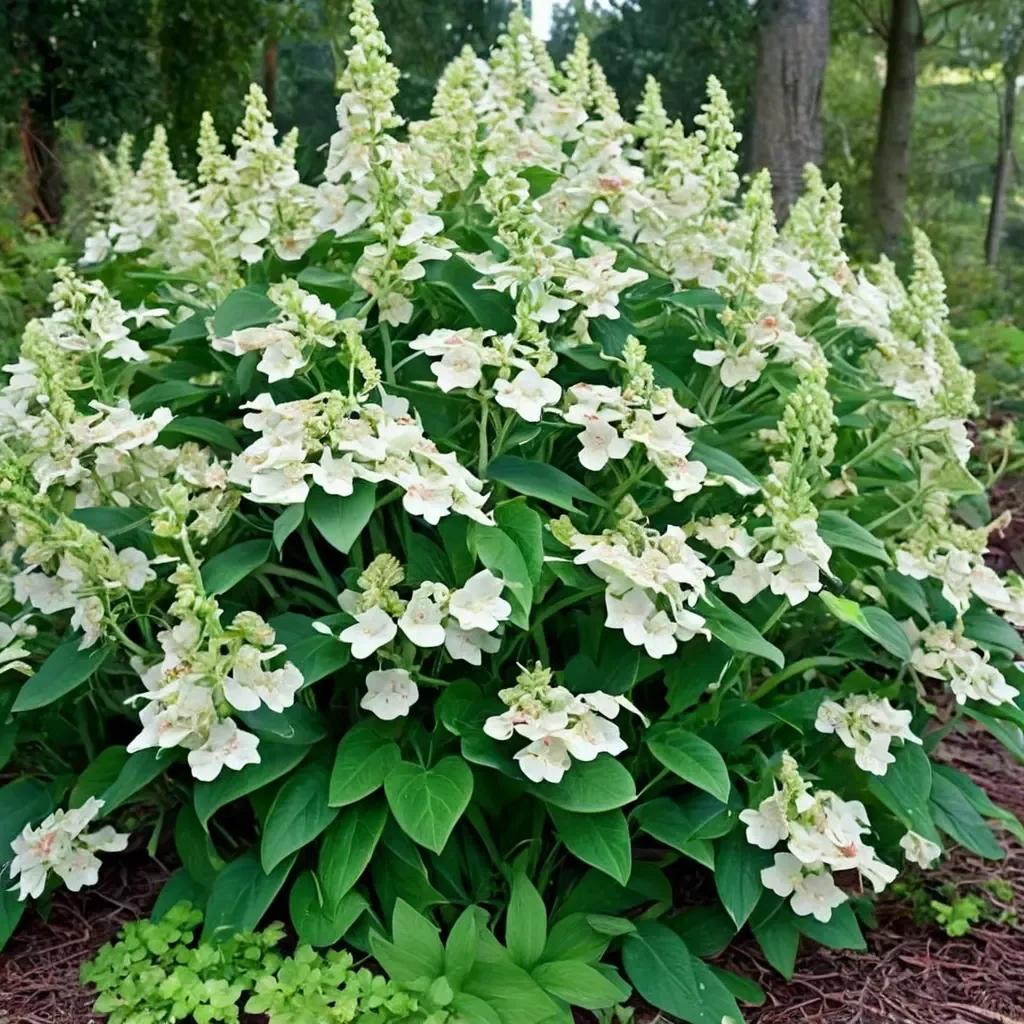 ‘Tardiva’Tardiva Hydrangea
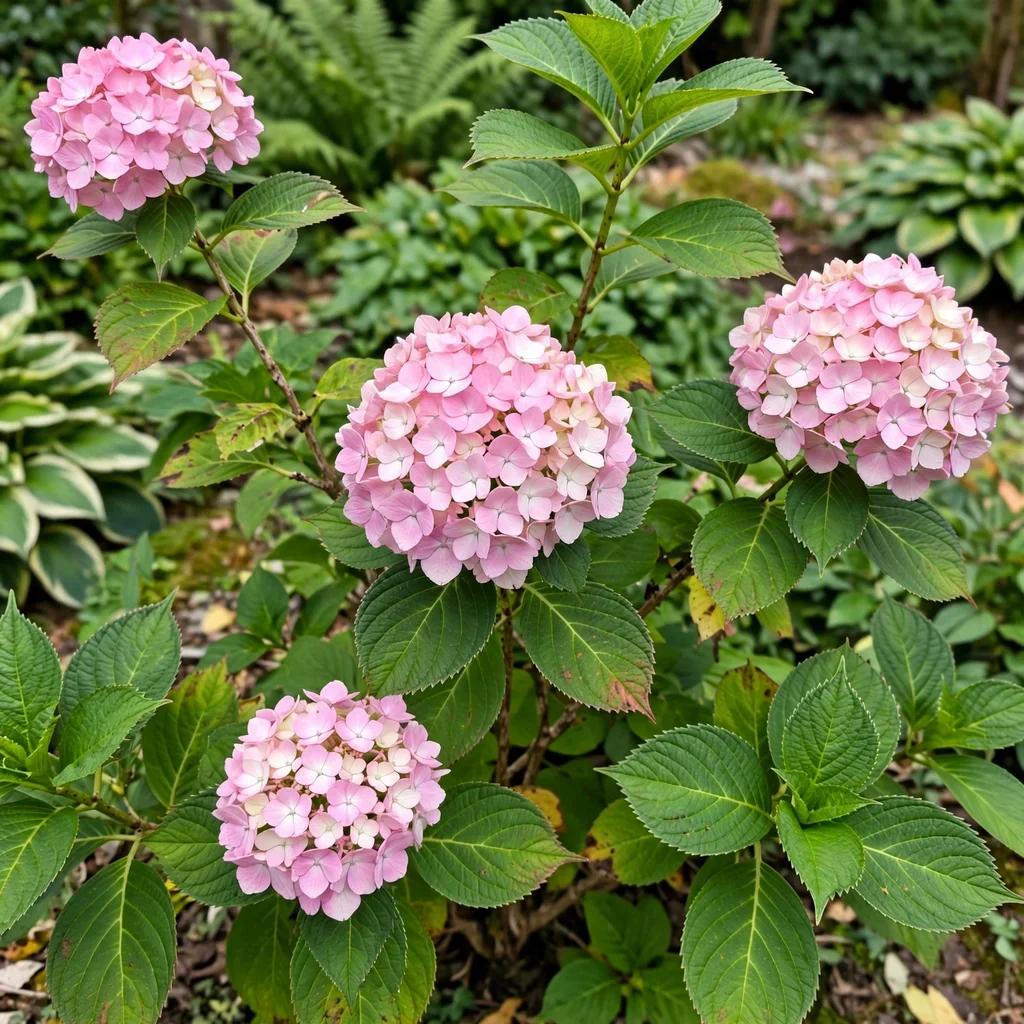 ‘Pink Diamond’Pink Diamond Hydrangea
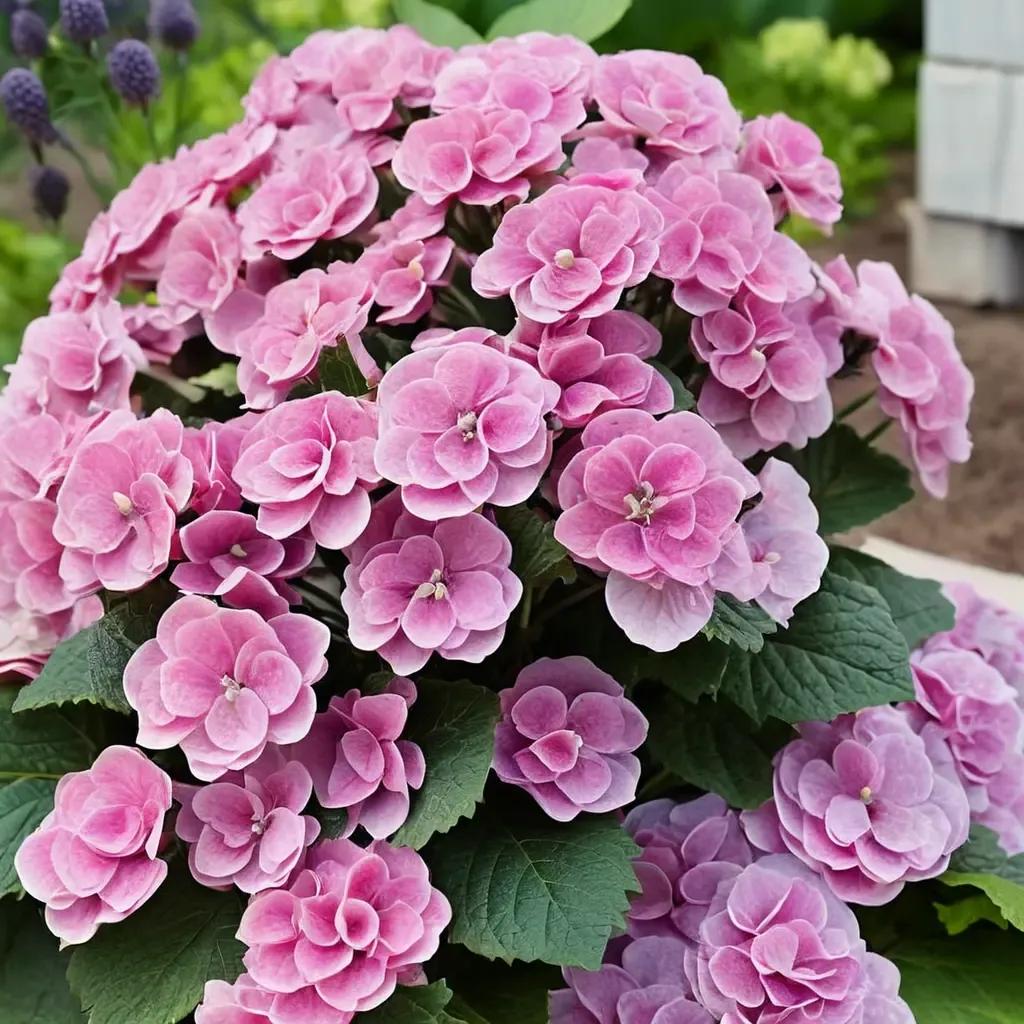 ‘Elizabeth Ashley’Elizabeth Ashley Bigleaf Hydrangea
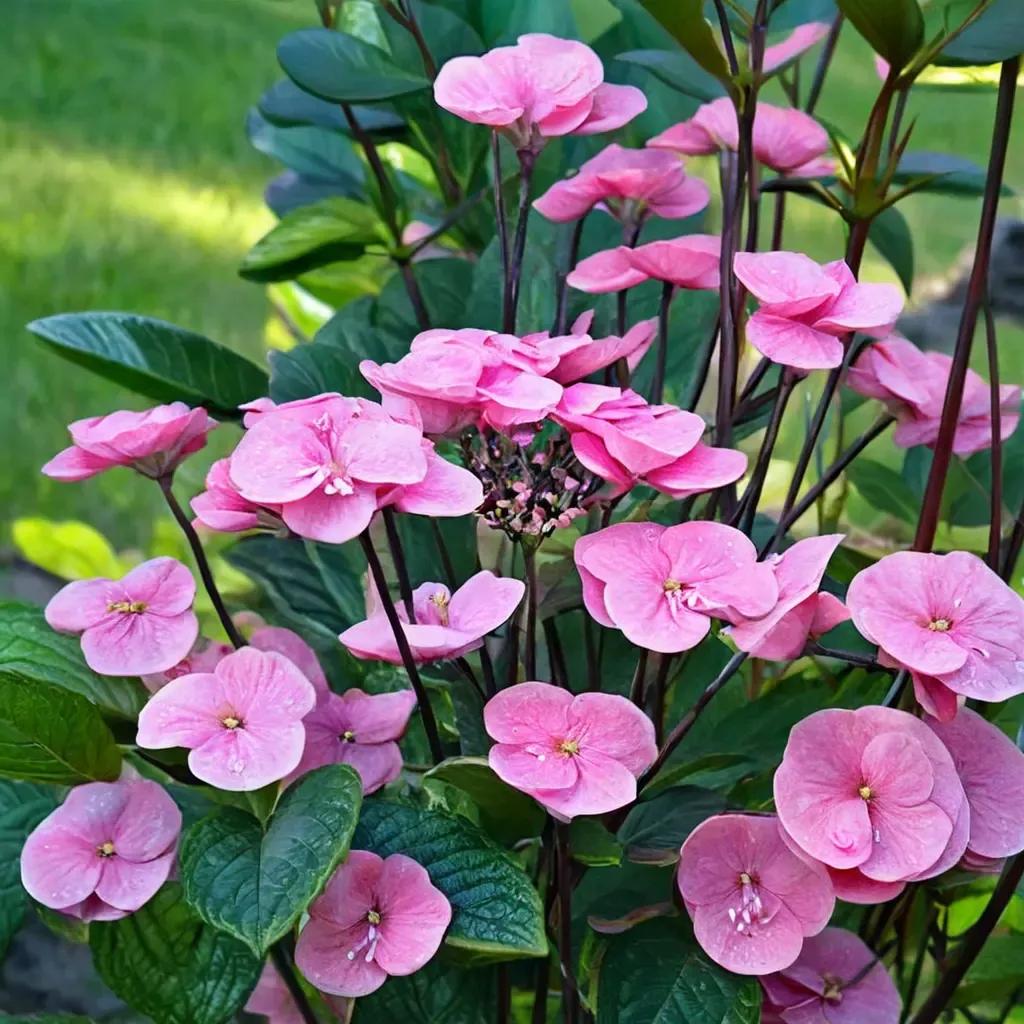 ‘Abracadabra Star’Abracadabra Star Hydrangea
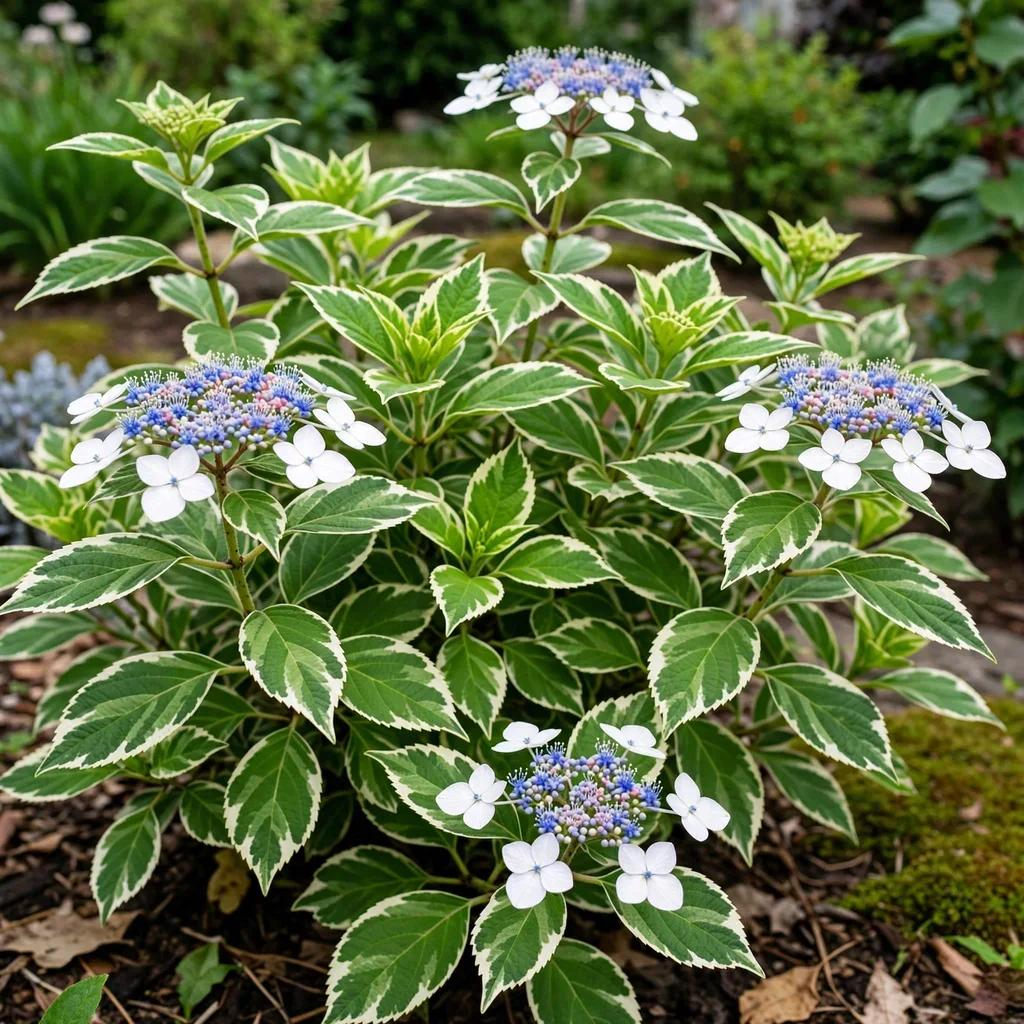 ‘Light-O-Day’Light-O-Day Hydrangea
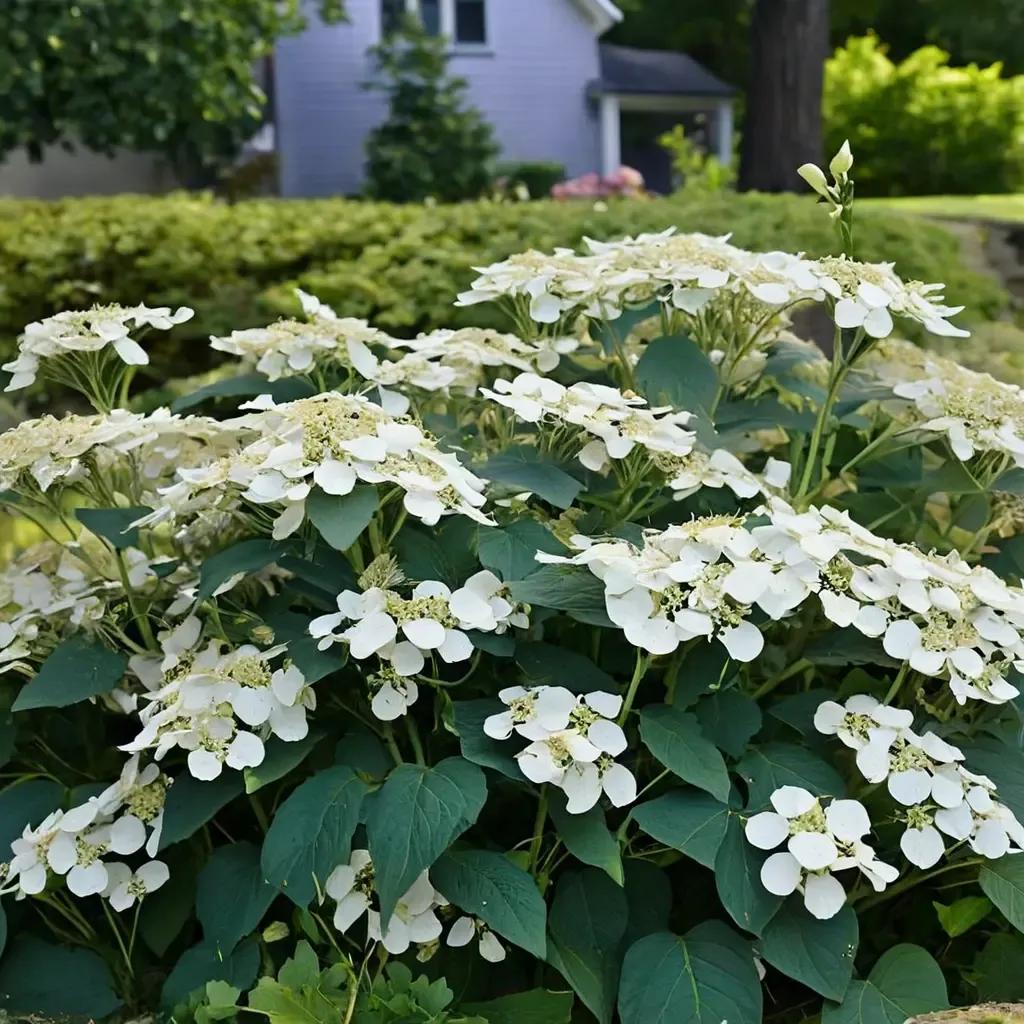 ‘Haas Halo’Haas Halo Hydrangea
 ‘Lets Dance Arriba’Let's Dance Arriba Hydrangea
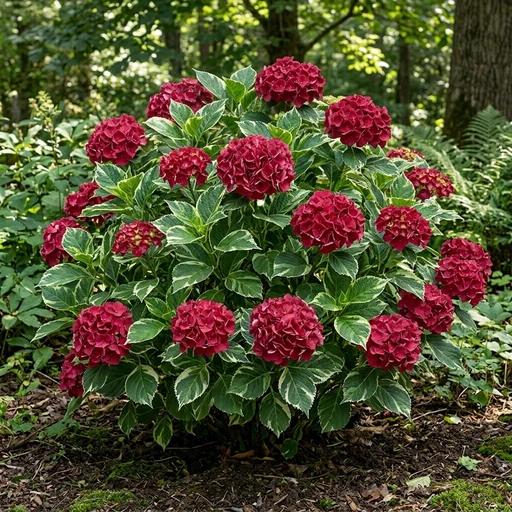 ‘Hortmagitri’Heart Throb Hydrangea
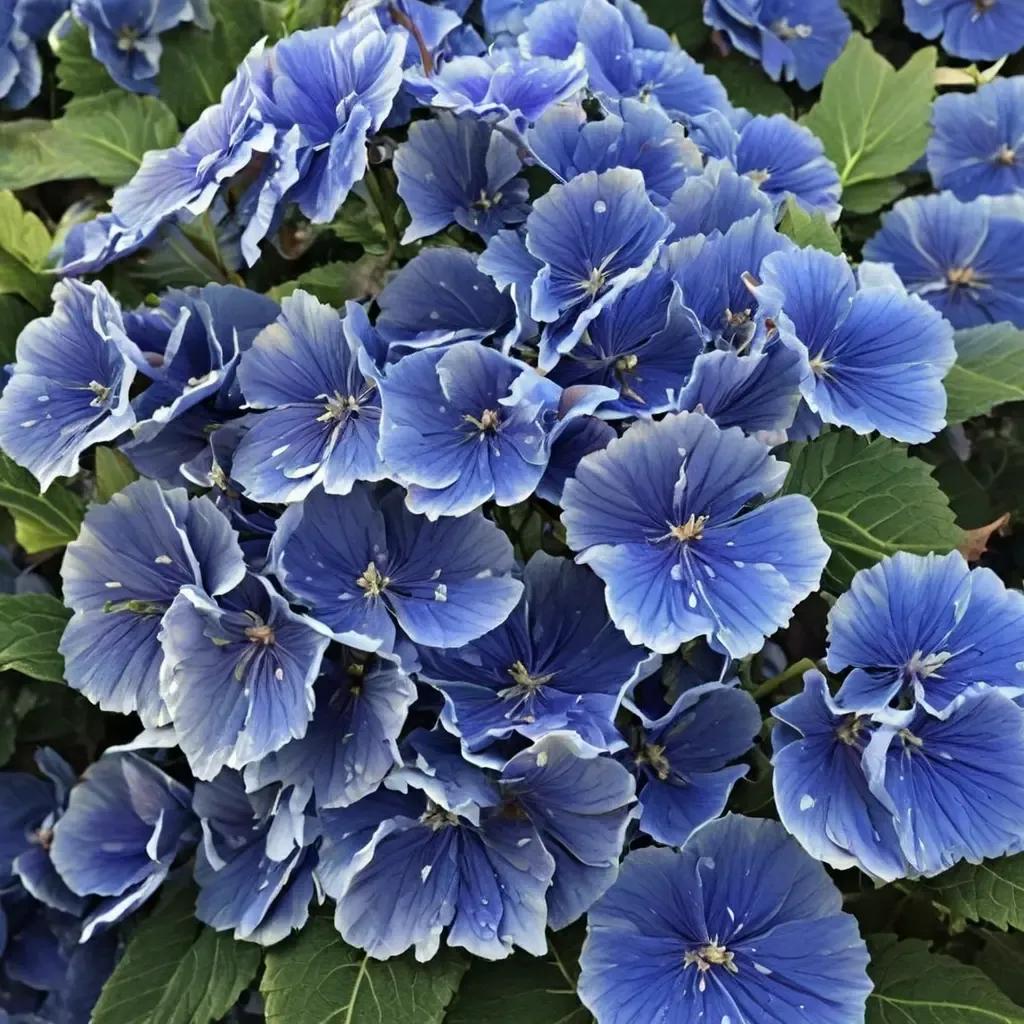 ‘Magical Bluebells’Magical Bluebells Hydrangea
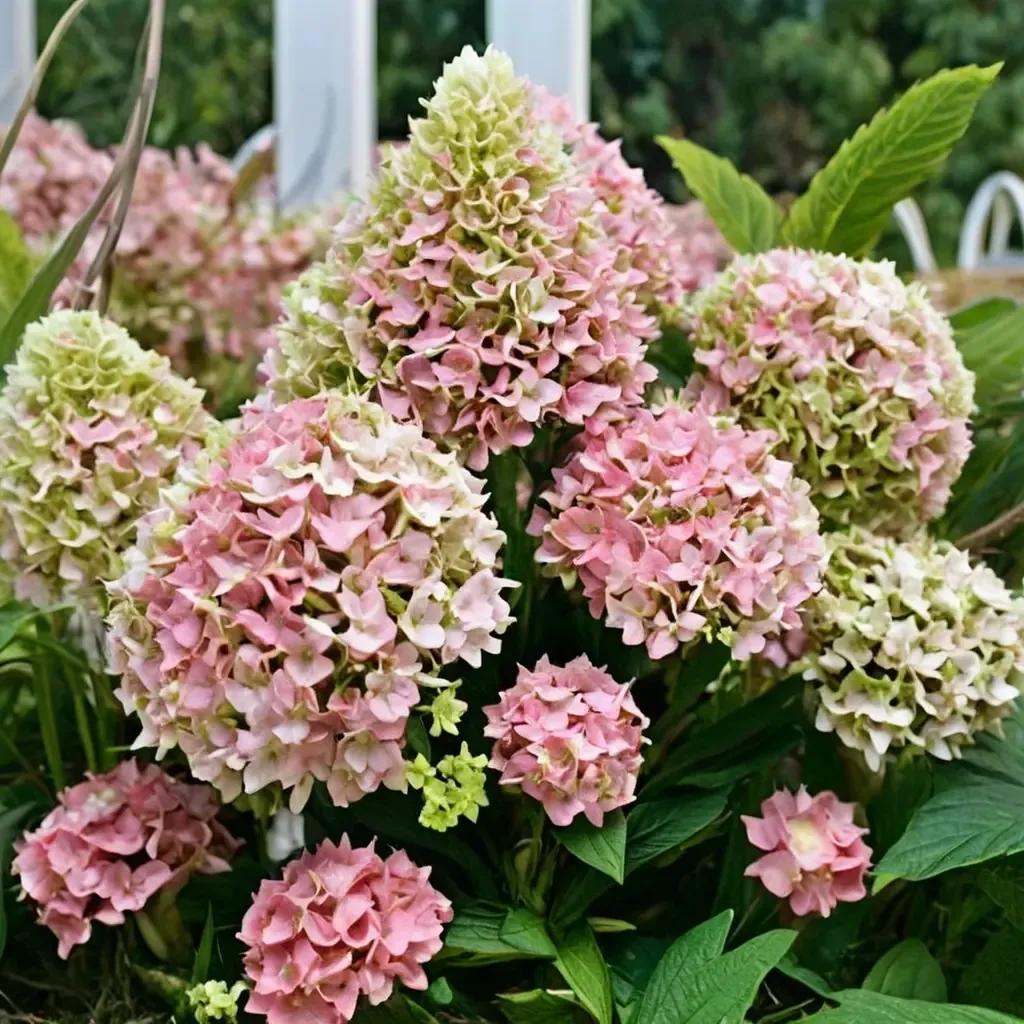 ‘Little Fresco’Little Fresco Hydrangea
 ‘Magical Rhapsody’Magical Rhapsody Hydrangea
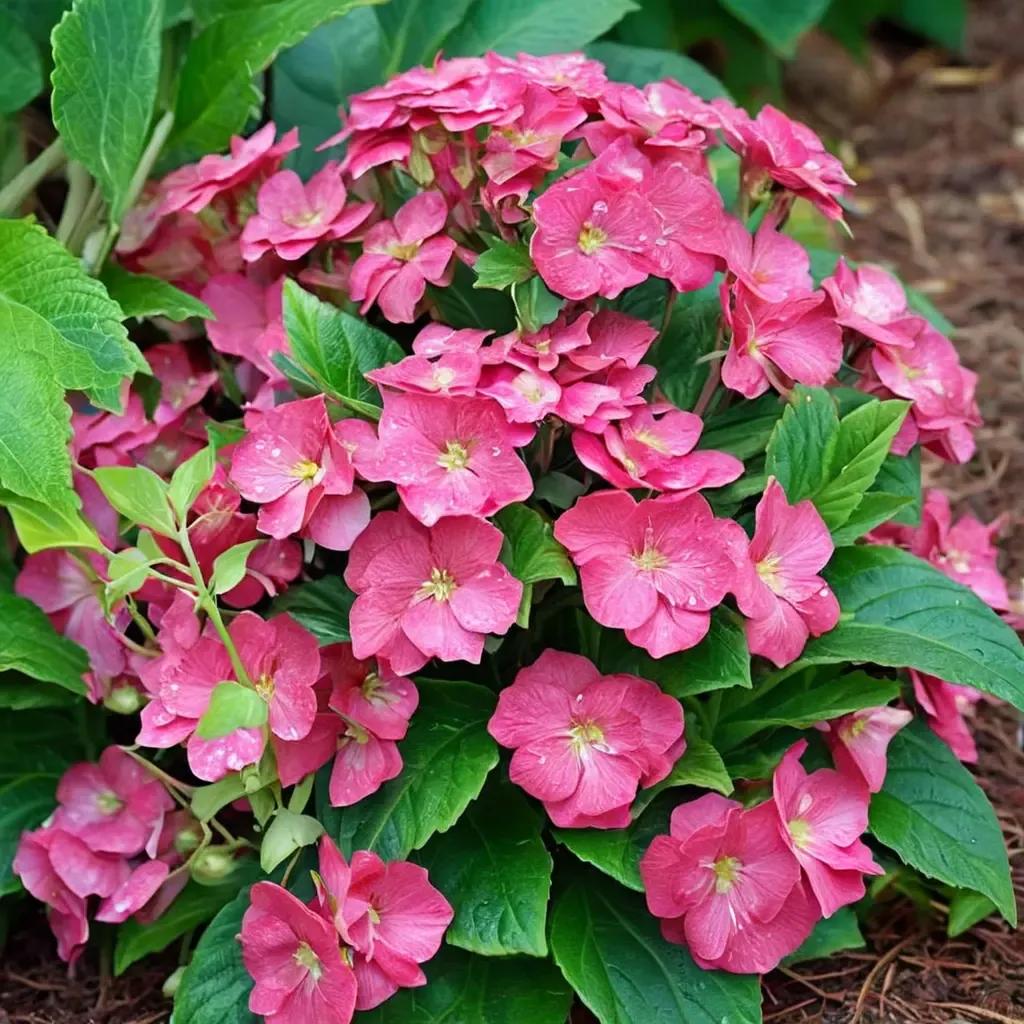 ‘Cityline Paris’Cityline Paris Hydrangea
 ‘Magical Chocolate’Magical Chocolate Hydrangea
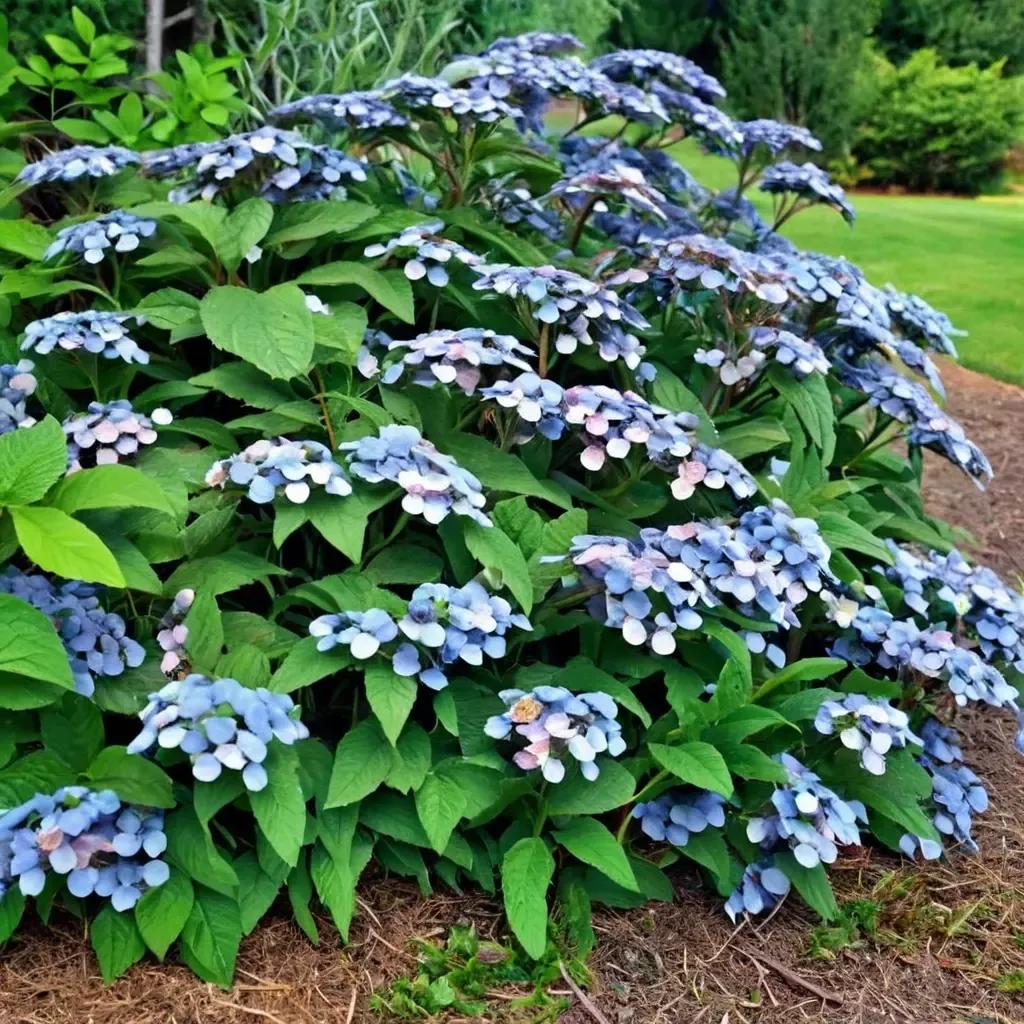 ‘Blue Billow’Blue Billow Hydrangea
 ‘Madame Emile Mouillere’Madame Emile Mouillere Hydrangea
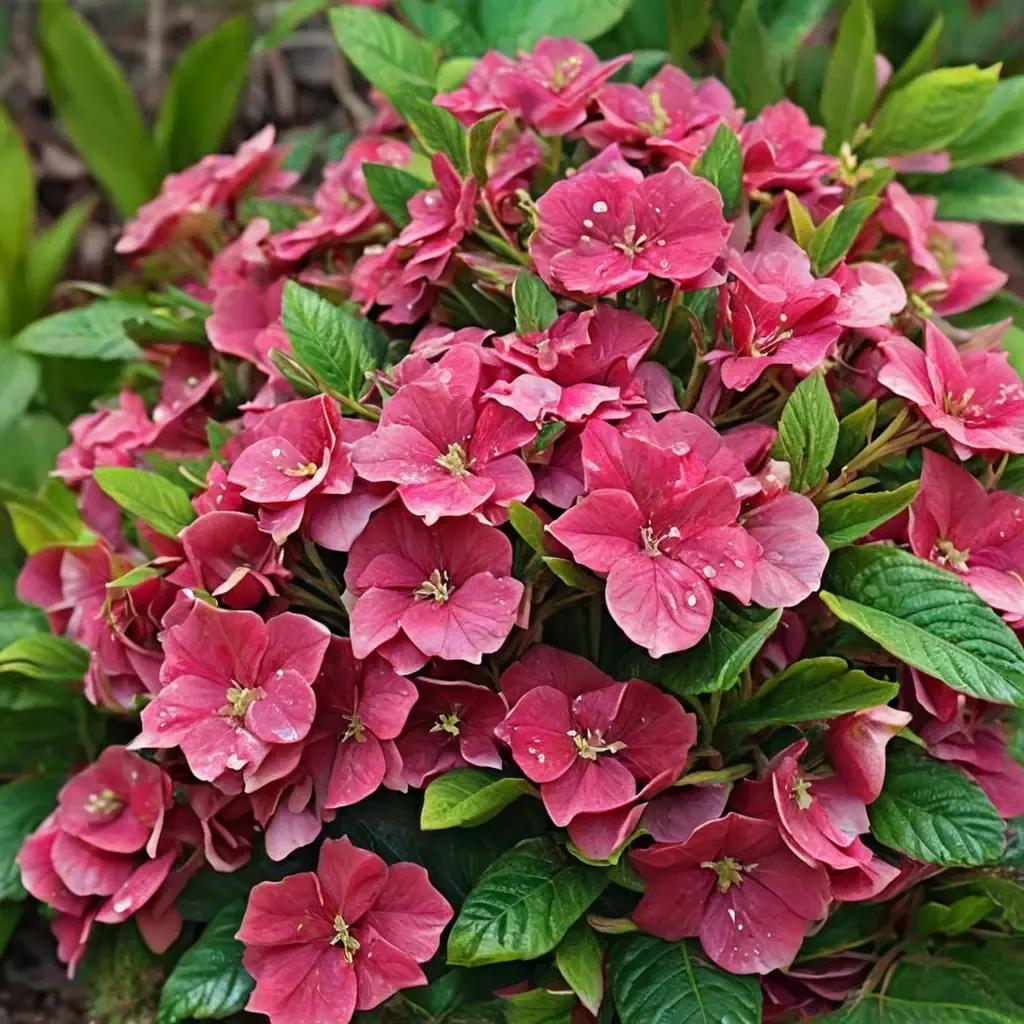 ‘Glowing Embers’Glowing Embers Hydrangea Bigleaf Hydrangea
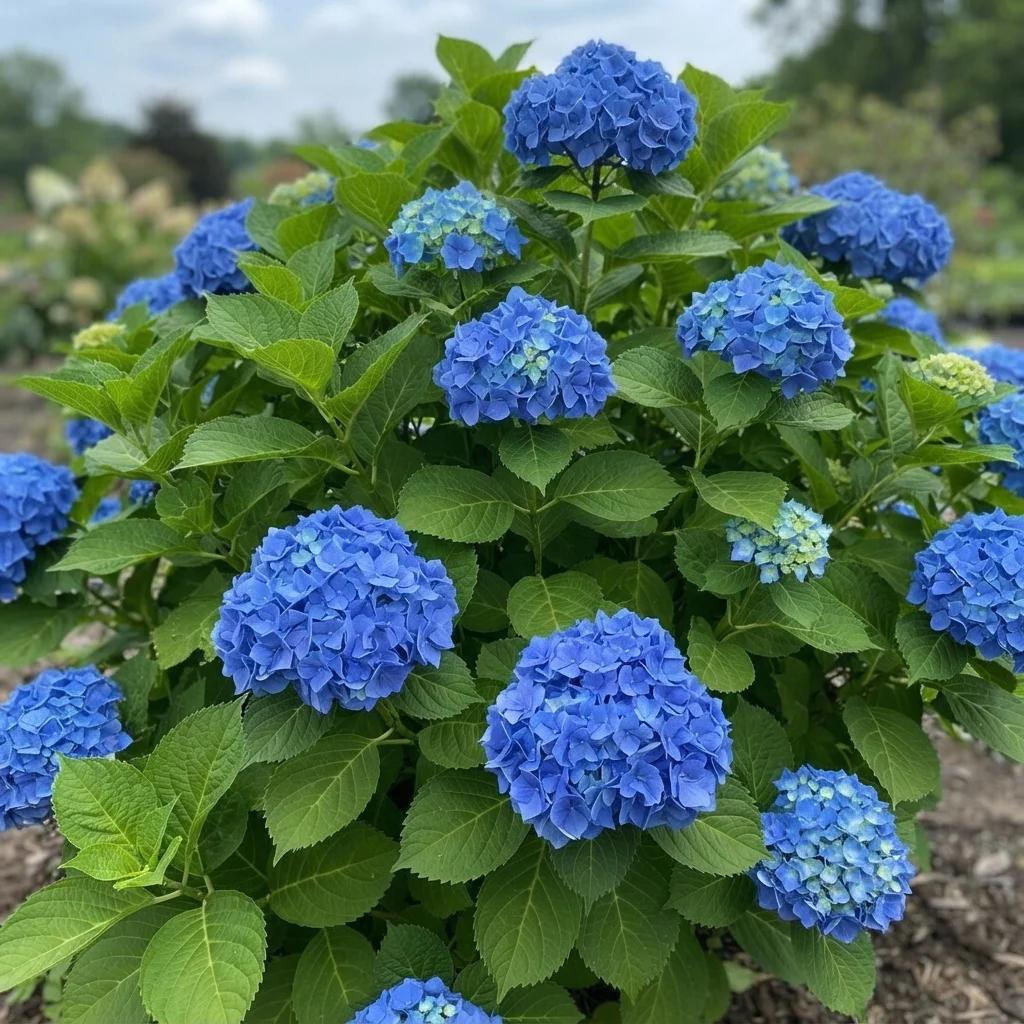 ‘Bailmer’Endless Summer Hydrangea
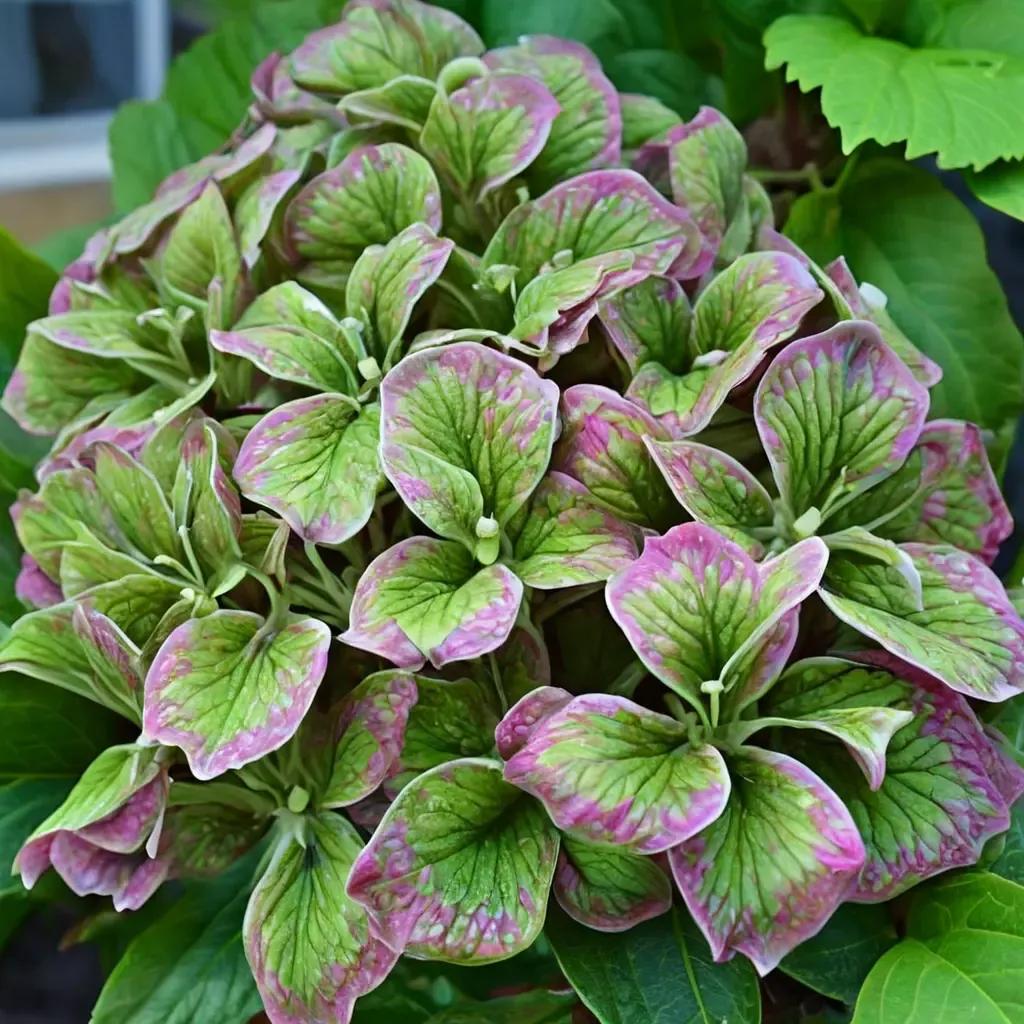 ‘Froggie Bigleaf’Froggie Bigleaf Hydrangea
 ‘Eclipse’Bigleaf Hydrangea
 ‘Wedding Gown’Wedding Gown Hydrangea
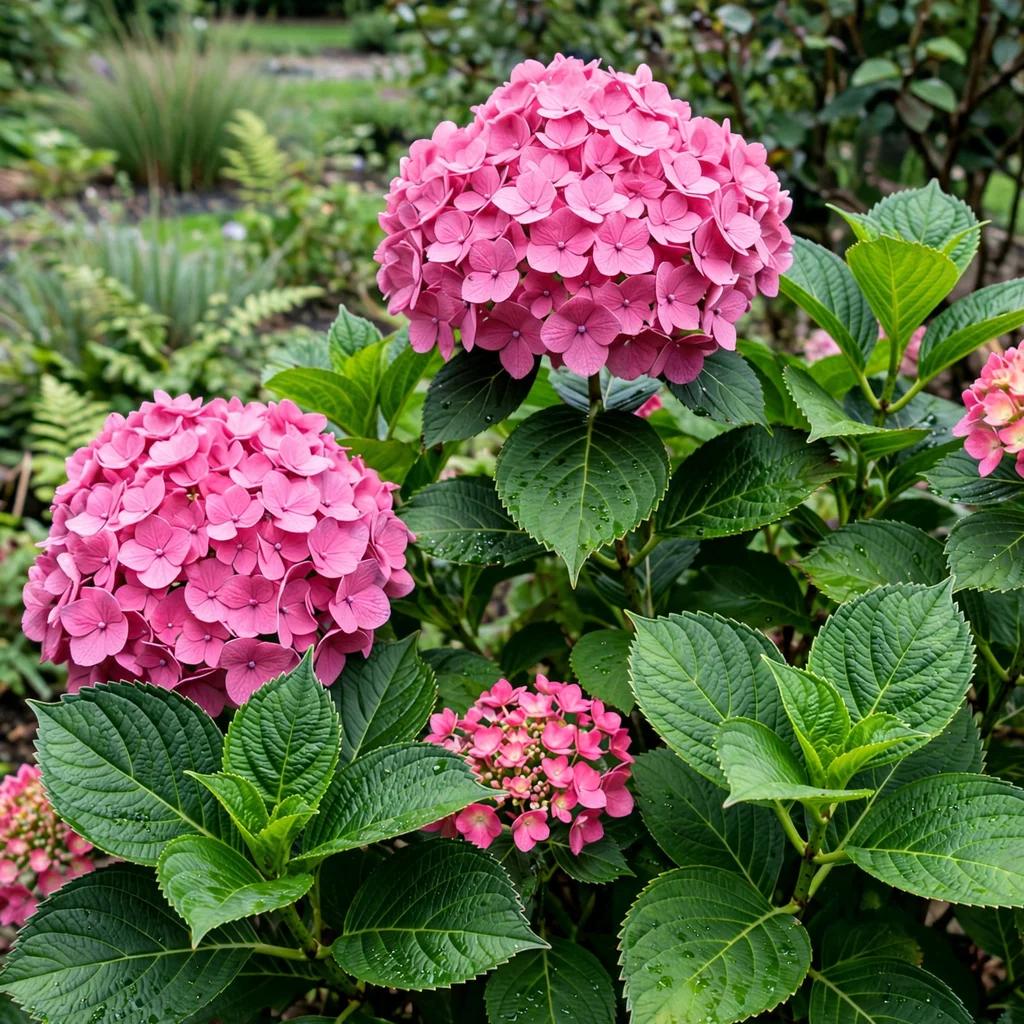 ‘Ruby Blossom’Bigleaf Hydrangea
 ‘Pistachio’Pistachio Hydrangea
 ‘Nantucket Blue’Bigleaf Hydrangea
 ‘Double Down’Bigleaf Hydrangea
 ‘Cherry Explosion’Bigleaf Hydrangea
 ‘Bottstein’Bottstein Hydrangea
 ‘Blue Cassell’Bigleaf Hydrangea
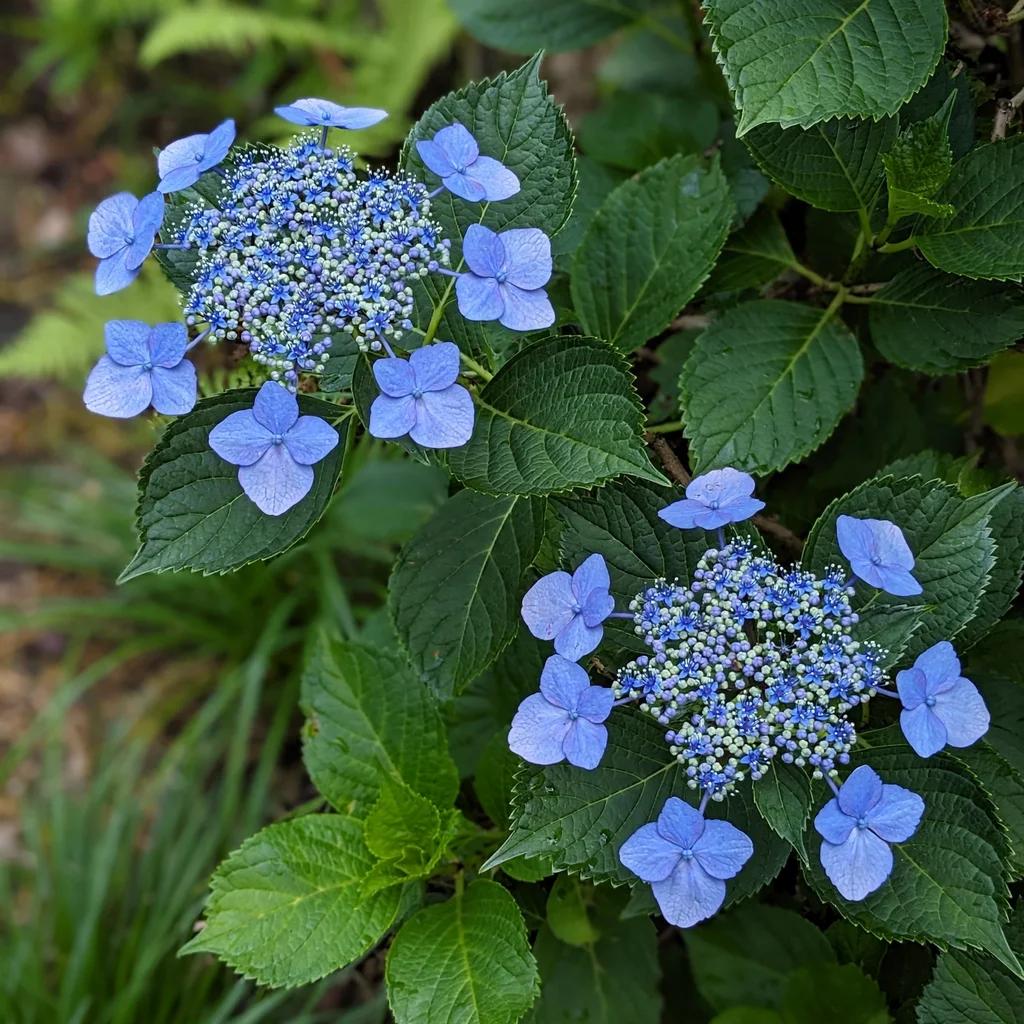 ‘Blue Wave’Bigleaf Hydrangea
The Story
Plant Bio
Deciduous shrub with large, rounded leaves and showy flower clusters.
The 'Maculata' cultivar features unique foliage variegation with cream-colored edges around the leaves.
Uses & Benefits:
Essentials
At a Glance
Plant Type
Shrub
Height
36"
Width
48"
Light
Partial Sun, Shade
Zones
5, 6, 7, 8
Water
Consistent moisture
Humidity
Moderate to high
Lifespan
10+ years
Native To
Japan, China, Korea
Toxicity
Non-toxic to humans and pets
Bloom period
Mid-summer – Late summer
In flower about 2 months of the year
Marketplace
Where to Buy
Shipping costs Year-round shipping Free shipping
Planting
How to Grow
- Select a site with partial shade to protect from harsh afternoon sun.
- Prepare soil by mixing organic compost for improved drainage and fertility.
- Tuck young plants into the ground, ensuring the root ball is level with soil surface, and water thoroughly.
- Mist cuttings regularly to maintain humidity and promote root development, usually within 6 weeks.
- Apply mulch around the base to retain moisture and suppress weeds.
- Fertilize lightly in early spring with a balanced, slow-release fertilizer.
Pro Tip
Plant hydrangeas in well-draining soil and amend with organic matter for vibrant blooms.
Keep It Thriving
Care Guide
Do
- Water consistently to keep soil moist but not waterlogged 🌱
- Prune dead or damaged stems in late winter or early spring
- Mulch to conserve moisture and regulate soil temperature
- Fertilize with a balanced fertilizer in spring and early summer
Don't
- Avoid overwatering, which can cause root rot ❌
- Do not prune in late summer or fall, as it may reduce next year’s blooms
- Steer clear of heavy, clay soil without amendments
- Avoid planting in full sun where afternoon heat can scorch blooms
Seasonal Care Calendar
| Task | Jan | Feb | Mar | Apr | May | Jun | Jul | Aug | Sep | Oct | Nov | Dec |
|---|---|---|---|---|---|---|---|---|---|---|---|---|
| Fertilize | ||||||||||||
| Prune | ||||||||||||
| Winter Prep |
Watch Out For
Pests & Diseases
Common Pests
Common Diseases
In the Garden
Landscape Uses & Companions
Landscape Uses
Companion Plants
Multiply
Propagation Methods
Good to Know
Common Questions
Bigleaf Hydrangea Maculata Hydrangea questions
What zones can Bigleaf Hydrangea Maculata Hydrangea grow in?
Bigleaf Hydrangea Maculata Hydrangea is hardy in USDA Zones 5–8. Inside that range it survives winter in the ground; outside it, grow it as an annual or a container plant you protect.
Is Bigleaf Hydrangea Maculata Hydrangea deer resistant?
Yes — Bigleaf Hydrangea Maculata Hydrangea is rated deer-resistant. Deer typically pass it over, though extreme hunger can override any plant's defenses.
When does Bigleaf Hydrangea Maculata Hydrangea bloom?
Bigleaf Hydrangea Maculata Hydrangea typically blooms in mid-summer through late summer. Exact timing shifts a week or two with your zone — Sow's bloom calendar maps it to your garden.
Does Bigleaf Hydrangea Maculata Hydrangea need full sun?
Bigleaf Hydrangea Maculata Hydrangea does best in part shade.
More Hydrangea to compare
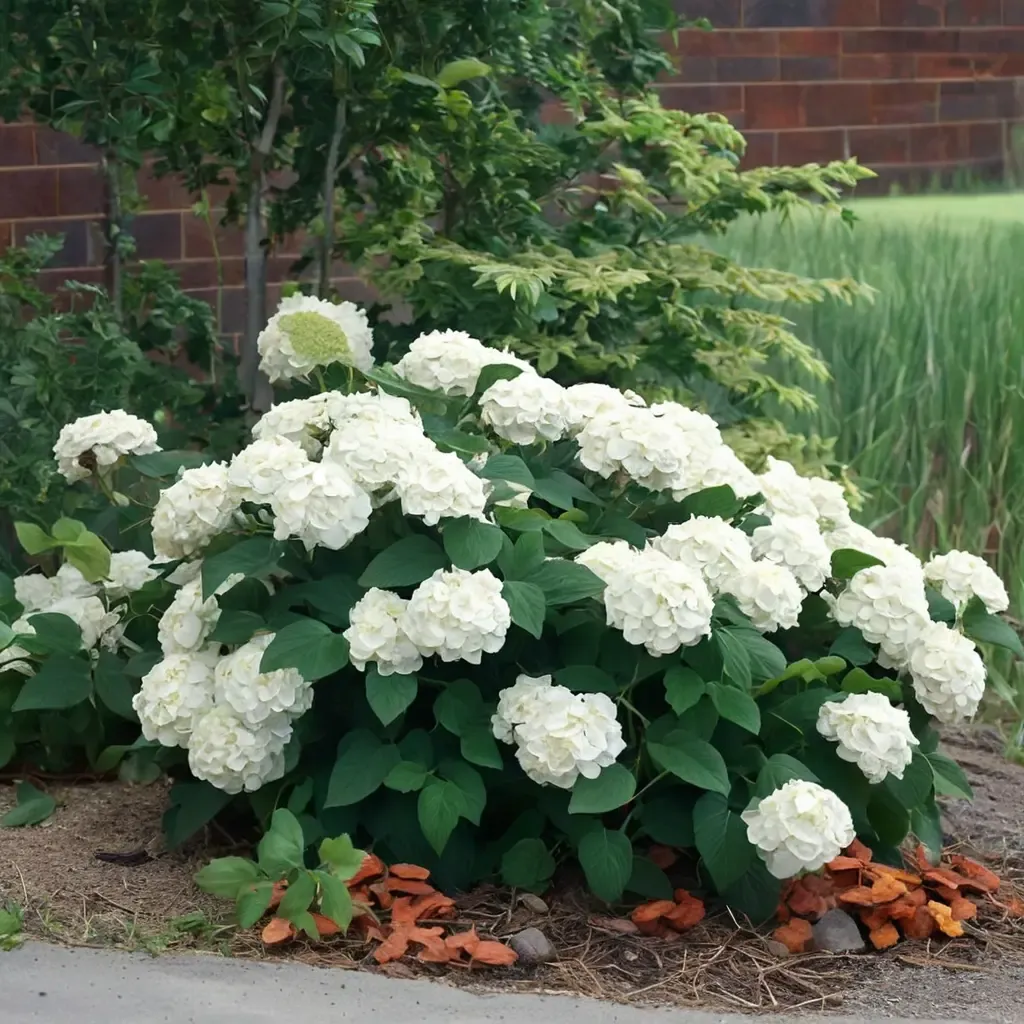
Incrediball Hydrangea
Hydrangea arborescens 'Incrediball'
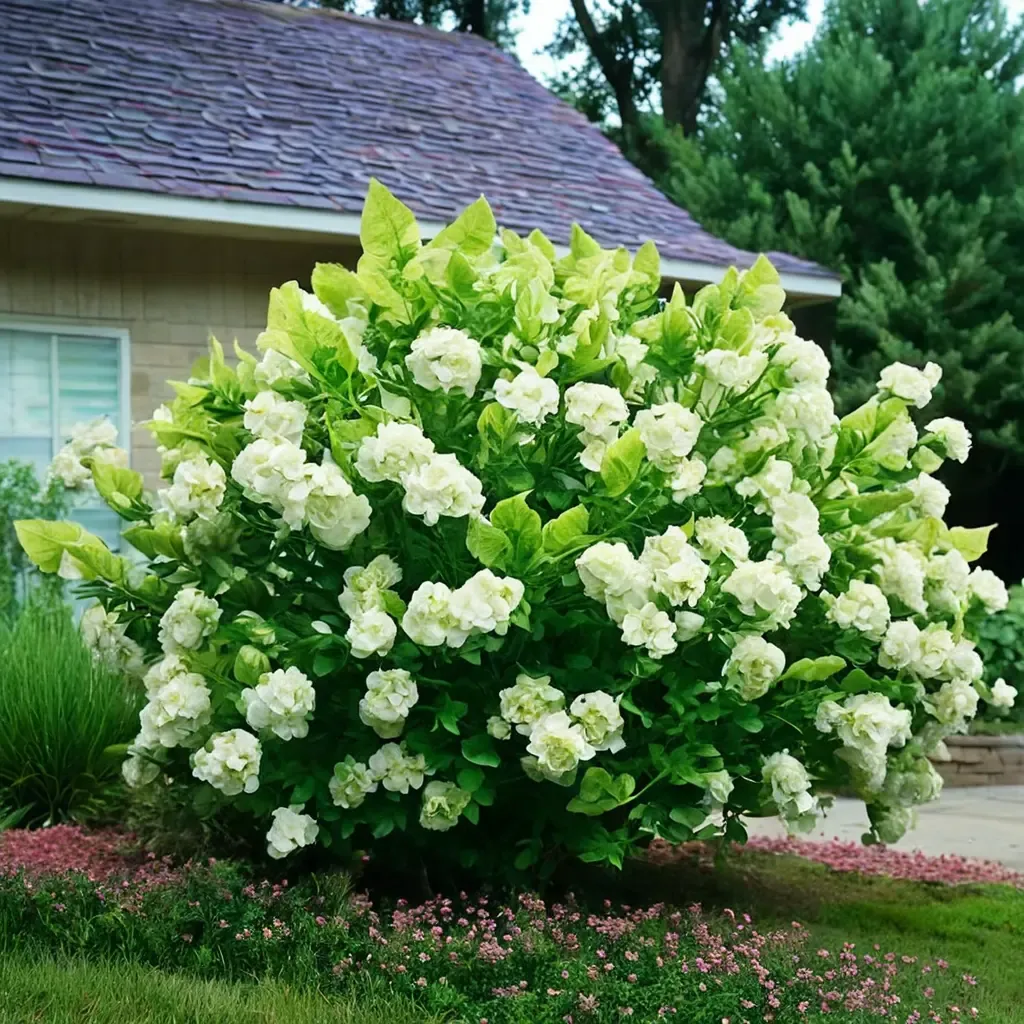
Limelight Hydrangea
Hydrangea paniculata 'Limelight'
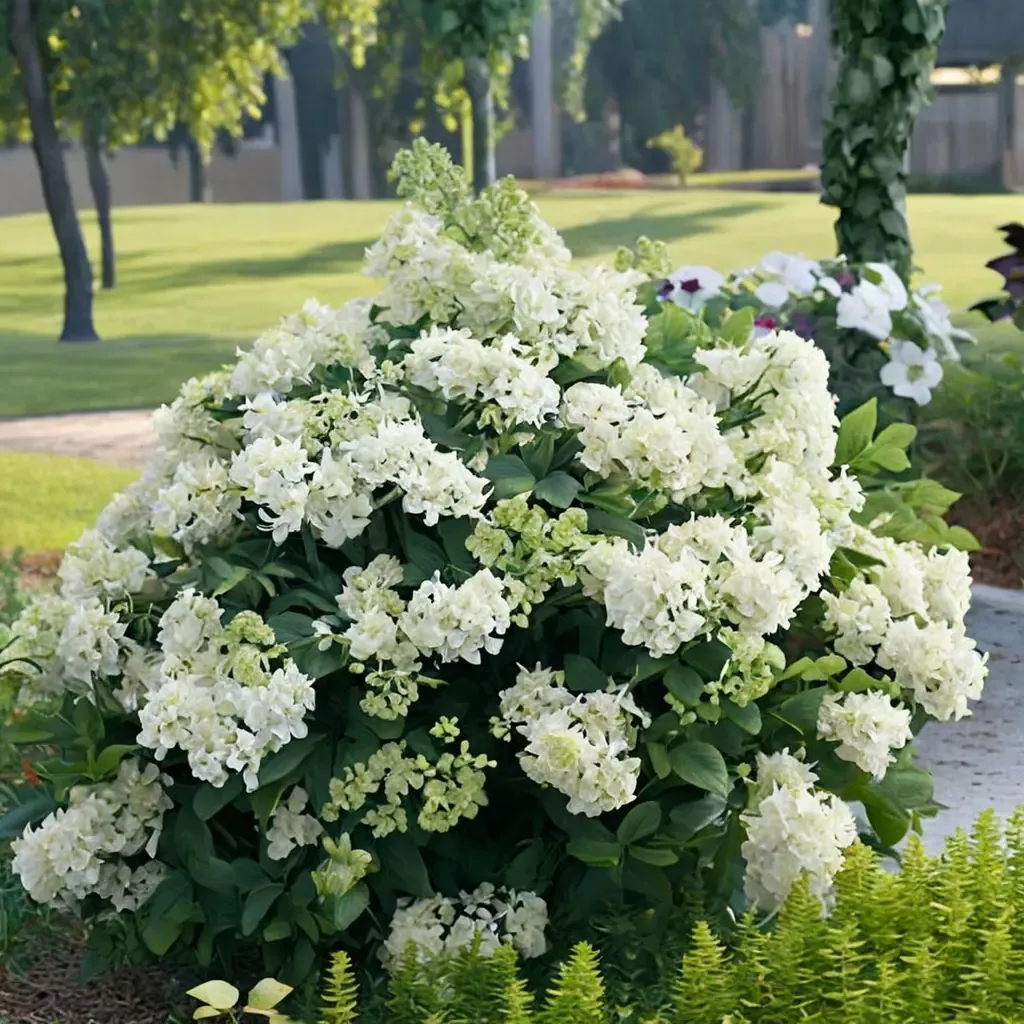
Bobo Hydrangea
Hydrangea paniculata 'ILVOBO'
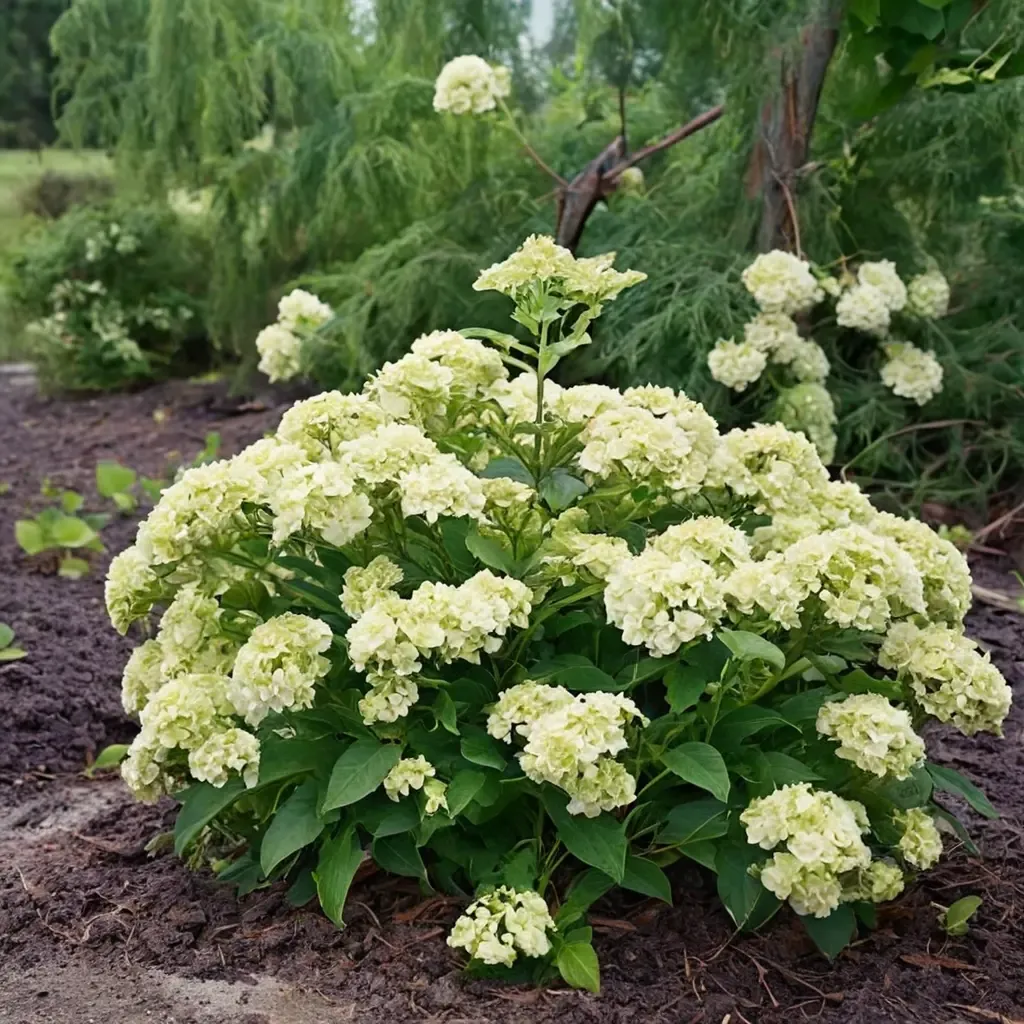
Little Lime Hydrangea
Hydrangea paniculata 'Jane'
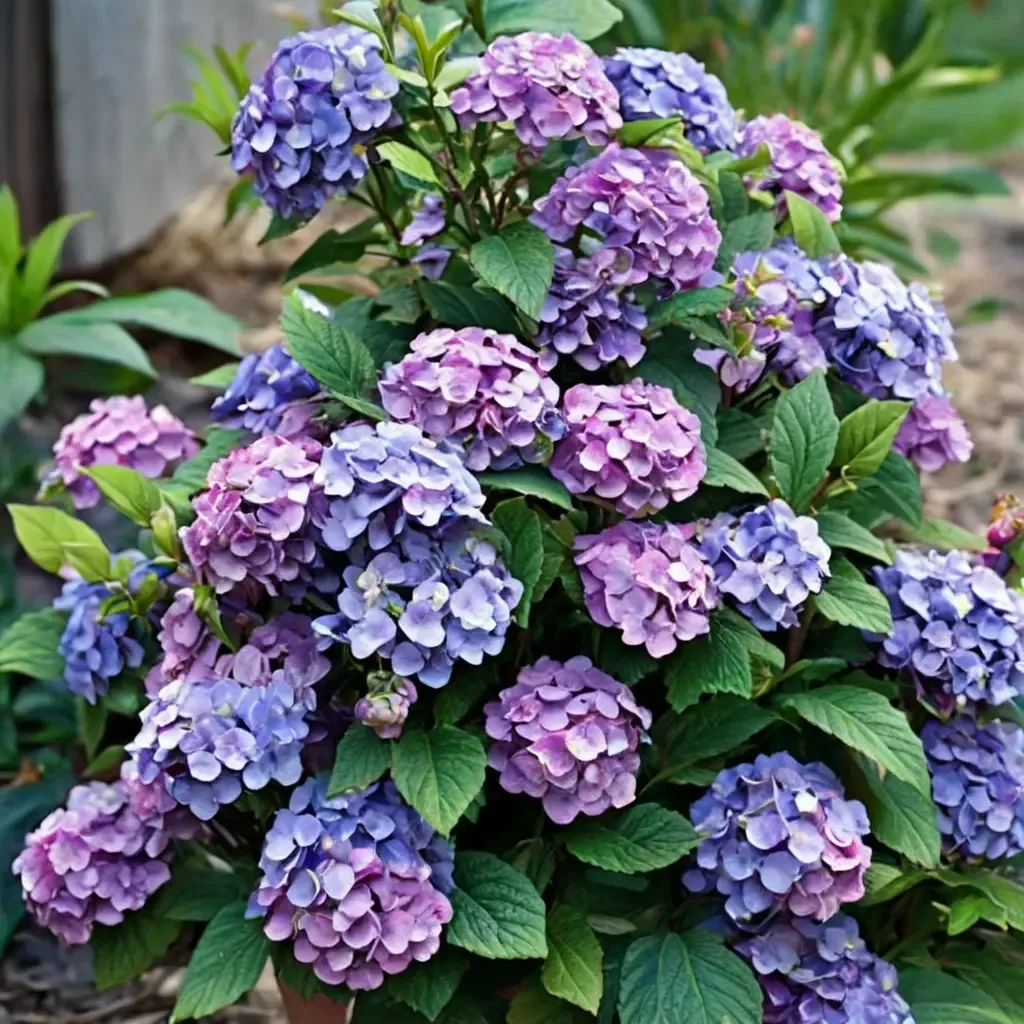
Bloomstruck Hydrangea
Hydrangea macrophylla 'Bloomstruck'
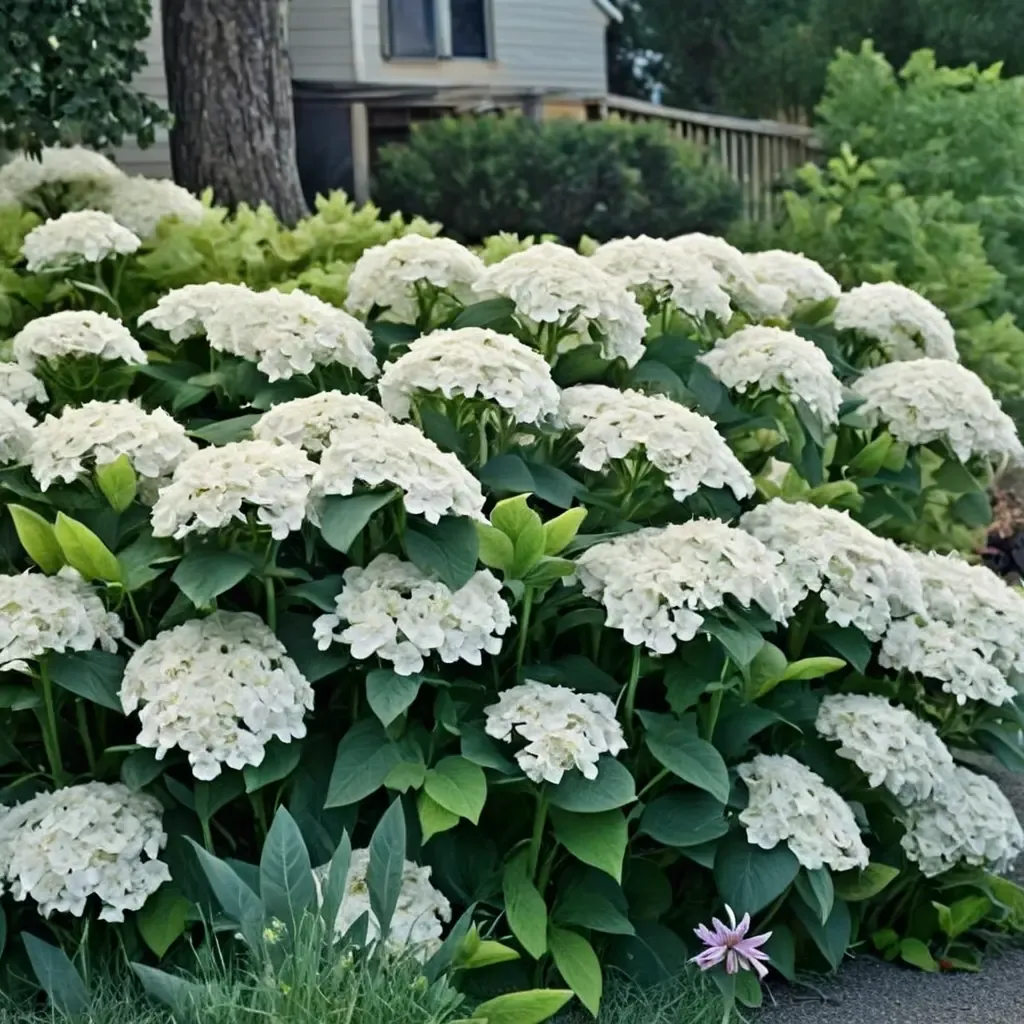
Annabelle Hydrangea Smooth Hydrangea
Hydrangea arborescens 'Annabelle'
Keep exploring
Explore the genus
Hardy in your zone?
Grow Bigleaf Hydrangea Maculata Hydrangea with confidence
See it in a design of your actual yard, get zone-matched care reminders, and track it season by season in your garden journal.