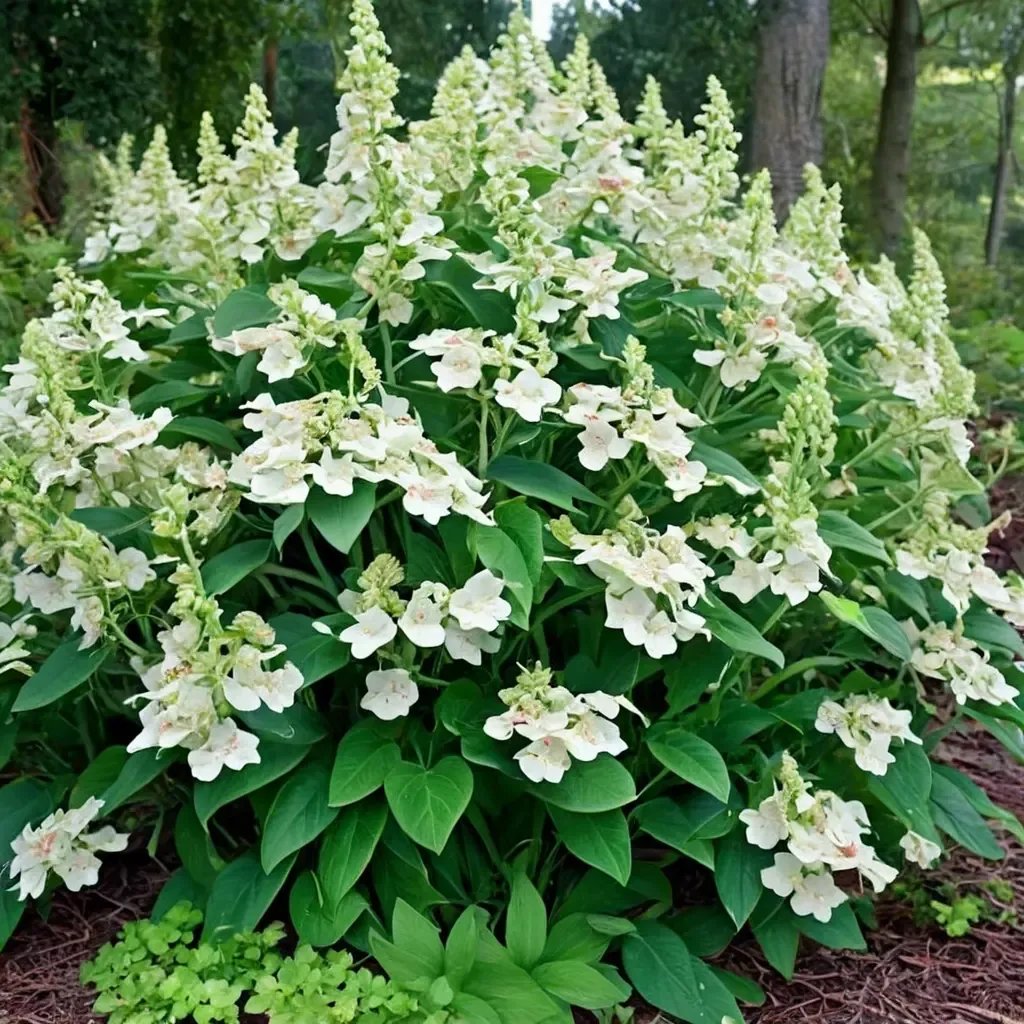
Species
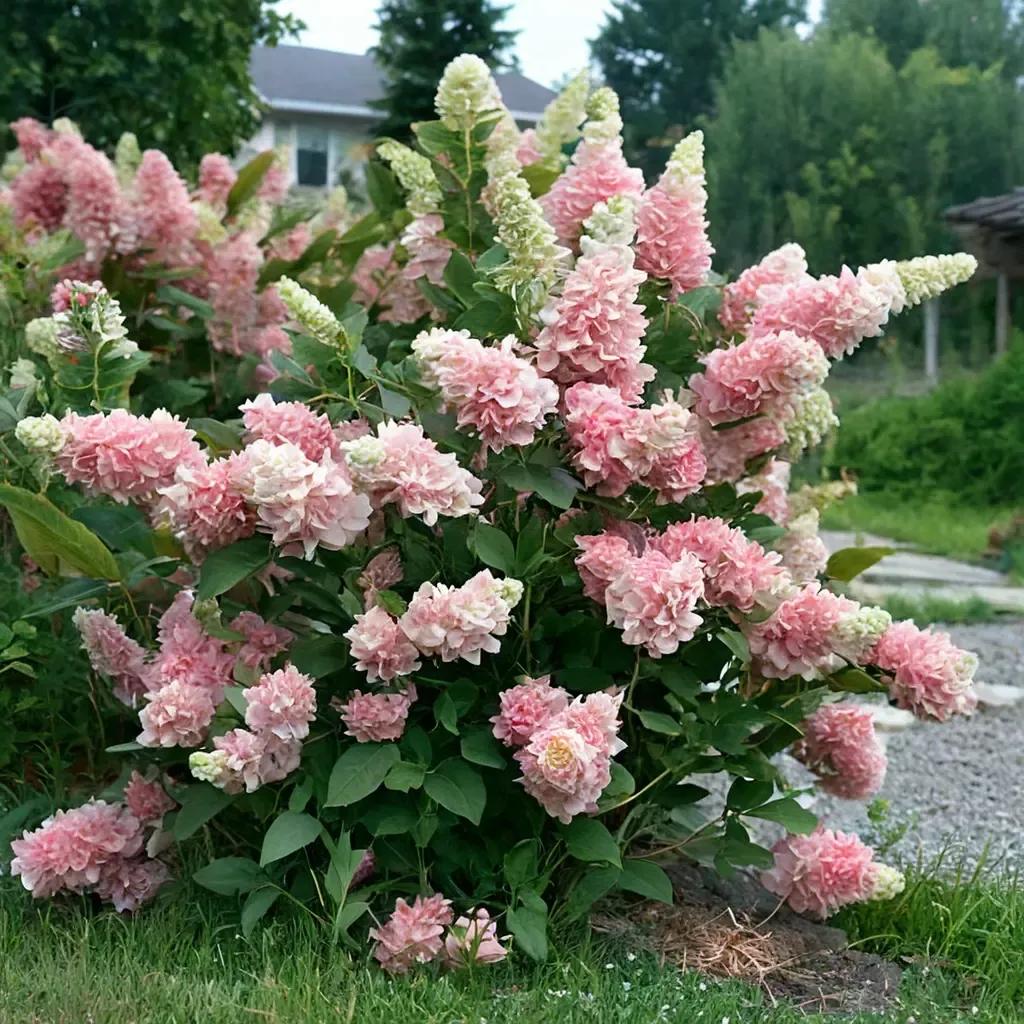
25 other cultivars
- ‘Limelight’Limelight Hydrangea
- ‘ILVOBO’Bobo Hydrangea
- ‘Jane’Little Lime Hydrangea
- ‘Little Lime Punch’Little Lime Punch Hydrangea
- ‘Little Quick Fire’Little Quick Fire Hydrangea
- ‘Quick Fire Fab’Hydrangea Quick Fire Fab
- ‘Fire Light Tidbit’Hydrangea Fire Light Tidbit
- ‘First Editions Vanilla Strawberry’Vanilla Strawberry Hydrangea
- ‘Phantom’Phantom Hydrangea
- ‘Berry White’Berry White Hydrangea
- ‘Fire Light’Fire Light Hydrangea
- ‘Magical Candle’Magical Candle Hydrangea
- ‘Moonrock’Moonrock Panicle Hydrangea
- ‘Ruby’Hydrangea Ruby
- ‘Skyfall’Skyfall Hydrangea
- ‘Candelabra’Candelabra Hydrangea
- ‘Quick Fire’Quick Fire Hydrangea
- ‘Little Spooky’Little Spooky Hydrangea
- ‘Bombshell’Bombshell Panicle Hydrangea
- ‘Rensun’Strawberry Sundae Panicle Hydrangea
- ‘Sweet Starlight’Sweet Starlight Panicle Hydrangea
- ‘White Wedding’White Wedding Panicle Hydrangea
- ‘Limelight Prime’Limelight Prime Hydrangea
- ‘Moon Dance’Moon Dance Panicle Hydrangea
- ‘Fire and Ice’Fire and Ice Panicle Hydrangea
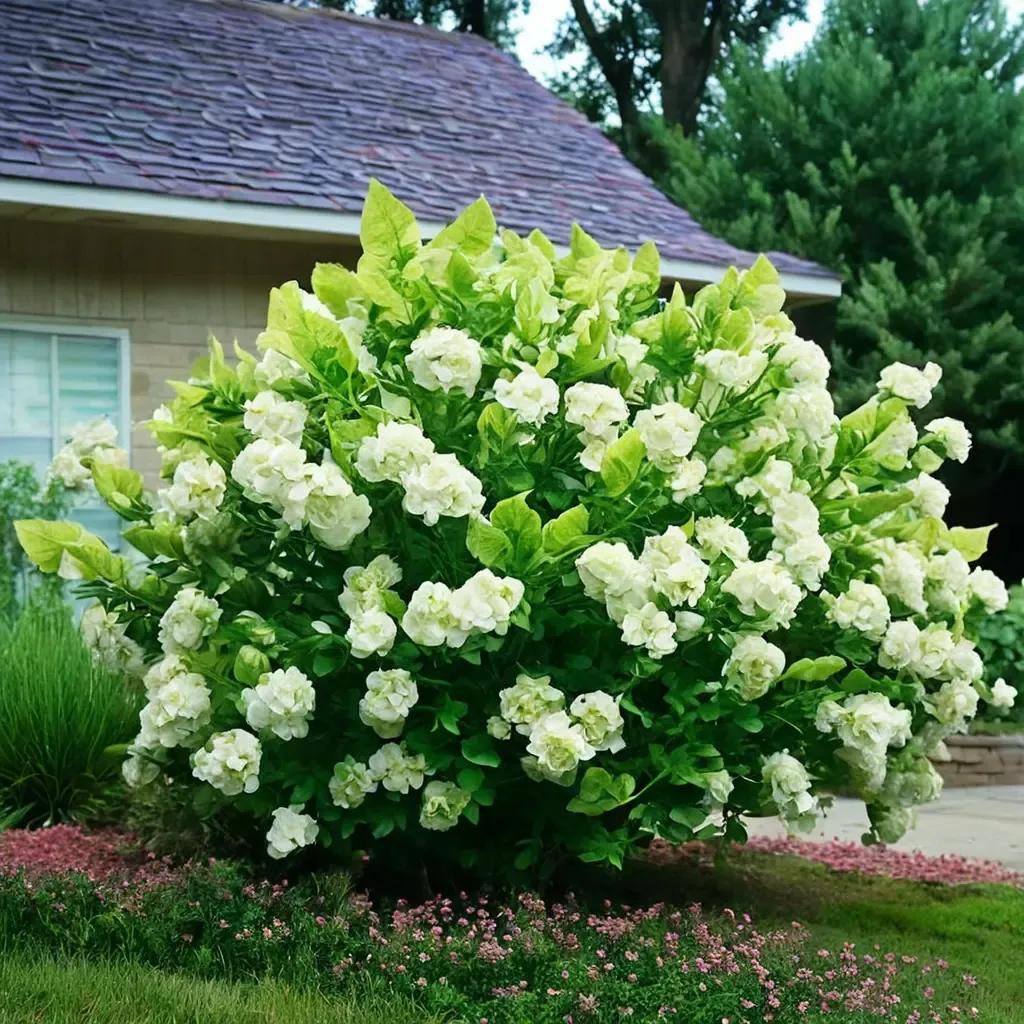
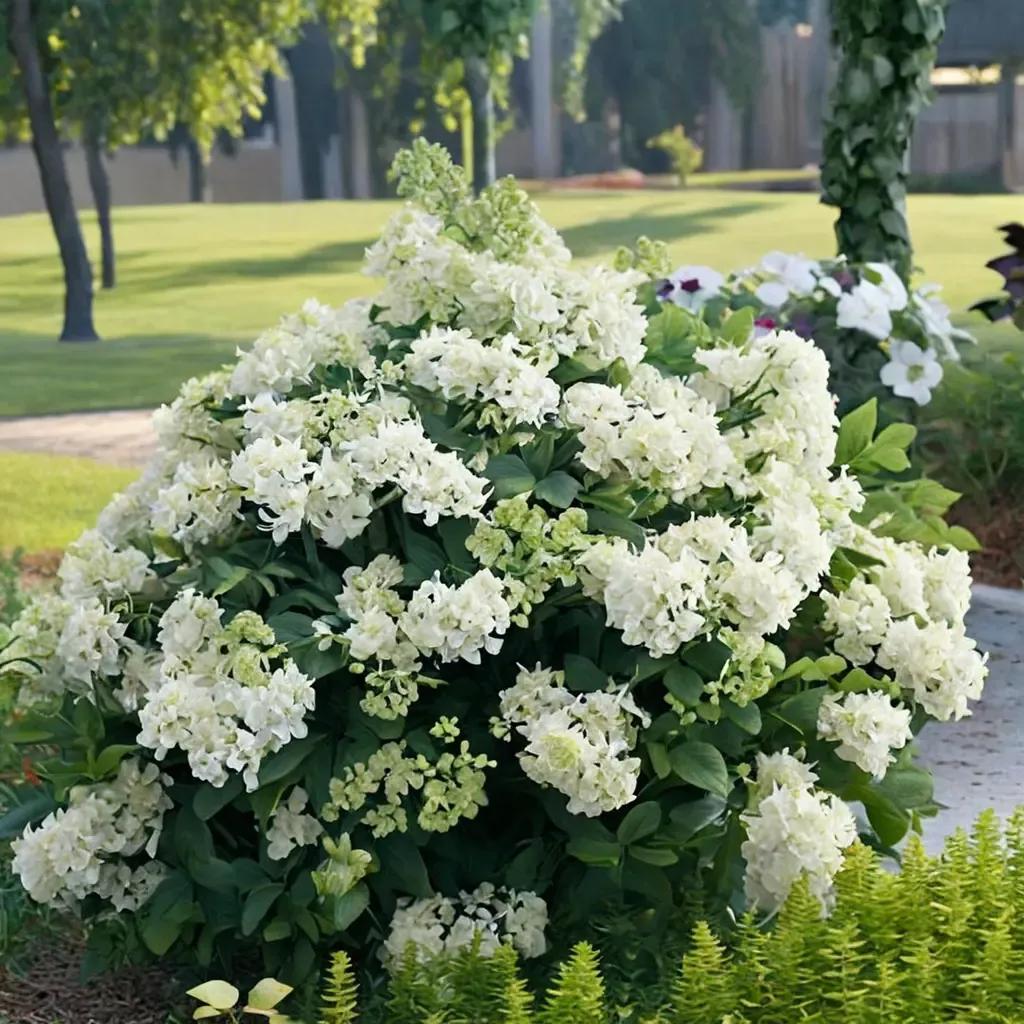





The Story
Plant Bio
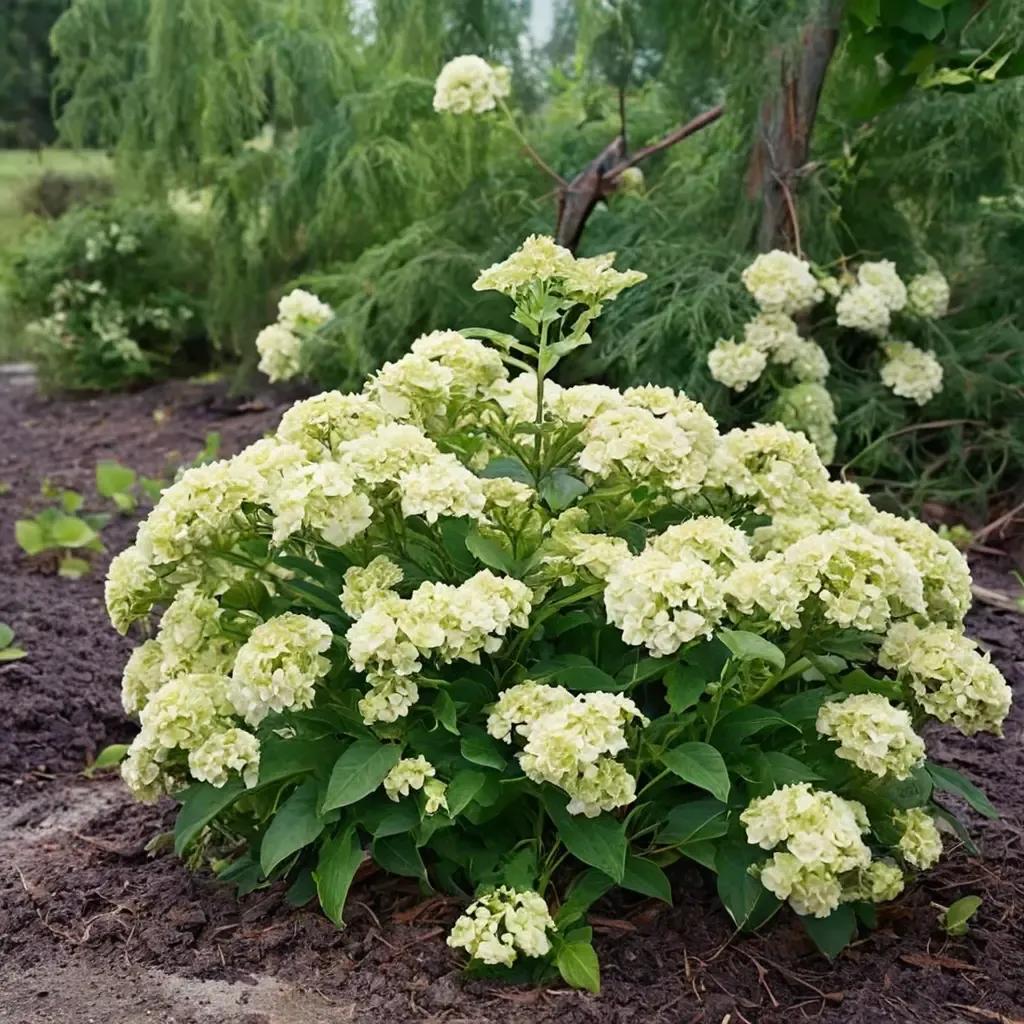
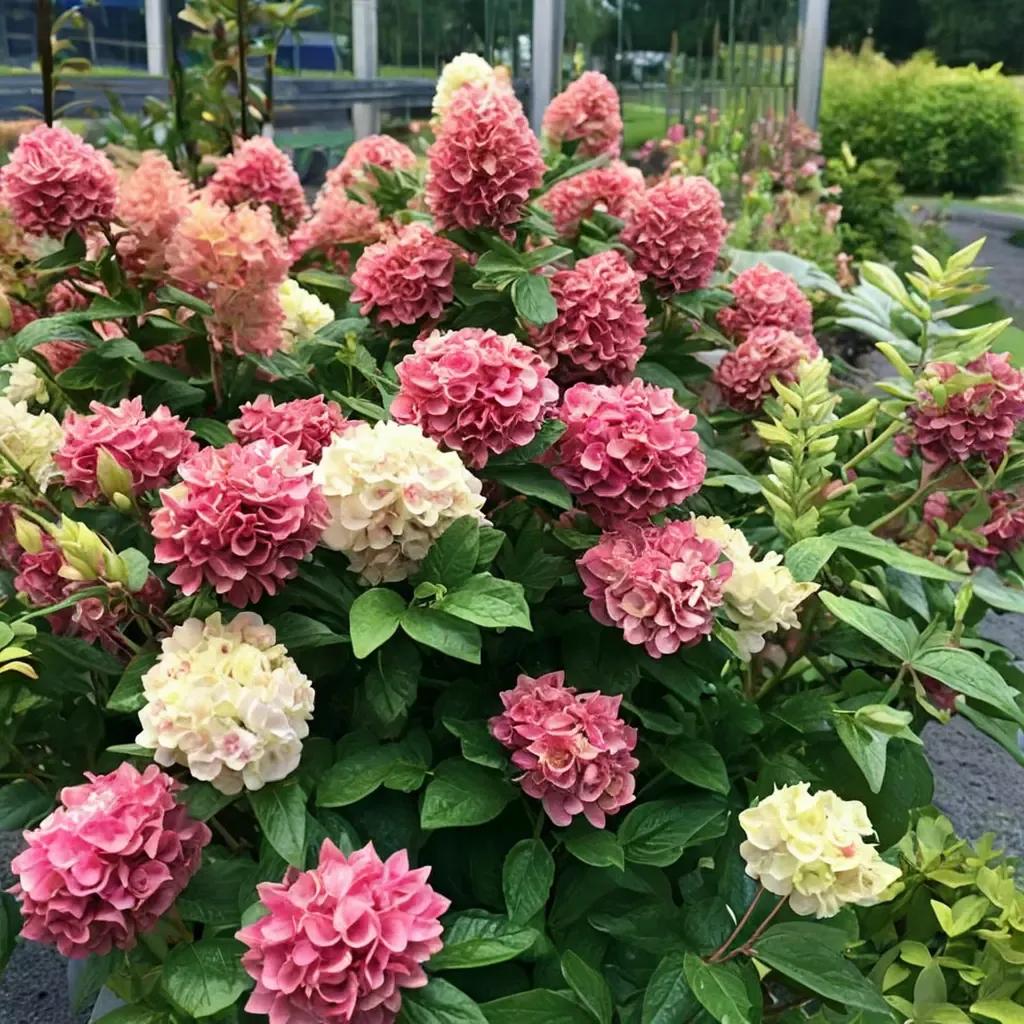
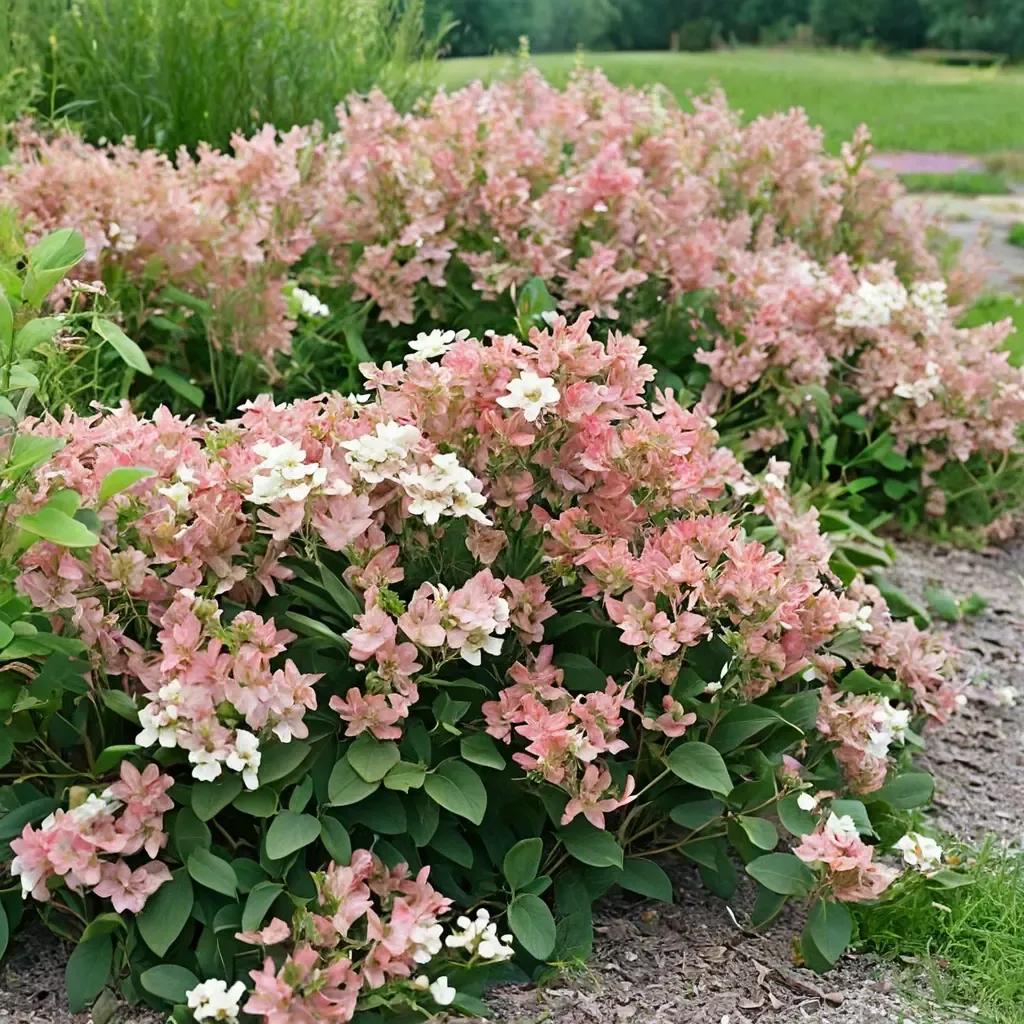
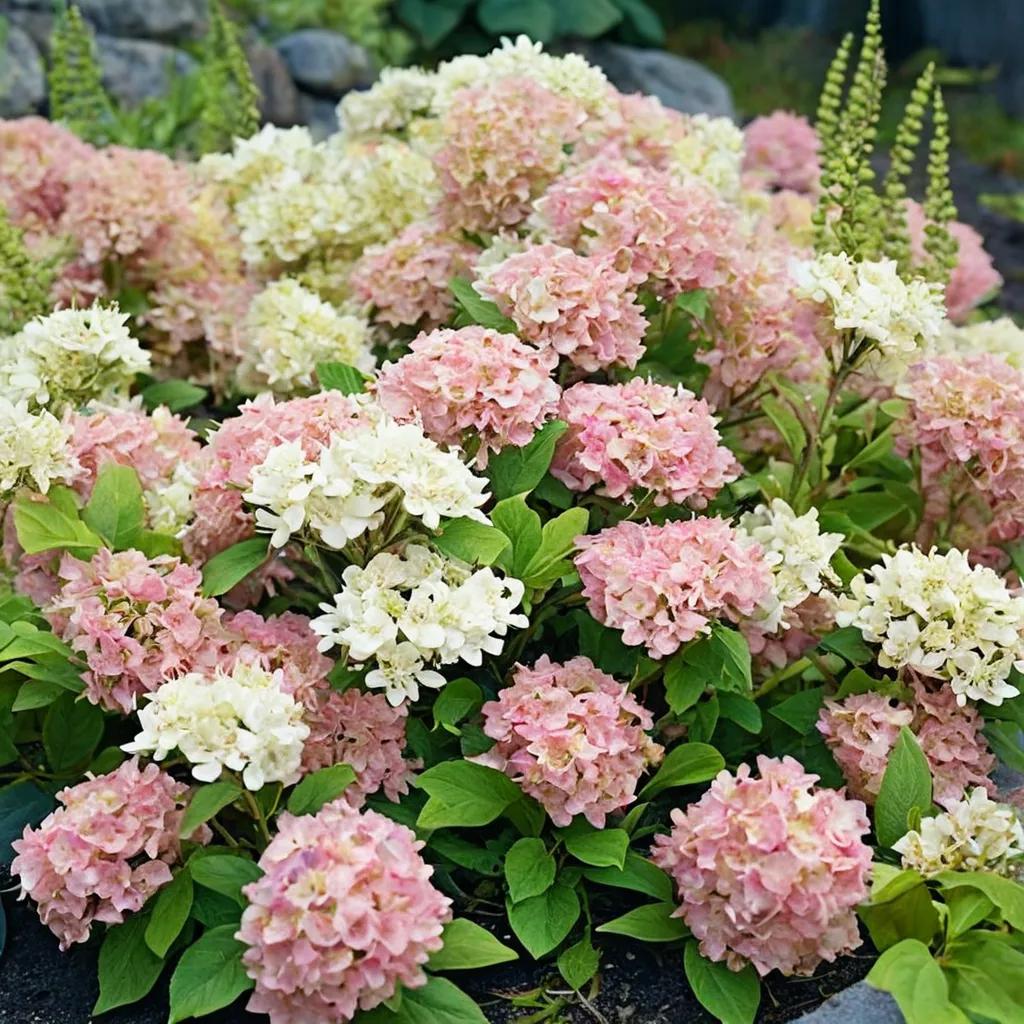
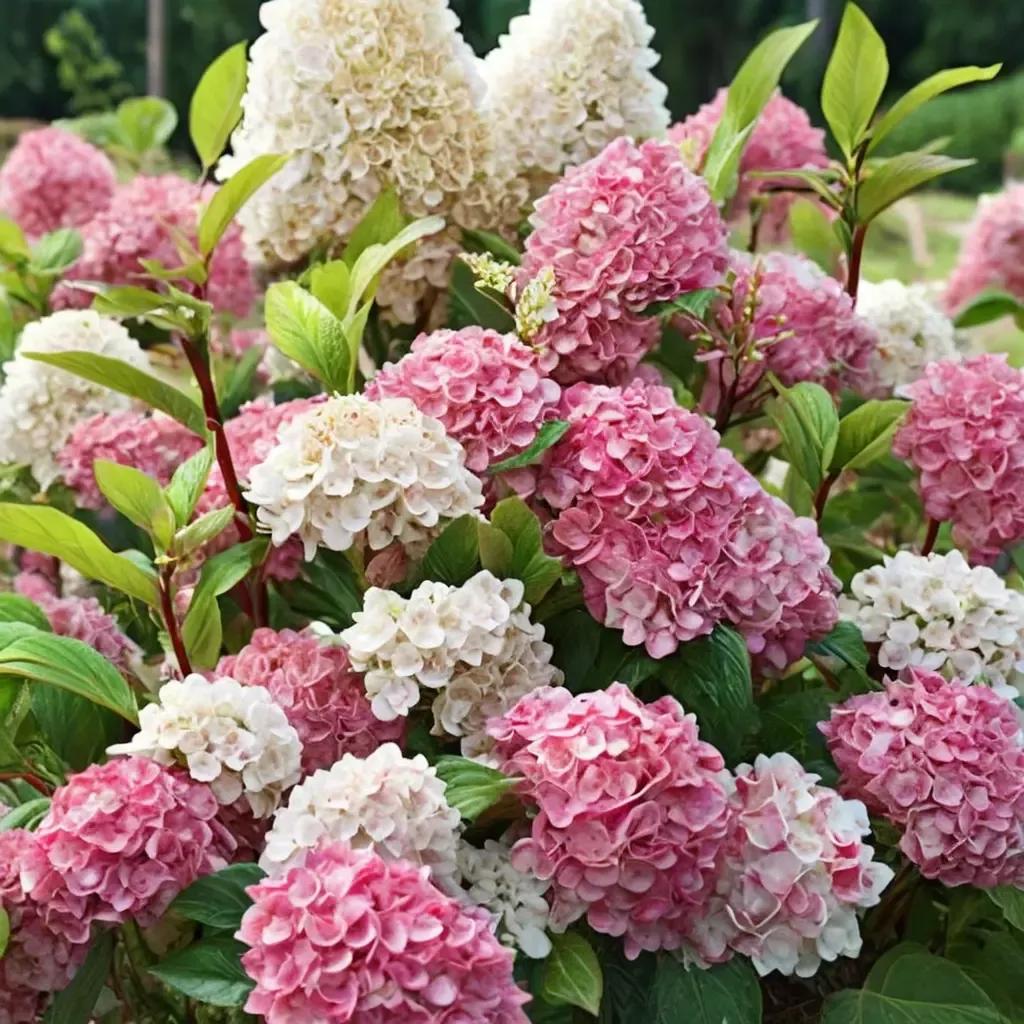
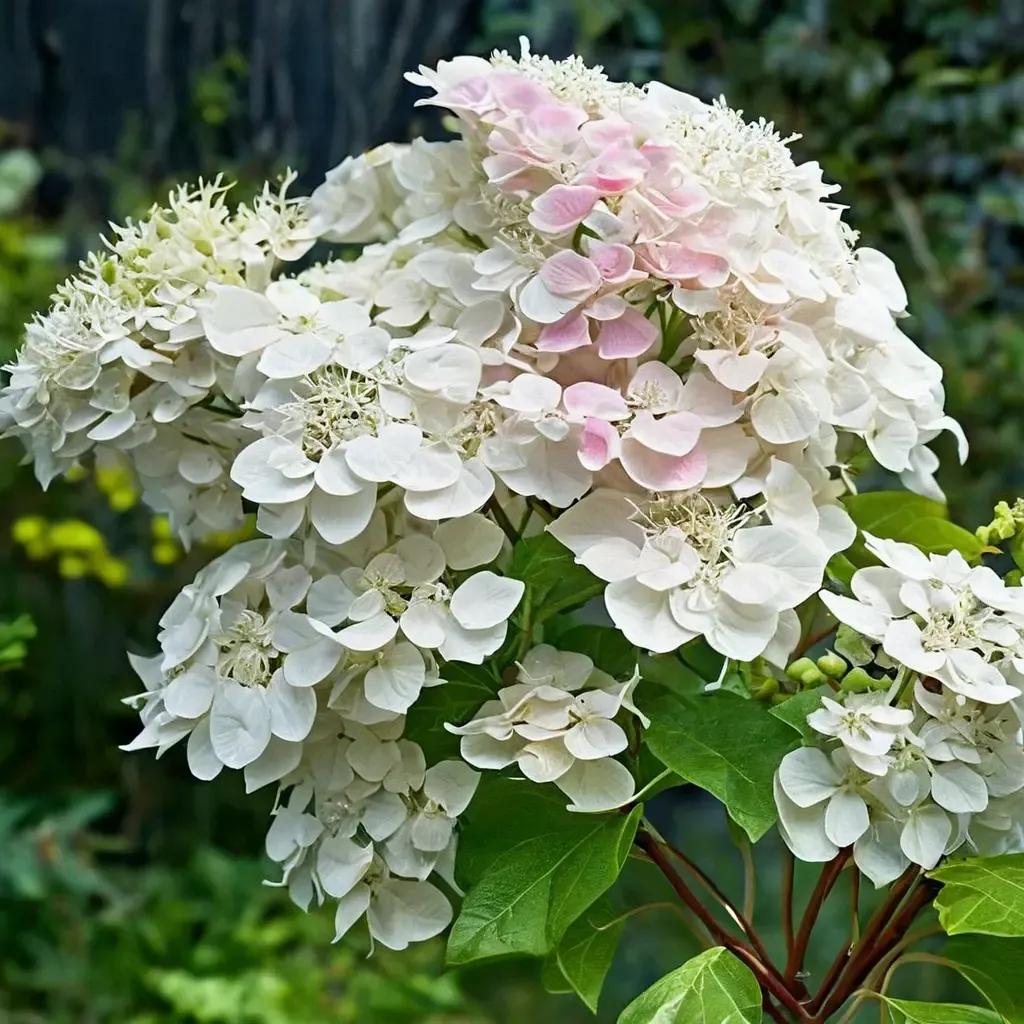
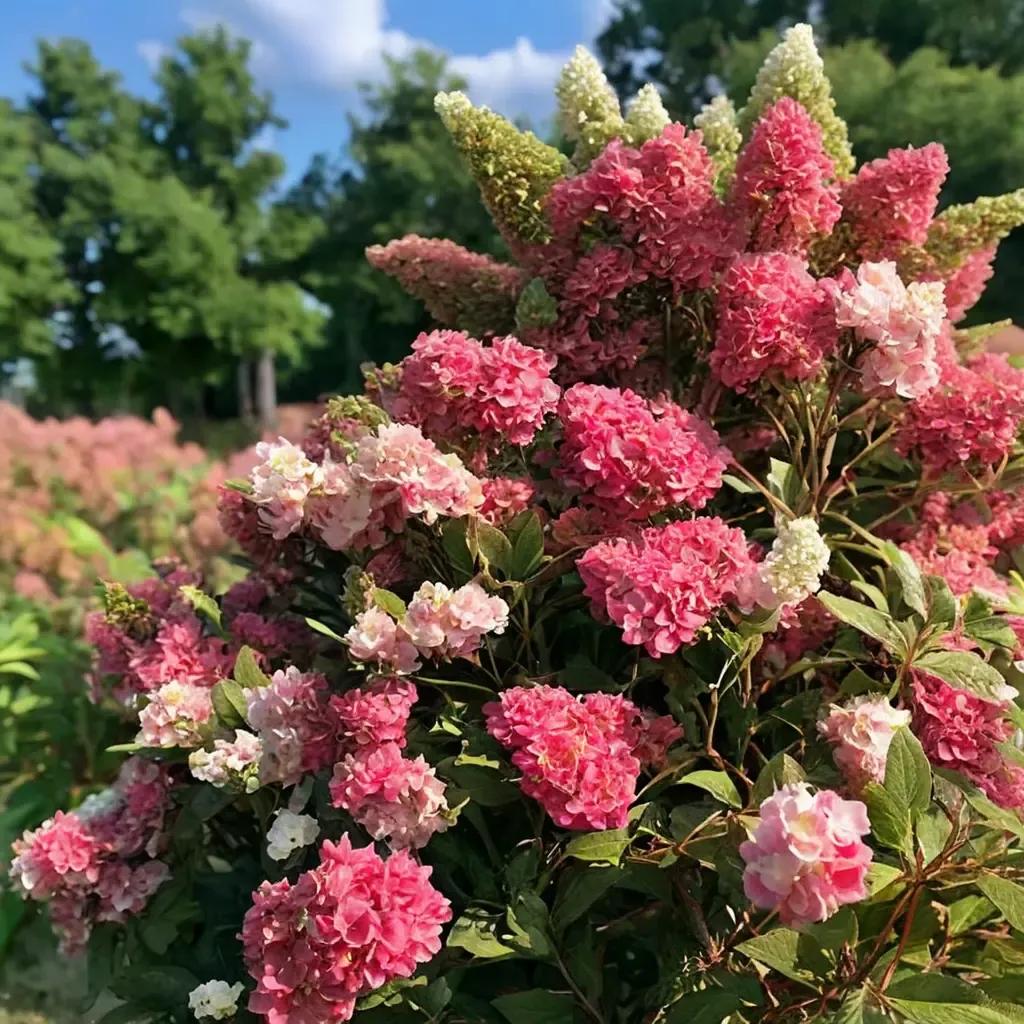
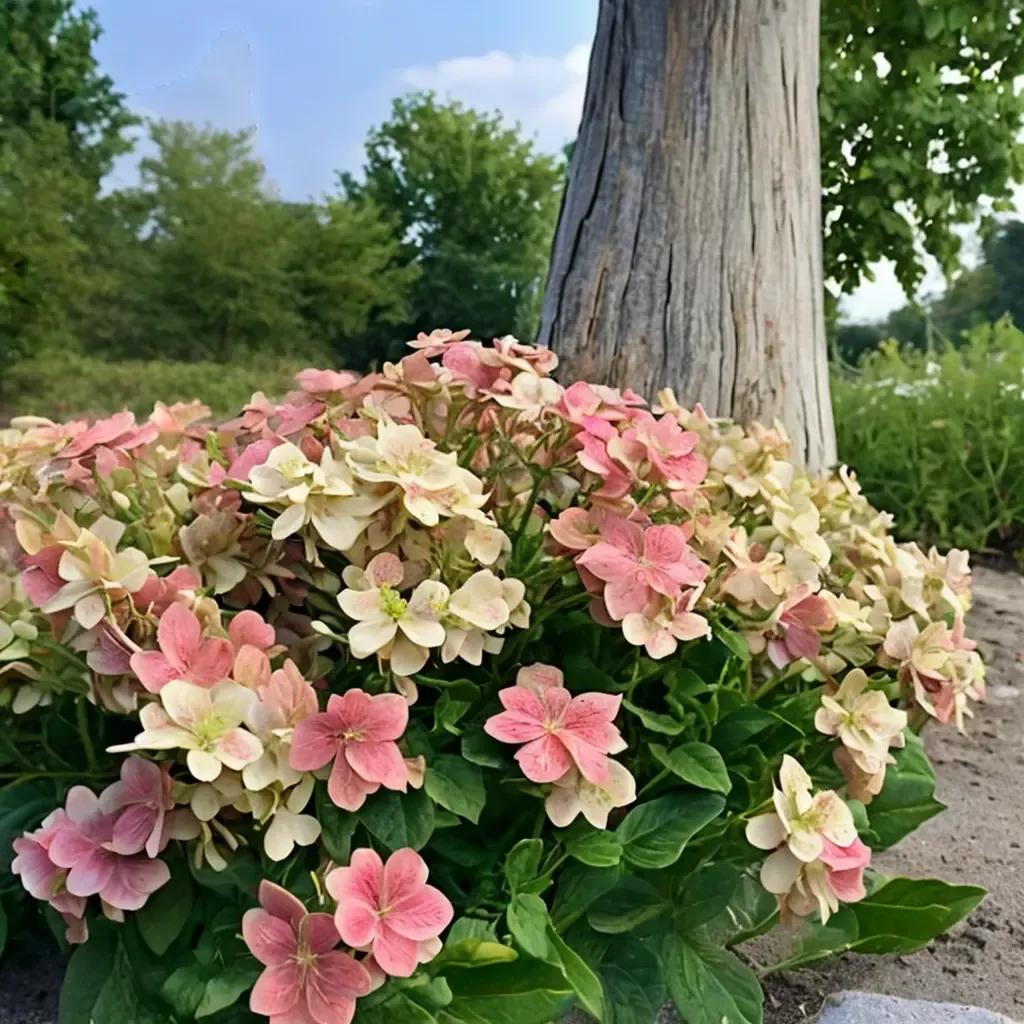
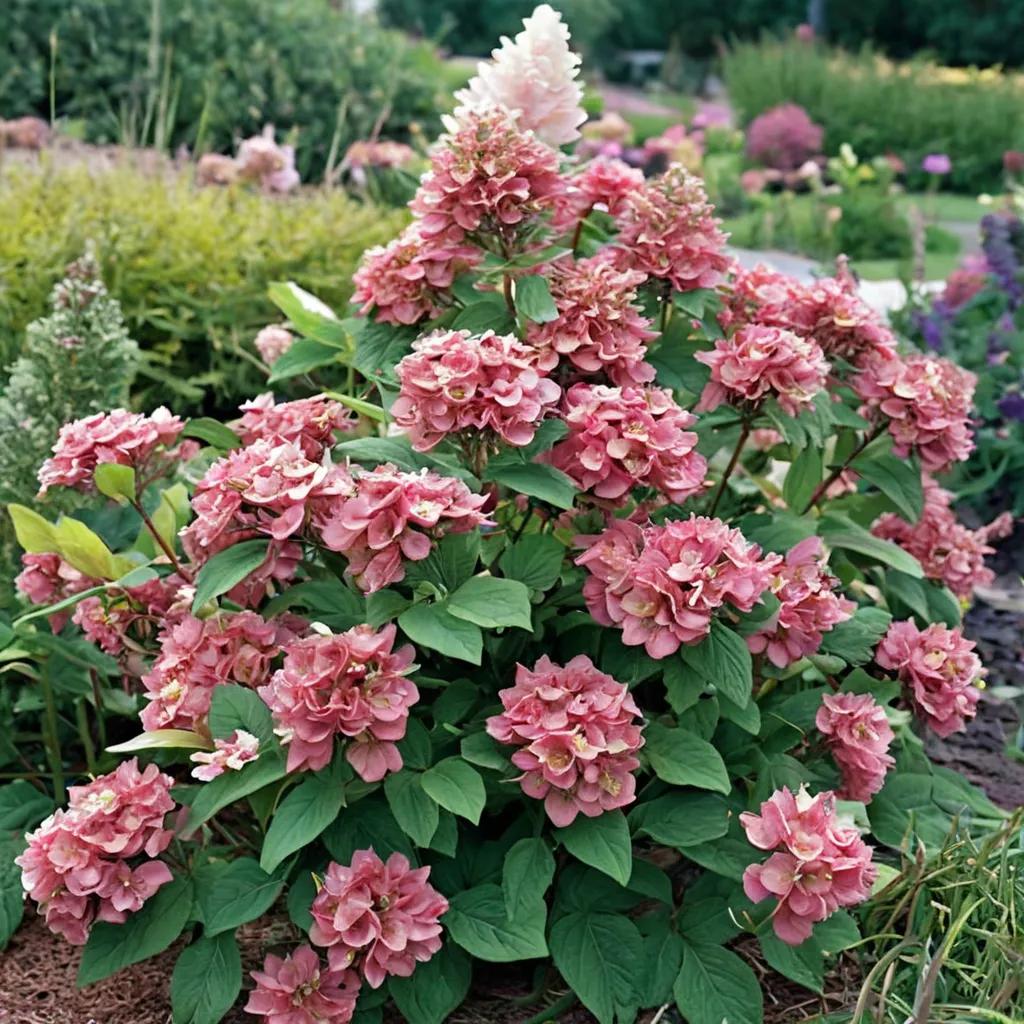
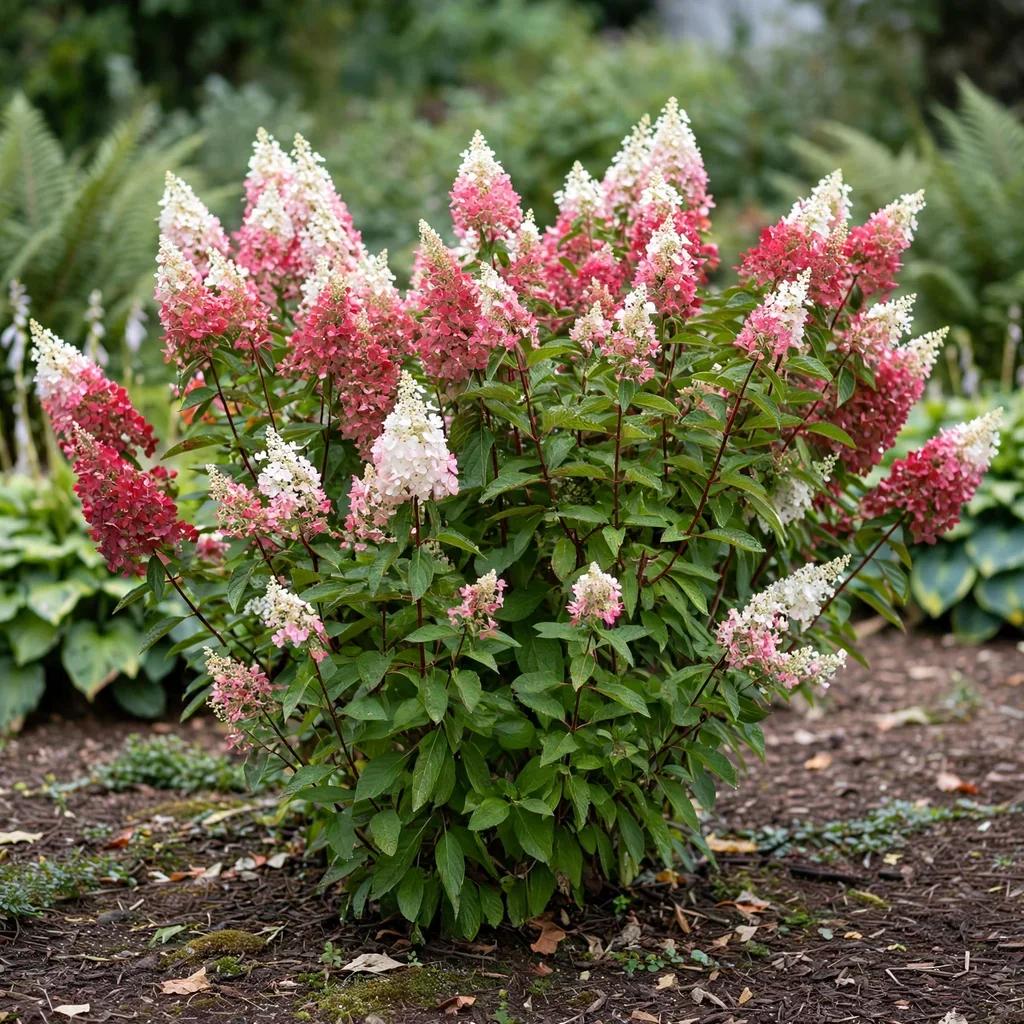
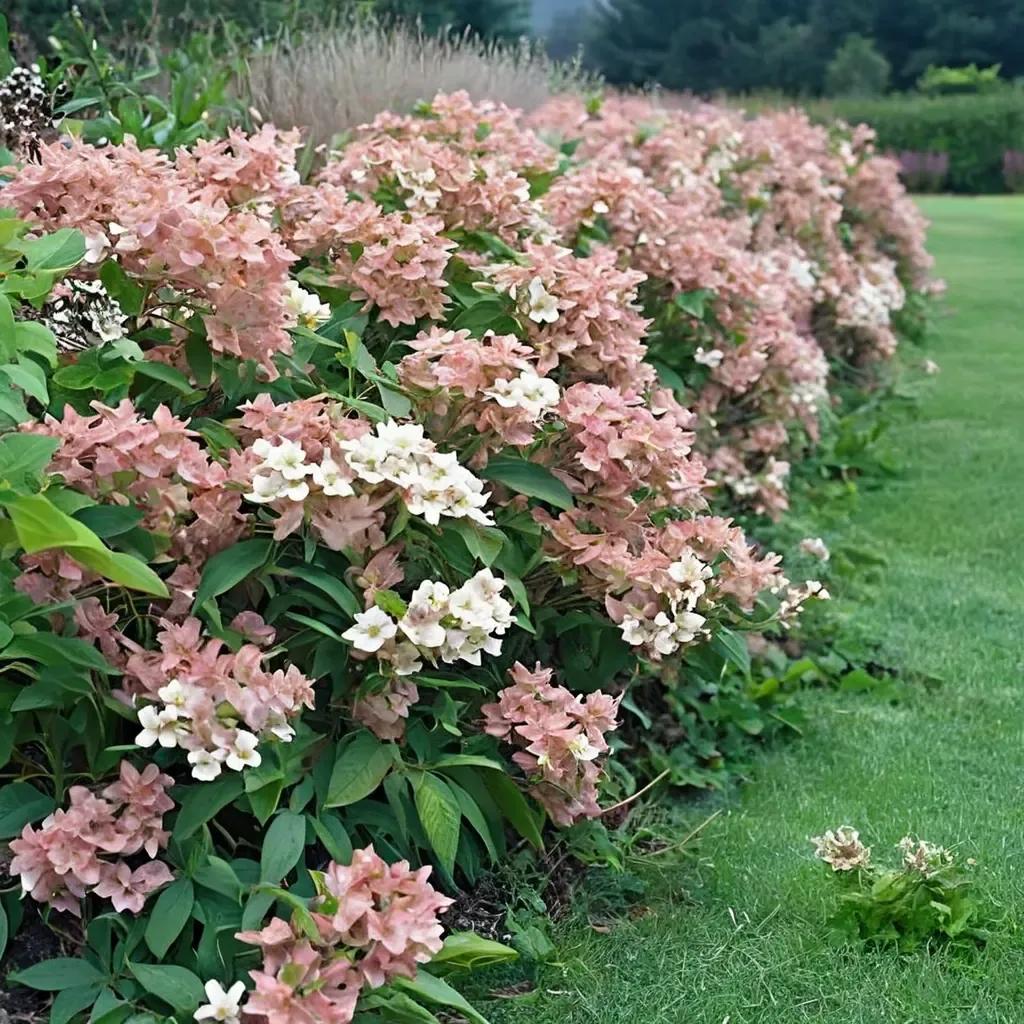
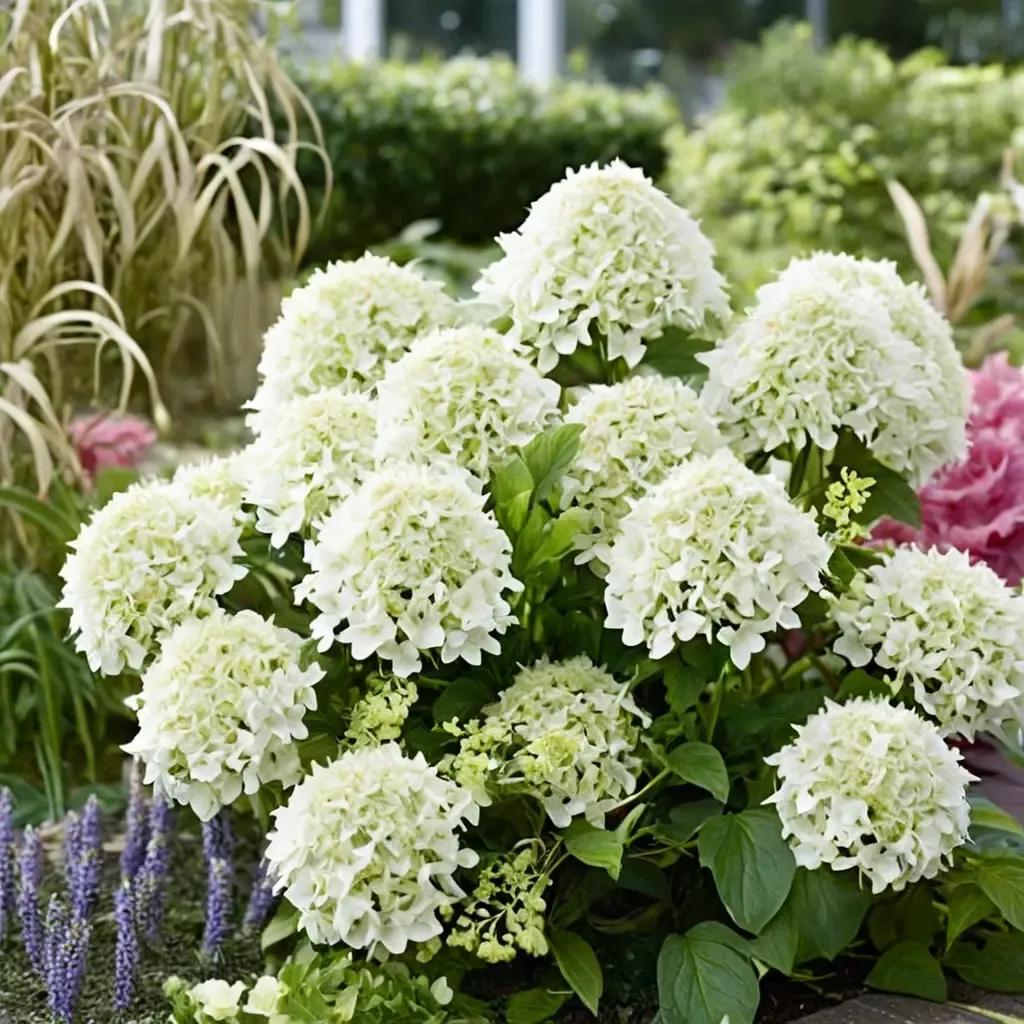
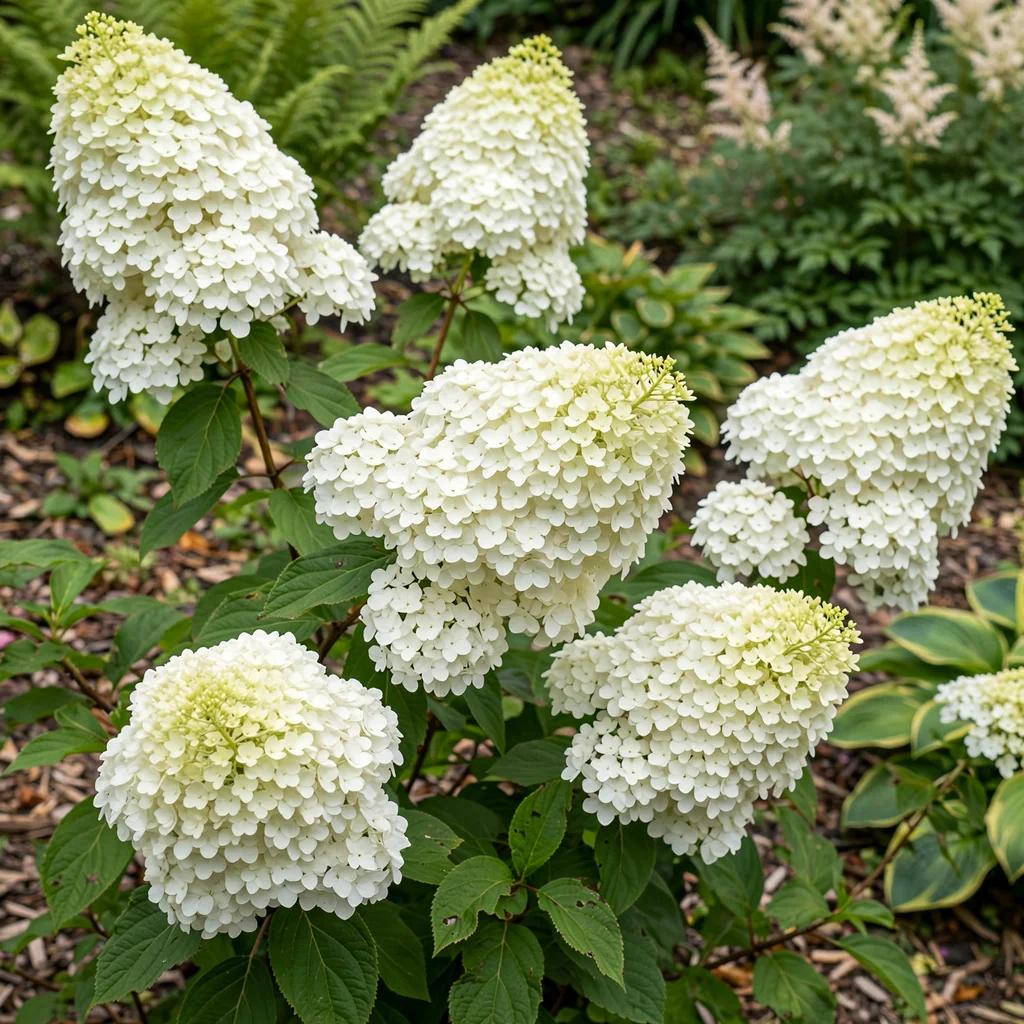
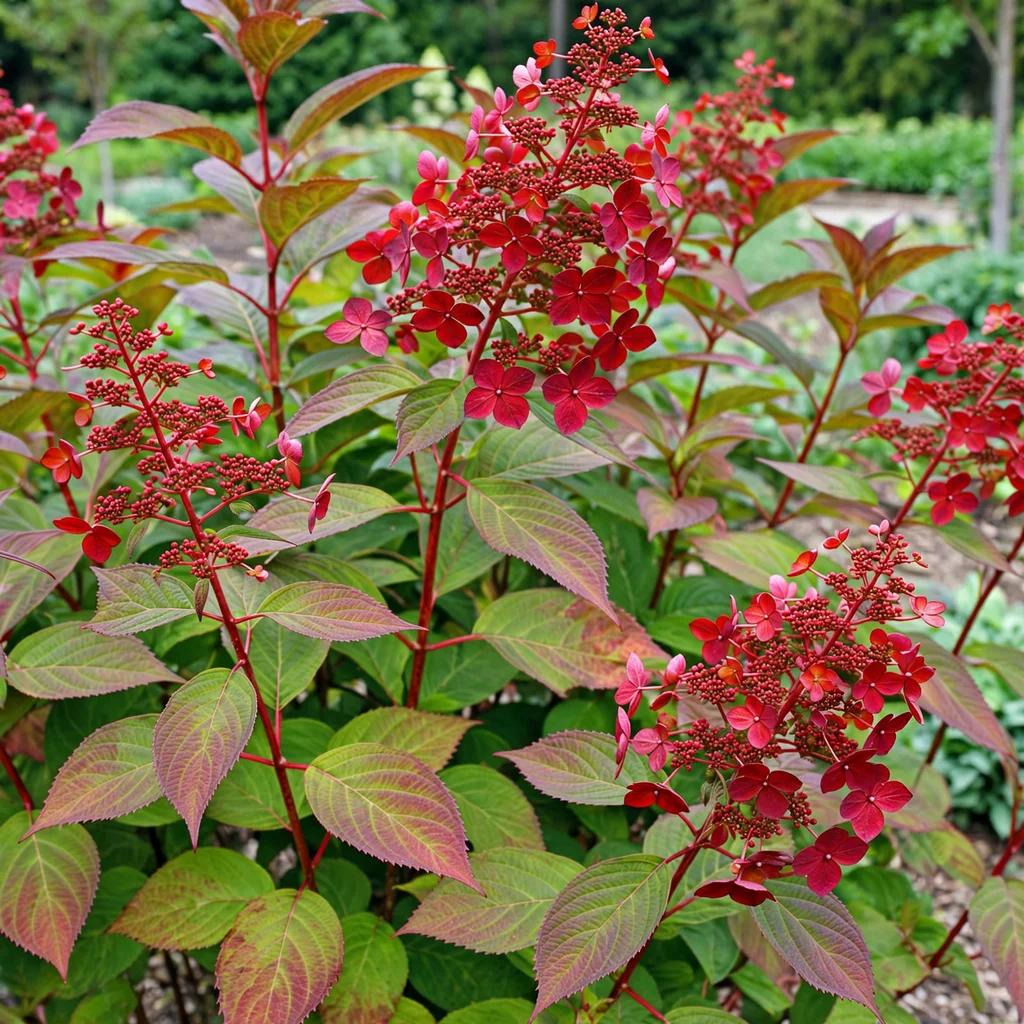
Hydrangea paniculata 'Tardiva' is a large deciduous shrub known for its loosely packed, sharply pointed, lacy flower heads that open white in late summer and turn purplish pink with age.
Tardiva is noted for its unique late summer blooming period, unlike many other hydrangeas that bloom earlier in the season.
Uses & Benefits:
Essentials
At a Glance
Plant Type
Shrub
Height
48"
Width
48"
Light
Partial Sun, Shade
Zones
4, 5, 6, 7, 8
Water
Consistent moisture, avoid drought stress
Humidity
Prefers moderate to high humidity
Lifespan
10+ years
Native To
Japan
Toxicity
Non-toxic to humans and pets
Bloom period
Late summer – Early fall
In flower about 2 months of the year
Planting
How to Grow
- Choose a location with full sun to partial shade and well-drained soil.
- Tuck in the roots of the plant in spring after the last frost.
- Water thoroughly to establish roots, especially during dry spells.
- Apply a balanced, slow-release fertilizer in early spring.
- Mist the foliage regularly during hot, dry weather to prevent leaf scorch.
- Prune in late winter or early spring, before new growth starts (it flowers on new wood).
Pro Tip
Mulch around the base to retain moisture and regulate soil temperature.
Keep It Thriving
Care Guide
Do
- Water consistently to keep soil moist but not waterlogged 🌱
- Prune in late winter or early spring before new growth begins
- Fertilize annually with a balanced fertilizer
- Provide protection from harsh afternoon sun in hot climates
Don't
- Avoid overwatering to prevent root rot ❌
- Don’t cut back stems in summer once the flower heads are forming
- Keep away from heavy, clay soils without proper drainage
- Don’t ignore signs of pests or disease
Seasonal Care Calendar
| Task | Jan | Feb | Mar | Apr | May | Jun | Jul | Aug | Sep | Oct | Nov | Dec |
|---|---|---|---|---|---|---|---|---|---|---|---|---|
| Fertilize | ||||||||||||
| Prune |
Watch Out For
Pests & Diseases
Common Pests
Common Diseases
In the Garden
Landscape Uses & Companions
Landscape Uses
Companion Plants
Multiply
Propagation Methods
Good to Know
Common Questions
Tardiva Hydrangea questions
What zones can Tardiva Hydrangea grow in?
Tardiva Hydrangea is hardy in USDA Zones 4–8: in that range it survives winter in the ground. Warmer than Zone 8, winter isn't the problem: it prefers colder winters, and summer heat can shorten its life.
Is Tardiva Hydrangea deer resistant?
Yes — Tardiva Hydrangea is rated deer-resistant. Deer typically pass it over, though extreme hunger can override any plant's defenses.
When does Tardiva Hydrangea bloom?
Tardiva Hydrangea typically blooms from late summer to early fall. Exact timing shifts a week or two with your zone — Sow's bloom calendar maps it to your garden.
Does Tardiva Hydrangea need full sun?
Tardiva Hydrangea does best in part shade.
More Hydrangea to compare
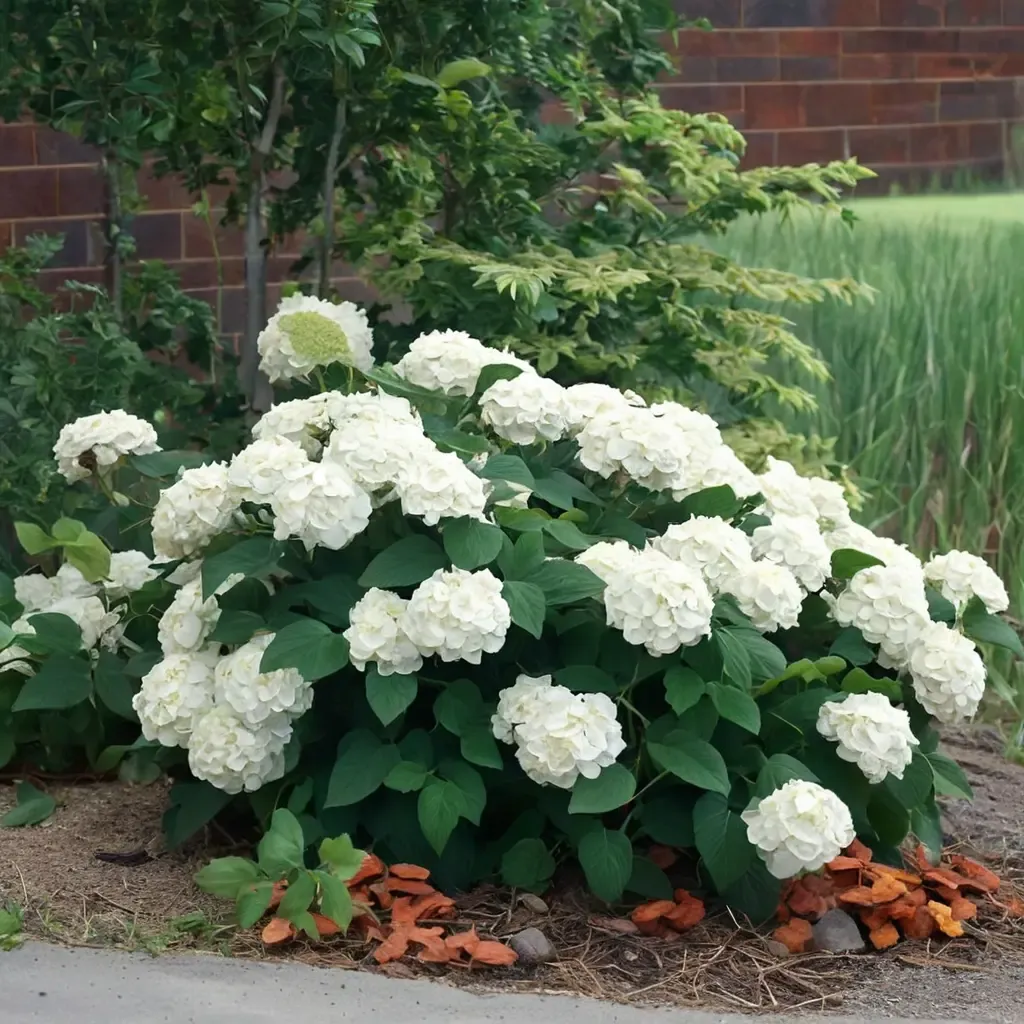
Incrediball Hydrangea
Hydrangea arborescens 'Incrediball'
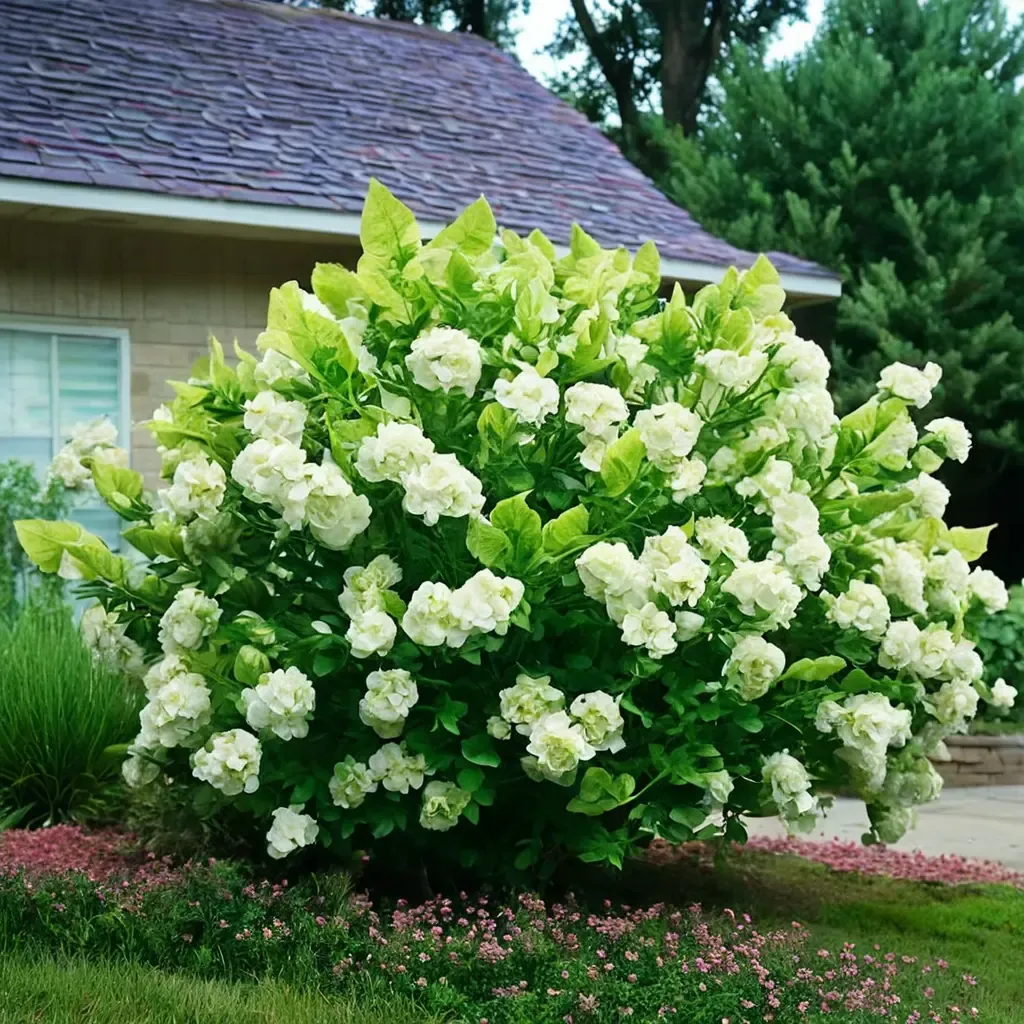
Limelight Hydrangea
Hydrangea paniculata 'Limelight'
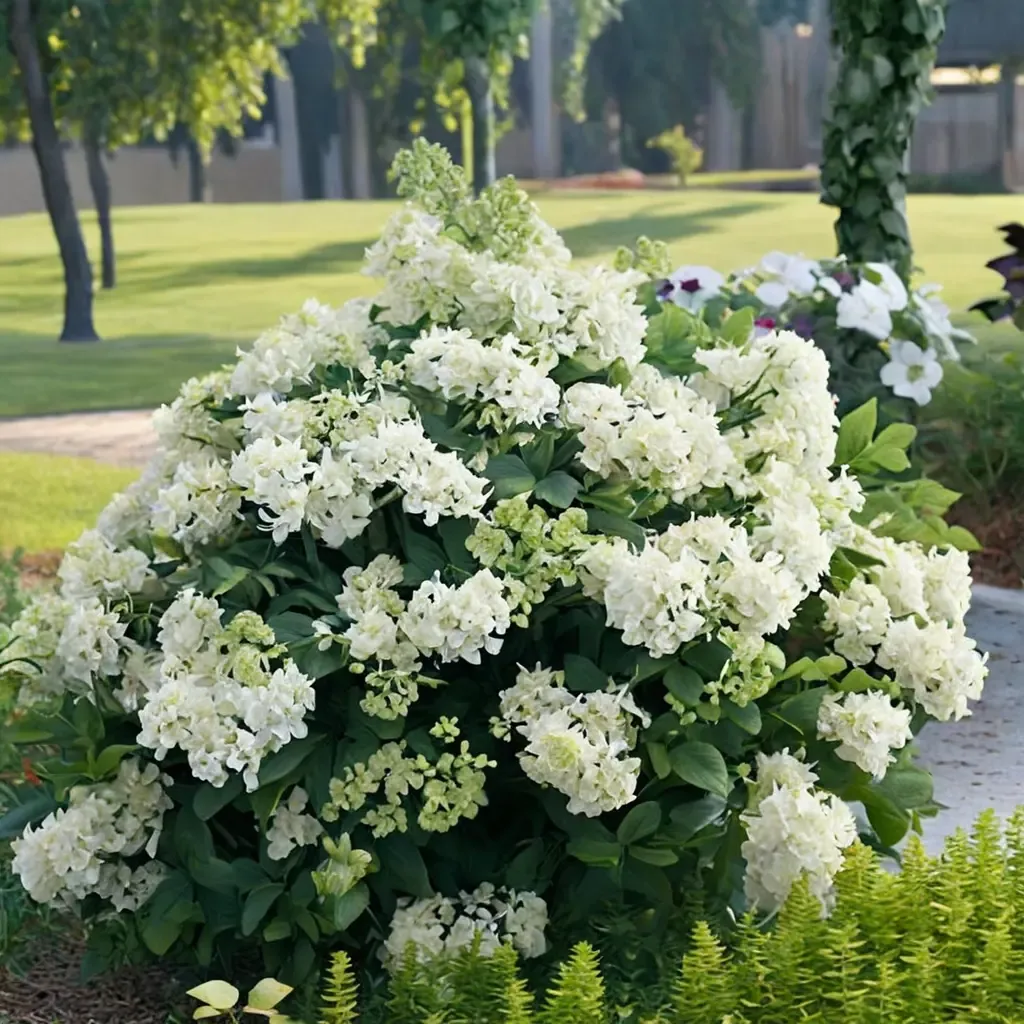
Bobo Hydrangea
Hydrangea paniculata 'ILVOBO'
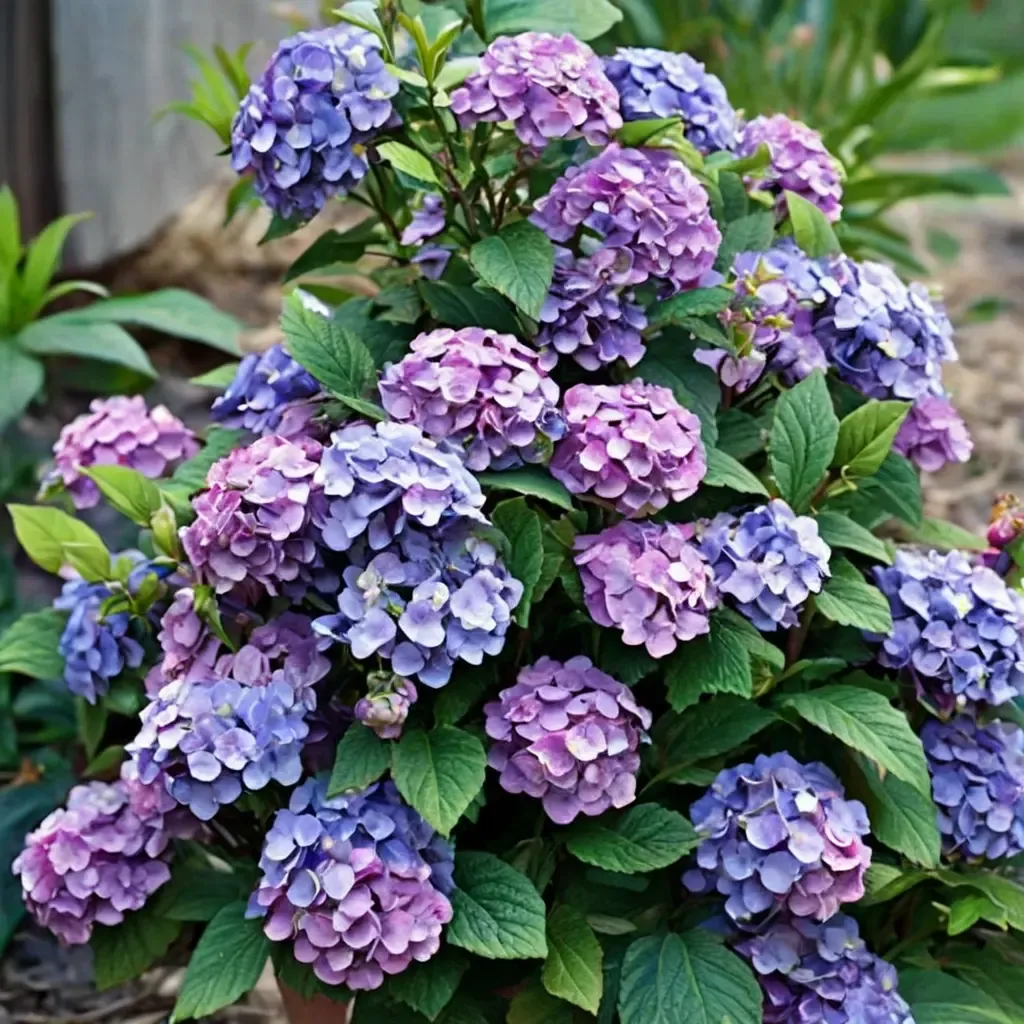
Bloomstruck Hydrangea
Hydrangea macrophylla 'Bloomstruck'
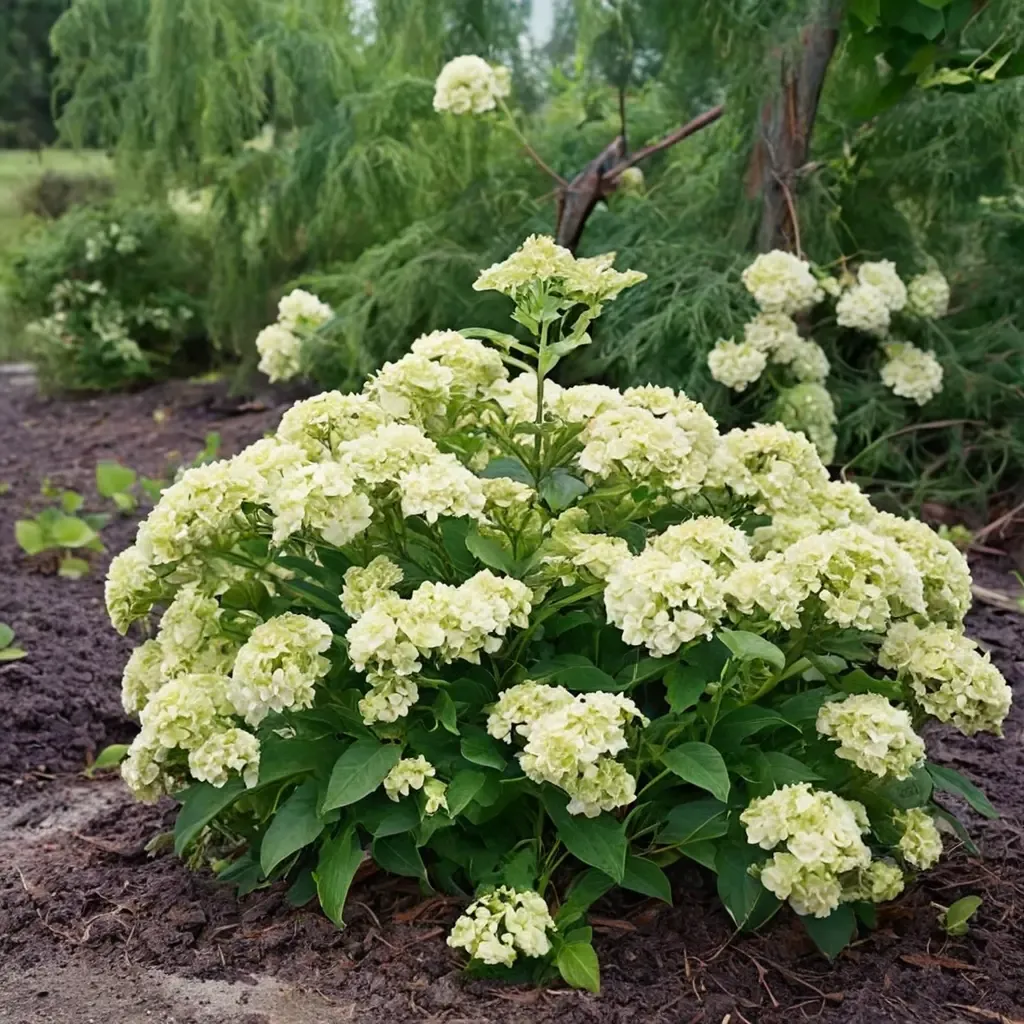
Little Lime Hydrangea
Hydrangea paniculata 'Jane'
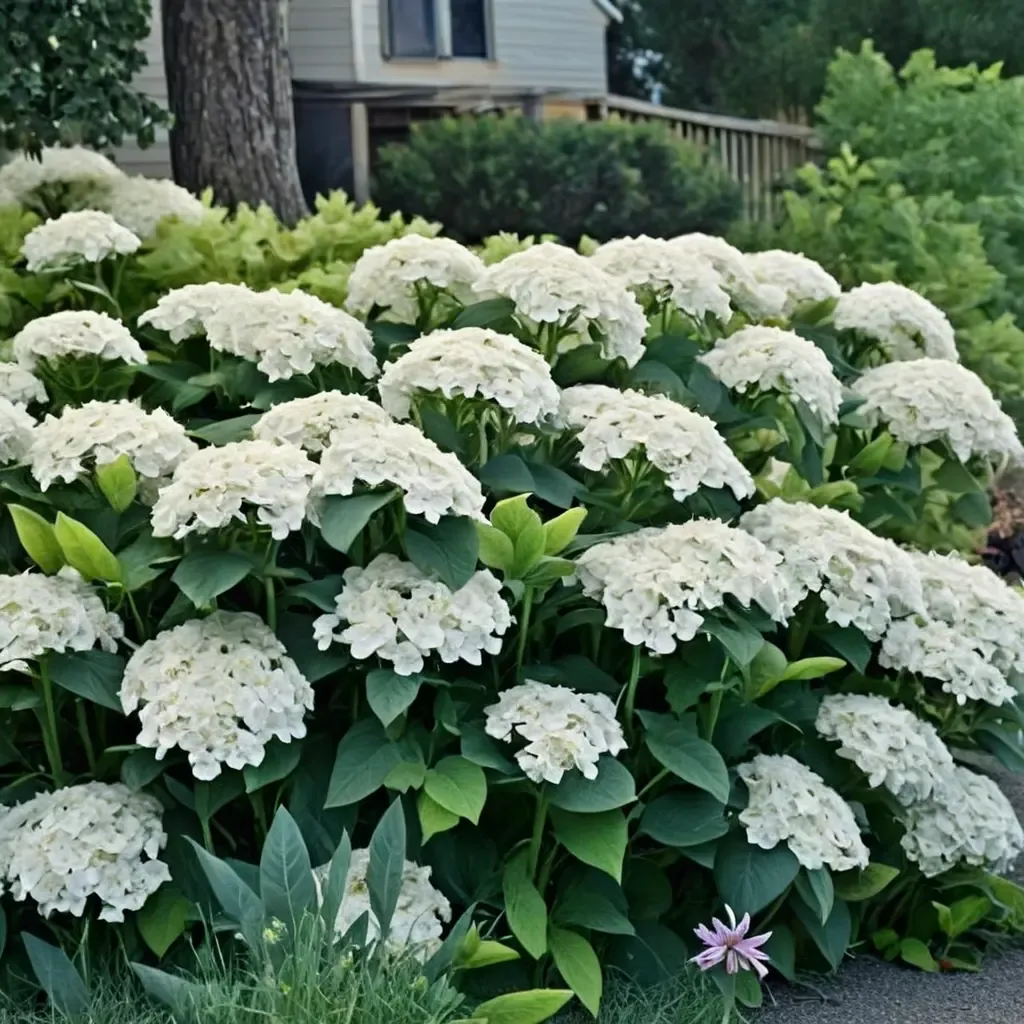
Annabelle Hydrangea Smooth Hydrangea
Hydrangea arborescens 'Annabelle'
Keep exploring
Guides
Hardy in your zone?
Grow Tardiva Hydrangea with confidence
See it in a design of your actual yard, get zone-matched care reminders, and track it season by season in your garden journal.