The Story
Plant Bio
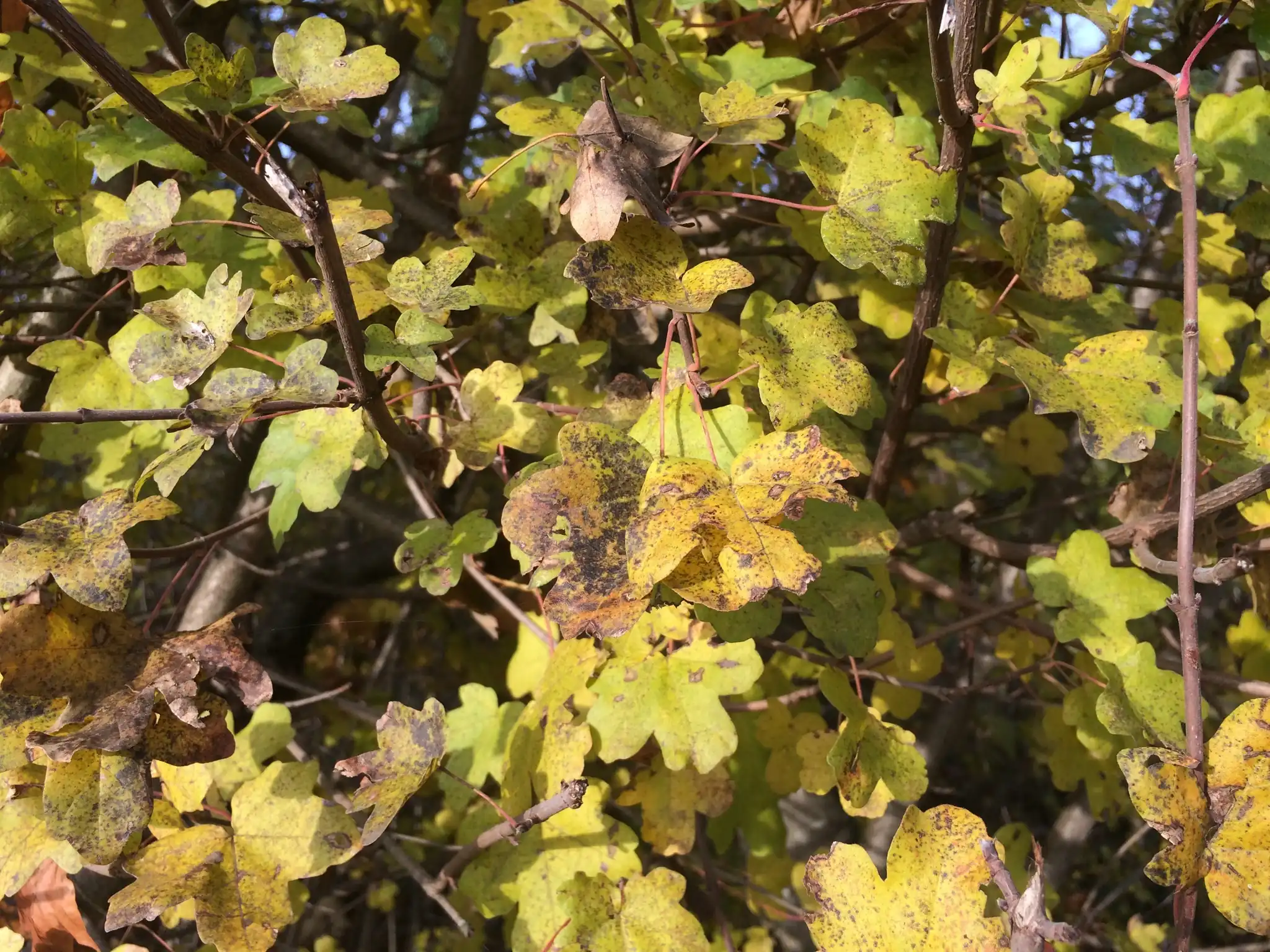
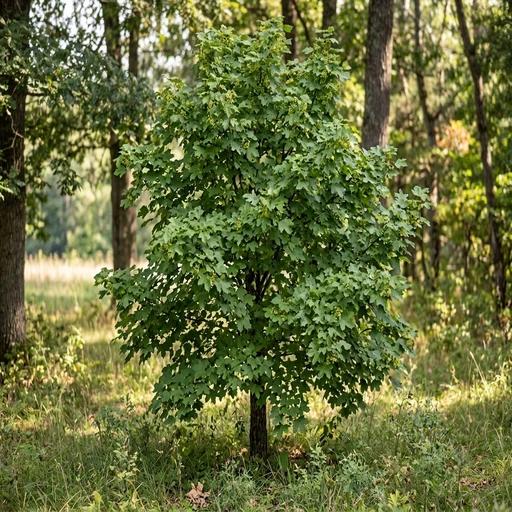
Acer campestre is a small to medium-sized deciduous tree native to Europe and Asia, known for its dense, rounded crown, small five-lobed leaves, and corky bark on branches. It is highly adaptable to various conditions.
Its exceptional tolerance for heavy pruning, compacted soils, drought, and urban pollution makes it an outstanding choice for tough sites, formal hedges, street trees, and even bonsai.
Uses & Benefits:
Essentials
At a Glance
Plant Type
Tree
Height
360"
Width
360"
Light
Full Sun, Partial Sun, Shade
Zones
5, 6, 7, 8
Water
Low to medium
Humidity
Adaptable
Lifespan
Long-lived tree
Native To
Europe, Western Asia
Toxicity
Non-toxic
Planting
How to Grow
- Select a site; this tree tolerates almost any light and soil.
- Dig a hole twice as wide as the root ball.
- Set the tree so the top of the root ball is level with the soil.
- Backfill with the excavated soil.
- Water deeply to settle the soil around the roots.
- Mulch to conserve moisture, but keep it away from the trunk.
Pro Tip
For the densest hedge, prune it wider at the bottom than at the top to allow sunlight to reach the lower branches.
Keep It Thriving
Care Guide
Do
- Prune regularly if a formal hedge is desired.
- Provide supplemental water during extreme drought, even for established trees.
- Allow it to grow into its natural rounded form if used as a specimen.
- Rake up fallen leaves to prevent disease.
Don't
- Do not plant in permanently waterlogged soil.
- Avoid excessive fertilization, which is rarely needed.
- Don't worry about its tolerance for tough urban conditions; it's very resilient.
- Avoid major pruning in spring when the sap is flowing.
Seasonal Care Calendar
| Task | Jan | Feb | Mar | Apr | May | Jun | Jul | Aug | Sep | Oct | Nov | Dec |
|---|---|---|---|---|---|---|---|---|---|---|---|---|
| Plant | ||||||||||||
| Prune |
Watch Out For
Pests & Diseases
Common Pests
Common Diseases
In the Garden
Landscape Uses & Companions
Landscape Uses
Multiply
Propagation Methods
Good to Know
Common Questions
Hedge Maple questions
What zones can Hedge Maple grow in?
Hedge Maple is hardy in USDA Zones 5–8. Inside that range it survives winter in the ground; outside it, grow it as an annual or a container plant you protect.
Is Hedge Maple deer resistant?
Yes — Hedge Maple is rated deer-resistant. Deer typically pass it over, though extreme hunger can override any plant's defenses.
When does Hedge Maple bloom?
Hedge Maple typically blooms in late spring through late spring. Exact timing shifts a week or two with your zone — Sow's bloom calendar maps it to your garden.
Does Hedge Maple need full sun?
Hedge Maple does best in full sun to part shade. In hot climates, afternoon shade keeps blooms fresher longer.
Is Hedge Maple drought tolerant?
Yes — once established (usually after the first full season), Hedge Maple handles dry spells with minimal watering. Water deeply its first year to build the root system that makes that possible.
More Acer to compare
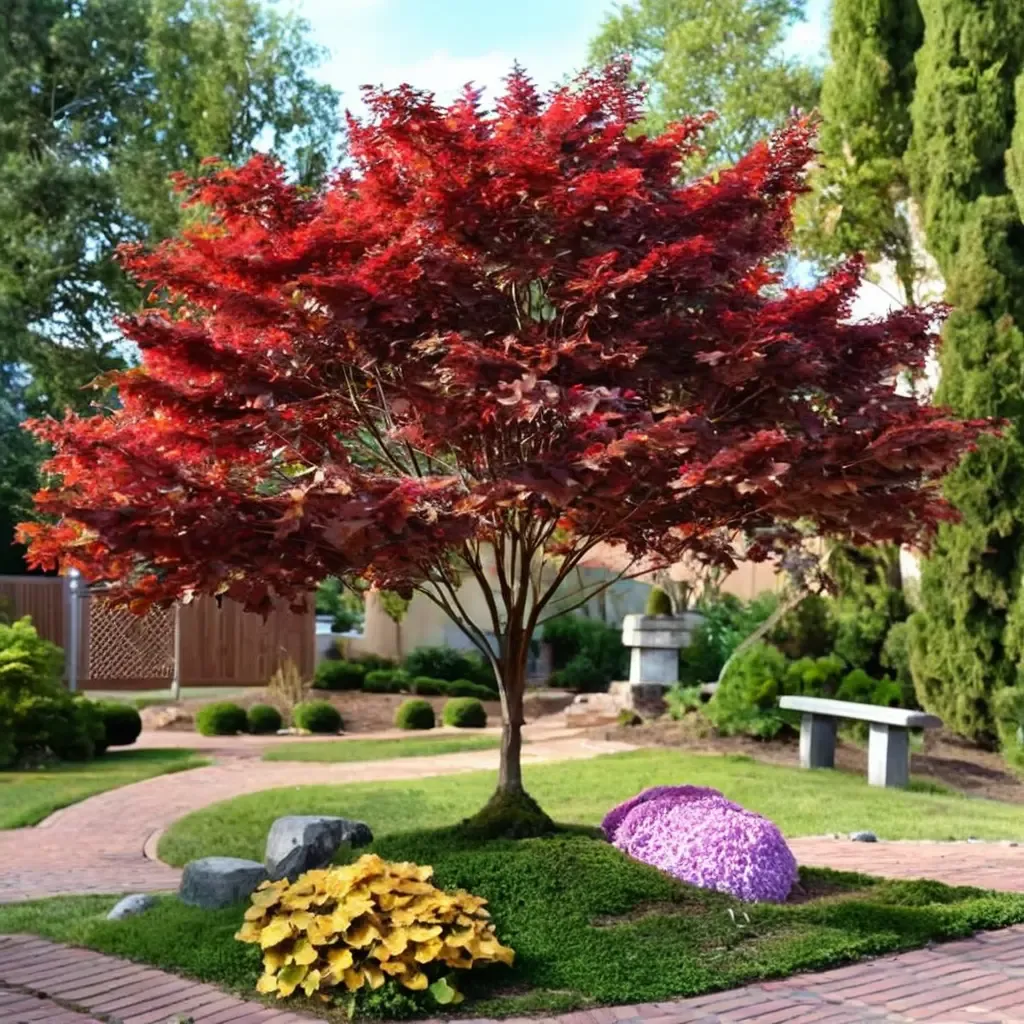
Bloodgood Japanese Maple
Acer palmatum 'Bloodgood'
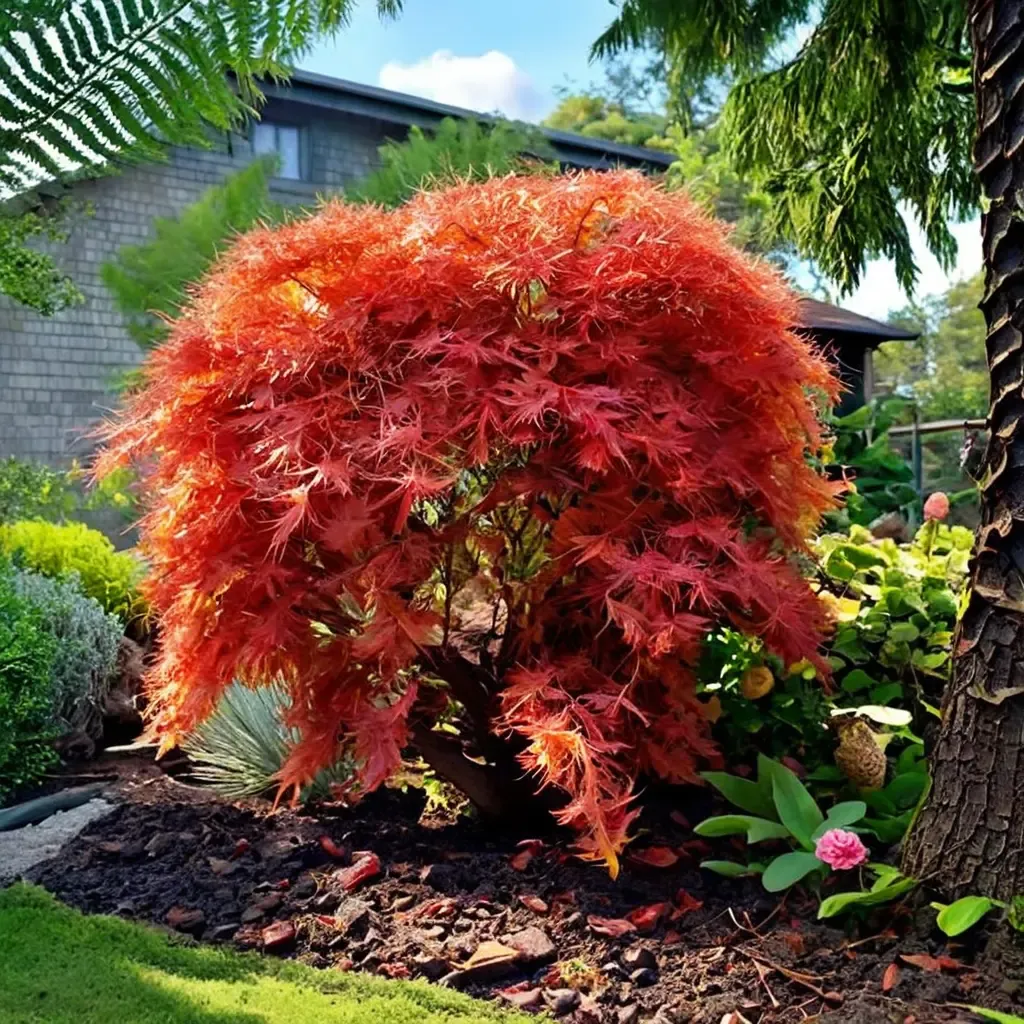
Orangeola Japanese Maple
Acer palmatum 'Orangeola'
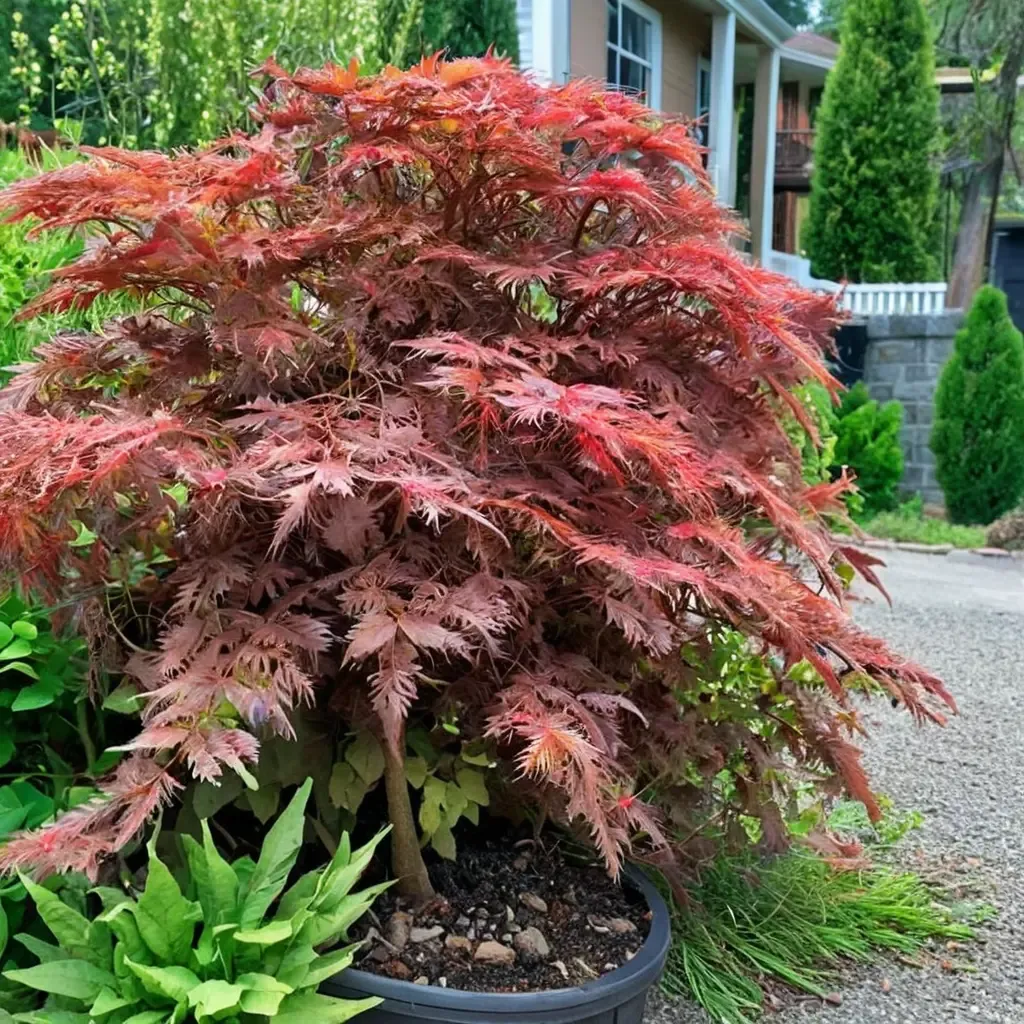
Crimson Queen Japanese Maple
Acer palmatum 'Crimson Queen'
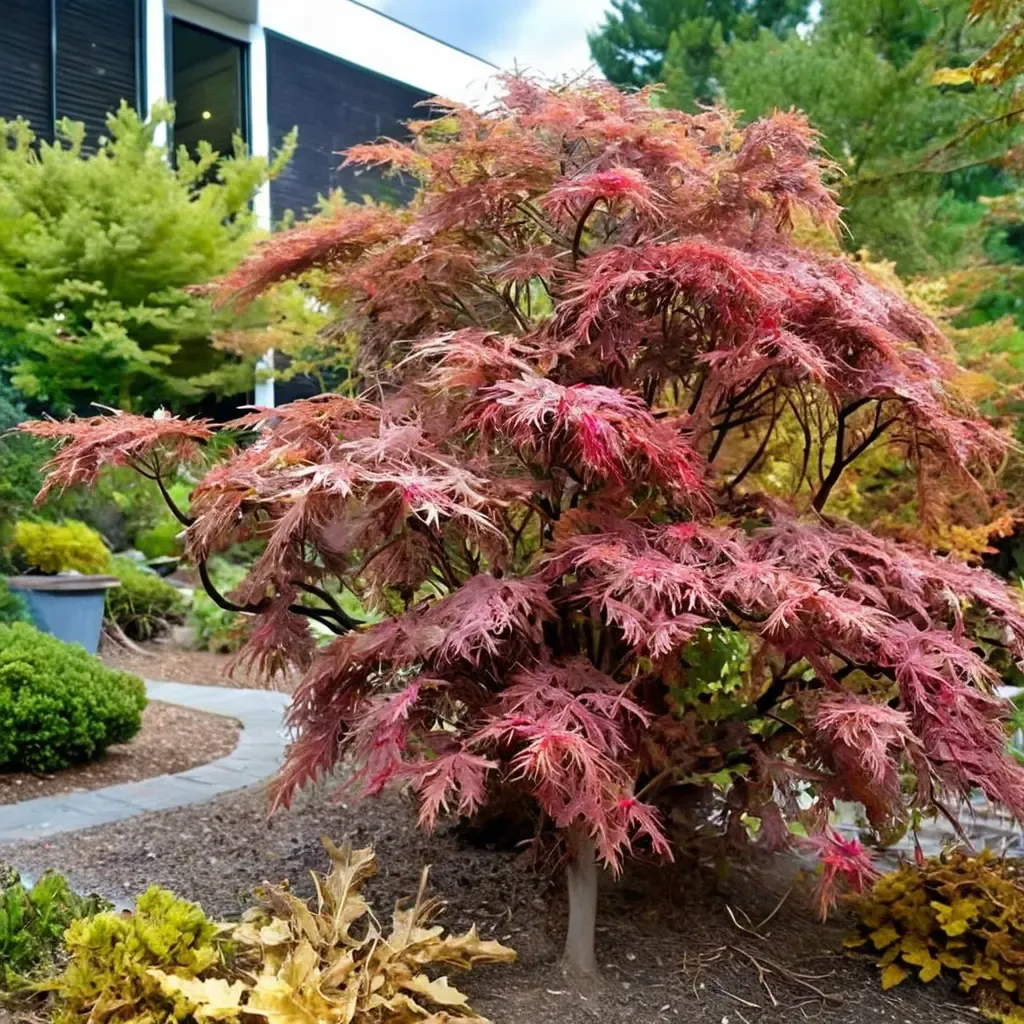
Weeping Japanese Maple
Acer palmatum 'Shidare'
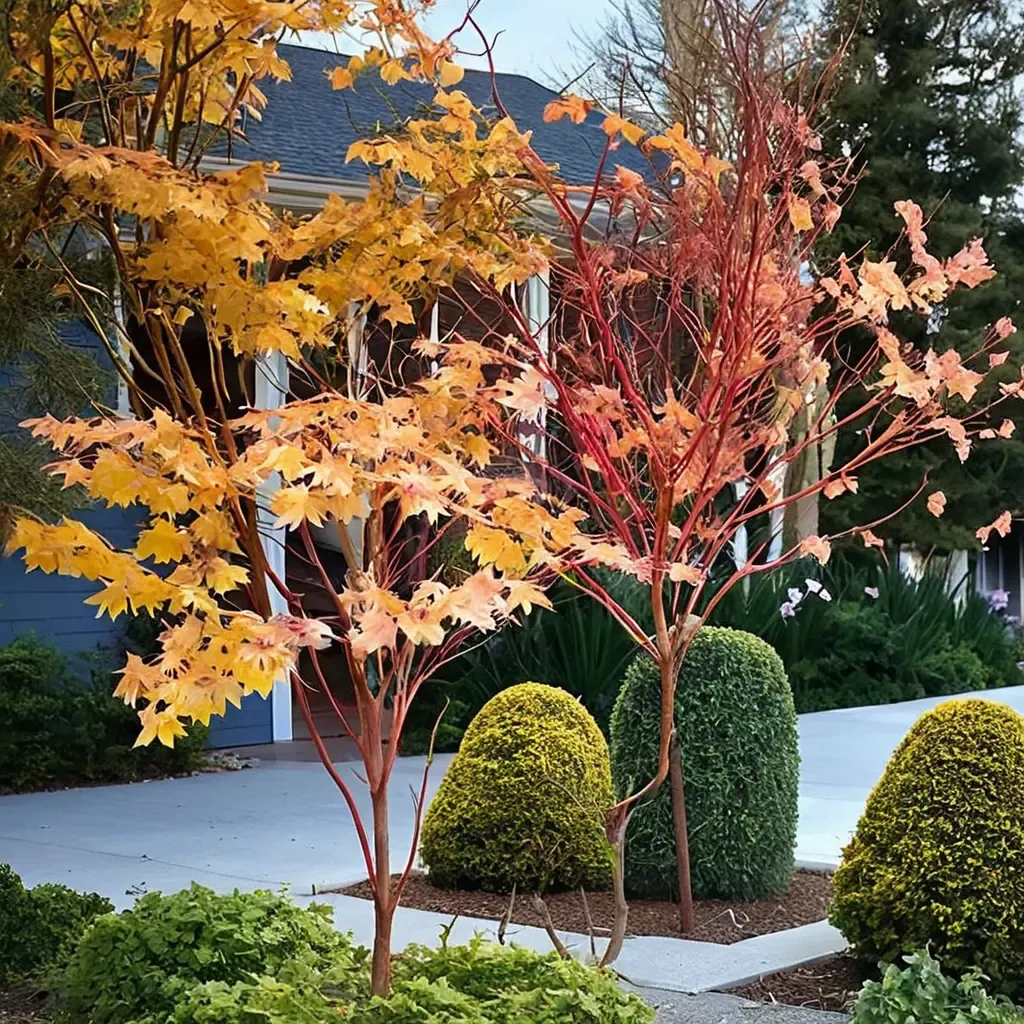
Coral Bark Maple
Acer palmatum 'Sango-Kaku'
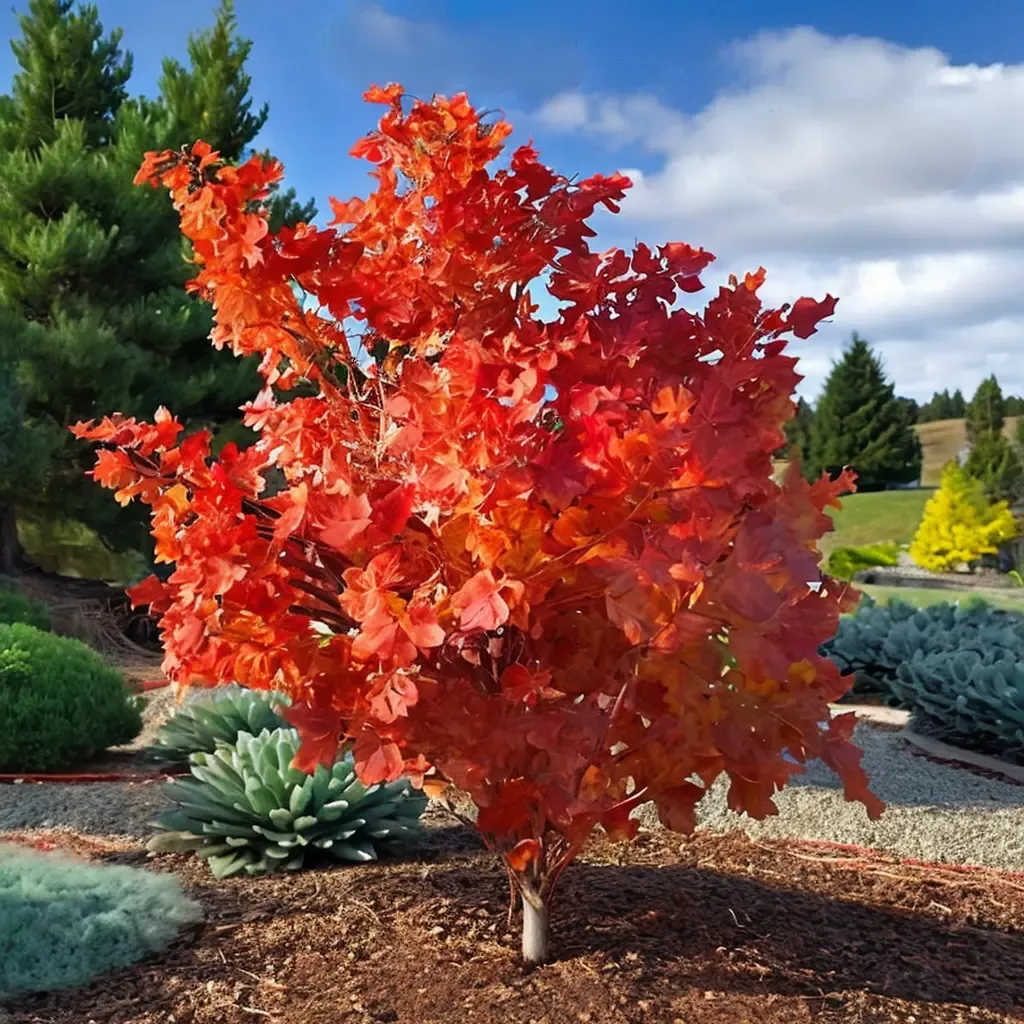
Final Fire Japanese Maple
Acer palmatum 'Final Fire'
Keep exploring
Explore the genus
Hardy in your zone?
Grow Hedge Maple with confidence
See it in a design of your actual yard, get zone-matched care reminders, and track it season by season in your garden journal.