The Story
Plant Bio
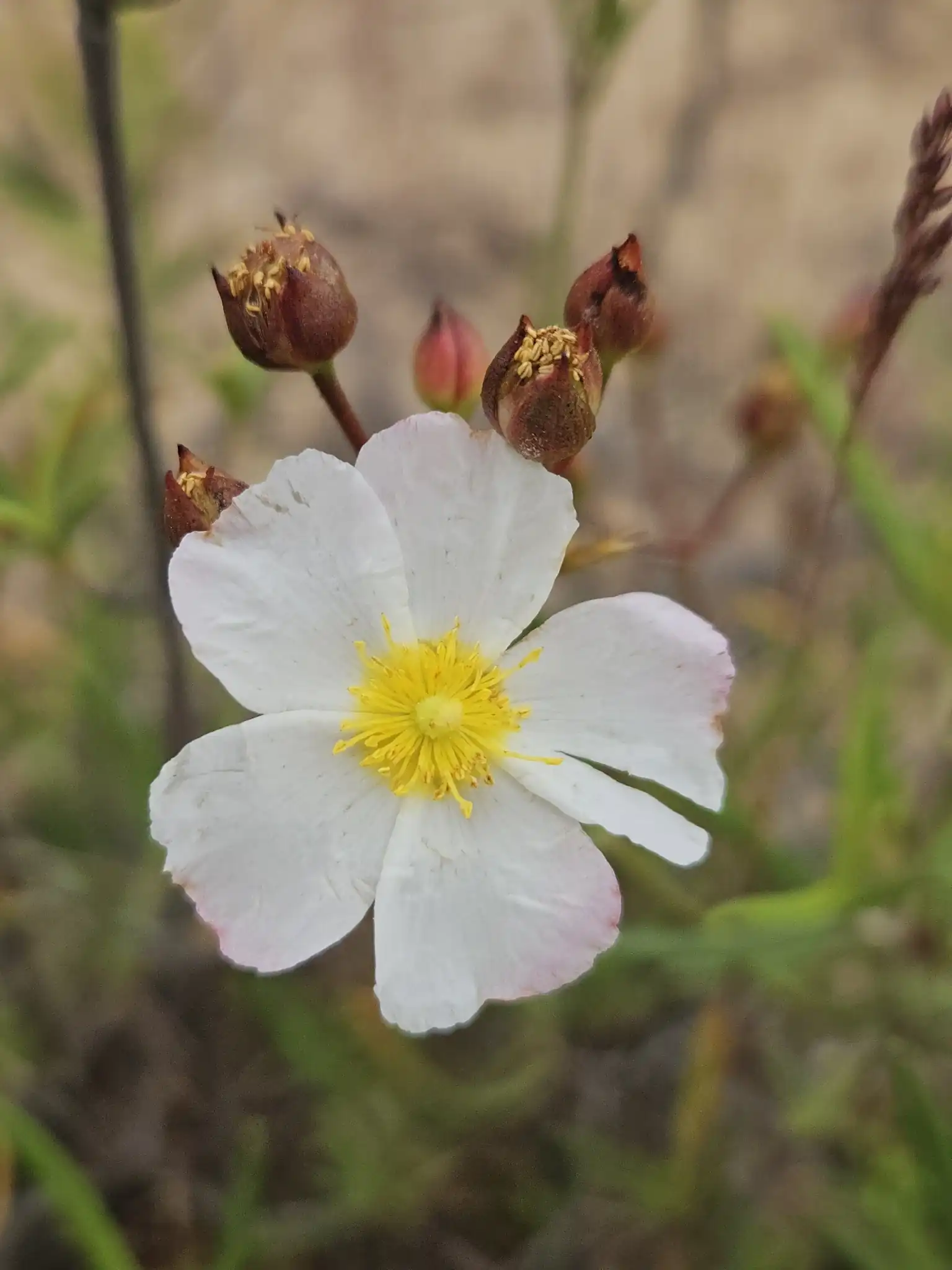
Cistus libanotis is a dwarf evergreen rockrose from sandy dunes and pine-oak woodland of the southwestern Iberian Peninsula, forming a low, spreading mound of narrow dark green leaves. The white five-petalled flowers open for a single day each, carried in small umbels at the stem tips in a long spring to summer succession.
It is distinguished by small leathery gray-green leaves with reddish buds and white blooms marked with a yellow spot at the base of each petal beneath three red-striped sepals. Growth is prostrate to diffuse and rarely erect, and nursery stock is often confused with the similar Cistus clusii.
Uses & Benefits:
Essentials
At a Glance
Plant Type
Shrub
Height
36"
Width
42"
Light
Full Sun, Partial Sun
Zones
8, 9, 10
Water
Low
Humidity
Low
Lifespan
Short-lived shrub
Native To
S Portugal, SW Spain
Toxicity
Non-toxic
Bloom period
Mid-spring – Mid-summer
In flower about 4 months of the year
Planting
How to Grow
- Plant in full sun in very well-drained, lean sandy or stony soil with acidic pH.
- Set out small potted plants in spring after frost, keeping the rootball intact.
- Water sparingly to establish, then water only during extended drought.
- Top-dress with gravel or sand to keep the crown dry and never let soil stay wet.
- Prune lightly after flowering to shape; never cut back into old leafless wood.
Pro Tip
Plant it small and leave the roots alone; it resents disturbance and fails in soil that stays wet.
Keep It Thriving
Care Guide
Do
- Grow in full sun with sharp drainage and lean, low-fertility soil.
- Plant out small and minimize root disturbance.
- Prune lightly after flowering to remove spent stems and dead wood.
Don't
- Do not plant in heavy clay, rich loam, or soil with excess limestone.
- Do not overwater, overfertilize, or hard-prune into old bare wood.
- Do not transplant established plants or leave roots waterlogged in winter.
Seasonal Care Calendar
| Task | Jan | Feb | Mar | Apr | May | Jun | Jul | Aug | Sep | Oct | Nov | Dec |
|---|---|---|---|---|---|---|---|---|---|---|---|---|
| Mulch | ||||||||||||
| Pest Check | ||||||||||||
| Plant | ||||||||||||
| Prune |
Watch Out For
Pests & Diseases
Common Pests
Common Diseases
In the Garden
Landscape Uses & Companions
Landscape Uses
Multiply
Propagation Methods
Good to Know
Common Questions
Rockrose questions
What zones can Rockrose grow in?
Rockrose is hardy in USDA Zones 8–10: in that range it survives winter in the ground. Colder than Zone 8, grow it in a container you can move to shelter for the winter.
When does Rockrose bloom?
Rockrose typically blooms from mid-spring to mid-summer. Exact timing shifts a week or two with your zone — Sow's bloom calendar maps it to your garden.
Does Rockrose need full sun?
Rockrose does best in full sun to part shade. In hot climates, afternoon shade keeps blooms fresher longer.
Is Rockrose drought tolerant?
Yes — once established (usually after the first full season), Rockrose handles dry spells with minimal watering. Water deeply its first year to build the root system that makes that possible.
More Cistus to compare
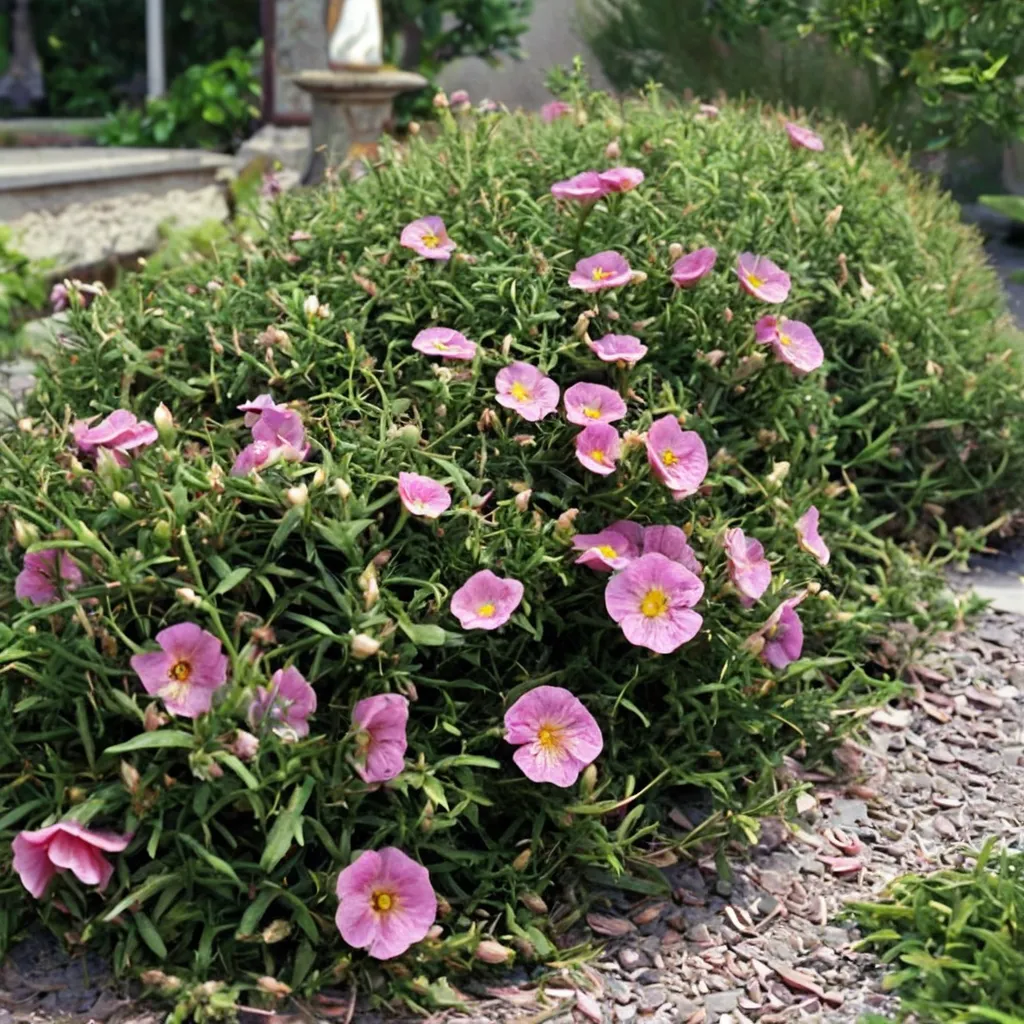
Orchid Rockrose
Cistus x purpureus
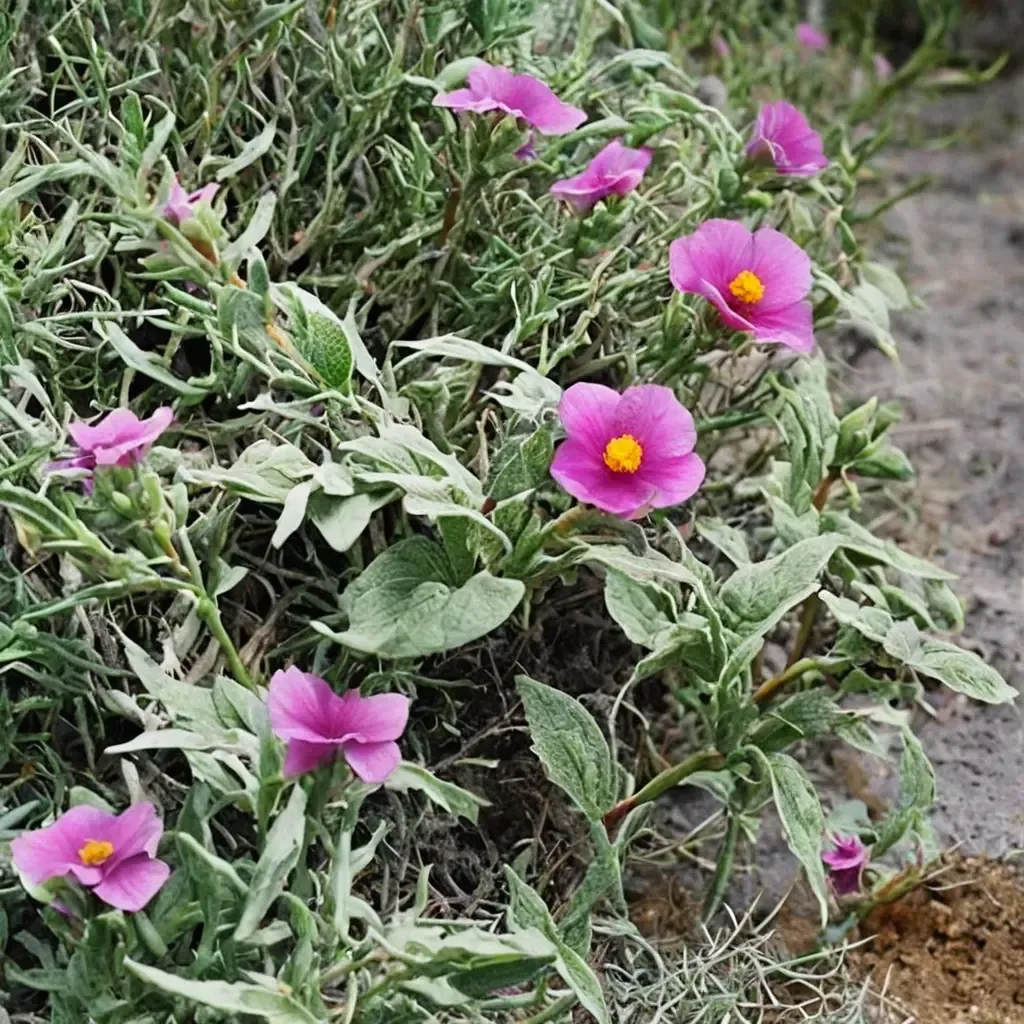
Hoary Rockrose
Cistus incanus
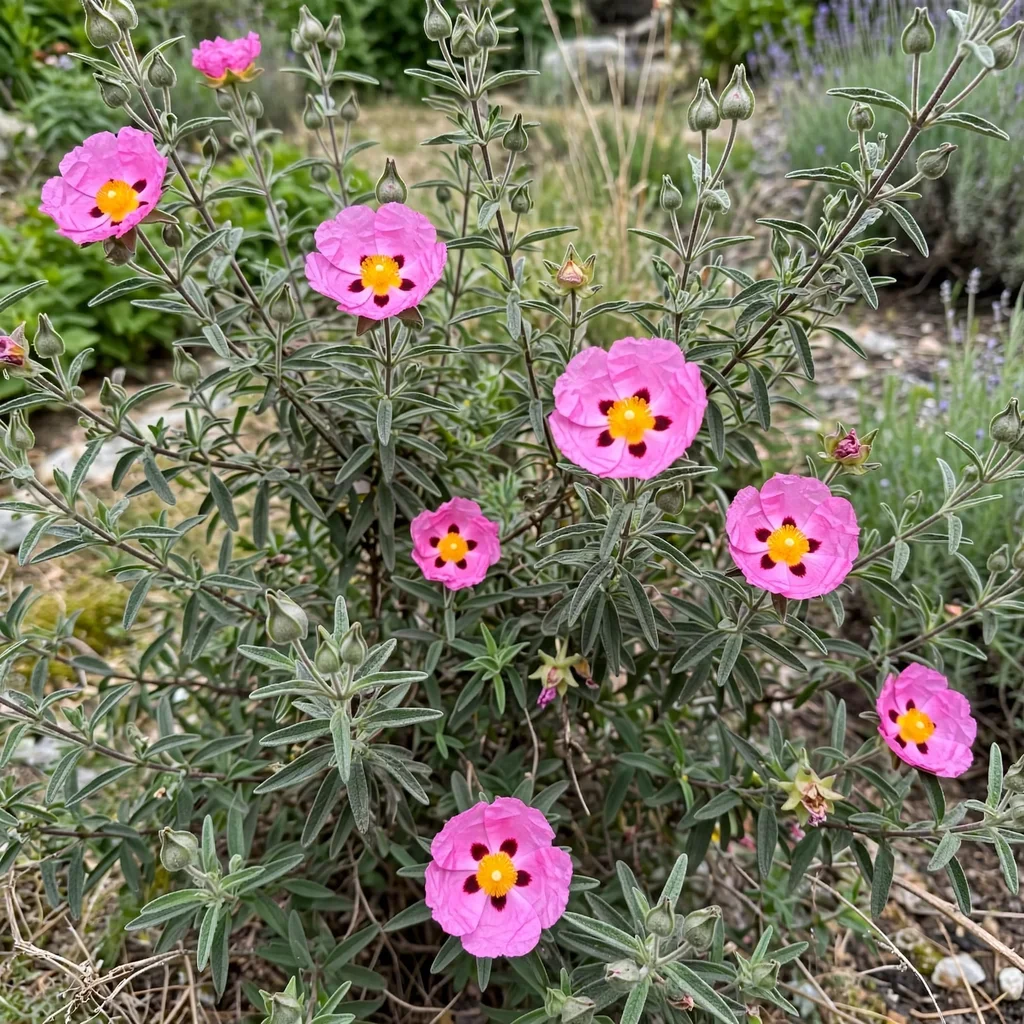
Victor Reiter Rockrose
Cistus x purpureus 'Victor Reiter'
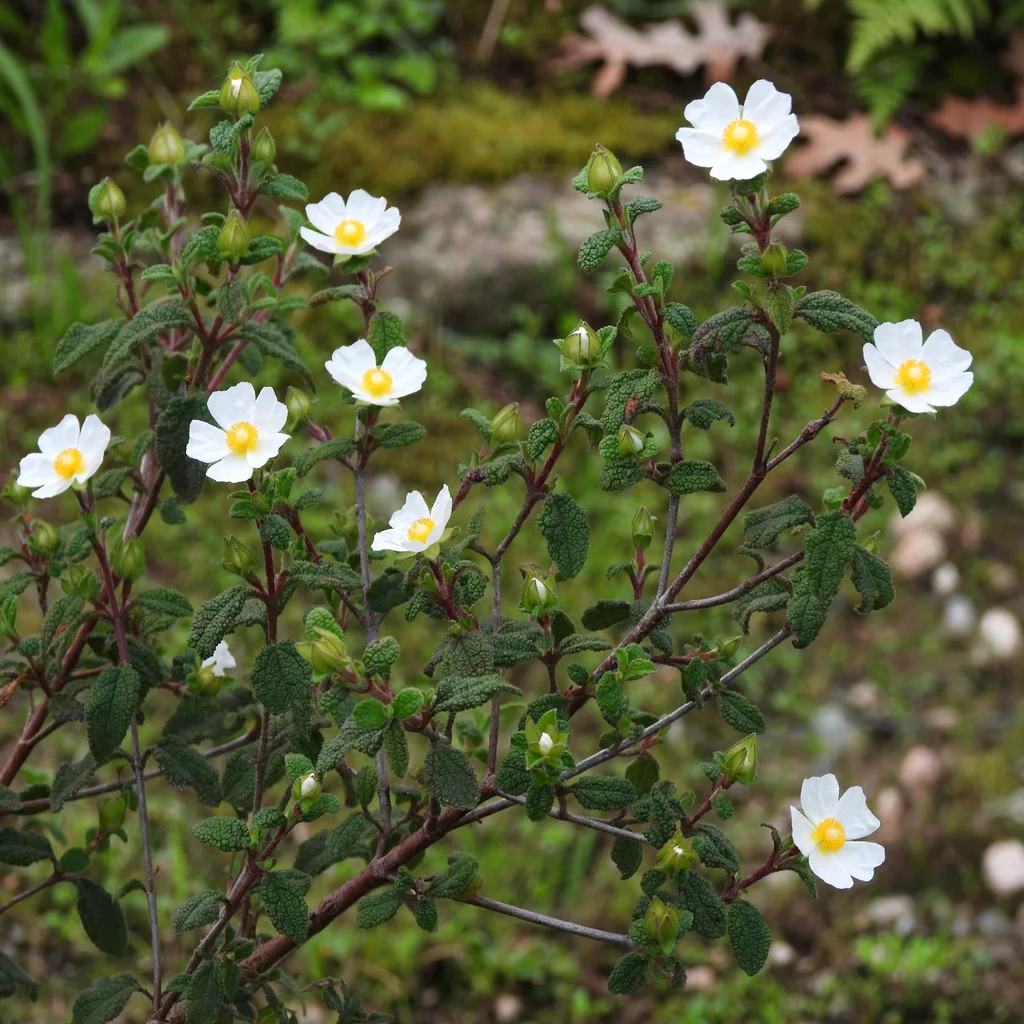
Sage-Leaved Rock-Rose
Cistus salviifolius

Dwarf Pink Rockrose
Cistus x skanbergii
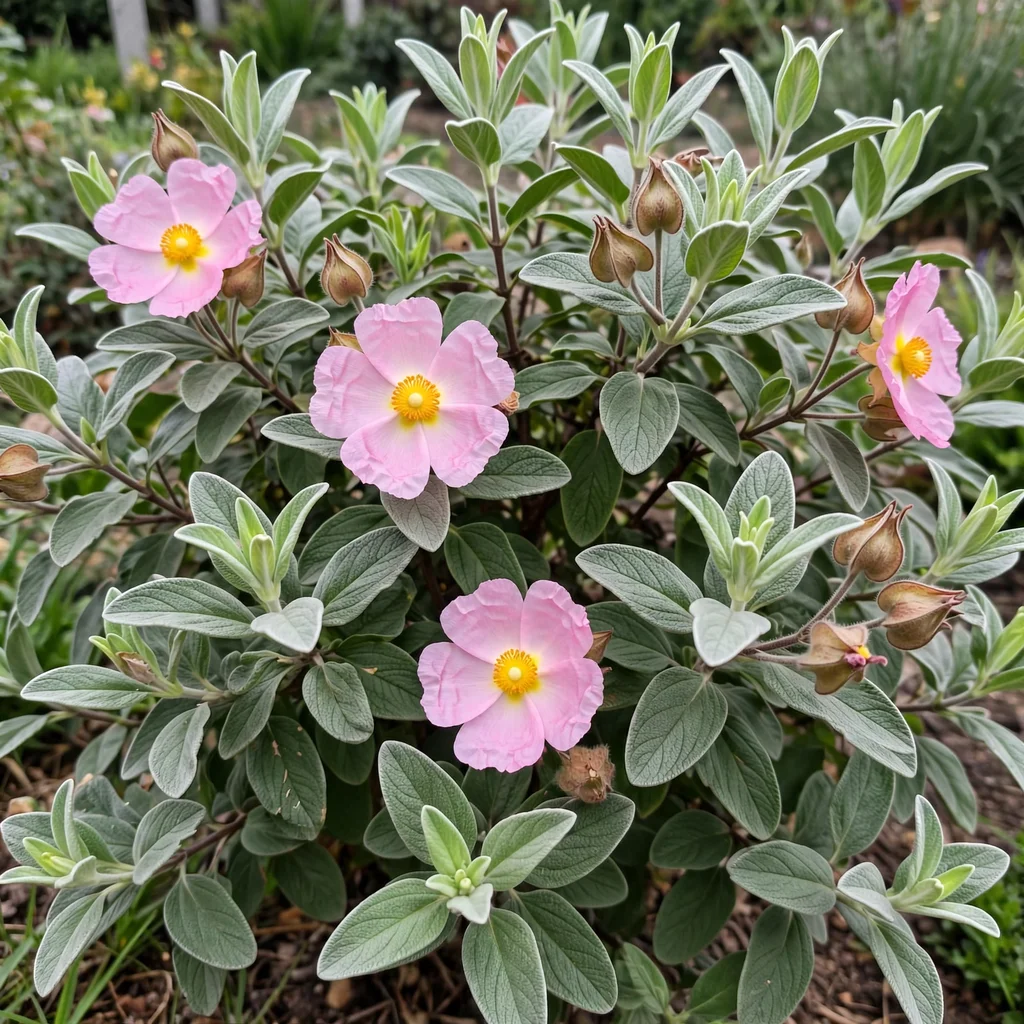
Silver Pink Rockrose
Cistus argenteus 'Silver Pink'
Keep exploring
Explore the genus
Hardy in your zone?
Grow Rockrose with confidence
See it in a design of your actual yard, get zone-matched care reminders, and track it season by season in your garden journal.