The Story
Plant Bio
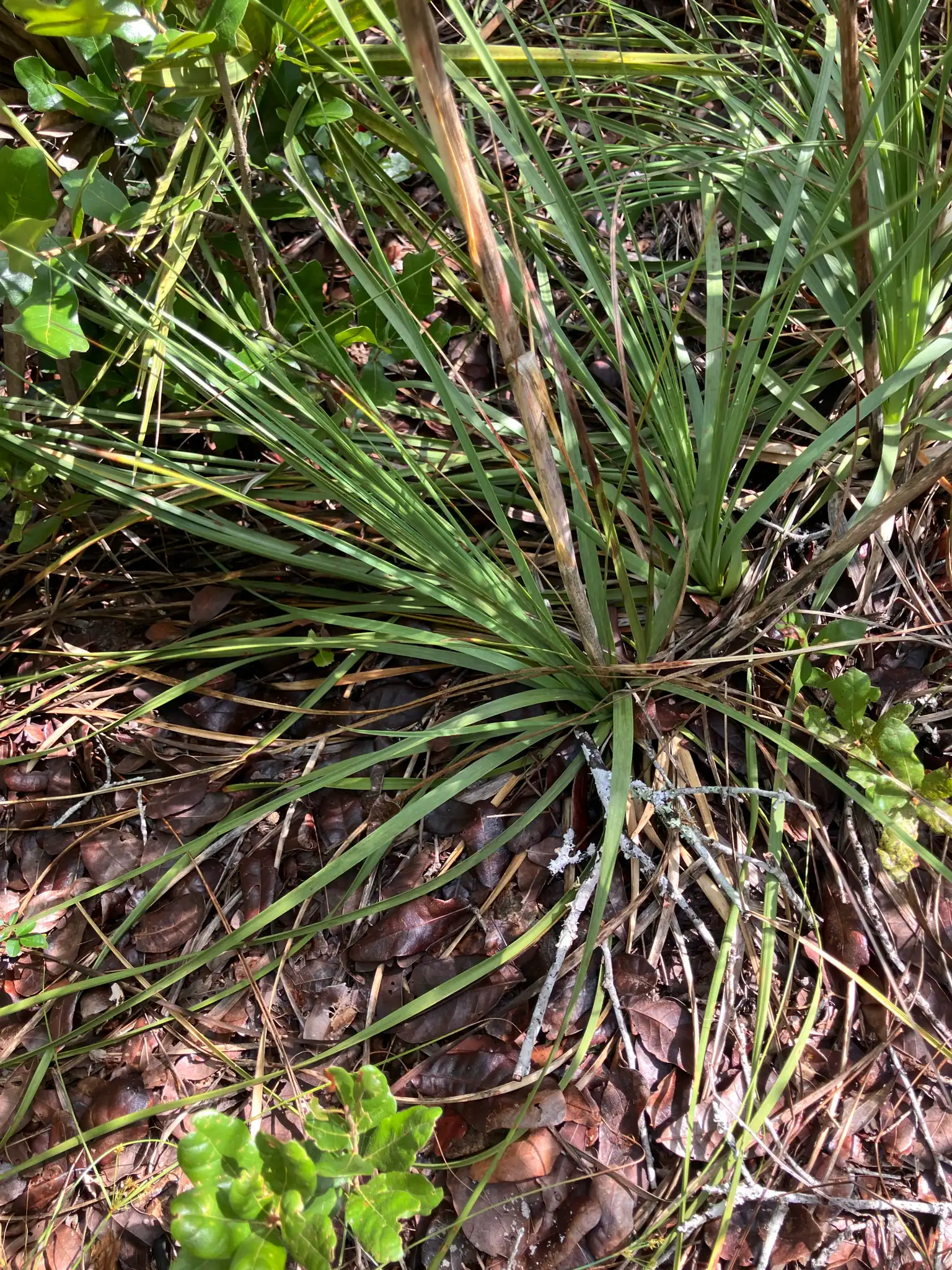
Nolina brittoniana is a stemless evergreen perennial that grows as a basal rosette of long reflexed grass-like leaves from a short thick rootstock. In spring it raises a much-branched panicle on a stalk to six feet, carrying small white flowers with tepals under a tenth of an inch that set three-lobed capsules.
Unlike trunk-forming western nolinas, Britton's beargrass never develops a stalk and holds as a low clump about eighteen inches tall with arching leaves to three feet long and less than half an inch wide. It grows only in xeric yellow and white sands of central peninsular Florida sandhill and scrub, where flowering and recruitment follow fire.
Uses & Benefits:
Essentials
At a Glance
Plant Type
Perennial
Height
18"
Width
36"
Light
Full Sun
Zones
8, 9, 10
Water
Low
Humidity
Low
Lifespan
Perennial
Native To
Central Florida, USA
Toxicity
Unknown
Bloom period
Spring
In flower about 3 months of the year
Planting
How to Grow
- Dig a shallow wide hole in deep sand and set the rootstock with the crown at grade, backfilling with native sand only.
- Water in once to settle the sand, then water sparingly through the first dry season until new leaves emerge.
- Mulch with a thin layer of pine straw kept clear of the crown to keep soil sharp and weeds down.
- Give full sun and open air with no overhead irrigation once established.
Pro Tip
Set the crown at grade in deep sand in full sun and keep winter and summer water off it; wet soil rots the bud while drought does not harm it.
Keep It Thriving
Care Guide
Do
- Plant in full sun in sharply drained sand.
- Protect the site from mowing and allow prescribed fire where permitted.
- Source nursery-propagated Florida-ecotype plants.
Don't
- Do not cut into the old leafless crown or shear the leaves.
- Do not plant in heavy soil or irrigated beds that stay wet.
- Do not collect seed or plants from the wild.
Seasonal Care Calendar
| Task | Jan | Feb | Mar | Apr | May | Jun | Jul | Aug | Sep | Oct | Nov | Dec |
|---|---|---|---|---|---|---|---|---|---|---|---|---|
| Pest Check | ||||||||||||
| Plant | ||||||||||||
| Propagate | ||||||||||||
| Spring Cleanup |
Watch Out For
Pests & Diseases
Common Pests
Common Diseases
In the Garden
Landscape Uses & Companions
Landscape Uses
Companion Plants
Multiply
Propagation Methods
Good to Know
Common Questions
Britton's Beargrass questions
What zones can Britton's Beargrass grow in?
Britton's Beargrass is hardy in USDA Zones 8–10: in that range it survives winter in the ground. Colder than Zone 8, grow it in a container you can move to shelter for the winter, or as an annual.
When does Britton's Beargrass bloom?
Britton's Beargrass typically blooms in spring. Exact timing shifts a week or two with your zone — Sow's bloom calendar maps it to your garden.
Does Britton's Beargrass need full sun?
Britton's Beargrass does best in full sun (6+ hours).
Is Britton's Beargrass drought tolerant?
Yes — once established (usually after the first full season), Britton's Beargrass handles dry spells with minimal watering. Water deeply its first year to build the root system that makes that possible.
More Nolina to compare
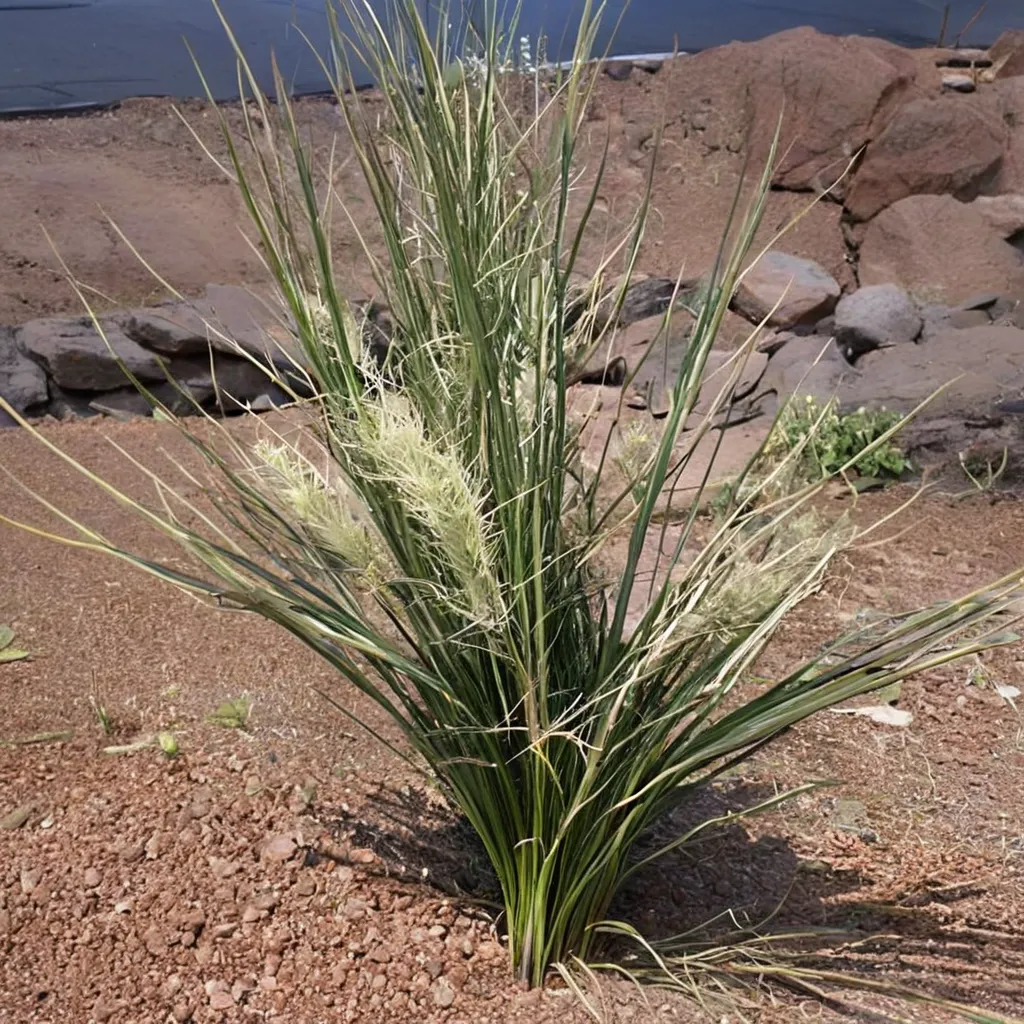
Sacahuista Beargrass
Nolina microcarpa
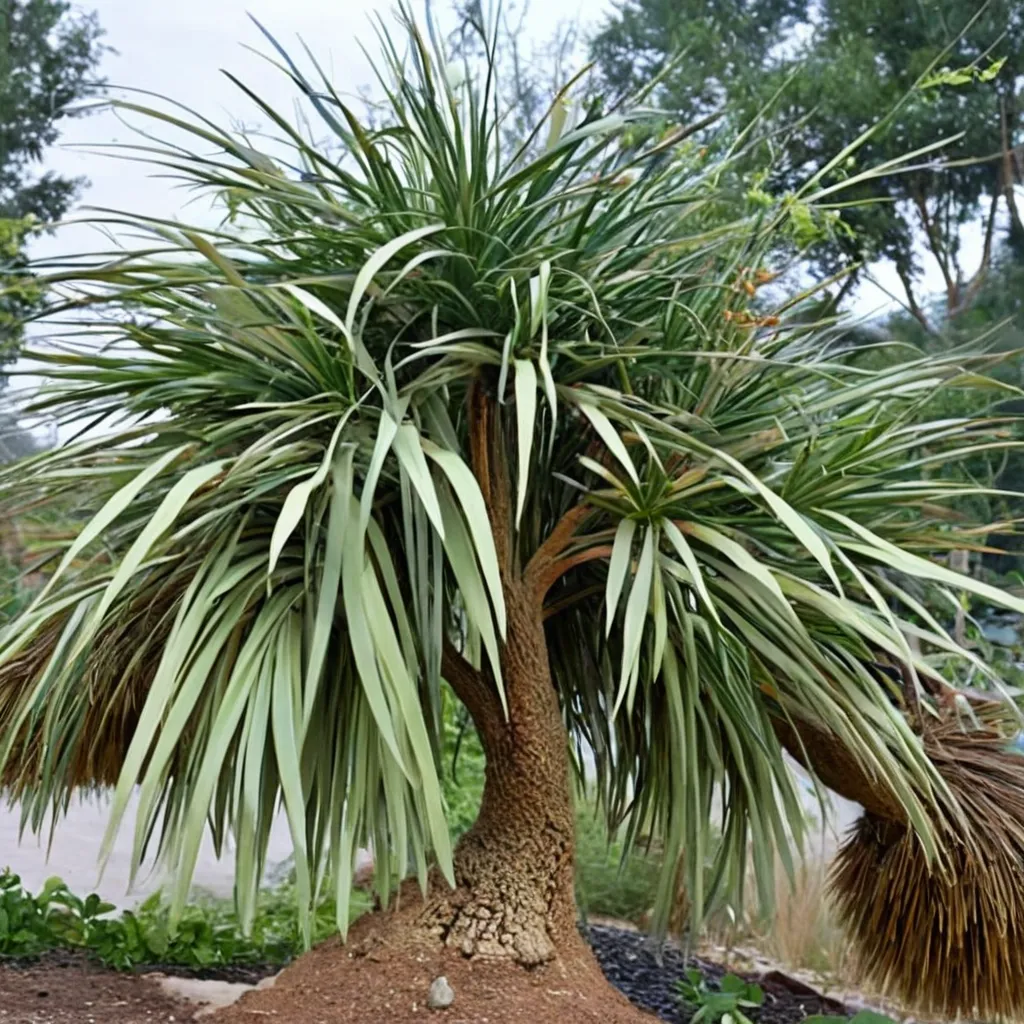
Mexican Grass Tree
Nolina longifolia
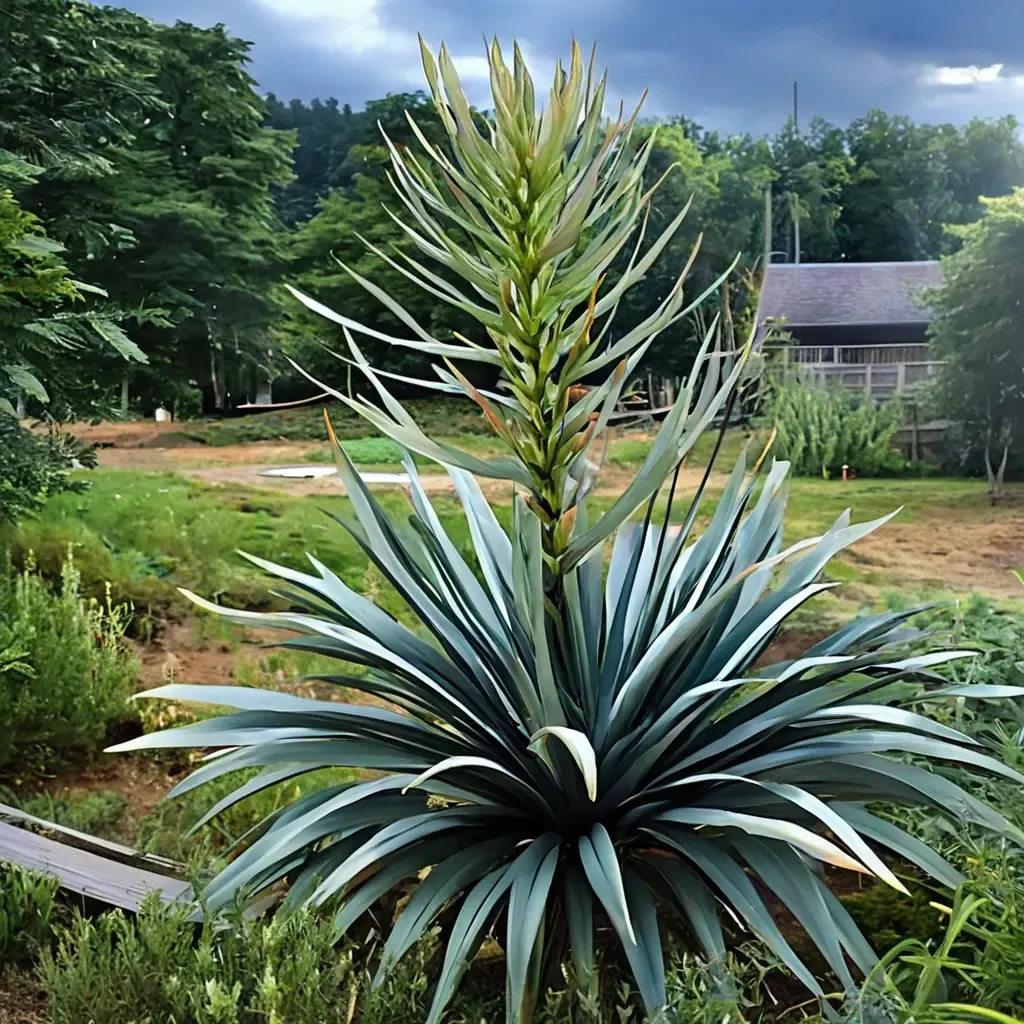
Nelson's Beargrass
Nolina nelsonii
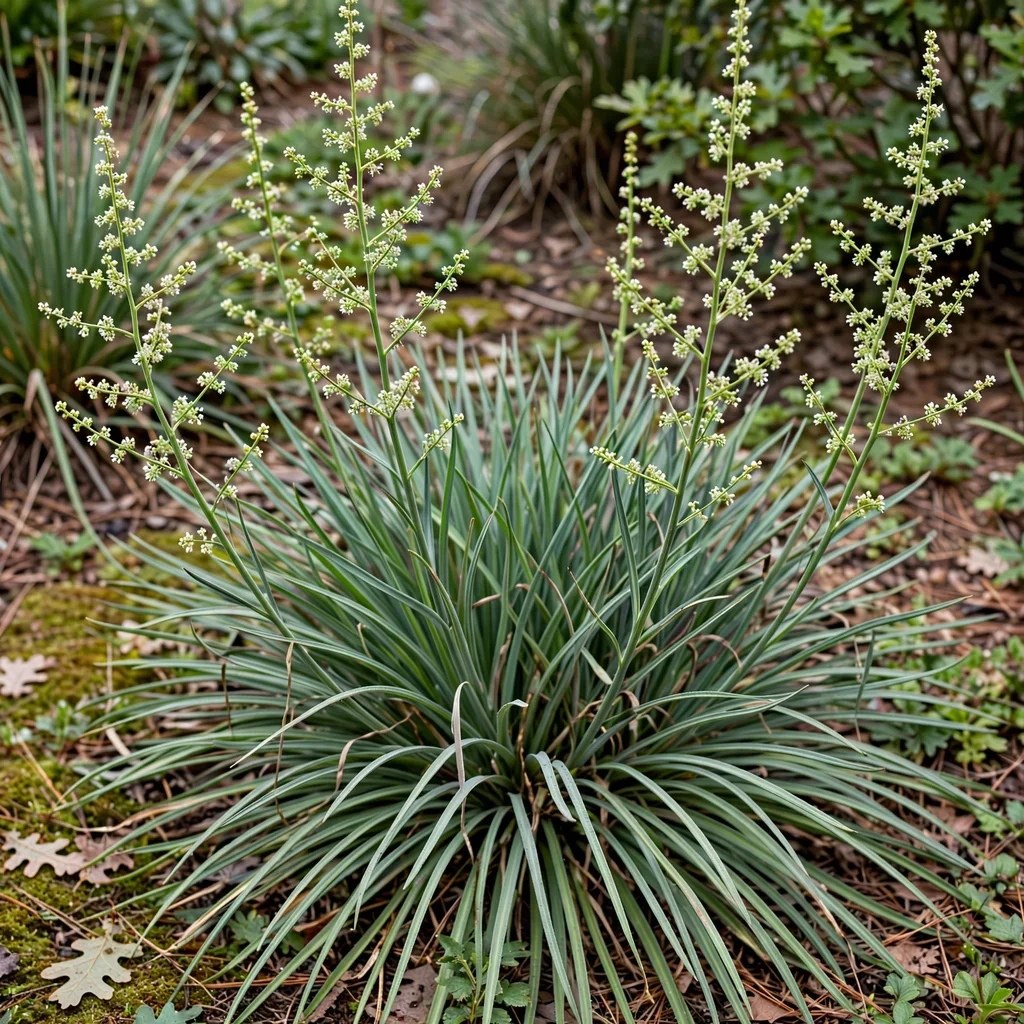
Georgia Beargrass
Nolina georgiana
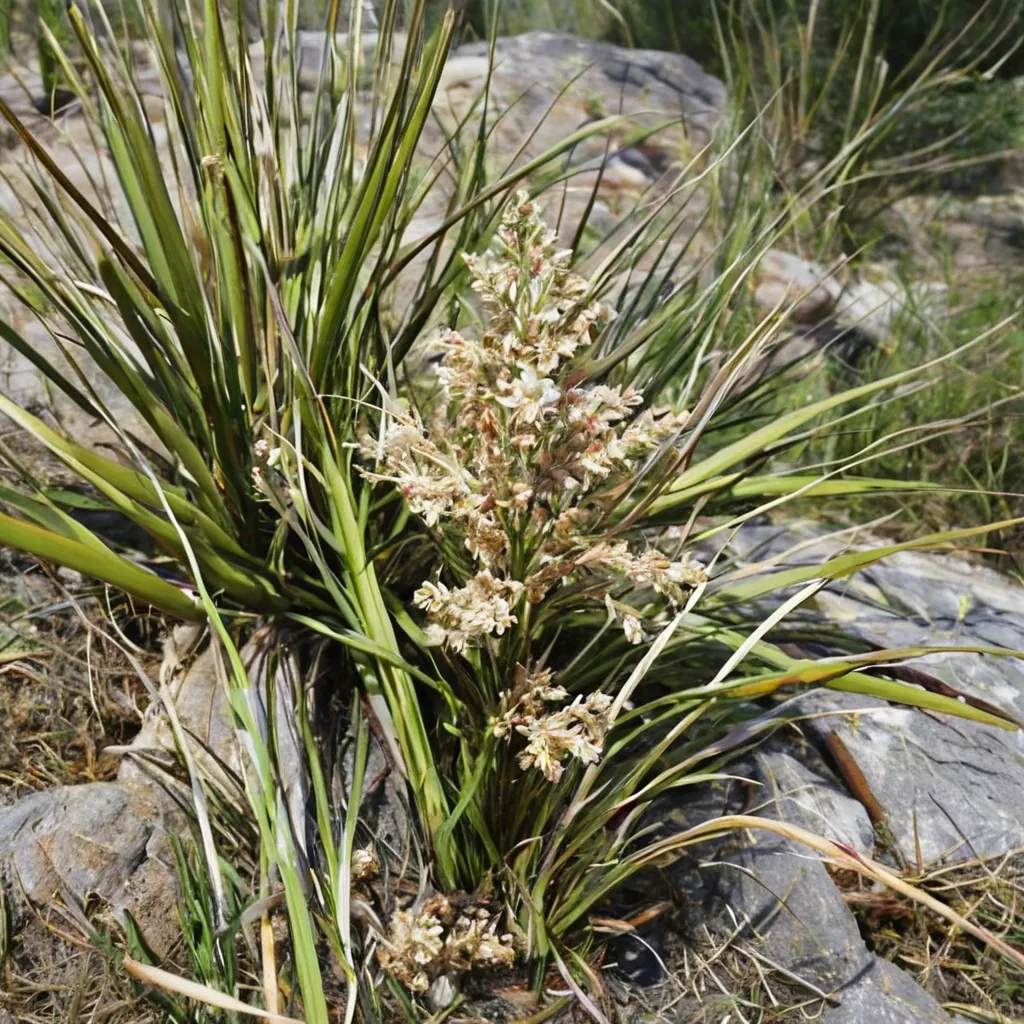
Tufted Beargrass
Nolina cespitifera
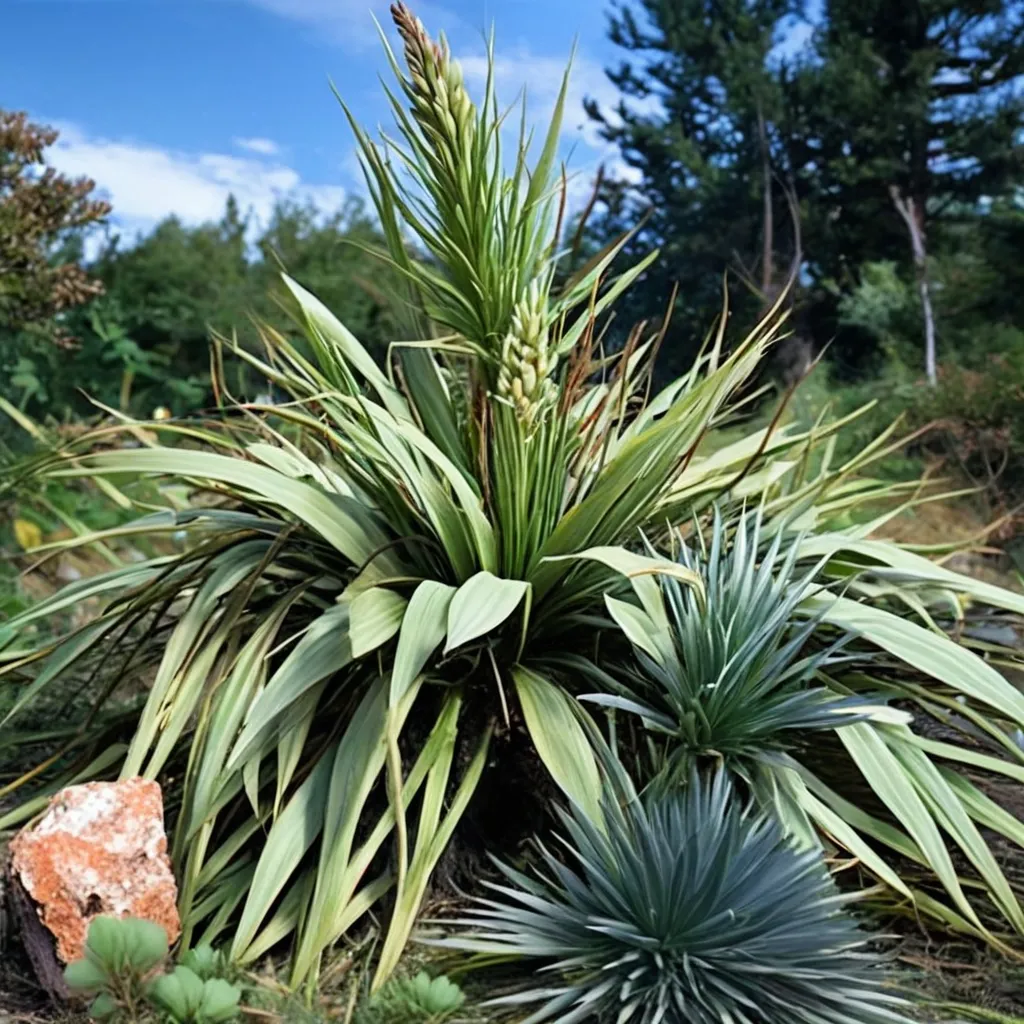
Mexican Beargrass
Nolina hibernica 'La Pe'
Keep exploring
Explore the genus
Hardy in your zone?
Grow Britton's Beargrass with confidence
See it in a design of your actual yard, get zone-matched care reminders, and track it season by season in your garden journal.