The Story
Plant Bio
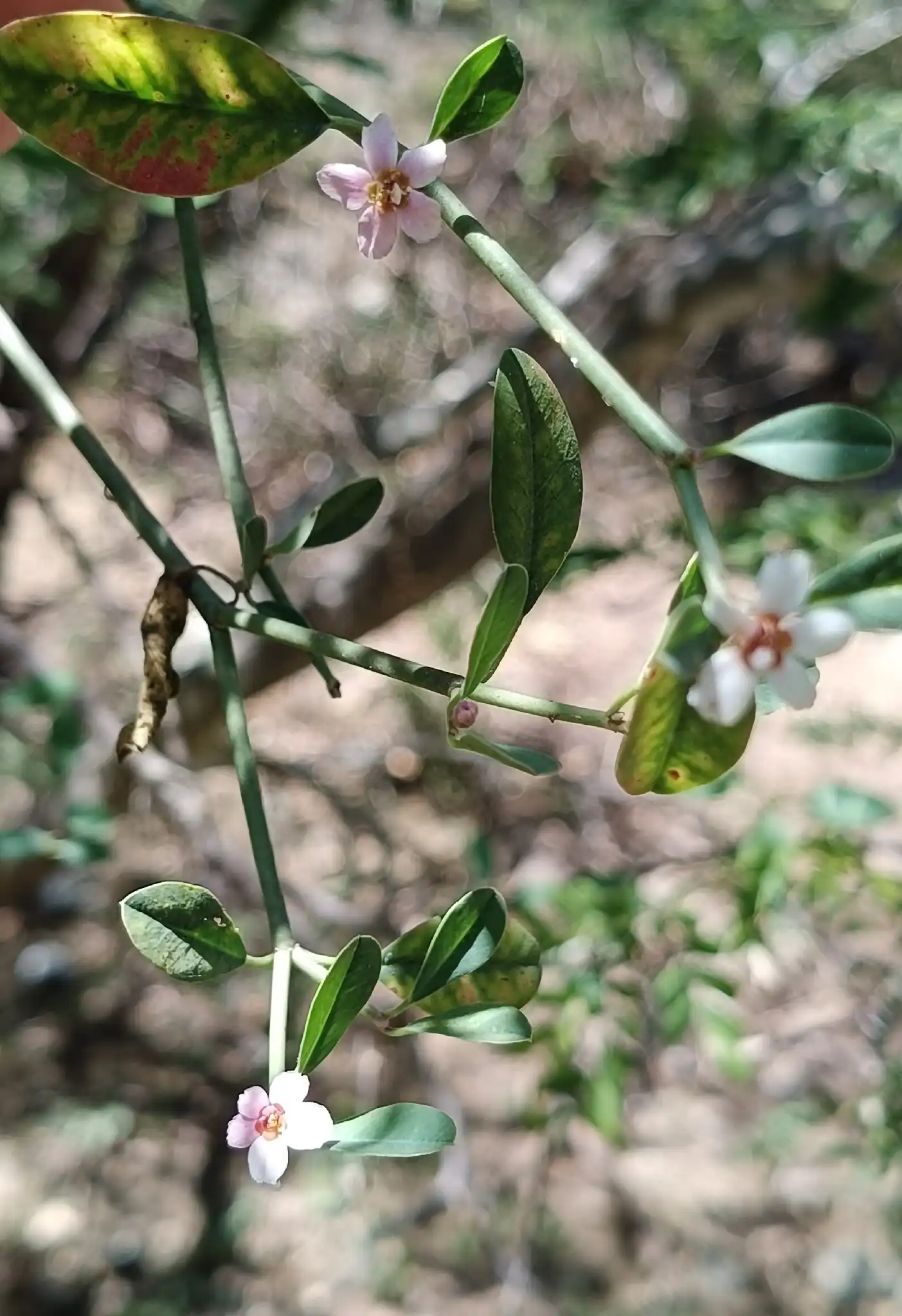
Euphorbia xanti is a fast-growing, open-branched succulent shrub from Baja California and coastal Sonora, reaching four to six feet tall and wider, with pencil-thin gray-green stems. It is winter-deciduous to semi-evergreen, leafing out with small ovate green leaves after flowering begins and dropping them in summer heat and drought.
It blooms from midwinter into late spring in large terminal clusters of small pink-and-white fragrant cyathia that read like baby's breath from a distance. It spreads by rhizomes and self-seed to form colonies, and all parts exude a milky latex that is highly toxic and irritates skin and eyes.
Uses & Benefits:
Essentials
At a Glance
Plant Type
Shrub
Height
72"
Width
96"
Light
Full Sun, Partial Sun
Zones
9, 10
Water
Low
Humidity
Low
Lifespan
Perennial
Native To
Mexico
Toxicity
Highly toxic
Bloom period
Winter – Late spring
In flower about 6 months of the year
Planting
How to Grow
- Set in full sun in very fast-draining rocky or sandy soil with the crown at soil level.
- Space six to eight feet apart or confine in a large pot to contain rhizome spread.
- Water to establish, then water sparingly; established plants take drought and grow lusher with occasional summer irrigation.
- Prune spent flowering stems after bloom or in fall wearing gloves, long sleeves and eye protection.
- Withhold fertilizer and excess water to limit suckering and floppy growth.
Pro Tip
Give it full sun, lean rocky drainage and room to colonize, then withhold summer water to check suckering; summer leaf drop is normal, not failure.
Keep It Thriving
Care Guide
Do
- Plant in full sun with excellent drainage.
- Wear gloves, sleeves and eye protection when pruning.
- Give it room to form a colony or keep it potted.
- Expect and accept summer leaf drop in heat and drought.
Don't
- Do not plant in shade where growth turns floppy with fewer blooms.
- Do not overwater or overfertilize, which drives suckering.
- Do not prune into the dormant season beyond fall cleanup.
- Do not touch milky sap or rub eyes when handling stems.
Seasonal Care Calendar
| Task | Jan | Feb | Mar | Apr | May | Jun | Jul | Aug | Sep | Oct | Nov | Dec |
|---|---|---|---|---|---|---|---|---|---|---|---|---|
| Mulch | ||||||||||||
| Pest Check | ||||||||||||
| Plant | ||||||||||||
| Prune | ||||||||||||
| Winter Prep |
Watch Out For
Pests & Diseases
Common Pests
Common Diseases
In the Garden
Landscape Uses & Companions
Landscape Uses
Companion Plants
Multiply
Propagation Methods
Good to Know
Common Questions
Baja Spurge questions
What zones can Baja Spurge grow in?
Baja Spurge is hardy in USDA Zones 9–10: in that range it survives winter in the ground. Colder than Zone 9, grow it in a container you can move to shelter for the winter.
Is Baja Spurge deer resistant?
Yes — Baja Spurge is rated deer-resistant. Deer typically pass it over, though extreme hunger can override any plant's defenses.
When does Baja Spurge bloom?
Baja Spurge typically blooms from winter to spring. Exact timing shifts a week or two with your zone — Sow's bloom calendar maps it to your garden.
Does Baja Spurge need full sun?
Baja Spurge does best in full sun to part shade. In hot climates, afternoon shade keeps blooms fresher longer.
Is Baja Spurge drought tolerant?
Yes — once established (usually after the first full season), Baja Spurge handles dry spells with minimal watering. Water deeply its first year to build the root system that makes that possible.
More Euphorbia to compare
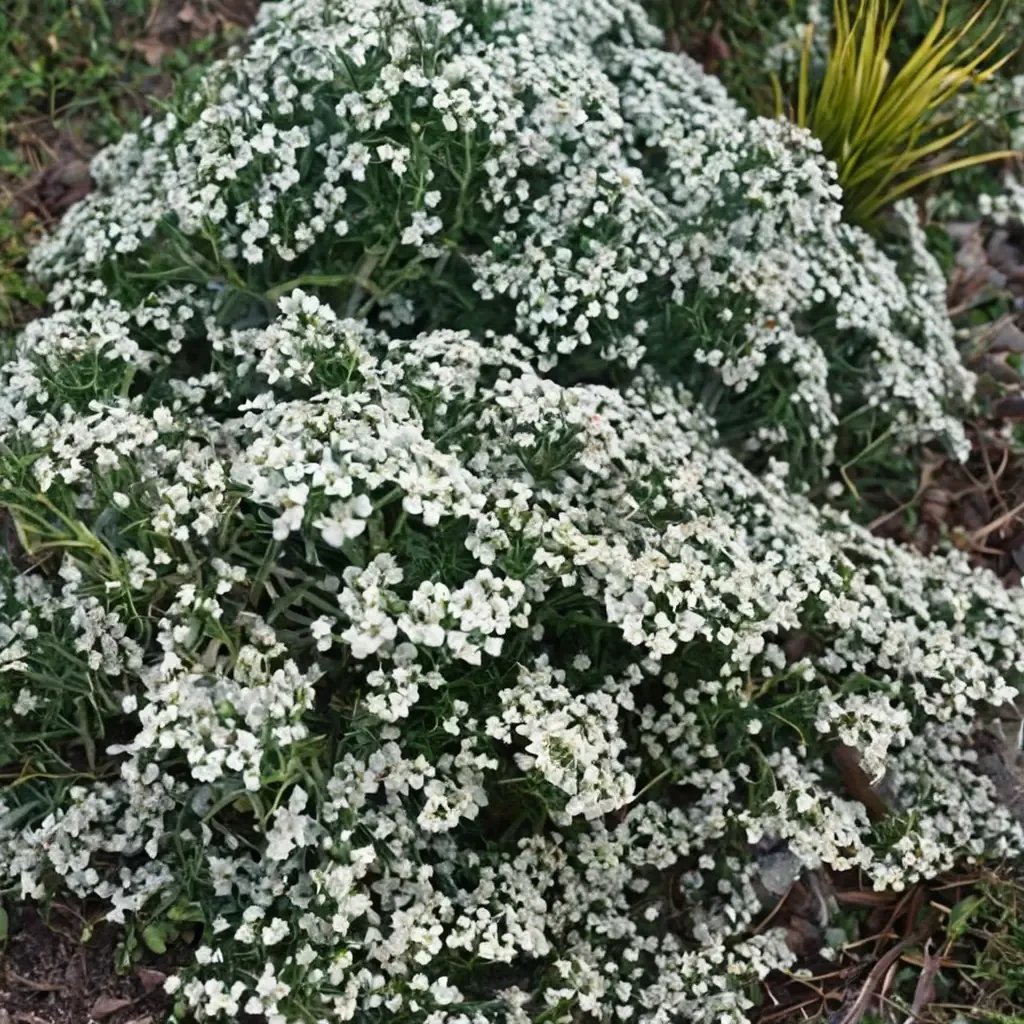
Carolina Snow Flowering Spurge
Euphorbia corollata 'Carolina Snow'
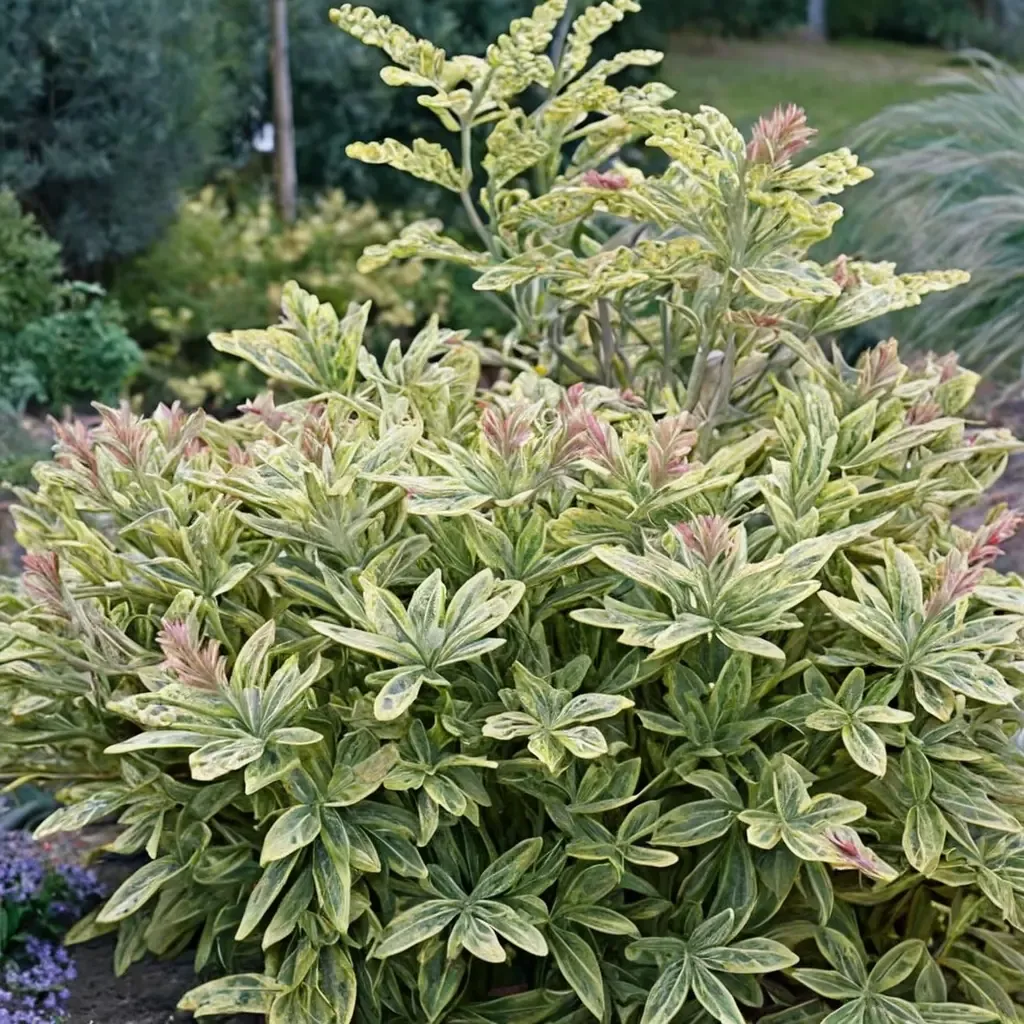
Ascot Rainbow Spurge
Euphorbia x hybrida 'Ascot Rainbow'
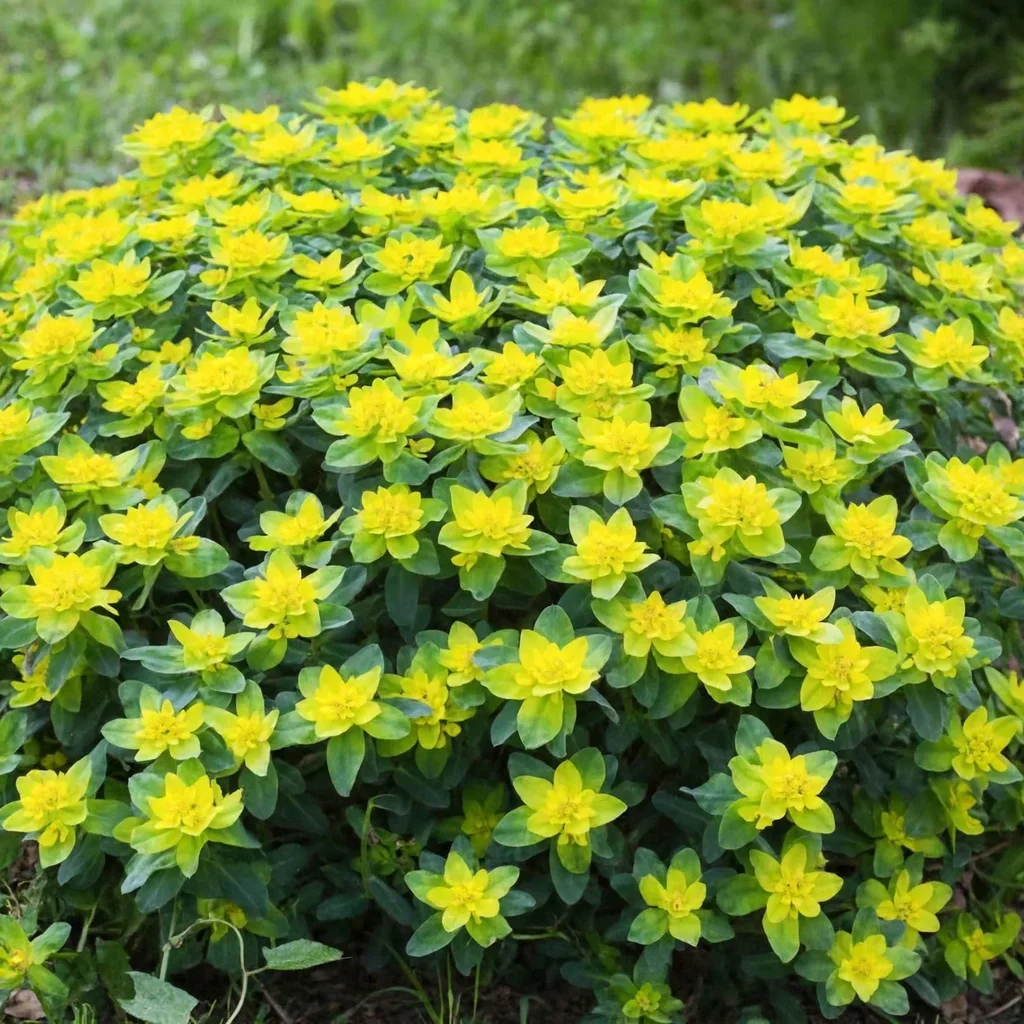
Mediterranean Spurge
Euphorbia polychroma
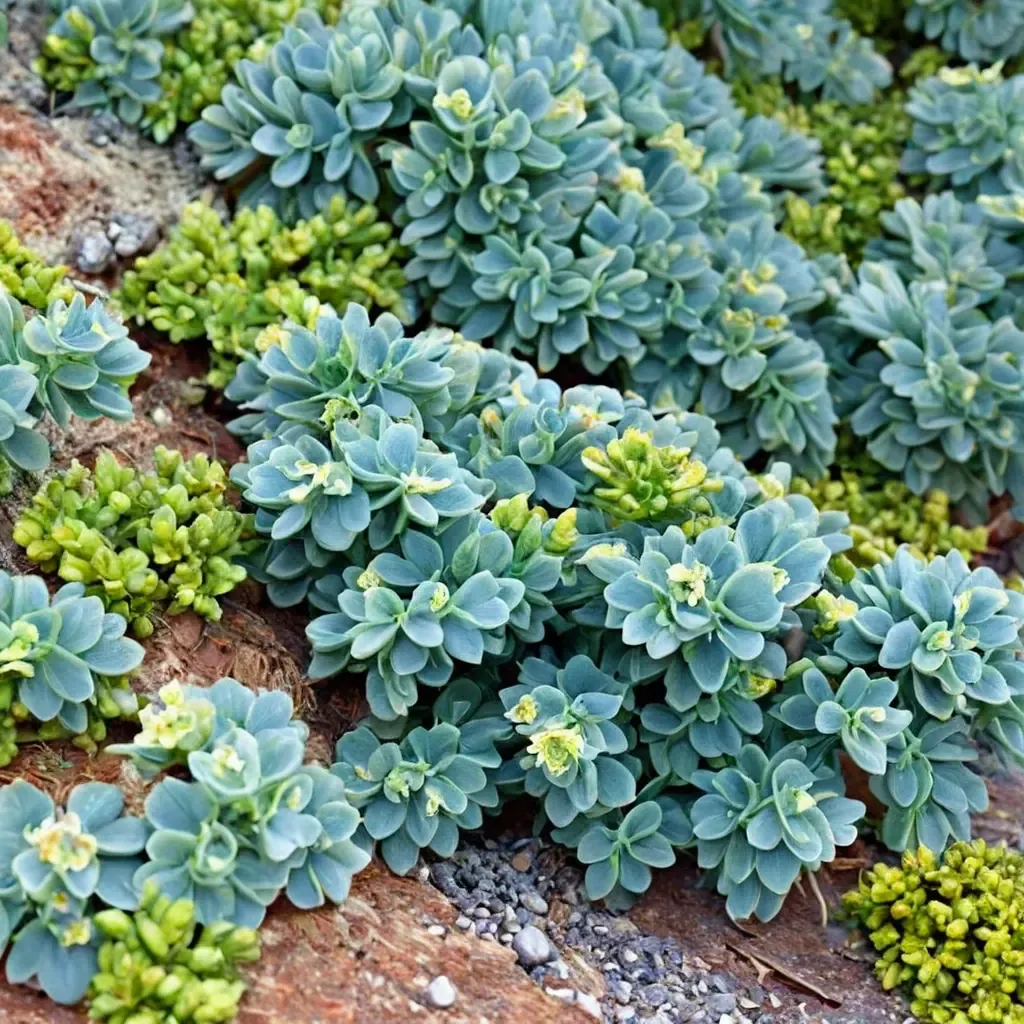
Myrtle Spurge
Euphorbia myrsinites
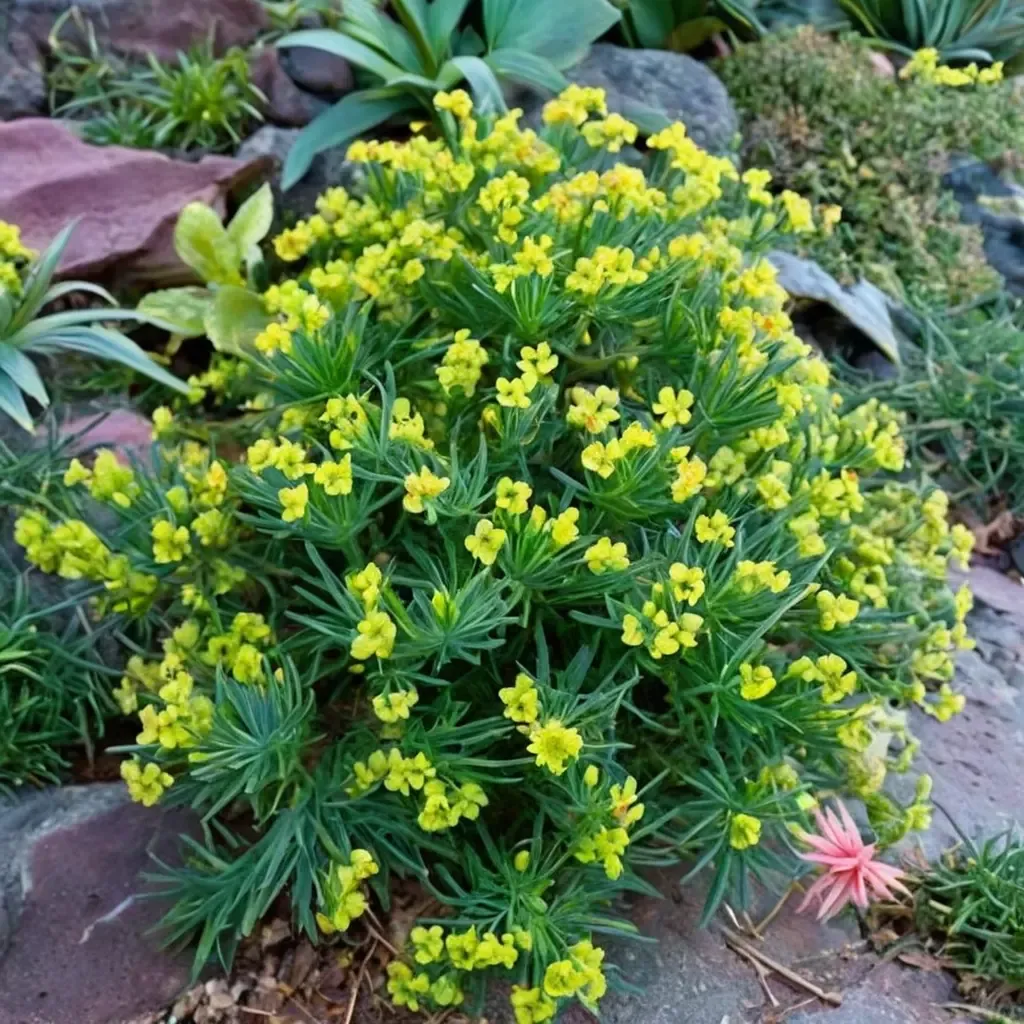
Ruby Spurge
Euphorbia cyparissias 'Fens Ruby'
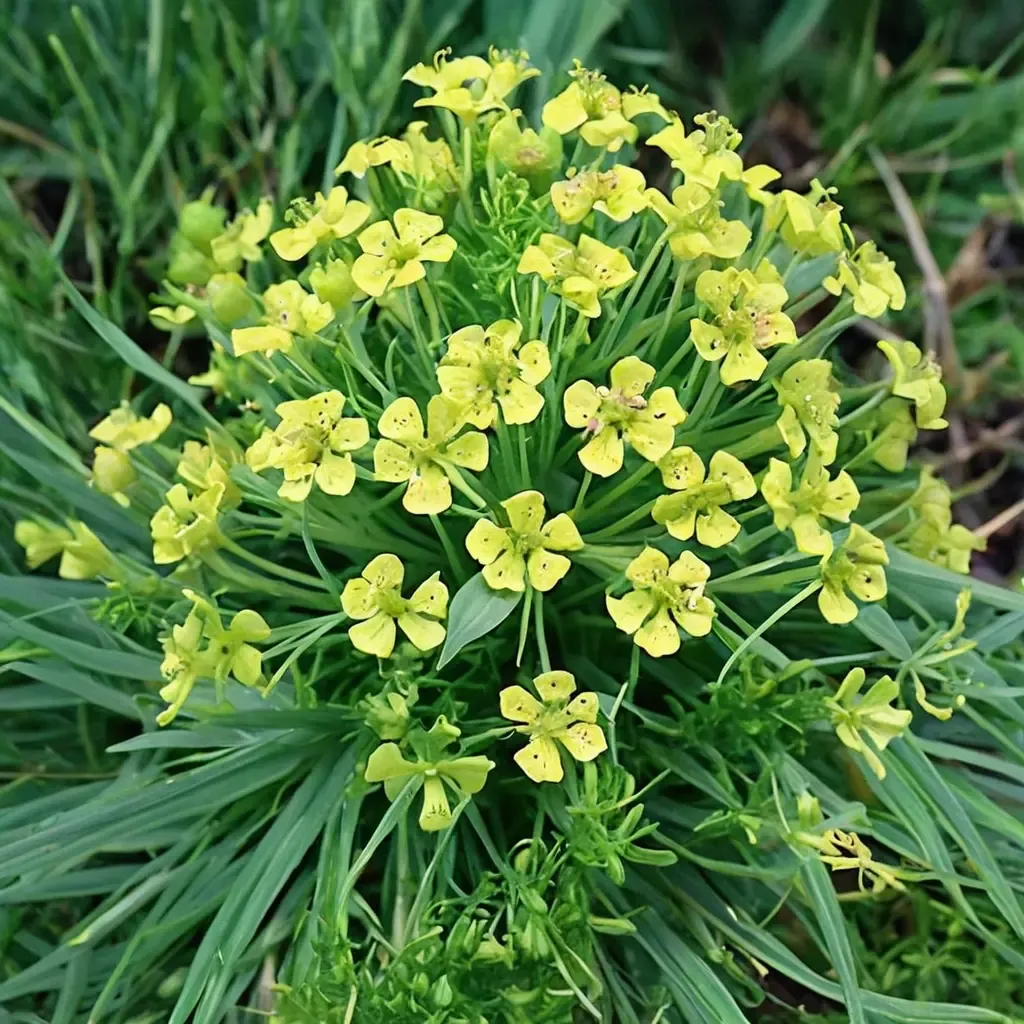
Cypress Spurge
Euphorbia cyparissias
Keep exploring
Explore the genus
Hardy in your zone?
Grow Baja Spurge with confidence
See it in a design of your actual yard, get zone-matched care reminders, and track it season by season in your garden journal.