The Story
Plant Bio
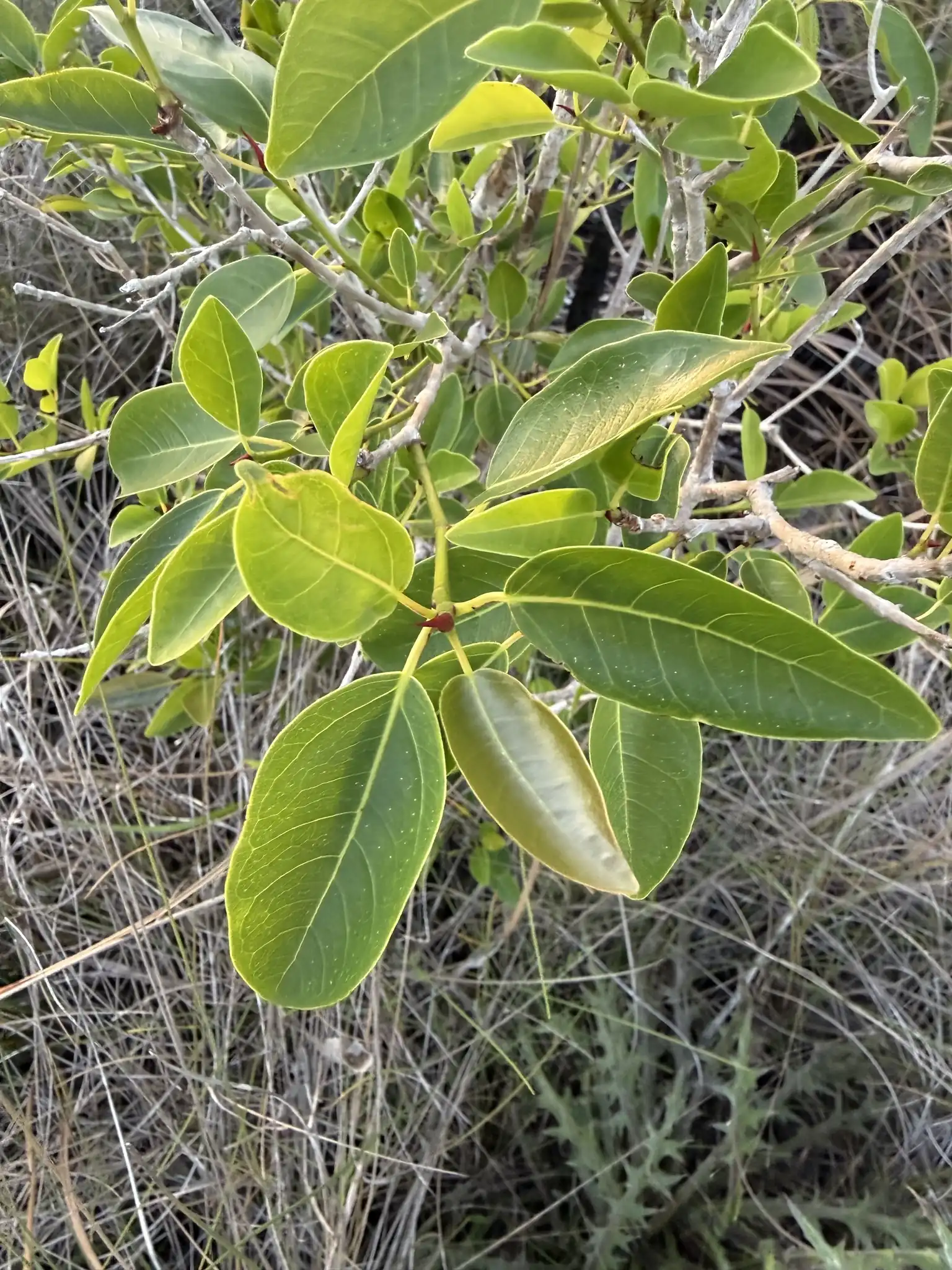
Ficus citrifolia, the shortleaf fig, is a large semi-deciduous banyan tree to 40 to 50 feet tall with a broad upright-irregular crown to 30 to 40 feet wide. It often begins life as an epiphyte in a host crown and develops a spreading strangler habit with surface roots, though it forms few aerial prop roots.
It is distinguished from the Florida strangler fig by smaller citrus-like leaves with finer venation and rounded to subcordate bases. Its stalked syconia to about half an inch across ripen from yellow through red to black and set viable seed only where its host-specific Pegoscapus wasp is present.
Uses & Benefits:
Essentials
At a Glance
Plant Type
Tree
Height
600"
Width
480"
Light
Full Sun, Partial Sun
Zones
10
Water
Low once established
Humidity
High, tropical
Lifespan
Long-lived tree
Native To
Southern Florida, Caribbean, Mexico to Paraguay
Toxicity
Skin irritant from milky latex
Bloom period
Year round
In flower about 12 months of the year
Planting
How to Grow
- Plant container stock in full sun in zones 10-11 with at least 40 feet of clearance from buildings and pavement
- Set into rich soil at pH 4.5 to 8.0 at the same depth it grew in the pot
- Water deeply to establish, then taper off; established trees tolerate drought but not salty or brackish flooding
- Mulch 2 to 3 inches deep, keeping mulch off the trunk
- Reserve pruning for late winter to remove crossing limbs and keep the broad crown balanced
Pro Tip
Give it a large site from the start with room for spreading surface roots; crowding pavement or foundations guarantees future conflict.
Keep It Thriving
Care Guide
Do
- Give surface roots room to spread away from foundations and sidewalks
- Mulch to conserve moisture in sandy soils
- Check leaf undersides for scale and mites through summer
Don't
- Do not plant in small lots or courtyards where roots will lift pavement
- Do not expose to salty flooding or salt spray
- Do not handle cut stems without gloves; milky latex can rash skin
Seasonal Care Calendar
| Task | Jan | Feb | Mar | Apr | May | Jun | Jul | Aug | Sep | Oct | Nov | Dec |
|---|---|---|---|---|---|---|---|---|---|---|---|---|
| Mulch | ||||||||||||
| Pest Check | ||||||||||||
| Plant | ||||||||||||
| Prune | ||||||||||||
| Winter Prep |
Watch Out For
Pests & Diseases
Common Pests
In the Garden
Landscape Uses & Companions
Landscape Uses
Multiply
Propagation Methods
Good to Know
Common Questions
Shortleaf Fig questions
What zones can Shortleaf Fig grow in?
Shortleaf Fig is hardy in USDA Zone 10: in that range it survives winter in the ground. Colder than Zone 10, winters are too cold for it to survive outdoors.
When does Shortleaf Fig bloom?
Shortleaf Fig typically blooms year-round. Exact timing shifts a week or two with your zone — Sow's bloom calendar maps it to your garden.
Does Shortleaf Fig need full sun?
Shortleaf Fig does best in full sun to part shade. In hot climates, afternoon shade keeps blooms fresher longer.
Is Shortleaf Fig drought tolerant?
Yes — once established (usually after the first full season), Shortleaf Fig handles dry spells with minimal watering. Water deeply its first year to build the root system that makes that possible.
More Ficus to compare
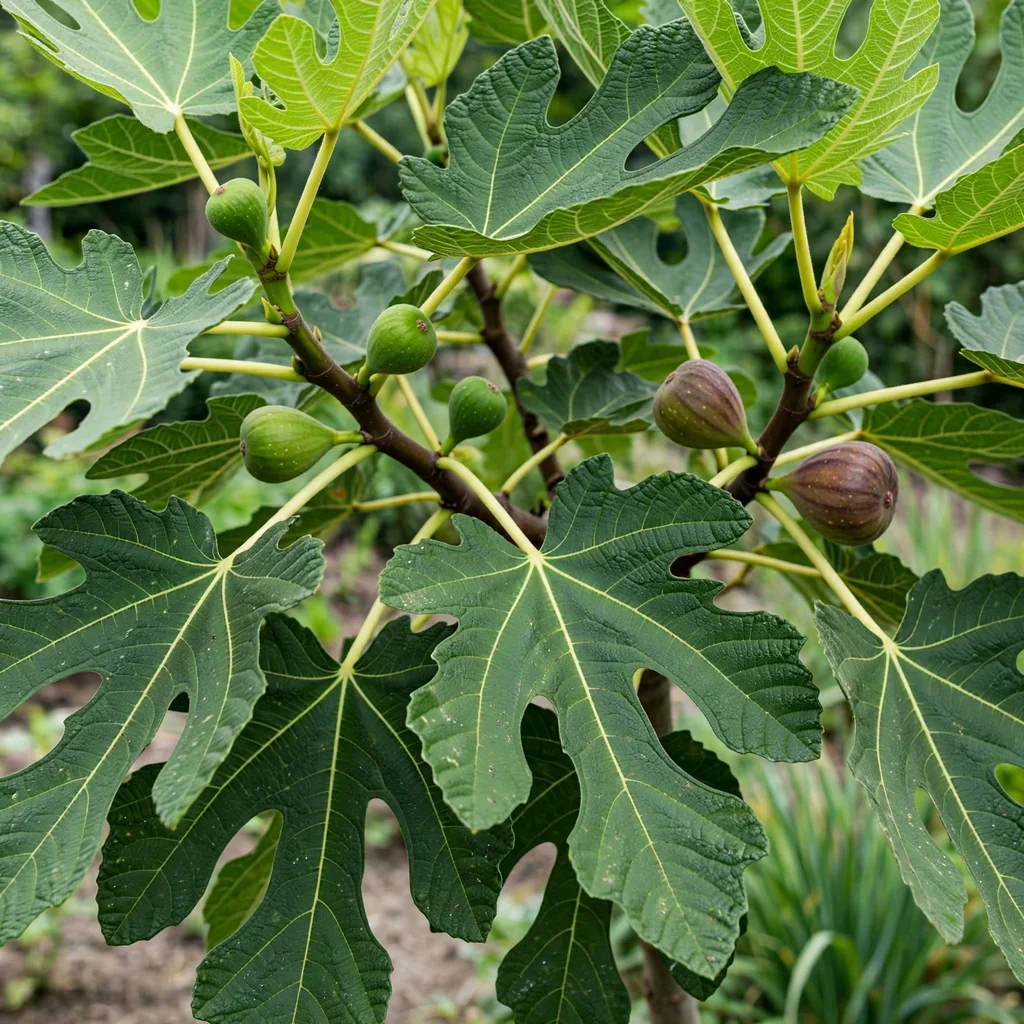
Fig Tree Brown Turkey
Ficus carica 'Brown Turkey'
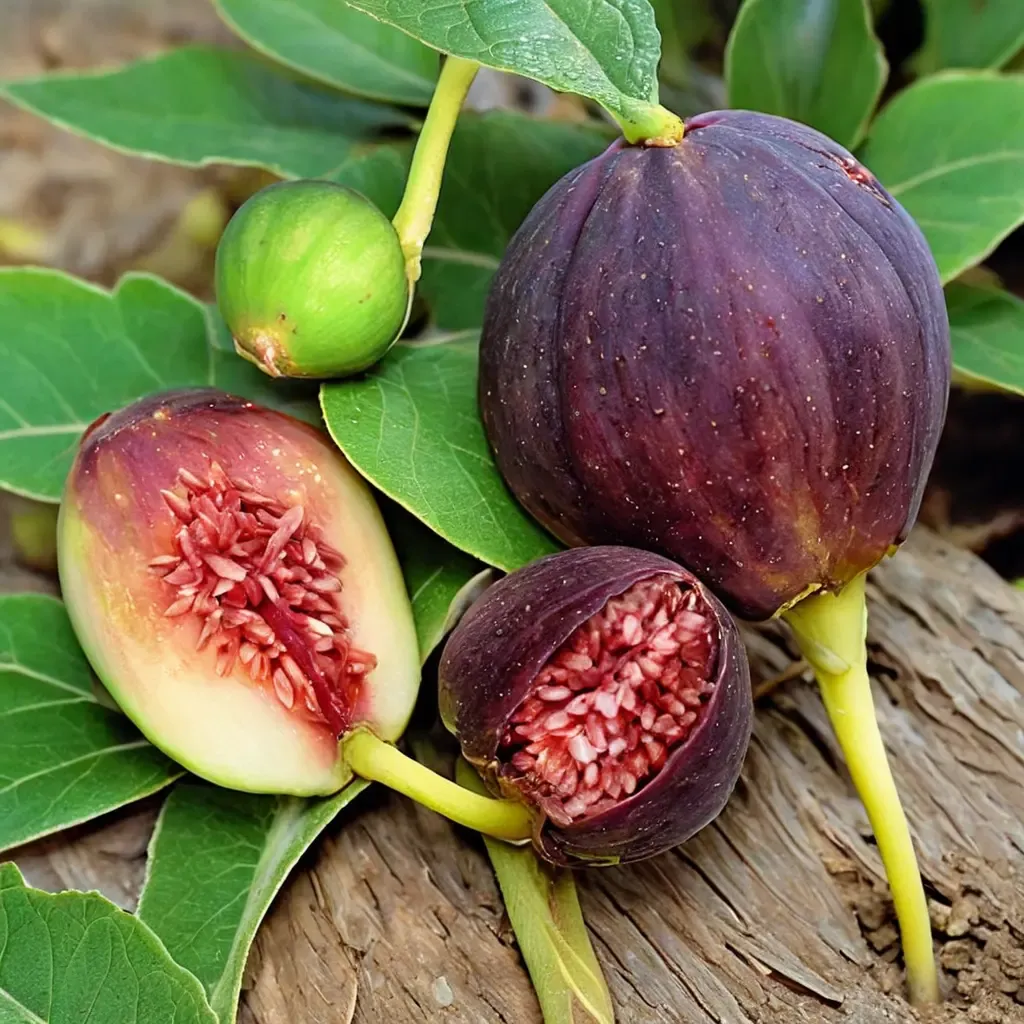
Improved Brown Turkey Fig
Ficus carica 'Improved Brown Turkey'
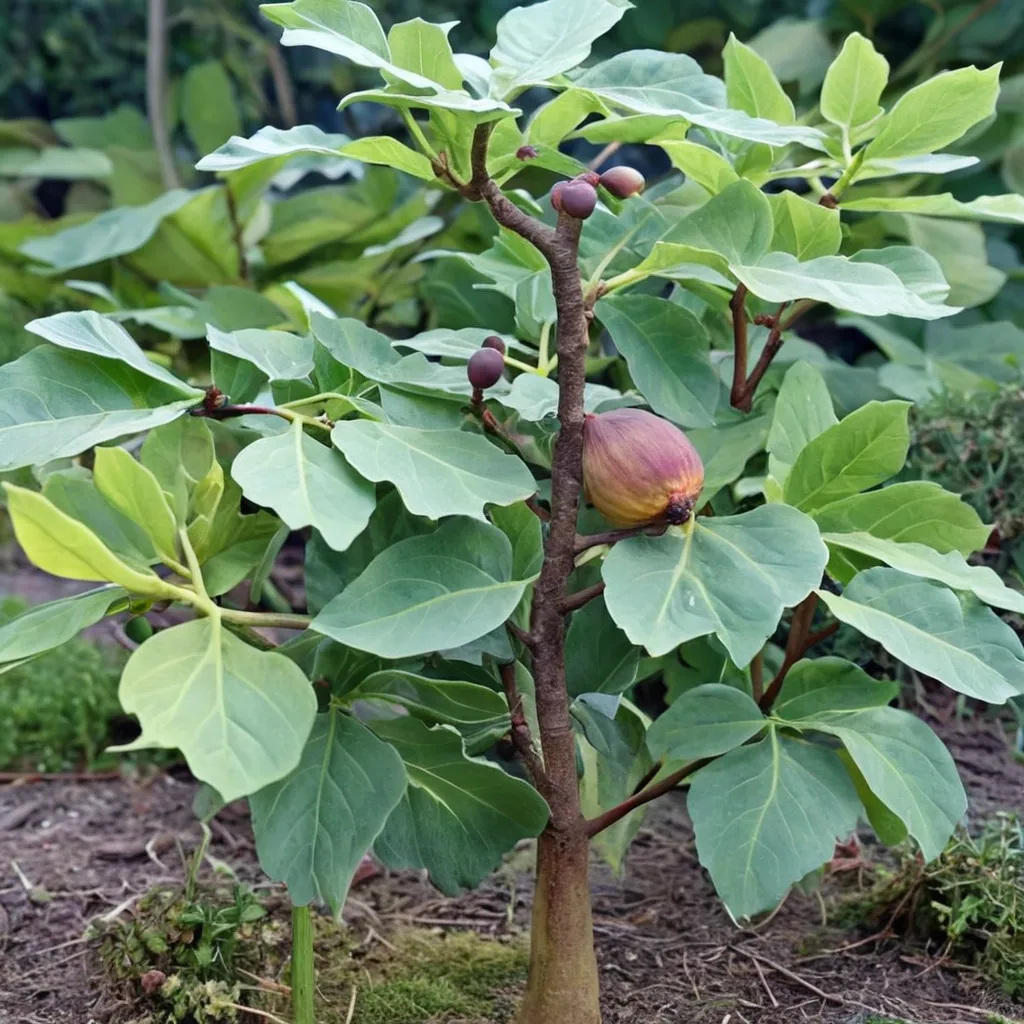
Chicago Hardy Fig
Ficus carica 'Chicago Hardy'
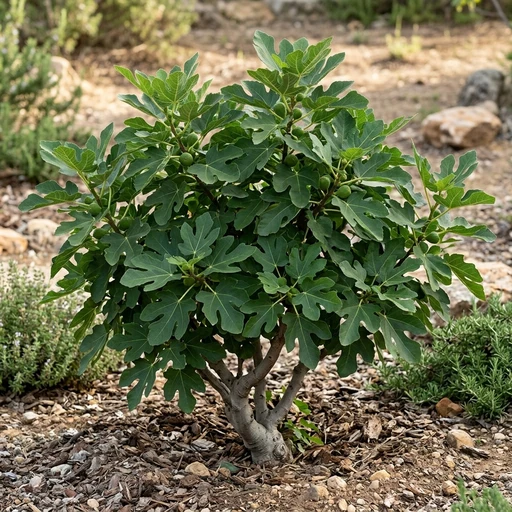
Little Miss Figgy Dwarf Fig
Ficus carica 'Little Miss Figgy'
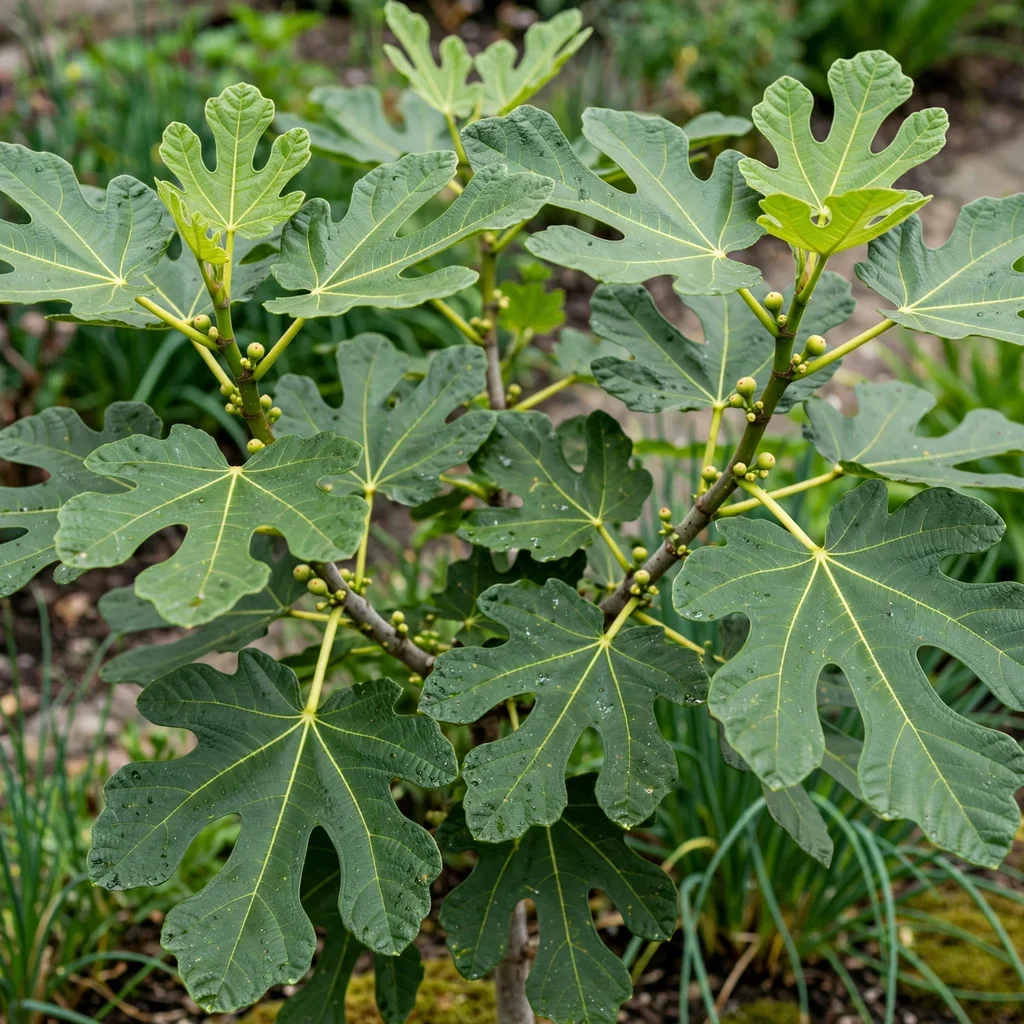
Champagne Fig
Ficus carica 'Champagne'
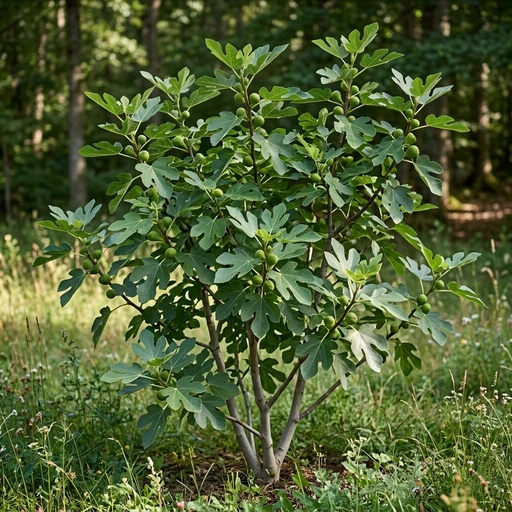
Celeste Fig
Ficus carica 'Celeste'
Keep exploring
Explore the genus
Hardy in your zone?
Grow Shortleaf Fig with confidence
See it in a design of your actual yard, get zone-matched care reminders, and track it season by season in your garden journal.