The Story
Plant Bio
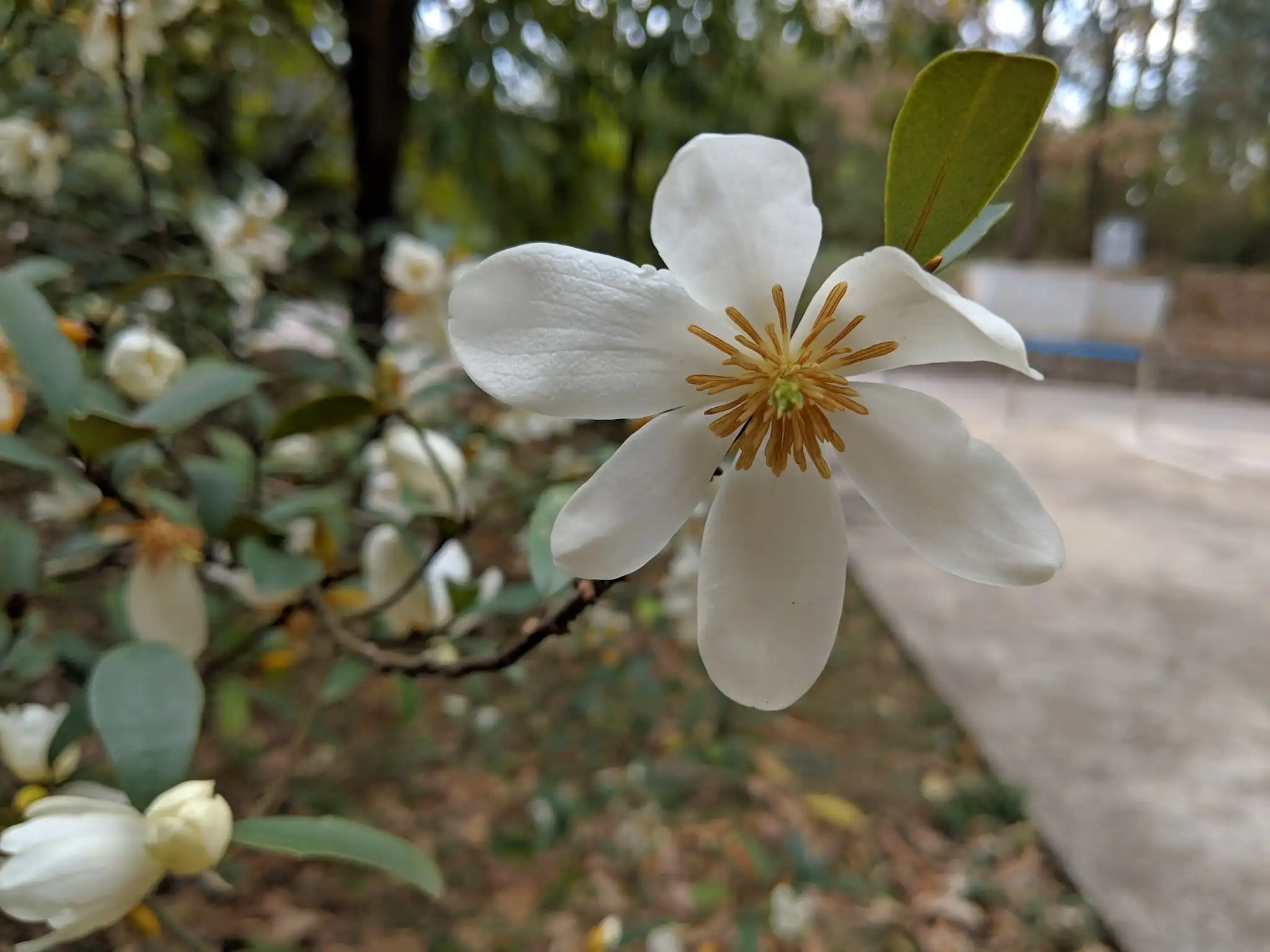
Magnolia laevifolia is a broadleaf evergreen shrub to small tree reaching 10 to 15 feet in gardens, with leathery obovate leaves dark green above and copper-brown felted beneath. The creamy-white cupped flowers open from brown velvet buds in the leaf axils along the stems, releasing a sweet fragrance in late winter to spring.
Unlike the large deciduous magnolias, it keeps its leaves year-round and flowers along the stems rather than only at the branch tips, which suits it to hedging and topiary. New growth, twigs and buds carry short reddish-brown hairs while mature leaves turn smooth above and keep a polished dark green face with a pale copper underside.
Uses & Benefits:
Essentials
At a Glance
Plant Type
Shrub
Height
150"
Width
150"
Light
Full Sun, Partial Sun
Zones
8, 9, 10
Water
Medium
Humidity
Average
Lifespan
Long-lived woody shrub
Native To
South-central China
Toxicity
Non-toxic
Bloom period
Late winter – Spring
In flower about 4 months of the year
Planting
How to Grow
- Plant in spring in full sun to part shade in a spot sheltered from late frost.
- Dig a hole twice as wide as the container and set the root ball level with the soil surface.
- Backfill with humusy loam that is evenly moist, slightly acidic and well draining.
- Mulch 2 to 3 inches deep with bark or leaf mold, keeping mulch off the stem.
- Water regularly through the first two summers to keep soil consistently moist.
Pro Tip
Prune immediately after flowering finishes; winter pruning removes the spring buds carried in the leaf axils.
Keep It Thriving
Care Guide
Do
- Plant in sheltered full sun to part shade out of late frost pockets
- Keep soil evenly moist with a bark mulch
- Prune lightly right after flowering to shape
Don't
- Do not prune in winter or you will cut off the spring buds
- Do not let the root zone dry out completely
- Do not plant in waterlogged or strongly alkaline soil
Seasonal Care Calendar
| Task | Jan | Feb | Mar | Apr | May | Jun | Jul | Aug | Sep | Oct | Nov | Dec |
|---|---|---|---|---|---|---|---|---|---|---|---|---|
| Mulch | ||||||||||||
| Pest Check | ||||||||||||
| Plant | ||||||||||||
| Prune | ||||||||||||
| Winter Prep |
Watch Out For
Pests & Diseases
Common Pests
Common Diseases
In the Garden
Landscape Uses & Companions
Landscape Uses
Companion Plants
Multiply
Propagation Methods
Good to Know
Common Questions
Polished-Leaved Magnolia questions
What zones can Polished-Leaved Magnolia grow in?
Polished-Leaved Magnolia is hardy in USDA Zones 8–10: in that range it survives winter in the ground. Colder than Zone 8, grow it in a container you can move to shelter for the winter.
When does Polished-Leaved Magnolia bloom?
Polished-Leaved Magnolia typically blooms from late winter to late spring. Exact timing shifts a week or two with your zone — Sow's bloom calendar maps it to your garden.
Does Polished-Leaved Magnolia need full sun?
Polished-Leaved Magnolia does best in full sun to part shade. In hot climates, afternoon shade keeps blooms fresher longer.
More Magnolia to compare
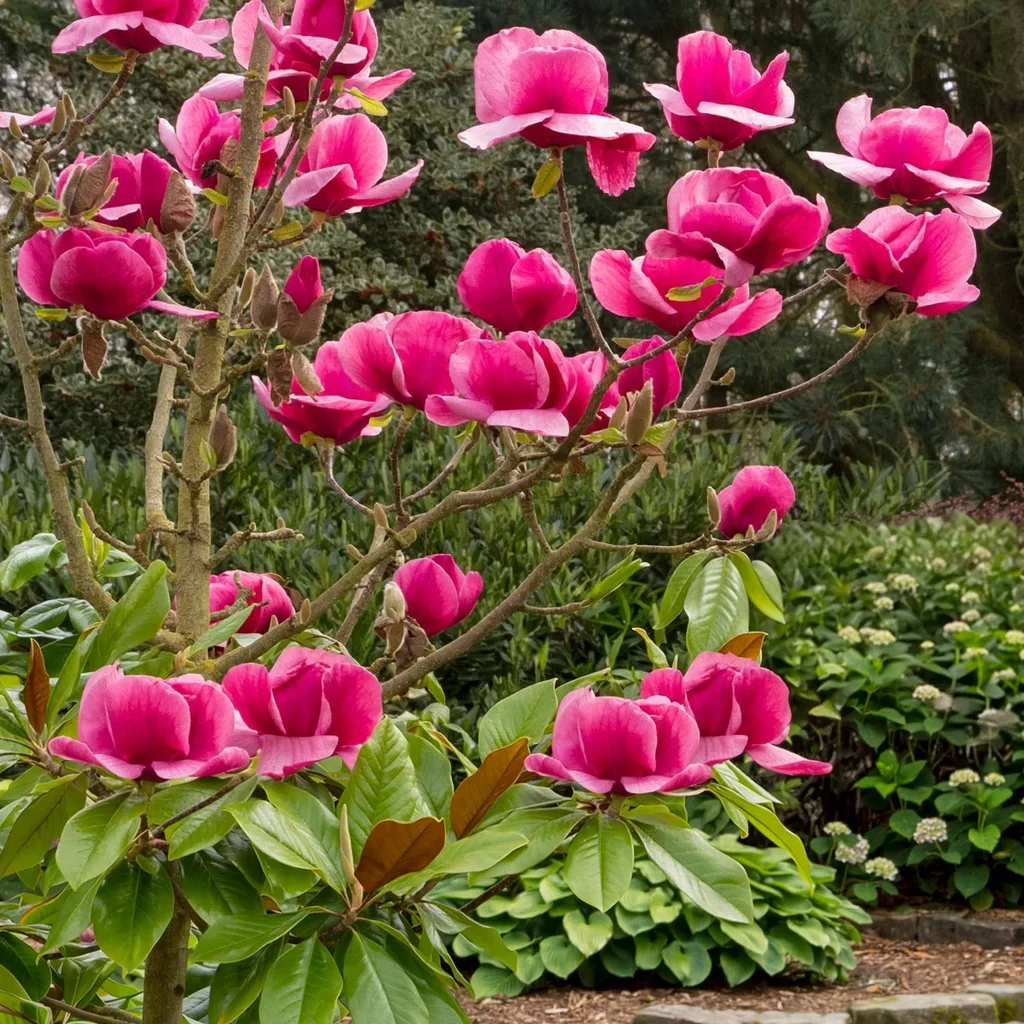
Felix Magnolia
Magnolia x hybrida 'Felix Jury'
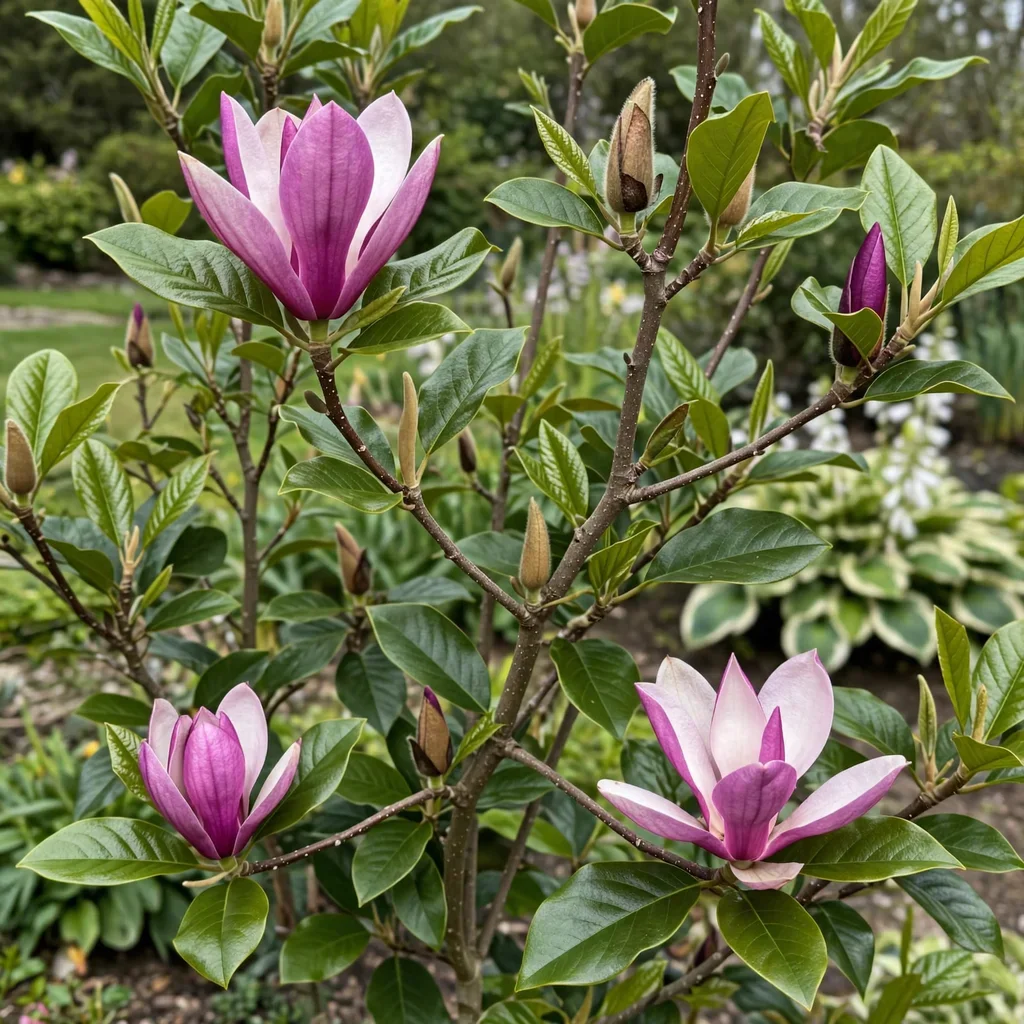
Saucer Magnolia Ann
Magnolia x soulangeana 'Ann'
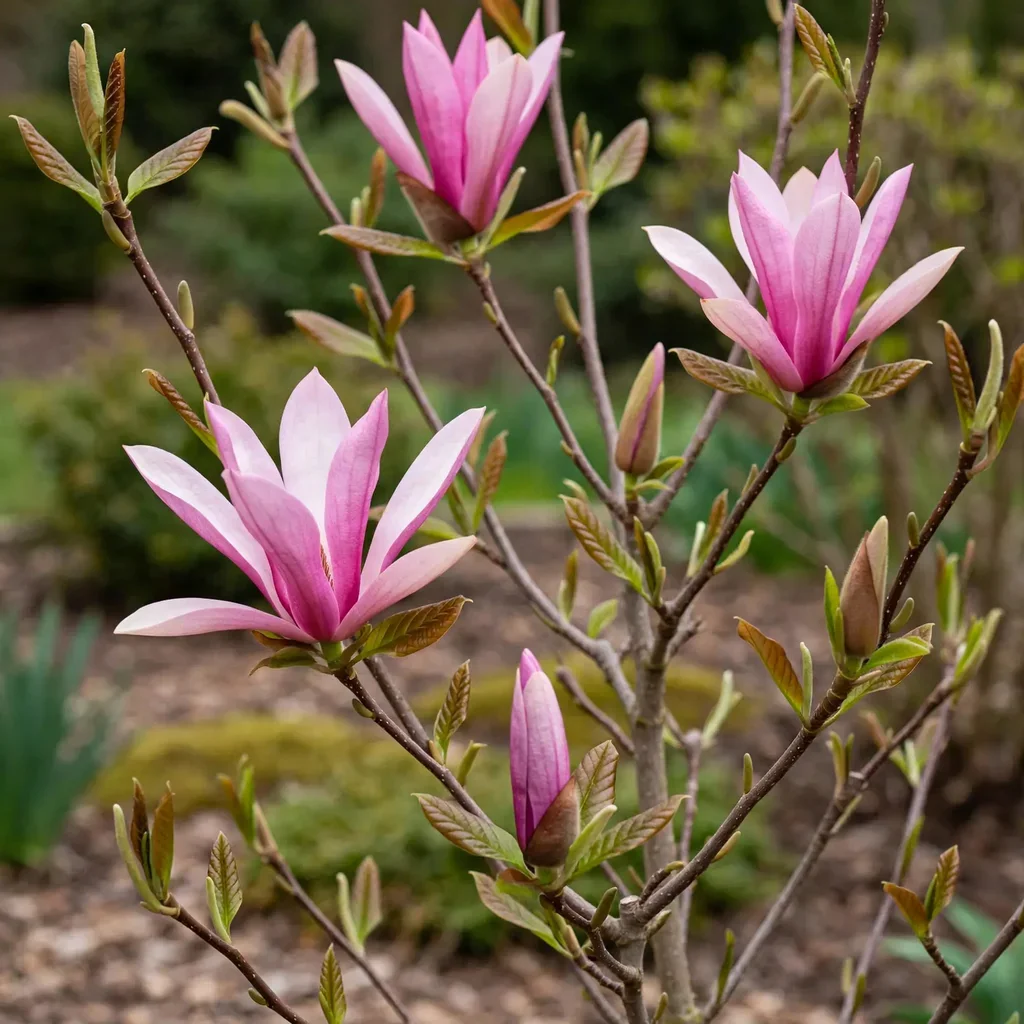
Daybreak Loebner Magnolia
Magnolia stellata 'Daybreak'
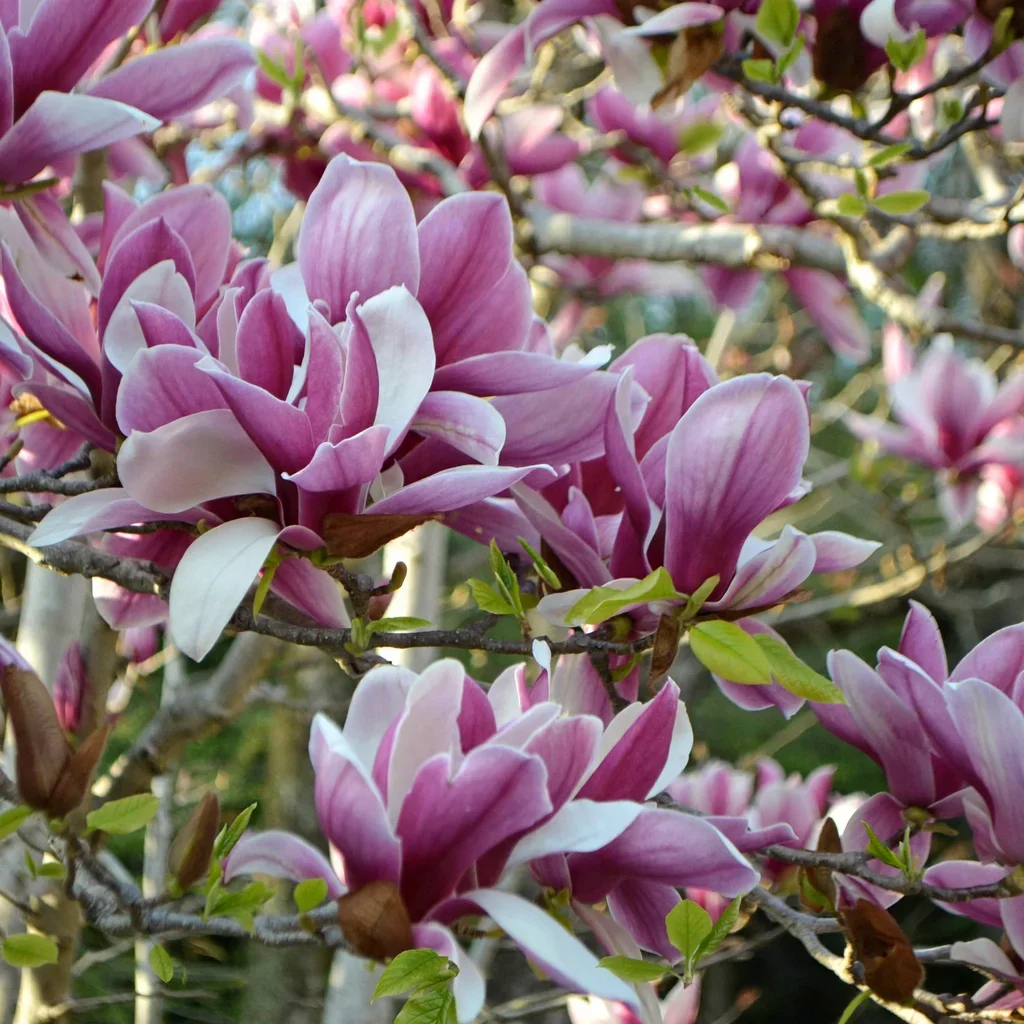
Coppertallica Saucer Magnolia
Magnolia x soulangeana 'Coppertallica'
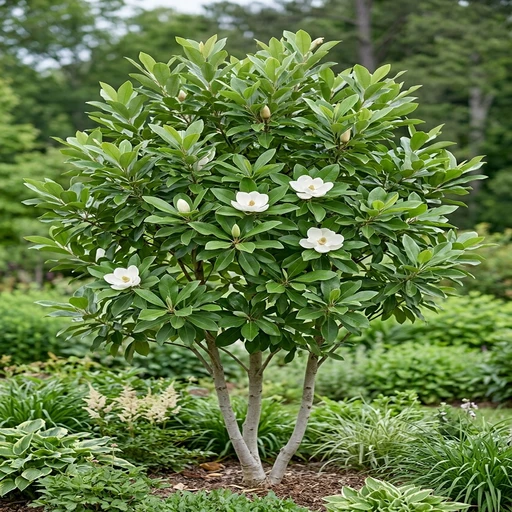
Sweetbay Magnolia
Magnolia virginiana
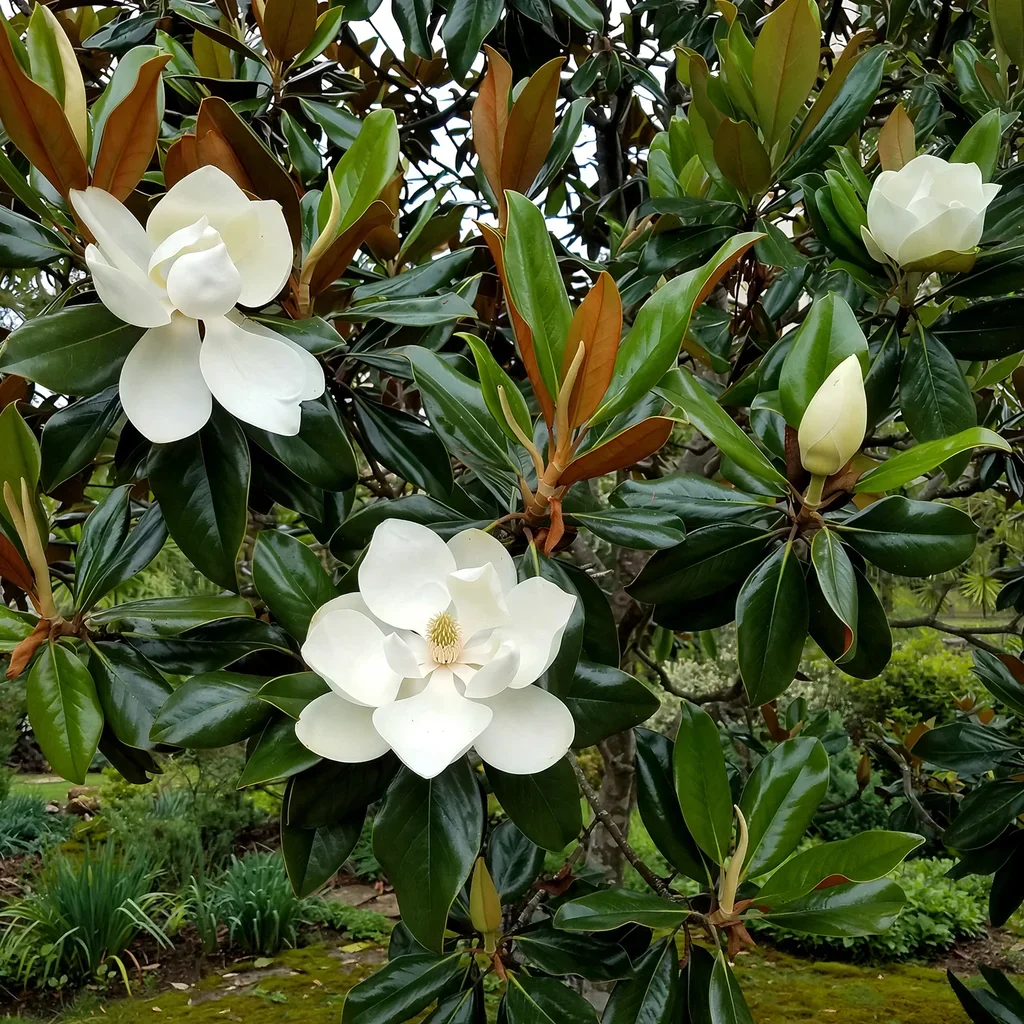
Southern Magnolia
Magnolia grandiflora
Keep exploring
Explore the genus
Hardy in your zone?
Grow Polished-Leaved Magnolia with confidence
See it in a design of your actual yard, get zone-matched care reminders, and track it season by season in your garden journal.