The Story
Plant Bio
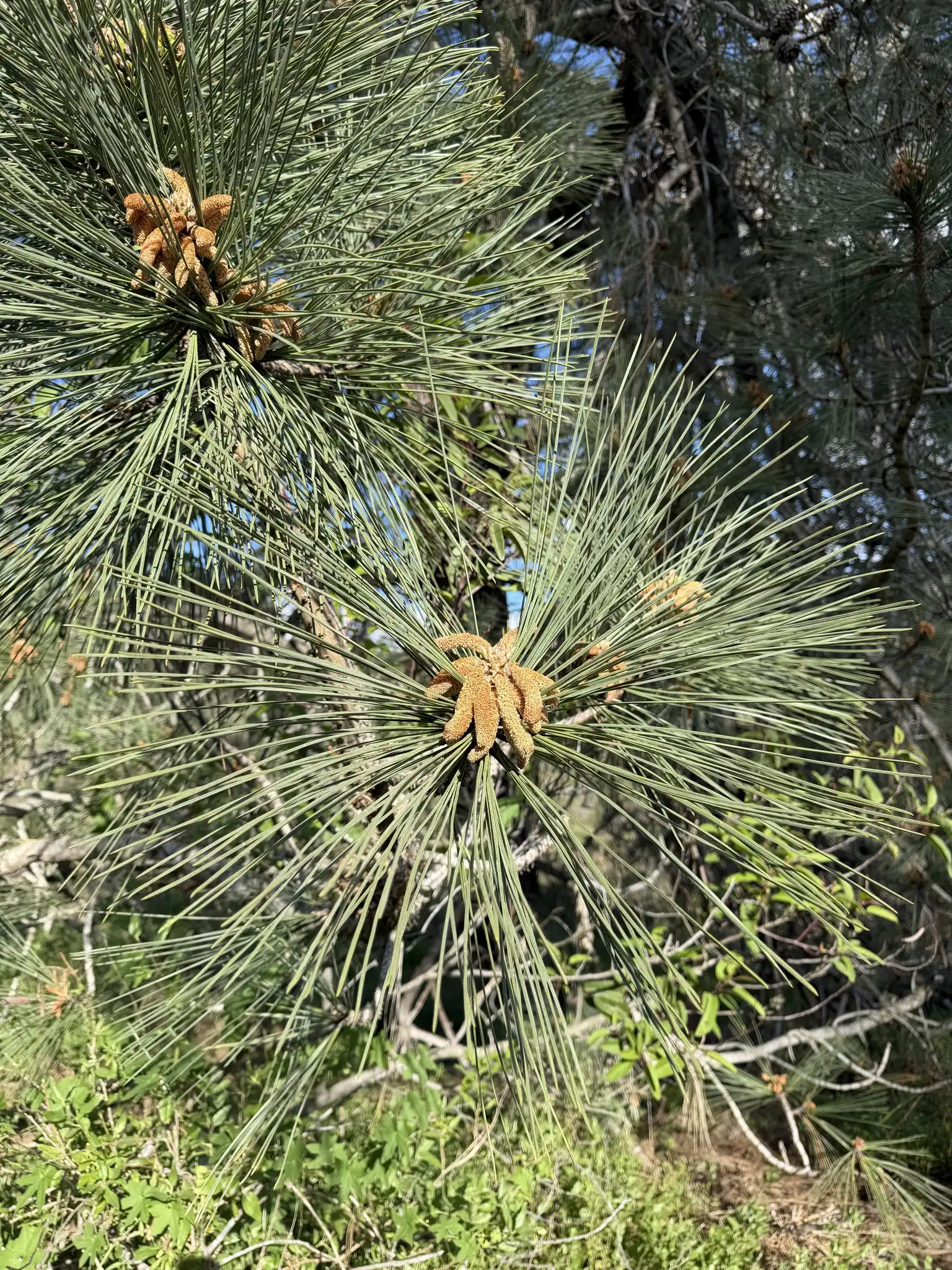
Pinus torreyana is an evergreen conifer native strictly to a narrow coastal strip in San Diego County and Santa Rosa Island. It produces stiff, grey-green needles in groups of five that reach 15 to 30 centimeters in length.
Wind-exposed coastal trees take on contorted, picturesque forms, whereas inland specimens grow taller with a symmetrical, open canopy. Heavy, egg-shaped seed cones take nearly three years to mature, changing from green to deep red-brown.
Uses & Benefits:
Essentials
At a Glance
Plant Type
Tree
Height
900"
Width
600"
Light
Full Sun
Zones
8, 9, 10
Water
Low
Humidity
Moderate to Low
Lifespan
Perennial
Native To
Southwestern California
Toxicity
Non-toxic
Bloom period
Winter – Early spring
In flower about 4 months of the year
Planting
How to Grow
- Select a full-sun site with coarse sand, sandy loam, or sandstone-derived soil that drains rapidly.
- Dig a hole twice as wide as the container but equal in depth, keeping the taproot intact during handling.
- Backfill with native soil without adding organic amendments, firming gently around the base.
- Water deeply at planting, then irrigate infrequently during the first two years until roots establish.
Pro Tip
Avoid pruning back into bare, leafless conifer wood, as pines lack latent buds and cannot regenerate shoots from old branches.
Keep It Thriving
Care Guide
Do
- Plant in light, highly porous soil with rapid drainage.
- Provide deep, occasional waterings during establishment periods.
- Prune dead or broken branches exclusively during winter dormancy.
Don't
- Do not plant in heavy clay or waterlogged soils.
- Do not shear or cut branches back into leafless wood.
- Do not apply heavy high-nitrogen fertilizers.
Seasonal Care Calendar
| Task | Jan | Feb | Mar | Apr | May | Jun | Jul | Aug | Sep | Oct | Nov | Dec |
|---|---|---|---|---|---|---|---|---|---|---|---|---|
| Mulch | ||||||||||||
| Pest Check | ||||||||||||
| Propagate | ||||||||||||
| Prune |
Watch Out For
Pests & Diseases
Common Pests
Common Diseases
In the Garden
Landscape Uses & Companions
Landscape Uses
Multiply
Propagation Methods
Good to Know
Common Questions
Torrey Pine questions
What zones can Torrey Pine grow in?
Torrey Pine is hardy in USDA Zones 8–10: in that range it survives winter in the ground. Colder than Zone 8, winters are too cold for it to survive outdoors.
Is Torrey Pine deer resistant?
Not reliably. Deer may browse Torrey Pine, especially tender spring growth — plan on repellents or fencing where pressure is high.
When does Torrey Pine bloom?
Torrey Pine typically blooms from early winter to early spring. Exact timing shifts a week or two with your zone — Sow's bloom calendar maps it to your garden.
Does Torrey Pine need full sun?
Torrey Pine does best in full sun (6+ hours).
Is Torrey Pine drought tolerant?
Yes — once established (usually after the first full season), Torrey Pine handles dry spells with minimal watering. Water deeply its first year to build the root system that makes that possible.
More Pinus to compare
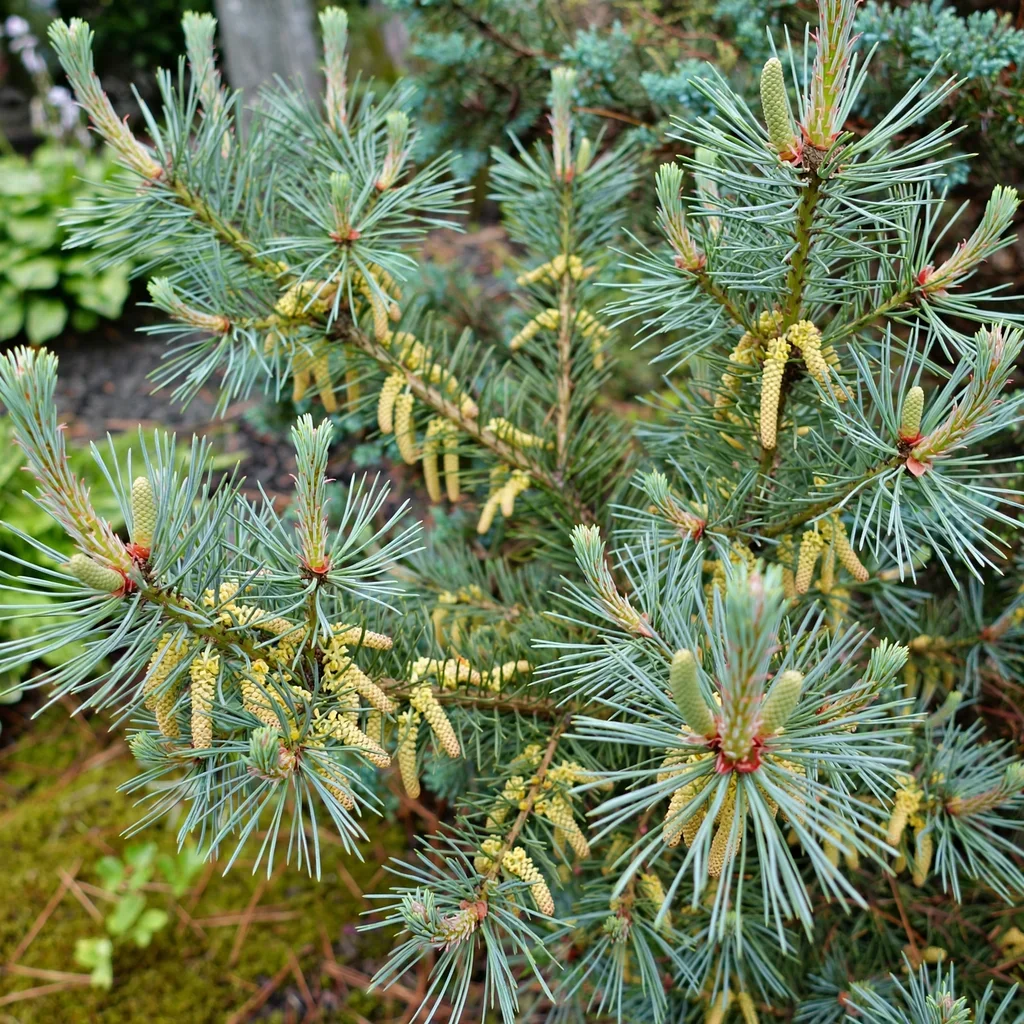
Eastern White Pine
Pinus strobus
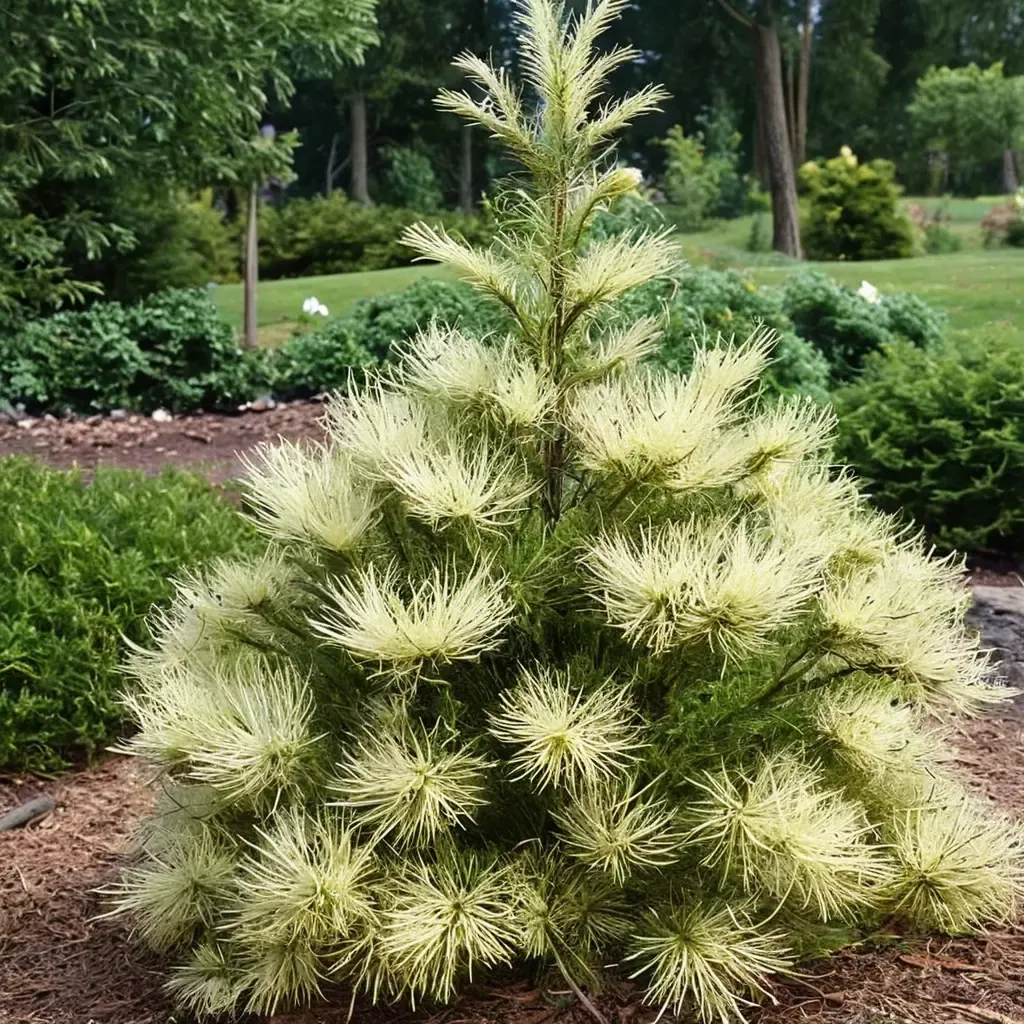
Golden Ghost Pine
Pinus densiflora 'Golden Ghost'
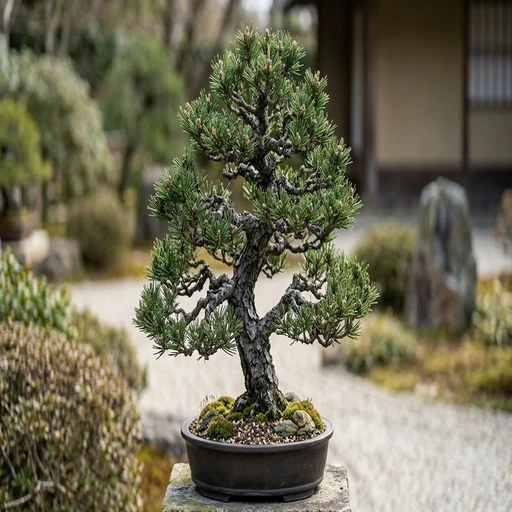
Thunderhead Japanese Black Pine
Pinus thunbergii 'Thunderhead'
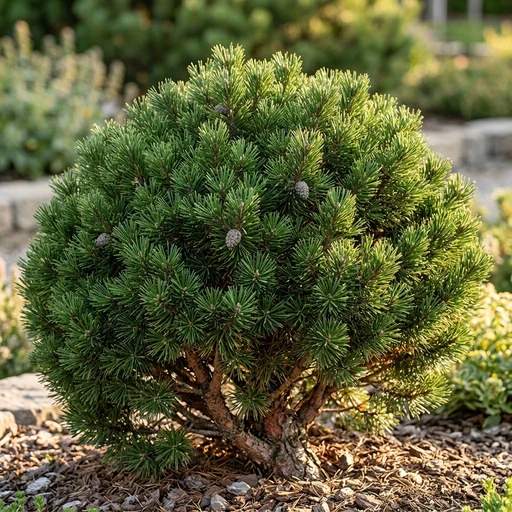
Slowmound Mugo Pine
Pinus mugo 'Slowmound'
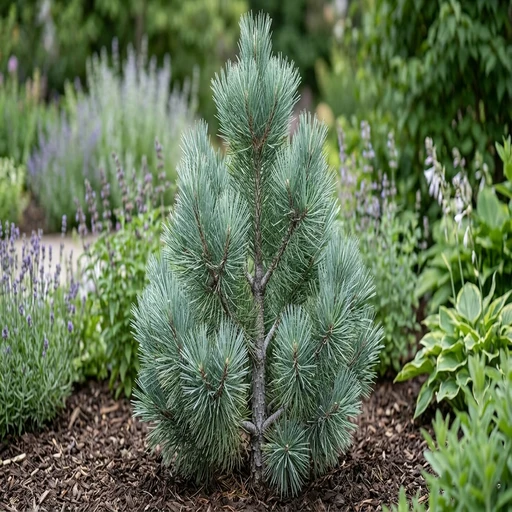
Vanderwolf's Pyramid Limber Pine
Pinus flexilis 'Vanderwolf'
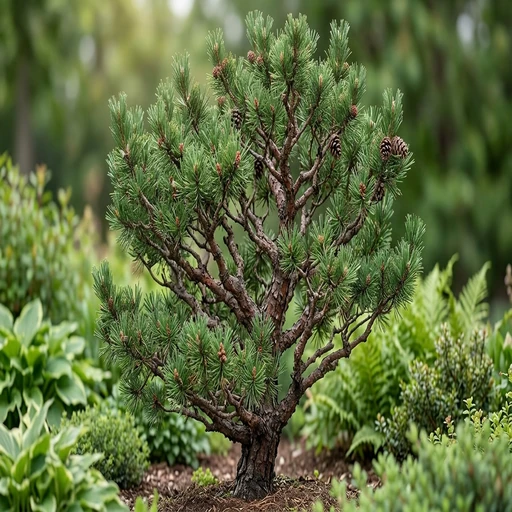
Virginia Pine
Pinus virginiana
Keep exploring
Explore the genus
Hardy in your zone?
Grow Torrey Pine with confidence
See it in a design of your actual yard, get zone-matched care reminders, and track it season by season in your garden journal.