The Story
Plant Bio
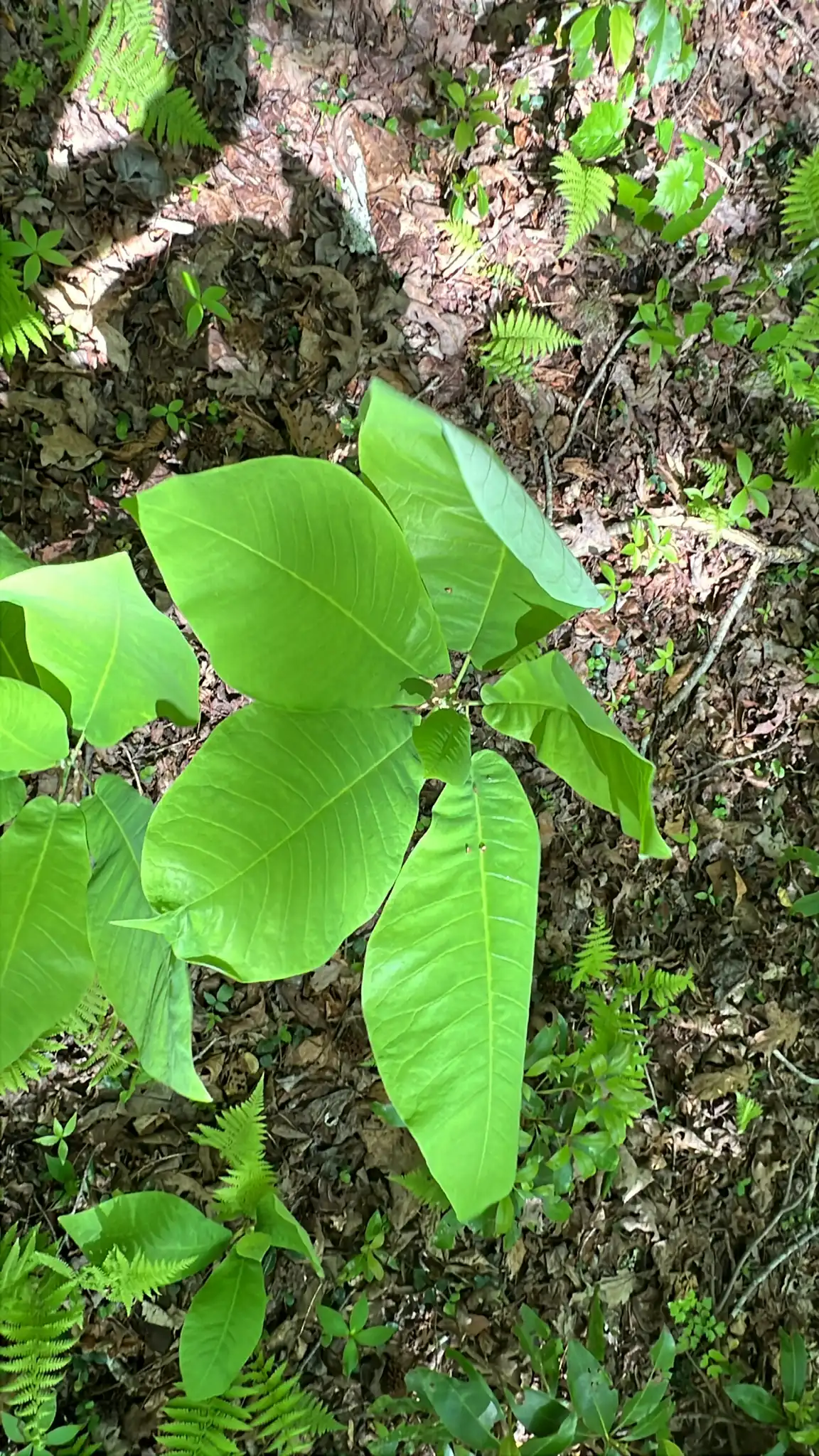
Magnolia macrophylla, the bigleaf magnolia, is a deciduous single-trunk tree reaching 30 to 40 feet in gardens with a pyramidal form that broadens to a rounded crown with age. It bears solitary fragrant creamy-white flowers to 14 inches across with rose-purple at the petal bases in late spring, followed by cone-like fruits that ripen red.
It produces the largest simple leaves of any North American tree, oblong-obovate blades to 3 feet long and a foot wide that are green above and silvery-gray hairy beneath. The foliage shreds in wind and the tree fails in dry soil, wet ground and polluted air, so it needs a sheltered pocket of moist acid loam to hold its form.
Uses & Benefits:
Essentials
At a Glance
Plant Type
Tree
Height
420"
Width
420"
Light
Full Sun, Partial Sun
Zones
5, 6, 7, 8
Water
Moist
Humidity
Unknown
Lifespan
Woody perennial tree
Native To
Southeastern USA, eastern Mexico
Toxicity
Non-toxic
Bloom period
Late spring – Early summer
In flower about 2 months of the year
Marketplace
Where to Buy
Shipping costs Year-round shipping Free shipping
Planting
How to Grow
- Choose a sheltered spot in full sun to part shade with room for a 30 to 40 foot crown, away from wind and urban exhaust.
- Dig into moist organically rich well-drained loam with acid to neutral pH, working in compost without raising the grade.
- Set the root ball level with the soil surface, backfill, water deeply, and mulch 3 inches deep keeping mulch off the trunk.
- Water steadily through the first two summers to keep soil evenly moist, never soggy or dry.
Pro Tip
Plant it where it can reach full size in sheltered moist acid loam and expect 12 or more years to first bloom; it never suits a windy or polluted site.
Keep It Thriving
Care Guide
Do
- Mulch widely to hold moisture and buffer roots.
- Shelter from strong wind to prevent leaf shred.
- Allow room to reach full size without routine pruning.
Don't
- Do not plant in dry, waterlogged, or polluted urban soil.
- Do not cut back hard or move once established.
- Do not expect early bloom; seedlings can take 12 or more years to flower.
Seasonal Care Calendar
| Task | Jan | Feb | Mar | Apr | May | Jun | Jul | Aug | Sep | Oct | Nov | Dec |
|---|---|---|---|---|---|---|---|---|---|---|---|---|
| Mulch | ||||||||||||
| Pest Check | ||||||||||||
| Plant | ||||||||||||
| Propagate | ||||||||||||
| Prune |
Watch Out For
Pests & Diseases
Common Pests
Common Diseases
In the Garden
Landscape Uses & Companions
Landscape Uses
Multiply
Propagation Methods
Good to Know
Common Questions
Bigleaf Magnolia questions
What zones can Bigleaf Magnolia grow in?
Bigleaf Magnolia is hardy in USDA Zones 5–8: in that range it survives winter in the ground. Colder than Zone 5, winters are too cold for it to survive outdoors. Warmer than Zone 8, winter isn't the problem: it prefers colder winters, and summer heat can shorten its life.
When does Bigleaf Magnolia bloom?
Bigleaf Magnolia typically blooms from late spring to early summer. Exact timing shifts a week or two with your zone — Sow's bloom calendar maps it to your garden.
Does Bigleaf Magnolia need full sun?
Bigleaf Magnolia does best in full sun to part shade. In hot climates, afternoon shade keeps blooms fresher longer.
More Magnolia to compare
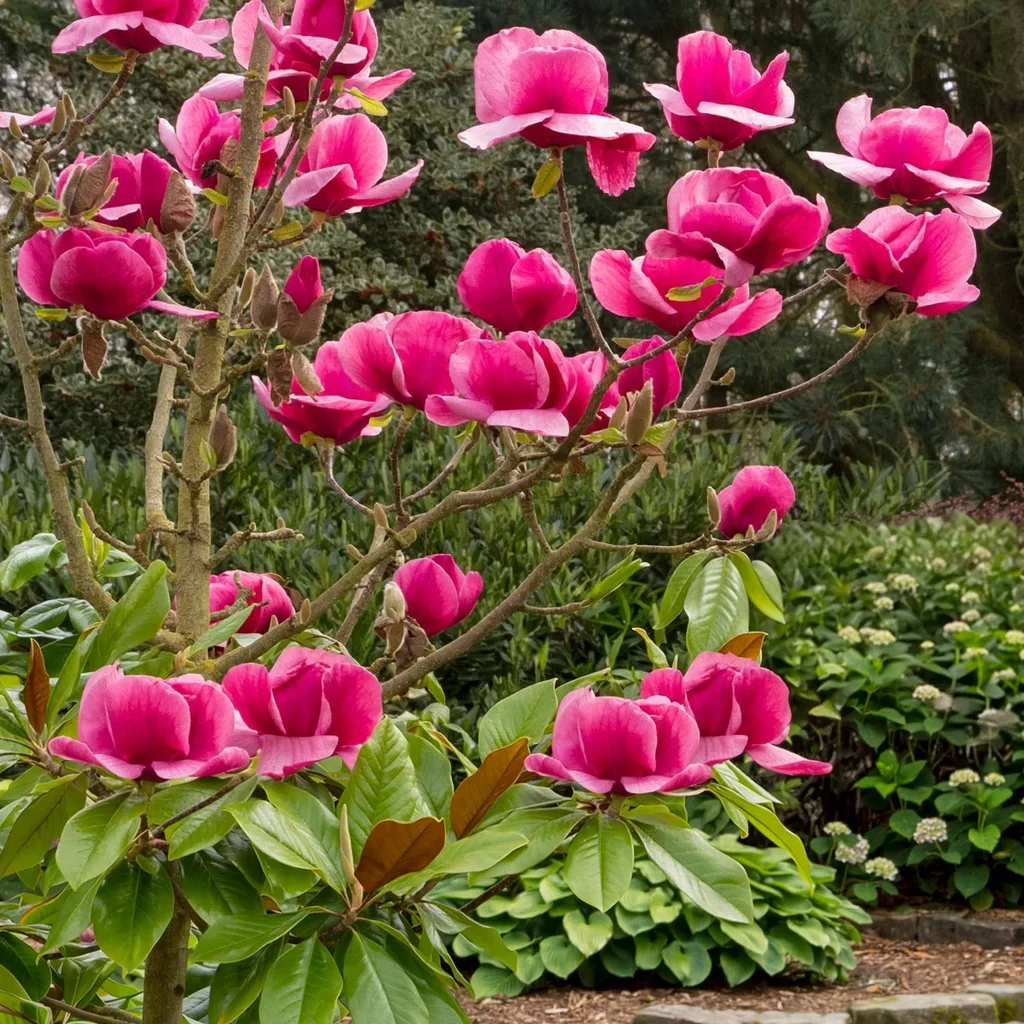
Felix Magnolia
Magnolia x hybrida 'Felix Jury'
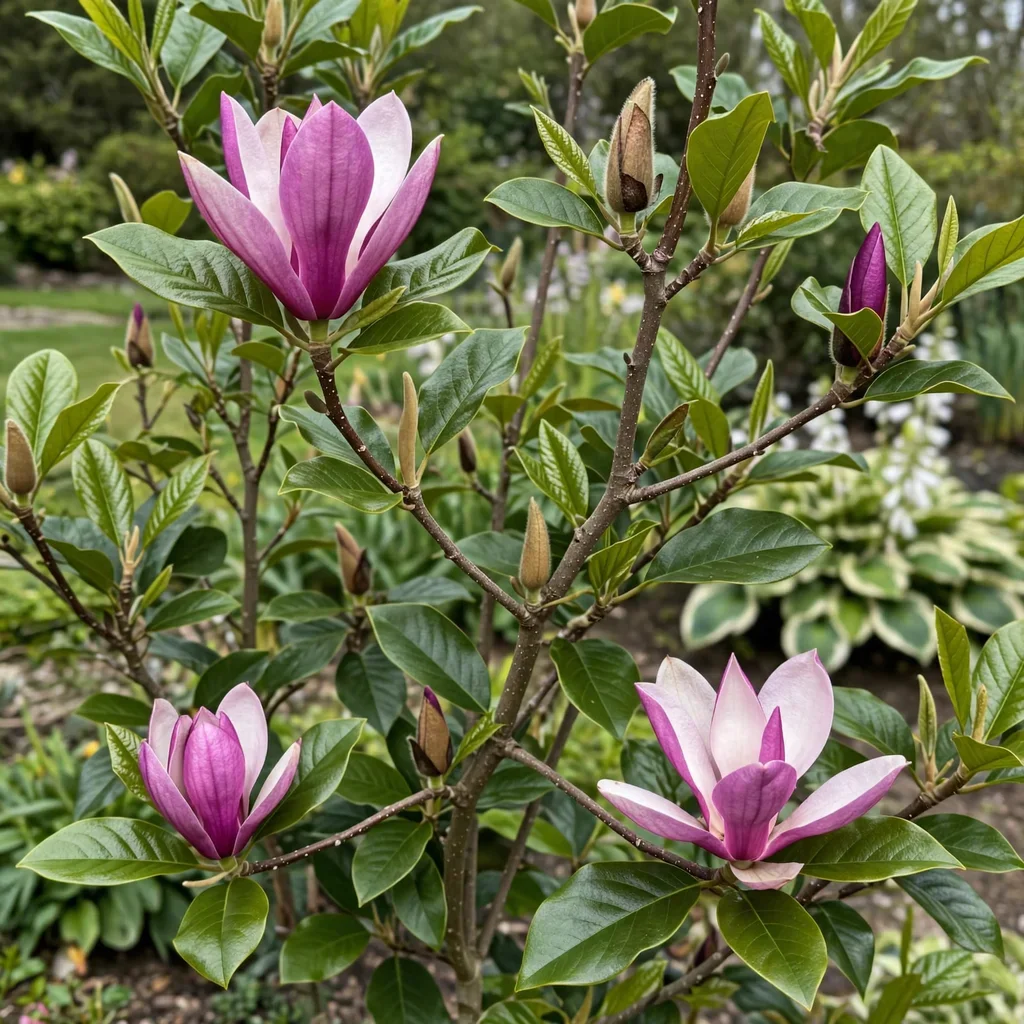
Saucer Magnolia Ann
Magnolia x soulangeana 'Ann'
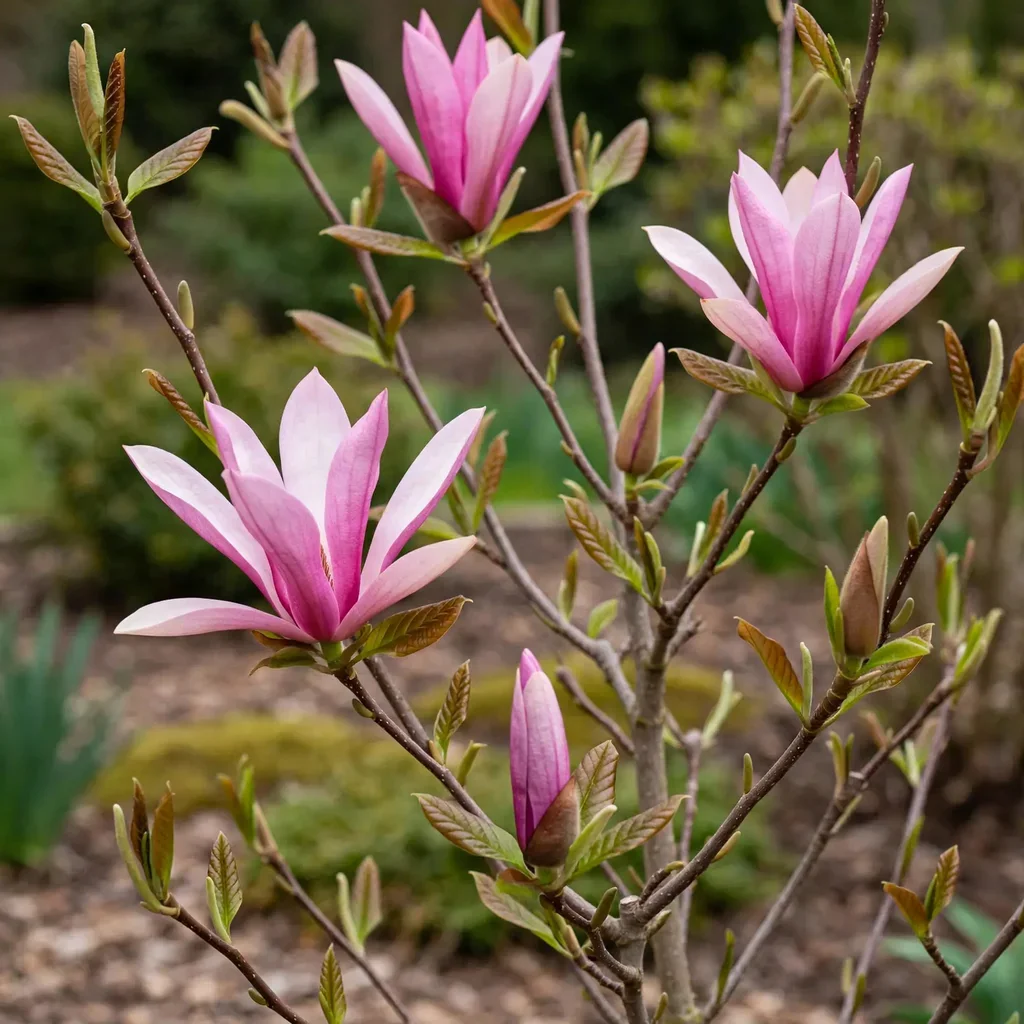
Daybreak Loebner Magnolia
Magnolia stellata 'Daybreak'
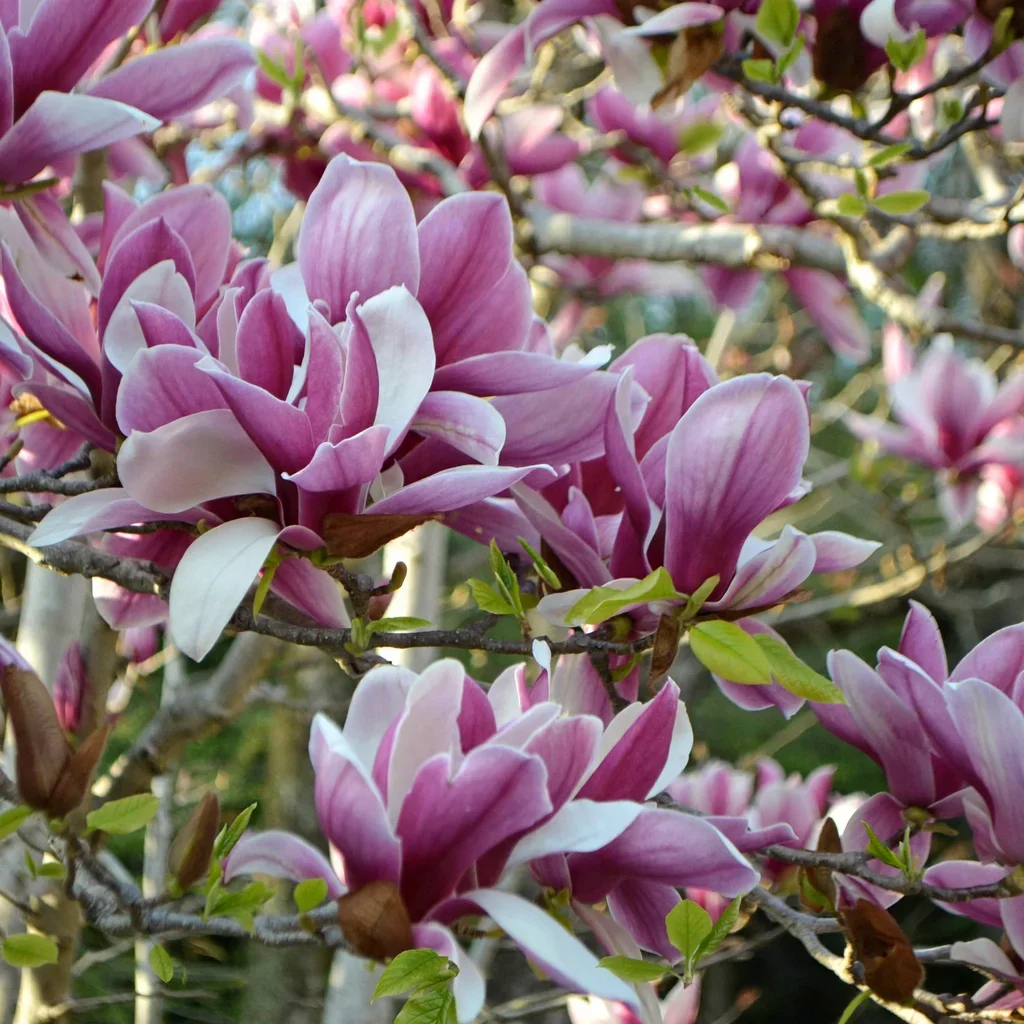
Coppertallica Saucer Magnolia
Magnolia x soulangeana 'Coppertallica'
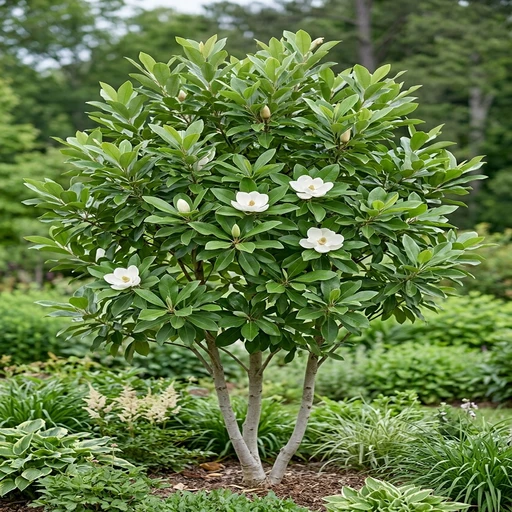
Sweetbay Magnolia
Magnolia virginiana
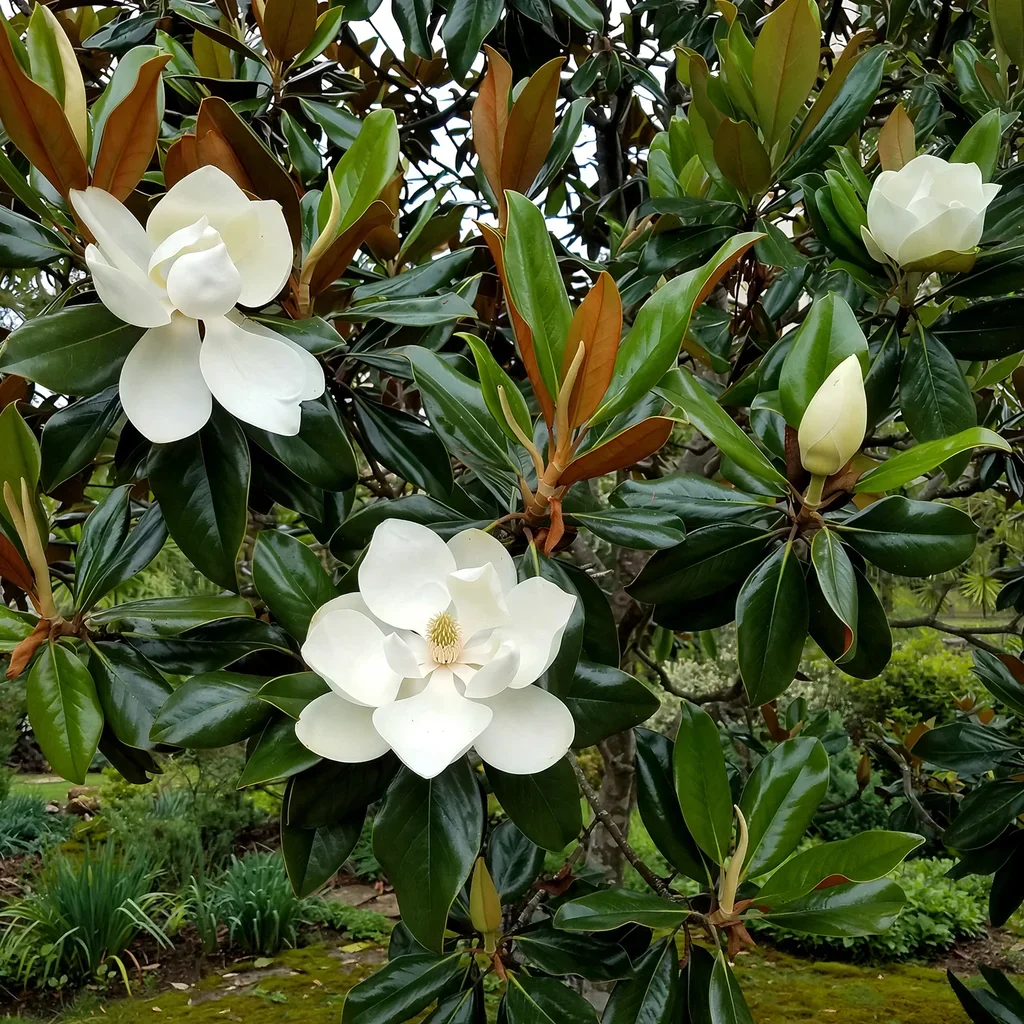
Southern Magnolia
Magnolia grandiflora
Keep exploring
Explore the genus
Hardy in your zone?
Grow Bigleaf Magnolia with confidence
See it in a design of your actual yard, get zone-matched care reminders, and track it season by season in your garden journal.