The Story
Plant Bio
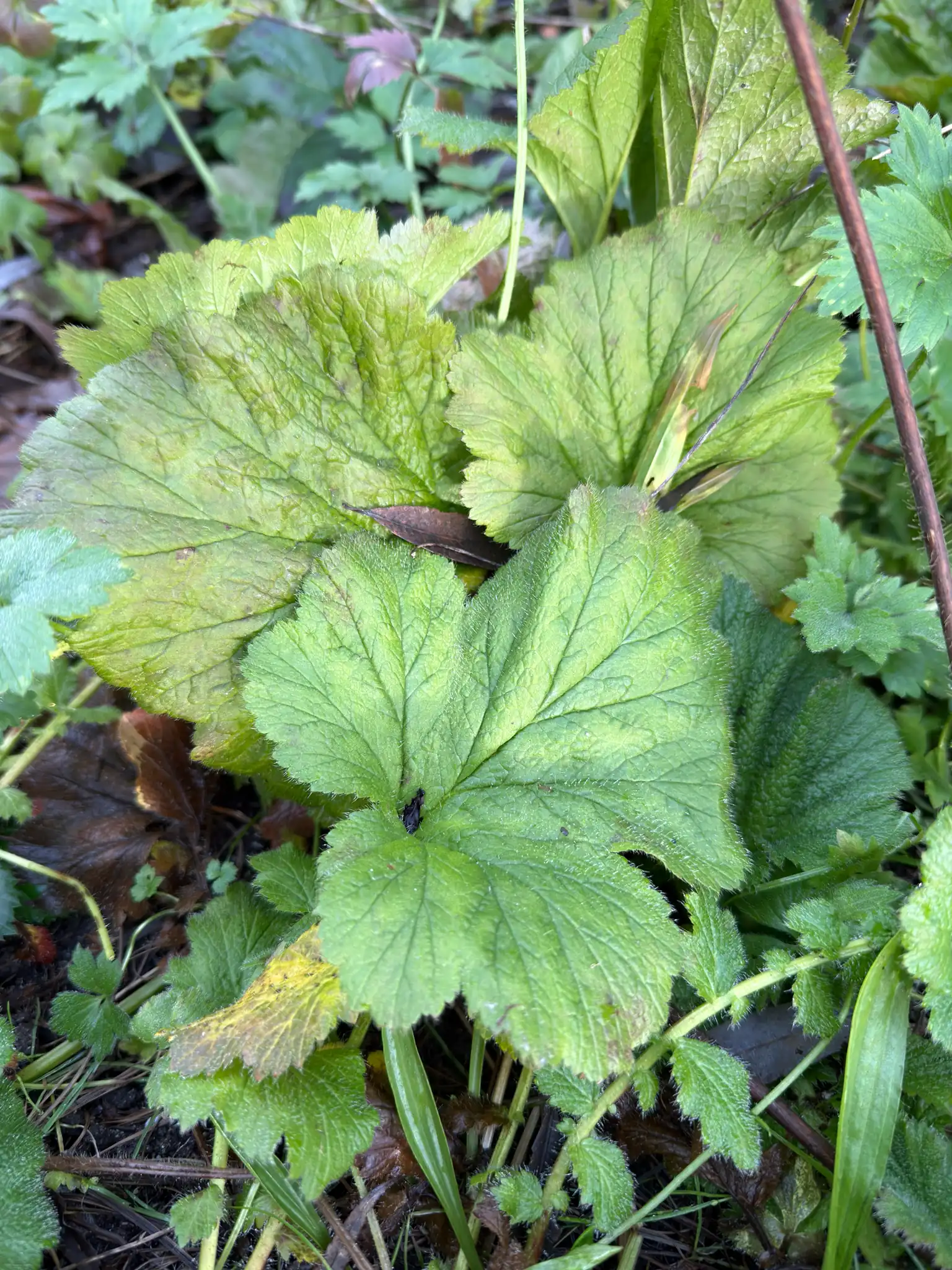
Geum macrophyllum is a clump-forming herbaceous perennial native to damp woodlands and stream margins across North America and East Asia. It produces hairy basal foliage topped by erect stems bearing small, yellow, saucer-shaped flowers in early summer.
The species is distinguished by its large terminal leaflets shaped like maple leaves and sticky, hooked seed heads that attach to passing animals. Its bright yellow blossoms feature ultraviolet nectar guides that direct native bees and flies to nectar stores.
Uses & Benefits:
Essentials
At a Glance
Plant Type
Perennial
Height
43"
Width
24"
Light
Full Sun, Partial Sun, Shade
Zones
4, 5, 6, 7, 8, 9
Water
High
Humidity
Moderate
Lifespan
Perennial
Native To
North America and Asia
Toxicity
Non-toxic
Bloom period
Late spring – Early summer
In flower about 2 months of the year
Planting
How to Grow
- Select a site in partial shade or full sun with moisture-retentive, organic-rich soil.
- Work compost or leaf mold into the top six inches of soil to preserve ground moisture.
- Set plants at the same depth as their container, spacing crowns 12 to 18 inches apart.
- Water thoroughly after planting and maintain a layer of organic mulch around the root zone.
Pro Tip
Deadhead spent flower clusters promptly to prevent self-seeding via bur-like seed heads and to keep basal leaf rosettes neat.
Keep It Thriving
Care Guide
Do
- Keep soil consistently moist throughout the active growing season.
- Deadhead spent blooms before hooked seed clusters mature.
- Provide partial shade in warm southern climates to protect foliage.
Don't
- Do not plant in dry, baked soils exposed to intense heat.
- Do not allow root crowns to dry out completely between waterings.
- Do not leave foliage in stagnant, airless shade where mildew develops.
Seasonal Care Calendar
| Task | Jan | Feb | Mar | Apr | May | Jun | Jul | Aug | Sep | Oct | Nov | Dec |
|---|---|---|---|---|---|---|---|---|---|---|---|---|
| Deadhead | ||||||||||||
| Divide | ||||||||||||
| Fertilize | ||||||||||||
| Spring Cleanup | ||||||||||||
| Winter Prep |
Watch Out For
Pests & Diseases
Common Pests
Common Diseases
In the Garden
Landscape Uses & Companions
Landscape Uses
Multiply
Propagation Methods
Good to Know
Common Questions
Large-Leaf Avens questions
What zones can Large-Leaf Avens grow in?
Large-Leaf Avens is hardy in USDA Zones 4–9: in that range it survives winter in the ground. Warmer than Zone 9, winter isn't the problem: it prefers colder winters, and summer heat can shorten its life.
Is Large-Leaf Avens deer resistant?
Not reliably. Deer may browse Large-Leaf Avens, especially tender spring growth — plan on repellents or fencing where pressure is high.
When does Large-Leaf Avens bloom?
Large-Leaf Avens typically blooms from late spring to early summer. Exact timing shifts a week or two with your zone — Sow's bloom calendar maps it to your garden.
Does Large-Leaf Avens need full sun?
Large-Leaf Avens does best in full sun to part shade. In hot climates, afternoon shade keeps blooms fresher longer.
More Geum to compare
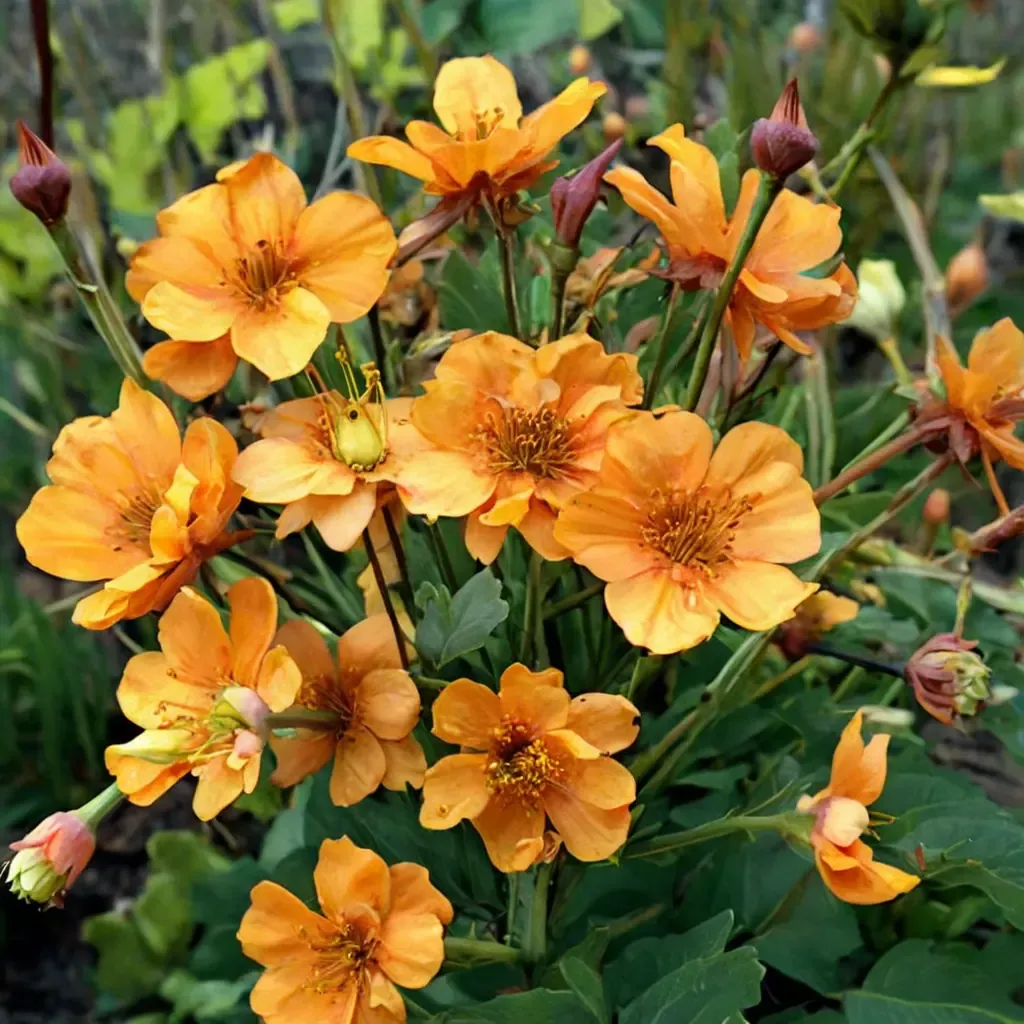
Fireball Avens
Geum rivale 'Fireball'
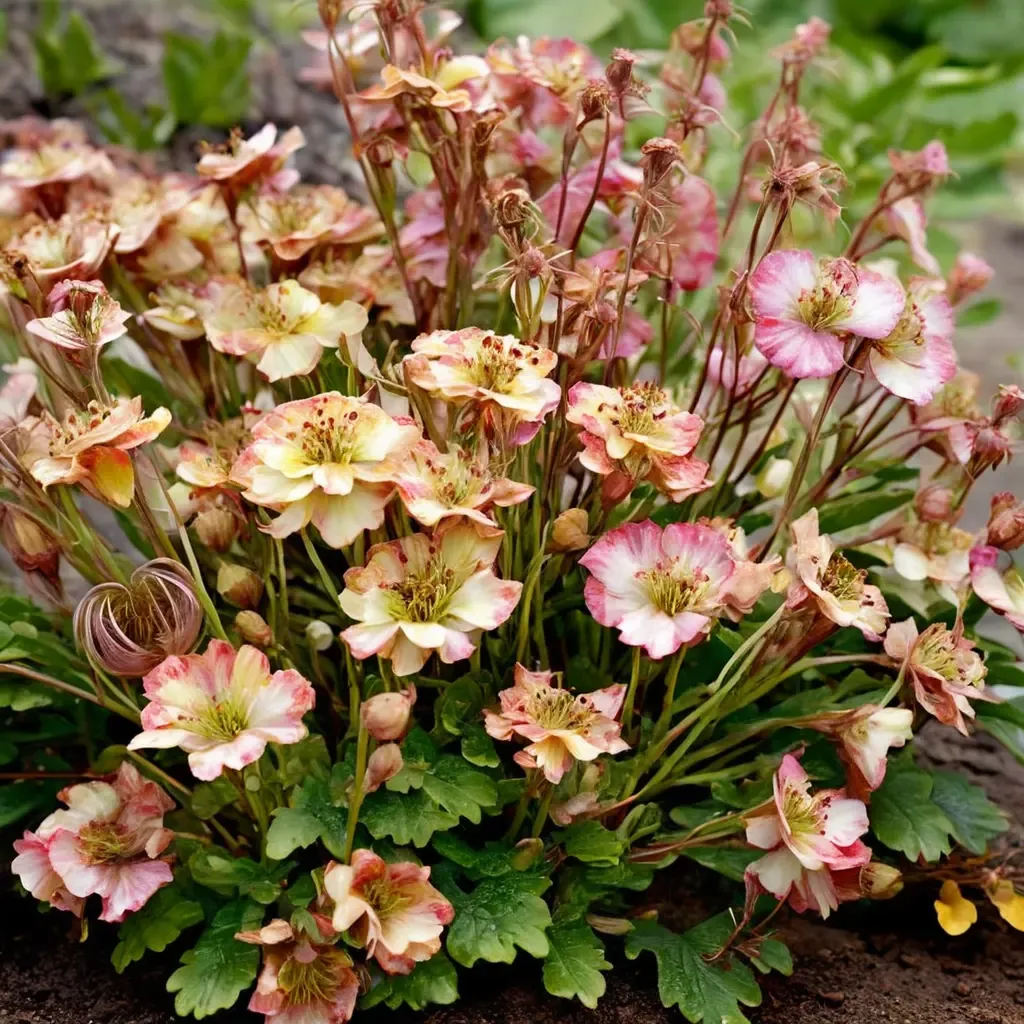
Pretticoats Peach Avens
Geum coccineum 'Pretticoats Peach'
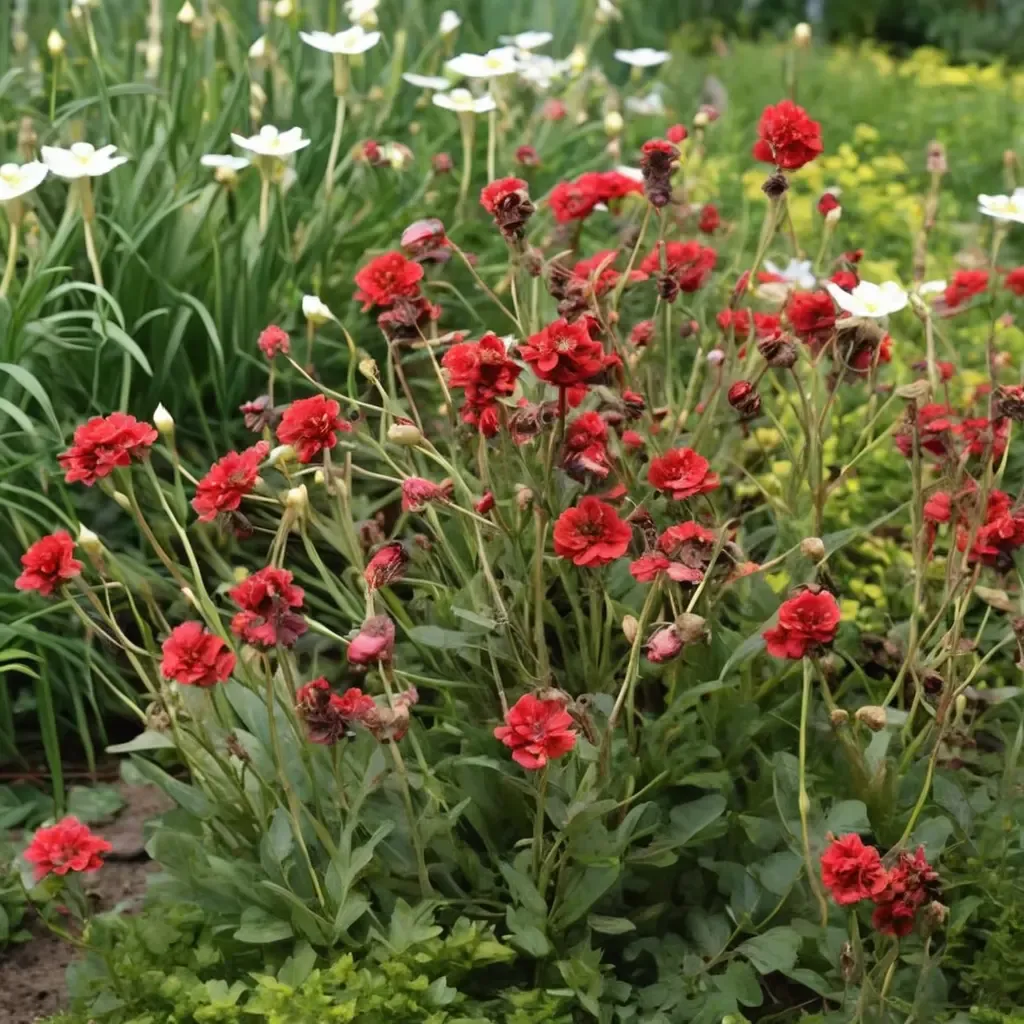
Blazing Sunset Geum
Geum quellyon 'Blazing Sunset'
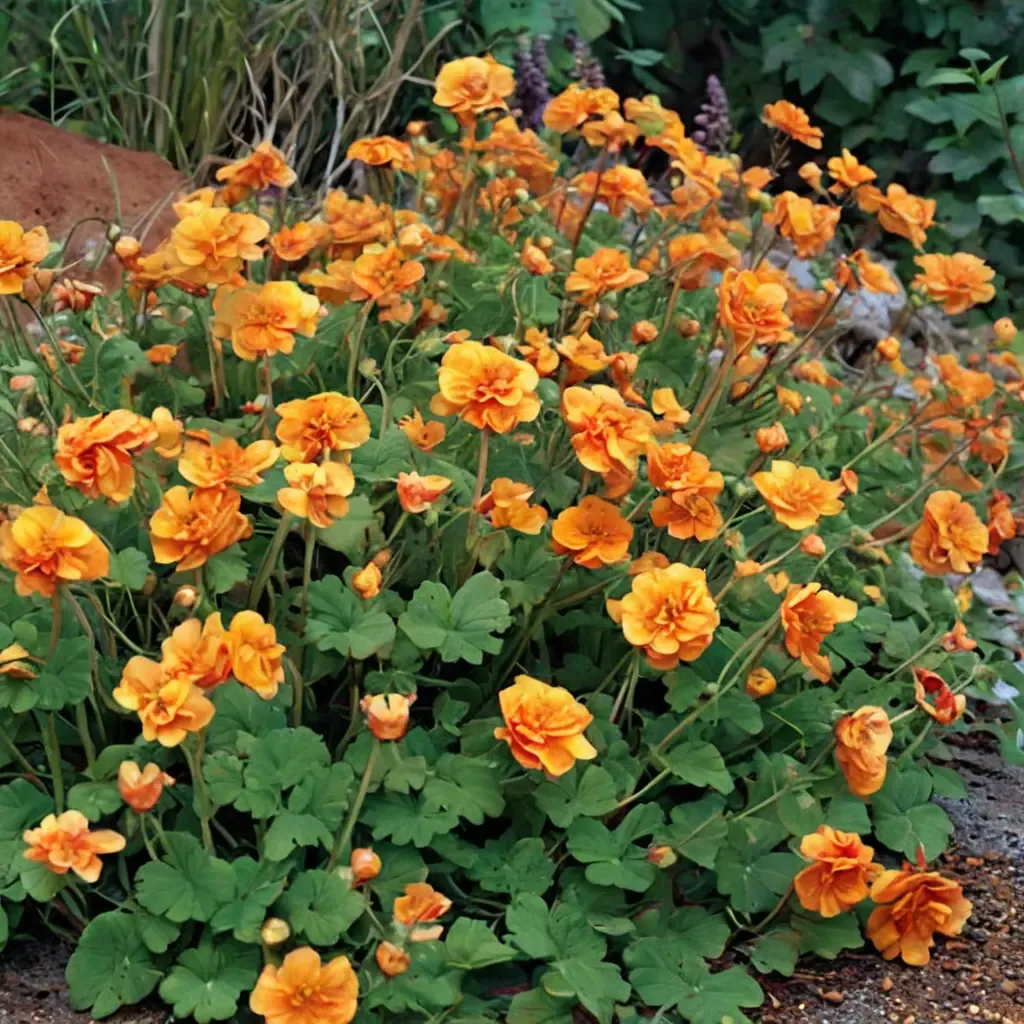
Fire Storm Avens
Geum x hybrida 'Fire Storm'
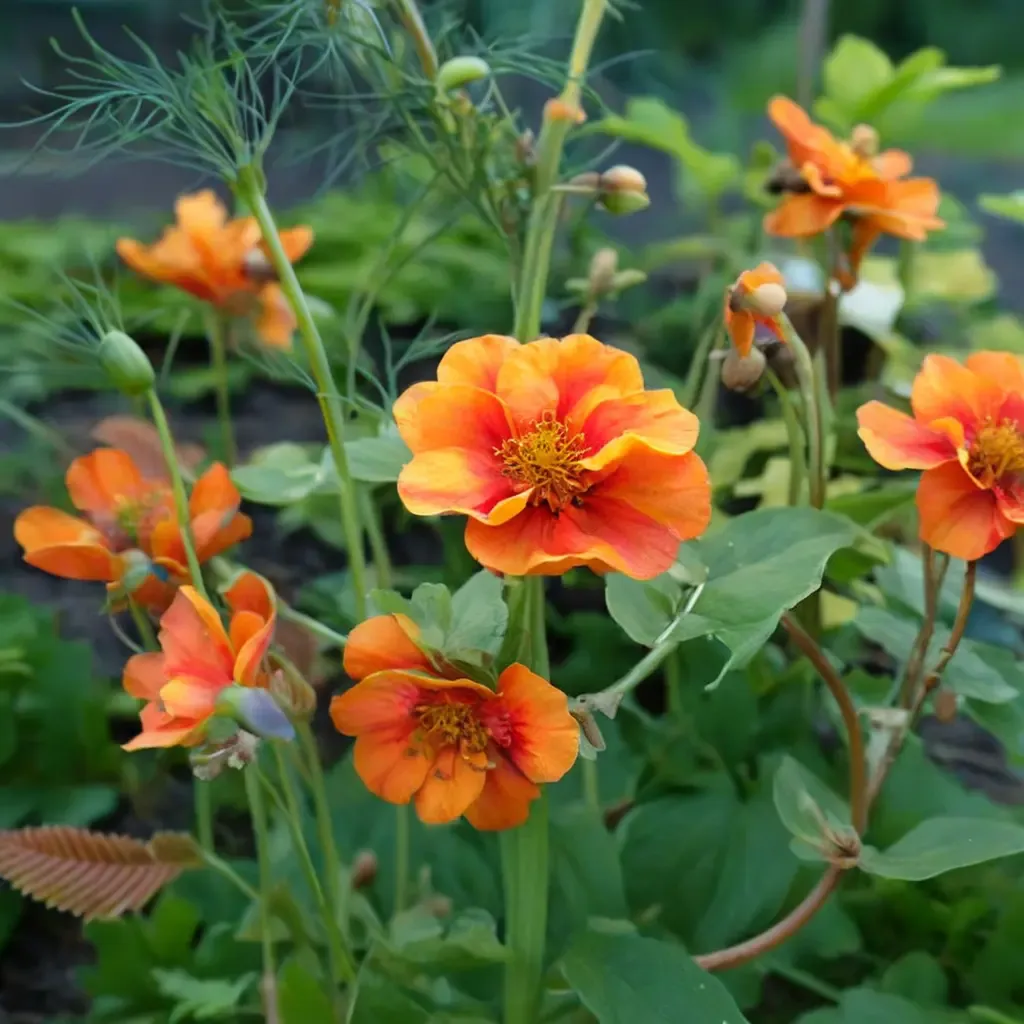
Prinses Juliana Geum
Geum x hybrida 'Prinses Juliana'
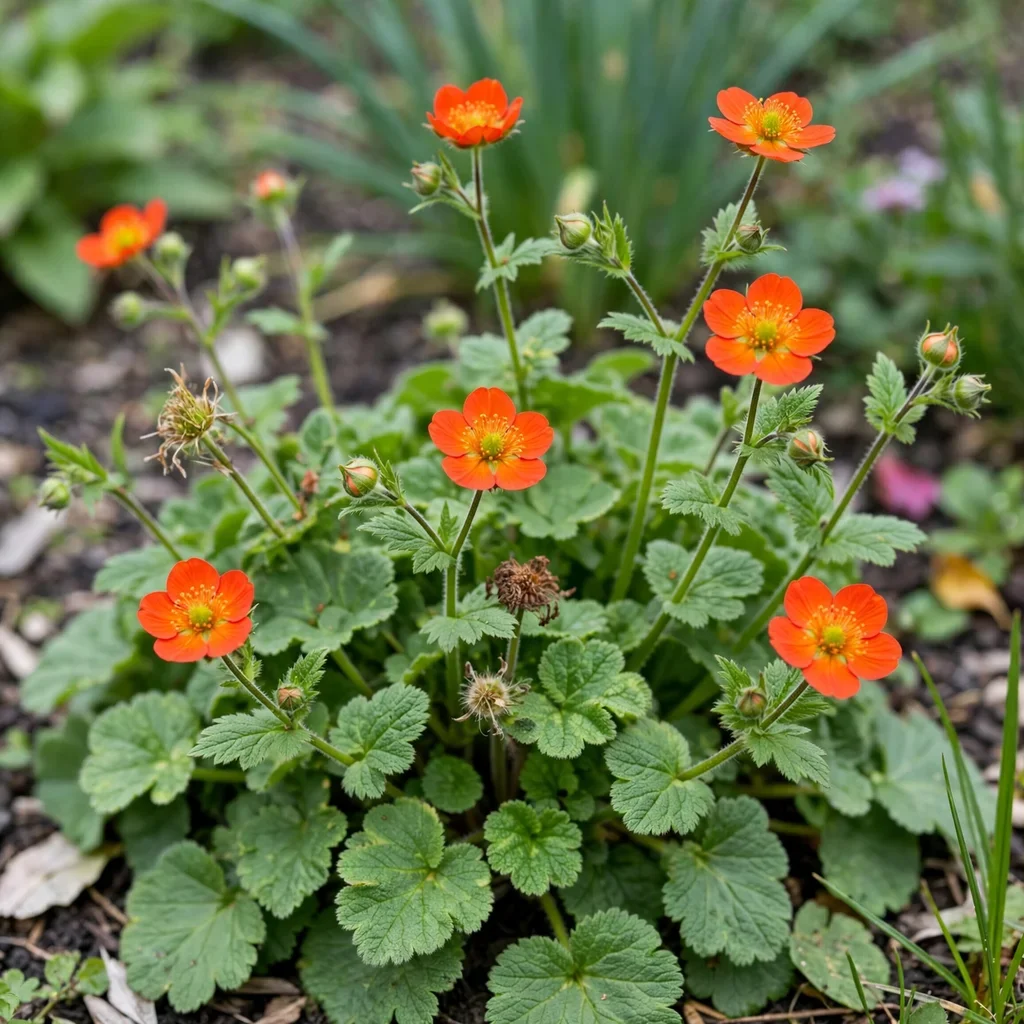
Koi Avens
Geum coccineum 'Koi'
Keep exploring
Explore the genus
Grow Large-Leaf Avens with confidence
See it in a design of your actual yard, get zone-matched care reminders, and track it season by season in your garden journal.