
The Story
Plant Bio
Iris x pacifica is a garden group of beardless rhizomatous irises raised from the coastal species of western North America. Plants form an evergreen tuft of tough narrow dark-green leaves to 18 inches, with one to two beardless flowers carried on each stem to 24 inches in spring.
The Pacific Coast Hybrids are grown as mixed seed strains in white, cream, yellow, pink, lavender, blue, purple and mahogany-brown, each bloom 3 to 4 inches across with veining and ruffled edges. Clumps reach 12 to 18 inches tall and spread to 30 inches wide, holding glossy foliage through winter where summers stay dry and drainage is sharp.
Uses & Benefits:
Essentials
At a Glance
Plant Type
Perennial
Height
18"
Width
30"
Light
Full Sun, Partial Sun
Zones
7, 8, 9, 10
Water
Low
Humidity
Low to moderate
Lifespan
Perennial
Native To
Western North America - parent species
Toxicity
Toxic if ingested
Bloom period
Spring – Early summer
In flower about 4 months of the year
Planting
How to Grow
- Plant in early fall in average rich, sharply drained acidic soil with the top of the rhizome just at the surface.
- Give full sun near the coast and sun to dappled shade inland with protection from hot afternoon sun.
- Water to establish through the first spring, then reduce to low or occasional deep water during summer dormancy.
- Remove spent flower stems to the base after bloom and keep mulch and soil off the crown.
- Divide congested clumps only when needed right after flowering and replant at once without drying the roots.
Pro Tip
Plant shallow with the rhizome crown just at the soil surface in sharply drained acidic soil, give full sun on the coast and dappled afternoon shade inland, then keep summer water off once established.
Keep It Thriving
Care Guide
Do
- Do plant shallow with sharp drainage and the crown exposed to air.
- Do give inland afternoon shade and withhold excess summer water.
- Do handpick slugs and discard any division with foul-smelling wet rot.
Don't
- Do not bury the rhizome or grow in light sandy soil that dries excessively or in soggy clay.
- Do not cut back into the old leafless crown or shear the evergreen foliage.
- Do not overwater during summer dormancy.
Seasonal Care Calendar
| Task | Jan | Feb | Mar | Apr | May | Jun | Jul | Aug | Sep | Oct | Nov | Dec |
|---|---|---|---|---|---|---|---|---|---|---|---|---|
| Deadhead | ||||||||||||
| Divide | ||||||||||||
| Mulch | ||||||||||||
| Pest Check | ||||||||||||
| Plant |
Watch Out For
Pests & Diseases
Common Pests
Common Diseases
In the Garden
Landscape Uses & Companions
Landscape Uses
Multiply
Propagation Methods
Good to Know
Common Questions
Pacific Coast Iris questions
What zones can Pacific Coast Iris grow in?
Pacific Coast Iris is hardy in USDA Zones 7–10: in that range it survives winter in the ground. Colder than Zone 7, grow it in a container you can move to shelter for the winter, or as an annual.
Is Pacific Coast Iris deer resistant?
Yes — Pacific Coast Iris is rated deer-resistant. Deer typically pass it over, though extreme hunger can override any plant's defenses.
When does Pacific Coast Iris bloom?
Pacific Coast Iris typically blooms from early spring to early summer. Exact timing shifts a week or two with your zone — Sow's bloom calendar maps it to your garden.
Does Pacific Coast Iris need full sun?
Pacific Coast Iris does best in full sun to part shade. In hot climates, afternoon shade keeps blooms fresher longer.
Is Pacific Coast Iris drought tolerant?
Yes — once established (usually after the first full season), Pacific Coast Iris handles dry spells with minimal watering. Water deeply its first year to build the root system that makes that possible.
More Iris to compare
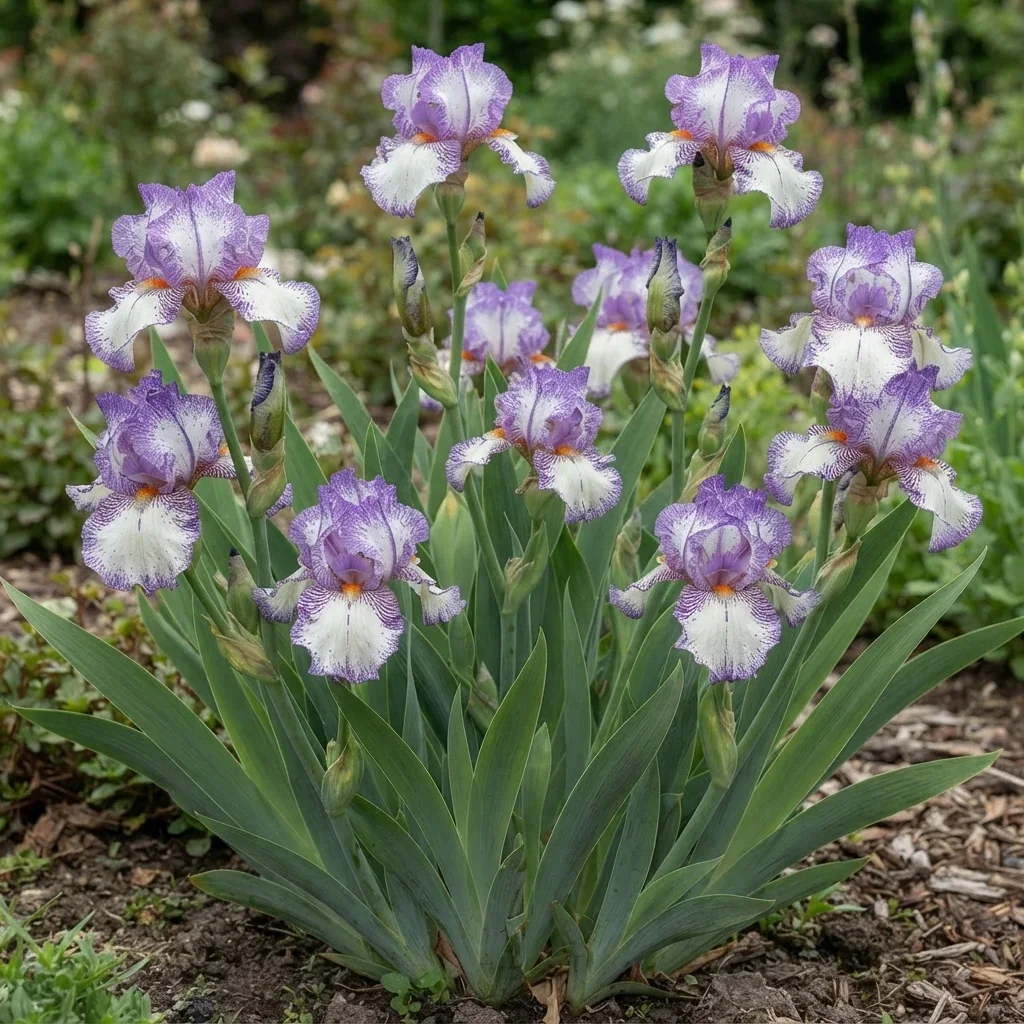
German Iris Bearded Iris
Iris x germanica 'Mix'
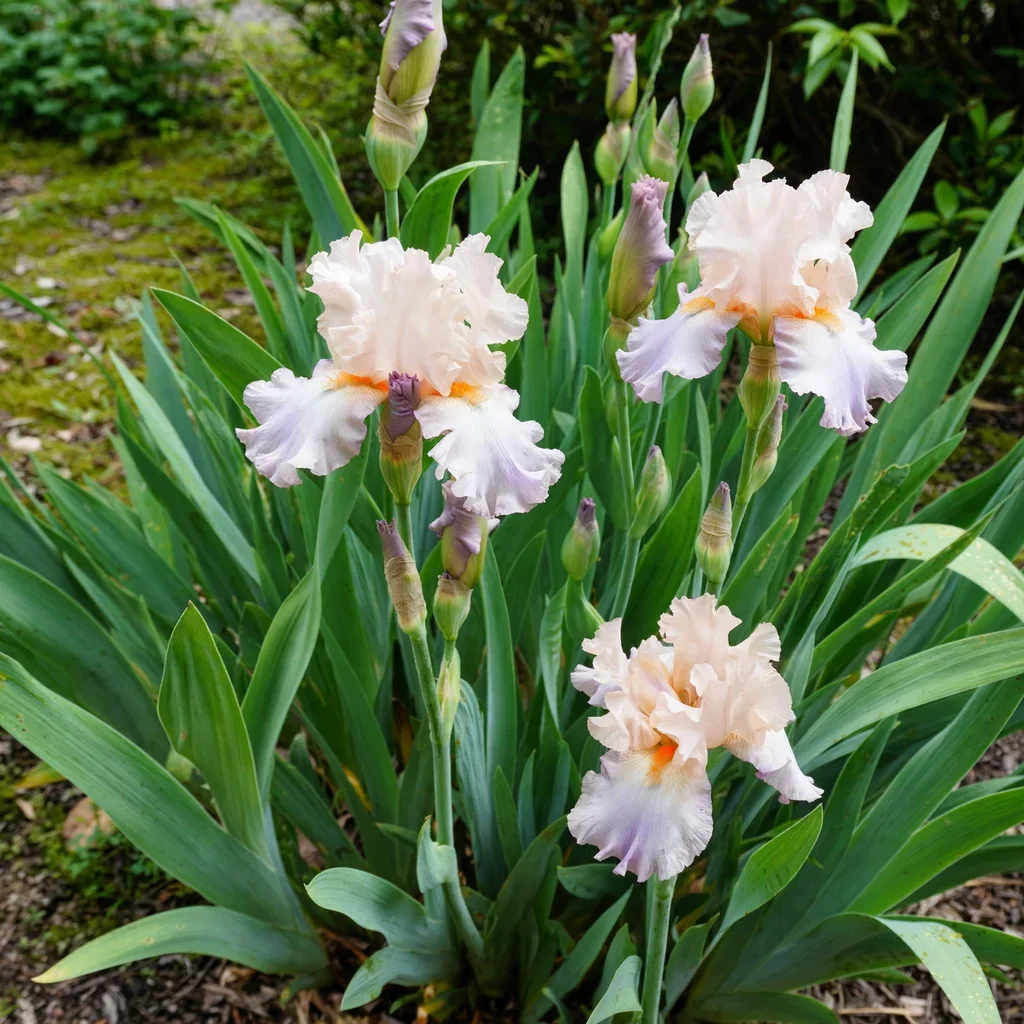
Celebration Song Iris
Iris tenuissima 'Celebration Song'
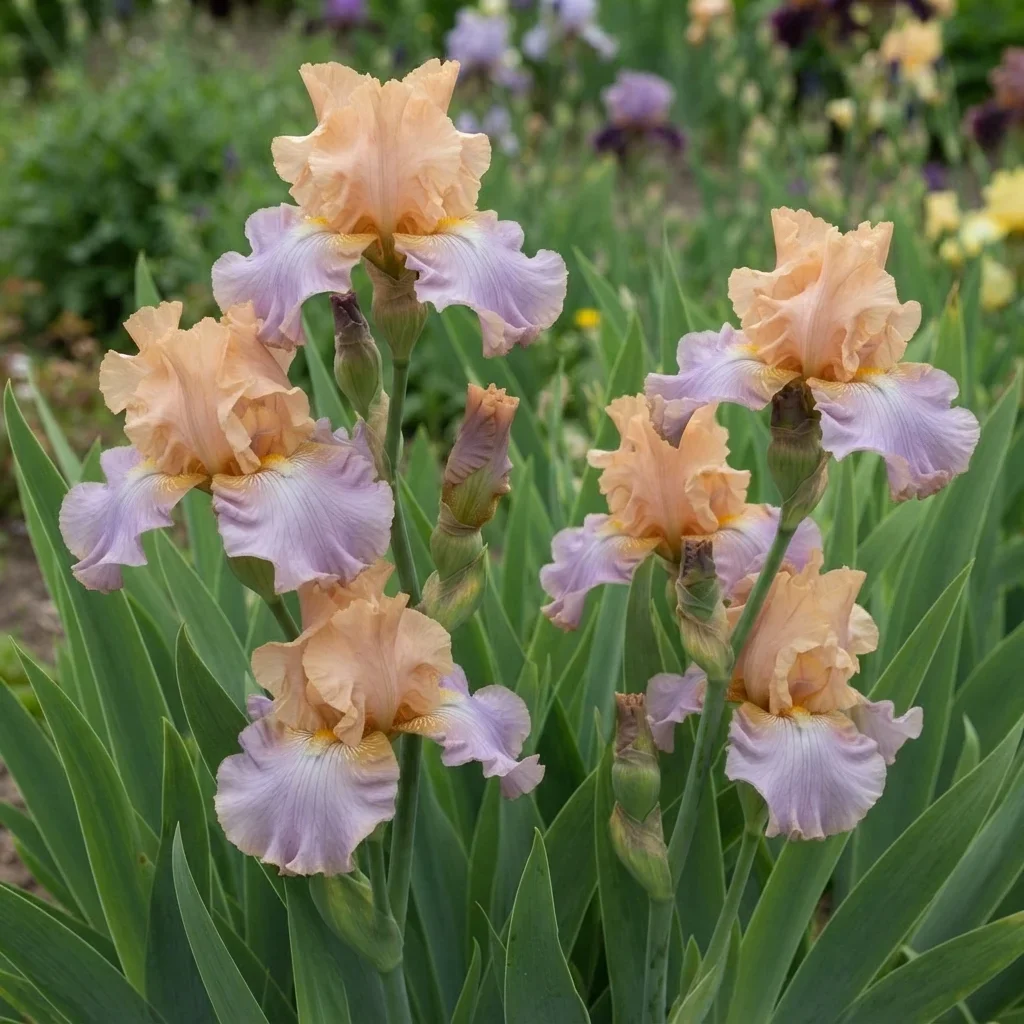
Poem of Ecstasy German Iris
Iris x germanica 'Poem Of Ecstasy'
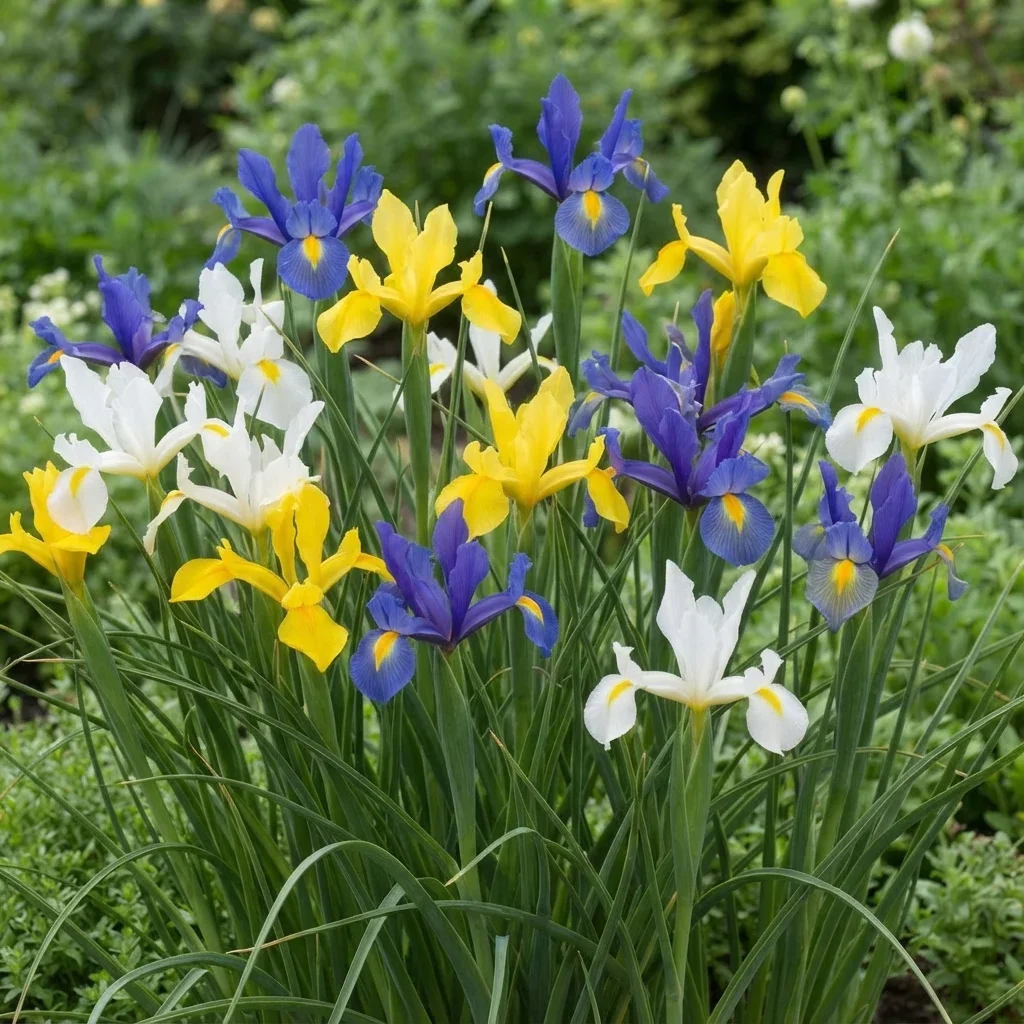
Dutch Iris Mix
Iris x hollandica 'Mix'
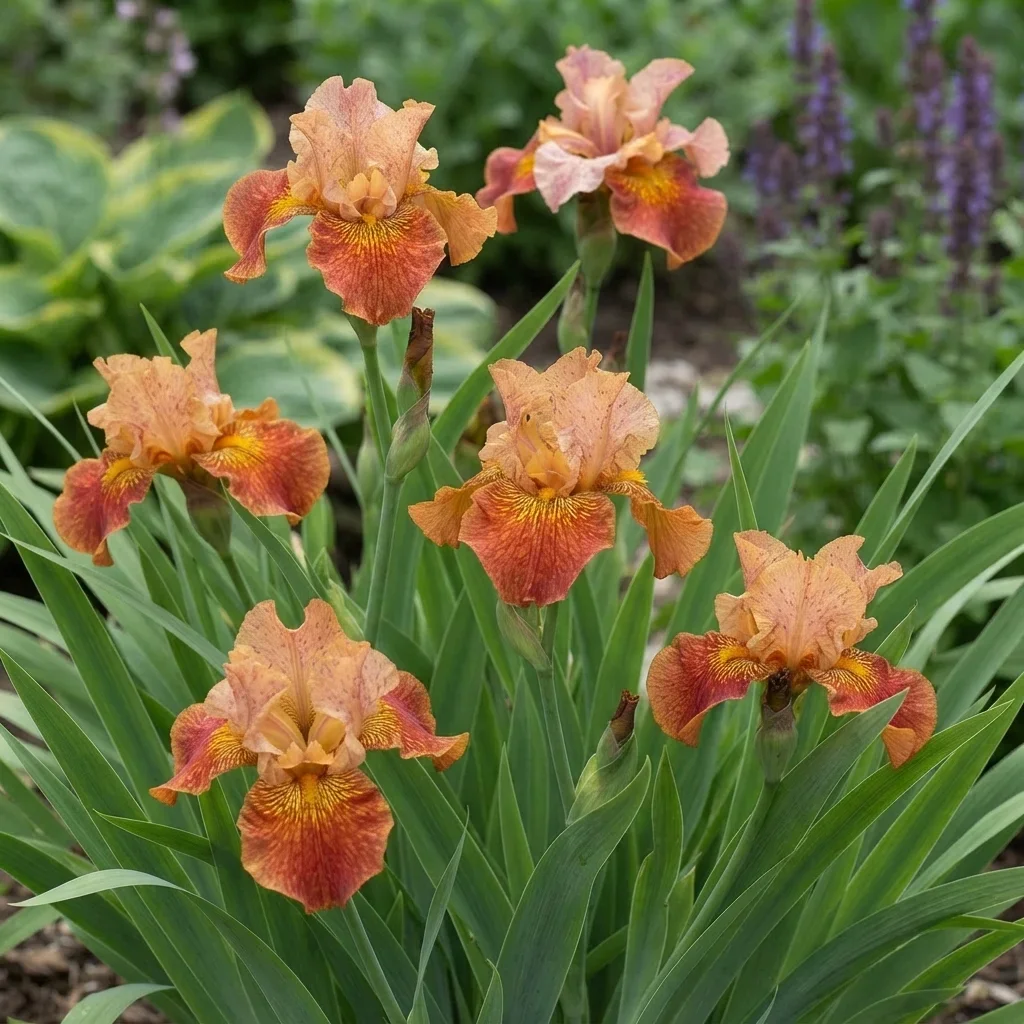
Siberian Iris 'Paprikash'
Iris x hybrida 'Paprikash'
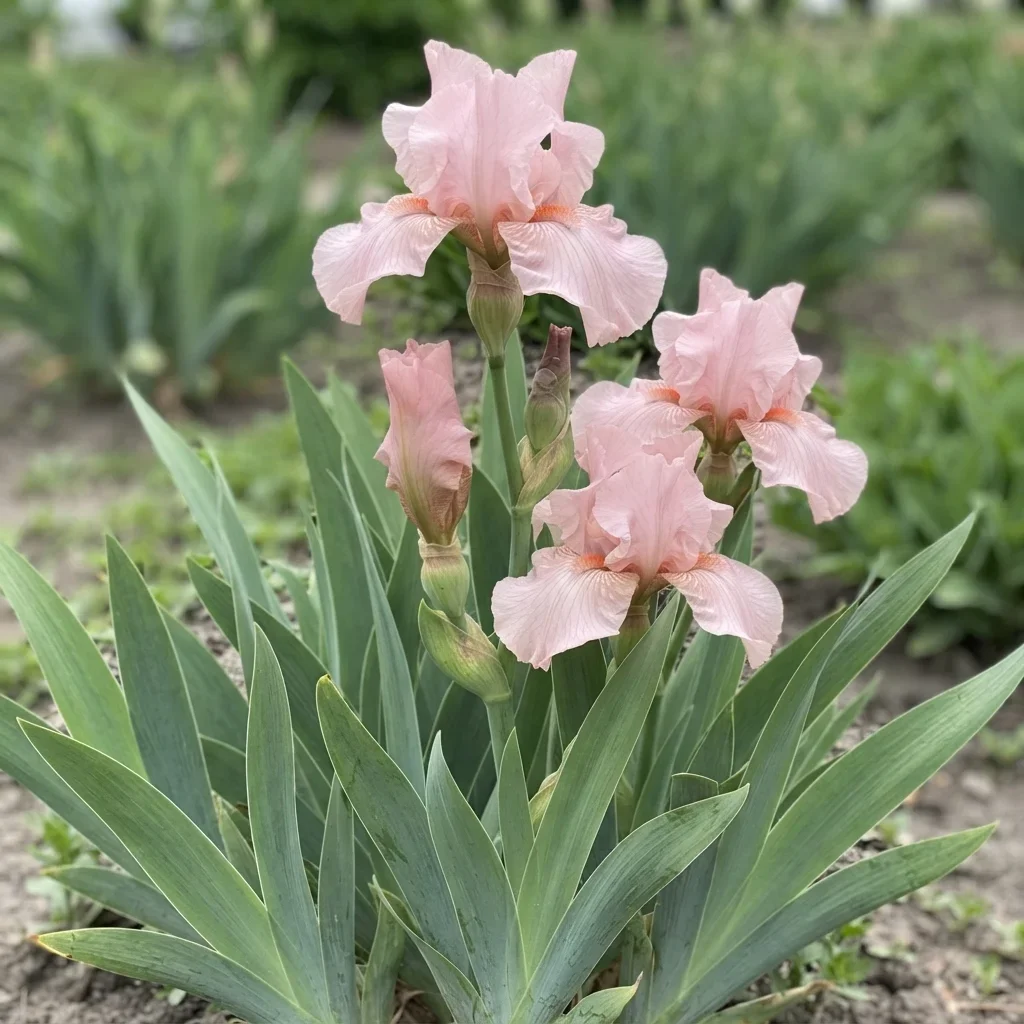
Baboon Bottom Bearded Iris
Iris x germanica 'Baboon Bottom Bearded'
Keep exploring
Explore the genus
Guides
Hardy in your zone?
Grow Pacific Coast Iris with confidence
See it in a design of your actual yard, get zone-matched care reminders, and track it season by season in your garden journal.