
The Story
Plant Bio
Carex gracilior is a densely tufted perennial sedge from California moist meadows and sloughs, forming a tight clump of narrow grass-like leaves on culms 12 to 28 inches tall. The flowers have no perianth to speak of; wind moves pollen among small green-brown spikelets packed into an oval head 1 to 2 inches long.
This is the California Ovales sedge with four to eight ovoid brown to gold spikes in a compact head, separated from look-alikes by perigynia rather than foliage alone. It is very close to C. subbracteata and is often confused with C. gracillima and C. praegracilis, but true C. gracilior is a low-elevation California endemic of wet ground, not the eastern graceful sedge.
Uses & Benefits:
Essentials
At a Glance
Plant Type
Grass
Height
28"
Width
12"
Light
Full Sun, Partial Sun
Zones
8, 9, 10
Water
Moist to wet
Humidity
Medium
Lifespan
Perennial
Native To
California, USA
Toxicity
Unknown
Bloom period
Spring – Early summer
In flower about 4 months of the year
Planting
How to Grow
- Plant in fall into moist, well-drained soil in full sun to partial shade.
- Set the crown level with the soil surface and water deeply to settle.
- Mulch thinly to hold moisture while keeping mulch out of the crown center.
- Water to keep soil consistently moist through the first spring and summer.
Pro Tip
Keep the root zone evenly moist through spring fruiting; this slough and meadow plant stalls if it dries out.
Keep It Thriving
Care Guide
Do
- Keep soil consistently moist to wet, especially during spring growth and fruiting.
- Grow in full sun to partial shade with good air flow.
- Confirm identity as C. gracilior Mack. by perigynia if precision matters.
Don't
- Do not let the crown dry out during establishment.
- Do not cut down into the old leafless base of the tuft.
- Do not substitute eastern graceful sedge for this California endemic.
Seasonal Care Calendar
| Task | Jan | Feb | Mar | Apr | May | Jun | Jul | Aug | Sep | Oct | Nov | Dec |
|---|---|---|---|---|---|---|---|---|---|---|---|---|
| Divide | ||||||||||||
| Mulch | ||||||||||||
| Pest Check | ||||||||||||
| Plant | ||||||||||||
| Spring Cleanup |
Watch Out For
Pests & Diseases
Common Pests
In the Garden
Landscape Uses & Companions
Landscape Uses
Multiply
Propagation Methods
Good to Know
Common Questions
Slender Sedge questions
What zones can Slender Sedge grow in?
Slender Sedge is hardy in USDA Zones 8–10: in that range it survives winter in the ground. Colder than Zone 8, grow it in a container you can move to shelter for the winter, or as an annual.
When does Slender Sedge bloom?
Slender Sedge typically blooms from early spring to early summer. Exact timing shifts a week or two with your zone — Sow's bloom calendar maps it to your garden.
Does Slender Sedge need full sun?
Slender Sedge does best in full sun to part shade. In hot climates, afternoon shade keeps blooms fresher longer.
More Carex to compare
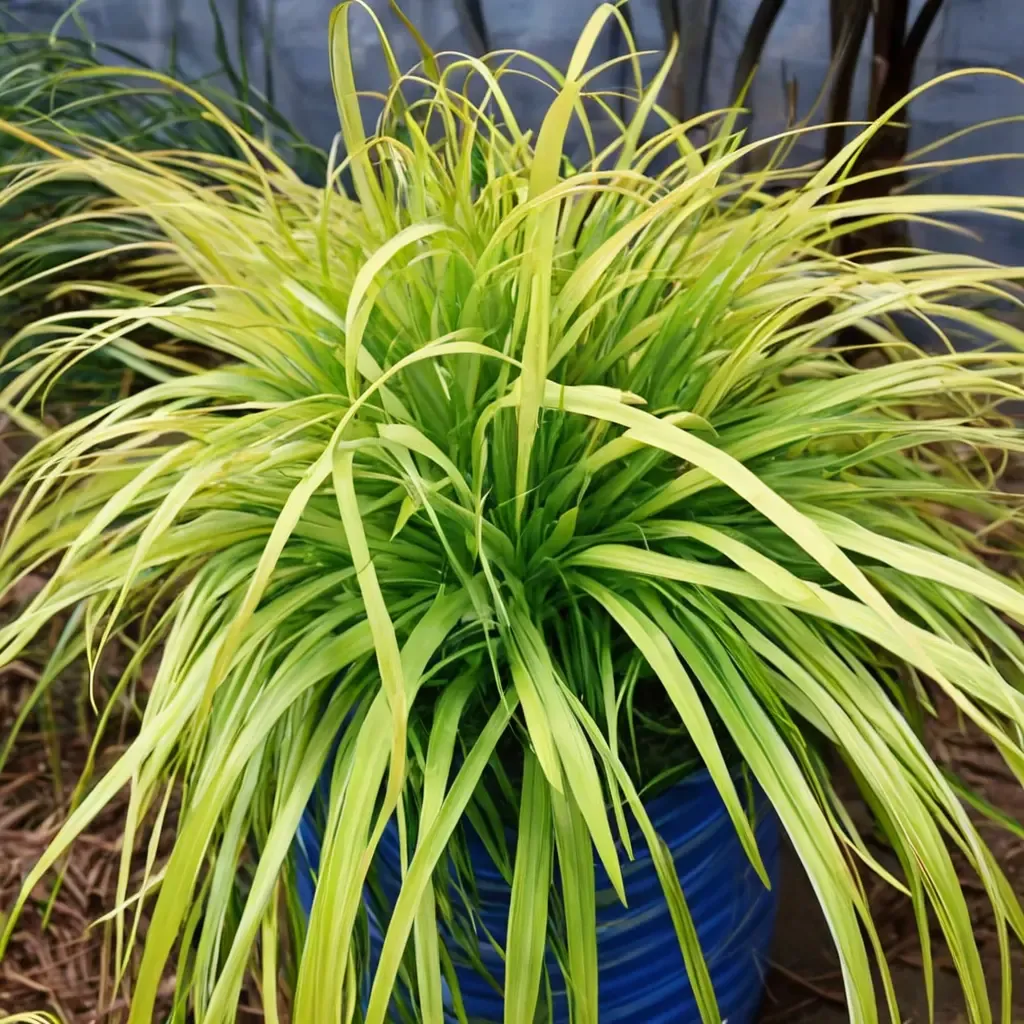
Everillo Sedge
Carex oshimensis 'Everillo'
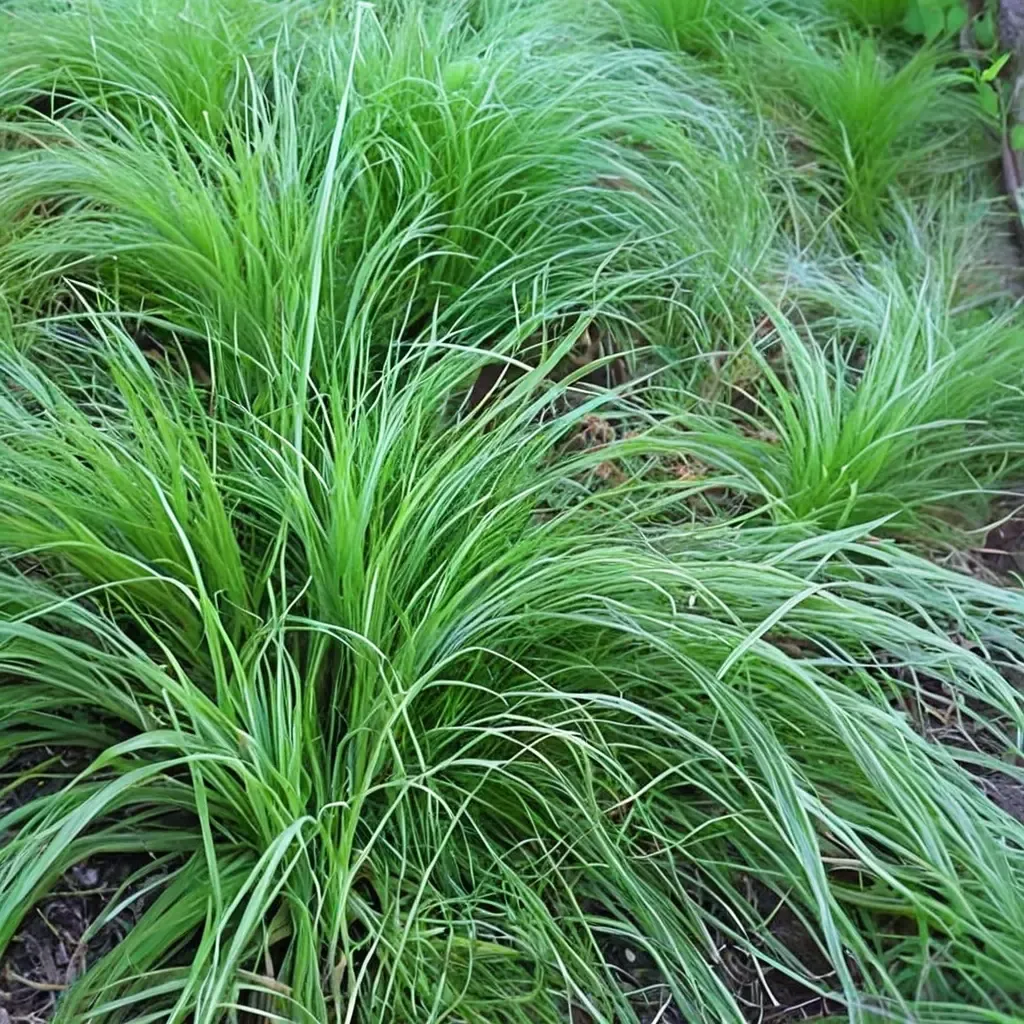
Pennsylvania Sedge
Carex pensylvanica
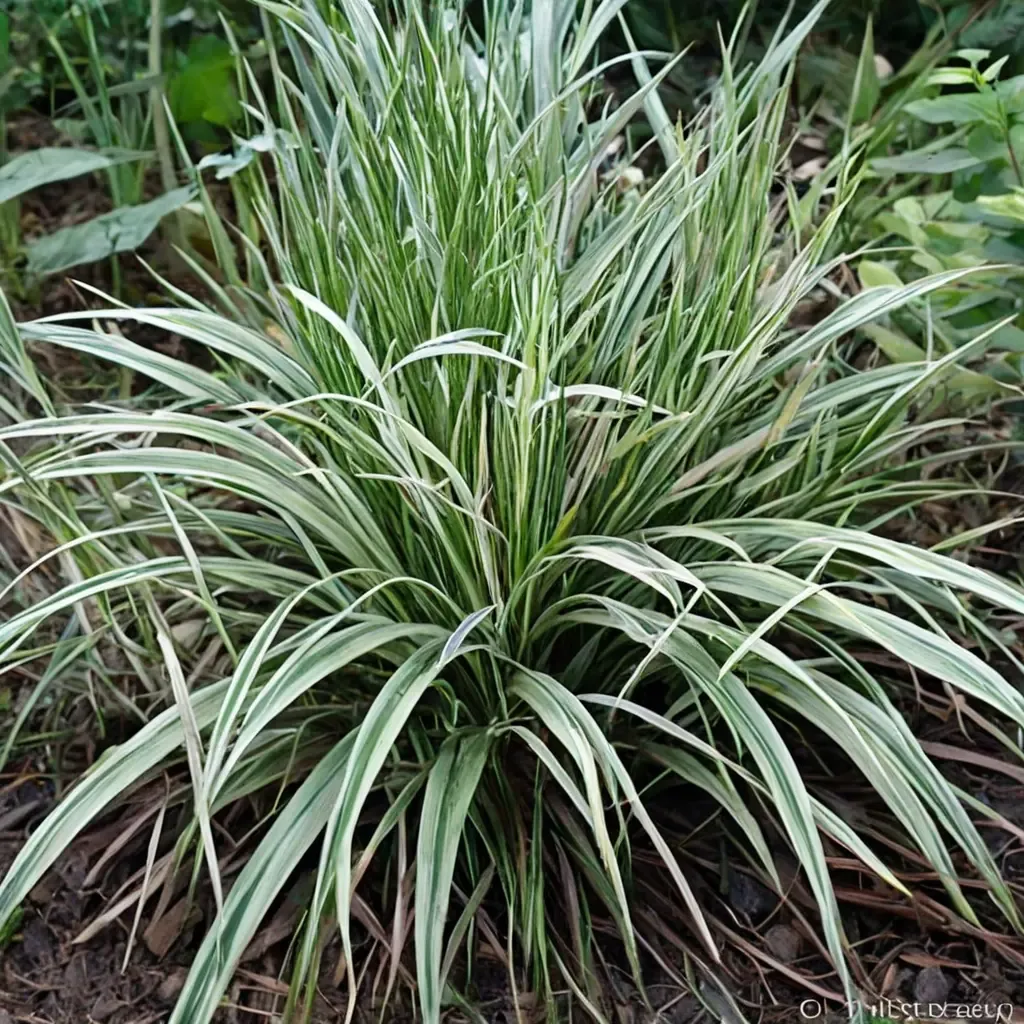
Japanese Sedge
Carex morrowii
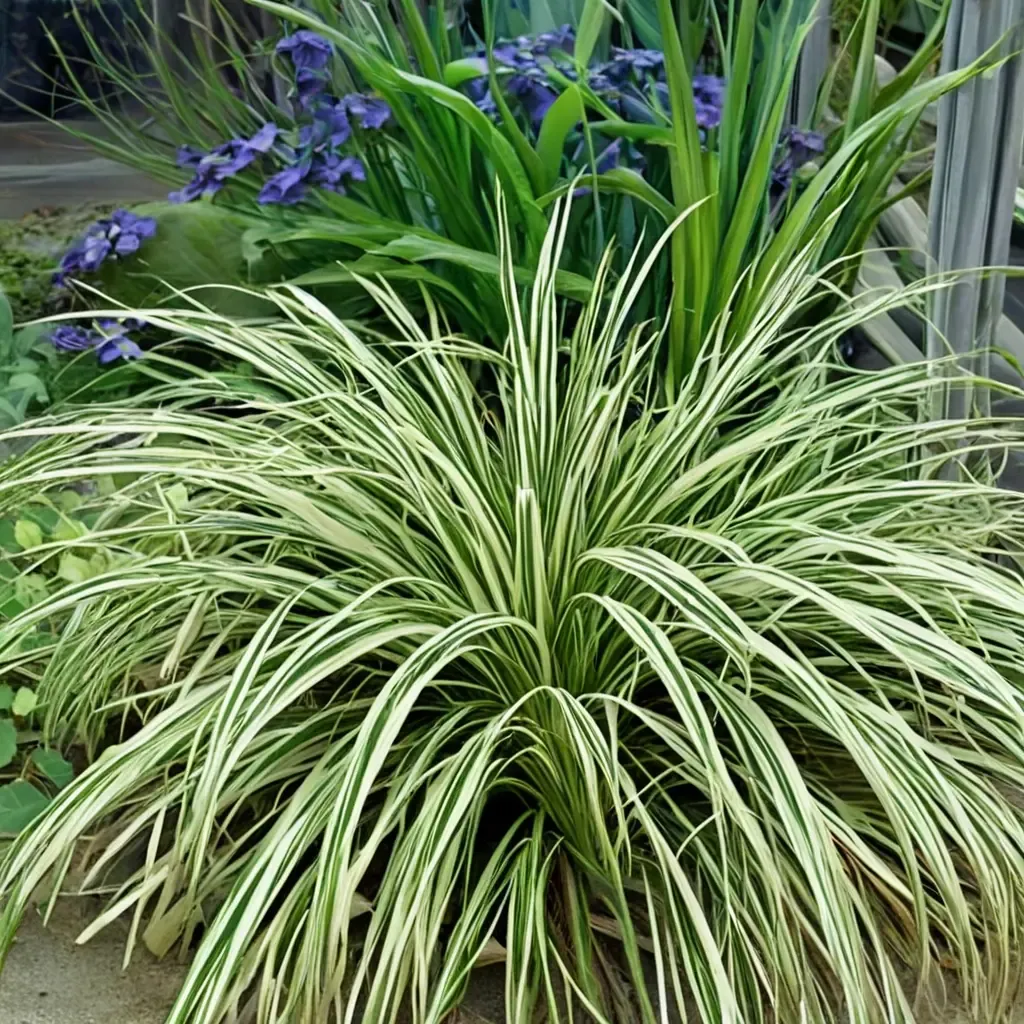
Evergold Japanese Sedge
Carex oshimensis 'Evergold'
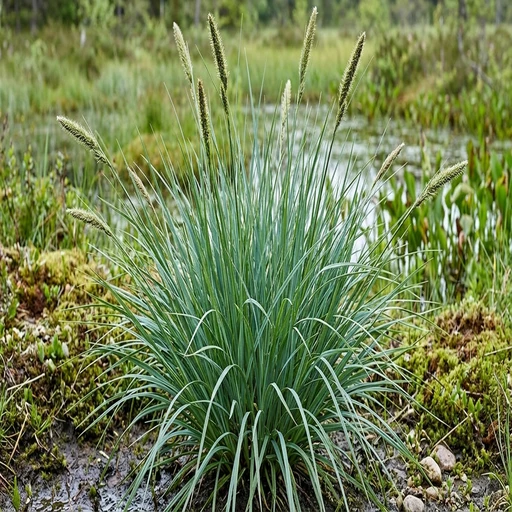
Comosa Sedge
Carex comosa
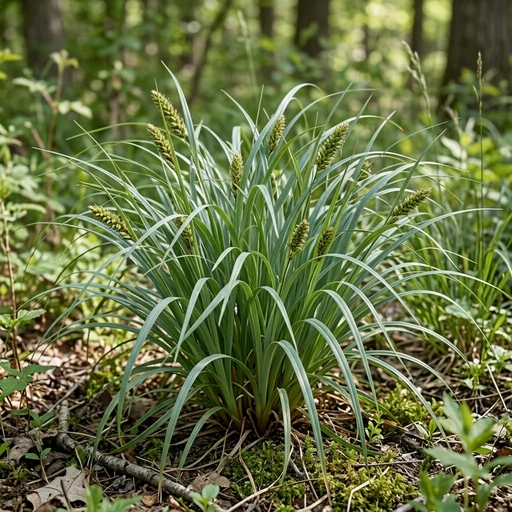
Shortbeak Sedge
Carex brevior
Keep exploring
Explore the genus
Hardy in your zone?
Grow Slender Sedge with confidence
See it in a design of your actual yard, get zone-matched care reminders, and track it season by season in your garden journal.