


The Story
Plant Bio
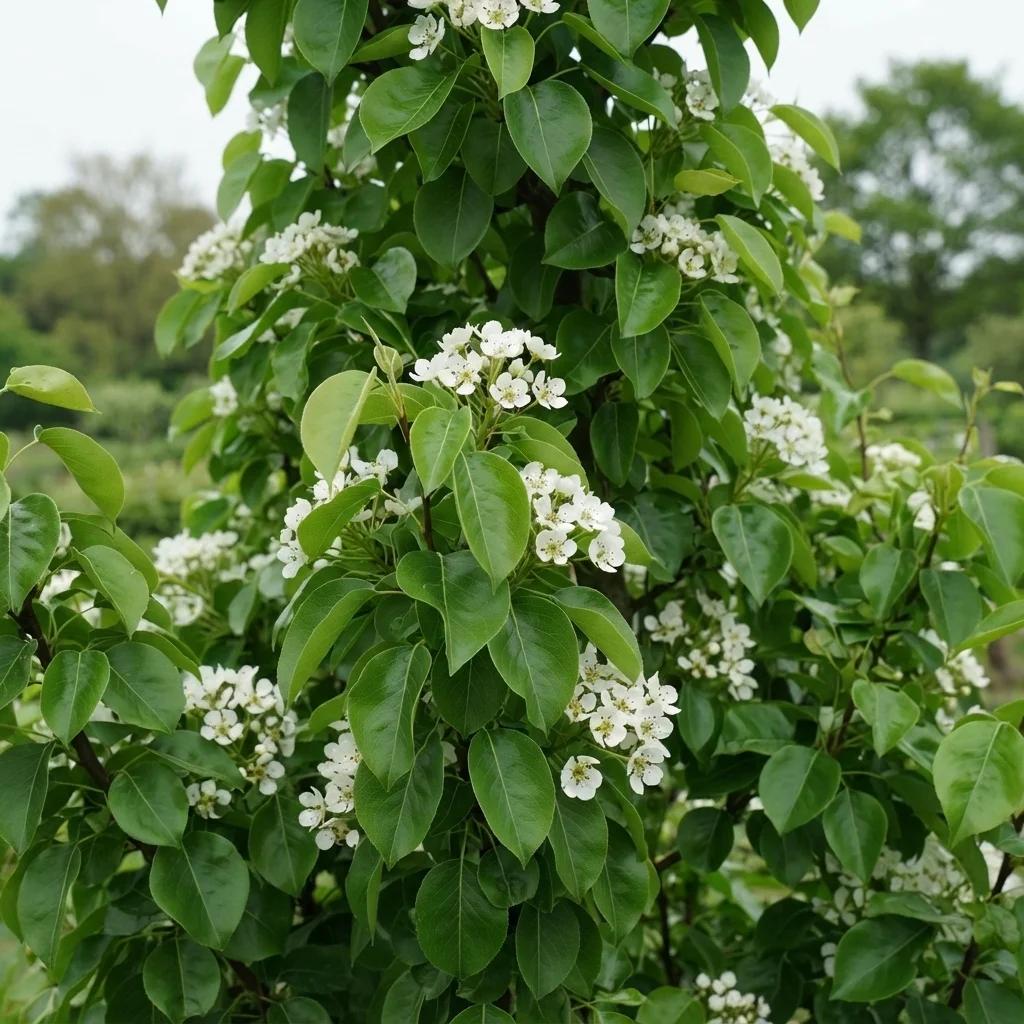
Pyrus calleryana is a deciduous tree native to mainland China and Taiwan, widely naturalized and highly invasive across North America. The species is characterized by its rapid growth, adaptability to diverse soil profiles, and profuse spring display of small, five-petaled white flowers that emerge before or alongside the new leaves.
'Chanticleer' is distinguished by its tight, narrowly pyramidal, and dense columnar habit that provides excellent wind resistance. This thornless cultivar features glossy dark green summer foliage that transitions to vibrant shades of orange, red, and yellow in the fall.
Uses & Benefits:
Essentials
At a Glance
Plant Type
Tree
Height
360"
Width
180"
Light
Full Sun, Partial Sun
Zones
5, 6, 7, 8, 9
Water
Moderate
Humidity
Moderate
Lifespan
25 - 50 years
Native To
China, Taiwan
Toxicity
Foliage and seeds contain cyanogenic glycosides
Bloom period
Spring
In flower about 3 months of the year
Planting
How to Grow
- Plant in a full-sun location to ensure optimal flowering density and a tight, symmetrical crown.
- Dig a hole twice the width of the root ball and set the tree at the same depth as its nursery container.
- Water deeply and regularly during the first growing season to establish a deep root system.
- Apply a layer of organic mulch over the root zone, keeping it clear of the trunk flare.
Pro Tip
Do not confuse 'Chanticleer' with the structurally weak 'Bradford' cultivar; while 'Chanticleer' possesses much stronger branch unions that resist splitting under ice or wind loads, it remains a fertile cross-pollinator capable of producing invasive wild hybrids.
Keep It Thriving
Care Guide
Do
- Prune out crossing, dead, or root-suckering branches in late winter.
- Monitor for signs of fire blight, especially during warm, wet spring weather.
- Use systemic or contact treatments if Japanese beetle infestations defoliate the canopy.
Don't
- Do not apply high-nitrogen fertilizers, which stimulate weak, lush growth susceptible to fire blight.
- Do not plant this tree in regions where it is designated as an invasive or banned species.
- Do not heavy-prune or pollard the canopy, as this ruins the natural columnar form.
Seasonal Care Calendar
| Task | Jan | Feb | Mar | Apr | May | Jun | Jul | Aug | Sep | Oct | Nov | Dec |
|---|---|---|---|---|---|---|---|---|---|---|---|---|
| Mulch | ||||||||||||
| Pest Check | ||||||||||||
| Prune | ||||||||||||
| Spray |
Watch Out For
Pests & Diseases
Common Pests
Common Diseases
In the Garden
Landscape Uses & Companions
Landscape Uses
Companion Plants
Multiply
Propagation Methods
Good to Know
Common Questions
Callery Pear questions
What zones can Callery Pear grow in?
Callery Pear is hardy in USDA Zones 5–9. Inside that range it survives winter in the ground; outside it, grow it as an annual or a container plant you protect.
Is Callery Pear deer resistant?
Not reliably. Deer may browse Callery Pear, especially tender spring growth — plan on repellents or fencing where pressure is high.
When does Callery Pear bloom?
Callery Pear typically blooms in spring through spring. Exact timing shifts a week or two with your zone — Sow's bloom calendar maps it to your garden.
Does Callery Pear need full sun?
Callery Pear does best in full sun to part shade. In hot climates, afternoon shade keeps blooms fresher longer.
Is Callery Pear drought tolerant?
Yes — once established (usually after the first full season), Callery Pear handles dry spells with minimal watering. Water deeply its first year to build the root system that makes that possible.
More Pyrus to compare
Drippin' Honey Pear
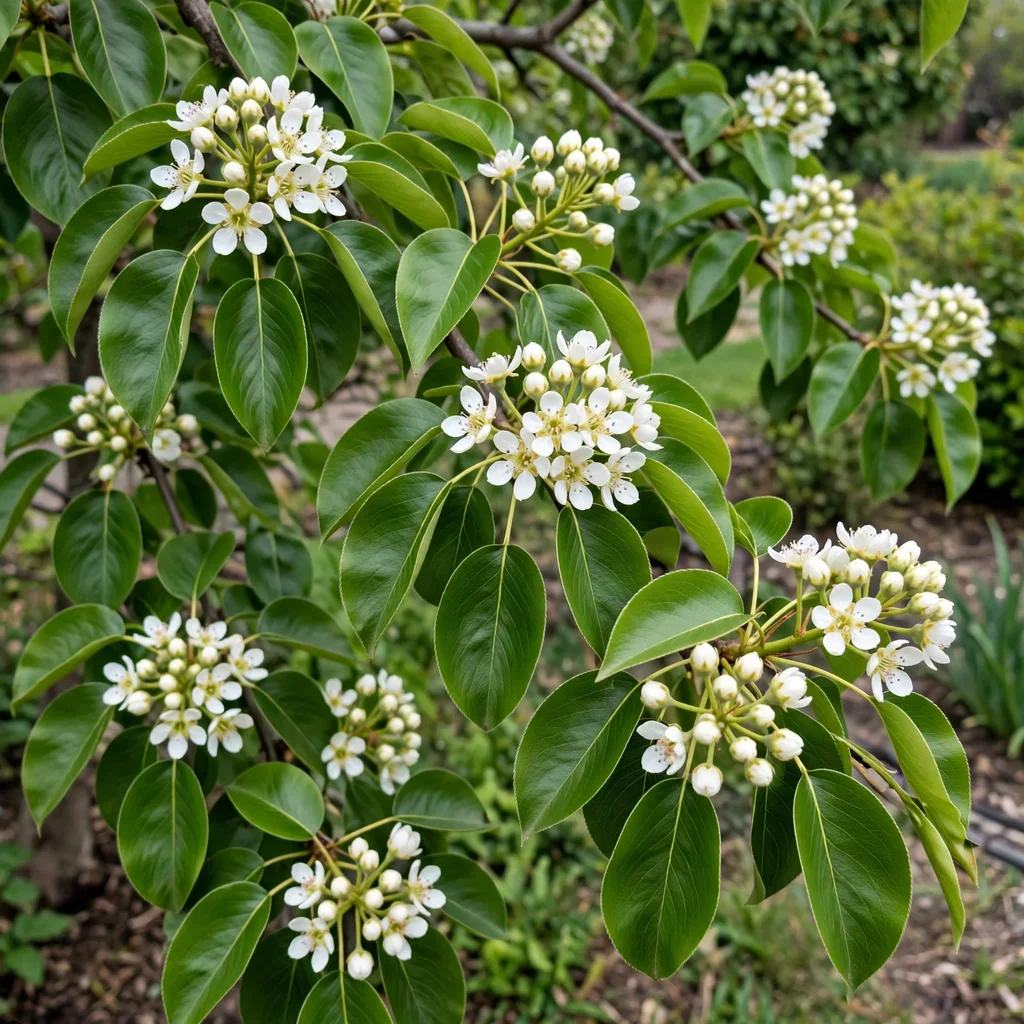
Pyrus calleryana 'Drippin' Honey'
Bartlett Pear
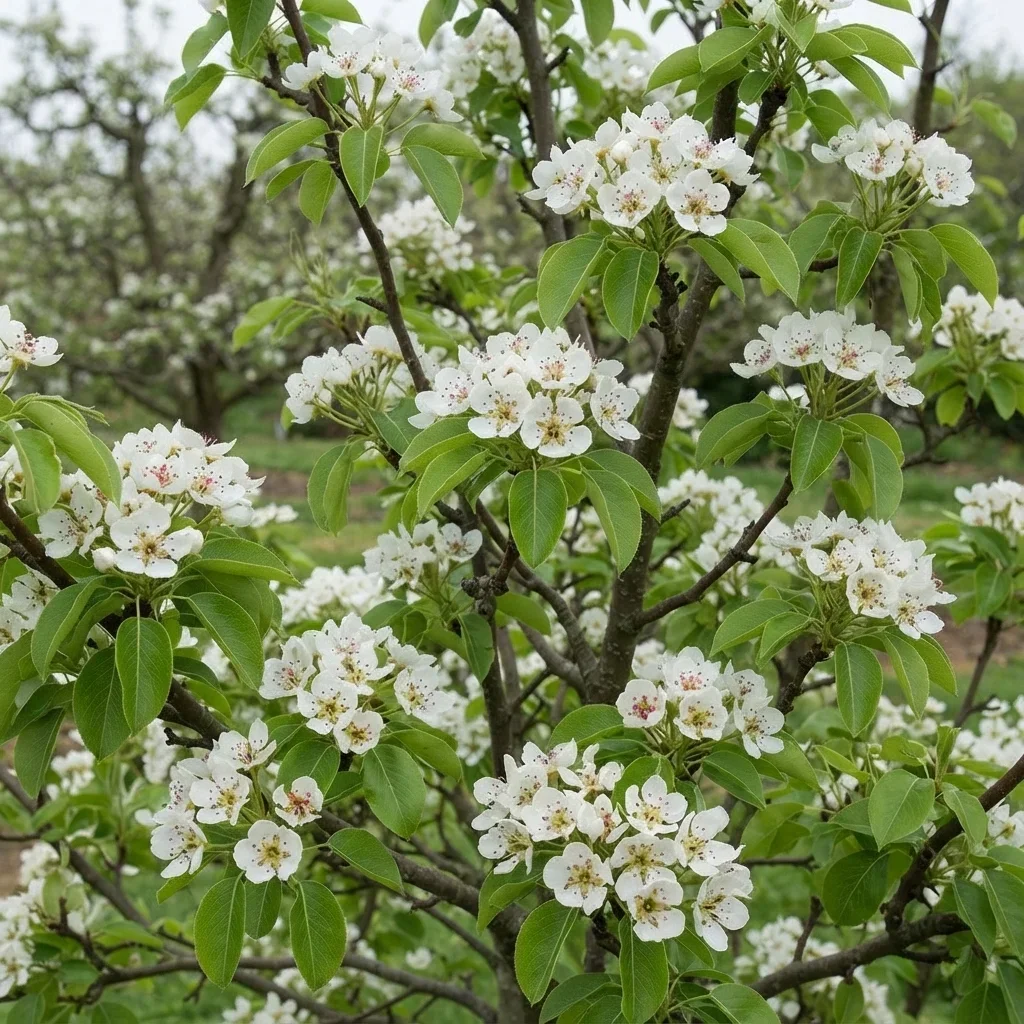
Pyrus communis 'Bartlett'
Apricot Sugar Pear
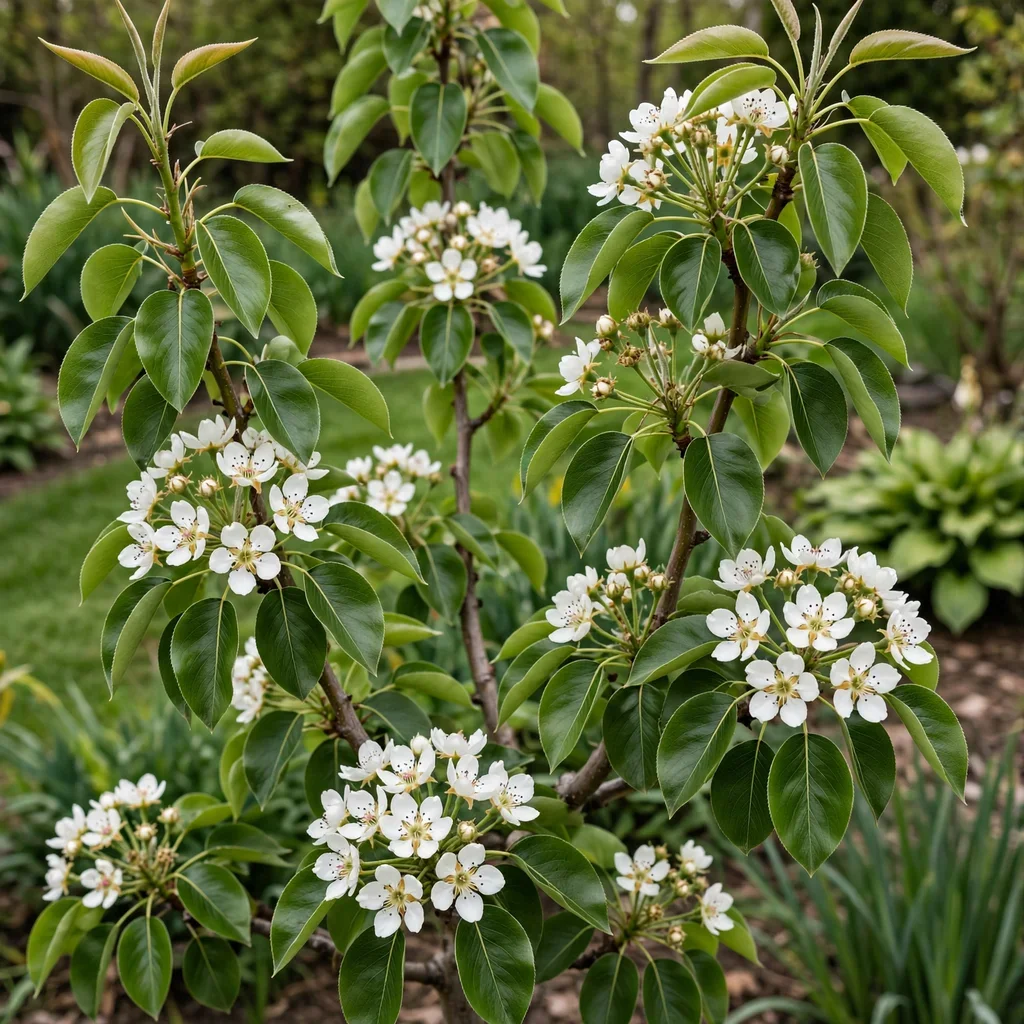
Pyrus communis 'Apricot Sugar Pearls Reachables'
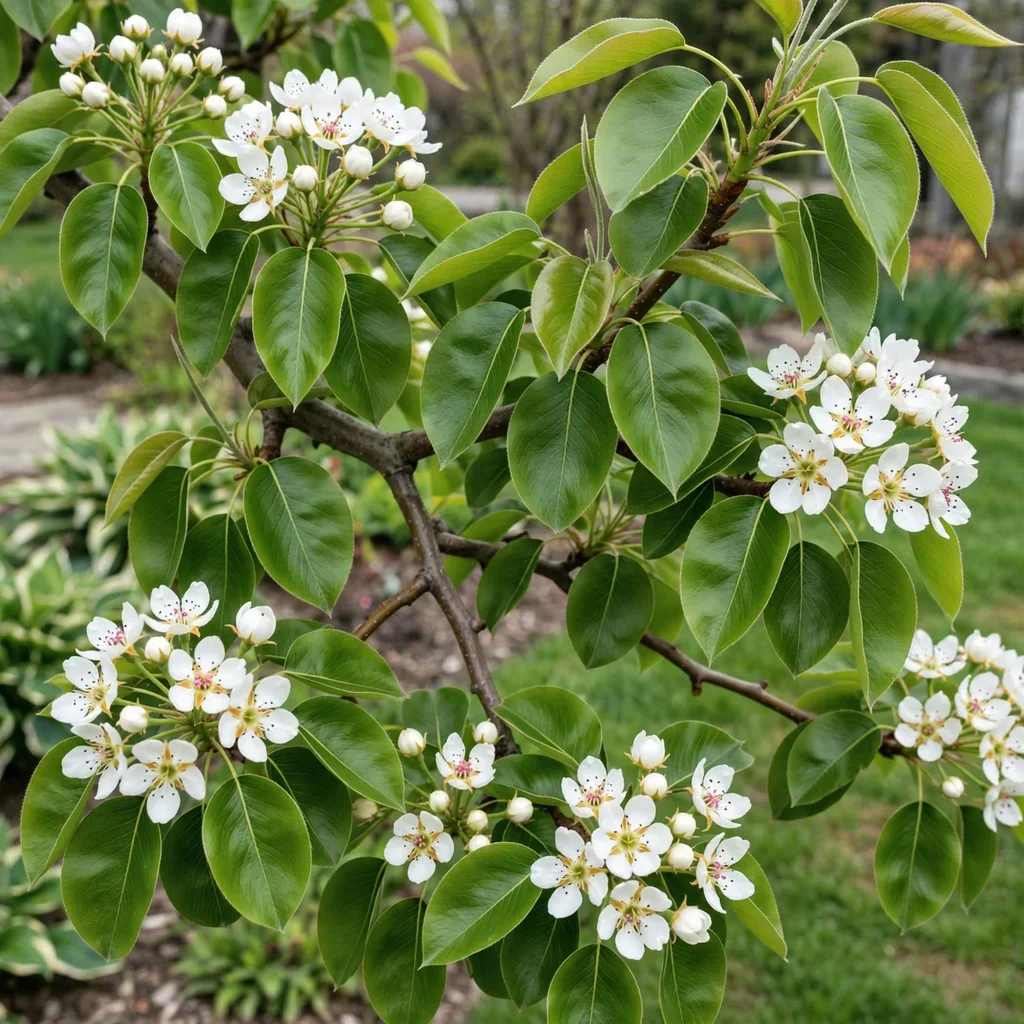
Crisp 'n Sweet Pear
Pyrus communis 'Crisp 'n Sweet'
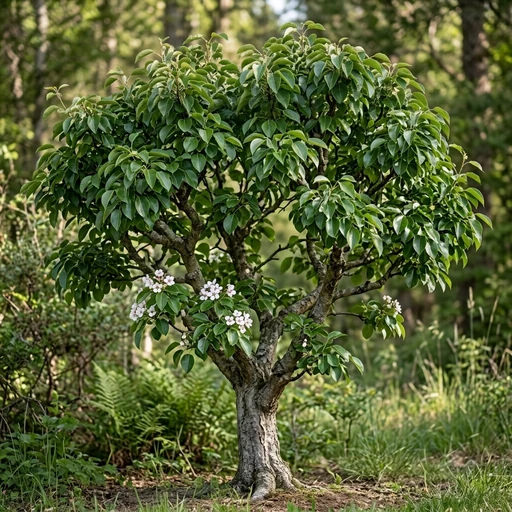
Kieffer Pear
Pyrus x hybrida 'Kieffer'
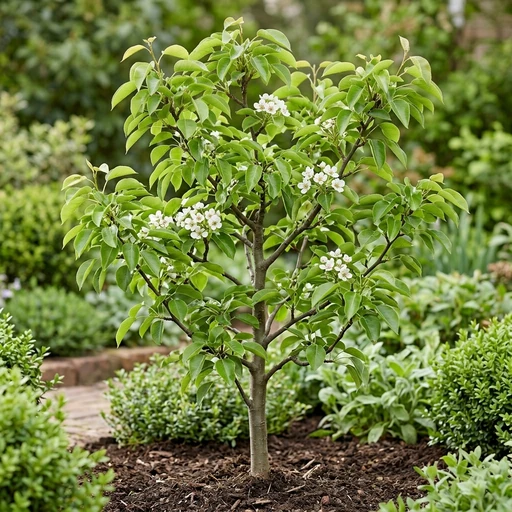
Hosui Asian Pear
Pyrus pyrifolia 'Hosui'
Keep exploring
Explore the genus
Hardy in your zone?
Grow Callery Pear with confidence
See it in a design of your actual yard, get zone-matched care reminders, and track it season by season in your garden journal.