The Story
Plant Bio
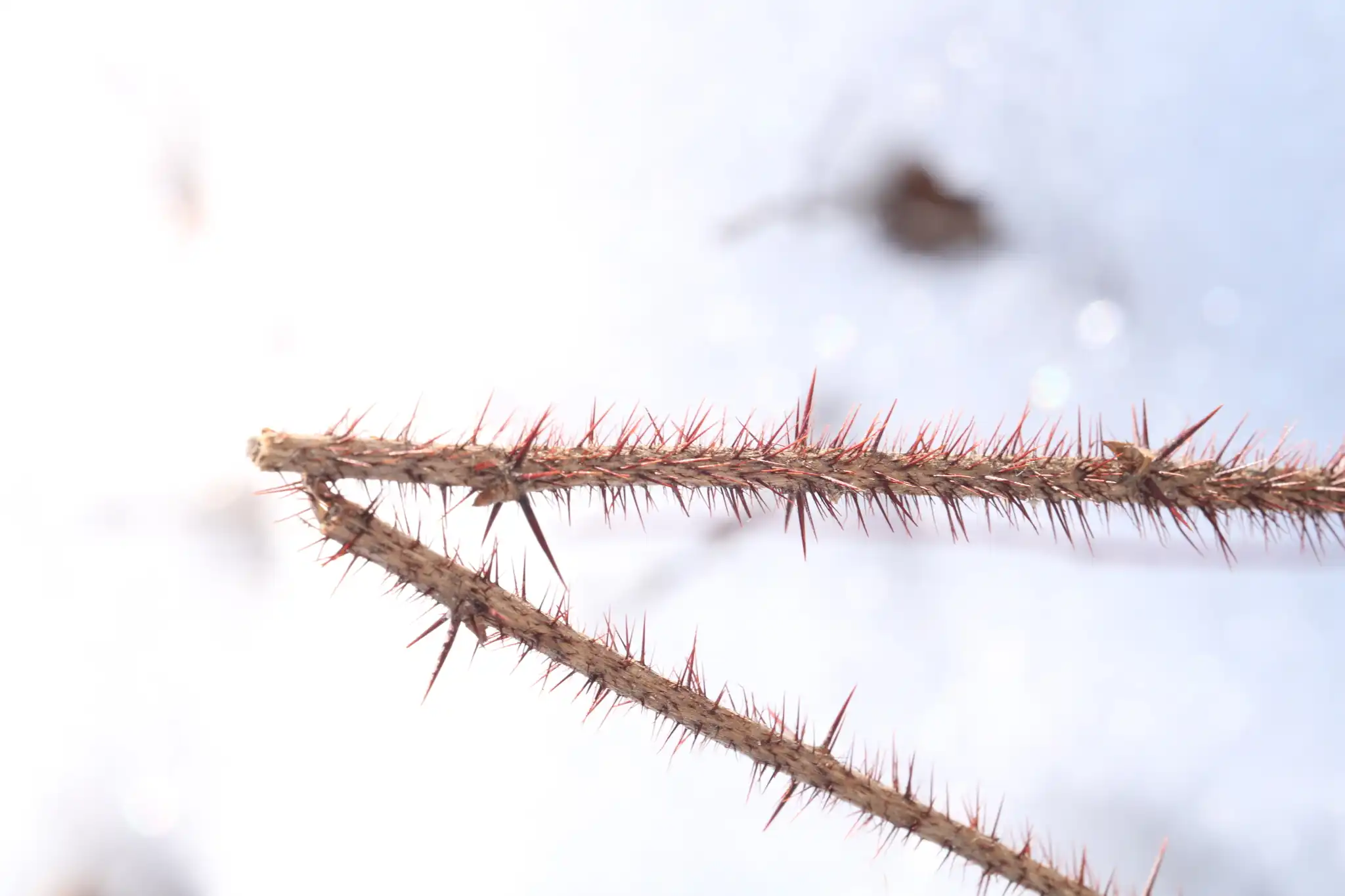
Ribes cynosbati is a deciduous, multi-stemmed North American shrub reaching three to five feet in height with arching, spiny stems and lobed maple-like leaves. In spring, small dangling clusters of greenish-white flowers bloom beneath the foliage, followed by prickly, edible berries.
Sharp nodal spines and soft prickles line the stems and fruit surfaces, setting this native species apart from smoother gooseberries. The flowers supply spring nectar for native bees and syrphid flies, while the summer berries are eaten by songbirds.
Uses & Benefits:
Essentials
At a Glance
Plant Type
Shrub
Height
60"
Width
60"
Light
Full Sun, Partial Sun
Zones
4, 5, 6, 7, 8
Water
Medium
Humidity
Moderate
Lifespan
Perennial
Native To
North America
Toxicity
None
Bloom period
Spring
In flower about 3 months of the year
Planting
How to Grow
- Select a planting site in full sun or partial shade with well-draining, organically rich soil.
- Plant in early spring or fall, setting the crown level with the surrounding soil surface.
- Apply a two-inch layer of organic compost mulch around the base to keep roots cool and retain moisture.
- Water regularly during dry periods to maintain uniform soil moisture without creating waterlogged conditions.
Pro Tip
Remove three-year-old stems down to the ground in late winter; young wood produces the heaviest crop and open spacing improves air movement to prevent powdery mildew.
Keep It Thriving
Care Guide
Do
- Thin out old stems annually in late winter to maintain vigor and canopy ventilation.
- Maintain uniform soil moisture, especially during summer fruiting.
- Mulch root zones annually with rich compost.
Don't
- Do not apply heavy high-nitrogen chemical fertilizers.
- Do not allow soil to dry out completely during extended heatwaves.
- Do not plant within proximity to white pine trees where blister rust restrictions exist.
Seasonal Care Calendar
| Task | Jan | Feb | Mar | Apr | May | Jun | Jul | Aug | Sep | Oct | Nov | Dec |
|---|---|---|---|---|---|---|---|---|---|---|---|---|
| Mulch | ||||||||||||
| Pest Check | ||||||||||||
| Prune | ||||||||||||
| Spring Cleanup |
Watch Out For
Pests & Diseases
Common Pests
Common Diseases
In the Garden
Landscape Uses & Companions
Landscape Uses
Multiply
Propagation Methods
Good to Know
Common Questions
Eastern Prickly Gooseberry questions
What zones can Eastern Prickly Gooseberry grow in?
Eastern Prickly Gooseberry is hardy in USDA Zones 4–8: in that range it survives winter in the ground. Warmer than Zone 8, winter isn't the problem: it prefers colder winters, and summer heat can shorten its life.
When does Eastern Prickly Gooseberry bloom?
Eastern Prickly Gooseberry typically blooms in spring. Exact timing shifts a week or two with your zone — Sow's bloom calendar maps it to your garden.
Does Eastern Prickly Gooseberry need full sun?
Eastern Prickly Gooseberry does best in full sun to part shade. In hot climates, afternoon shade keeps blooms fresher longer.
More Ribes to compare
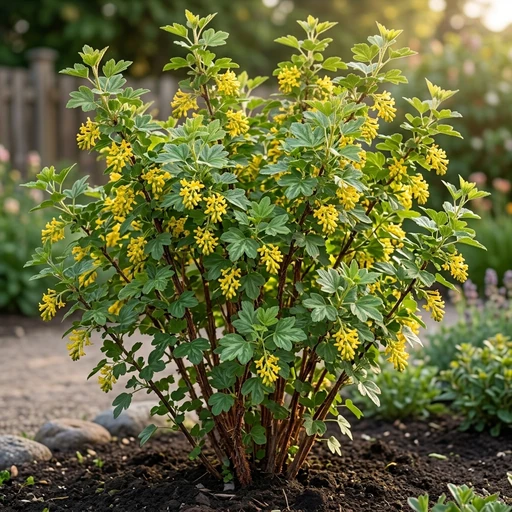
Golden Currant
Ribes aureum
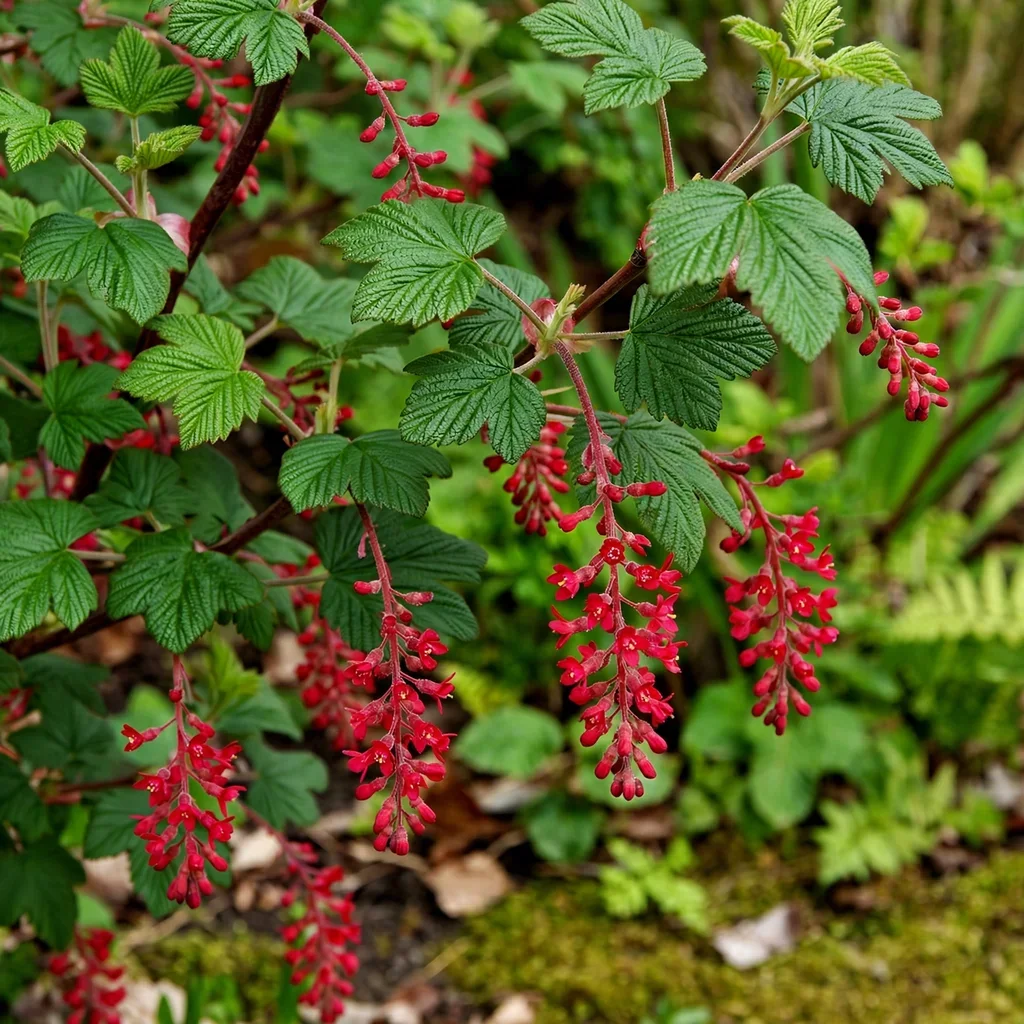
King Edward VII Flowering Currant
Ribes sanguineum 'King Edward VII'
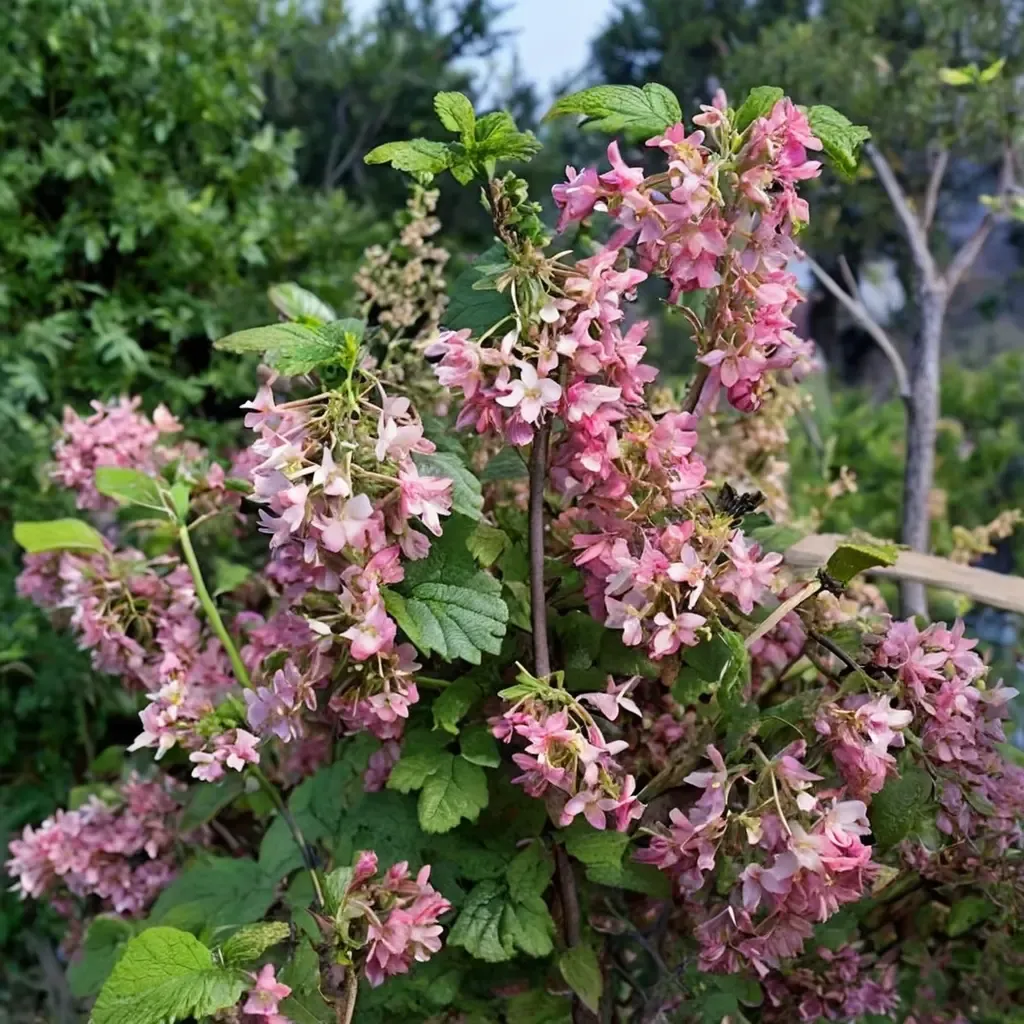
Claremont Currant
Ribes sanguineum 'Claremont'
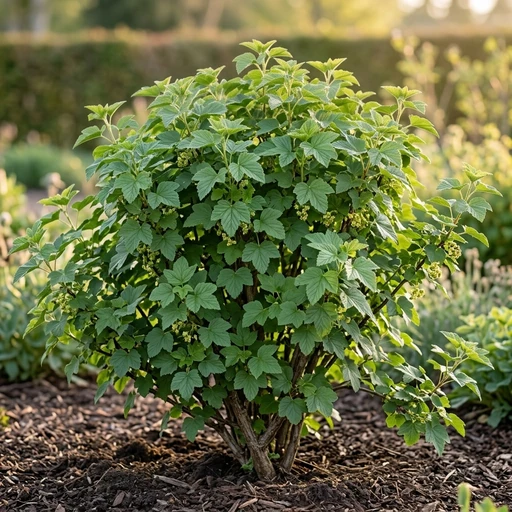
Alpine Currant
Ribes alpinum
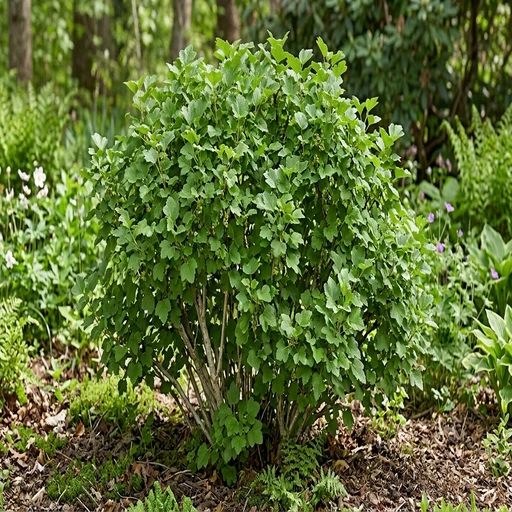
Green Mound Alpine Currant
Ribes alpinum 'Green Mound'
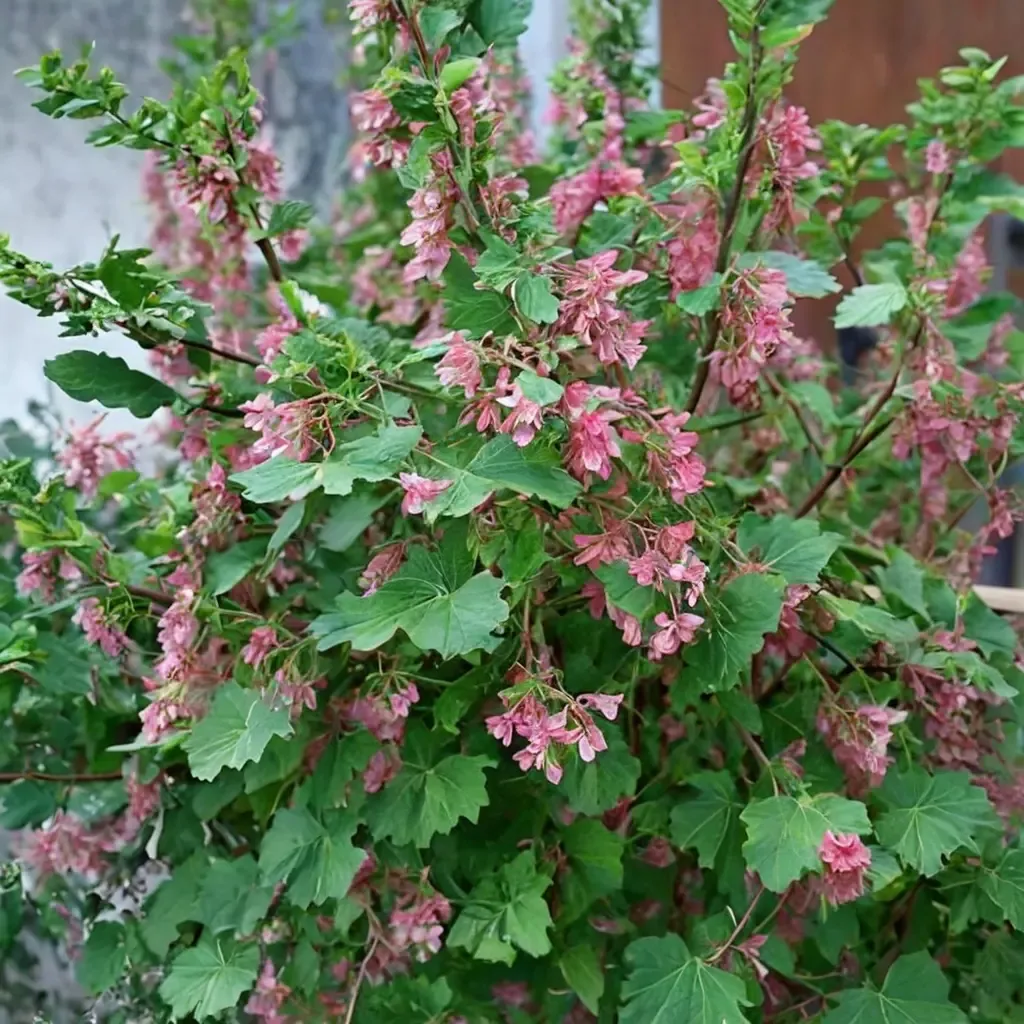
Pink-Flowering Currant
Ribes sanguineum 'glutinosum'
Keep exploring
Explore the genus
Hardy in your zone?
Grow Eastern Prickly Gooseberry with confidence
See it in a design of your actual yard, get zone-matched care reminders, and track it season by season in your garden journal.