The Story
Plant Bio
Rubus leucodermis, the whitebark raspberry, is a deciduous North American bramble that arches six to ten feet on biennial canes that root where the tips touch soil. The leaves are alternate and compound with three to five toothed oval leaflets, green above and pale and softly hairy beneath on prickly stalks.
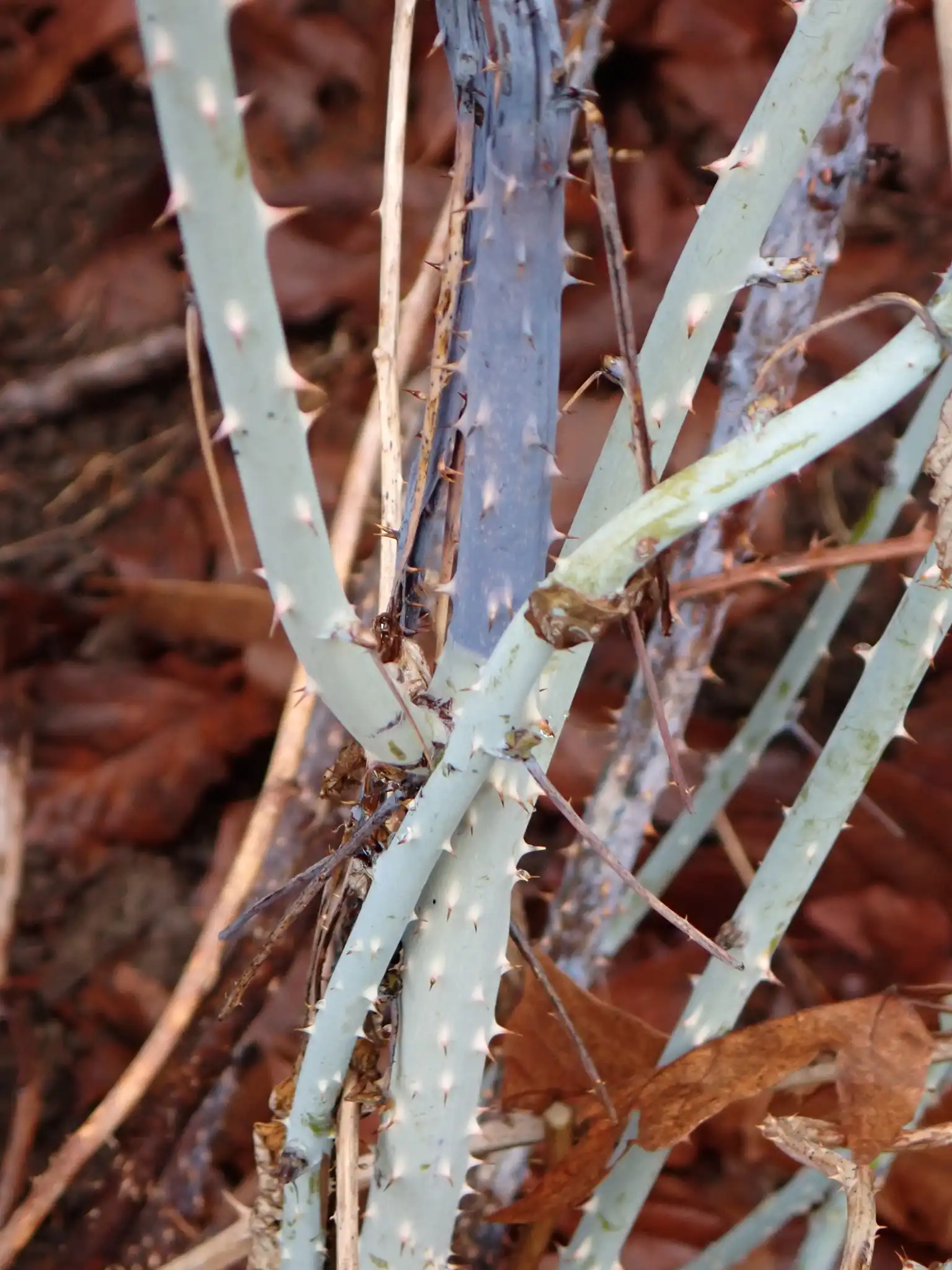
First-year primocanes grow vegetatively with red bark covered in a conspicuous whitish waxy bloom and stout recurved prickles; second-year floricanes flower, fruit, then die. It is the western counterpart of the eastern black raspberry, separated by that blue-white cane bloom and small white to pink flowers in clusters of three to seven with sepals longer than the petals.
Uses & Benefits:
Essentials
At a Glance
Plant Type
Shrub
Height
96"
Width
40"
Light
Full Sun, Partial Sun, Shade
Zones
5, 6, 7, 8, 9
Water
Medium
Humidity
Average
Lifespan
Woody perennial, canes biennial
Native To
Western North America
Toxicity
Fruit edible; canes thorny
Bloom period
Spring – Late spring
In flower about 3 months of the year
Planting
How to Grow
- Plant in early spring or fall in full sun to shade, spacing 3 to 4 feet to allow arching canes.
- Set crowns at nursery depth in sand, loam, or clay that holds some moisture but drains after rain.
- Water deeply through the first season, then water during extended dry spells while fruit is sizing.
- Tie new primocanes to a wire or fence if a tidier row is wanted, letting tips arch naturally.
- Mulch 2 to 3 inches with bark or wood chips, kept back from cane bases, and remove fruited canes yearly.
Pro Tip
Cut each fruited floricane to the base right after harvest and leave the new primocanes standing for next year.
Keep It Thriving
Care Guide
Do
- Wear heavy gloves and long sleeves when pruning around recurved thorns.
- Remove fruited second-year canes to the base each summer to open the center for air.
- Pick ripe blackcaps every few days to reduce fruit flies and rot.
Don't
- Do not cut back new green primocanes, they carry next year's crop.
- Do not let canes sit in standing water for long periods despite tolerance of seasonal wet.
- Do not crowd canes so tightly that foliage stays wet and cane diseases build.
Seasonal Care Calendar
| Task | Jan | Feb | Mar | Apr | May | Jun | Jul | Aug | Sep | Oct | Nov | Dec |
|---|---|---|---|---|---|---|---|---|---|---|---|---|
| Harvest | ||||||||||||
| Mulch | ||||||||||||
| Pest Check | ||||||||||||
| Plant | ||||||||||||
| Prune |
Watch Out For
Pests & Diseases
Common Pests
Common Diseases
In the Garden
Landscape Uses & Companions
Landscape Uses
Multiply
Propagation Methods
Good to Know
Common Questions
Whitebark Raspberry questions
What zones can Whitebark Raspberry grow in?
Whitebark Raspberry is hardy in USDA Zones 5–9: in that range it survives winter in the ground. Colder than Zone 5, grow it in a container you can move to shelter for the winter. Warmer than Zone 9, winter isn't the problem: it prefers colder winters, and summer heat can shorten its life.
When does Whitebark Raspberry bloom?
Whitebark Raspberry typically blooms in spring. Exact timing shifts a week or two with your zone — Sow's bloom calendar maps it to your garden.
Does Whitebark Raspberry need full sun?
Whitebark Raspberry does best in full sun to part shade. In hot climates, afternoon shade keeps blooms fresher longer.
Is Whitebark Raspberry drought tolerant?
Yes — once established (usually after the first full season), Whitebark Raspberry handles dry spells with minimal watering. Water deeply its first year to build the root system that makes that possible.
More Rubus to compare
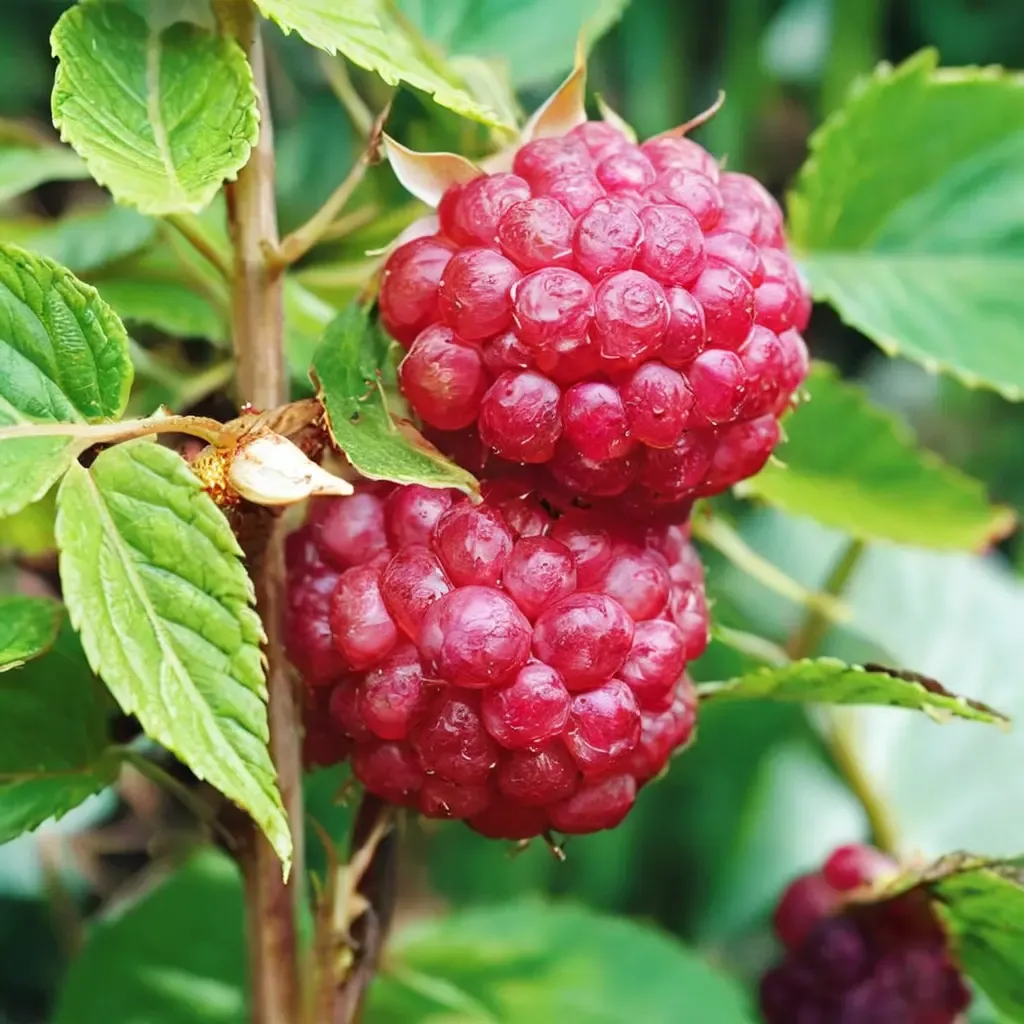
Mammoth Red Raspberry
Rubus idaeus 'Mammoth Red'
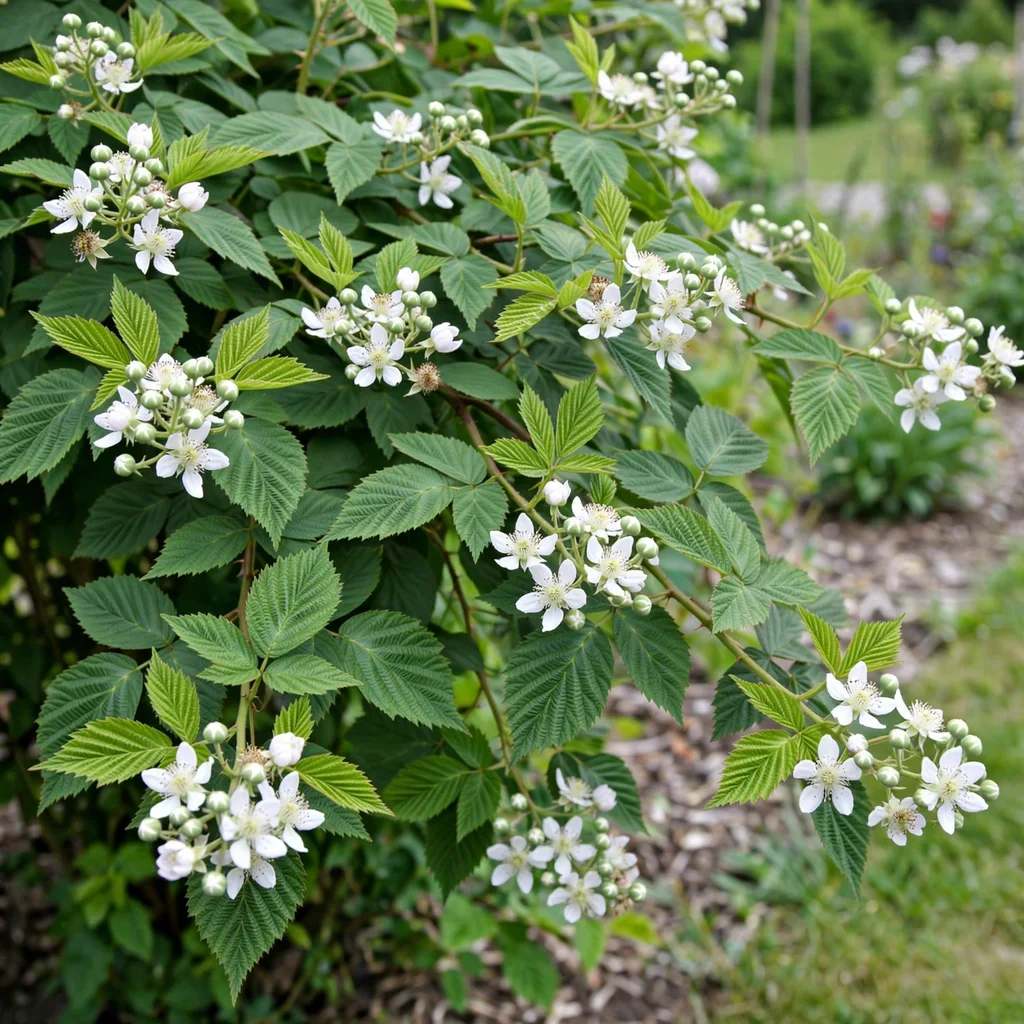
Triple Crown Blackberry
Rubus fruticosus 'Triple Crown'
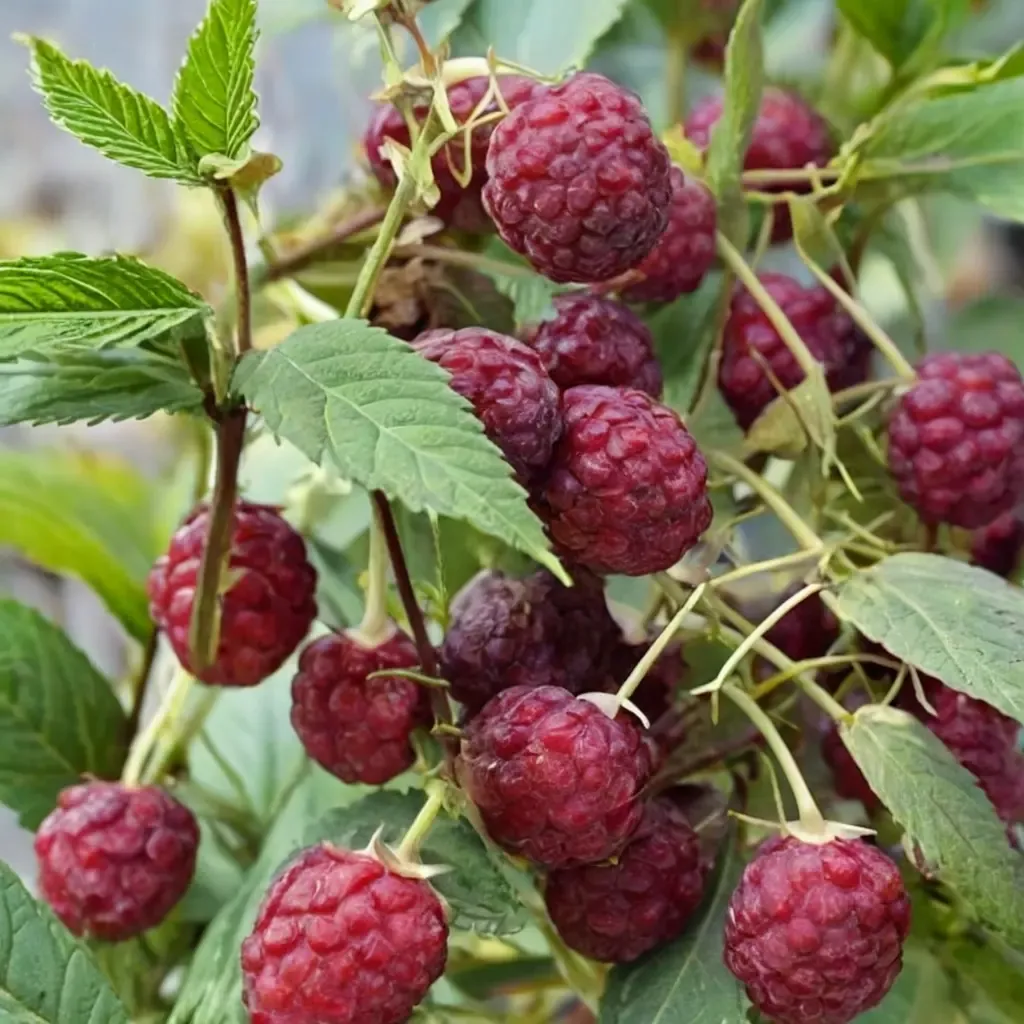
Crimson Night Raspberry
Rubus idaeus 'Crimson Night'
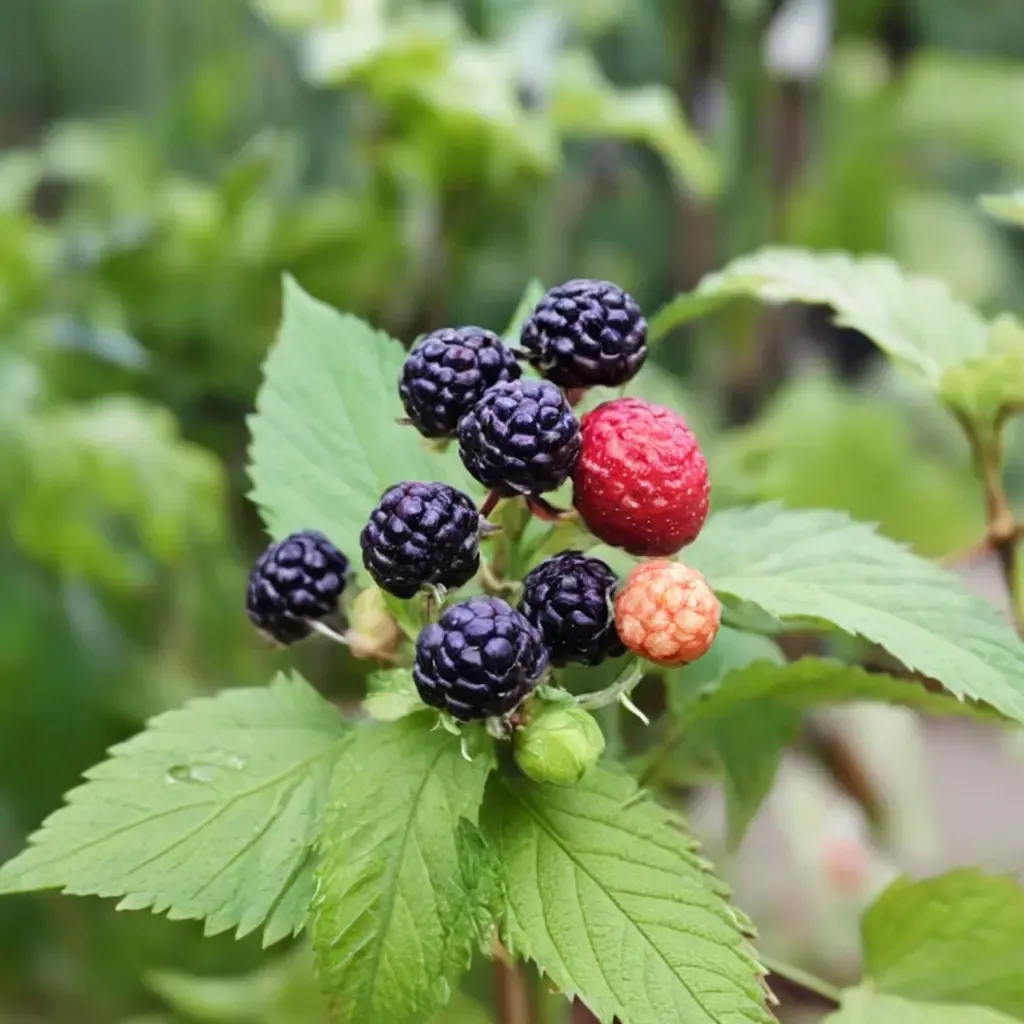
Jewel Black Raspberry
Rubus idaeus 'Jewel'
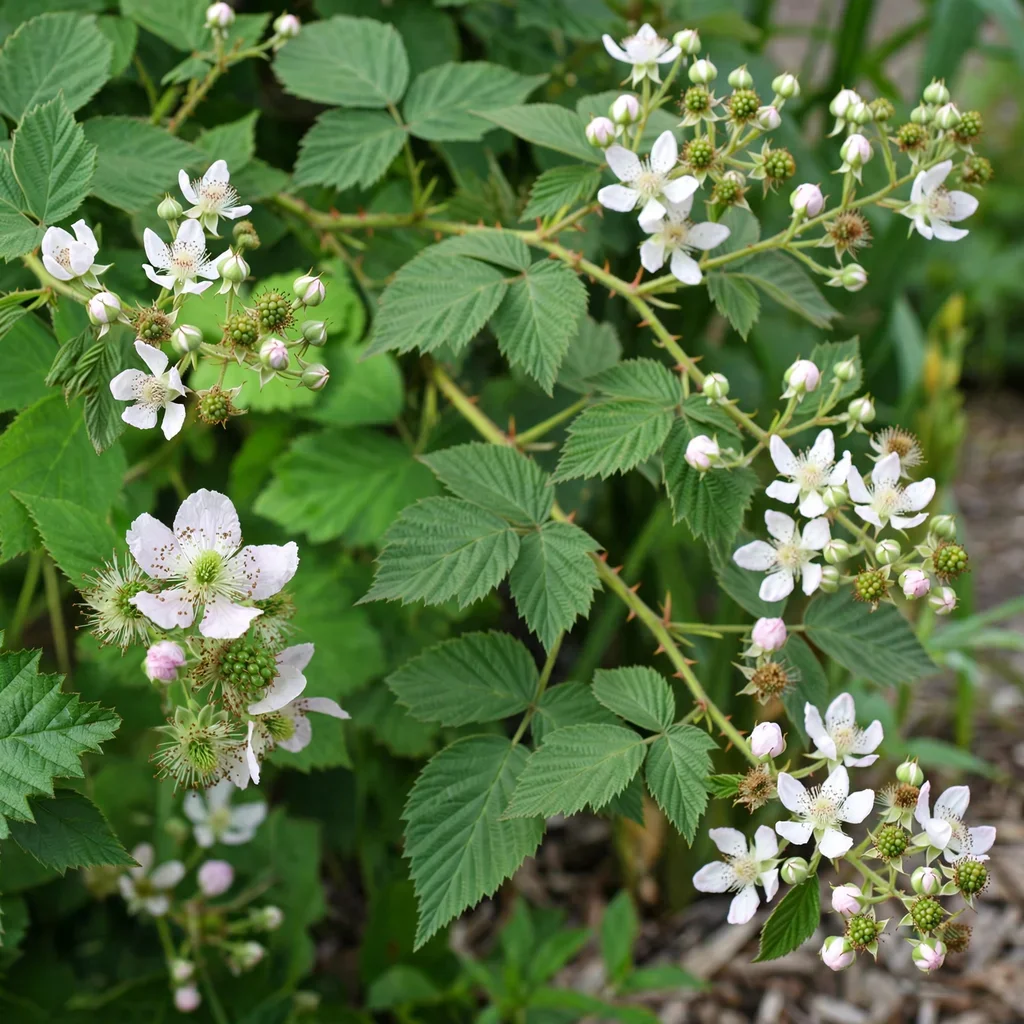
Apache Thornless Blackberry
Rubus fruticosus 'Apache Thornless'
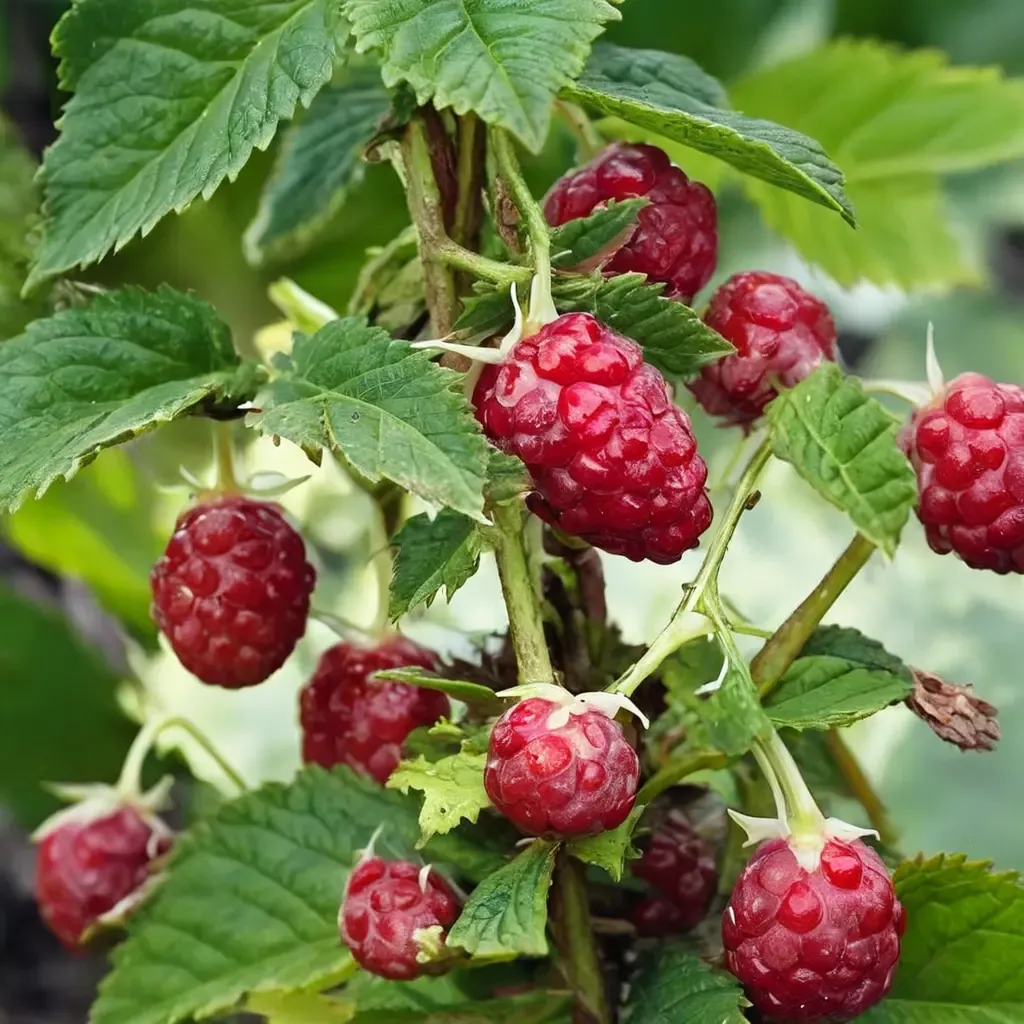
Canby raspberry
Rubus idaeus 'Canby'
Keep exploring
Explore the genus
Hardy in your zone?
Grow Whitebark Raspberry with confidence
See it in a design of your actual yard, get zone-matched care reminders, and track it season by season in your garden journal.