The Story
Plant Bio
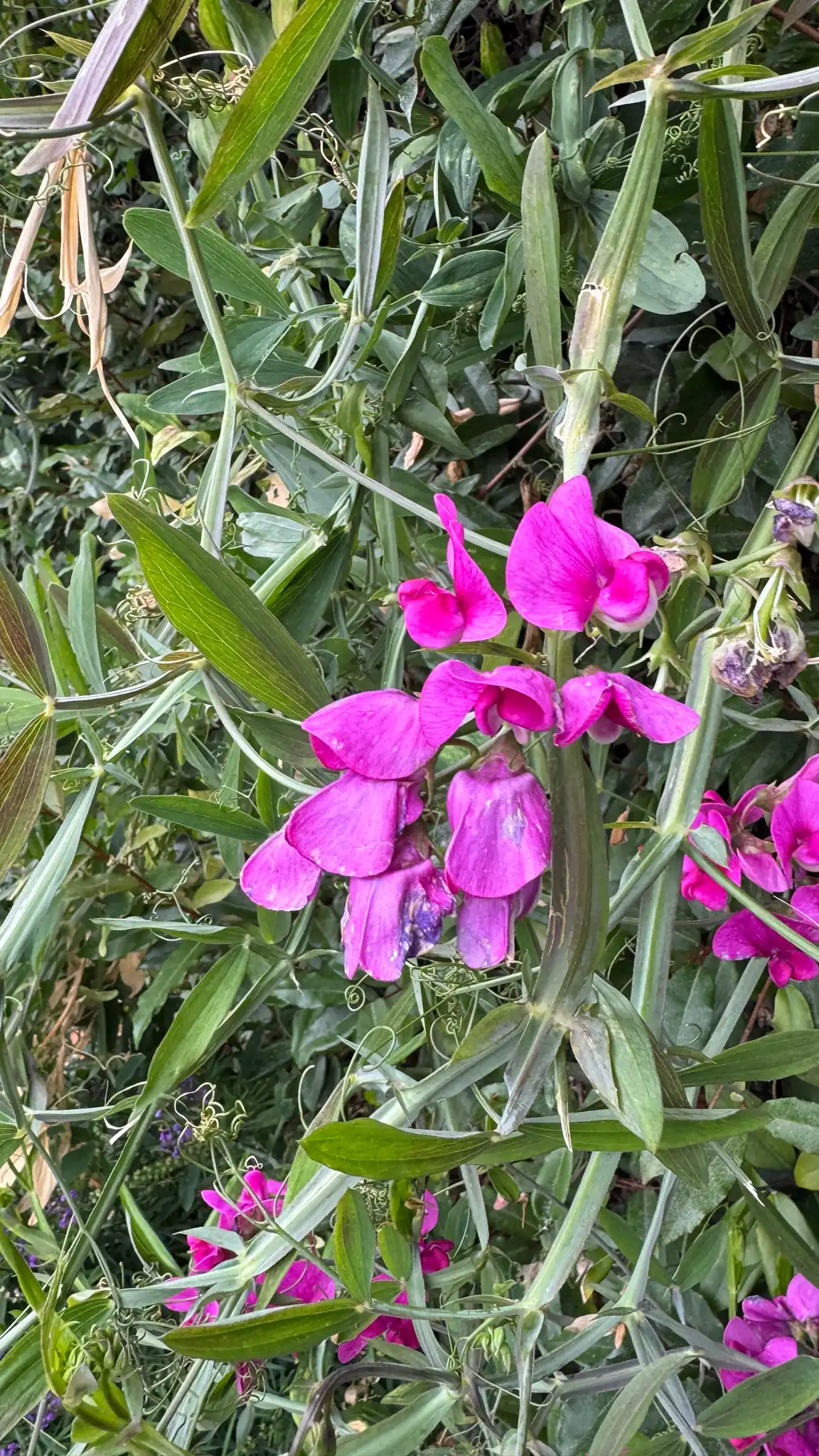
Lathyrus latifolius, the perennial sweet pea, is a long-lived rhizomatous perennial from southern and central Europe and North Africa that trails or climbs to six to nine feet by tendrils. It produces broadly winged stems with paired oval medium-green leaflets and small stipules, dying back in winter and returning from deep roots in spring.
Unlike the annual sweet pea its racemes of six to eleven rose to pink-purple or white pea flowers to an inch across are not fragrant, held on long stalks above the foliage in summer. Flowers are followed by flattened pea pods with toxic seeds, and plants spread by rhizomes and self-seeding to form weedy colonies unless deadheaded and contained.
Uses & Benefits:
Essentials
At a Glance
Plant Type
Vine
Height
108"
Width
72"
Light
Full Sun, Partial Sun
Zones
4, 5, 6, 7, 8
Water
Medium, even moisture
Humidity
Average, with good air circulation
Lifespan
Long-lived perennial
Native To
S. and C. Europe and N. Africa
Toxicity
Toxic seeds and pods if ingested
Bloom period
Summer – Early fall
In flower about 4 months of the year
Planting
How to Grow
- Plant in full sun with light shade tolerated, in cool fertile humusy soil that stays evenly moist but drains freely.
- Set plants in their permanent position in early spring with a trellis, arbor or fence in place; space for good air circulation.
- Water deeply to establish, then water evenly in summer; avoid overhead watering and wetting the foliage.
- Fertilize regularly through the growing season to support continuous bloom.
- Deadhead spent racemes before pods mature and cut back top growth after frost; contain rhizome spread or grow in a large pot.
Pro Tip
Set it in its permanent spot with a sturdy trellis in place; once the deep roots establish it resents transplanting.
Keep It Thriving
Care Guide
Do
- Give full sun and good air circulation for cool summers
- Keep soil evenly moist with deep watering at the base
- Provide a sturdy trellis at planting
Don't
- Do not move established plants with deep roots
- Do not let pods mature and self-seed where it naturalizes
- Do not water overhead or leave plants sitting wet
Seasonal Care Calendar
| Task | Jan | Feb | Mar | Apr | May | Jun | Jul | Aug | Sep | Oct | Nov | Dec |
|---|---|---|---|---|---|---|---|---|---|---|---|---|
| Deadhead | ||||||||||||
| Fertilize | ||||||||||||
| Pest Check | ||||||||||||
| Plant | ||||||||||||
| Stake |
Watch Out For
Pests & Diseases
Common Pests
Common Diseases
In the Garden
Landscape Uses & Companions
Landscape Uses
Companion Plants
Multiply
Propagation Methods
Good to Know
Common Questions
Perennial Sweet Pea questions
What zones can Perennial Sweet Pea grow in?
Perennial Sweet Pea is hardy in USDA Zones 4–8: in that range it survives winter in the ground. Warmer than Zone 8, winter isn't the problem: it prefers colder winters, and summer heat can shorten its life.
Is Perennial Sweet Pea deer resistant?
Yes — Perennial Sweet Pea is rated deer-resistant. Deer typically pass it over, though extreme hunger can override any plant's defenses.
When does Perennial Sweet Pea bloom?
Perennial Sweet Pea typically blooms from early summer to early fall. Exact timing shifts a week or two with your zone — Sow's bloom calendar maps it to your garden.
Does Perennial Sweet Pea need full sun?
Perennial Sweet Pea does best in full sun to part shade. In hot climates, afternoon shade keeps blooms fresher longer.
Is Perennial Sweet Pea drought tolerant?
Yes — once established (usually after the first full season), Perennial Sweet Pea handles dry spells with minimal watering. Water deeply its first year to build the root system that makes that possible.
More Lathyrus to compare
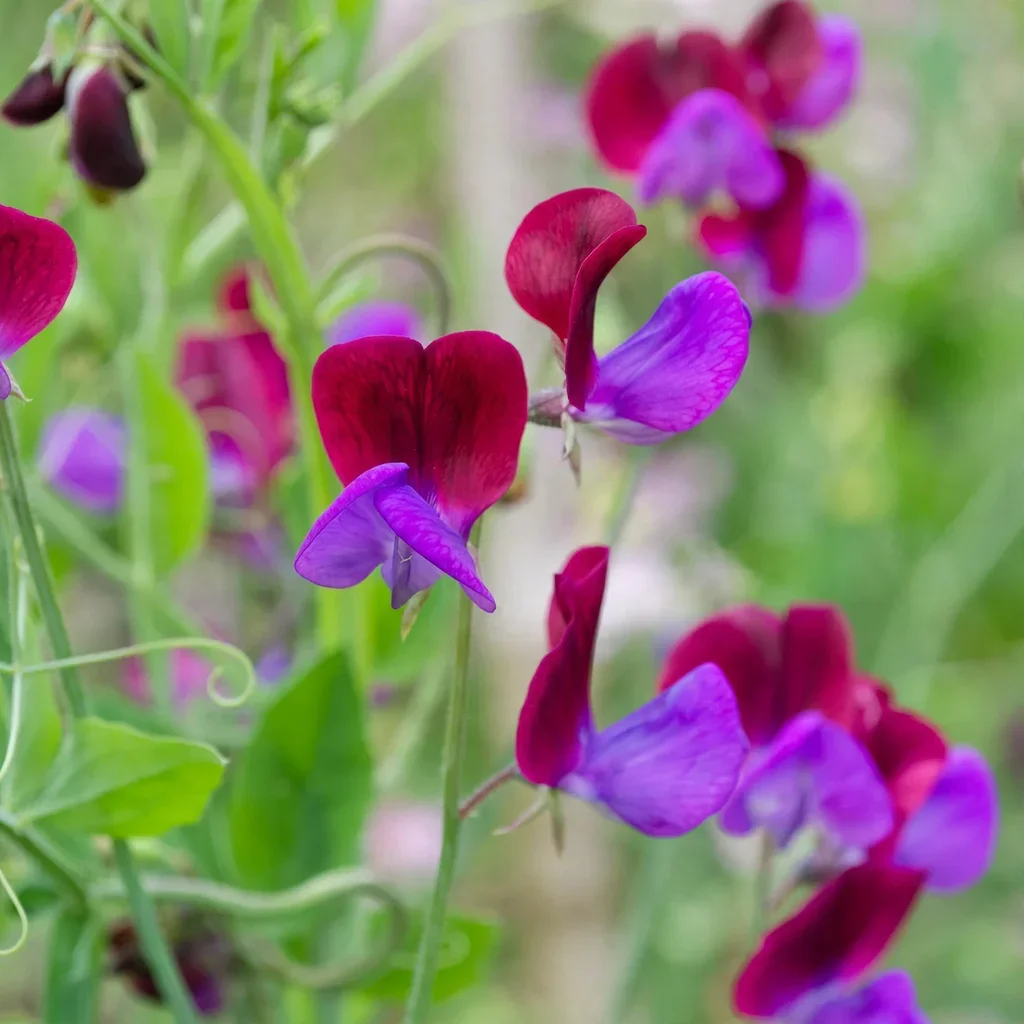
Cupani Sweet Pea
Lathyrus odoratus 'Cupani'
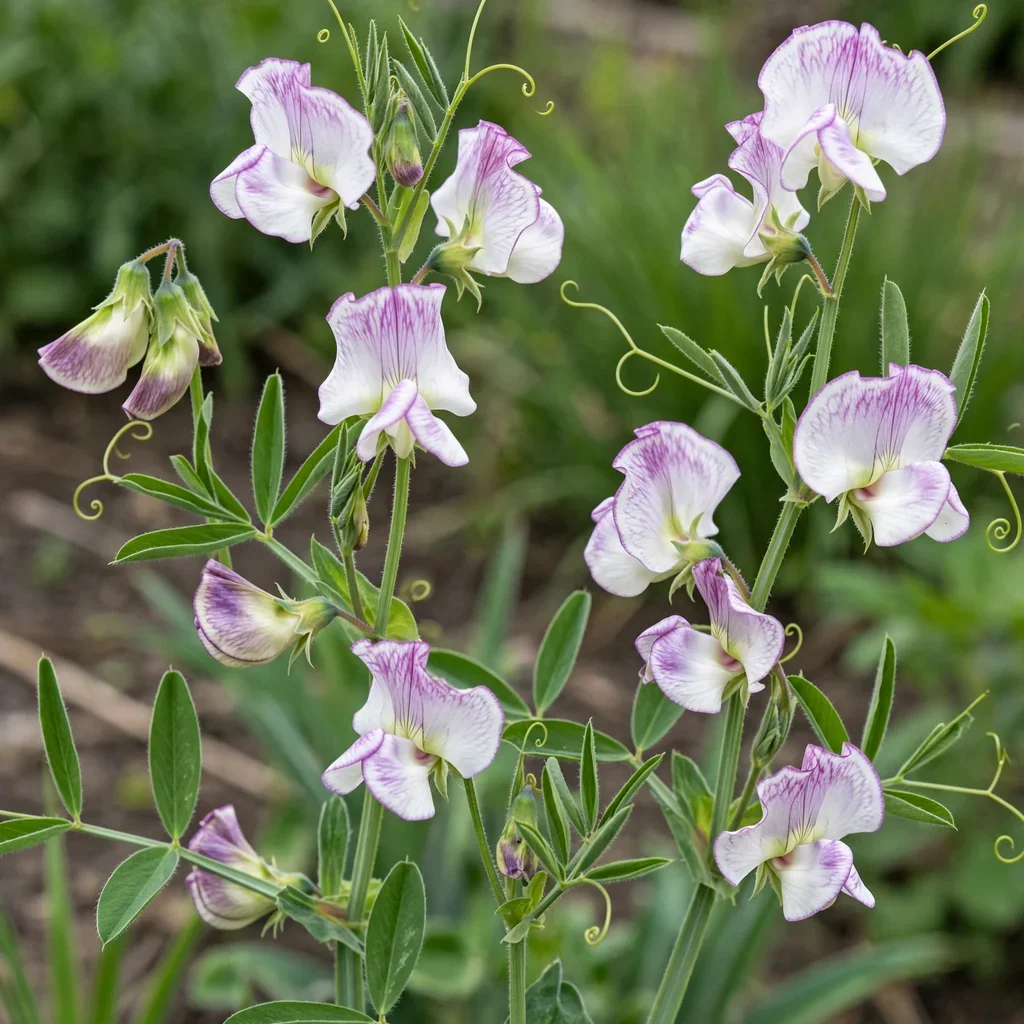
Pulsar Sweet Pea
Lathyrus odoratus 'Pulsar'
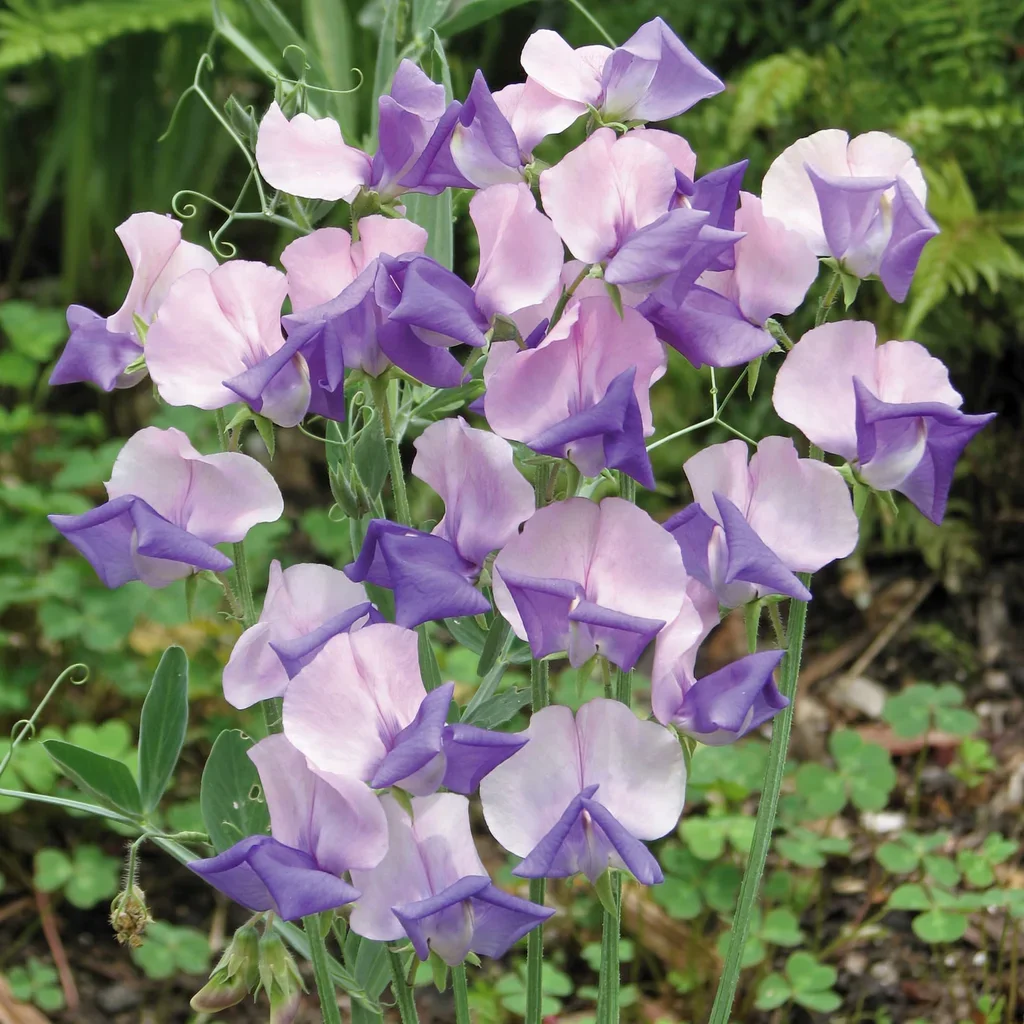
Erewhon Sweet Pea
Lathyrus x belinensis 'Erewhon'
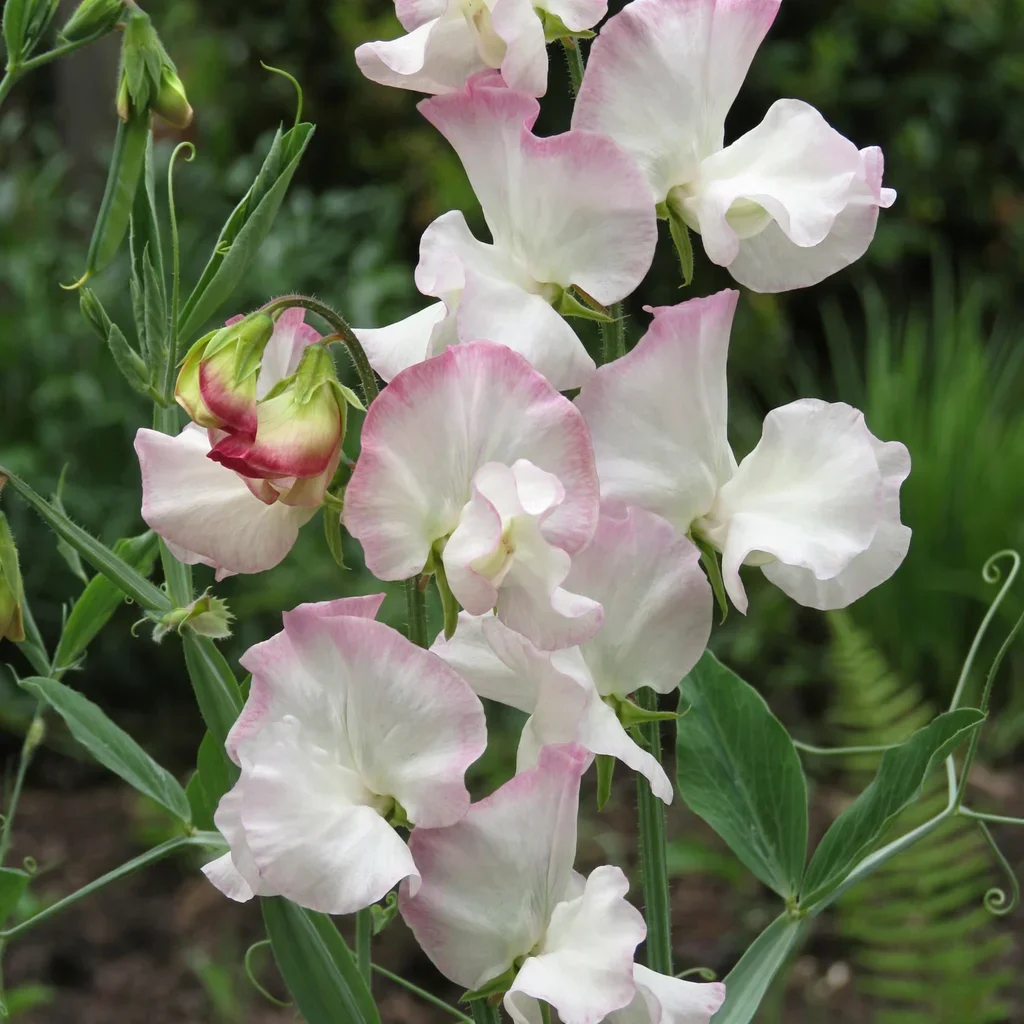
Sweet Pea 'High Society'
Lathyrus odoratus 'High Society'
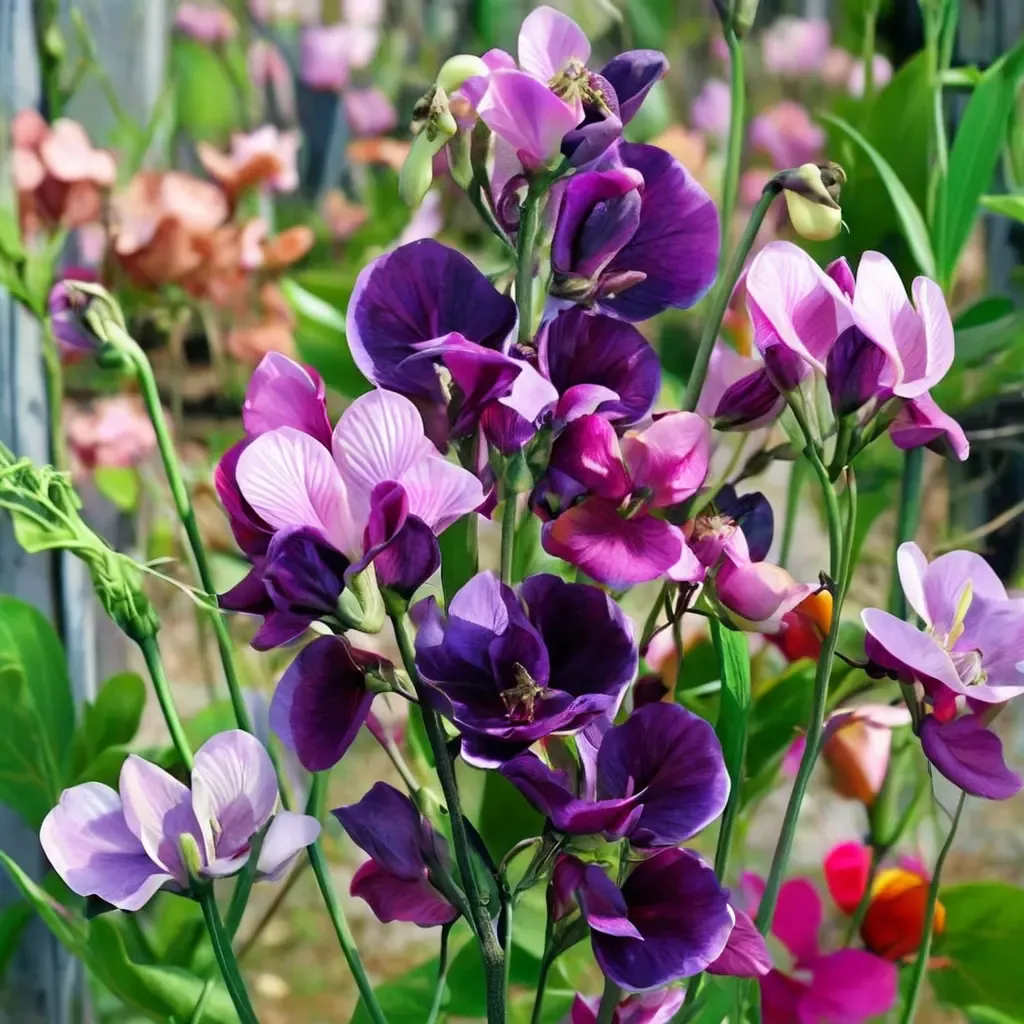
Sweet Pea
Lathyrus odoratus
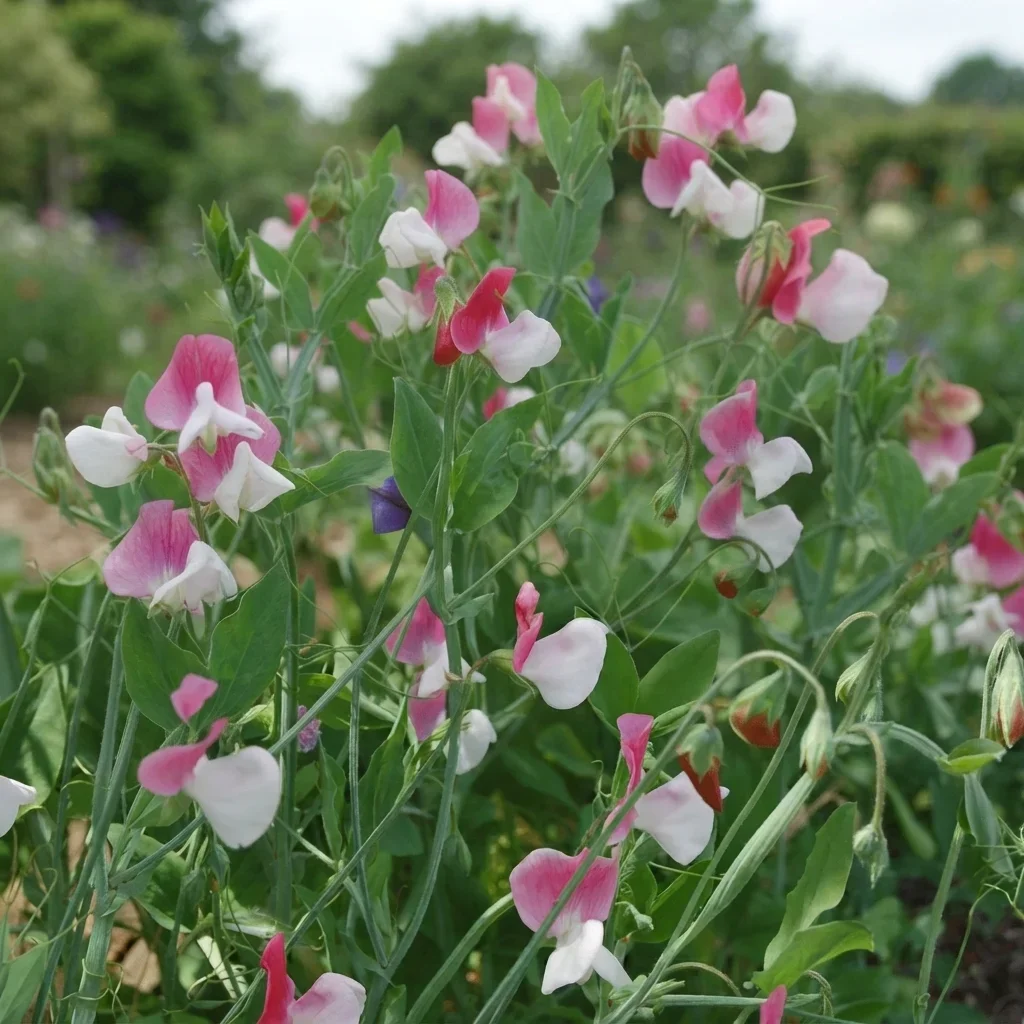
Painted Lady Sweet Pea
Lathyrus odoratus 'Painted Lady'
Keep exploring
Explore the genus
Hardy in your zone?
Grow Perennial Sweet Pea with confidence
See it in a design of your actual yard, get zone-matched care reminders, and track it season by season in your garden journal.