Zone 5 · winter lows -20°F to -10°F
October garden checklist for Zone 5
Every October job that matters, limited to plants that actually survive Zone 5 winters (-20°F to -10°F). Last frost lands around early May.
Plant in October
Plant bare root or container plants in spring or early fall.


Prune in October
Cut spent flower stalks back to the ground after blooming.

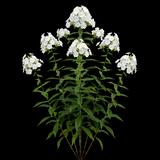
Divide in October
Divide crowded clumps every 3-4 years in spring or fall.

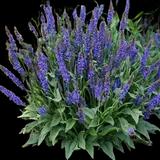
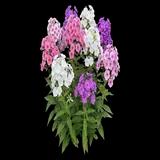

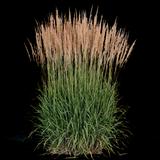
Fertilize in October
Use a balanced liquid fertilizer monthly during active bloom periods

Deadhead in October
Remove spent flower spikes to encourage continuous blooming.

Check for Pests in October
Check for powdery mildew, especially during humid weather.
Propagate in October
Collect mature seeds from dried pods for winter sowing


Harvest in October
Harvest flowers when fully open for cutting.

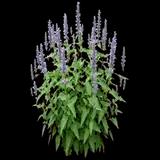
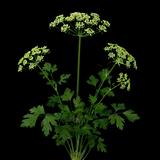
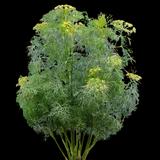
Winter Prep in October
Stop deadheading in fall; leave seed heads for winter interest and to feed birds.
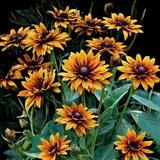


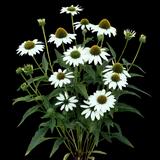

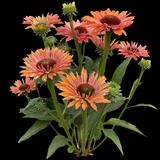
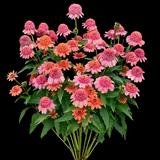

What's blooming in October
In flower around now and hardy in Zone 5.

Frost dates and bloom windows are typical ranges, not guarantees — your microclimate moves them by weeks. Sow uses your real local forecast instead.
October questions
What should I be doing in my Zone 5 garden in October?
The jobs that matter most this month are plant, prune, divide, fertilize. Each section above lists the specific plants that need that job in October, filtered to what survives Zone 5 — drawn from the care schedules of the plants gardeners actually grow.
When is the last frost in Zone 5?
In Zone 5, the last spring frost typically lands around early May and the first fall frost around early October, with winter lows of -20°F to -10°F. Those two dates bracket most planting decisions — check your local forecast before acting on either, since microclimate and elevation shift them by weeks.
What's blooming in October?
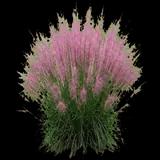
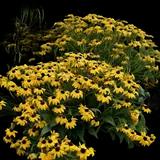
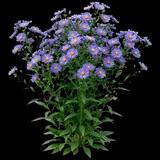
Cheyenne Spirit Coneflower, Pink Muhly Grass, Walker's Low Catmint, American Gold Rush Black-eyed Susan, Purple Dome New England Aster and others are in flower around now in Zone 5. The full list is above.
Keep exploring
Get October's tasks for your own plants
Sow builds this checklist from the plants actually in your yard — and adjusts it to your real forecast, so a wet week skips the watering and a frost warning reaches you first.