Also known as Snakeroot · 73 saves
Ageratina
Ageratina, the genus most gardeners know as snakeroot. We track 3 varieties; the ones most used by real gardeners.
The 3 most-saved Ageratina varieties
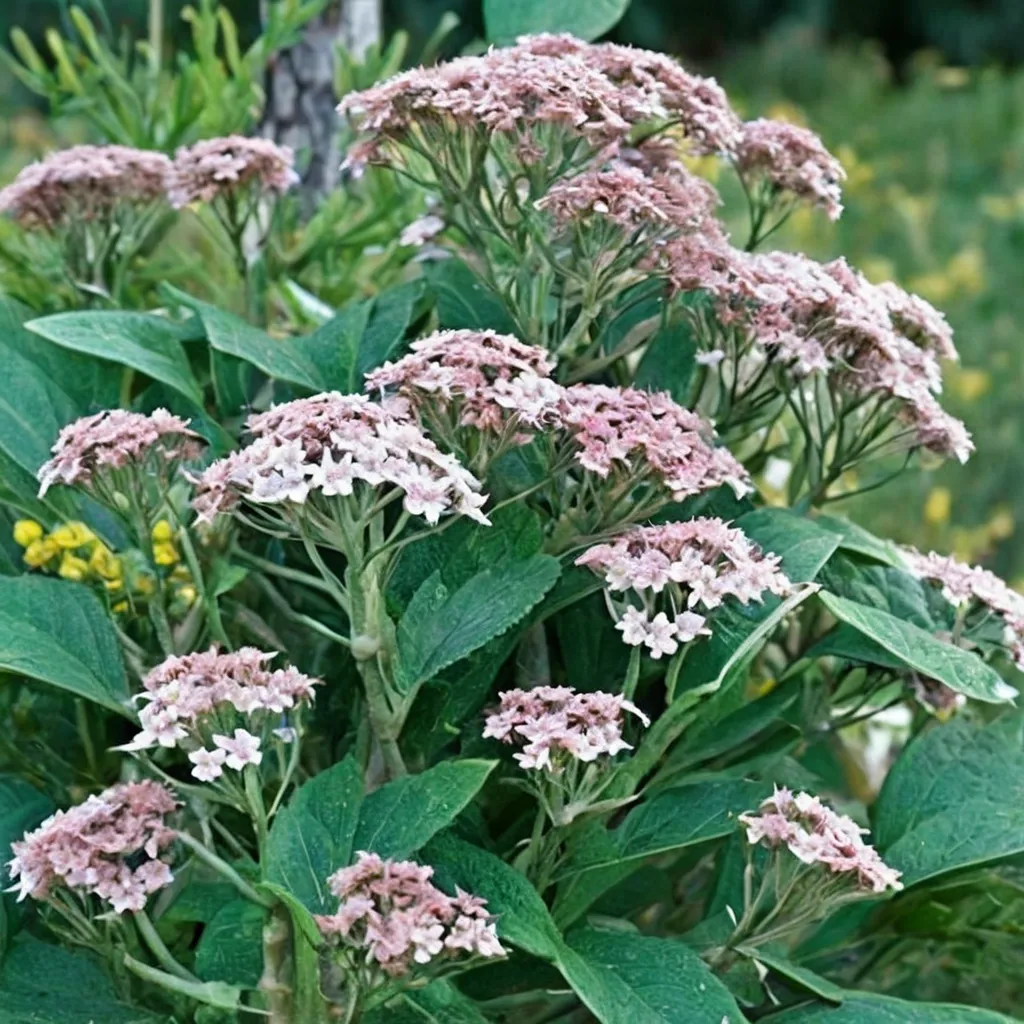
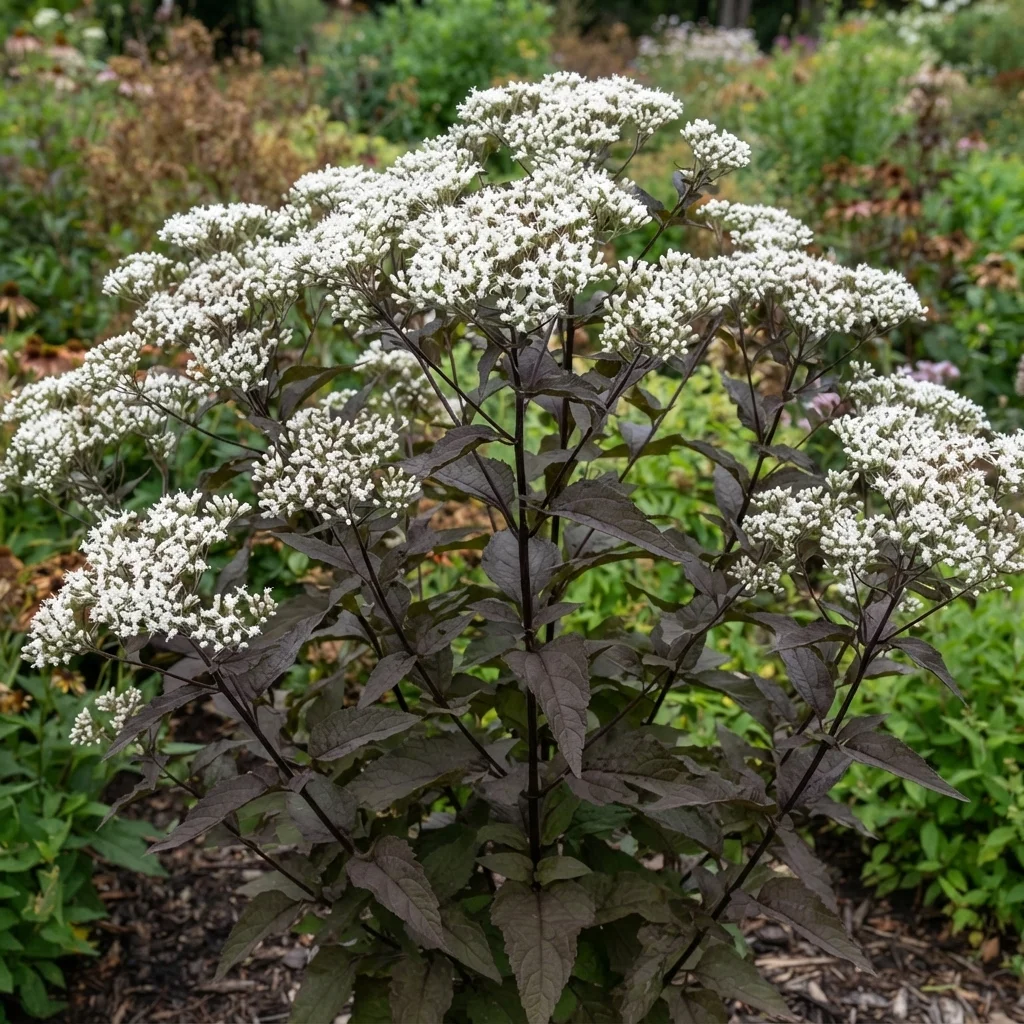
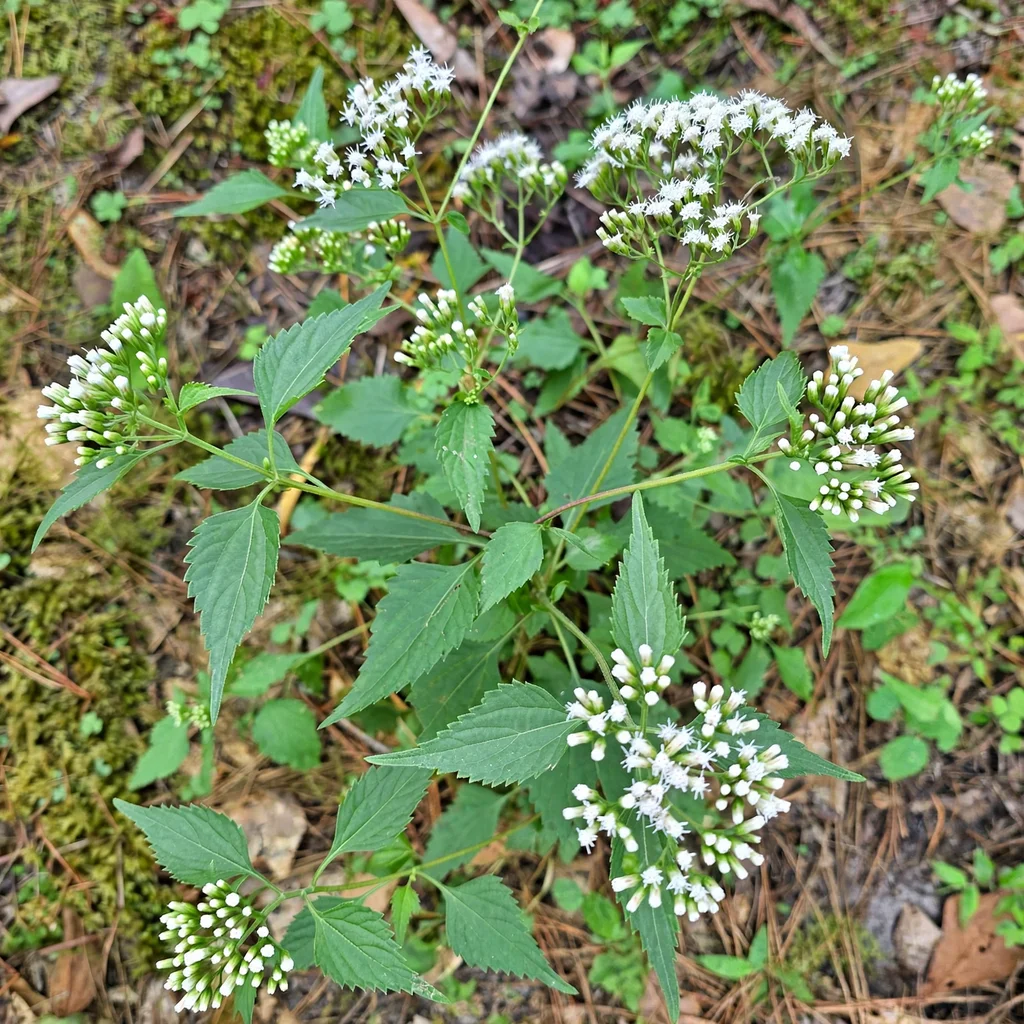
2 species of Ageratina
Each one is a parent of the varieties above.
Track your Ageratina in Sow
Save the Ageratina you grow and get care reminders timed to your zone.
How to grow Ageratina
Whats common across all Ageratina varieties in our catalog — drawn from the care records of the 3 most-grown of them.
The Ageratina year
- DivideApril67% of varieties
Divide overcrowded clumps every three to four years to maintain vigor.
- PruneMarch67% of varieties
Cut last year's dead stems to the woody base before new shoots emerge.


Do
- Pinch back stems in late spring to control height and encourage bushier growth.
- Deadhead spent flower clusters to prevent aggressive self-seeding in garden beds.
- Apply a light layer of compost around the base of the plant each spring.
- Grow in well-drained soil and do not over-fertilize this wildflower.
- Give afternoon shade under pines where summers are hot.
Avoid
- Do not plant in poorly drained, waterlogged soils where stagnant moisture causes root rot.
- Do not apply heavy fertilizers, which trigger weak, floppy vertical growth.
- Do not handle the plant without gloves if you have sensitive skin, as contact can cause irritation.
- Do not plant where children or pets chew plants, as ingestion may cause harm.
What goes wrong with Ageratina
| Problem | What you'll see | What to do |
|---|---|---|
| Aphids | Clusters on shoot tips and leaf undersides curl new growth; usually light and rarely serious on this species. | Dislodge with a sharp spray of water and conserve lady beetles; use insecticidal soap only for persistent colonies. |
| Aphids and Spider Mites | Stippled, discolored leaves or fine webbing on the undersides of the foliage. | Wash the pests away with a strong stream of water or apply insecticidal soap. |
| Powdery mildew | White powder on leaves in crowded, shaded plantings with poor airflow. | Space plants for air movement, water at the base, and remove affected leaves. |
| Powdery Mildew | White, powdery fungal growth coating the leaf surfaces during humid weather. | Improve air circulation by thinning out dense clumps and apply a sulfur-based spray if severe. |
| Root Rot | Wilting, stunted growth, and decayed, blackened roots. | Ensure the soil is well-drained and avoid overwatering. |
Making more Ageratina
Division
- Dig up mature clumps in early spring just as new growth begins to emerge.
- Use a sharp spade or knife to divide the root mass into smaller sections, ensuring each has healthy rhizomes and buds.
- Replant the divisions immediately into moist, humus-rich soil at the original depth.
- Water thoroughly to settle the soil around the newly divided roots.
Seed
- Collect fresh seeds from spent flower heads in late autumn.
- Sow seeds directly into a prepared outdoor seedbed or cold frame.
- Maintain consistent moisture without allowing the soil to become waterlogged.
- Transplant young seedlings to their permanent garden positions in spring.
Ageratina questions
How many types of Ageratina are there?
The Sow catalog tracks 3 distinct Ageratina varieties. The most popular — ranked by 73 real gardeners — are shown first above.
What zones does Ageratina grow in?
Across its varieties, Ageratina covers USDA Zones 4–10. Individual varieties differ — each plant page lists its exact range, and Sow filters the catalog to your zone automatically.
When does Ageratina bloom?
Most Ageratina varieties bloom from mid-summer to late fall.
Which Ageratina should I choose?
Start from the most-saved varieties above — popularity across thousands of gardens is a strong signal of reliability — then filter by your zone and sun. In the Sow app you can preview any of them in a photo of your actual yard before you buy.