1 saves
Chromolaena
We track 3 varieties; the ones most used by real gardeners.
The 3 most-saved Chromolaena varieties
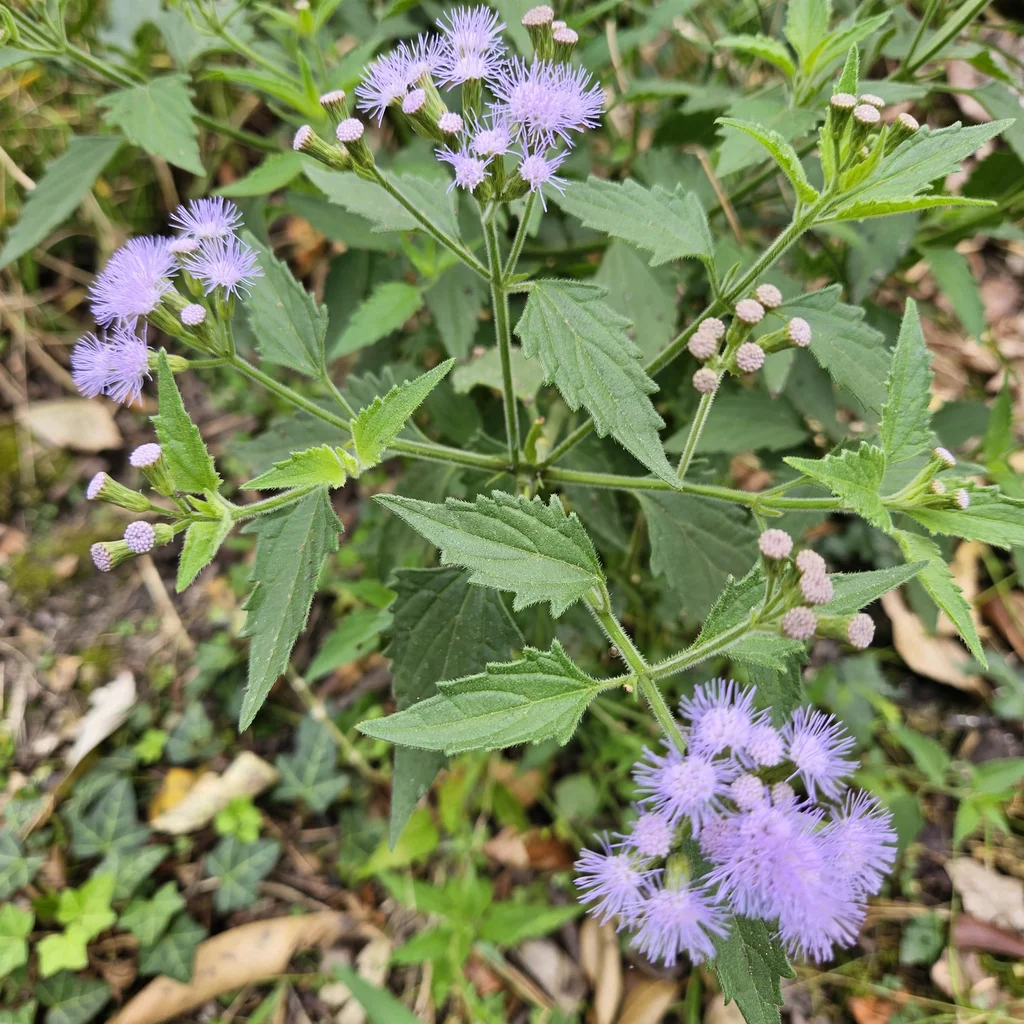
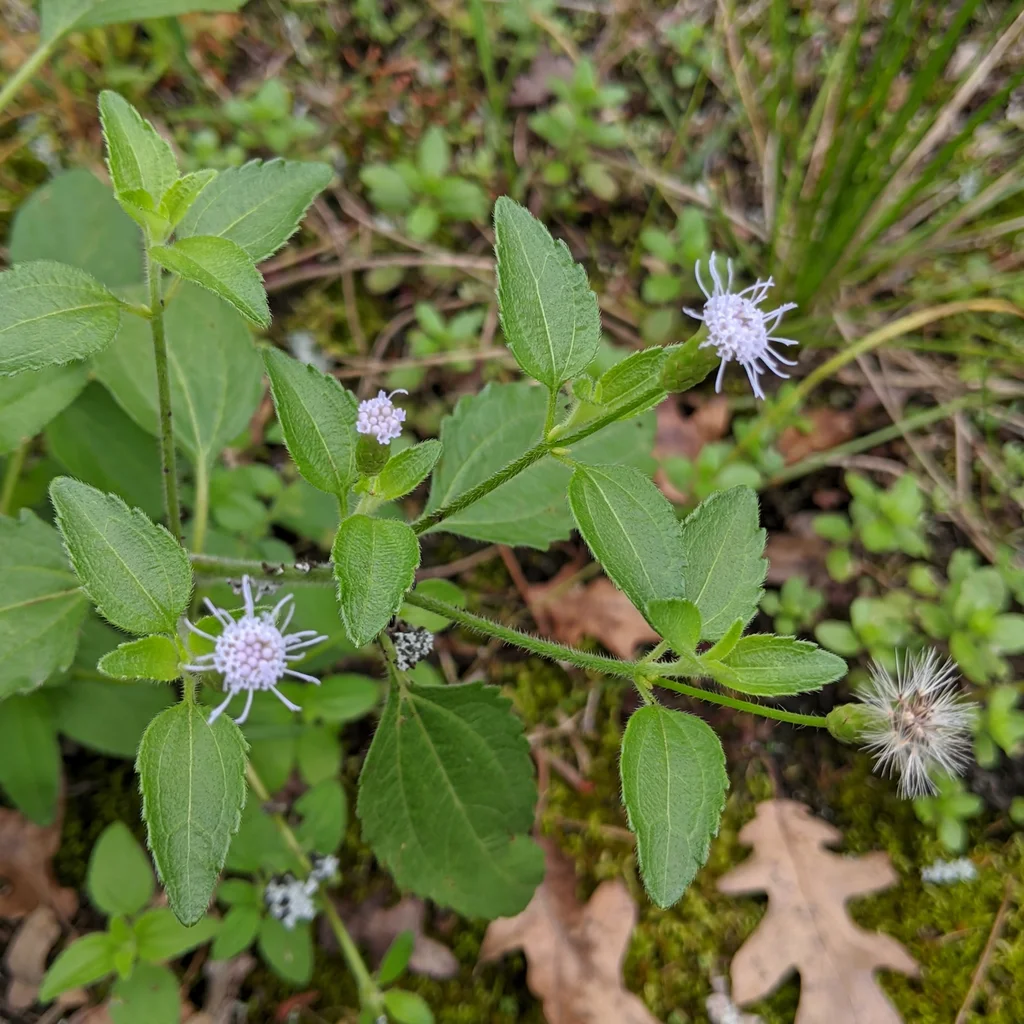
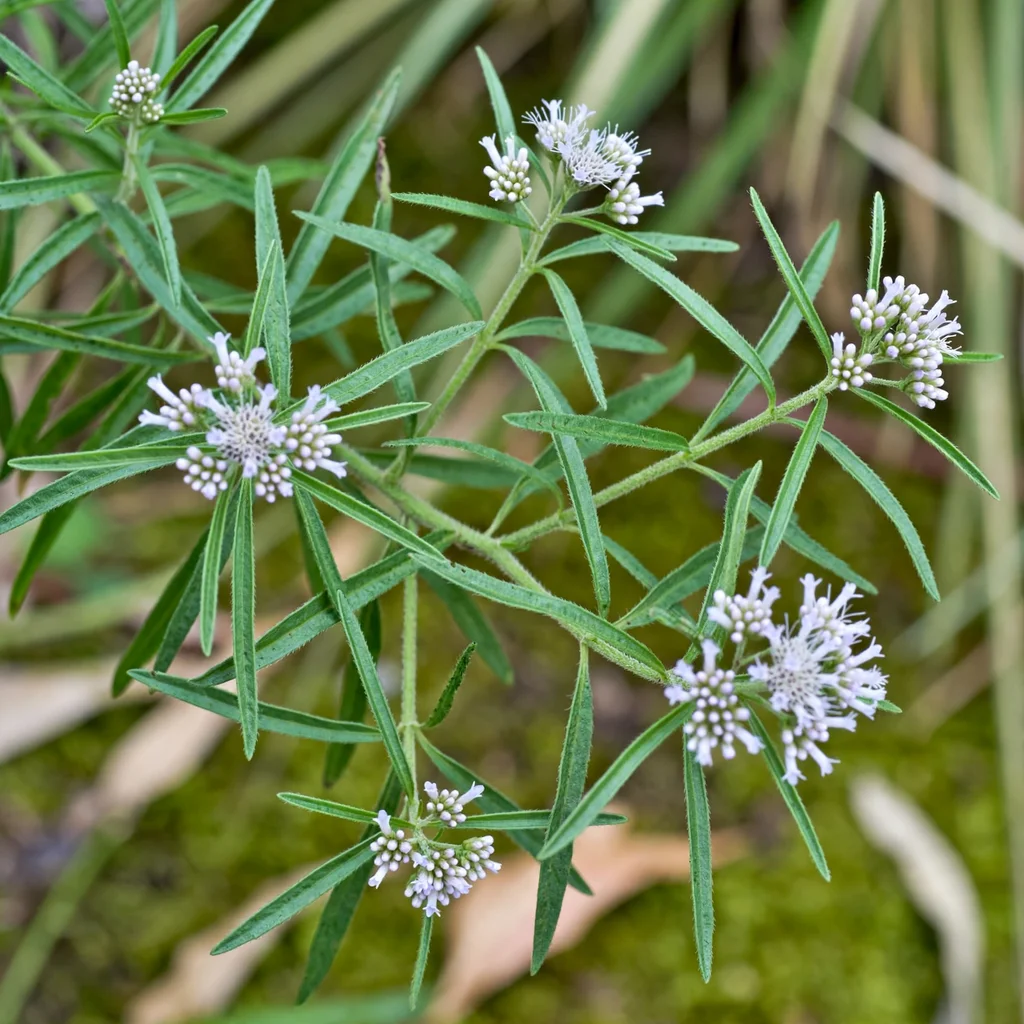
3 species of Chromolaena
Each one is a parent of the varieties above.
Track your Chromolaena in Sow
Save the Chromolaena you grow and get care reminders timed to your zone.
How to grow Chromolaena
Whats common across all Chromolaena varieties in our catalog — drawn from the care records of the 3 most-grown of them.
The Chromolaena year
- PlantMarch and April100% of varieties
Set out nursery plugs after frost danger in porous limestone or sand.
- PruneFebruary and March100% of varieties
Lightly trim dead stems and spent heads before spring growth; do not cut into old leafless wood.
- DeadheadOctober and November100% of varieties
Clip spent flower spikes to keep plants tidy after the fall flush.
- Check for PestsJune and July100% of varieties
Check shoot tips and leaf undersides for aphids and spider mites during summer heat.


Do
- Give full sun with some afternoon shade and sharp drainage in limestone or sand.
- Water deeply during establishment, then reduce to infrequent drought-tolerant watering.
- Weed out competing exotics by hand to reduce competition for light and water.
- Plant in full sun to part shade in sharply drained soil.
- Leave fall flowers for pollinators and seed-eating birds.
Avoid
- Don't plant in heavy clay or low ground that holds water around the crown.
- Don't shear hard into old leafless wood; regrowth from bare stems is slow.
- Don't collect seed or plants from the wild; use nursery-propagated stock only.
- Do not plant outside southeast Texas and Florida.
What goes wrong with Chromolaena
| Problem | What you'll see | What to do |
|---|---|---|
| Aphids | Clusters on shoot tips and leaf undersides with distorted growth and sticky honeydew. | Rinse off with a strong jet of water and conserve lady beetles and lacewings; use insecticidal soap only on heavy outbreaks. |
| Spider mites | Stippled pale leaves and fine webbing in hot dry weather. | Spray foliage with water to dislodge mites and prune out heavily infested tips; avoid broad-spectrum insecticides. |
| Root and crown rot | Wilting and stem blackening at the base in soggy soil. | Grow in high-drainage limestone or sand, plant high, and allow soil to dry between waterings. |
| Powdery mildew | White powder on leaves in crowded, humid plantings. | Space for airflow and cut back affected stems; rarely serious and seldom needs spray. |
Making more Chromolaena
Seed
- Collect seed only from nursery-grown plants where permitted.
- Sow fresh seed on the surface of fast-draining sand and limestone grit.
- Keep warm and evenly moist until germination, then reduce water.
- Transplant seedlings to individual containers once roots fill the cell.
Stem cuttings
- Take 3- to 4-inch tip cuttings from firm new growth in summer.
- Strip lower leaves and insert into moist sand and perlite.
- Hold warm with high humidity and bright indirect light until rooted.
- Harden off and move to porous alkaline mix in full sun.
Chromolaena questions
How many types of Chromolaena are there?
The Sow catalog tracks 3 distinct Chromolaena varieties. The most popular — ranked by 1 real gardeners — are shown first above.
What zones does Chromolaena grow in?
Across its varieties, Chromolaena covers USDA Zones 8–10. Individual varieties differ — each plant page lists its exact range, and Sow filters the catalog to your zone automatically.
When does Chromolaena bloom?
Most Chromolaena varieties bloom from summer to fall.
Which Chromolaena should I choose?
Start from the most-saved varieties above — popularity across thousands of gardens is a strong signal of reliability — then filter by your zone and sun. In the Sow app you can preview any of them in a photo of your actual yard before you buy.