Also known as Yellow Buttons · 38 saves
Chrysocephalum
Chrysocephalum, the genus most gardeners know as yellow buttons. We track 3 varieties; the ones most used by real gardeners.
The 3 most-saved Chrysocephalum varieties
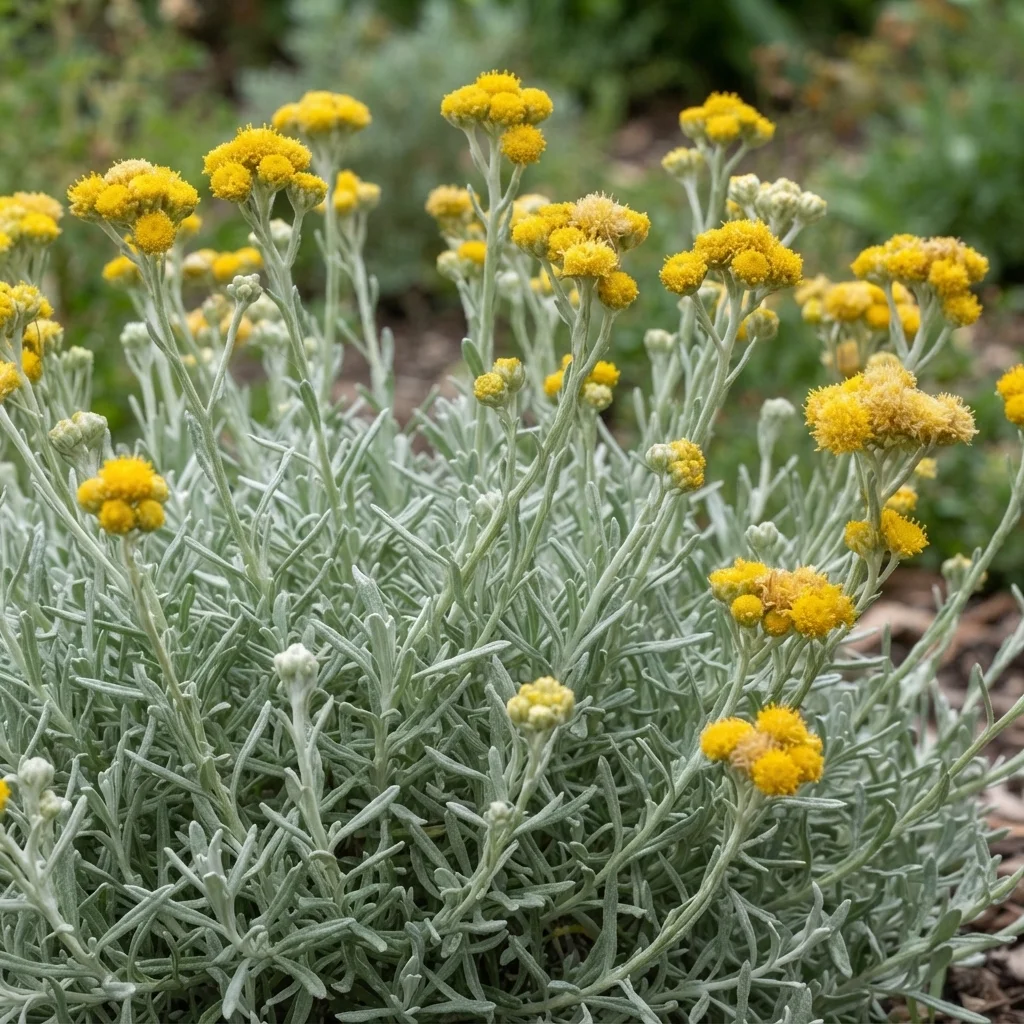
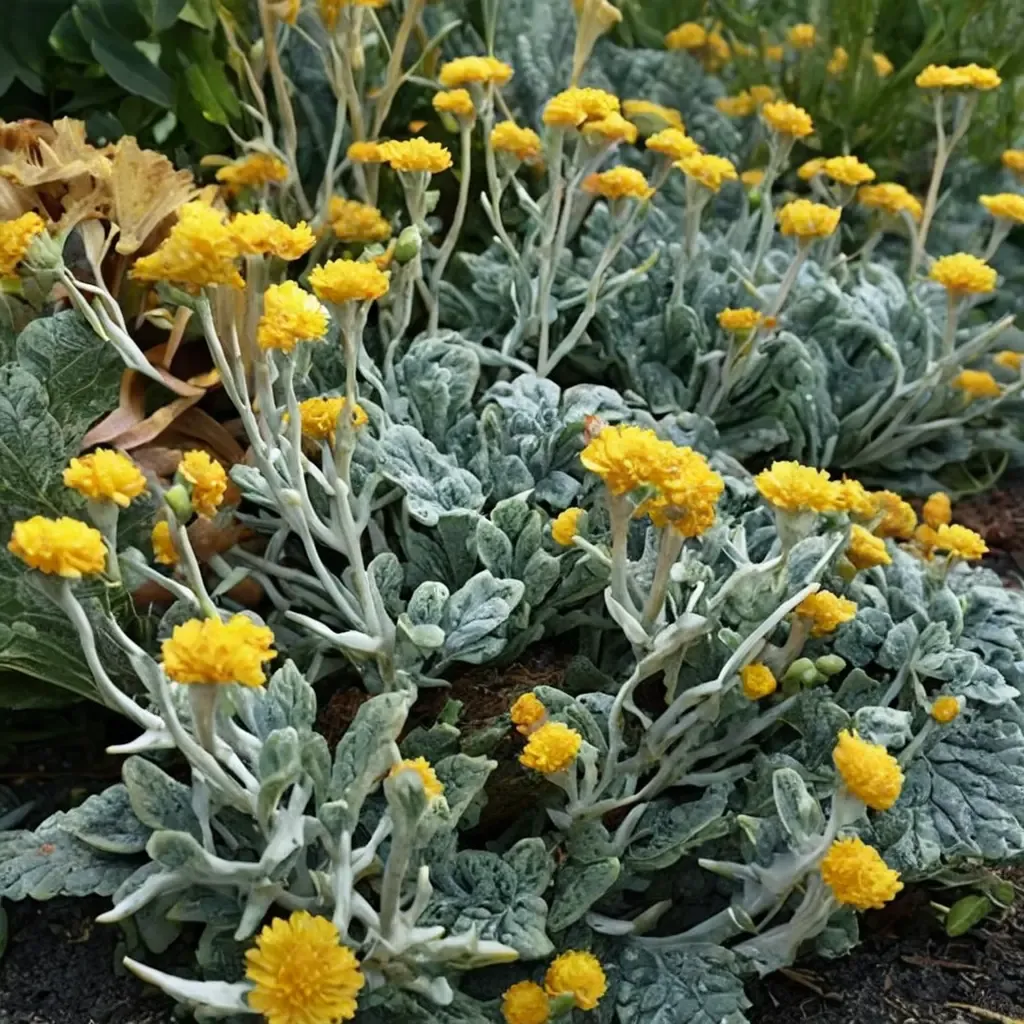
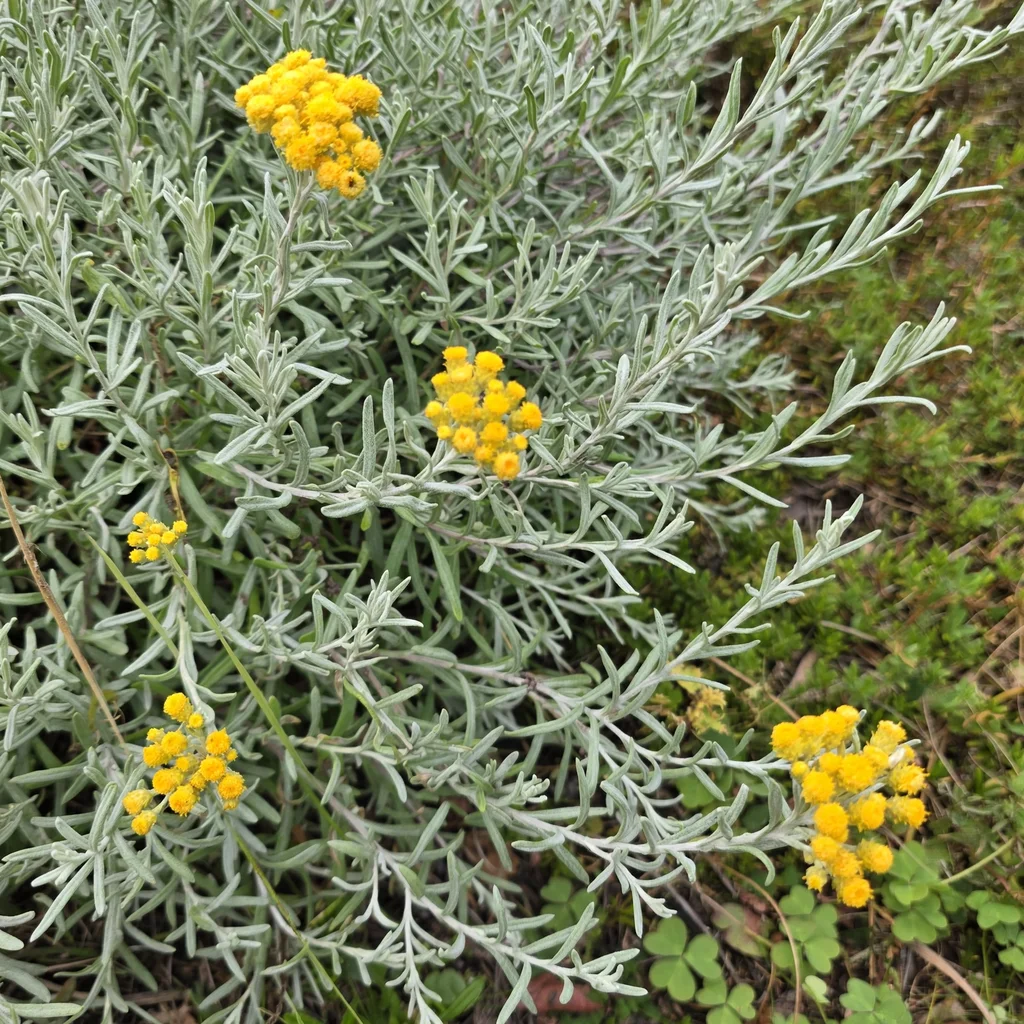
2 species of Chrysocephalum
Each one is a parent of the varieties above.
Track your Chrysocephalum in Sow
Save the Chrysocephalum you grow and get care reminders timed to your zone.
How to grow Chrysocephalum
Whats common across all Chrysocephalum varieties in our catalog — drawn from the care records of the 3 most-grown of them.
The Chrysocephalum year
- PruneMarch and October100% of varieties
Cut back by up to one-third in late winter to maintain shape
- FertilizeApril100% of varieties
Apply a light, balanced fertilizer in early spring
- DivideMarch and April67% of varieties
Divide clumps every 3-4 years in early spring
- Check for PestsJune and July67% of varieties
Monitor foliage for spider mites and aphids during warm, dry summer months.


Do
- Water regularly during dry spells 🌱
- Provide full sun for optimal flowering
- Deadhead to encourage more blooms
- Apply a balanced fertilizer monthly
- Grow in raised beds or rock gardens if your native soil is heavy clay.
Avoid
- Overwater to prevent root rot ❌
- Plant in shady areas — it prefers full sun
- Ignore deadheading — it reduces flowering
- Use heavy, clay soil without amendments ❌
What goes wrong with Chrysocephalum
| Problem | What you'll see | What to do |
|---|---|---|
| Aphids | Sticky residue and distorted leaves | Apply neem oil or insecticidal soap |
| Spider mites | Fine webbing on leaf undersides and stippled, yellowing foliage, especially during hot, dry spells. | Increase air circulation and blast the undersides of foliage with a sharp stream of water, or apply insecticidal soap in severe cases. |
| Deer and rabbits | Browsed green shoots and clipped stems. | Protect young plants with wire physical barriers or apply taste repellents. |
| Root rot | Sudden wilting, yellowing, and collapse of the plant, with mushy, blackened roots at the soil line. | Remove infected plants immediately, improve soil drainage, and strictly reduce watering frequency. |
| Powdery mildew | A white, powdery fungal coating on the leaf surfaces, usually occurring in humid, stagnant air. | Space plants to maximize air circulation, water only at the base, and prune away heavily affected foliage. |
| Powdery Mildew | White powder on leaves | Improve air circulation and apply fungicide |
Making more Chrysocephalum
seeds
- Tuck seeds into moist soil in early spring.
- Keep soil moist for 2-3 weeks until germination occurs.
- Thin seedlings to prevent overcrowding after emergence.
cuttings
- Select healthy non-flowering stem segments in late spring.
- Dip cuttings in rooting hormone and plant in moist, well-draining soil.
- Maintain high humidity and keep in indirect light for 6 weeks.
Chrysocephalum questions
How many types of Chrysocephalum are there?
The Sow catalog tracks 3 distinct Chrysocephalum varieties. The most popular — ranked by 38 real gardeners — are shown first above.
What zones does Chrysocephalum grow in?
Across its varieties, Chrysocephalum covers USDA Zones 8–10. Individual varieties differ — each plant page lists its exact range, and Sow filters the catalog to your zone automatically.
When does Chrysocephalum bloom?
Most Chrysocephalum varieties bloom from spring to fall.
Which Chrysocephalum should I choose?
Start from the most-saved varieties above — popularity across thousands of gardens is a strong signal of reliability — then filter by your zone and sun. In the Sow app you can preview any of them in a photo of your actual yard before you buy.