Also known as Blue-eyed Mary · 19 saves
Collinsia
Collinsia, the genus most gardeners know as blue-eyed mary. We track 4 varieties; the ones most used by real gardeners.
The 4 most-saved Collinsia varieties
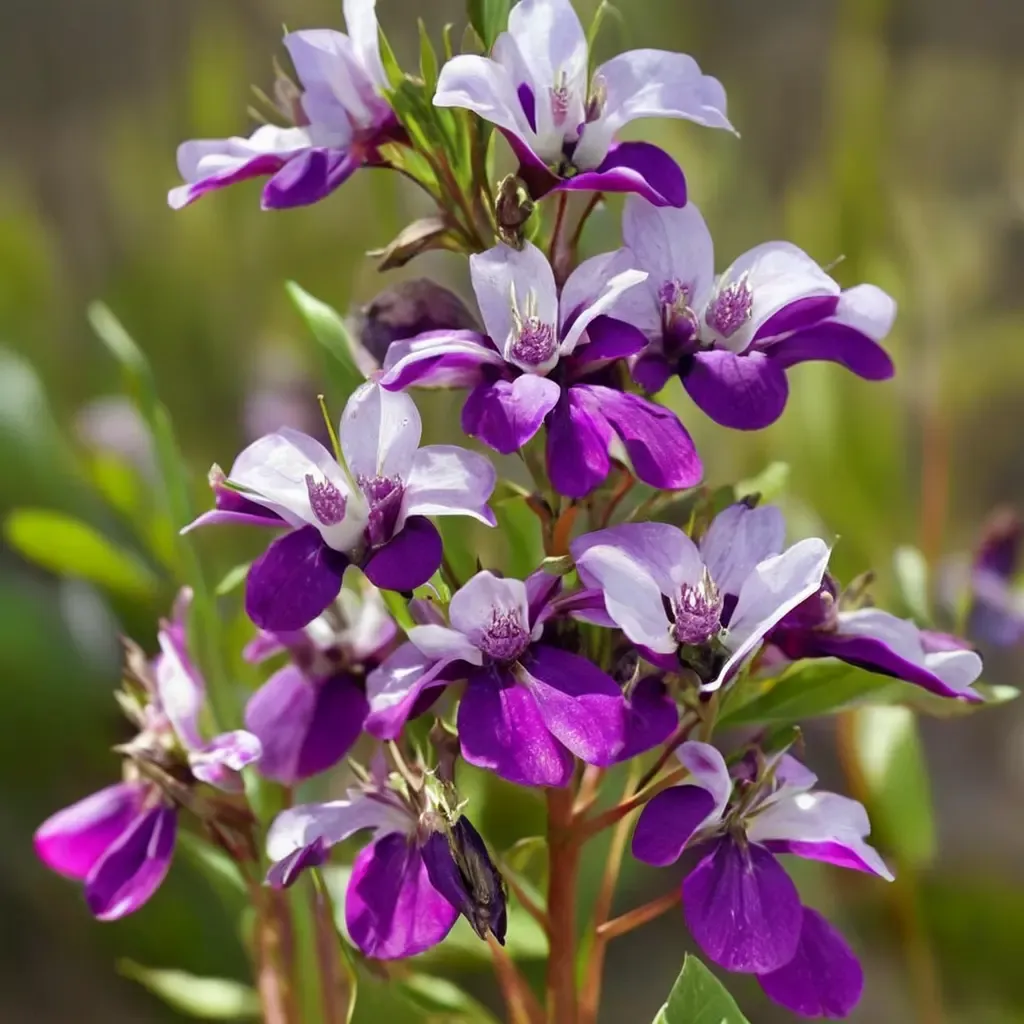
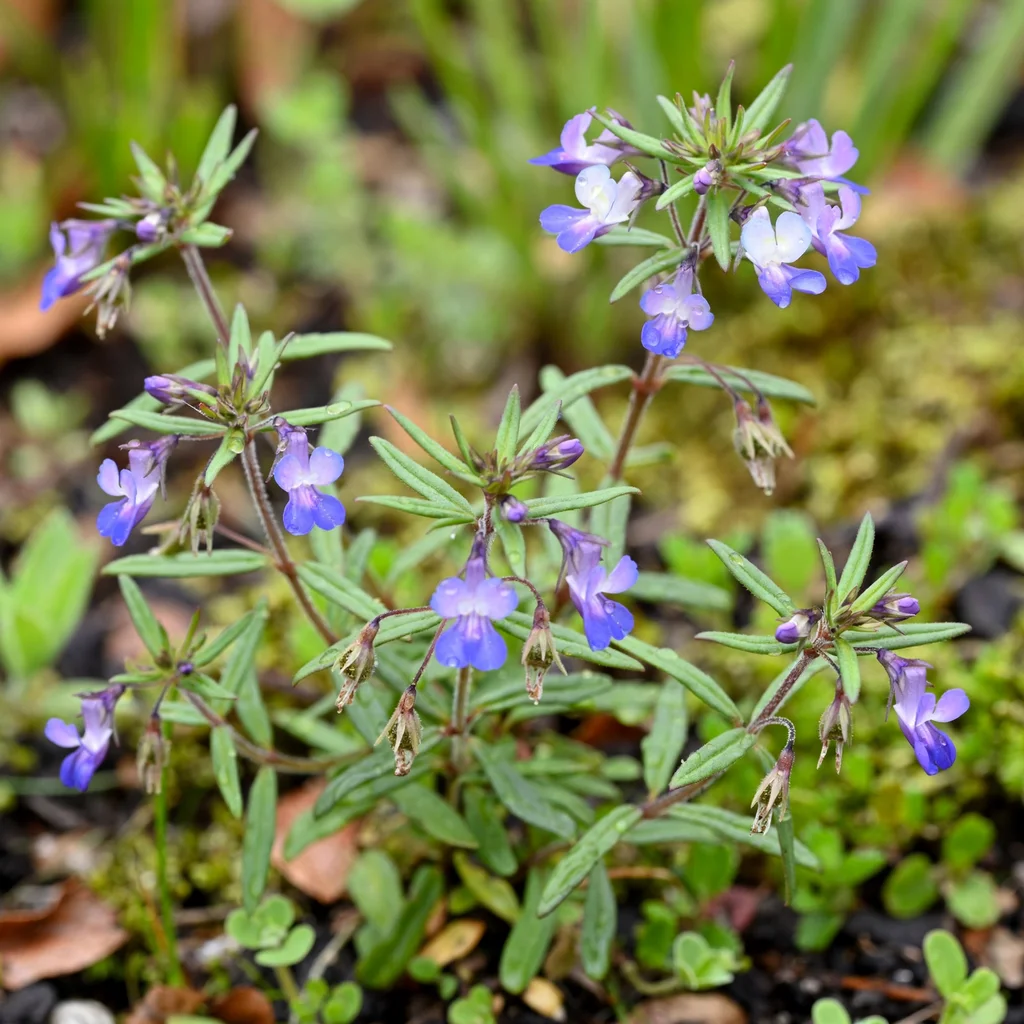
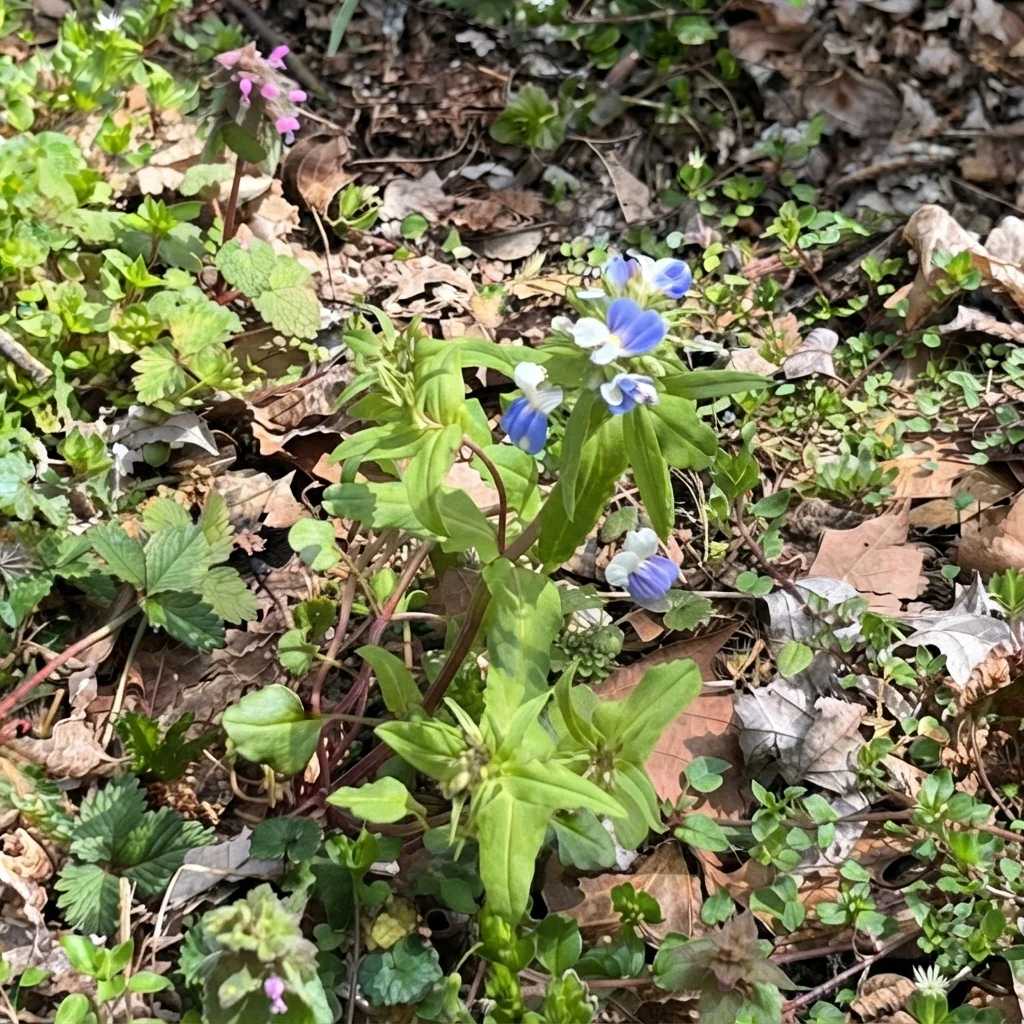
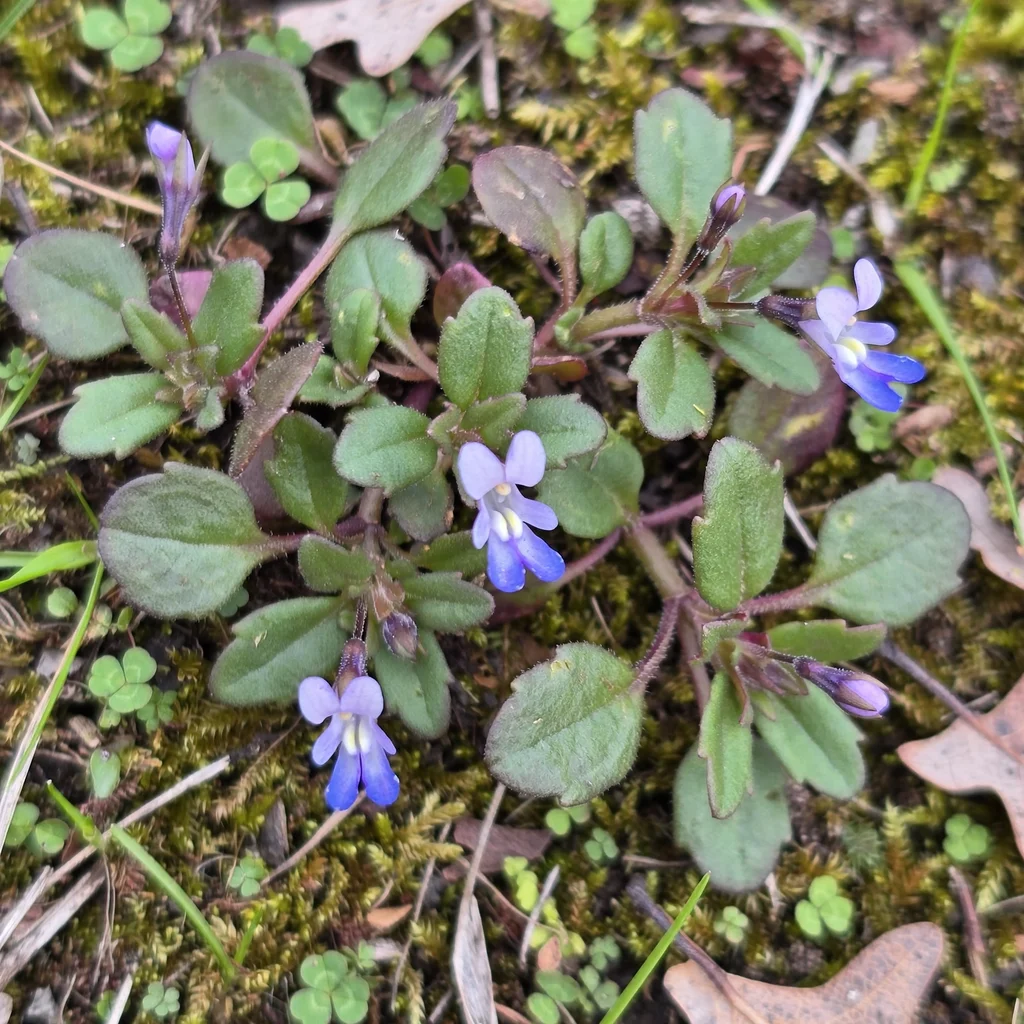
4 species of Collinsia
Each one is a parent of the varieties above.
Track your Collinsia in Sow
Save the Collinsia you grow and get care reminders timed to your zone.
How to grow Collinsia
Whats common across all Collinsia varieties in our catalog — drawn from the care records of the 4 most-grown of them.
The Collinsia year
- Spring CleanupMarch75% of varieties
Clear away winter debris before new seedlings emerge
- Check for PestsApril and May75% of varieties
Inspect emerging stems for aphids and slug activity.
- PlantOctober50% of varieties
Sow seeds directly into prepared soil in fall for spring bloom
- DeadheadJune and July50% of varieties
Allow spent bloom clusters to set seed naturally for self-sowing.


Do
- Water regularly to keep soil moist 🌱
- Prune dead or damaged stems promptly
- Mulch around plants to retain moisture
- Sow seeds directly into light, well-draining soil
- Provide full sun to partial shade for uniform stem growth
Avoid
- Avoid overwatering to prevent root rot ❌
- Do not fertilize late in the season
- Refrain from disturbing roots during active growth
- Do not plant in heavy, waterlogged clay soil
What goes wrong with Collinsia
| Problem | What you'll see | What to do |
|---|---|---|
| Aphids | Sticky honeydew and distorted leaves | Use insecticidal soap or neem oil |
| Slugs and snails | Irregular chewed holes on young spring seedlings and leaves with silvery trails. | Hand-pick off plants at dusk or spread organic iron phosphate bait around the planting bed. |
| Slugs | Chewed foliage and severed stems on young autumn-germinated seedlings. | Apply iron phosphate bait around emerging seedlings in wet fall conditions. |
| Voles and small mammals | Chewed stems and missing seedlings during winter or early spring. | Protect seedling beds with light wire mesh or maintain natural leaf litter cover to hide the young plants. |
| Powdery mildew | White powdery spots on leaves | Apply neem oil or sulfur fungicide |
| Root rot | Yellowing foliage, soft stems, and sudden collapse in wet, poorly drained soil. | Ensure soil is gravelly or sandy with high drainage capacity and reduce watering. |
Making more Collinsia
Seed
- Collect dry brown seed capsules from spent plants in early summer.
- Store seeds in a cool, dry place until fall or early spring.
- Scatter seeds thinly over cleared, well-drained soil.
- Press seeds firmly onto the soil surface without covering them deeply.
seed
- Tuck seeds into moist soil in early spring (2 weeks)
- Keep soil consistently moist during germination
Collinsia questions
How many types of Collinsia are there?
The Sow catalog tracks 4 distinct Collinsia varieties. The most popular — ranked by 19 real gardeners — are shown first above.
What zones does Collinsia grow in?
Across its varieties, Collinsia covers USDA Zones 4–10. Individual varieties differ — each plant page lists its exact range, and Sow filters the catalog to your zone automatically.
When does Collinsia bloom?
Most Collinsia varieties bloom from early spring to early summer.
Which Collinsia should I choose?
Start from the most-saved varieties above — popularity across thousands of gardens is a strong signal of reliability — then filter by your zone and sun. In the Sow app you can preview any of them in a photo of your actual yard before you buy.