Also known as Silverbell · 29 saves
Halesia
Halesia, the genus most gardeners know as silverbell. We track 3 varieties; the ones most used by real gardeners.
The 2 most-saved Halesia varieties
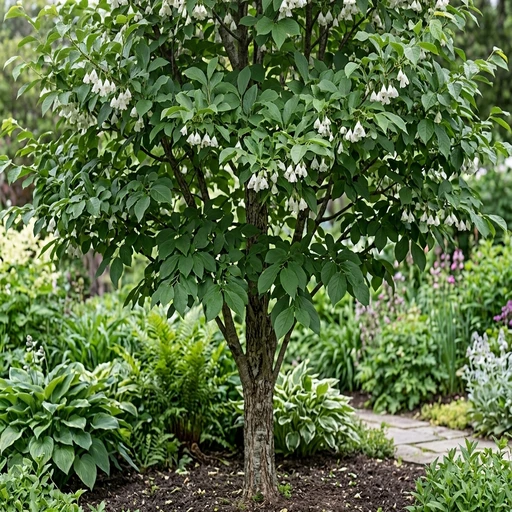
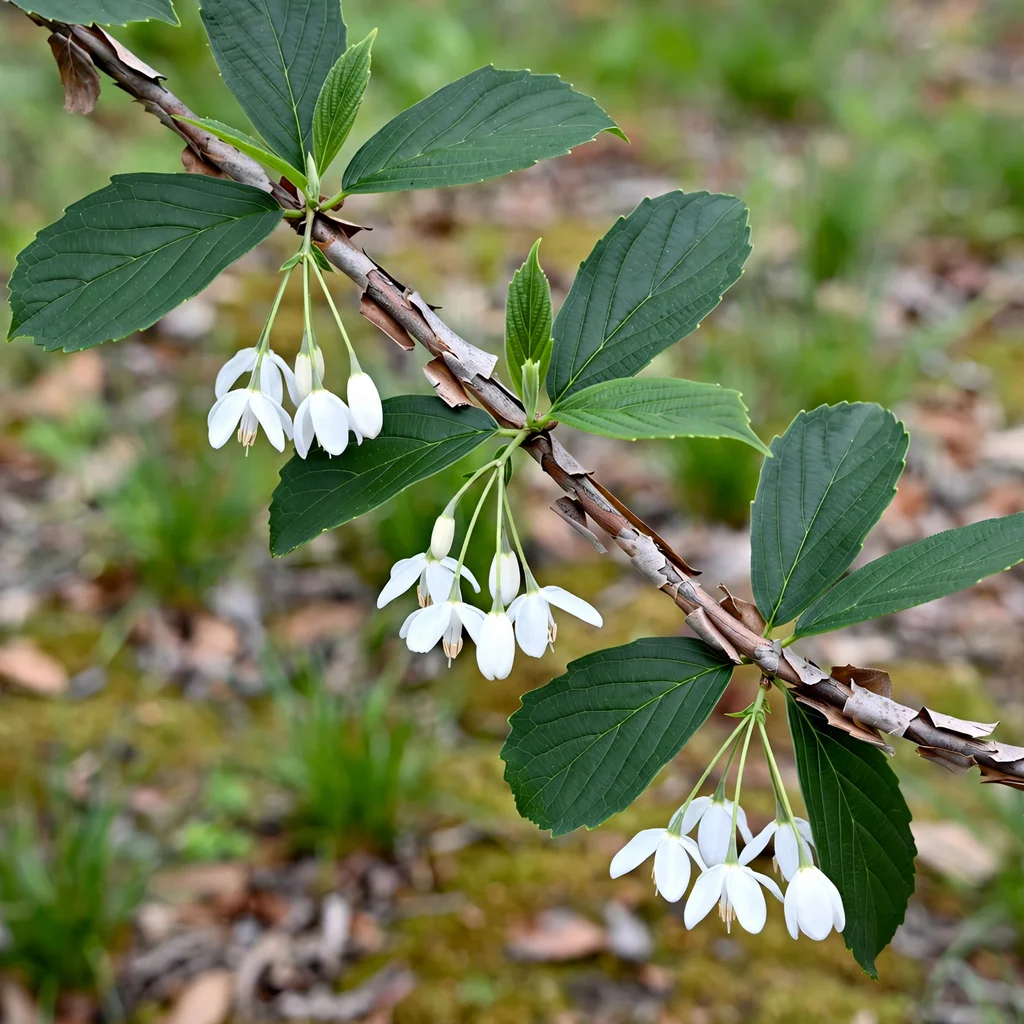
Browse all 3 Halesia varieties →
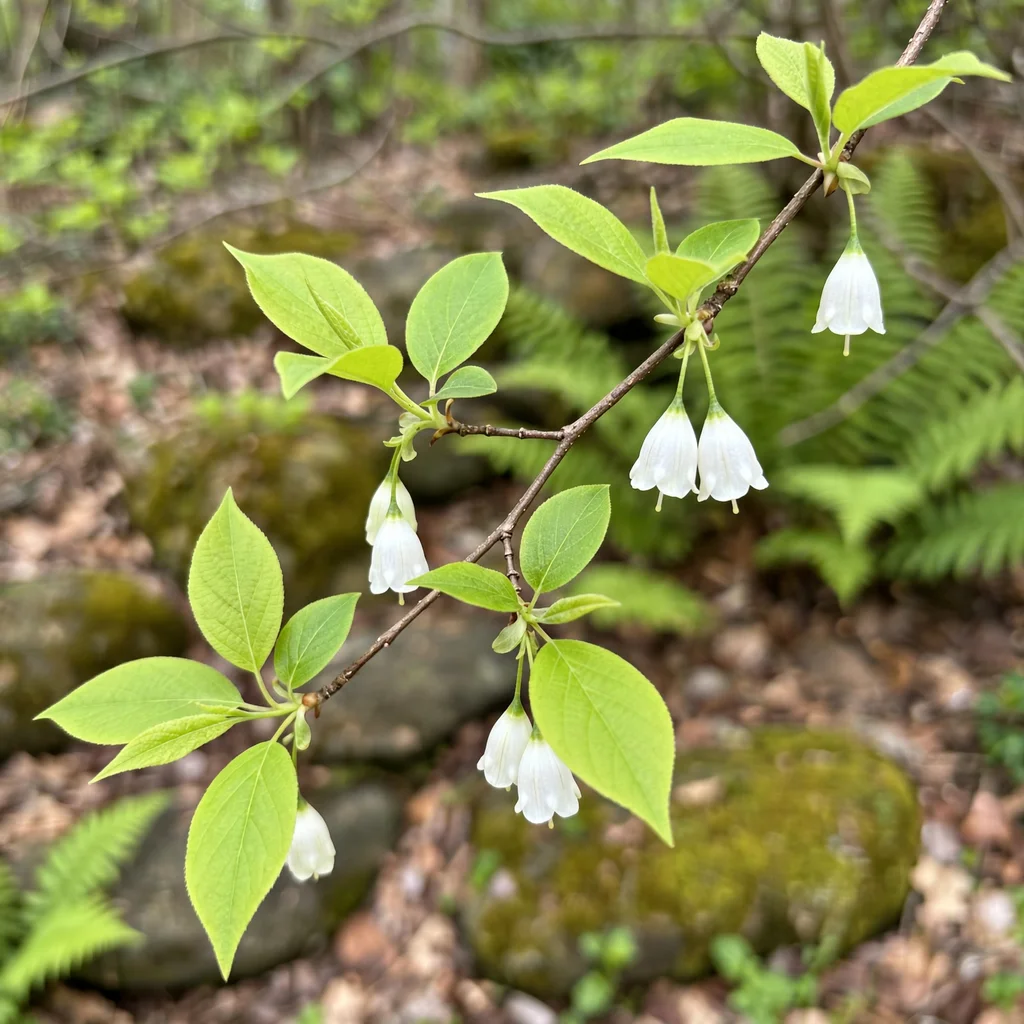
2 species of Halesia
Each one is a parent of the varieties above.
Track your Halesia in Sow
Save the Halesia you grow and get care reminders timed to your zone.
How to grow Halesia
Whats common across all Halesia varieties in our catalog — drawn from the care records of the 3 most-grown of them.
The Halesia year
- MulchApril, May and November100% of varieties
Spread bark mulch over the root zone to hold moisture before summer.
- PruneMay and June100% of varieties
Shape after flowering; remove crossing limbs or suckers to favor a single trunk if desired.
- PlantMarch and April67% of varieties
Set out potted or bare-root plants in moist acid loam as soil warms.
- Check for PestsJune and July67% of varieties
Glance at leaves for aphids or yellowing; problems are rarely serious.


Do
- Mulch yearly to hold soil moisture and keep roots cool
- Water during drought; this is a bottomland tree that suffers when dry
- Grow in acid soil testing below pH 6.0 for deep green leaves
- Keep soil consistently moist, especially during dry summer periods.
- Maintain soil acidity below pH 6.8 to prevent leaf yellowing.
Avoid
- Do not plant in alkaline or chalky soil where leaves turn yellow
- Do not let the root zone dry out in summer heat
- Do not shear into formal shapes; it grows as an open rounded crown
- Do not plant in alkaline or heavy clay soils.
What goes wrong with Halesia
| Problem | What you'll see | What to do |
|---|---|---|
| Aphids | Clusters on new shoots and leaf undersides with sticky honeydew; rarely serious on this tree. | Rinse off with a strong spray of water; preserve lady beetles and lacewings and avoid spraying unless growth is distorted. |
| Japanese Beetles | Skeletonized foliage and feeding holes on leaves during summer. | Handpick adults into soapy water or apply neem oil at first sighting. |
| Spider Mites | Speckled bronze leaves and fine webbing on foliage undersides during heat. | Mist foliage to raise humidity and apply horticultural oil if infestations persist. |
| Scale insects | Small, immobile bumps on stems and leaves, sometimes with sticky honeydew. | Spray with horticultural oil during the dormant season. Use systemic insecticides for severe infestations. |
| Iron chlorosis | Leaves turn yellow while veins stay green on alkaline soil, with weak growth. | Plant only in acid soil below pH 6.0 and maintain mulch; do not expect iron sprays to fix a poorly sited tree. |
| Iron Chlorosis | Yellowing leaf tissue between green veins, caused by alkaline soil pH. | Apply elemental sulfur or organic soil acidifiers to drop pH below 6.8. |
| Root Rot | Stunted growth and foliage dieback resulting from waterlogged soil. | Ensure planting sites have excellent drainage and avoid overwatering. |
Making more Halesia
Seed
- Collect ripe dry drupes in fall when brown and hard.
- Clean pulp from seed and sow outdoors in a moist acid seedbed.
- Provide cold stratification over winter to break dormancy.
- Keep seedbed evenly moist and transplant seedlings the second spring.
Softwood cuttings
- Take 4 to 6 inch softwood tips in early summer.
- Strip lower leaves and wound the base lightly.
- Stick in moist sand and peat under humidity and shade.
- Keep evenly moist until rooted, then pot on and overwinter sheltered.
Halesia questions
How many types of Halesia are there?
The Sow catalog tracks 3 distinct Halesia varieties. The most popular — ranked by 29 real gardeners — are shown first above.
What zones does Halesia grow in?
Across its varieties, Halesia covers USDA Zones 4–8. Individual varieties differ — each plant page lists its exact range, and Sow filters the catalog to your zone automatically.
When does Halesia bloom?
Most Halesia varieties bloom in spring.
Which Halesia should I choose?
Start from the most-saved varieties above — popularity across thousands of gardens is a strong signal of reliability — then filter by your zone and sun. In the Sow app you can preview any of them in a photo of your actual yard before you buy.