6 saves
Lophomyrtus
We track 3 varieties; the ones most used by real gardeners.
The 3 most-saved Lophomyrtus varieties
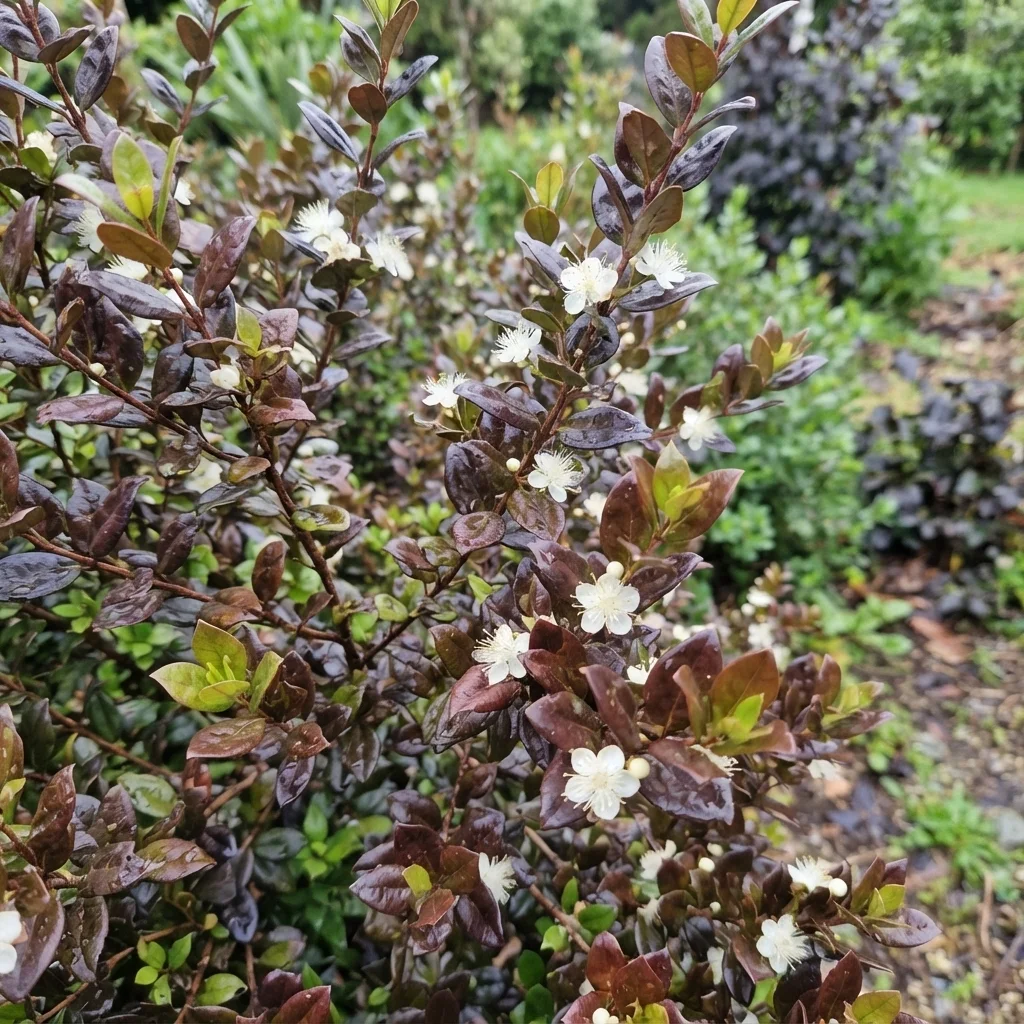
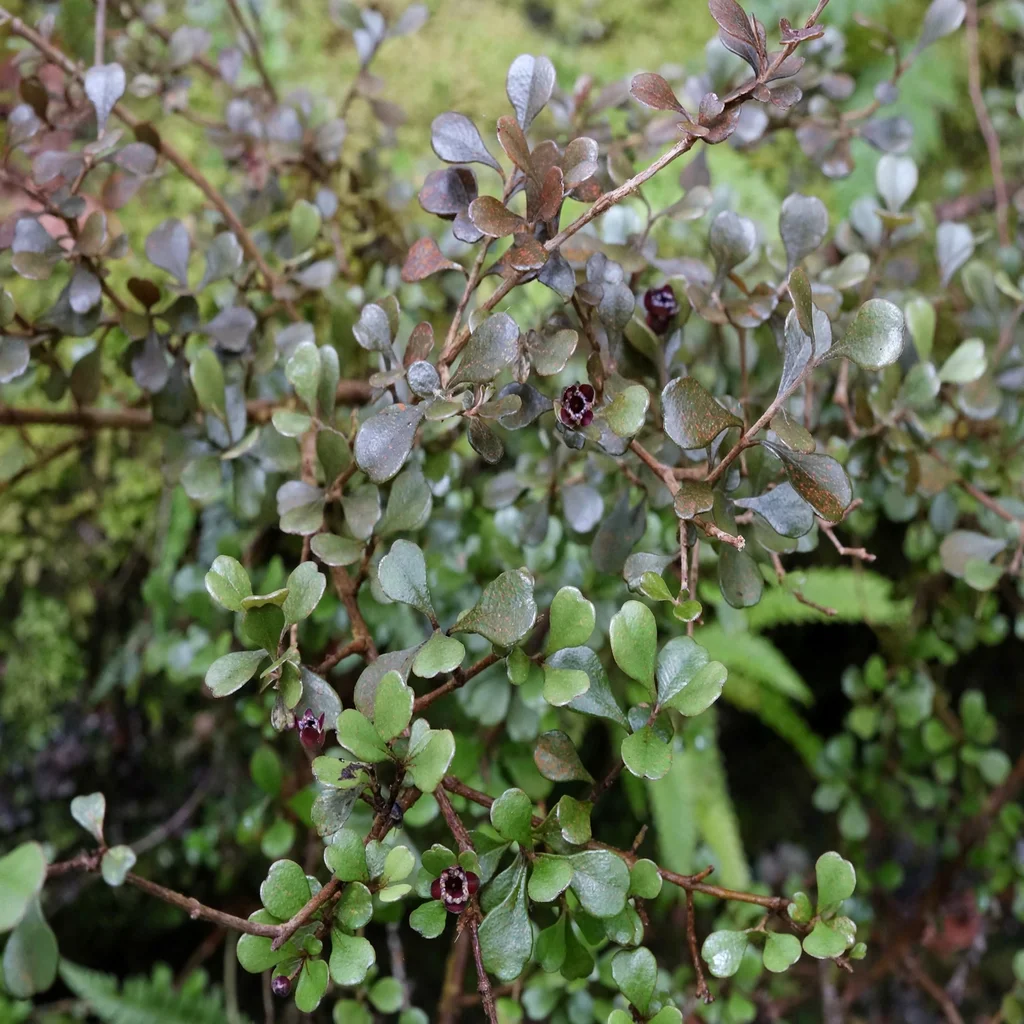
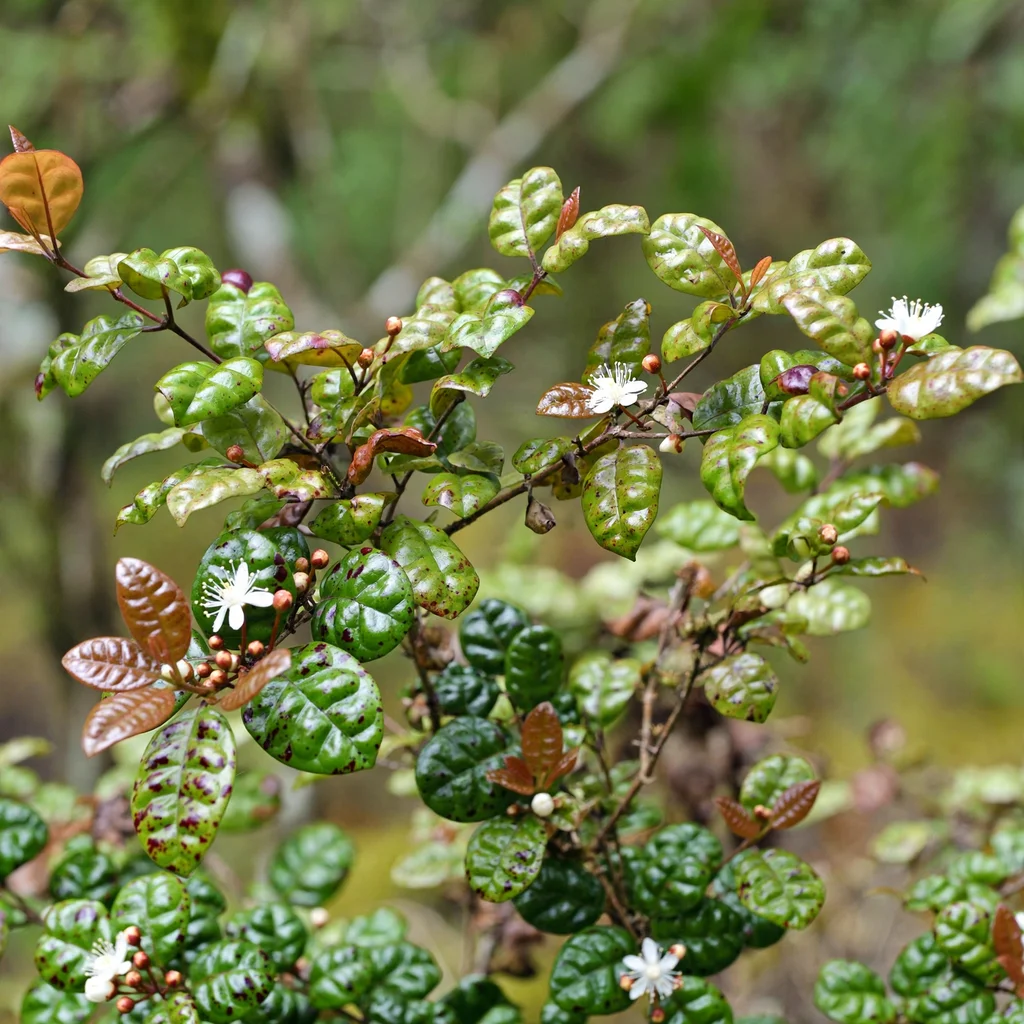
3 species of Lophomyrtus
Each one is a parent of the varieties above.
Track your Lophomyrtus in Sow
Save the Lophomyrtus you grow and get care reminders timed to your zone.
How to grow Lophomyrtus
Whats common across all Lophomyrtus varieties in our catalog — drawn from the care records of the 3 most-grown of them.
The Lophomyrtus year
- MulchApril and May100% of varieties
Apply a layer of organic compost or leaf mold around the root zone.
- PruneMarch and April100% of varieties
Tip-prune lightly in early spring to maintain compact growth without cutting into bare old wood.
- FertilizeMarch and April100% of varieties
Apply a low-phosphorus slow-release fertilizer if growth appears sluggish.
- Check for PestsJune and July100% of varieties
Check leaf undersides for scale insects and aphids during warm weather.


Do
- Keep soil consistently moist until the plant is established.
- Provide protection from harsh afternoon sunlight in warmer climates.
- Apply organic leaf mulch annually to keep roots cool.
- Plant in light, freely draining soil to avoid root saturation.
- Place in full sun for maximum foliage color intensity.
Avoid
- Do not plant in waterlogged or heavy unamended clay soils.
- Do not prune drastically into old bare stems.
- Do not expose young plants to hard, prolonged freezes.
- Do not plant in heavy, waterlogged clay soil.
What goes wrong with Lophomyrtus
| Problem | What you'll see | What to do |
|---|---|---|
| Aphids | Distorted young growth and sticky honeydew residues on foliage. | Rinse off colonies with a firm jet of water or treat with insecticidal soap. |
| Scale insects | Small brownish, dome-shaped bumps along stems causing yellowing leaves. | Drape or spray foliage with horticultural oil during cool periods. |
| Spider mites | — | — |
| Powdery mildew | White powdery coating on leaves during stagnant, humid weather. | Space plants correctly to promote air movement across the inner foliage. |
| Phytophthora root rot | Foliage wilting and root decay caused by poor soil drainage. | Ensure soil drains freely and avoid overwatering. |
| Root rot (Phytophthora spp.) | — | — |
Making more Lophomyrtus
Semi-hardwood cuttings
- Take 3 to 4 inch cuttings from firm current season growth in late summer.
- Strip leaves from the lower half of the stem.
- Dip the cut end in rooting hormone powder.
- Insert into a moist mix of perlite and peat, maintaining high humidity until roots develop.
Semi-hardwood cuttings taken in late summer or early fall
Lophomyrtus questions
How many types of Lophomyrtus are there?
The Sow catalog tracks 3 distinct Lophomyrtus varieties. The most popular — ranked by 6 real gardeners — are shown first above.
What zones does Lophomyrtus grow in?
Across its varieties, Lophomyrtus covers USDA Zones 8–10. Individual varieties differ — each plant page lists its exact range, and Sow filters the catalog to your zone automatically.
When does Lophomyrtus bloom?
Most Lophomyrtus varieties bloom in summer.
Which Lophomyrtus should I choose?
Start from the most-saved varieties above — popularity across thousands of gardens is a strong signal of reliability — then filter by your zone and sun. In the Sow app you can preview any of them in a photo of your actual yard before you buy.