1 saves
Parahebe
We track 3 varieties; the ones most used by real gardeners.
The 3 most-saved Parahebe varieties
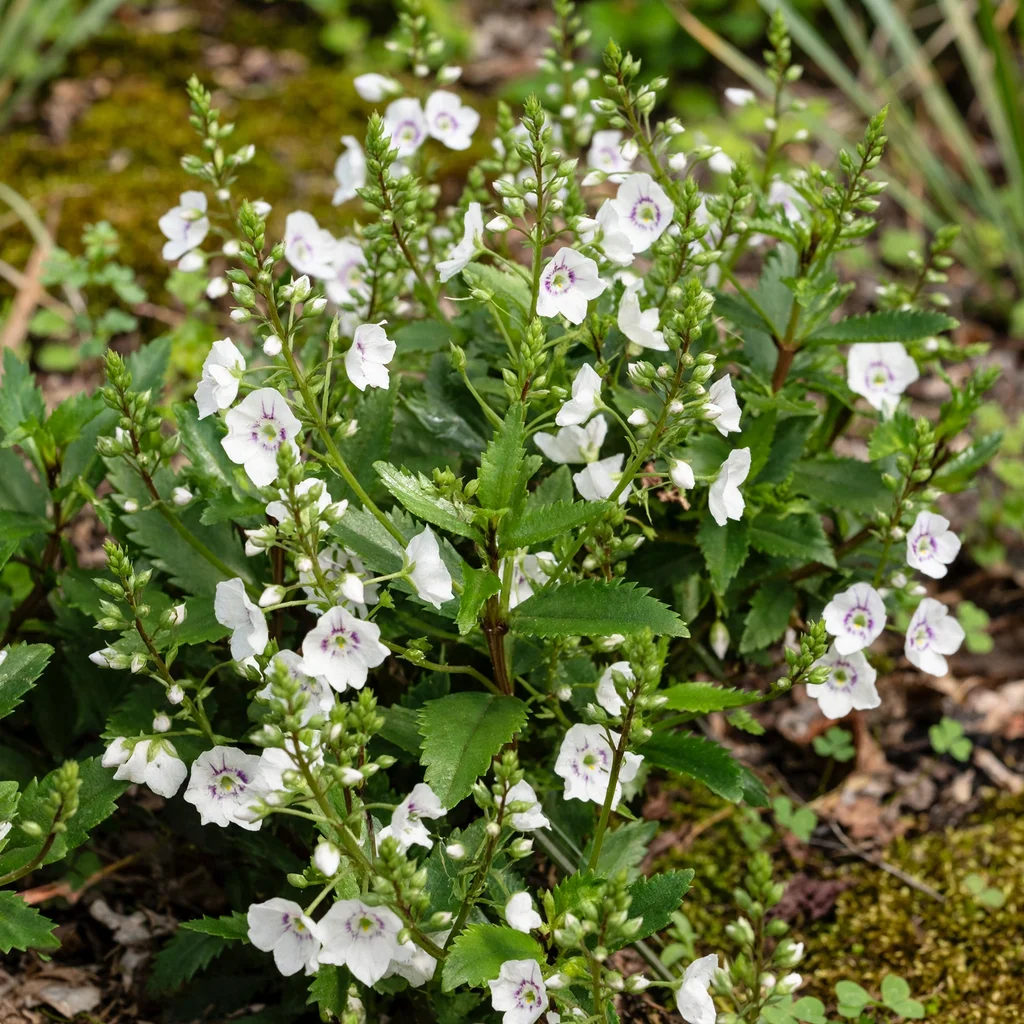
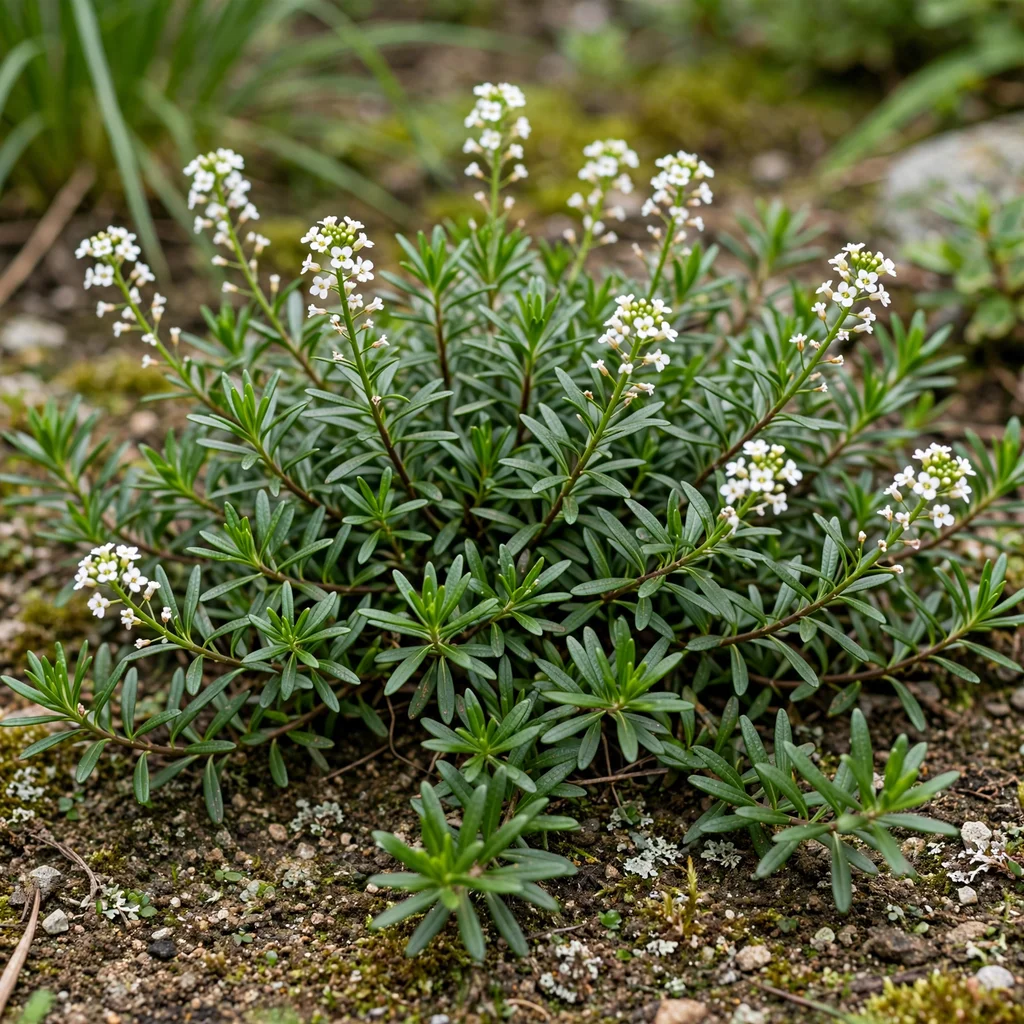
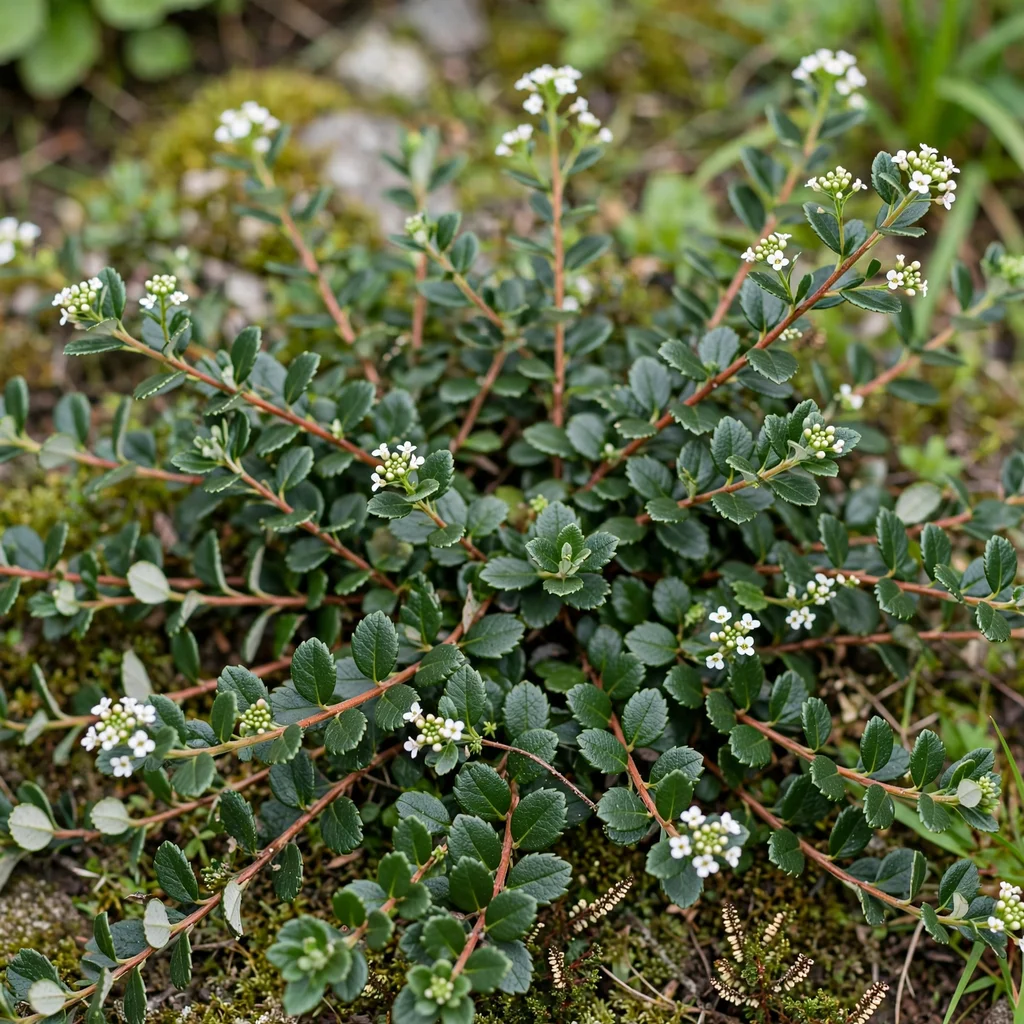
3 species of Parahebe
Each one is a parent of the varieties above.
Track your Parahebe in Sow
Save the Parahebe you grow and get care reminders timed to your zone.
How to grow Parahebe
Whats common across all Parahebe varieties in our catalog — drawn from the care records of the 3 most-grown of them.
The Parahebe year
- PruneAugust and September100% of varieties
Lightly tip back after the main flush to keep the mound dense; do not cut into bare woody base.
- PropagateJune and July100% of varieties
Take soft stem cuttings or layer self-rooted lower branches.
- Check for PestsJune and July100% of varieties
Check shoot tips for aphids during warm weather.
- PlantApril67% of varieties
Set out potted plants in spring into humus-rich gritty soil that drains fast.
- DeadheadJuly and August67% of varieties
Clip spent racemes to prolong fall rebloom.


Do
- Plant in sharply drained rock-garden soil enriched with humus
- Give afternoon shade in hot climates
- Use rooted lower pieces to replace aging mounds
- Provide sharp drainage and full sun to light shade
- Deadhead faded stalks to extend bloom
Avoid
- Don't let the root zone dry out completely
- Don't overwater or mist overhead in humid heat
- Don't cut back into leafless woody base
- Do not cut back into old leafless wood
What goes wrong with Parahebe
| Problem | What you'll see | What to do |
|---|---|---|
| Aphids | Clusters on shoot tips and buds cause distorted growth and sticky honeydew. | Dislodge with a strong water spray and pinch out heavily infested tips; rarely serious on this plant. |
| Slugs and snails | Ragged holes in low foliage and stems in moist rockery settings. | Hand-pick at night and keep gravel mulch open around crowns to reduce shelter. |
| Root and crown rot | Lower stems blacken and collapse in wet, poorly drained soil, especially in summer heat. | Plant high in gritty fast-draining mix, avoid overhead watering, and discard rotted crowns. |
| Root rot | Wilting and stem collapse in wet soil despite adequate water | Grow in sharply drained gritty soil in raised beds or troughs; discard rotted plants and improve drainage before replanting |
| Leaf spot and downy mildew | Spots or downy patches on leaves in humid weather with poor airflow | Space for air circulation, avoid evening overhead watering, and remove affected leaves |
Making more Parahebe
Stem cuttings
- Take 2- to 3-inch soft tip cuttings in early summer.
- Strip lower leaves and insert into gritty perlite-peat mix.
- Keep humid but not wet under bright shade until rooted.
- Pot up rooted pieces and plant out after frost.
Seed
- Sow fresh seed on the surface of gritty seed mix.
- Keep moist under bright light without burying seed.
- Prick out seedlings once true linear leaves form.
- Grow on cool and plant out in spring.
Parahebe questions
How many types of Parahebe are there?
The Sow catalog tracks 3 distinct Parahebe varieties. The most popular — ranked by 1 real gardeners — are shown first above.
What zones does Parahebe grow in?
Across its varieties, Parahebe covers USDA Zones 7–10. Individual varieties differ — each plant page lists its exact range, and Sow filters the catalog to your zone automatically.
When does Parahebe bloom?
Most Parahebe varieties bloom from late spring to late summer.
Which Parahebe should I choose?
Start from the most-saved varieties above — popularity across thousands of gardens is a strong signal of reliability — then filter by your zone and sun. In the Sow app you can preview any of them in a photo of your actual yard before you buy.