2 saves
Planchonella
We track 3 varieties; the ones most used by real gardeners.
The 3 most-saved Planchonella varieties
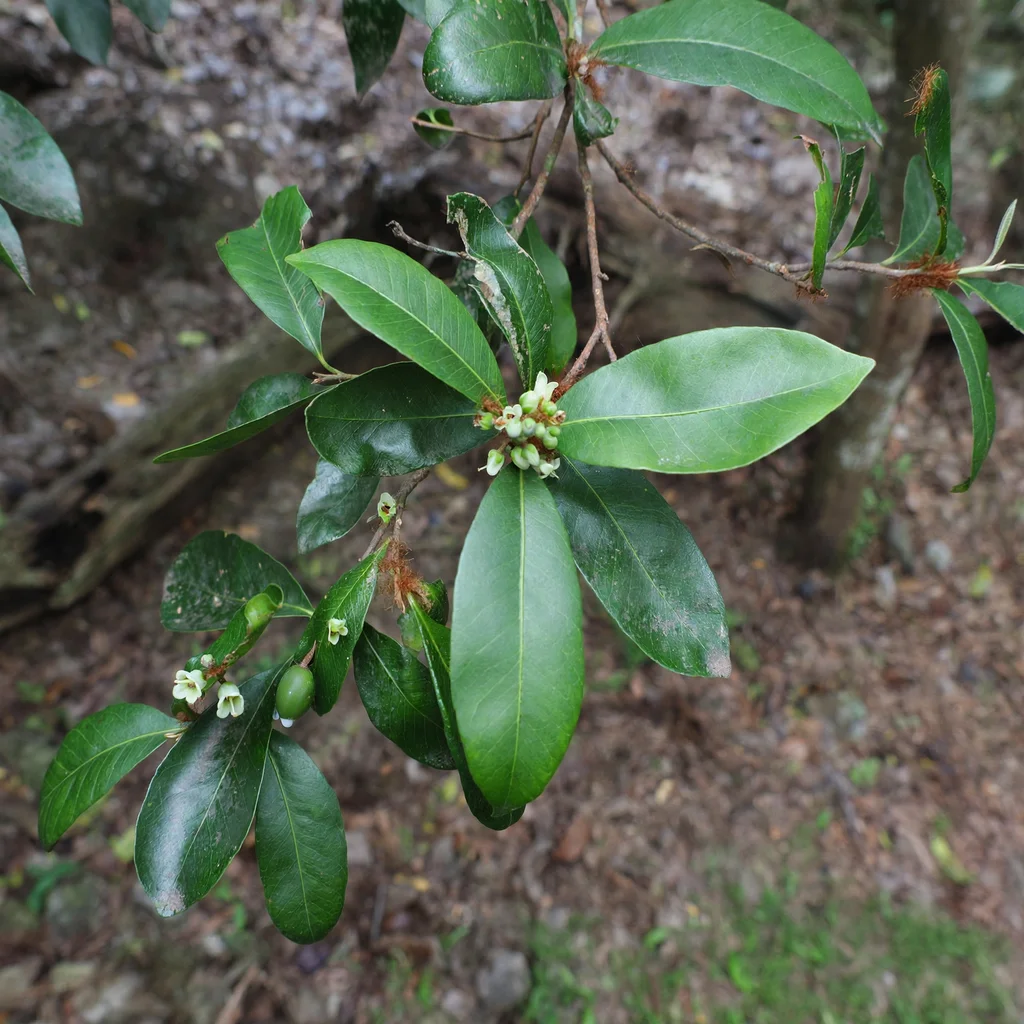
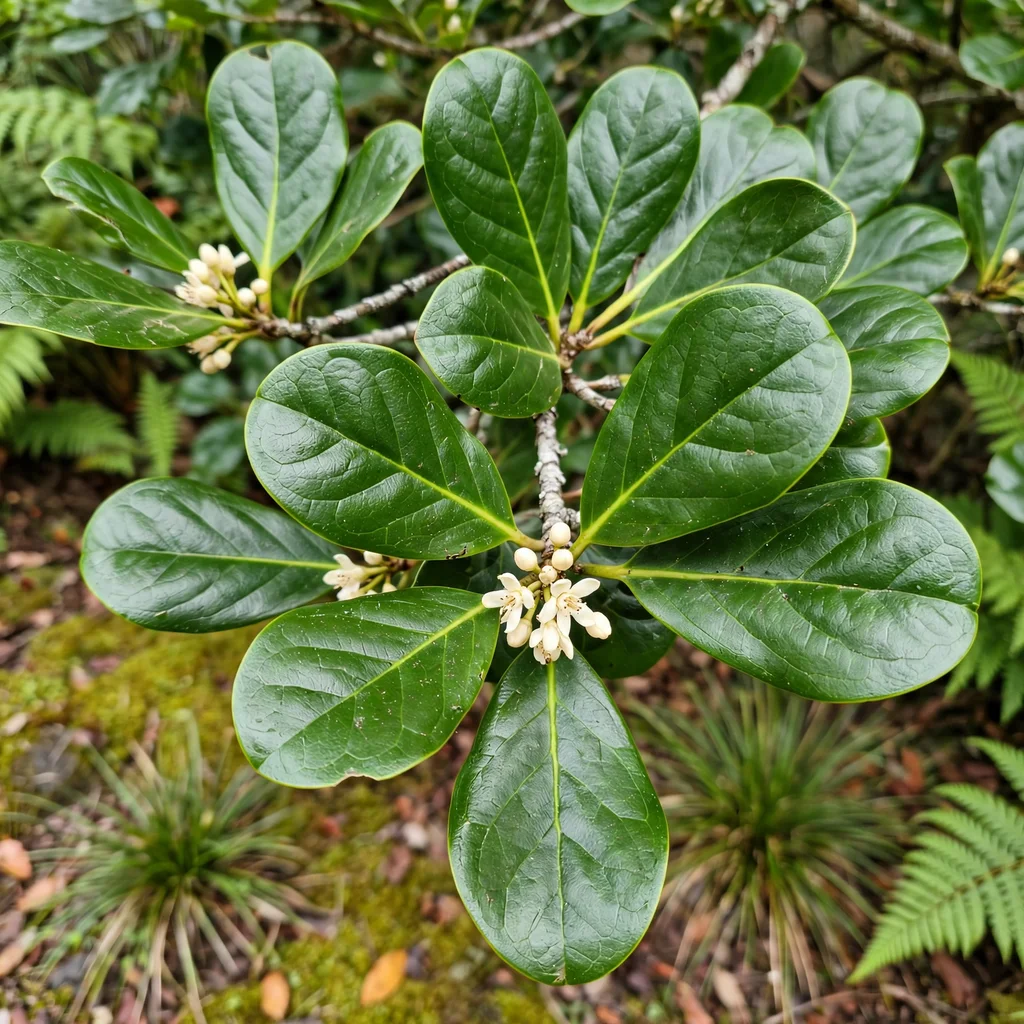
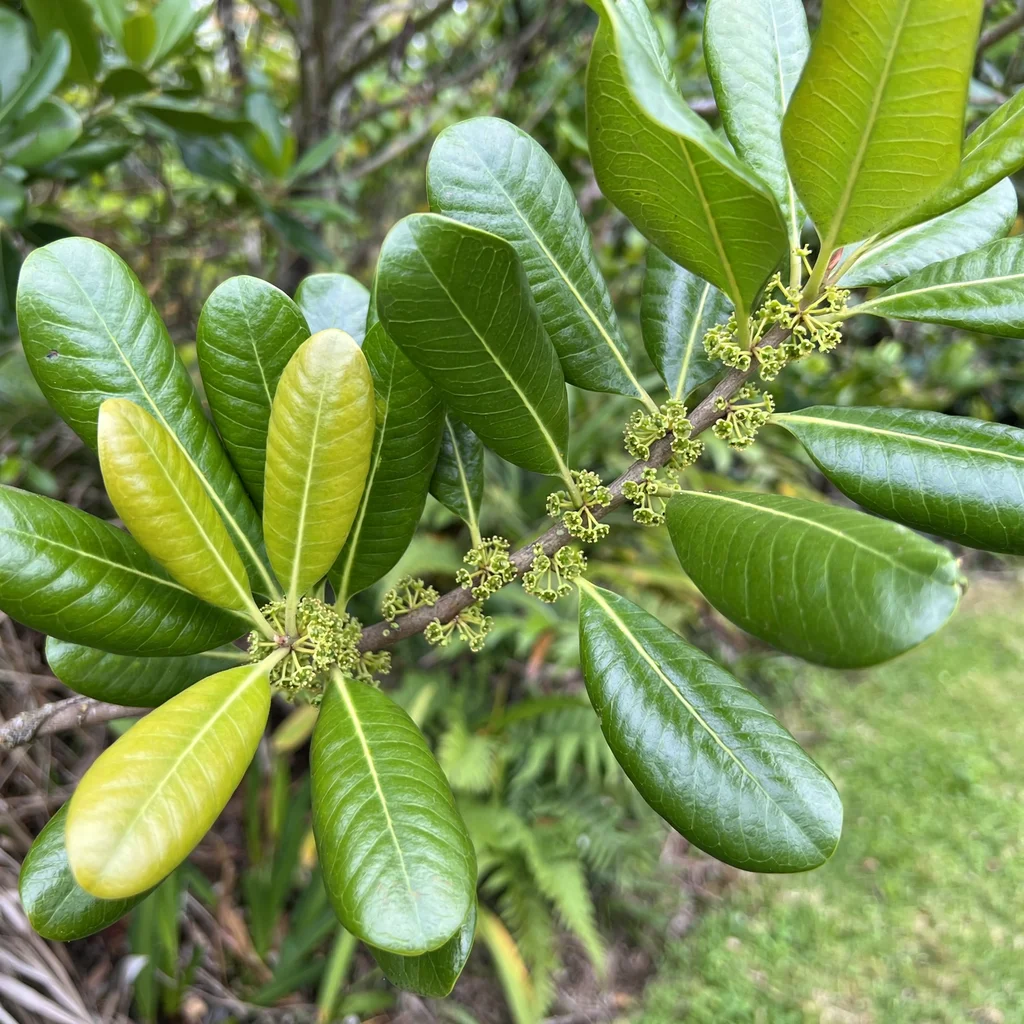
3 species of Planchonella
Each one is a parent of the varieties above.
Track your Planchonella in Sow
Save the Planchonella you grow and get care reminders timed to your zone.
How to grow Planchonella
Whats common across all Planchonella varieties in our catalog — drawn from the care records of the 3 most-grown of them.
The Planchonella year
- MulchApril and May100% of varieties
Top up organic mulch around the root zone to hold soil moisture through warm months.
- PruneMarch and April100% of varieties
Lightly tip-prune young active branchlets to encourage balanced canopy development.
- FertilizeMarch and April100% of varieties
Apply a balanced organic fertilizer around the dripline in spring and autumn.
- Check for PestsJune and July100% of varieties
Check new growth and leaf undersides for scale insects and sooty mold.


Do
- Do wear gloves when trimming foliage to prevent skin contact with milky latex.
- Do ensure planting locations provide excellent subsoil drainage.
- Do allow fruits to fully over-ripen on the tree before harvesting for consumption.
- Ensure soils drain thoroughly to prevent root saturated conditions.
- Protect young specimens from freezing temperatures.
Avoid
- Don't cut deeply into old leafless branches during structural pruning.
- Don't expose young specimens to sub-freezing temperatures.
- Don't eat raw unripe fruit, which contains astringent latex.
- Do not prune hard into old, leafless wood.
What goes wrong with Planchonella
| Problem | What you'll see | What to do |
|---|---|---|
| Aphids | — | — |
| Scale insects | Small waxy bumps along inner stems and leaf veins accompanied by sticky honeydew. | Dab small colonies with horticultural oil or wipe clean with insecticidal soap. |
| Scale Insects | — | — |
| Spider mites | Fine webbing on leaf undersides and stippled, pale foliage in hot glasshouse conditions. | Increase ambient humidity and apply targeted insecticidal soap sprays. |
| Root rot | Yellowing foliage, leaf drop, and dieback caused by excess soil moisture. | Improve soil drainage immediately and cut back irrigation. |
| Root Rot | — | — |
Making more Planchonella
Seed
- Clean all sticky flesh completely from freshly harvested mature seeds.
- Sow seed immediately into deep pots containing moist, free-draining seed-raising mix.
- Maintain a warm environment above 20°C (68°F) with constant light humidity.
- Pot seedlings individually into larger containers once the second set of true leaves expands.
Planchonella questions
How many types of Planchonella are there?
The Sow catalog tracks 3 distinct Planchonella varieties. The most popular — ranked by 2 real gardeners — are shown first above.
What zones does Planchonella grow in?
Across its varieties, Planchonella covers USDA Zones 10–10. Individual varieties differ — each plant page lists its exact range, and Sow filters the catalog to your zone automatically.
When does Planchonella bloom?
Most Planchonella varieties bloom in spring.
Which Planchonella should I choose?
Start from the most-saved varieties above — popularity across thousands of gardens is a strong signal of reliability — then filter by your zone and sun. In the Sow app you can preview any of them in a photo of your actual yard before you buy.