0 saves
Rhodocoma
We track 3 varieties; the ones most used by real gardeners.
The 3 most-saved Rhodocoma varieties
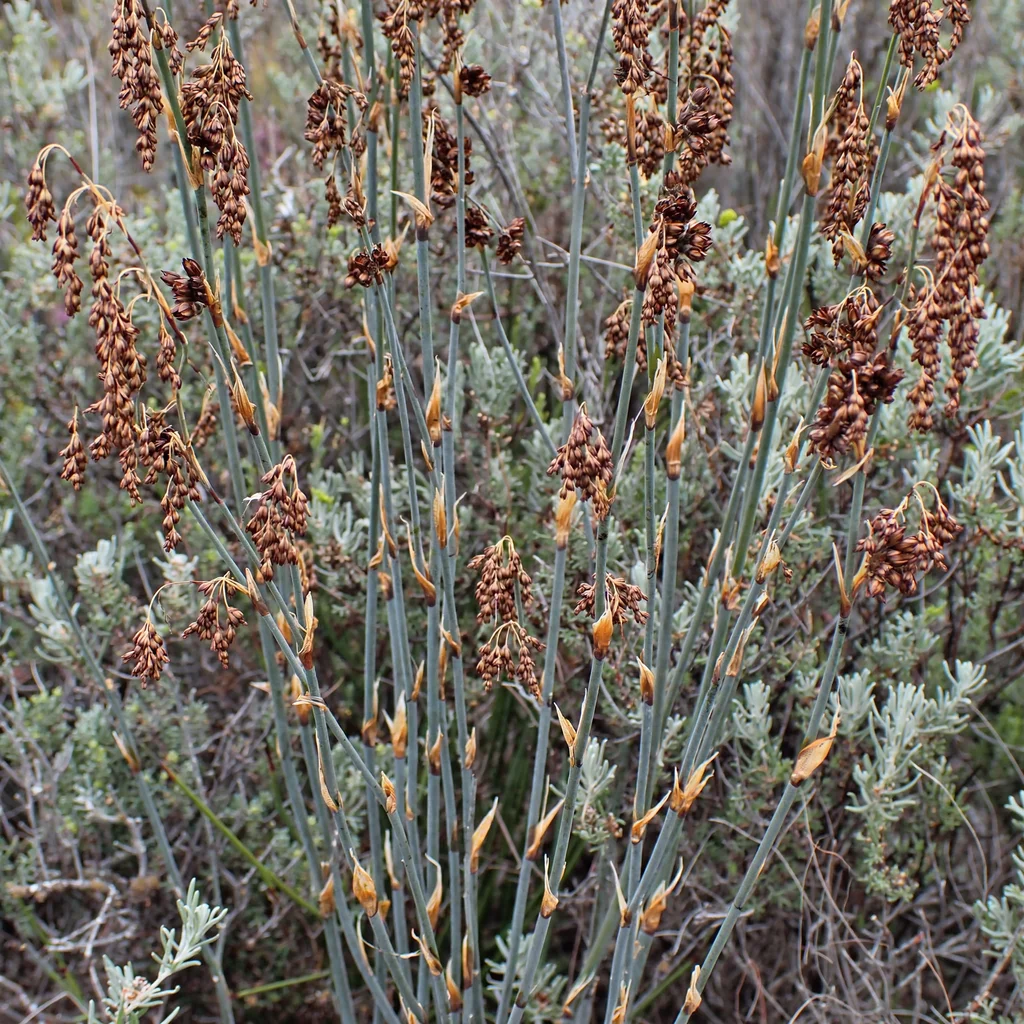
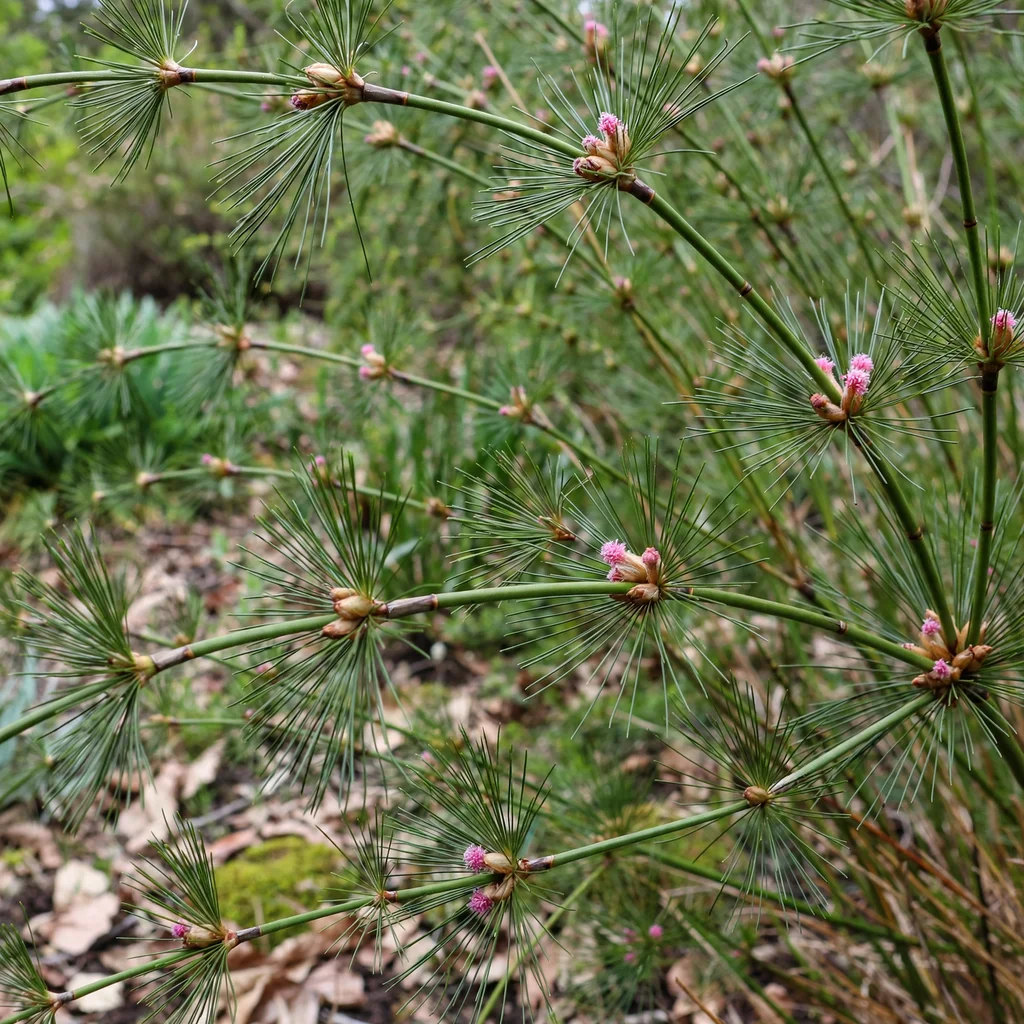
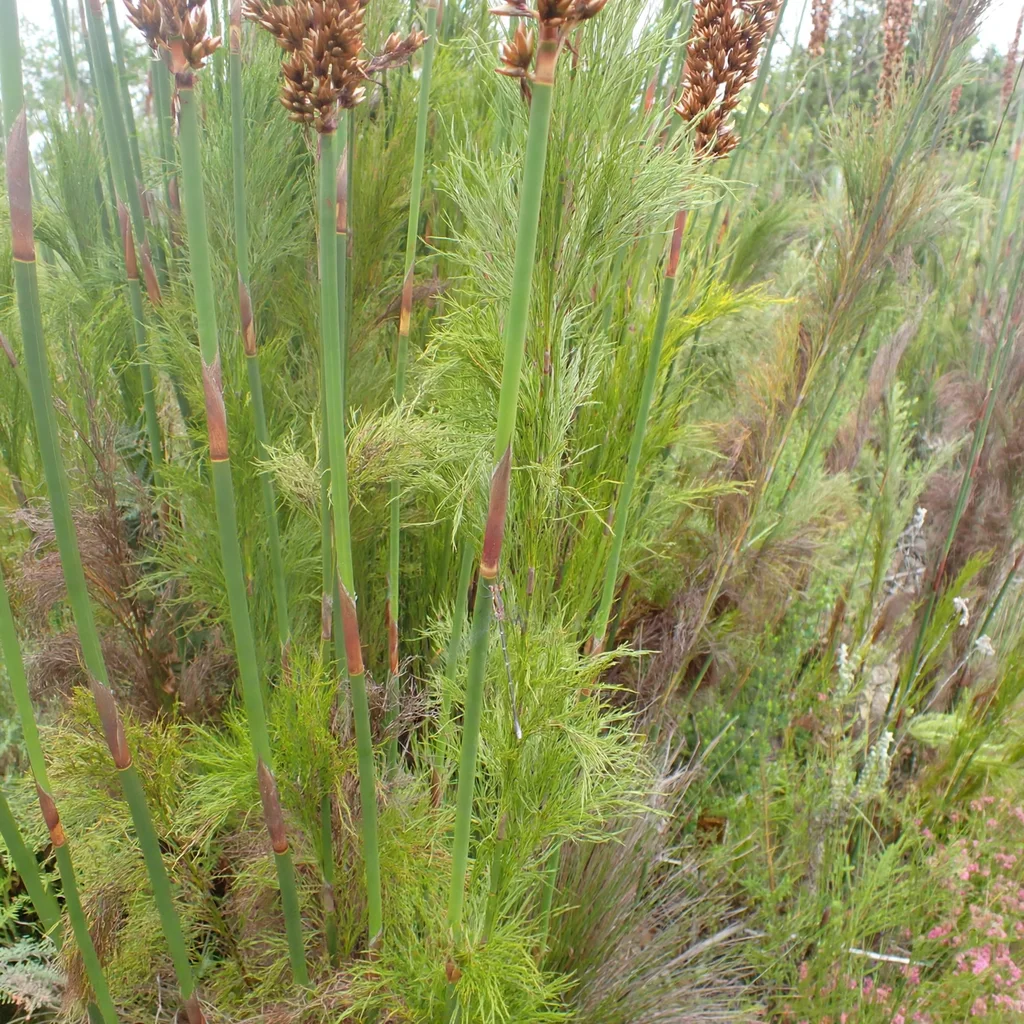
3 species of Rhodocoma
Each one is a parent of the varieties above.
Track your Rhodocoma in Sow
Save the Rhodocoma you grow and get care reminders timed to your zone.
How to grow Rhodocoma
Whats common across all Rhodocoma varieties in our catalog — drawn from the care records of the 3 most-grown of them.
The Rhodocoma year
- MulchMarch and April100% of varieties
Top with pine bark or rough mulch kept off the crown.
- PlantMarch and April100% of varieties
Plant in spring after hard frost in drained acidic loam with room for air movement.
- Winter PrepNovember67% of varieties
Deep-mulch crowns in zone 8 before hard freeze; plants rebound from 19F when mulched.


Do
- Give full sun, air movement and drained acidic soil
- Mulch with pine bark or rough mulch
- Water regularly the first year, then low to moderate
- Grow in full sun in fast-draining acidic sand or gravel
- Water sparingly once established to keep columns upright
Avoid
- Do not apply high-phosphate fertilizer
- Do not hold soil constantly saturated or crowded
- Do not cut back into old leafless bases
- Do not cut the whole clump back hard each year
What goes wrong with Rhodocoma
| Problem | What you'll see | What to do |
|---|---|---|
| Spider mites | Fine webbing between branchlets with yellowing and dieback of individual stems. | Pull webbing off by hand, cut out dead stems and improve air movement around the clump. |
| Aphids | Clusters on soft new growth, leaving sticky honeydew and stunted tips. | Wash off with a sharp water jet and remove infested tips; avoid forcing soft growth with nitrogen. |
| Rabbits | Soft young culms chewed off at the base | Protect new plantings with wire cages until culms harden; stiff mature culms are rarely touched |
| Root rot and decline | Rapid yellowing and collapse where soil stays saturated, sour or root-bound and excludes water. | Plant in drained soil with room to spread; cut the outer matted rootball and replant in fresh soil if decline starts. |
| Crown rot from waterlogging | Bases soften and culms collapse in soggy soil | Plant high in fast-draining sand and withhold water in winter; improve drainage rather than spraying |
| Root rot | Crown softens and culms collapse in wet soil | Plant in well-drained acidic mix and keep on the dry side; discard rotted crowns |
Making more Rhodocoma
Seed
- Sow fresh seed in fall or early spring on acidic sand-peat mix, barely covered.
- Treat with smoke-water to break dormancy for up to 80 percent germination.
- Hold at 50F nights and 77F days with even moisture and good air.
- Pot on seedlings promptly and grow lean with no phosphate fertilizer.
Division
- Divide only large established clumps in late winter to early spring.
- Take large pieces with roots and culms attached.
- Replant at once in drained acidic soil at the same depth.
- Water in and expect slow regrowth the first season.
Rhodocoma questions
How many types of Rhodocoma are there?
The Sow catalog tracks 3 distinct Rhodocoma varieties. The most popular — ranked by 0 real gardeners — are shown first above.
What zones does Rhodocoma grow in?
Across its varieties, Rhodocoma covers USDA Zones 8–10. Individual varieties differ — each plant page lists its exact range, and Sow filters the catalog to your zone automatically.
When does Rhodocoma bloom?
Most Rhodocoma varieties bloom from fall to spring.
Which Rhodocoma should I choose?
Start from the most-saved varieties above — popularity across thousands of gardens is a strong signal of reliability — then filter by your zone and sun. In the Sow app you can preview any of them in a photo of your actual yard before you buy.