The Story
Plant Bio
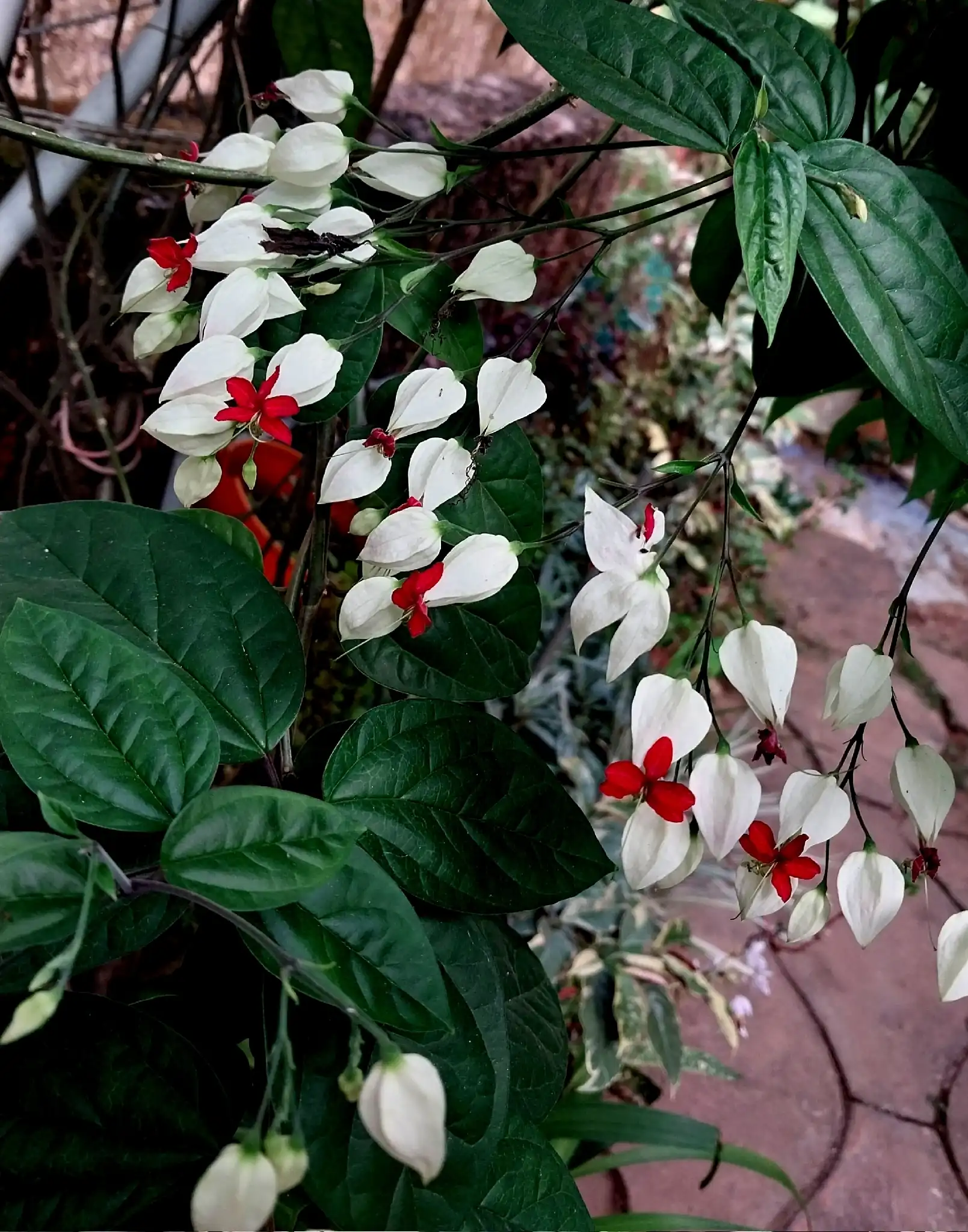
Clerodendrum thomsoniae is a twining evergreen liana from wet tropical west Africa, reaching 10 to 15 feet in the wild with glossy dark green oval leaves 5 to 7 inches long. Bloom comes in terminal cymes of 8 to 20 flowers, each with an inflated white calyx, a dark-red corolla and long exserted stamens.
It is distinguished by its two-stage color display, as the white calyx persists and ages through pink to lavender and tan after the crimson corolla drops. It is unrelated to the hardy Dicentra bleeding heart, and it now sits in Lamiaceae rather than Verbenaceae as older labels have it.
Uses & Benefits:
Essentials
At a Glance
Plant Type
Vine
Height
118"
Width
24"
Light
Full Sun, Partial Sun
Zones
9, 10
Water
Medium
Humidity
High
Lifespan
Evergreen vine
Native To
Tropical West Africa
Toxicity
Unknown
Bloom period
Summer – Winter
In flower about 9 months of the year
Planting
How to Grow
- Plant in spring after frost in organic-rich, well-drained mix at pH 5.8 to 6.2, with a trellis for twining stems.
- Give full sun for bloom; indoors use the sunniest window available.
- Water to keep soil moist but never soggy, and feed regularly through active growth.
- Cut back after each bloom flush and thin crowded stems; it blooms on new growth and tolerates hard pruning.
- Move indoors before temperatures fall below 45 degrees; expect leaf drop in cool winter conditions.
- Withhold fertilizer and reduce water if it goes dormant in winter, then resume feeding in spring.
Pro Tip
Prune right after bloom because flowers form on new growth; a plant that drops its leaves and goes bare in winter cold resprouts from the roots in spring, so do not throw it out.
Keep It Thriving
Care Guide
Do
- Give full sun and a sturdy trellis
- Keep soil evenly moist during growth
- Feed regularly in warm weather
- Prune after flowering to force new growth
Don't
- Do not let it freeze
- Do not overwater into soggy soil
- Do not grow in deep shade if you want flowers
- Do not discard a leafless winter plant that may resprout
Seasonal Care Calendar
| Task | Jan | Feb | Mar | Apr | May | Jun | Jul | Aug | Sep | Oct | Nov | Dec |
|---|---|---|---|---|---|---|---|---|---|---|---|---|
| Fertilize | ||||||||||||
| Pest Check | ||||||||||||
| Propagate | ||||||||||||
| Prune | ||||||||||||
| Winter Prep |
Watch Out For
Pests & Diseases
Common Pests
Common Diseases
In the Garden
Landscape Uses & Companions
Landscape Uses
Companion Plants
Multiply
Propagation Methods
Good to Know
Common Questions
Bleeding Heart Vine questions
What zones can Bleeding Heart Vine grow in?
Bleeding Heart Vine is hardy in USDA Zones 9–10: in that range it survives winter in the ground. Colder than Zone 9, grow it in a container you can move to shelter for the winter, or as an annual.
When does Bleeding Heart Vine bloom?
Bleeding Heart Vine typically blooms from summer to winter. Exact timing shifts a week or two with your zone — Sow's bloom calendar maps it to your garden.
Does Bleeding Heart Vine need full sun?
Bleeding Heart Vine does best in full sun to part shade. In hot climates, afternoon shade keeps blooms fresher longer.
More Clerodendrum to compare
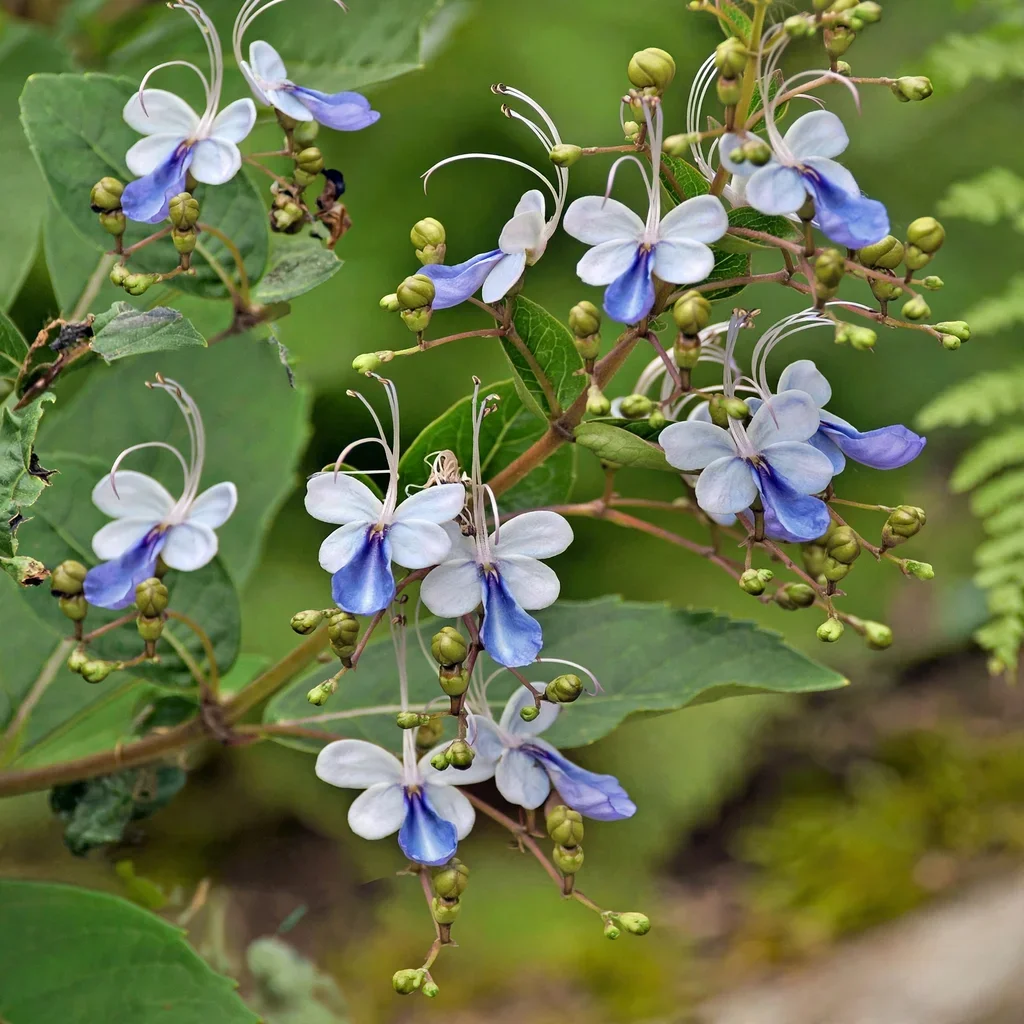
Blue Butterfly Bush
Clerodendrum ugandense
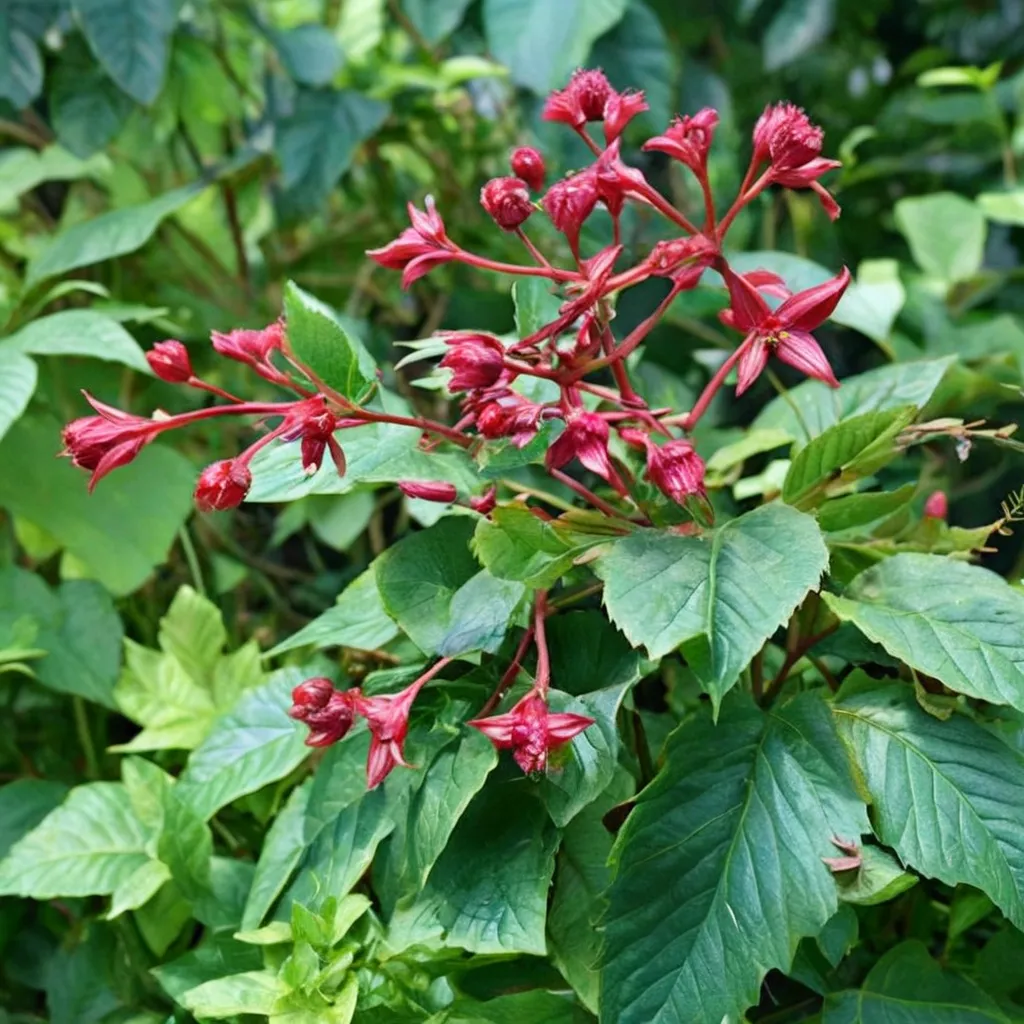
Rose Glory Bower
Clerodendrum speciosissimum 'Arkansas Hardy'
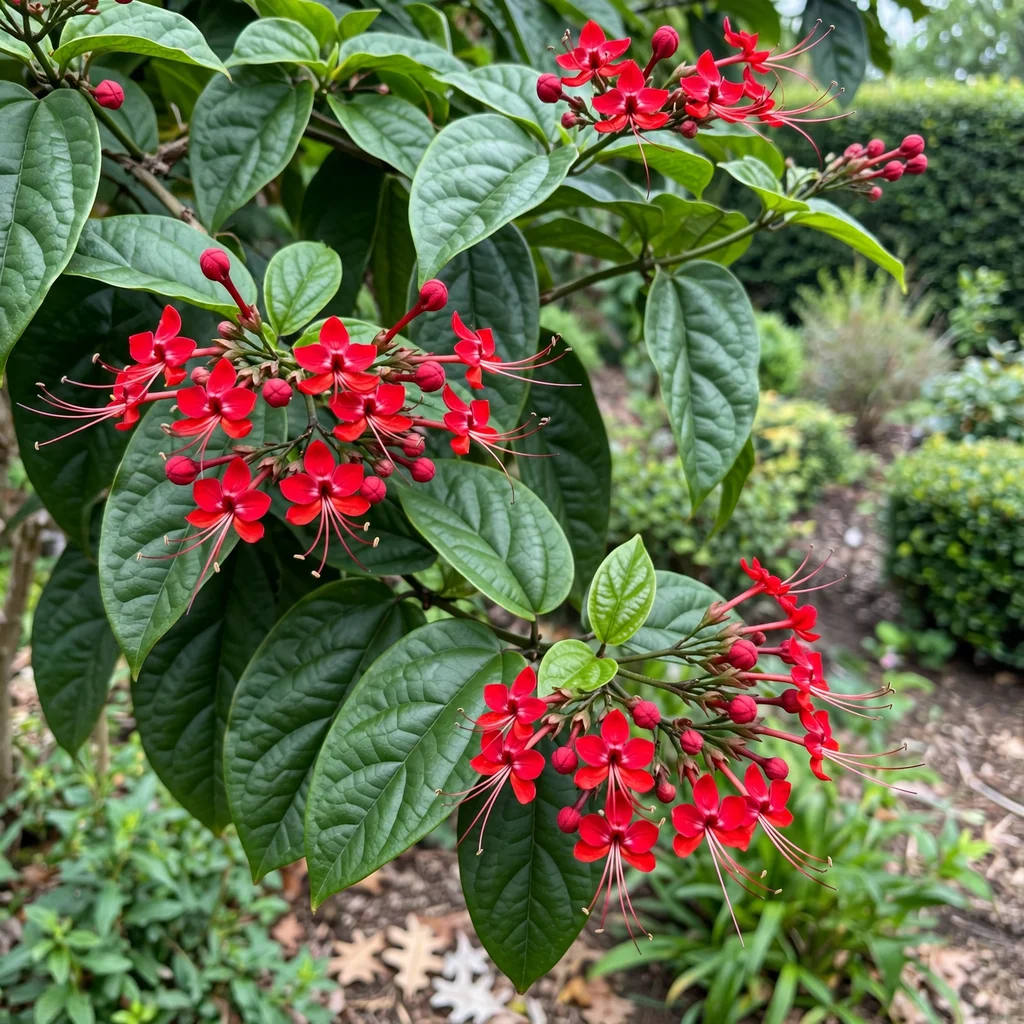
Flaming Glorybower
Clerodendrum splendens
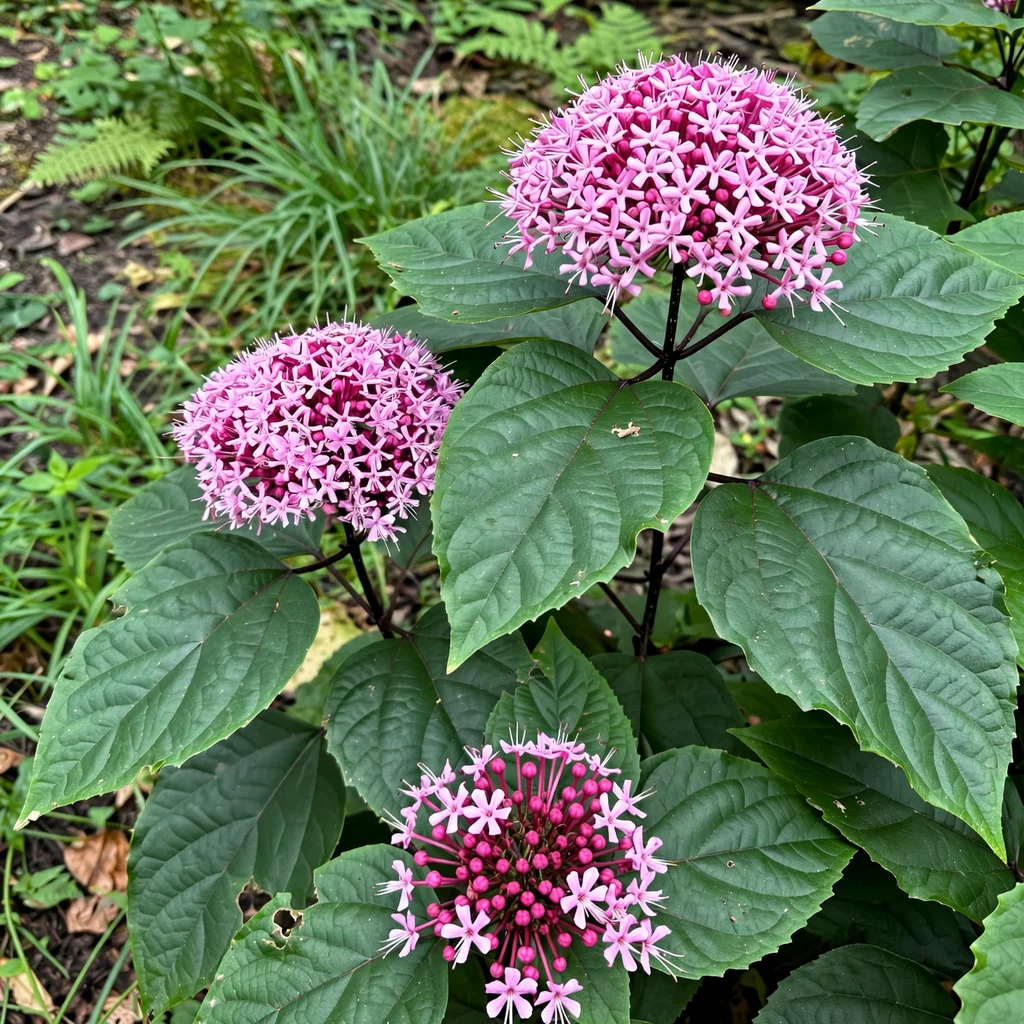
Rose Glorybower
Clerodendrum bungei
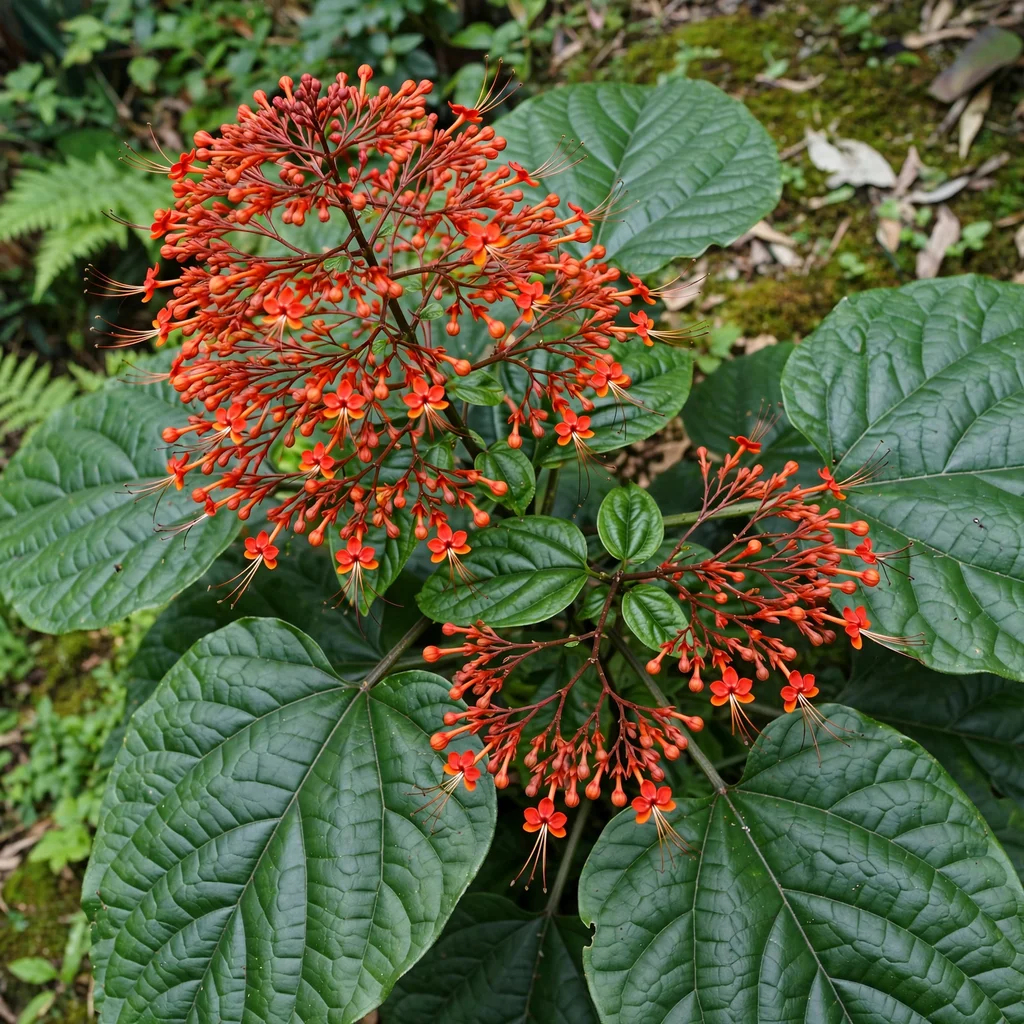
Pagoda Flower
Clerodendrum paniculatum
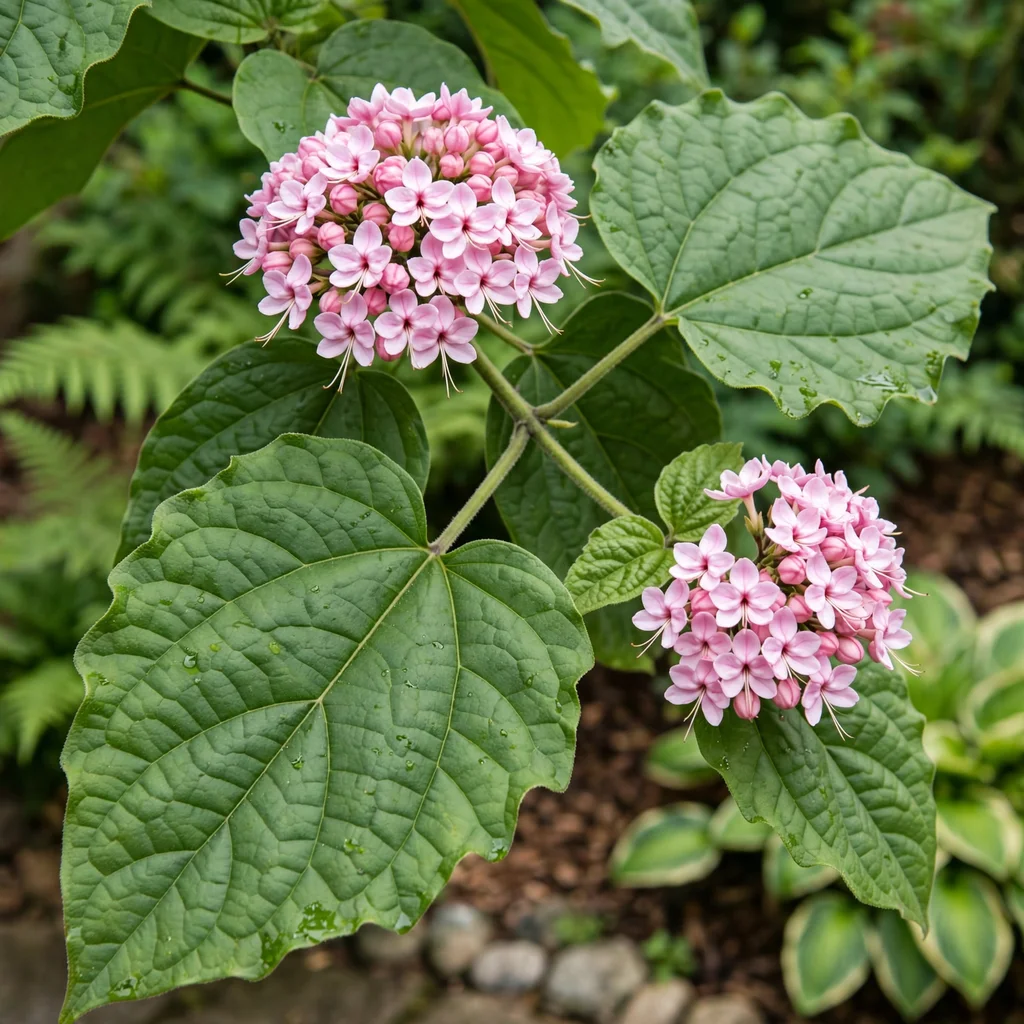
Chinese Glory Bower
Clerodendrum philippinum
Keep exploring
Explore the genus
Hardy in your zone?
Grow Bleeding Heart Vine with confidence
See it in a design of your actual yard, get zone-matched care reminders, and track it season by season in your garden journal.