
The Story
Plant Bio
Carex spissa is a large evergreen sedge that forms a tight fountain-like clump of leathery strap leaves. The flowers have no perianth; pollination is by wind on dense upright spikes that ripen from gold to tan.
San Diego Sedge is one of the largest southwestern sedges, holding silver-gray to gray-green leaves to four feet with angled culms held just above the foliage. Its spring cluster reaches nearly three feet and looks like a cattail, a crowded head of reddish-brown spikes with as many as three hundred fruits on a single spike.
Uses & Benefits:
Essentials
At a Glance
Plant Type
Grass
Height
48"
Width
36"
Light
Full Sun, Partial Sun, Shade
Zones
6, 7, 8, 9, 10
Water
Moderate to wet
Humidity
Unknown
Lifespan
Perennial
Native To
California, Arizona and northern Mexico
Toxicity
Unknown
Bloom period
Spring – Summer
In flower about 6 months of the year
Planting
How to Grow
- Plant in full sun in heavy, moisture-retentive soil such as clay loam.
- Set the crown level with the soil and water deeply to settle it in.
- Water regularly the first season, then reduce to deep watering once a week or less in summer.
- Top-dress with leaf mulch and comb out dead leaves in spring to keep the clump dense.
Pro Tip
Give it full sun and heavy moist soil; plants grown in part shade open up and turn weedy.
Keep It Thriving
Care Guide
Do
- Grow in full sun with moist to wet soil for the tightest form.
- Water deeply during establishment and in extended summer heat.
- Remove tattered older leaves by hand in spring.
Don't
- Do not plant in deep shade where growth turns loose and weedy.
- Do not cut the whole clump to the ground; it does not regrow like deciduous grasses.
- Do not keep the crown buried under heavy mulch.
Seasonal Care Calendar
| Task | Jan | Feb | Mar | Apr | May | Jun | Jul | Aug | Sep | Oct | Nov | Dec |
|---|---|---|---|---|---|---|---|---|---|---|---|---|
| Mulch | ||||||||||||
| Pest Check | ||||||||||||
| Plant | ||||||||||||
| Prune |
Watch Out For
Pests & Diseases
Common Pests
Common Diseases
In the Garden
Landscape Uses & Companions
Landscape Uses
Multiply
Propagation Methods
Good to Know
Common Questions
San Diego Sedge questions
What zones can San Diego Sedge grow in?
San Diego Sedge is hardy in USDA Zones 6–10: in that range it survives winter in the ground. Colder than Zone 6, grow it in a container you can move to shelter for the winter, or as an annual.
Is San Diego Sedge deer resistant?
Yes — San Diego Sedge is rated deer-resistant. Deer typically pass it over, though extreme hunger can override any plant's defenses.
When does San Diego Sedge bloom?
San Diego Sedge typically blooms from spring to summer. Exact timing shifts a week or two with your zone — Sow's bloom calendar maps it to your garden.
Does San Diego Sedge need full sun?
San Diego Sedge does best in full sun to part shade. In hot climates, afternoon shade keeps blooms fresher longer.
Is San Diego Sedge drought tolerant?
Yes — once established (usually after the first full season), San Diego Sedge handles dry spells with minimal watering. Water deeply its first year to build the root system that makes that possible.
More Carex to compare
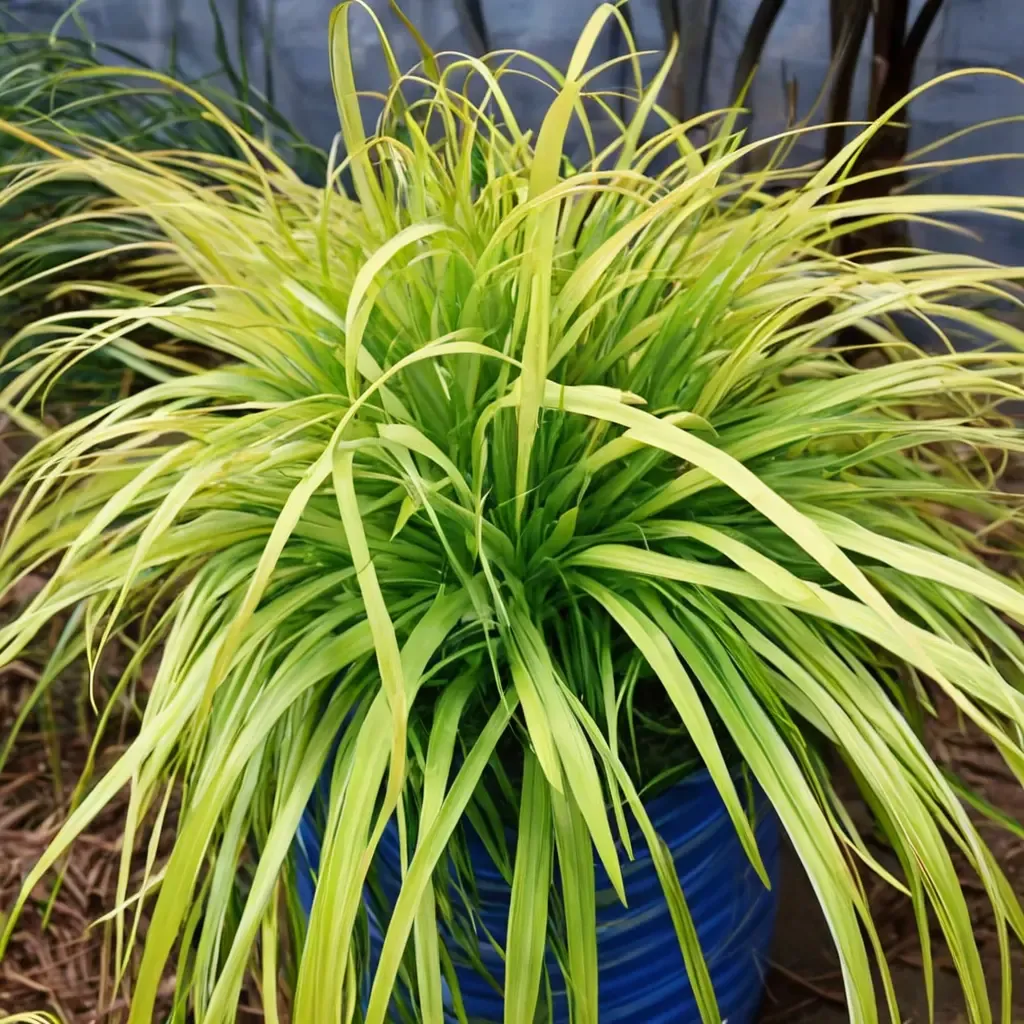
Everillo Sedge
Carex oshimensis 'Everillo'
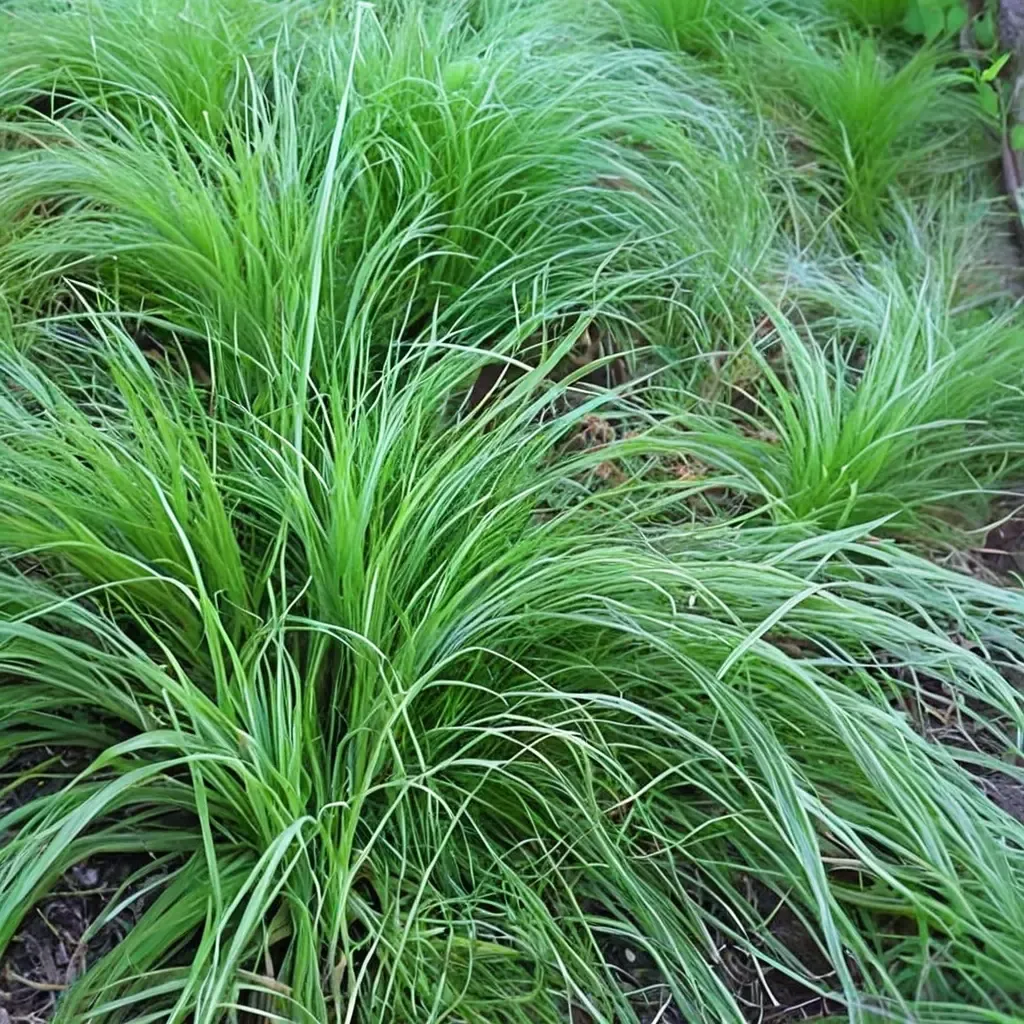
Pennsylvania Sedge
Carex pensylvanica
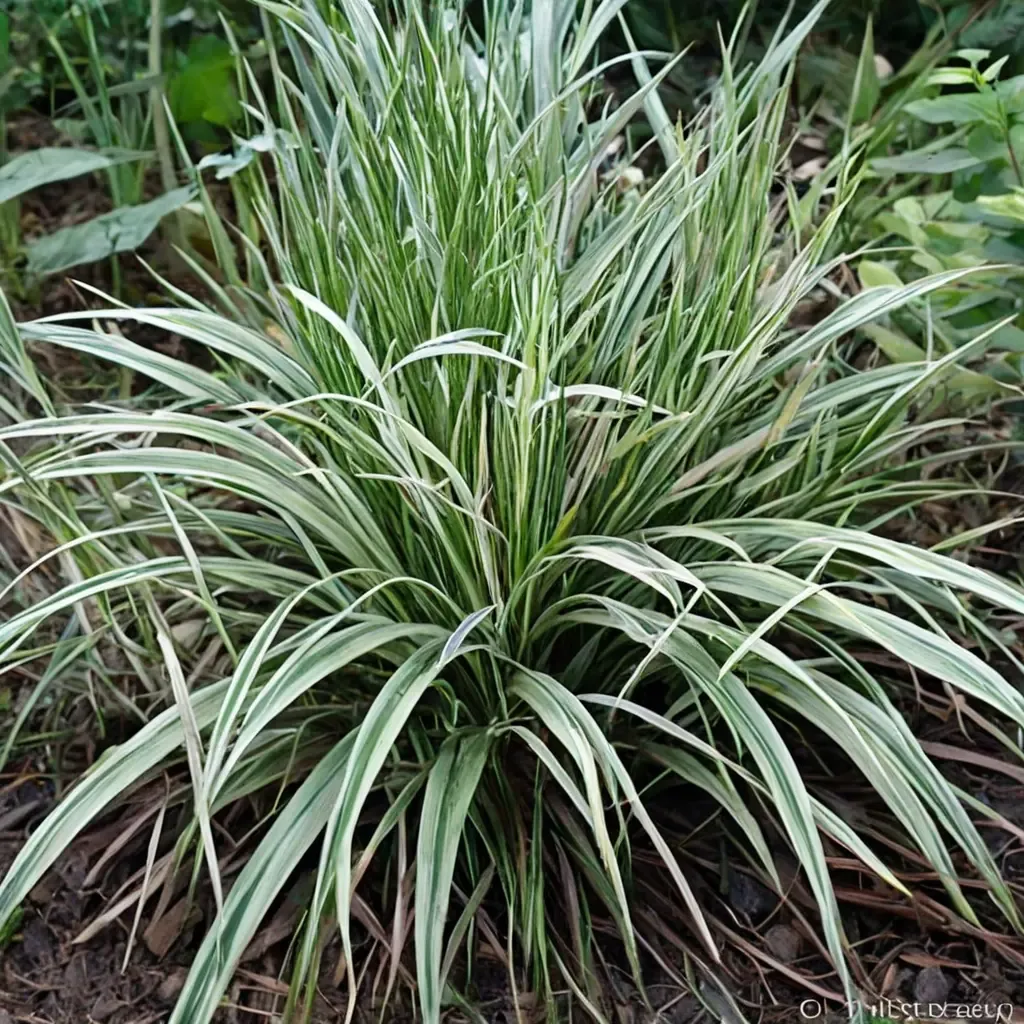
Japanese Sedge
Carex morrowii
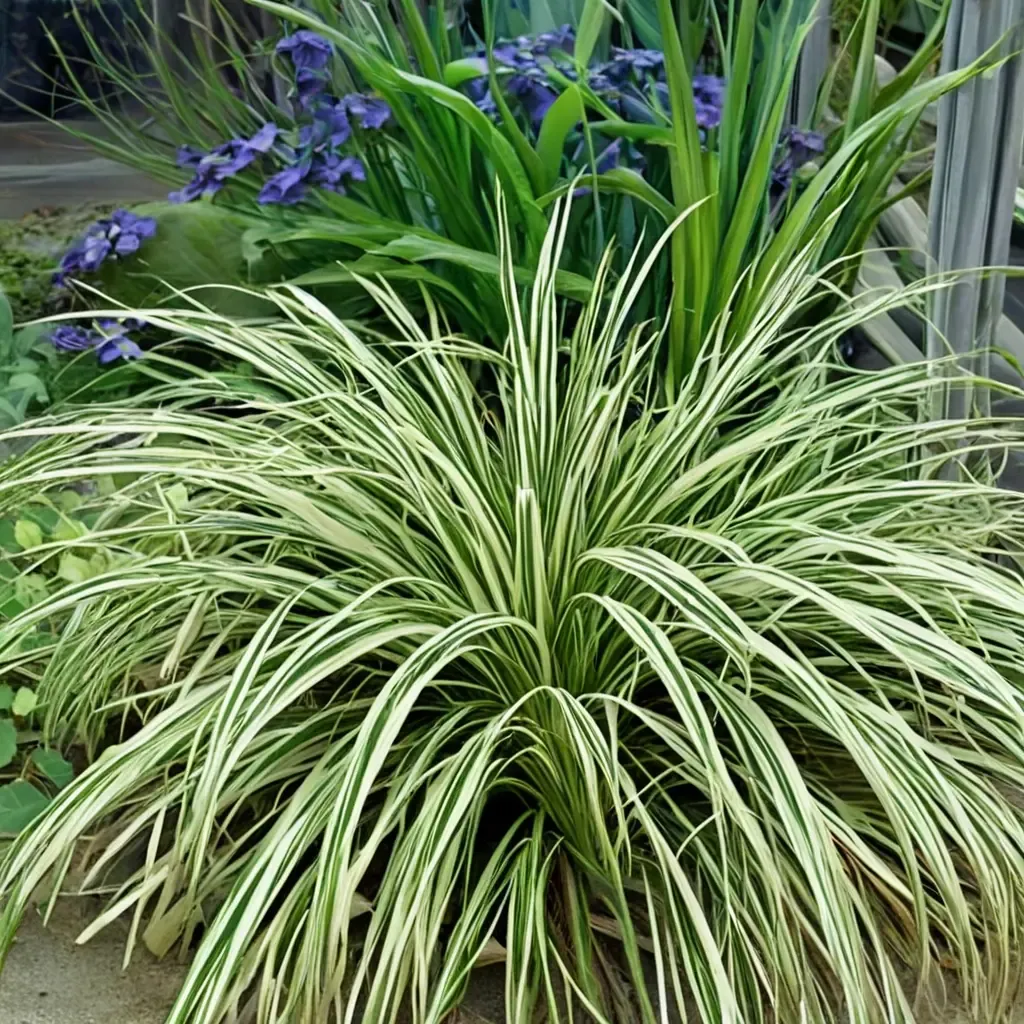
Evergold Japanese Sedge
Carex oshimensis 'Evergold'
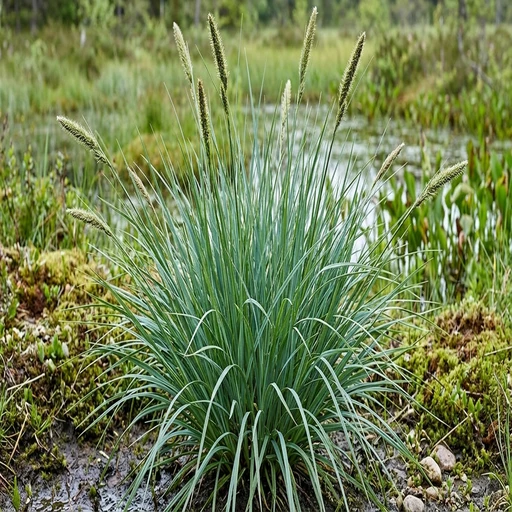
Comosa Sedge
Carex comosa
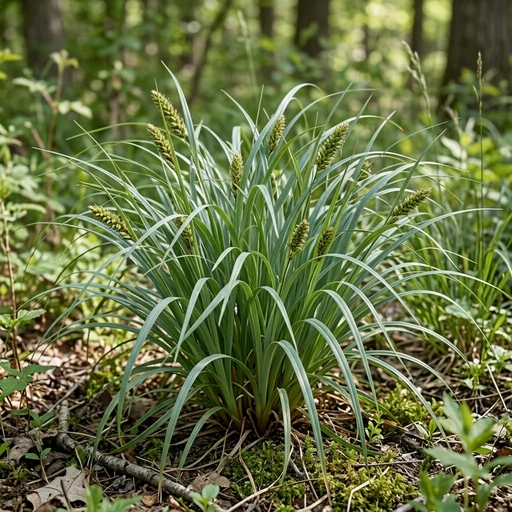
Shortbeak Sedge
Carex brevior
Keep exploring
Explore the genus
Hardy in your zone?
Grow San Diego Sedge with confidence
See it in a design of your actual yard, get zone-matched care reminders, and track it season by season in your garden journal.